
Betta Sororities: Creating a Harmonious Community of Female Fighters

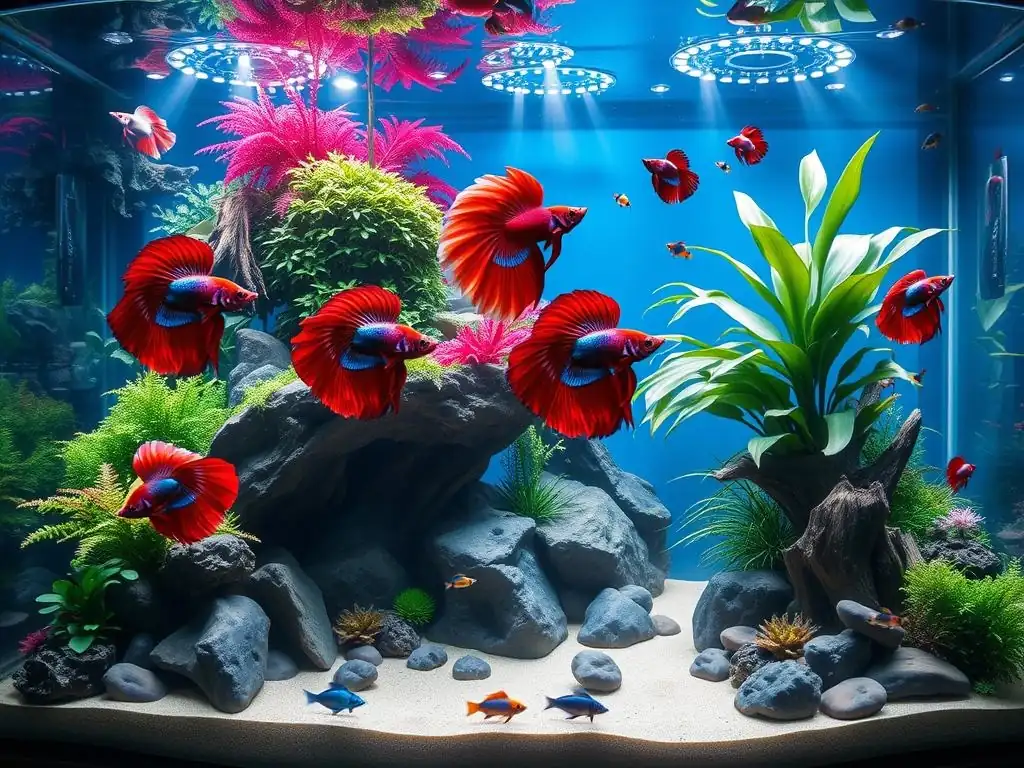
Welcome to Aquarium Mastery!
Ever wondered if you could create a peaceful haven with multiple female bettas? Dive into our guide, " Betta Sororities: Creating a Harmonious Community of Female Fighters," and unlock the secrets to a thriving female betta community tank setup. Discover everything you need to know about choosing the right fish, maintaining optimal water conditions, and observing crucial social dynamics. Curious to learn more? Let's get started!
- Betta Sororities: Creating a Harmonious Community of Female Bettas
- Understanding Betta Sororities: Is a Female Betta Community Tank Setup Right for You?
-
Planning Your Female Betta Community Tank Setup: Essential Considerations
- Tank Size Matters: Determining the Ideal Aquarium Volume for a Betta Sorority
- The Importance of Aquascaping: Creating Territories and Break Lines in a Female Betta Tank
- Filtration and Water Parameters: Maintaining Pristine Conditions for Female Betta Health
- Choosing Tank Mates for a Female Betta Sorority: Compatibility and Considerations
- Selecting Your Female Bettas: Temperament and Compatibility
-
Maintaining a Harmonious Female Betta Community: Observation and Intervention
- Recognizing Betta Aggression: Identifying Warning Signs in a Female Betta Sorority
- Feeding Your Female Bettas: Ensuring Adequate Nutrition and Minimizing Competition
- Water Changes and Tank Maintenance: Preventing Disease and Maintaining Water Quality
- Managing Aggression and Bullying: Strategies for Maintaining Peace in the Tank
- Troubleshooting Common Issues in Female Betta Sorories
- Alternative Options: Exploring Other Betta Keeping Methods
- Conclusion: The Rewards and Responsibilities of a Female Betta Community Tank
-
Frequently Asked Questions
- What is a Betta Sorority and is it suitable for all aquarists?
- What size tank is recommended for a female betta community tank setup?
- How many female bettas should I keep in a sorority, and what are the key factors in selecting them?
- What kind of environment is crucial for a successful Betta sorority?
- What are the warning signs that a Betta sorority is not working, and what steps should I take?
- Final Reflection: Cultivating Harmony in the Aquatic Realm
- Cultivate Your Betta Sorority Today!
Betta Sororities: Creating a Harmonious Community of Female Bettas
Understanding Betta Sororities: Is a Female Betta Community Tank Setup Right for You?
Defining a Betta Sorority: What It Means to Keep Multiple Female Bettas Together
A betta sorority refers to a specialized aquarium setup where multiple female Betta splendens, commonly known as Siamese fighting fish, are housed together in a single tank. The core principle behind this arrangement is to leverage the natural, albeit hierarchical, social structure of female bettas, allowing their aggression to be diffused among several individuals rather than concentrated on one. The ultimate goal of a successful female betta community tank setup is to create a stable social pecking order, leading to a peaceful coexistence among the group.
While male bettas are famously territorial and aggressive towards each other, female bettas can exhibit a more communal dynamic in the wild, often found in loose groups within their natural habitats. This inherent social inclination, when carefully replicated and managed in a controlled aquarium environment, forms the foundation for a thriving betta sorority. However, it is crucial to understand that success hinges on meticulous planning and proactive management of their territorial instincts, as even female bettas can display significant aggression.
The Appeal and Challenges of a Female Betta Community Tank
The appeal of a female betta community tank setup is multifaceted. Aesthetically, it allows aquarists to showcase a diverse array of vibrant colors, fin types, and patterns in one captivating display, far more dynamic than a solitary betta tank. Beyond visual appeal, observing the complex social interactions, the subtle establishment of hierarchies, and the individual personalities of each fish provides a uniquely engaging and rewarding experience for the dedicated aquarist.
Despite its allure, a betta sorority presents significant challenges that deter many casual fish keepers. The foremost concern is managing aggression; while female bettas can coexist, skirmishes and bullying are inevitable, and severe cases can lead to injury, chronic stress, or even fatalities. This type of female betta community tank setup demands a substantial investment in tank size, robust filtration, and intricate aquascaping. Furthermore, it requires continuous monitoring and a proactive approach, as it is far from a "set and forget" aquarium.
Assessing Your Experience Level: Are You Ready for a Betta Sorority?
A betta sorority is unequivocally not recommended for novice aquarists. It necessitates a profound understanding of fundamental fishkeeping principles, including advanced water chemistry, precise disease identification, and nuanced fish behavior interpretation. Prior experience with general community tanks, particularly those housing semi-aggressive species, is highly advantageous. The success of a female betta community tank setup fundamentally relies on the aquarist's ability to consistently observe, analyze, and intervene swiftly when issues arise.
Specific skills are paramount for managing such a setup. The aquarist must be adept at discerning subtle signs of stress or escalating aggression, proficient in performing frequent and accurate water parameter tests, and capable of promptly troubleshooting common ailments like fin rot or parasitic infections. Patience, adaptability, and a willingness to modify the tank environment or even rehome individual fish are critical. Without these advanced skills and dedication, the likelihood of a successful female betta community tank setup diminishes significantly, often resulting in undue stress and harm to the fish.
Planning Your Female Betta Community Tank Setup: Essential Considerations
Tank Size Matters: Determining the Ideal Aquarium Volume for a Betta Sorority
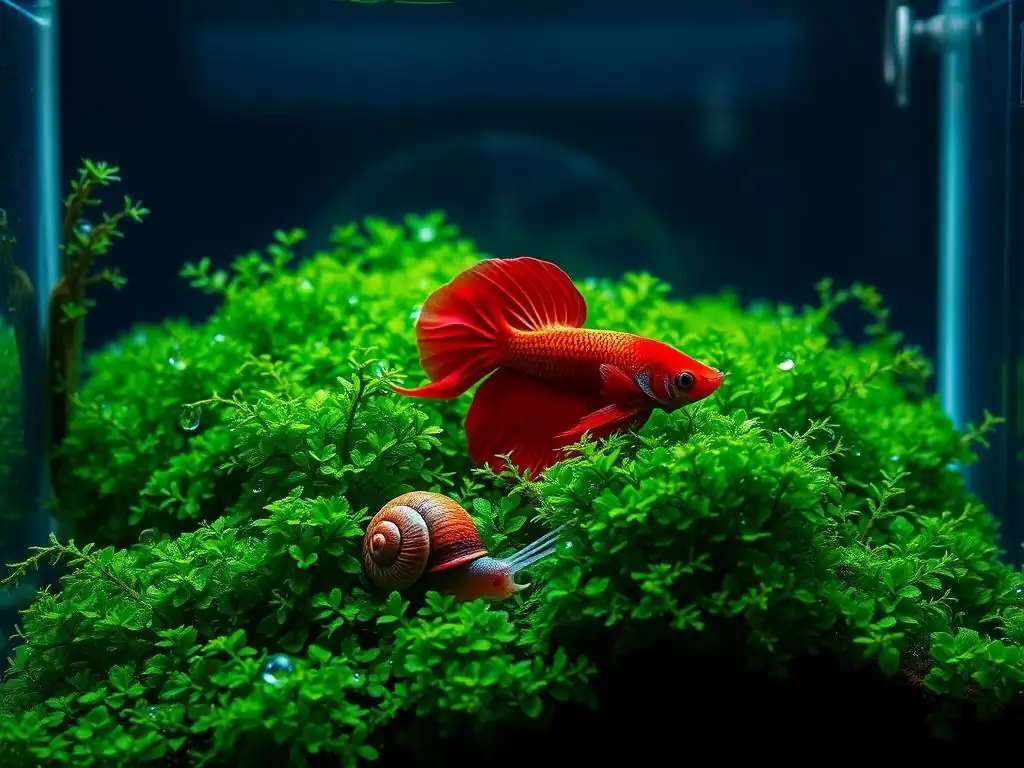
The size of the aquarium is arguably the most critical factor for a successful female betta community tank setup. A minimum tank volume of 20 gallons (approximately 75 liters) is generally recommended for a small sorority of 4 to 6 female bettas. For every additional betta beyond this initial group, it is advisable to add at least 5 gallons (approximately 19 liters) of water volume. For instance, a 30-gallon tank could comfortably accommodate 6 to 8 females, offering more stability.
A larger tank volume is essential because it provides ample swimming space and, more importantly, a greater area for intricate aquascaping that effectively breaks line of sight. This increased space allows subordinate fish to retreat from dominant individuals, significantly reducing stress and diffusing aggression across the group. A cramped or undersized female betta community tank setup will inevitably lead to heightened stress levels, constant skirmishes, and potentially fatal outcomes due to the inability of fish to establish personal territories and find refuge.
The Importance of Aquascaping: Creating Territories and Break Lines in a Female Betta Tank
Dense and strategic aquascaping is paramount for a harmonious female betta community tank setup. The tank should be heavily planted with live or high-quality silk plants, and incorporate numerous pieces of driftwood, caves, and various rock formations. The primary objective is to create an abundance of visual barriers and hiding spots, effectively breaking up the line of sight throughout the aquarium. This prevents dominant bettas from constantly seeing and harassing subordinate members of the sorority. Aim to cover or obstruct at least 70% of the tank floor.
For example, a well-designed female betta community tank setup might feature a large, branching piece of driftwood positioned centrally to divide the tank, dense thickets of plants like Java Fern (Microsorum pteropus) or Anubias species on one side, and a cluster of ceramic caves or smooth rocks on the other. Each female betta should ideally be able to find multiple secluded spots where she feels secure and can retreat when stressed or pursued. This strategic placement of decor is more critical than in typical community tanks, directly influencing the stability and peace within the sorority.
Filtration and Water Parameters: Maintaining Pristine Conditions for Female Betta Health
A robust and efficient filtration system is indispensable for a female betta community tank setup due to the significantly higher bioload compared to a single-betta tank. An external canister filter or a powerful hang-on-back (HOB) filter with ample media for biological, mechanical, and chemical filtration is highly recommended. It is crucial to ensure that the filter output is not excessively strong, as bettas prefer calm water; consider using a spray bar or a baffle to diffuse the flow.
Maintaining stable and pristine water parameters is equally vital. The water temperature should consistently range between 76-82°F (24-28°C), and the pH level should be kept between 6.5-7.5. Ammonia and nitrite levels must always be at 0 ppm, and nitrates should be maintained below 20 ppm. Regular water testing, ideally at least weekly, is crucial. Weekly partial water changes of 25-30% are essential to dilute nitrates and replenish vital minerals. Poor water quality dramatically escalates stress levels and susceptibility to disease, which can quickly destabilize a female betta community tank setup.
Choosing Tank Mates for a Female Betta Sorority: Compatibility and Considerations
While a betta sorority focuses on the coexistence of female bettas, introducing other species as tank mates requires extreme caution and careful consideration. The primary concern must always remain the well-being of the bettas. If considering additional inhabitants, select only peaceful, swift-moving, and non-fin-nipping species that primarily occupy different levels of the water column. Strictly avoid other labyrinth fish, known fin-nippers, or very slow-moving fish that could become targets.
Examples of potentially suitable tank mates, always with caveats, include small, schooling fish like Ember Tetras (Hyphessobrycon amandae), Harlequin Rasboras (Trigonostigma heteromorpha), or a small school of Corydoras catfish (e.g., Pygmy Corydoras) for the bottom dwellers. However, even with these seemingly compatible species, continuous observation is paramount. Any discernible sign of aggression from the bettas towards the tank mates, or vice versa, indicates that the tank mates should be promptly removed. The delicate balance of a female betta community tank setup is fragile, and external variables can easily disrupt its harmony.
Selecting Your Female Bettas: Temperament and Compatibility
Sourcing Healthy Female Bettas: Identifying Signs of a Healthy Betta for Your Sorority
The success of a betta sorority begins with the health of the individual fish. It is imperative to source healthy, robust female bettas. Look for fish that are active, alert, and exhibit vibrant, consistent coloration. Their fins should be fully extended and un-clamped, without any signs of tears, fraying, or fin rot. The body should appear full and well-conditioned, not emaciated, and scales should lie flat against the body. Actively avoid any fish showing signs of disease, such as white spots (Ich), fuzzy growths (fungus), or exhibiting lethargic or stressed behavior (e.g., clamped fins, hiding excessively).
Ideally, all members of your female betta community tank setup should be purchased from the same reputable breeder or fish store at the same time. This approach helps ensure that the fish are of similar size and age, which can contribute to a more stable hierarchy and minimize initial aggression. While not always feasible, selecting bettas that have been housed in community tanks or with other females might suggest a more tolerant temperament, though this is never an absolute guarantee of compatibility within a new sorority.
Introducing Female Bettas to the Community Tank: Minimizing Aggression
The most effective strategy for introducing female bettas into a new female betta community tank setup is simultaneous introduction. This means adding all the chosen sorority members to the main tank at the same time. This method prevents any single betta from establishing a dominant territory over the entire aquarium before others are introduced, thereby diffusing initial aggression and preventing one fish from becoming an entrenched bully. Dimming the aquarium lights during the introduction process can also help reduce initial stress and overstimulation.
After a slow and proper drip acclimation process (typically 30-60 minutes) to match water parameters, release all bettas into the tank. Expect some initial flaring, chasing, and minor skirmishes as they begin to establish their pecking order; this is a normal part of the process. However, continuous observation is crucial for the first few hours and days. Sustained aggression, relentless fin nipping resulting in significant damage, or one fish constantly hiding in fear are clear indicators of trouble that require immediate intervention in your female betta community tank setup.
Quarantine Procedures: Protecting Your Existing Bettas from Disease
Regardless of the source, all new fish, including female bettas intended for a sorority, must undergo a mandatory quarantine period. This process typically lasts for 2 to 4 weeks in a separate, fully cycled quarantine tank. This crucial step is designed to prevent the introduction of common diseases such as Ich, Velvet, or various bacterial infections into your established and otherwise healthy female betta community tank setup. Skipping quarantine significantly elevates the risk of a widespread and devastating disease outbreak.
A suitable quarantine tank can be a simple 5-10 gallon aquarium equipped with a heater, a gentle sponge filter, and a few basic hiding spots. During the quarantine period, observe the fish daily for any signs of illness, including unusual swimming patterns, lethargy, clamped fins, white spots, fuzzy growths, or changes in appetite. Any detected diseases should be treated promptly and effectively within the quarantine tank before the fish are introduced to the main sorority. This proactive measure is fundamental to the long-term health and stability of your female betta community tank setup.
Maintaining a Harmonious Female Betta Community: Observation and Intervention
Recognizing Betta Aggression: Identifying Warning Signs in a Female Betta Sorority
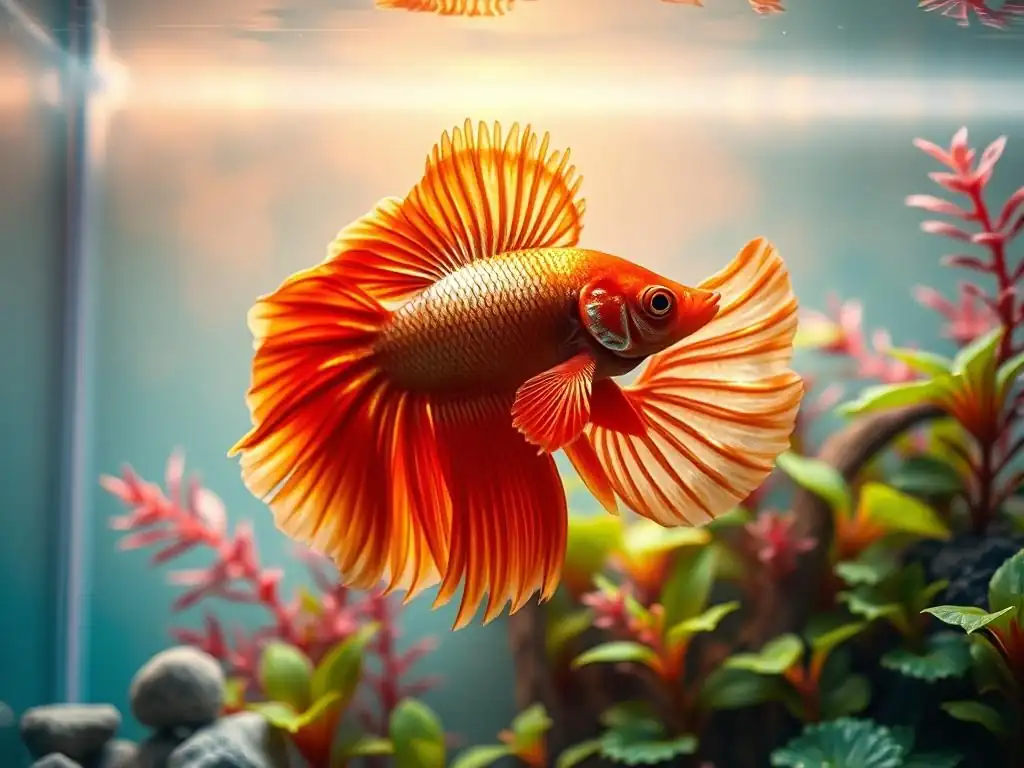
In a female betta community tank setup, a certain degree of interaction, including brief chasing, flaring, and occasional mild nipping, is considered normal as the hierarchy is established and maintained. This typical behavior is usually sporadic and short-lived. The critical skill for an aquarist is to differentiate this from problematic, sustained aggression. Warning signs of concerning aggression include prolonged, relentless chasing, constant fin nipping that results in significant and visible damage, or one particular fish being continuously harassed and prevented from accessing food or hiding spots.
Behavioral indicators of severe stress or bullying include a fish constantly hiding, showing obvious stress stripes (horizontal bars on their body), refusing to eat, or developing severe fin damage beyond minor tears. A dominant fish might also exhibit territorial patrolling, aggressively guarding specific areas and preventing other bettas from entering. If you observe consistent targeting of one individual, or if multiple fish are showing signs of chronic stress, it is a clear indication that the delicate balance in your female betta community tank setup is compromised and requires immediate intervention.
Feeding Your Female Bettas: Ensuring Adequate Nutrition and Minimizing Competition
Providing a balanced and nutritious diet is essential for the health of your female bettas. Feed high-quality betta pellets or flakes, supplementing their diet 2-3 times per week with frozen or live foods such as bloodworms, brine shrimp, and daphnia. To ensure all fish receive adequate nutrition and to minimize competition, it is advisable to feed small amounts multiple times a day rather than one large feeding. This approach also helps prevent overfeeding and subsequent water quality issues.
Due to the inherent hierarchical nature of a female betta community tank setup, dominant fish may attempt to monopolize food resources. To counteract this, disperse the food widely across the water surface or in multiple locations simultaneously. This allows all bettas, including the more timid ones, access to food without direct confrontation. Continuous observation during feeding times is crucial to confirm that every fish is eating adequately. Underfed fish are more susceptible to stress, disease, and are less resilient, which can further exacerbate aggressive dynamics within the sorority.
Water Changes and Tank Maintenance: Preventing Disease and Maintaining Water Quality
Consistent and diligent water changes are absolutely critical for maintaining excellent water quality in a female betta community tank setup. Due to the higher bioload of multiple fish, pollutants accumulate more rapidly. Perform weekly partial water changes of 25-30% using dechlorinated water that is temperature-matched to the aquarium. This routine effectively removes accumulated nitrates, phosphates, and other harmful pollutants, while also replenishing essential minerals.
Beyond regular water changes, comprehensive tank maintenance is imperative. Routinely clean the substrate using a gravel vacuum to remove uneaten food, fish waste, and other debris. Wipe down the interior glass to prevent excessive algae buildup, which can indicate nutrient imbalances. Inspect and clean or replace filter media as necessary, ensuring that beneficial bacterial colonies are not disrupted. A meticulously clean and well-maintained environment significantly reduces stress levels and drastically lowers the likelihood of disease outbreaks, which can quickly devastate a female betta community tank setup.
Managing Aggression and Bullying: Strategies for Maintaining Peace in the Tank
If severe aggression or persistent bullying is observed in your female betta community tank setup, immediate action is necessary to prevent injury or chronic stress. A primary intervention strategy is to temporarily remove either the aggressor or the bullied fish to a separate, smaller "time-out" tank for a period ranging from a few days to a week or more. This separation can sometimes help to reset the social dynamics and break established patterns of aggression. Concurrently, ensure the main tank is exceptionally densely decorated, as inadequate hiding spots are a prevalent cause of aggression.
For long-term solutions, if aggression persists even after temporary separation, it may be necessary to re-evaluate the entire sorority composition. This could involve adding more fish (provided the tank size is sufficiently large) to further diffuse aggression, or permanently removing the most aggressive individual if she proves incompatible with a group setting.
In some cases, a particular betta's temperament may simply be too dominant for a sorority, and keeping her alone or with very robust, non-targetable tank mates is the safest option. Maintaining a harmonious female betta community tank setup often demands ongoing vigilance and the willingness to make difficult decisions for the overall well-being of all inhabitants.
Troubleshooting Common Issues in Female Betta Sorories
Fin Nipping and Injuries: Causes and Treatment in Female Betta Tanks
Fin nipping is a common issue that can arise in a female betta community tank setup, often a consequence of establishing a pecking order or general inter-fish aggression. Injuries can range from minor nips and fraying to significant tears or even substantial loss of fin tissue. While it can be challenging to identify the exact aggressor, it is frequently a cumulative effect of multiple brief encounters. Look for jagged or frayed fin edges, missing sections of fins, or any signs of redness or inflammation around the injured area.
For minor fin nips, maintaining pristine water quality is often sufficient for healing. Perform extra partial water changes (e.g., 50% every other day for several days) to keep the water exceptionally clean, which aids in preventing secondary infections. For more severe injuries, or if there are signs of bacterial infection (such as a white fuzzy growth, redness, or swelling), it is advisable to isolate the injured fish in a hospital tank.
Treat the isolated fish with a broad-spectrum antibiotic or antifungal medication as appropriate. Prevention primarily revolves around ensuring adequate space and complex, line-of-sight-breaking aquascaping in the female betta community tank setup.
Disease Outbreaks: Identifying and Treating Common Betta Illnesses
Bettas housed in a female betta community tank setup, particularly if experiencing stress from aggression or suboptimal water conditions, are susceptible to common freshwater aquarium diseases. These include Ich (Ichthyophthirius multifiliis), characterized by small white spots resembling salt grains; Fin Rot, which manifests as deteriorating or clamped fins; Velvet (Oodinium pilularis), appearing as a gold or rust-colored dust on the fish's body; and Dropsy, indicated by a severely swollen body and protruding scales. Early detection is paramount; observe your fish daily for any subtle changes in behavior, appetite, or physical appearance.
If a disease is suspected, immediately isolate the affected fish in a separate hospital tank. This crucial step prevents the spread of the illness to the rest of the sorority and allows for more targeted and effective treatment without medicating the entire main tank. Treat the isolated fish with appropriate medications, such as Ich-X for Ich, or API Fin & Body Cure for bacterial infections, following the product instructions carefully. Maintaining consistently pristine water quality in the main female betta community tank setup is the single most effective preventative measure against stress-induced disease outbreaks.
Re-establishing Harmony: Separating and Reintroducing Bettas After Aggression
If severe, persistent aggression leads to injury or chronic stress for a particular female betta, temporary separation is often a necessary intervention to re-establish harmony in the female betta community tank setup. Remove either the aggressor or the bullied fish to a separate, adequately sized tank for a "time-out" period, which can last from several days to a week or even longer. This separation helps to disrupt established aggressive patterns and provides the bullied fish with a much-needed period of recovery and reduced stress.
Before attempting reintroduction, it is highly advisable to significantly rearrange the aquascape in the main female betta community tank setup. This disrupts existing territories and forces all bettas to establish new ones. When reintroducing, consider adding all bettas simultaneously again, or introduce the previously bullied fish first to allow her to establish a secure hiding spot before the aggressor is returned.
Monitor the tank closely for several days post-reintroduction. If high levels of aggression immediately resume, it may indicate that the specific fish is simply not suitable for a sorority environment, and permanent separation may be the only long-term solution to maintain peace in your female betta community tank setup.
Alternative Options: Exploring Other Betta Keeping Methods
Single Female Betta Tanks: Providing Individualized Care
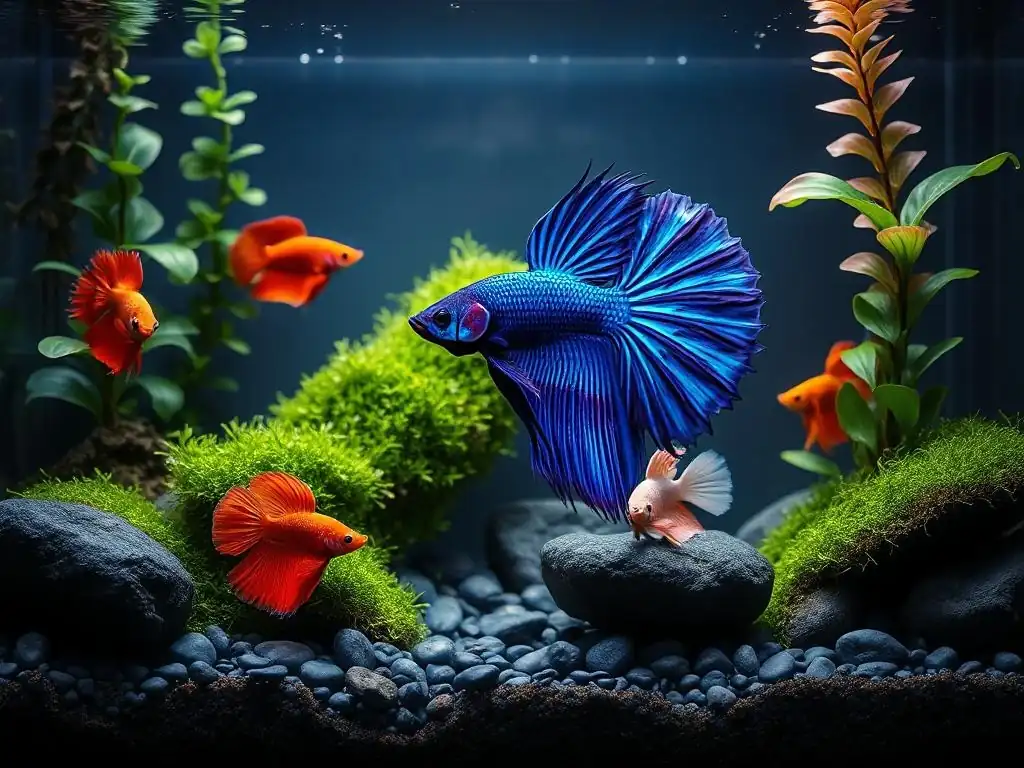
For aquarists who prefer a simpler setup, are new to fishkeeping, or are not prepared for the intricate complexities of a betta sorority, keeping a single female betta is an excellent and equally rewarding alternative. A minimum 5-gallon tank (approximately 19 liters) is generally considered suitable for a solitary female betta, providing ample swimming space and allowing for highly individualized care. This approach entirely eliminates the challenges associated with aggression, social hierarchies, and the constant monitoring inherent in a female betta community tank setup.
The benefits of solitary betta care are numerous. A lone betta often exhibits more relaxed behavior, displays more vibrant coloration, and can form a strong, recognizable bond with its owner through daily interactions. The aquarist's focus shifts entirely to providing optimal individual care, tailored enrichment, and maintaining a consistently pristine environment, free from the added stress of social dynamics. This allows for a deeper appreciation of the unique personality and subtle nuances of a single betta, making it a popular and fulfilling choice for many enthusiasts who prioritize individual well-being over a group display.
Community Tanks with a Single Female Betta: Considerations for Tank Mate Selection
Another viable option is to house a single female betta in a larger community tank, typically 10 gallons or more, alongside carefully selected tank mates. This setup offers a more diverse and dynamic aquatic display than a solitary betta tank, without the intricate social management and potential aggression risks required for a full female betta community tank setup. The cornerstone of success for this arrangement lies in choosing truly peaceful, non-nipping, and non-competitive species that will not stress or harm the betta.
When selecting tank mates for a single female betta, prioritize small, schooling fish that are not known for fin-nipping and do not possess flowing fins that might tempt the betta. Good candidates often include small species like Ember Tetras, Chili Rasboras, or various species of small Corydoras catfish for the bottom. Avoid any fish that are known for aggression, are too large, or have bright, betta-like colors.
The tank should still be well-planted to provide ample hiding spots for the betta if she feels the need to retreat. This setup strikes a balance between the simplicity of a solitary betta and the complexities of a full female betta community tank setup, offering a vibrant environment while significantly minimizing aggression risks.
Conclusion: The Rewards and Responsibilities of a Female Betta Community Tank
Creating a Thriving Ecosystem: The Benefits of a Well-Managed Betta Sorority
A successfully established and meticulously maintained female betta community tank setup represents a truly unique and deeply rewarding achievement in the realm of freshwater aquaria. It offers an unparalleled opportunity to observe the intricate social behaviors and fascinating dynamics of these intelligent fish, showcasing a vibrant spectrum of colors, fin types, and distinct personalities within a single, dynamic display. The profound satisfaction derived from providing a harmonious and thriving home for multiple bettas is immense, transforming a simple aquarium into a vibrant, living ecosystem that captivates and educates.
Beyond the undeniable aesthetic appeal, a thriving betta sorority serves as an invaluable learning experience, significantly deepening the aquarist's understanding of complex fish behavior, the nuances of water chemistry, and the critical importance of proactive tank management. It stands as a testament to the fact that, with meticulous planning, unwavering vigilance, and an unyielding commitment to their well-being, even a species renowned for its aggression can coexist peacefully. This makes the female betta community tank setup a true pinnacle of advanced freshwater aquarium keeping, a testament to dedication and knowledge.
The Ongoing Commitment: Ensuring the Long-Term Health and Happiness of Your Female Bettas
It is crucial to understand that maintaining a successful betta sorority is not a one-time setup; rather, it demands an ongoing, highly attentive commitment. Consistent observation for any subtle signs of stress or escalating aggression, diligent and regular water quality testing, proactive and thorough tank maintenance, and prompt intervention whenever issues arise are all absolutely essential for ensuring the long-term health, happiness, and stability of your fish. This continuous dedication is the bedrock upon which the sustained harmony and vitality of your female betta community tank setup depend.
Furthermore, adaptability and a strong sense of responsibility are paramount. Be prepared to adapt to unforeseen challenges. Occasionally, despite the most meticulous planning and best efforts, a particular betta may prove fundamentally incompatible with the sorority dynamic, or unexpected aggression issues may emerge.
A responsible aquarist must be willing to make difficult decisions, including separating or rehoming fish if necessary, always prioritizing the individual well-being of each inhabitant. The journey of maintaining a female betta community tank setup is one of continuous learning, unwavering adaptation, and profound responsibility, culminating in a beautiful and thriving aquatic display for those dedicated enough to embrace its unique challenges.
Frequently Asked Questions
What is a Betta Sorority and is it suitable for all aquarists?
A Betta sorority is a community tank housing multiple female Betta splendens (betta). It's not for beginners due to the potential for aggression and requires careful planning and consistent monitoring. Betta splendens are notoriously territorial; so only experienced aquarists should attempt it.
What size tank is recommended for a female betta community tank setup?
A minimum of 20 gallons is recommended for a small sorority of 5-6 female bettas. Larger tanks, like 40 gallons or more, are even better as they provide more space and reduce the likelihood of aggression and territorial disputes.
How many female bettas should I keep in a sorority, and what are the key factors in selecting them?
Start with a group of 5-7 female bettas to distribute aggression. Choose females of similar size and age, and avoid overly aggressive individuals. Introduce all bettas at the same time to minimize established territories.
What kind of environment is crucial for a successful Betta sorority?
A heavily planted tank with plenty of hiding places and broken lines of sight is essential. Use plants, rocks, and decorations to create visual barriers and reduce stress. Stable water parameters are also crucial for the health and well-being of the bettas.
What are the warning signs that a Betta sorority is not working, and what steps should I take?
Watch for signs of excessive aggression, bullying, or fin nipping. If these occur, separate the aggressive betta immediately. Having a backup tank ready is essential for isolating problem individuals and preventing further harm.
Final Reflection: Cultivating Harmony in the Aquatic Realm
The exploration of female betta community tank setups reveals more than just the technicalities of aquarium keeping; it highlights the potential for creating thriving ecosystems built on understanding and careful planning. In a world often characterized by competition, the success of a female betta sorority serves as a potent reminder that harmony is achievable, even amongst those perceived as inherently combative.
This journey into the aquatic world has profoundly underscored the importance of thoughtful design and responsible stewardship in all aspects of community building, not just within the glass walls of a fish tank. The best way to find yourself is to lose yourself in the service of others,
a sentiment that resonates deeply when considering the dedication required to nurture a balanced and flourishing betta sorority. It's a microcosm reflecting the broader human experience, demonstrating that with patience, empathy, and a commitment to creating a supportive environment, even seemingly disparate individuals can coexist peacefully and even thrive together.
Now, as you consider the delicate balance within a female betta community tank, I invite you to reflect on the communities you inhabit in your own life. How can you apply the principles of careful planning, thoughtful introduction, and consistent observation to foster greater harmony and understanding in your relationships and surroundings? Embrace the challenge of creating a more balanced and supportive environment, and witness the remarkable potential that unfolds when individuals are empowered to thrive together.
Cultivate Your Betta Sorority Today!
Thank you for exploring the fascinating world of Betta sororities with us! Now that you're equipped with the knowledge to create a thriving community, let's put that expertise into action.
Here are some steps you can take to build your successful Betta sorority:
- Start planning your tank setup. Determine the size, plants, and hiding spots needed to provide a safe and stimulating environment for your future finned friends.
- Share this guide with fellow aquarium enthusiasts who are interested in learning about Betta sororities to create a well informed and active community.
- Consider reaching out to experienced Betta breeders or aquarium clubs for personalized guidance and support in setting up your sorority.
What are the most crucial elements you'll focus on when setting up your Betta sorority to ensure a peaceful and thriving environment?