
Heating from Below: Are Substrate Heaters Right for Your Planted Aquarium? (Guide & Review)

Welcome to Aquarium Mastery!
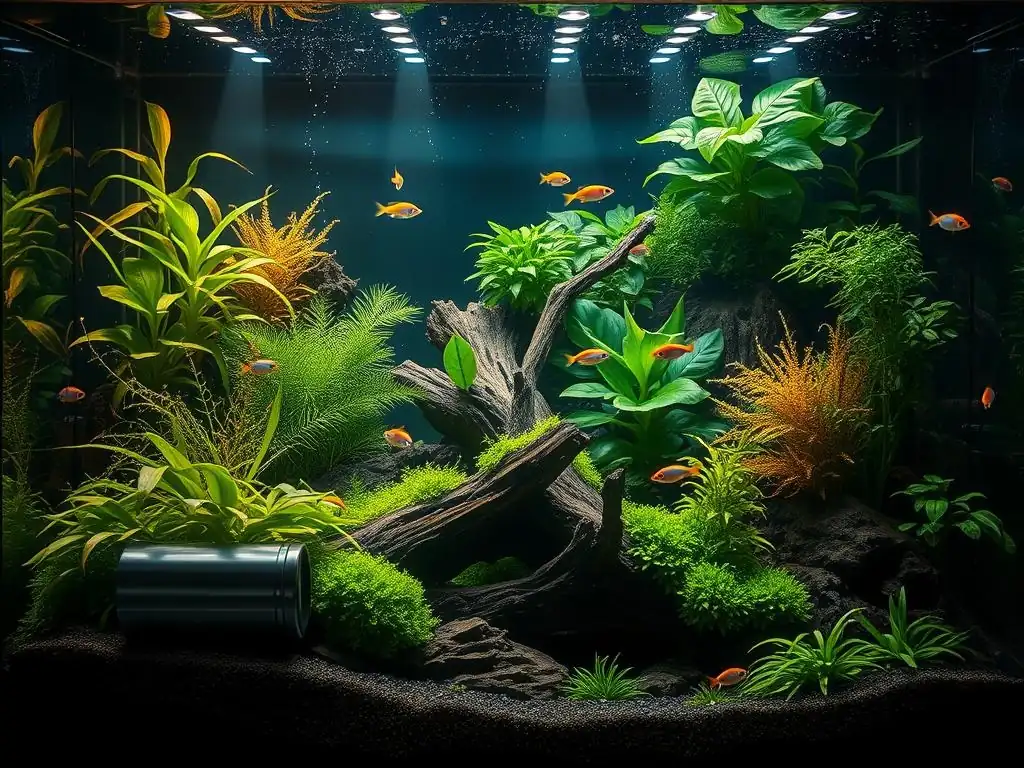
Ever wondered if heating your planted aquarium from below could be the secret to lush, thriving aquatic plants? Heating from Below: Are Substrate Heaters Right for Your Planted Aquarium? delves into just that! Discover whether a substrate heater planted aquarium setup is the key to unlocking your tank's full potential, or if it's an unnecessary expense. Get ready to explore the pros, cons, and everything in between, and let's cultivate a truly masterful aquatic paradise together!
- Understanding Substrate Heaters for Planted Aquariums
- Substrate Heaters vs. Traditional Aquarium Heaters: A Comparison
- Setting Up a Substrate Heater in Your Planted Aquarium: A Step-by-Step Guide
- Substrate Heater Review: Top Models for Planted Aquariums in 2024
- Optimizing Plant Growth with Substrate Heating: Tips and Tricks
- Troubleshooting Substrate Heater Issues in Planted Aquariums
- Are Substrate Heaters Necessary for All Planted Aquariums?
-
Frequently Asked Questions
- What is a substrate heater and how does it benefit a planted aquarium?
- Are substrate heaters necessary for all planted aquariums?
- How do substrate heaters affect water temperature in the aquarium?
- Can substrate heaters be used in conjunction with other heating methods?
- What are some potential drawbacks or risks associated with using a substrate heater?
- Final Reflection: Cultivating Growth from the Roots
- Ignite Growth: Transform Your Aquarium Today!
Understanding Substrate Heaters for Planted Aquariums
What is a Substrate Heater and How Does it Work?
A substrate heater, often referred to as an undergravel heating cable or mat, is a low-wattage heating element designed to be placed directly beneath the aquarium substrate. Unlike traditional submersible heaters that warm the entire water column, a substrate heater primarily warms the gravel or sand bed from the bottom up. This creates a gentle temperature gradient within the substrate, typically making the bottom layer a degree or two warmer than the top layer and the water column itself.
The operational principle of a substrate heater relies on the natural phenomenon of convection. As the substrate at the bottom heats up, it warms the water trapped within the substrate pores. This warmer, less dense water then rises, creating a slow, continuous circulation of water and nutrients through the substrate. This gentle movement helps prevent the formation of anaerobic pockets, which can be detrimental to plant roots and beneficial bacteria, while simultaneously delivering dissolved nutrients directly to the root zones of aquatic plants.
The Role of Substrate Heating in Planted Tank Ecosystems
In a thriving planted tank ecosystem, the substrate serves as the anchor for plants and a vital hub for nutrient cycling and beneficial microbial activity. Substrate heating plays a crucial role by enhancing these processes. The subtle warming encourages increased metabolic activity in beneficial bacteria that colonize the substrate, improving the breakdown of organic waste and the conversion of harmful ammonia and nitrites into less toxic nitrates, which plants can then absorb.
Furthermore, the induced convection currents are paramount for nutrient delivery. As water circulates through the substrate, it carries dissolved nutrients, including essential macronutrients like nitrogen, phosphorus, and potassium, and micronutrients such as iron and manganese, directly to the plant roots. This continuous replenishment of nutrients at the root level is akin to a slow-release fertilization system, providing plants with consistent access to vital elements necessary for robust growth and vibrant coloration.
Benefits of Using a Substrate Heater in a Planted Aquarium
The primary benefit of integrating a substrate heater into a planted aquarium is the significant improvement in plant health and growth. Many aquatic plants, especially heavy root feeders like Cryptocoryne species, Echinodorus (Swords), and various stem plants, derive a substantial portion of their nutrients directly from the substrate. The gentle warming and induced circulation created by a substrate heater stimulate vigorous root development, allowing plants to establish themselves more quickly and absorb nutrients more efficiently. This often translates to denser foliage, stronger stems, and reduced instances of nutrient deficiencies.
Beyond direct plant benefits, a substrate heater contributes to a more stable and biologically active substrate environment. By promoting constant, slow water flow through the substrate, it helps prevent the accumulation of stagnant areas where harmful anaerobic bacteria can thrive and produce toxic compounds like hydrogen sulfide.
While not a standalone solution for all anaerobic issues, it significantly reduces their likelihood, creating a healthier foundation for the entire aquarium ecosystem. For example, in a 50-gallon planted tank, a 25-watt substrate heater can noticeably enhance the root mass of plants like Anubias barteri and Blyxa japonica within a few weeks compared to a non-heated substrate.
Substrate Heaters vs. Traditional Aquarium Heaters: A Comparison
Traditional Heaters: Pros and Cons for Planted Tanks
Traditional aquarium heaters are typically submersible glass or titanium tubes that directly warm the water column. Their primary function is to maintain a stable, consistent water temperature suitable for fish and plants, usually within a range like 72-82°F (22-28°C). These heaters are highly efficient at heating the entire volume of water and are essential for tropical setups, ensuring the well-being of most aquarium inhabitants. Many models offer precise temperature control and automatic shut-off features for safety.
However, traditional heaters have limitations when it comes to optimizing conditions specifically for rooted aquatic plants. They do not directly warm the substrate, meaning the benefits of convection and enhanced nutrient cycling at the root level are absent. In heavily planted tanks, they can sometimes create localized hot spots in the water column if water circulation is poor, which might not be ideal for all plant species. While indispensable for maintaining overall tank temperature, they do not address the unique needs of a substrate heater planted aquarium setup for superior root development.
Substrate Heaters: Pros and Cons for Planted Tanks
Substrate heaters offer unique advantages tailored for planted aquariums. Their main pro is their ability to create an ideal environment for plant roots by warming the substrate and promoting nutrient-rich water circulation. This leads to stronger root systems, better nutrient absorption, and overall more robust plant growth, particularly for demanding species. They also contribute to a healthier substrate by reducing anaerobic zones, fostering beneficial bacterial activity, and potentially minimizing the risk of root rot. The gentle, consistent heat from below mimics natural conditions found in productive aquatic environments.
On the downside, substrate heaters are not designed to be the primary heat source for the entire aquarium water column. Their wattage is typically very low (e.g., 10-50 watts for larger tanks), and they are meant to create a subtle temperature differential within the substrate, not to heat hundreds of gallons of water.
Therefore, a traditional heater is almost always required in conjunction with a substrate heater to maintain the overall ambient water temperature. Substrate heaters also require careful installation during the initial tank setup, as they cannot be easily added or removed once the substrate and hardscape are in place.
When to Choose a Substrate Heater Over a Traditional Heater
It's important to clarify that choosing a substrate heater planted aquarium setup is not an "either/or" decision against a traditional heater; rather, it's typically an "and" scenario. A substrate heater is a specialized piece of equipment designed to supplement the primary heating provided by a traditional heater, specifically targeting the health of the substrate and plant roots. You should choose to add a substrate heater when your primary goal is to maximize the growth and vitality of rooted aquatic plants, especially in high-tech or densely planted aquariums.
Consider a substrate heater if you are cultivating demanding plant species that are known as heavy root feeders, such as large Swords ( Echinodorus), Cryptocoryne varieties, or carpeting plants like Hemianthus callitrichoides 'Cuba' (HC Cuba) that benefit immensely from consistent substrate nutrient availability. If you are aiming for a show-quality planted tank where optimal plant health is paramount, or if you're struggling with plant growth despite adequate lighting and CO2, a substrate heater can provide that crucial extra boost. For example, in a 75-gallon Dutch-style planted tank, incorporating a 50-watt substrate heater in addition to a 200-watt traditional heater can significantly enhance the lushness of the plantscape.
Setting Up a Substrate Heater in Your Planted Aquarium: A Step-by-Step Guide
Planning Your Substrate Layer for Optimal Heating
Proper planning of your substrate layers is crucial for the effective operation of a substrate heater planted aquarium setup. Before placing the heater, decide on your substrate composition. A common approach involves a nutrient-rich base layer (e.g., aquasoil or a specialized plant substrate) followed by an inert top layer (e.g., fine gravel or sand). The substrate heater cables should ideally be placed directly on the bottom glass, ensuring direct heat transfer to the lowest part of your substrate. It's important to ensure the cables are evenly spaced across the entire footprint of the tank where plants will be rooted, avoiding dense clusters or areas where cables might cross.
Consider the depth of your substrate as well. For optimal performance, a substrate depth of at least 2-3 inches (5-7.5 cm) above the heating cables is generally recommended. This depth allows for sufficient water circulation through the substrate and prevents the heat from dissipating too quickly into the water column. Sketching out your intended hardscape (rocks, driftwood) and plant placement beforehand can help you avoid placing heavy, non-conductive items directly over large sections of the heater cables, which could impede even heat distribution.
Choosing the Right Substrate Heater for Your Tank Size
Selecting the correct wattage for your substrate heater is vital for its efficiency and safety. Unlike traditional heaters where wattage is directly proportional to tank volume for heating the water, substrate heaters operate at much lower wattages, designed only to create a gentle thermal gradient. A general guideline is to choose a substrate heater with a wattage between 0.25 and 0.5 watts per gallon of tank volume. For instance, a 20-gallon planted tank might benefit from a 10-watt substrate heater, while a 50-gallon tank could use a 25-watt model.
Beyond wattage, consider the physical size and cable length of the aquarium substrate heating unit. The cables should be long enough to cover approximately 70-80% of the tank's bottom area in a serpentine or grid pattern, without overlapping excessively. Some manufacturers offer both cable and mat-style heaters; cables offer more flexibility in routing around obstacles, while mats provide a more uniform heating surface. Always check the manufacturer's recommendations for tank size compatibility to ensure optimal performance and avoid under- or over-heating your substrate.
Installing the Substrate Heater Cables or Mats Correctly
The precise installation of your substrate heater is critical for its long-term functionality and effectiveness. Begin by cleaning the bottom glass of your empty aquarium thoroughly. If using cables, lay them out in a serpentine or grid pattern, ensuring even spacing, typically 1-2 inches (2.5-5 cm) apart. Avoid tight bends or kinks in the cables, as this can create hot spots or damage the heating element. Many kits include small suction cups or clips to secure the cables temporarily to the bottom glass, preventing them from shifting as you add substrate.
Once the cables are laid out, carefully add a thin layer of inert substrate (e.g., fine gravel or sand) over the cables, just enough to cover them completely and hold them in place. This initial layer helps protect the cables from sharp edges of larger substrate particles or rocks. Then, you can proceed with adding your nutrient-rich base layer (if applicable) and the remaining inert top layer of substrate. Ensure that the heating cables are adequately buried and protected, as they are not designed to be exposed or disturbed once the tank is established.
Connecting the Substrate Heater to a Thermostat Controller
While some substrate heaters come with integrated thermostats, many are designed to be connected to an external thermostat controller. This is a crucial step for safety and precise temperature regulation within your planted tank substrate heater setup. The thermostat probe should be placed within the substrate, ideally buried near the heating cables, to accurately monitor the substrate temperature. Some aquarists prefer to place the probe just above the heating cables, within the first inch of substrate.
Set the thermostat to a temperature just slightly above your desired water column temperature, typically 1-2°F (0.5-1°C) higher. For example, if your water is at 76°F (24.5°C), set the substrate thermostat to 77-78°F (25-25.5°C). This subtle difference is enough to create the beneficial convection currents without significantly raising the overall tank temperature. Always use a reliable, high-quality thermostat designed for aquarium use to prevent overheating and ensure the longevity of your heater and the safety of your aquatic environment.
Initial Setup and Monitoring: Ensuring Even Heating
After installing the substrate heater and filling your aquarium, the initial setup and monitoring phase are essential to ensure the system is functioning correctly and providing even heating. Allow the tank to run for at least 24-48 hours, monitoring both the water temperature (with your primary heater) and, if possible, the substrate temperature using an infrared thermometer or by carefully feeling different areas of the substrate with your hand. You should feel a gentle warmth throughout the areas where the cables are laid.
Observe your plants closely in the days and weeks following setup. While immediate drastic changes are unlikely, over time, you should notice enhanced root development and more vigorous growth, especially in root-feeding species. If you detect any cold spots or uneven heating, it might indicate an issue with cable placement or a malfunction. However, a properly installed undergravel heating for plants system should provide a subtle, uniform warmth that promotes a healthy root environment without causing excessive heat in any single area.
Substrate Heater Review: Top Models for Planted Aquariums in 2024
Fluval E Series Electronic Heater: Features, Performance, and User Reviews
While primarily a traditional water column heater, the Fluval E Series is often considered in discussions about advanced heating for planted tanks due to its precision and features. It boasts an advanced digital microprocessor for accurate temperature readings and a dual-color LCD display that changes color if the water temperature deviates beyond a safe range (e.g., blue for too cold, red for too hot). This visual alert system provides immediate feedback, which can be beneficial in a complex planted setup where stable conditions are paramount.
In terms of performance, the Fluval E Series is known for its consistent temperature output and robust build, often featuring a protective guard to shield fish from direct contact. Users frequently praise its ease of use and the reliability of its temperature control, noting that it maintains the set point with minimal fluctuation, typically within 0.5°F (0.3°C). While it doesn't directly heat the substrate, its ability to maintain a stable water column temperature perfectly complements a substrate heater planted aquarium setup by providing the necessary ambient heat, allowing the substrate heater to focus solely on root zone warmth without needing to compensate for large water temperature swings.
Aqueon Pro Adjustable Heater: Features, Performance, and User Reviews
The Aqueon Pro Adjustable Heater is another popular choice among aquarists, valued for its durability and straightforward functionality. These heaters typically feature a shatter-resistant construction, often made from an advanced polymer, which makes them less susceptible to breakage compared to traditional glass heaters. They are fully submersible and include an adjustable thermostat that is easy to set and maintain the desired water temperature.
Performance-wise, the Aqueon Pro series is generally regarded as a reliable workhorse, providing consistent heating for the main water column. Users often highlight its robustness and the peace of mind that comes with its virtually indestructible design, particularly useful in tanks with active or larger fish that might accidentally knock into equipment. While it serves as a traditional water heater, its steady performance ensures the overall tank temperature remains stable, allowing a separate plant growth substrate heating system to operate effectively without interference, contributing to a holistic approach to temperature management in a planted tank.
Finnex Titanium Heater with Controller: Features, Performance, and User Reviews
The Finnex Titanium Heater with Controller is highly favored in the planted aquarium community for its precision, durability, and external control unit. Titanium is an exceptionally robust and corrosion-resistant material, making these heaters virtually unbreakable and ideal for long-term use in freshwater and saltwater environments. The separate digital controller allows for precise temperature setting and monitoring, often displaying both the set temperature and the current water temperature, with accuracy typically within 0.1°F (0.05°C).
Users consistently praise the Finnex Titanium for its reliability and the superior control offered by its external thermostat. The external unit prevents the need to submerge the control components, enhancing safety and ease of adjustment. Its rapid heating capability and consistent temperature maintenance make it an excellent primary heater for high-tech planted tanks. When paired with a dedicated substrate heater planted aquarium setup, the Finnex ensures the water column is perfectly stable, providing the ideal ambient conditions for the substrate heater to optimize root zone warmth and nutrient circulation without fluctuations.
Comparison Table: Key Specs and Features of Reviewed Substrate Heaters
| Feature / Model | Fluval E Series Electronic Heater | Aqueon Pro Adjustable Heater | Finnex Titanium Heater with Controller |
|---|---|---|---|
| Type | Traditional Water Column Heater | Traditional Water Column Heater | Traditional Water Column Heater |
| Wattage Range | 50W - 300W | 50W - 300W | 50W - 800W |
| Material | Glass with Protective Guard | Shatter-Resistant Polymer | Titanium |
| Controller Type | Integrated Digital Display | Integrated Dial | External Digital Controller |
| Key Feature | Digital Display & Safety Alerts | Durable & Shatter-Resistant | Precise External Control & Durability |
| Typical Application | General Aquarium Heating | General Aquarium Heating | High-Tech, Large Tank Heating |
| Ideal for Planted | Excellent Primary Heater | Reliable Primary Heater | Superior Primary Heater |
Note: The heaters reviewed above are traditional water column heaters. They are discussed in this section because they are essential companions to a substrate heater planted aquarium setup, providing the primary ambient heat for the tank while the substrate heater focuses on root zone benefits. Dedicated substrate heaters are typically low-wattage cables or mats (e.g., Hydor Hydrokable, Dennerle Duomat) and would have different specifications.
Optimizing Plant Growth with Substrate Heating: Tips and Tricks
Choosing the Right Substrate for Use with a Substrate Heater
The effectiveness of a substrate heater planted aquarium setup is significantly influenced by the type of substrate chosen. For optimal plant growth and heat distribution, a substrate that allows for good water flow and nutrient exchange is ideal. Fine gravel (2-4mm grain size) or specialized planted tank substrates like aquasoil are excellent choices. Aquasoil, with its porous structure and nutrient-holding capacity, works synergistically with the gentle convection currents generated by the heater, ensuring nutrients are constantly circulated to the roots.
Avoid very coarse gravel or large pebbles directly over the heating cables, as these can create large gaps where heat dissipates inefficiently, leading to uneven heating. Similarly, extremely fine sand, while visually appealing, can sometimes compact too tightly, impeding the very convection currents the heater is designed to create, though this is less common with proper maintenance. A balance between nutrient availability and permeability is key to maximizing the benefits of undergravel heating for plants. For example, a 1-inch layer of nutrient-rich soil capped with 2-3 inches of fine inert gravel often provides an ideal medium.
Controlling Water Parameters for Optimal Plant Health
While a substrate heater directly influences root health, overall plant growth is still heavily dependent on maintaining optimal water parameters in the water column. For most planted aquariums, this includes a stable pH (typically 6.5-7.5), appropriate general hardness (GH) and carbonate hardness (KH) levels, and consistent CO2 injection for high-tech setups. The subtle warmth from the substrate heater can slightly increase the metabolic rate of plants, which in turn might increase their demand for CO2 and other nutrients from the water column.
Therefore, it's crucial to monitor and adjust your CO2 dosing, liquid fertilization, and water change schedule accordingly. Regular testing for parameters like nitrates, phosphates, and potassium is advisable. For instance, in a 30-gallon planted tank with a substrate heater, if you observe slightly faster growth, you might need to increase your daily CO2 bubble count from 1-2 bubbles per second to 2-3 bubbles per second to match the plants' enhanced metabolic rate and prevent carbon limitation. The planted tank substrate heater works best when the entire aquatic environment is balanced and conducive to plant life.
Fertilization Strategies for Planted Tanks with Substrate Heaters
Substrate heating enhances nutrient uptake at the root level, which means your fertilization strategy should account for this increased efficiency. For heavy root feeders, supplementing with root tabs or nutrient-rich substrate layers becomes even more effective. Root tabs, placed directly into the substrate near the plant roots, will dissolve slowly, releasing essential nutrients that are then efficiently distributed by the heater-induced convection currents. This can significantly reduce instances of nutrient deficiencies manifesting as yellowing leaves or stunted growth.
However, it's important not to neglect liquid fertilization for plants that primarily absorb nutrients through their leaves (e.g., Anubias, Java Fern) or for overall water column nutrient balance. A balanced approach combining both substrate enrichment and liquid dosing is often the most successful. For example, if you typically re-dose root tabs every 3-4 months, a plant growth substrate heating system might allow you to extend that to 4-5 months, or you might find that the plants utilize the nutrients more completely, requiring a slightly higher initial dose. Always observe plant health as your primary indicator for adjusting fertilization.
Avoiding Common Issues: Algae Blooms and Root Rot
While a substrate heater offers numerous benefits, improper setup or maintenance can lead to issues like algae blooms or, paradoxically, root rot. Algae blooms are typically caused by an imbalance of light, CO2, and nutrients in the water column, not directly by the substrate heater. However, if the heater promotes very vigorous plant growth that outstrips available CO2 or nutrients, it can indirectly contribute to an imbalance that favors algae. Ensuring adequate CO2, consistent fertilization, and appropriate lighting duration (e.g., 8-10 hours daily) are crucial preventative measures.
Root rot, while less common with a properly functioning substrate heater due to improved circulation, can still occur if the substrate is too fine and compacts excessively, or if there are insufficient water changes leading to nutrient build-up and stagnant pockets. The heater's role is to prevent stagnation, but if the substrate itself is too dense, even the gentle convection might not be enough. Regular substrate vacuuming (lightly, to avoid disturbing roots) and consistent water changes (e.g., 25-30% weekly) are key. Ensure your aquarium substrate heating system is properly buried and protected to avoid damage to the cables, which could lead to localized overheating and potential issues.
Troubleshooting Substrate Heater Issues in Planted Aquariums
Identifying Common Problems: Uneven Heating, Cable Damage
When troubleshooting a substrate heater planted aquarium setup, two of the most common issues encountered are uneven heating and cable damage. Uneven heating manifests as distinct cold spots within the substrate, indicating that certain areas are not receiving the beneficial warmth and circulation. This is often due to improper cable layout during installation, where sections were laid too far apart, overlapped excessively, or were obstructed by large, non-conductive hardscape elements. It can also point to a partial failure within the heating element itself.
Cable damage, on the other hand, is a more serious concern. This can occur if sharp objects were pressed against the cables during setup, if the substrate was excessively disturbed post-installation, or if the cables were kinked. Damage can lead to a complete failure of the heater, or in rare cases, localized overheating or electrical leakage. Signs of cable damage might include a complete lack of heat, or in extreme cases, a noticeable hot spot that could be dangerous. Always exercise extreme caution when dealing with electrical components in water.
Testing and Diagnosing Substrate Heater Malfunctions
Diagnosing a substrate heater malfunction often requires a systematic approach. First, check the power supply to the heater and its thermostat controller. Ensure both are plugged in securely and receiving power. If using an external thermostat, verify its settings and ensure the probe is correctly positioned within the substrate. A simple test for the heater itself, if it's external, involves checking for continuity with a multimeter, though this should only be attempted by someone familiar with electrical testing and never with the heater submerged or powered on.
If the heater is internal (cables), visual inspection for any exposed or damaged sections is impossible once installed. The most reliable diagnostic is to monitor the substrate temperature across different areas of the tank. If the heater is completely dead, the entire substrate will remain at ambient water temperature. If it's uneven, you'll feel distinct temperature differences. In most cases, if a planted tank substrate heater is suspected of significant malfunction or damage, replacement is the safest and most practical course of action, as internal repairs are not feasible or recommended for submerged electrical items.
Repairing or Replacing a Faulty Substrate Heater
Attempting to repair a faulty substrate heater, especially one with damaged cables submerged in an aquarium, is strongly discouraged due to safety risks. The combination of electricity and water poses a serious hazard, and even minor repairs could compromise the integrity of the insulation, leading to electrical leakage or short circuits. Most substrate heaters are sealed units, and opening them voids warranties and creates potential dangers.
Therefore, if a plant growth substrate heating system is confirmed to be faulty, the recommended course of action is replacement. This often means dismantling the aquarium, removing the substrate, and installing a new heater. While this can be a significant undertaking, it ensures the safety of your aquatic environment and its inhabitants. Consider it an investment in the long-term health of your tank. To minimize the chances of future replacement, invest in a high-quality unit during the initial setup and follow all installation instructions meticulously.
Are Substrate Heaters Necessary for All Planted Aquariums?
Factors to Consider Before Investing in a Substrate Heater
Before investing in a substrate heater planted aquarium setup, it's important to evaluate several factors related to your specific aquarium goals and setup. First, consider the types of plants you intend to grow. If your tank will primarily feature epiphytic plants (like Anubias, Java Ferns) or floating plants that derive nutrients from the water column, a substrate heater offers minimal direct benefit. However, for tanks heavily stocked with root-feeding plants such as Cryptocorynes, Swords, or carpeting plants, the advantages are much more pronounced.
Second, assess your budget and commitment to a high-tech setup. Substrate heaters add to the initial cost and complexity of an aquarium. While beneficial, they are not a mandatory component for every successful planted tank. Finally, consider the overall size of your aquarium; larger tanks often benefit more from the improved circulation provided by these heaters as they can help prevent anaerobic zones in vast substrate areas. For a small 5-gallon nano tank, the benefits might be marginal compared to the investment.
Alternative Heating Methods for Planted Tanks
For those who decide against a substrate heater planted aquarium system, or for setups where it's not deemed necessary, several alternative methods can still support healthy plant growth. The most common alternative is simply relying on a well-sized and properly positioned traditional water column heater. While it doesn't directly warm the substrate, maintaining a stable ambient water temperature is crucial for all aquatic life, including plants.
To compensate for the lack of substrate heating, focus heavily on nutrient-rich substrates (e.g., aquasoil or specialized planting media) and a robust root tab fertilization regime. These methods directly provide nutrients to the roots without requiring active heating. Furthermore, ensuring excellent water circulation throughout the tank, including down to the substrate level using powerheads or careful filter outflow placement, can help prevent stagnant areas and deliver nutrients to plants, albeit less directly than heater-induced convection. A combination of these strategies can yield a lush planted tank without the need for undergravel heating for plants.
Conclusion: Making the Right Choice for Your Planted Aquarium Needs
Ultimately, the decision to incorporate a substrate heater planted aquarium setup depends on your specific goals and the type of planted tank you envision. For aquarists aiming for a truly high-tech, densely planted environment with demanding root-feeding species, a substrate heater can be an invaluable tool. It enhances root development, improves nutrient cycling within the substrate, and contributes to a more stable and biologically active foundation, leading to more vibrant and robust plant growth.
However, for beginners, low-tech setups, or tanks primarily featuring water column feeders, a substrate heater is not an absolute necessity. A successful planted aquarium can certainly be achieved through careful substrate selection, consistent fertilization, appropriate lighting, and a reliable traditional heater. Weigh the benefits against the investment and complexity, and make an informed choice that aligns with your aquascaping aspirations and commitment to creating a thriving aquatic ecosystem.
Frequently Asked Questions
What is a substrate heater and how does it benefit a planted aquarium?
A substrate heater is an electrical device placed under the aquarium substrate to gently warm the soil. This promotes root growth in plants and improves nutrient uptake.
Are substrate heaters necessary for all planted aquariums?
No, they aren't always necessary. They are most beneficial in tanks with nutrient-rich substrates and demanding plants. Tanks with less demanding plants may not need them.
How do substrate heaters affect water temperature in the aquarium?
Substrate heaters primarily warm the substrate itself, leading to better root zone health. They have a minimal impact on the overall water temperature, unlike traditional aquarium heaters.
Can substrate heaters be used in conjunction with other heating methods?
Yes, they can. In fact, it's often recommended to use a substrate heater alongside a regular aquarium heater to maintain a stable and appropriate water temperature for your fish.
What are some potential drawbacks or risks associated with using a substrate heater?
Potential drawbacks include uneven heating if poorly installed, and the risk of substrate compaction if the heater is too powerful or constantly on. It's crucial to monitor the substrate temperature.
Final Reflection: Cultivating Growth from the Roots
The exploration of substrate heaters in planted aquariums, as we've seen, reveals a delicate balance between technology and nature. The potential for enhanced root development and nutrient uptake is undeniable, yet the nuances of implementation and the potential pitfalls demand careful consideration. This isn't just about aquarium keeping; it's about understanding the interconnectedness of ecosystems, even miniature ones.
The impact of this technology extends beyond the glass walls of our tanks. It reflects our ongoing quest to optimize and control natural processes, a drive that shapes everything from agriculture to environmental conservation. The success of a planted aquarium, much like the success of any ecosystem, hinges on understanding and respecting its inherent complexities. The best way to predict the future is to create it.
- Peter Drucker. This quote resonates deeply, reminding us that our choices, even in seemingly small endeavors like aquarium keeping, contribute to shaping the future of our relationship with the natural world.
Now, consider the lessons learned. How can you apply the principles of balanced ecosystems and informed decision-making to other areas of your life? Whether it's nurturing a garden, managing resources, or simply understanding the delicate balance of your own well-being, remember the importance of considering the root causes and fostering growth from the ground up. Let the vibrant ecosystem of your planted aquarium inspire you to cultivate growth and harmony in all aspects of your life.
Ignite Growth: Transform Your Aquarium Today!
Thank you for diving into the world of substrate heaters and their impact on planted aquariums! We hope this guide has illuminated the possibilities for creating a thriving underwater ecosystem. Now it's time to put that knowledge into action and elevate your aquarium to the next level.
Here are a few ways to get started:
- Implement a substrate heater system: Take the plunge and install a substrate heater to observe the difference in your plant growth and overall aquarium health. This is the most direct way to experience the benefits discussed!
- Share this guide with fellow aquarists! Help others understand the potential of substrate heating for planted tanks.
- Experiment with different plant species in your heated substrate to discover which thrive best in this environment.
Ready to witness the difference a substrate heater can make in your planted aquarium, or are you sticking with traditional methods?