
HighTech Filtration Secrets: Maximizing Biological & Mechanical Purity in Your Tank

Welcome to Aquarium Mastery!
Ever wondered how to achieve crystal-clear water and a thriving ecosystem in your aquarium? Dive in and unlock the secrets to a hightech aquarium filter setup. We're about to explore the advanced techniques that will transform your tank into a masterpiece. Ready to master filtration and create the perfect aquatic environment? Let's get started!
- Understanding High-Tech Aquarium Filtration: A Complete Guide
- Step-by-Step Guide to Setting Up a High-Tech Aquarium Filter
- Maximizing Biological Filtration Efficiency in Your High-Tech Setup
- Optimizing Mechanical Filtration for Pristine Water Quality
- Advanced Techniques for High-Tech Aquarium Filter Optimization
- Troubleshooting Common High-Tech Aquarium Filter Problems
- Maintaining Your High-Tech Aquarium Filter: Longevity and Performance
- High-Tech Aquarium Filter Setup: Achieving Water Purity and a Thriving Ecosystem.
-
Frequently Asked Questions
- How does a high-tech aquarium filter setup differ from a standard filter?
- What are the key components of a high-tech aquarium filter system?
- Why is a high-tech filter setup important for certain aquariums?
- How often should I maintain a high-tech aquarium filter system?
- Can I convert my existing aquarium filter into a high-tech system?
- Final Reflection: The Ever-Evolving Ecosystem
- Unleash Crystal-Clear Waters Today!
Understanding High-Tech Aquarium Filtration: A Complete Guide
What is High-Tech Aquarium Filtration and Why Does it Matter?
High-tech aquarium filtration refers to advanced systems that go beyond basic hang-on-back (HOB) or internal filters, focusing on multi-stage, high-capacity, and often highly customizable solutions designed for superior water quality. These setups typically involve powerful external filters like canister filters or complex sump systems, integrated with specialized media and sometimes additional equipment like UV sterilizers or protein skimmers. The primary goal is to achieve exceptional water clarity, maintain stable and pristine water parameters, and efficiently manage the bioload of demanding aquatic environments, such as heavily planted tanks, high-bioload community tanks, or sensitive reef aquariums.
The importance of a robust high-tech aquarium filter setup cannot be overstated for the long-term health and stability of an aquatic ecosystem. Compared to conventional setups, advanced filtration significantly reduces the accumulation of harmful nitrates and phosphates, which are common culprits behind persistent algae issues and fish stress.
For instance, a well-executed high-tech system can consistently maintain nitrate levels below 10 ppm, a critical threshold for many sensitive fish and corals, whereas a basic filter might struggle to keep them under 40 ppm in a similarly stocked tank. This superior performance translates directly into healthier fish, more vibrant plant growth, and a significant reduction in common troubleshooting issues, allowing aquarists to enjoy a more stable and aesthetically pleasing aquatic display.
The Pillars of Effective Aquarium Filtration: Biological, Mechanical, and Chemical
Effective aquarium filtration is built upon three fundamental pillars: mechanical, biological, and chemical filtration, each serving a distinct yet interconnected purpose in maintaining water purity. Mechanical filtration is the physical removal of particulate matter such as fish waste, uneaten food, and decaying plant material. This stage is crucial for water clarity and for preventing larger organic debris from breaking down and adding to the dissolved organic load. High-performance mechanical media can capture up to 70% of suspended solids, significantly reducing the burden on subsequent filtration stages.
Biological filtration is arguably the most vital component, responsible for processing toxic nitrogenous compounds through the nitrogen cycle. Beneficial bacteria colonize porous media, converting highly toxic ammonia (NH3) into less harmful nitrite (NO2), and then converting nitrite into relatively benign nitrate (NO3). A mature biological filter is the foundation of a healthy, stable aquarium, ensuring that ammonia and nitrite levels remain at zero, which is paramount for the survival and well-being of aquatic inhabitants.
Chemical filtration, the third pillar, involves the use of specialized media to adsorb or react with dissolved impurities, odors, discoloration, and specific toxins like phosphates or silicates. This stage polishes the water, removes residual pollutants that mechanical and biological filtration miss, and fine-tunes water chemistry, providing the crystal-clear water and optimal conditions characteristic of a high-tech aquarium filter setup.
Step-by-Step Guide to Setting Up a High-Tech Aquarium Filter
Step 1: Choosing the Right High-Tech Aquarium Filter System
Understanding Canister Filters for High-Tech Aquariums
Canister filters are external, sealed filtration units that offer multi-stage filtration capabilities, making them a cornerstone of many high-tech aquarium filter setups. These filters are celebrated for their large media volume capacity, allowing for the inclusion of significant amounts of mechanical, biological, and chemical filtration media.
Their powerful internal pumps provide high flow rates, ensuring excellent water circulation and turnover within the tank, while their sealed design contributes to quiet operation and a clean, uncluttered appearance inside the aquarium. Popular models like the Fluval FX series (e.g., the FX4, rated for tanks up to 250 gallons with a flow rate of 700 GPH, or the FX6, suitable for up to 400 gallons with 925 GPH) and Eheim Professional series (e.g., the Eheim Professional 4+ 600, rated for 160 gallons with a flow rate of 330 GPH) are prime examples of the efficiency and reliability offered by these systems.
Canister filters are particularly well-suited for heavily planted tanks, where strong flow is beneficial for nutrient distribution, and for tanks with moderate to high bioloads that demand robust waste processing. Their ability to hide all filtration components outside the tank also makes them aesthetically pleasing for display aquariums.
The modular media baskets within canister filters provide unparalleled flexibility for customization, allowing aquarists to fine-tune their filtration approach by selecting specific types and quantities of media. This adaptability ensures that the high-tech aquarium filter setup can be precisely tailored to the unique needs of a diverse range of aquatic inhabitants, from sensitive freshwater species to complex planted aquascapes.
Exploring Sump Systems for Advanced Aquarium Filtration
Sump systems represent the pinnacle of advanced aquarium filtration, predominantly used in saltwater reef tanks and large freshwater setups. A sump is an external reservoir, typically located below the main display tank, that houses the primary filtration components and other essential equipment.
Its main advantages include a massive media volume capacity, which allows for extensive mechanical, biological, and chemical filtration, often incorporating filter socks, protein skimmers, and dedicated refugium sections. The increased overall water volume of the system (a 75-gallon reef tank might use a 20-gallon sump, adding 25-30% to the total system volume) significantly enhances water parameter stability, buffering against rapid fluctuations in pH, temperature, and nutrient levels.
Beyond their filtration capabilities, sumps offer unparalleled ease of access for maintenance and equipment concealment. Heaters, return pumps, protein skimmers, and even auto top-off units can be neatly hidden within the sump, keeping the display tank pristine and free of clutter.
This design also facilitates easier dosing of supplements and allows for greater flexibility in adding or removing specialized equipment without disturbing the main aquarium. The ability to integrate a refugium, a dedicated section for growing macroalgae or cultivating microfauna, further elevates the sump's role, providing natural nutrient export and a source of live food for reef inhabitants, making it an indispensable component of a truly high-tech aquarium filter setup.
Internal High-Tech Filter Options: When are they suitable?
While canister filters and sumps dominate the high-tech filtration landscape, certain internal filter options can be suitable for specific, often smaller, high-tech aquarium filter setups. These filters are housed directly within the aquarium, offering a compact and convenient solution where external space is limited.
Modern internal filters, such as the Fluval U series (e.g., the U3 for 30-60 gallon tanks or the U4 for 60-90 gallon tanks) or the Eheim Biopower series (e.g., the Eheim Biopower 2413, rated for up to 53 gallons), have evolved to incorporate multi-stage filtration with modular media baskets. This allows them to hold mechanical, biological, and sometimes chemical media, providing a more robust filtration solution than older, simpler internal filters.
These advanced internal filters are particularly suitable for nano tanks (under 30 gallons), hospital tanks where rapid setup and easy maintenance are paramount, or quarantine tanks where dedicated filtration is needed without complex plumbing. While they offer less media volume and flow rate compared to their external counterparts, their ability to provide comprehensive three-stage filtration in a compact form factor makes them a viable choice for smaller, specialized high-tech setups. They are also often praised for their ease of installation and maintenance, as media can be accessed and cleaned without disconnecting hoses or external components.
Step 2: Selecting High-Performance Mechanical Filtration Media
The Power of Filter Floss: Marineland vs. Fluval Comparison
Filter floss, also known as filter wool or polishing pads, is a crucial mechanical filtration media renowned for its ability to capture fine particulate matter, effectively polishing aquarium water to exceptional clarity. It typically consists of fine synthetic fibers, designed to trap particles that coarser media might miss. When considering brands, Marineland filter floss is often available in large, economical rolls, offering aquarists the flexibility to cut custom sizes for any filter chamber or media basket. Its dense fibrous structure allows it to capture particles down to approximately 50-100 microns, significantly improving water clarity.
In contrast, Fluval offers pre-cut filter floss pads specifically designed for their canister filters, such as the FX series or 07 series. These pads provide convenience and a guaranteed precise fit, ensuring maximum water flow through the media without bypass. While potentially less cost-effective than bulk rolls, Fluval's consistent quality ensures reliable performance. Both Marineland and Fluval floss types are highly effective, but they saturate relatively quickly with debris and should be rinsed or replaced weekly to bi-weekly in heavily stocked tanks to prevent clogging and maintain optimal flow, ensuring your high-tech aquarium filter setup remains efficient.
Sponges for Mechanical Filtration: Pore Size and Longevity
Filter sponges, also known as foam pads, are versatile mechanical filtration media that serve as the first line of defense against larger particulate matter in an aquarium. They come in various pore sizes, measured in PPI (Pores Per Inch), allowing for staged mechanical filtration. Coarse sponges, typically 10-20 PPI, are ideal for trapping large debris like uneaten food and fish waste, preventing them from clogging finer media.
Medium sponges, ranging from 20-30 PPI, capture smaller particles while still allowing good water flow. Beyond mechanical filtration, sponges also provide a substantial surface area for beneficial bacteria to colonize, contributing to biological filtration, especially in the initial stages of a filter.
The longevity of filter sponges varies depending on their quality and the tank's bioload, but high-quality sponges can last 6-12 months before needing replacement, provided they are regularly rinsed. For instance, Eheim filter pads are renowned for their durability and consistent pore structure, often outlasting generic brands and maintaining their shape and effectiveness through numerous cleanings.
To prevent clogging and maintain filter efficiency, sponges should be rinsed weekly to bi-weekly in old tank water during water changes. This practice removes trapped debris without destroying the beneficial bacterial colonies that have established themselves on the sponge, ensuring continuous mechanical and biological performance within your high-tech aquarium filter setup.
Pre-Filters: The First Line of Defense for a Clean Aquarium
Pre-filters are an indispensable component in a high-tech aquarium filter setup, serving as the critical first line of defense against large particulate matter before it enters the main filtration unit. Typically consisting of a coarse sponge or a fine mesh bag placed directly over the filter intake, pre-filters capture significant amounts of debris, such as large fish waste, uneaten food, and plant detritus. This initial interception prevents these larger particles from reaching and clogging the more delicate mechanical and biological media within the main filter, thereby significantly extending the lifespan and efficiency of the entire system.
The benefits of incorporating a pre-filter are substantial. They drastically reduce the frequency with which the main canister filter or sump needs to be opened for cleaning, saving considerable time and effort. For example, a good pre-filter can reduce the need to clean a Fluval FX6 canister filter's internal mechanical pads by 50% or more, allowing the filter to maintain its high flow rate for longer periods.
Furthermore, by preventing large debris from entering the main pump, pre-filters safeguard the impeller from blockages and damage, ensuring consistent performance and prolonging the life of expensive equipment. Regular rinsing of the pre-filter (typically weekly) is a simple task that yields immense benefits for the overall health and maintenance of your high-tech aquarium.
Step 3: Optimizing Biological Filtration for a Thriving Ecosystem
Bio-Rings and Bio-Balls: Maximizing Surface Area for Beneficial Bacteria
Bio-rings and bio-balls are two common types of biological filtration media, each designed to maximize the surface area available for the colonization of beneficial nitrifying bacteria. Bio-rings, often made from porous ceramic or sintered glass, boast an incredibly high internal and external surface area.
For instance, high-quality ceramic rings like Eheim Substrat Pro offer an impressive surface area of approximately 450 m² per liter, providing ample space for bacterial growth to efficiently convert ammonia and nitrite into nitrate. Their intricate pore structure allows for both aerobic (oxygen-rich) and, to a lesser extent, anaerobic (oxygen-depleted) zones, potentially aiding in nitrate reduction.
Bio-balls, on the other hand, are typically plastic spheres with intricate lattice designs. While they offer less surface area per volume compared to porous rings (around 20-30 m²/liter), they excel in high-flow, oxygenated environments, making them ideal for wet/dry filters or the initial sections of sumps where maximum oxygen exchange is desired.
Their design prevents clogging, ensuring consistent water flow through the media. Both bio-rings and bio-balls should be placed after mechanical filtration in a high-tech aquarium filter setup to prevent their pores from becoming clogged with detritus, which would reduce their effectiveness and potentially lead to anaerobic conditions that produce harmful gases.
Live Rock in Sumps: A Natural Biological Filtration Powerhouse (Saltwater)
For saltwater and particularly reef aquariums, live rock is considered the cornerstone of biological filtration, especially when integrated into a sump system. Live rock consists of porous calcium carbonate rock that is teeming with beneficial bacteria, micro-organisms, and often various forms of macroalgae and invertebrates. Its highly porous structure provides an expansive surface area for both aerobic nitrifying bacteria (on the outer surfaces) and anaerobic denitrifying bacteria (deep within the rock's interior), which can convert nitrates into harmless nitrogen gas. This dual functionality makes live rock an incredibly efficient and natural biological filter.
In a sump, live rock can be strategically placed in a dedicated section, sometimes referred to as a "fuge" or refugium, allowing for excellent water flow over and through it. The recommended amount for primary biological filtration in a reef tank is typically 1 to 2 pounds per gallon of display tank volume.
Beyond its filtration capabilities, live rock contributes significantly to the overall stability of the aquarium ecosystem, providing essential habitat for beneficial microfauna and helping to buffer water parameters. Its natural origin and complex biological activity make it an unparalleled component in a high-tech aquarium filter setup for marine environments.
Seachem Matrix Bio Media: A Detailed Review for Freshwater Tanks
Seachem Matrix is a highly regarded biological filter media specifically designed for freshwater and marine aquariums, making it an excellent choice for a high-tech aquarium filter setup. Unlike conventional ceramic rings, Matrix is made of an inert, solid inorganic porous solid, which provides an exceptionally large and unique surface area for bacterial colonization.
Seachem claims that Matrix offers over 700 m² of surface area per liter, significantly surpassing many other biomedia options. This vast surface area not only supports robust populations of nitrifying bacteria (which convert ammonia and nitrite) but also, due to its internal pore structure, fosters anaerobic conditions within its deep pores.
This unique characteristic allows Matrix to support denitrifying bacteria, which convert nitrates into nitrogen gas, thereby helping to reduce nitrate accumulation in the aquarium. This makes it particularly appealing for freshwater tanks, where nitrate control is often a challenge without large, frequent water changes. Many aquarists report stable nitrate levels (e.g., consistently below 20 ppm) with proper dosing and maintenance when using Seachem Matrix in their canister filters or sumps. Its durable, non-compacting nature ensures long-term efficiency, providing a stable and highly effective biological filtration foundation for a thriving freshwater ecosystem.
Step 4: Incorporating Chemical Filtration for Crystal Clear Water
Activated Carbon: Removing Impurities and Odors – Seachem Purigen Recommendations
Activated carbon is a widely used chemical filtration media renowned for its ability to adsorb a broad range of dissolved organic compounds, odors, discolorations, and residual medications from aquarium water. It works by attracting and trapping these impurities within its highly porous structure, effectively polishing the water and restoring its crystal clarity. While highly effective, activated carbon has a finite adsorption capacity and becomes saturated over time, typically requiring replacement every 2-4 weeks to maintain its efficacy; otherwise, it can begin to leach trapped pollutants back into the water.
For a superior chemical filtration solution in a high-tech aquarium filter setup, Seachem Purigen is highly recommended. Purigen is a synthetic adsorbent that significantly outperforms activated carbon in both capacity and purity.
It selectively removes nitrogenous organic waste (like proteins and amino acids) that would otherwise break down into ammonia, nitrite, and nitrate, without affecting essential trace elements or raising phosphate levels, which some lower-quality carbons can do. A 500ml bag of Purigen can effectively treat up to 250 gallons for up to six months, and unlike carbon, it can be regenerated by soaking in a bleach solution, making it a highly cost-effective and environmentally friendly option for maintaining pristine water quality.
Phosphate Removers: Combatting Algae Blooms with PhosGuard
Phosphate removers are an essential component of chemical filtration, particularly in planted freshwater tanks and all marine aquariums, as they directly combat the primary nutrient that fuels nuisance algae blooms: phosphates. Excess phosphates can originate from fish food, decaying organic matter, tap water, or even some activated carbon products. When phosphate levels rise, even slightly (e.g., above 0.03 ppm in reef tanks or 0.1 ppm in freshwater), they can trigger rapid and unsightly algae growth, including green hair algae, diatoms, and cyanobacteria.
Among the various types of phosphate removers, granular ferric oxide (GFO) and aluminum-based media are common. Seachem PhosGuard is an aluminum-based adsorbent known for its rapid and aggressive phosphate removal capabilities. It quickly binds with phosphates, effectively stripping them from the water column and preventing algae proliferation.
For effective use in a high-tech aquarium filter setup, PhosGuard should be placed in a high-flow area, such as a media bag within a canister filter or a dedicated media reactor, to ensure maximum contact with the water. A typical dosage might be 1 gram of PhosGuard per 4 liters (approximately 1 gallon) of water to target a 0.1 ppm phosphate reduction. Regular testing of phosphate levels (e.g., weekly) is crucial to determine when the media is exhausted and needs replacement, ensuring continuous algae control.
Specialized Resins: Tailoring Chemical Filtration to Your Tank's Needs
Beyond general adsorbents like activated carbon and phosphate removers, specialized resins offer highly targeted chemical filtration solutions, allowing aquarists to fine-tune their water chemistry to address specific issues in a high-tech aquarium filter setup. These resins are designed to selectively remove particular compounds that might be problematic for certain aquatic environments or species. For instance, nitrate-specific resins (like Seachem de*nitrate, which can also function as a biomedia in low-flow environments) are available to help reduce stubborn nitrate levels, especially in tanks where traditional biological filtration or water changes are insufficient.
Other specialized resins include silicate removers, which are crucial for combating diatom algae blooms, particularly common in new tanks or those using tap water high in silicates. Products like Kent Marine Silicate Sponge effectively bind and remove silicates from the water.
There are also resins designed to remove heavy metals or specific organic pollutants, often used after medication treatments or when dealing with contaminated source water. The ability to incorporate these tailored chemical filtration options provides unparalleled control over water parameters, allowing aquarists to precisely address unique water chemistry challenges and maintain optimal conditions for even the most sensitive aquatic life, often reducing the need for frequent and extensive water changes.
Maximizing Biological Filtration Efficiency in Your High-Tech Setup
Ammonia and Nitrite Control: The Foundation of a Healthy Aquarium
The complete and efficient control of ammonia and nitrite is the absolute foundation of a healthy and stable aquarium, making it a paramount focus in any high-tech aquarium filter setup. Ammonia (NH3), produced by fish waste, uneaten food, and decaying organic matter, is highly toxic to fish and invertebrates, even at concentrations as low as 0.5 ppm.
Nitrite (NO2), the intermediate product of the nitrogen cycle, is also extremely harmful, interfering with oxygen uptake in aquatic organisms at levels above 1 ppm. Ensuring these compounds remain at undetectable levels (0 ppm) is critical for preventing stress, disease, and mortality in your tank inhabitants.
Achieving this requires a robust and mature biological filter with ample surface area for beneficial nitrifying bacteria. This means selecting high-quality biomedia, such as Seachem Matrix, Eheim Substrat Pro, or adequate live rock in saltwater sumps, and providing sufficient water flow and oxygenation to support bacterial growth.
For example, a 55-gallon tank with a moderate bioload of 10-15 small fish typically requires at least 1-2 liters of high-quality biomedia to efficiently process the daily ammonia and nitrite produced. Maintaining stable water parameters, particularly pH (ideally between 6.5-8.0 for most freshwater, 8.1-8.4 for saltwater) and temperature, is also vital, as extreme fluctuations can inhibit bacterial activity, compromising the primary defense against these deadly toxins.
The Nitrogen Cycle: A Refresher on How Biological Filtration Works
Understanding the nitrogen cycle is fundamental to appreciating how biological filtration works and why it's so critical in a high-tech aquarium filter setup. The cycle begins with the production of ammonia (NH3/NH4+) from fish waste, uneaten food, and decaying organic matter. Ammonia is highly toxic and must be removed. The first stage of biological filtration involves specialized nitrifying bacteria, primarily Nitrosomonas species, which colonize the porous surfaces of biomedia. These bacteria convert ammonia into nitrite (NO2-), a compound that, while less toxic than ammonia, is still very harmful to aquatic life.
The second stage of the nitrogen cycle involves another group of nitrifying bacteria, mainly Nitrobacter and Nitrospira species, which convert nitrite into nitrate (NO3-). Nitrate is significantly less toxic than ammonia or nitrite and can be tolerated by most fish at levels below 20 ppm (though lower is always better, especially for sensitive species or planted tanks).
Both the conversion of ammonia to nitrite and nitrite to nitrate are aerobic processes, meaning they require ample oxygen. While the traditional nitrogen cycle ends with nitrate accumulation, some advanced high-tech setups, particularly sumps with live rock or specific biomedia like Seachem Matrix, can support anaerobic bacteria that further convert nitrate into harmless nitrogen gas, completing the cycle and providing natural denitrification.
Testing Your Water: Ensuring Optimal Biological Filter Performance with API Master Test Kit
Regular and accurate water testing is the single most important practice for ensuring the optimal performance of your biological filter and the overall health of your high-tech aquarium filter setup. Without consistent testing, it's impossible to know if your biological filtration is adequately processing the nitrogenous waste produced by your tank's inhabitants. The primary parameters to monitor for biological filtration performance are ammonia, nitrite, and nitrate. These tests provide critical insights into the maturity and efficiency of your beneficial bacterial colonies.
The API Freshwater Master Test Kit is widely recommended for both novice and experienced aquarists due to its comprehensive nature, accuracy, and ease of use. This liquid reagent test kit provides precise readings for pH, high range pH, ammonia, nitrite, and nitrate, allowing you to track the progress of your nitrogen cycle and identify any imbalances quickly.
For a healthy, established tank, your goal is to consistently achieve 0 ppm ammonia, 0 ppm nitrite, and nitrate levels ideally below 20 ppm (or even lower, e.g., <10 ppm, for planted tanks and reef aquariums). During the cycling phase of a new tank, testing should be performed daily, and for established tanks, weekly or bi-weekly testing is sufficient, or immediately if fish show any signs of stress or illness.
Optimizing Mechanical Filtration for Pristine Water Quality
Regular Cleaning: Preventing Clogging and Maintaining Flow
Regular cleaning of mechanical filtration media is paramount for optimizing water quality and maintaining the efficiency of your high-tech aquarium filter setup. Mechanical media, such as filter floss, sponges, and pads, are designed to trap particulate matter, including fish waste, uneaten food, and detritus.
Over time, these trapped particles accumulate, leading to several problems: they can reduce the filter's flow rate, diminishing its ability to circulate and clean the water; the trapped organic matter will eventually break down, releasing nitrates and phosphates back into the water, contributing to nutrient imbalances and algae growth; and severely clogged media can even lead to anaerobic pockets.
To prevent these issues, mechanical media should be rinsed or replaced frequently. Filter floss and polishing pads, which capture the finest particles, typically require rinsing or replacement weekly to bi-weekly in heavily stocked tanks. Sponges, being coarser, can often go for 2-4 weeks between rinses.
When cleaning, always use old tank water (siphoned during a water change) to rinse mechanical media, especially sponges that may also host beneficial bacteria, to avoid killing these crucial microorganisms with chlorinated tap water. For instance, a Fluval FX6 running in a heavily stocked 100-gallon tank might need its mechanical pads rinsed every 10-14 days to maintain its advertised flow rate of 925 GPH and prevent premature saturation of biological media.
Selecting the Right Micron Rating for Your Filter Media
Selecting the appropriate micron rating for your filter media is a key strategy for optimizing mechanical filtration and achieving pristine water clarity in a high-tech aquarium filter setup. The micron rating indicates the size of particles that the media can effectively capture; a lower micron rating means finer filtration. A layered approach, progressing from coarser to finer media, is most effective and prevents rapid clogging of the finer stages.
Typically, mechanical filtration is structured as follows:
- Coarse Filtration (100-200 microns): This is the first stage, utilizing sponges with larger pores (e.g., 10-20 PPI, or Pores Per Inch) to trap the largest debris. This prevents larger particles from reaching and prematurely clogging the subsequent, finer media.
- Medium Filtration (50-100 microns): The next stage employs denser sponges (e.g., 30 PPI) or medium-grade filter pads to capture smaller particles that passed through the coarse media.
- Fine Filtration (1-50 microns): This final stage is responsible for "polishing" the water, removing even the smallest suspended particles. Materials like fine filter floss, specialized polishing pads, or even filter socks (which can range from 100 to 1 micron) are used here.
By strategically layering media with progressively finer micron ratings, your high-tech aquarium filter setup ensures that the water is thoroughly cleaned, leading to exceptional clarity and reduced organic load throughout the system. This meticulous approach maximizes the efficiency of your mechanical filtration, directly contributing to a healthier and more visually appealing aquarium.
Utilizing a Siphon Vacuum for Efficient Waste Removal
While a high-tech aquarium filter setup excels at processing dissolved and suspended waste, utilizing a siphon vacuum (often called a gravel cleaner) for regular substrate maintenance is crucial for efficient waste removal. A siphon vacuum allows aquarists to physically remove accumulated detritus, uneaten food, and fish waste from the gravel or sand bed before it has a chance to break down and contribute to the organic load on the filter. This direct removal of solid waste is a highly effective proactive measure that significantly reduces the burden on your mechanical and biological filters.
Incorporating gravel vacuuming into your routine, typically weekly during water changes, provides multiple benefits. It helps maintain cleaner water by eliminating a major source of nitrates and phosphates, thereby reducing the likelihood of algae blooms. For example, a thorough 25% weekly water change combined with effective gravel vacuuming can remove a significant portion (e.g., 50-70%) of accumulated detritus, preventing it from decomposing and polluting the water.
For planted tanks, a smaller vacuum can be used to gently agitate the substrate in open areas, or a simple siphon hose can be used to skim waste from the surface of the substrate without disturbing delicate plant roots. This simple, yet powerful, maintenance tool complements your advanced filtration system, ensuring a truly pristine and healthy aquatic environment.
Advanced Techniques for High-Tech Aquarium Filter Optimization
Adding a UV Sterilizer: Eliminating Algae and Pathogens
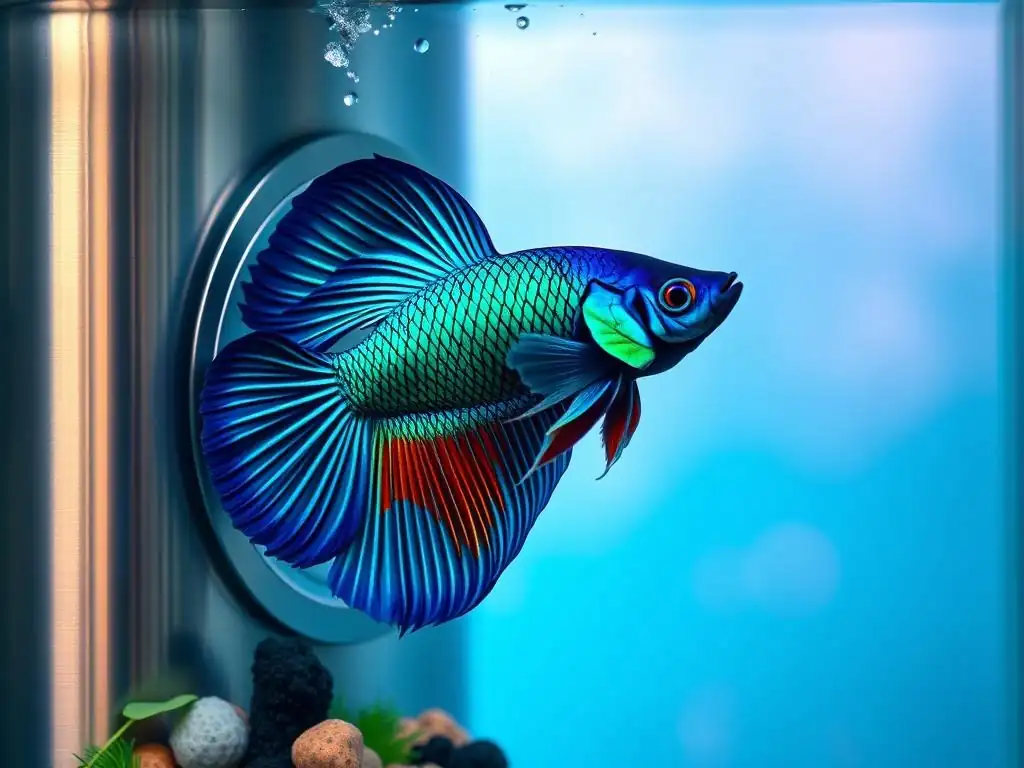
Adding a UV sterilizer is an advanced technique for optimizing a high-tech aquarium filter setup, offering a powerful solution for eliminating free-floating algae and reducing the incidence of waterborne pathogens. A UV sterilizer works by passing aquarium water through a chamber containing an ultraviolet light bulb. The UV-C radiation emitted by the bulb alters the DNA of single-celled organisms, such as green water algae, bacteria, viruses, and parasites (like Ich tomonts), rendering them unable to reproduce and effectively killing them. This process leads to visibly clearer water and a significant reduction in disease outbreaks within the aquarium.
For the UV sterilizer to be most effective, water should be pre-filtered mechanically to remove particulate matter, as cloudy water can shield organisms from the UV light, reducing its efficacy. Therefore, it's typically installed after the mechanical filtration stage of a canister filter or sump.
The flow rate through the UV unit is also critical: a slower flow rate increases the contact time with the UV light, making it more effective for killing pathogens, while a faster flow rate is usually sufficient for eliminating green water algae. For instance, a 9-watt UV sterilizer can effectively clear green water in a 75-gallon tank, but a 25-watt unit might be necessary for disease control in a 100-gallon tank, requiring a carefully calibrated flow rate for sufficient exposure time.
Green Killing Machine UV Sterilizer Review: Pros, Cons, and Installation
The Green Killing Machine UV Sterilizer is a popular, self-contained, submersible UV unit often considered for its simplicity and effectiveness in combating green water algae in a high-tech aquarium filter setup. Its primary advantage lies in its easy, plug-and-play installation; being fully submersible, it can be placed directly into the aquarium or a sump, eliminating the need for external plumbing or complex setups. Many users report that it effectively clears green water algae within 3-5 days of continuous operation, making it a quick solution for unsightly blooms. It is also relatively affordable compared to in-line UV sterilizers.
However, the Green Killing Machine does have limitations. Its fixed internal pump means limited control over flow rate, which can restrict its efficacy for more robust pathogen elimination, where slower contact times are crucial. While excellent for green water, it may not be powerful enough for comprehensive disease prevention in larger tanks or against more resilient parasites.
Additionally, replacing the internal UV bulb can be a bit more challenging than with external units, sometimes requiring the replacement of the entire unit rather than just the bulb in older models. Despite these cons, for aquarists primarily battling green water or looking for a simple, effective UV solution for smaller to medium-sized tanks (e.g., up to 120 gallons for the 24-watt model), the Green Killing Machine remains a convenient choice.
Implementing a Protein Skimmer (Saltwater): Removing Organic Waste Before it Decomposes
For saltwater aquariums, particularly reef tanks, implementing a protein skimmer is an indispensable advanced technique for maintaining pristine water quality and is a core component of a high-tech aquarium filter setup. A protein skimmer efficiently removes dissolved organic compounds (DOCs) from the water column before they have a chance to break down into nitrates and phosphates. This proactive removal of organic waste significantly reduces the bioload on the biological filter, stabilizes water parameters, and dramatically improves water clarity.
The skimmer operates by injecting a massive amount of fine air bubbles into a reaction chamber. As these bubbles rise, dissolved organic molecules, which are surface-active, adhere to the air-water interface. This creates a dense foam that overflows into a collection cup, effectively removing the organic pollutants from the system.
Beyond waste removal, protein skimmers also contribute to increased oxygenation within the aquarium. A well-sized and properly functioning protein skimmer can remove 30-50% of the daily organic waste produced in a typical reef tank, making it a powerful tool for preventing nuisance algae, maintaining stable alkalinity and pH, and supporting the health of sensitive corals and fish.
Choosing the Right Protein Skimmer for Your Tank Size: Reef Octopus vs. Bubble Magus
Choosing the right protein skimmer for your saltwater high-tech aquarium filter setup is crucial for effective organic waste removal. Skimmers are rated for specific tank volumes, but it's generally advisable to "size up," especially for heavily stocked reef tanks, as manufacturer ratings can sometimes be optimistic for demanding systems. Two popular and highly regarded brands in the hobby are Reef Octopus and Bubble Magus, each offering a range of models with distinct features.
Reef Octopus skimmers are well-known for their robust construction, reliable performance, and efficient waste removal. Models like the Reef Octopus Classic 110-S, rated for tanks up to 120 gallons, are popular for their compact footprint and strong skimming capabilities, often producing dark, concentrated skimmate.
Bubble Magus skimmers, on the other hand, are often praised for offering excellent value, quiet operation, and a wide selection of models to fit various sump sizes and tank volumes. The Bubble Magus Curve 5, for instance, is a popular choice for tanks up to 140 gallons, known for its cone-shaped body that promotes efficient foam production and stable performance.
When selecting, consider not just the tank rating but also the skimmer's footprint in your sump, noise level, ease of maintenance (e.g., collection cup removal, cleaning), and the quality of its pump and air intake system to ensure it meets the demands of your specific aquatic environment.
The Benefits of a Refugium in Your Sump System
Incorporating a refugium into your sump system is an advanced technique that significantly enhances the capabilities of a high-tech aquarium filter setup, particularly for saltwater reef tanks. A refugium is a dedicated, often isolated, section within the sump designed to cultivate beneficial organisms without the risk of them being consumed by inhabitants in the main display tank. Its primary benefits revolve around natural nutrient export, the production of live food, and pH stabilization.
The most common use of a refugium is for growing macroalgae, such as Chaetomorpha (Chaeto). Macroalgae actively absorb nitrates and phosphates from the water as they grow, effectively acting as a natural chemical filter, reducing the need for chemical media or frequent large water changes. For instance, a softball-sized clump of healthy Chaetomorpha can process nitrates equivalent to a 20% weekly water change in a moderately stocked reef tank.
Furthermore, refugiums provide a safe haven for the proliferation of beneficial microfauna, such as copepods and amphipods. These tiny crustaceans reproduce rapidly in the refugium and are then carried into the main display tank, serving as an excellent, continuous source of live food for difficult-to-feed fish like mandarins and various corals.
Lastly, macroalgae perform photosynthesis, consuming CO2 and releasing oxygen, which helps to stabilize pH fluctuations, particularly during the night when the main display tank's pH tends to drop. A dedicated light source, such as a Kessil H380 or AI Prime Fuge LED, is essential to promote vigorous macroalgae growth in the refugium.
Troubleshooting Common High-Tech Aquarium Filter Problems
Cloudy Water: Identifying the Cause and Implementing Solutions
Cloudy water is a common and often frustrating issue in aquariums, even with a high-tech aquarium filter setup. Identifying the specific cause is the first step towards an effective solution. There are several primary culprits, each with a distinct appearance and remedy. A milky-white or hazy cloudiness often indicates a bacterial bloom, which is common in new tanks undergoing the nitrogen cycle or after a significant filter disruption (e.g., thorough cleaning). This is usually a sign of an imbalance in beneficial bacteria populations and typically clears on its own within 3-7 days with stable parameters and minimal intervention.
If the water appears hazy with visible particulate matter, it suggests insufficient mechanical filtration. This could be due to clogged filter media, media with too coarse a micron rating, or an undersized filter for the tank's bioload. The solution involves cleaning or replacing mechanical media (like filter floss or polishing pads) and potentially adding finer media. Green-tinted water is almost always caused by a free-floating algae bloom, often a result of excess nutrients (nitrates and phosphates) and/or too much light.
Addressing this requires nutrient control (reducing feeding, performing water changes, adding phosphate removers) and often the use of a UV sterilizer, which can clear green water within days. Lastly, overfeeding or overstocking can lead to an excessive organic load, overwhelming the filter and causing cloudiness. Reducing feeding amounts and ensuring all food is consumed promptly are crucial steps in these cases.
Low Flow Rate: Diagnosing and Resolving Filter Blockages
A low flow rate from your high-tech aquarium filter setup is a common problem that directly impacts the filter's efficiency and the overall health of your aquarium. Reduced flow means less water turnover, decreased oxygenation, and compromised mechanical, biological, and chemical filtration. Diagnosing the cause typically involves a systematic check of the filter's components. The most frequent culprit is clogged mechanical filter media, such as sponges or filter floss, which accumulate detritus and restrict water passage. Regularly rinsing or replacing these media (e.g., weekly to bi-weekly for floss) is the primary solution.
Another common source of reduced flow is biofilm buildup within the intake and output tubes. Over time, a slimy layer of bacteria and algae can form on the inner surfaces of the hoses, significantly narrowing the diameter and impeding water flow. These tubes should be periodically cleaned with flexible hose brushes. Furthermore, the filter's impeller, the rotating component that pushes water, can become blocked by larger debris (e.g., plant leaves, fish waste) or accumulate slime, reducing its efficiency.
Disassembling the filter head and thoroughly cleaning the impeller and its housing usually resolves this. Finally, ensure that no hoses are kinked or pinched, which can severely restrict flow. Proactive maintenance, such as monthly cleaning of the impeller and tubing, can prevent up to 90% of flow rate issues, ensuring your filter operates at peak performance.
Algae Blooms: Addressing Nutrient Imbalances and Filtration Issues
Algae blooms are a pervasive issue in aquariums, indicating an imbalance in the aquatic ecosystem, often stemming from nutrient excesses and/or filtration shortcomings within a high-tech aquarium filter setup. The primary culprits for most algae outbreaks are elevated levels of nitrates and phosphates, coupled with sufficient light. These nutrients can accumulate due to overfeeding, overstocking, insufficient water changes, decaying organic matter, or even high nutrient levels in source water. Common types include green hair algae, unsightly brown diatoms (often in new tanks), and green water (free-floating algae).
Addressing algae blooms requires a multi-faceted approach focused on nutrient control and optimized filtration. First, reduce nutrient input by decreasing feeding amounts (only feed what fish can consume in 2-3 minutes), ensuring all food is eaten, and promptly removing any uneaten food. Second, increase nutrient export: perform more frequent and larger water changes (e.g., 30-50% weekly) to dilute accumulated nitrates and phosphates.
Enhance chemical filtration by adding or increasing the use of phosphate removers (like Seachem PhosGuard) and high-capacity organic adsorbents (like Seachem Purigen). For saltwater tanks, ensure your protein skimmer is properly sized and efficiently removing organic waste. Third, evaluate your lighting: reduce the photoperiod (e.g., from 10 hours to 8 hours), and ensure your light spectrum is not overly favoring algae growth.
Lastly, confirm your biological filter is mature and efficient in converting ammonia and nitrite, as an overloaded biofilter can contribute to nutrient buildup. For instance, reducing nitrates from 40 ppm to 10 ppm often requires combining increased water changes with a high-capacity chemical media like Seachem Purigen or GFO.
Maintaining Your High-Tech Aquarium Filter: Longevity and Performance
Regular Filter Maintenance Schedule: A Comprehensive Checklist
Maintaining a regular filter maintenance schedule is crucial for ensuring the longevity and optimal performance of your high-tech aquarium filter setup. Consistent care prevents common issues like reduced flow, poor water quality, and equipment failure. A comprehensive checklist should include:
- Daily: Briefly check the filter's flow rate to ensure it's strong and consistent. Listen for any unusual noises coming from the pump or impeller, which could indicate a blockage.
- Weekly: Rinse pre-filter sponges or filter socks, as these are the first to capture large debris and can quickly become clogged. For saltwater sumps, check and empty the protein skimmer collection cup, as it can fill rapidly.
- Bi-weekly: For canister filters not using a pre-filter, rinse the mechanical filter floss or pads to prevent excessive buildup of detritus.
- Monthly: Open the main filter unit (canister filter or sump). Thoroughly rinse all mechanical media (sponges, pads) in old tank water. Inspect biological media but avoid aggressive cleaning; a gentle swirl in old tank water is sufficient to remove sludge without disturbing bacterial colonies. Disassemble and clean the impeller and its housing to remove any accumulated slime or debris. Replace activated carbon, as its adsorption capacity is typically exhausted within 2-4 weeks.
- Every 3-6 months: Replace filter floss or polishing pads that are heavily worn or can no longer be effectively cleaned. Replace phosphate remover media, as its effectiveness diminishes over time.
- Annually: Inspect and lubricate O-rings and gaskets on canister filters with silicone grease to prevent leaks. Replace UV sterilizer bulbs, as their UV-C output degrades over approximately 9-12 months, even if they still appear to be lit.
Adhering to this schedule will ensure your high-tech aquarium filter setup consistently provides excellent water quality and remains a reliable component of your aquatic ecosystem.
Replacing Filter Media: Knowing When and What to Replace
Knowing when and what filter media to replace is a key aspect of maintaining an efficient high-tech aquarium filter setup. Not all media require frequent replacement, and some should almost never be replaced.
- Mechanical Media: Filter floss and polishing pads have a finite life. They should be replaced when they become heavily discolored, compacted, or no longer effectively capture debris, even after rinsing. This typically occurs every 1-3 months, depending on the tank's bioload and how frequently they are rinsed. Sponges, being more durable, can often last 6-12 months before needing replacement, provided they are regularly rinsed to prevent clogging.
- Chemical Media: Activated carbon typically exhausts its adsorption capacity within 2-4 weeks and should be replaced monthly to avoid leaching trapped pollutants back into the water. Seachem Purigen, however, can be regenerated by bleaching. Phosphate removers, such as GFO or aluminum-based media, need replacement when phosphate levels begin to rise again, usually every 1-3 months. Specialized resins are replaced based on their specific instructions or when the targeted issue reappears.
- Biological Media: This is the most crucial media and should rarely be replaced. Biological media like ceramic rings, bio-balls, or Seachem Matrix host beneficial bacteria that are vital for the nitrogen cycle. Replacing them would crash your biological filter, leading to dangerous ammonia and nitrite spikes. If they become heavily fouled with sludge, a gentle rinse in old tank water (never tap water!) is sufficient to clear pores without destroying the bacterial colonies. Only replace biological media if it physically degrades or if the tank is being completely reset due to a severe disease outbreak.
Understanding these replacement cycles ensures your filtration system remains effective and your aquatic environment stays healthy.
Cleaning Your Filter: Best Practices for a Thriving Ecosystem
Properly cleaning your high-tech aquarium filter is essential for maintaining a thriving ecosystem, but it requires adherence to specific best practices to avoid harming your beneficial bacterial colonies. The cardinal rule is: never use chlorinated tap water to clean biological filter media. Chlorine and chloramines, present in most tap water, are biocides designed to kill bacteria, which would devastate the beneficial nitrifying bacteria crucial for your tank's nitrogen cycle. Always use old tank water, siphoned during a water change, to rinse biological media gently.
For mechanical media, such as filter floss and sponges, vigorous rinsing under tap water is generally acceptable, as their primary function is to trap physical debris, not to house the majority of beneficial bacteria (though some will colonize sponges). This thorough rinsing ensures all trapped detritus is removed, preventing it from decomposing and contributing to nutrient buildup.
When cleaning the filter's pump and impeller, use a small brush (like a bottle brush) to remove any accumulated slime, algae, or debris, as these can significantly reduce flow rate and efficiency. Similarly, use a flexible hose brush to clean the intake and output tubing, as biofilm buildup can restrict flow by up to 30% over time.
Lastly, annually clean and lubricate all O-rings and gaskets with silicone grease to ensure a tight seal and prevent leaks, which can be catastrophic. By following these best practices, your high-tech aquarium filter setup will continue to perform optimally, supporting a healthy and stable aquatic environment.
High-Tech Aquarium Filter Setup: Achieving Water Purity and a Thriving Ecosystem.
A meticulously planned and maintained high-tech aquarium filter setup is the cornerstone of achieving unparalleled water purity and fostering a truly thriving aquatic ecosystem. By strategically integrating the three pillars of filtration—mechanical, biological, and chemical—aquarists can create an environment where water parameters remain stable, harmful toxins are efficiently neutralized, and clarity is consistently pristine. This advanced approach moves beyond basic filtration, offering the capacity and precision required to support sensitive aquatic species, vibrant planted aquascapes, and complex reef environments.
The synergy between components, from the powerful processing capabilities of canister filters and sumps to the targeted action of specialized media like Seachem Purigen or PhosGuard, ensures that every aspect of water quality is addressed. Regular, informed maintenance, including precise cleaning of mechanical media, careful preservation of biological colonies, and timely replacement of chemical adsorbents, is not merely a chore but a vital investment in the long-term health and stability of your aquatic world.
Ultimately, investing in a sophisticated high-tech aquarium filter setup means less troubleshooting, healthier inhabitants, and a more visually stunning display, allowing you to enjoy the full beauty and tranquility of your underwater creation.
Frequently Asked Questions
How does a high-tech aquarium filter setup differ from a standard filter?
High-tech setups prioritize enhanced filtration and often involve multiple filter types. This includes features like UV sterilizers and CO2 reactors for optimal water quality.
What are the key components of a high-tech aquarium filter system?
A high-tech system typically includes a mechanical filter for removing debris, a biological filter for beneficial bacteria, and potentially a chemical filter for specific pollutants. Some systems also utilize UV sterilizers.
Why is a high-tech filter setup important for certain aquariums?
Certain aquariums, particularly those with demanding plant life or sensitive fish, require superior water quality. A high-tech filter setup ensures stable water parameters and minimizes harmful substances like ammonia and nitrites.
How often should I maintain a high-tech aquarium filter system?
Maintenance frequency depends on the specific filter components and tank bioload. However, regularly cleaning the mechanical filter and monitoring biological filter health are crucial for optimal performance.
Can I convert my existing aquarium filter into a high-tech system?
Yes, you can often upgrade your existing filter by adding components like a pre-filter or additional media. However, ensure your filter has the capacity to handle the increased flow and consider a complete system replacement for optimal results.
Final Reflection: The Ever-Evolving Ecosystem
The journey to a thriving high-tech aquarium, as we've explored, is a delicate dance between cutting-edge technology and the fundamental principles of biology. Today, the pursuit of pristine aquatic environments is more relevant than ever, not just for aesthetic pleasure, but as a microcosm reflecting our broader responsibility to environmental stewardship. The meticulous care and precision demanded by a high-tech aquarium mirror the attention we must give to the larger ecosystems that sustain us.
The impact of understanding and implementing effective filtration techniques extends beyond the glass walls of our tanks. It fosters a deeper appreciation for the interconnectedness of life and the importance of maintaining balance. This understanding, cultivated through careful observation and experimentation, can translate into more conscious choices in our daily lives. In nature, nothing is perfect and everything is perfect. Trees can be contorted, bent in weird ways, and they're still beautiful.
- Alice Walker. This quote reminds us that even within the controlled environment of an aquarium, embracing the natural processes and striving for balance, rather than sterile perfection, is key to success.
As you embark on, or continue, your journey with high-tech aquarium keeping, I encourage you to see it as more than just a hobby. See it as an opportunity to connect with nature, to learn about the intricate web of life, and to contribute, in your own small way, to a greater understanding of our planet. Let the lessons learned within your tank inspire you to cultivate a more mindful and sustainable approach to the world around you.
Unleash Crystal-Clear Waters Today!
Thanks for diving into the secrets of high-tech filtration! We hope you've gained valuable insights into creating the perfect aquatic environment. Ready to take your tank to the next level? Here are a few actionable steps you can take right now:
- Implement one of the filtration strategies discussed to drastically improve your water quality.
- Share this article with fellow aquarium enthusiasts to spread the knowledge and help them achieve pristine tanks too.
- Surprise! Calculate your tank's exact turnover rate and experiment with adjusting your filter flow for optimal results.
What's one new filtration technique you're excited to try in your aquarium this week?