
The Nitrogen Cycle Unveiled: Your Aquarium's Biological Engine Explained

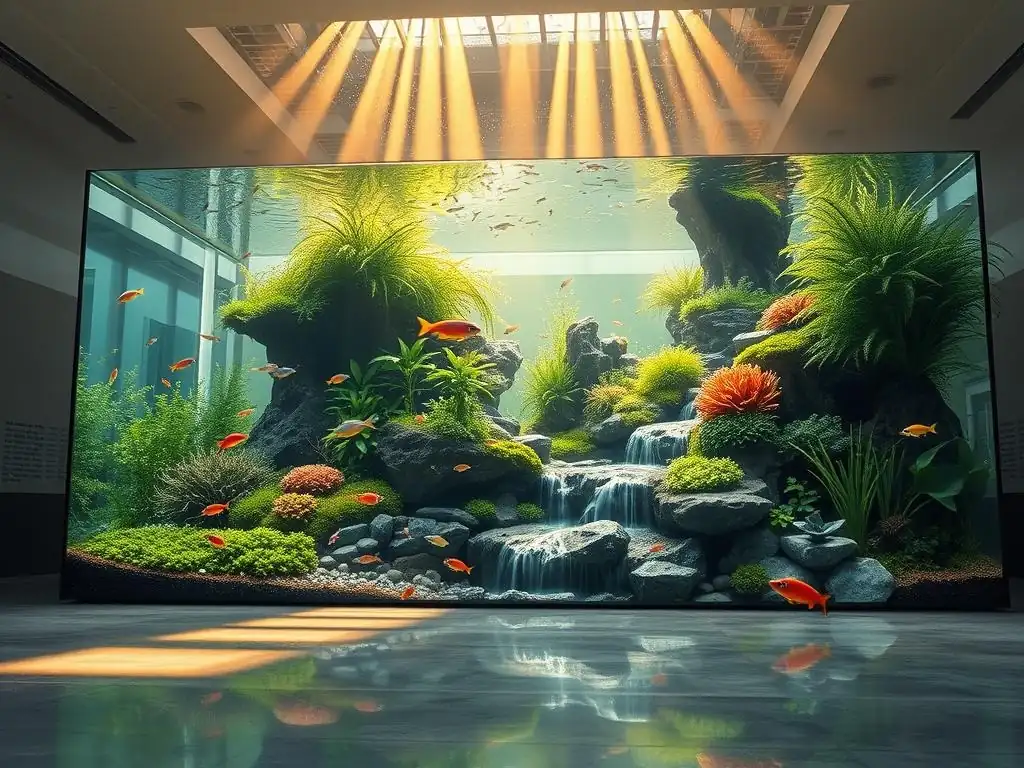
Welcome to Aquarium Mastery!
Ever wondered what really keeps your aquarium thriving? Dive in and unlock the secrets of the aquarium nitrogen cycle – the invisible engine driving a healthy aquatic ecosystem. Discover how this natural process works, why it's crucial for your fish, and how to master it for a sparkling, balanced tank. Ready to unravel the mystery? Let's begin!
- Understanding the Aquarium Nitrogen Cycle: A Vital Process for Thriving Aquatic Life
- What is the Nitrogen Cycle in an Aquarium? A Biological Overview
- The Stages of the Aquarium Nitrogen Cycle Explained
- Cycling Your Aquarium: Establishing a Healthy Biological Filter
- Troubleshooting Common Nitrogen Cycle Problems in Aquariums
- Maintaining a Stable Nitrogen Cycle for Long-Term Aquarium Health
- The Nitrogen Cycle in Saltwater vs. Freshwater Aquariums: Key Differences
- Optimizing the Nitrogen Cycle for a Thriving Aquarium
-
Frequently Asked Questions
- What is the aquarium nitrogen cycle and why is it important?
- How does the nitrogen cycle actually work in an aquarium?
- How long does it typically take to establish the nitrogen cycle in a new aquarium?
- What are the signs that the nitrogen cycle has not yet been established in my aquarium?
- How can I speed up the nitrogen cycle process in my aquarium?
- Final Reflection: The Delicate Balance of Life
- Ignite Your Aquarium's Ecosystem!
Understanding the Aquarium Nitrogen Cycle: A Vital Process for Thriving Aquatic Life
The process of understanding aquarium nitrogen cycle is fundamental for any aquarist, whether a beginner or an experienced hobbyist. It represents the cornerstone of a stable and healthy aquatic environment, directly impacting the well-being and longevity of fish and plants. Without a properly functioning nitrogen cycle, an aquarium quickly becomes toxic, leading to stress, disease, and ultimately, the loss of aquatic life.
This intricate biological process, often referred to as the "biological engine" of the aquarium, continuously transforms harmful waste products into less toxic substances. Mastering the nuances of the nitrogen cycle in aquariums is not merely about scientific knowledge; it's about creating a sustainable habitat where your aquatic inhabitants can truly thrive, exhibiting natural behaviors and vibrant health.
What is the Nitrogen Cycle in an Aquarium? A Biological Overview
The Importance of the Nitrogen Cycle for a Healthy Aquarium Ecosystem
The nitrogen cycle is absolutely critical for maintaining a healthy and balanced aquarium ecosystem. It is the natural process by which highly toxic nitrogenous waste compounds, primarily ammonia, are converted into progressively less harmful substances. Without this conversion, waste products from fish respiration, uneaten food, and decaying organic matter would rapidly accumulate to lethal concentrations, making the aquatic environment uninhabitable for most organisms.
This vital biological engine ensures that the water quality remains within safe parameters, preventing the buildup of toxins that can cause severe stress, weaken immune systems, and lead to widespread fish fatalities. A well-established nitrogen cycle means a stable environment where beneficial bacteria work tirelessly to purify the water, allowing fish to grow, reproduce, and display their natural behaviors, contributing to the aesthetic and biological success of the entire setup.
How the Nitrogen Cycle Works: A Step-by-Step Breakdown
The nitrogen cycle in an aquarium is a sequential, bacterially mediated process involving several key transformations. It begins with the production of ammonia, a highly toxic compound, from various organic sources within the tank. Specialized bacteria then oxidize this ammonia into nitrite, which is also highly toxic to aquatic life.
Subsequently, another group of beneficial bacteria converts the nitrite into nitrate, a far less toxic compound. While nitrates are less immediately harmful, they still accumulate over time and must be managed through regular water changes or other removal methods to prevent their levels from becoming detrimental. This continuous conversion ensures that the aquarium's water remains relatively clean and safe for its inhabitants.
The Stages of the Aquarium Nitrogen Cycle Explained
Stage 1: Ammonia Production - The Starting Point
Ammonia ( NH3/ NH4+) is the initial and most dangerous nitrogenous compound in the aquarium nitrogen cycle. It is highly toxic to fish and invertebrates, even at very low concentrations. For instance, ammonia levels as low as 0.02 parts per million (ppm) can begin to stress sensitive fish, while concentrations exceeding 0.5 ppm are often considered lethal for many common aquarium species within a short period. This compound forms the critical starting point for the biological filtration process.
The presence of ammonia signals the beginning of the crucial biological transformations that define a healthy aquarium. Its rapid accumulation in new or improperly maintained tanks is the primary reason for "new tank syndrome," a common cause of fish loss for novice aquarists. Efficient and rapid conversion of ammonia is paramount for the survival and well-being of all aquatic life.
Sources of Ammonia in Your Fish Tank
The primary sources of ammonia in a fish tank are the metabolic waste products of its inhabitants. Fish excrete ammonia through their gills as a result of protein metabolism; a single adult goldfish, for example, can produce several milligrams of ammonia daily. Beyond fish waste, uneaten fish food that settles and decomposes on the substrate or within filter media is a significant contributor, as are decaying plant matter, dead fish, and other organic debris.
Even the respiration of plants and invertebrates contributes to the overall organic load that eventually breaks down into ammonia. Overfeeding is a particularly common cause of ammonia spikes, as excess food quickly decomposes. Understanding these sources is key to preventing ammonia buildup and effectively managing the initial stage of the aquarium nitrogen cycle.
Stage 2: Nitrification - Ammonia to Nitrite Conversion
Once ammonia is present in the aquarium, the second critical stage of the nitrogen cycle begins: its conversion into nitrite. This process is carried out by a specific group of beneficial bacteria known as ammonia-oxidizing bacteria (AOB). This step is essential because, while nitrite is still toxic to fish, its creation signifies the activation of the biological filter that is vital for long-term aquarium health.
This conversion highlights the delicate balance within the aquarium's ecosystem. The successful establishment and proliferation of these bacteria are what allow a tank to become "cycled" and safe for fish. Without a robust colony of these bacteria, ammonia would persist at toxic levels, making the environment unsustainable.
The Role of Nitrosomonas Bacteria in Ammonia Conversion
The primary bacteria responsible for converting ammonia ( NH3/ NH4+) into nitrite ( NO2-) are members of the genus Nitrosomonas. These are chemoautotrophic bacteria, meaning they obtain their energy by oxidizing inorganic compounds (in this case, ammonia) rather than organic matter. They thrive in oxygen-rich environments and colonize virtually every surface within the aquarium, particularly the porous media within the filter, the substrate, and decorations.
The efficiency of Nitrosomonas bacteria is influenced by factors such as water temperature, pH, and oxygen levels. For instance, their activity significantly slows below 20°C (68°F) and can be inhibited by pH levels outside the optimal range of 7.0 to 8.5. A healthy, thriving colony of Nitrosomonas is crucial for rapidly neutralizing dangerous ammonia levels and is a fundamental component of a stable understanding aquarium nitrogen cycle.
Stage 3: Nitrification - Nitrite to Nitrate Conversion
Following the conversion of ammonia to nitrite, the nitrogen cycle proceeds to its third crucial stage: the transformation of nitrite into nitrate. Nitrite, like ammonia, is highly toxic to fish, impairing their ability to absorb oxygen and potentially leading to a condition known as "brown blood disease." This conversion is therefore just as vital as the first step in ensuring the safety of aquatic inhabitants.
This step completes the primary detoxification process of the nitrogen cycle, rendering the most acutely toxic compounds into a much less harmful form. The effectiveness of this stage depends on the presence and health of a specific bacterial population, highlighting the interconnectedness of the various microbial communities within the aquarium's biological filter.
The Role of Nitrobacter Bacteria in Nitrite Conversion
The bacteria primarily responsible for the conversion of nitrite ( NO2-) into nitrate ( NO3-) are members of the genus Nitrobacter, along with other nitrite-oxidizing bacteria (NOB) such as Nitrospira. Like Nitrosomonas, these are chemoautotrophic organisms that require oxygen to perform their metabolic function. They colonize the same surfaces within the aquarium, working in tandem with the ammonia-oxidizing bacteria to complete the nitrification process.
Nitrobacter are slightly less tolerant of certain conditions than Nitrosomonas; for example, they can be more sensitive to rapid pH fluctuations. Their optimal activity typically occurs within a similar pH range of 7.0 to 8.5 and adequate oxygenation. The successful establishment of a robust Nitrobacter colony is the final step in establishing a fully functional biological filter, ensuring that both ammonia and nitrite levels remain at undetectable or very low concentrations in an established aquarium.
Stage 4: Nitrate Removal - The Final Step
The final stage of the aquarium nitrogen cycle involves the management and removal of nitrate. Unlike ammonia and nitrite, nitrate is significantly less toxic to most aquatic life. However, its accumulation can still lead to problems such as stunted fish growth, increased stress, suppressed immune systems, and rampant algae blooms. While some aquarists aim for nitrate levels below 20 ppm, others may tolerate up to 40 ppm for certain robust species; levels consistently above 80 ppm are generally considered problematic.
Because nitrate is the end product of the primary nitrification process in aerobic environments, it does not naturally break down further into harmless elemental nitrogen within a typical aerobic aquarium setup. Therefore, active intervention is required to keep its levels in check, ensuring the long-term health and clarity of the aquarium.
Methods for Reducing Nitrate Levels in Your Aquarium: Water Changes, Plants & Denitrification
The most common and effective method for reducing nitrate levels in an aquarium is through regular partial water changes. By replacing a portion of the nitrate-rich tank water with fresh, dechlorinated water, you directly dilute and remove accumulated nitrates. For most established tanks, a weekly or bi-weekly water change of 25-30% is typically sufficient to maintain nitrate levels below problematic thresholds.
Another highly effective method, particularly for freshwater tanks, is the inclusion of live aquatic plants. Plants utilize nitrates as a primary nutrient source for their growth, effectively "consuming" them from the water column. Fast-growing species like Anacharis ( Egeria densa), Hornwort ( Ceratophyllum demersum), and Water Wisteria ( Hygrophila difformis) are particularly efficient at nitrate uptake. In more advanced setups, especially saltwater reef tanks, anaerobic denitrification can occur in oxygen-depleted zones (e.g., deep sand beds, live rock pores, or specialized denitrifying filters), where certain bacteria convert nitrate back into nitrogen gas, which then off-gasses harmlessly from the water.
Cycling Your Aquarium: Establishing a Healthy Biological Filter
How to Cycle a New Aquarium: A Step-by-Step Guide
Cycling a new aquarium is the critical process of establishing the beneficial bacterial colonies necessary for a stable aquarium nitrogen cycle. This typically takes 4 to 8 weeks, but can vary. The first step involves setting up the tank completely with substrate, decor, and filtration, then filling it with dechlorinated water. Next, an ammonia source must be introduced. This can be done by adding a small amount of pure ammonia solution daily to reach a concentration of approximately 2-4 ppm, or by adding a pinch of fish food every other day to decompose and release ammonia.
Throughout the cycling process, it is essential to regularly test water parameters – specifically ammonia, nitrite, and nitrate – using an accurate liquid test kit. Initially, ammonia levels will rise, then nitrite levels will spike as ammonia begins to convert. Finally, as the cycle matures, both ammonia and nitrite will drop to zero, and nitrate levels will begin to rise. Once ammonia and nitrite consistently test at 0 ppm for several days, and nitrates are detectable, the tank is considered fully cycled and ready for the gradual introduction of fish.
Fish-In vs. Fishless Cycling: Pros and Cons
There are two primary methods for cycling an aquarium: fish-in cycling and fishless cycling. Fish-in cycling, historically more common, involves adding a small number of hardy fish to the new tank, whose waste provides the ammonia source. While it can be done, it is generally discouraged due to the ethical concerns of exposing fish to fluctuating and potentially toxic levels of ammonia and nitrite. It requires extremely diligent daily water testing and frequent, often daily, partial water changes (e.g., 25-50%) to keep toxins at manageable, albeit still stressful, levels for the fish.
Fishless cycling, on the other hand, is widely recommended as the more humane and efficient method. It involves introducing an ammonia source (pure ammonia solution, decaying fish food, or even a piece of raw shrimp) without any fish in the tank. This allows the beneficial bacteria to establish without risking the health of live animals.
Fishless cycling typically results in a faster and more robust biological filter, as higher ammonia concentrations can be maintained without harm, encouraging faster bacterial growth. Once the cycle is complete, the tank is immediately safe for fish introduction, reducing the stress associated with the understanding aquarium nitrogen cycle for both the aquarist and the aquatic inhabitants.
Monitoring Water Parameters During the Cycling Process: Ammonia, Nitrite, and Nitrate Testing
Monitoring water parameters is paramount during the aquarium cycling process to track the progress of the aquarium nitrogen cycle and ensure its successful establishment. Regular testing of ammonia, nitrite, and nitrate levels using a reliable liquid test kit is crucial. During the initial phase, ammonia levels will rise as it's introduced and organic matter breaks down. This spike typically occurs within the first week to ten days and can reach 2-5 ppm.
As ammonia-oxidizing bacteria establish, ammonia levels will begin to fall, and concurrently, nitrite levels will spike, often peaking around 1-3 ppm as ammonia is converted. This nitrite spike indicates the activity of the first group of beneficial bacteria. Finally, as nitrite-oxidizing bacteria proliferate, nitrite levels will drop to zero, and nitrate levels will begin to rise, signaling the completion of the cycle.
Consistent readings of 0 ppm for both ammonia and nitrite, with a detectable nitrate level, confirm that a robust biological filter is in place, ready to process waste from aquatic life. Daily or every-other-day testing is recommended throughout this phase to accurately chart the cycle's progression.
Troubleshooting Common Nitrogen Cycle Problems in Aquariums
High Ammonia Levels: Causes and Solutions
High ammonia levels are a critical indicator of a problem within the aquarium nitrogen cycle and are highly toxic to fish, causing gill damage, stress, and death even at concentrations as low as 0.25 ppm. The most common causes include a newly set up tank that hasn't fully cycled, overstocking the aquarium with too many fish, overfeeding which leads to decaying uneaten food, the presence of a dead fish or decaying plant matter, or the use of medications that kill beneficial bacteria.
To address high ammonia, immediate action is necessary. Perform a large water change, typically 50% or more, to dilute the toxins. Use an ammonia-detoxifying water conditioner, which temporarily neutralizes ammonia's toxicity while the biological filter catches up. Reduce or temporarily cease feeding to minimize additional waste. Check for and remove any decaying organic matter, such as dead fish or plants. Ensure adequate filtration and aeration, and consider adding a bacterial starter product to boost the beneficial bacterial population.
Elevated Nitrite Levels: Addressing the Imbalance
Elevated nitrite levels are also highly dangerous to fish, as they interfere with the blood's ability to carry oxygen, leading to suffocation even in oxygen-rich water. This condition is often referred to as "brown blood disease." Common causes for high nitrite include an incomplete or stalled aquarium nitrogen cycle, a sudden increase in the bioload (e.g., adding too many fish at once), or a disruption to the beneficial bacterial colonies (e.g., filter cleaning with tap water, power outage).
To mitigate elevated nitrite, perform a significant water change (e.g., 50%) to dilute the concentration. For freshwater aquariums, adding aquarium salt (non-iodized) at a concentration of one tablespoon per 5-10 gallons can help protect fish by blocking nitrite uptake through their gills. Increase aeration to ensure maximum oxygen saturation. Avoid feeding or feed sparingly until levels drop. Refrain from over-cleaning the filter or substrate, as this can further disrupt bacterial colonies. Consistent monitoring of water parameters is essential until nitrite levels return to 0 ppm.
High Nitrate Levels: Strategies for Long-Term Control
While less acutely toxic than ammonia or nitrite, persistently high nitrate levels (typically above 40 ppm for most community tanks, or significantly lower for sensitive species like shrimp or certain corals) can lead to chronic stress, stunted growth, weakened immune systems, and contribute to nuisance algae blooms. Common causes include insufficient or infrequent water changes, overstocking, overfeeding, and a lack of nitrate-consuming live plants.
Long-term control of high nitrates primarily relies on consistent aquarium maintenance. Regular partial water changes (e.g., 25-30% weekly) are the most effective method for direct removal. Increasing the frequency or volume of water changes can rapidly bring levels down. Incorporating fast-growing live plants can significantly help, as they absorb nitrates as a nutrient. Reducing the fish population (destocking), avoiding overfeeding, and ensuring efficient removal of decaying organic matter are also crucial. In some cases, specialized filter media designed to absorb nitrates or foster anaerobic denitrification can be employed.
Stalled Nitrogen Cycle: Identifying and Resolving Issues
A stalled aquarium nitrogen cycle occurs when ammonia or nitrite levels remain persistently high and do not show signs of decreasing over an extended period (e.g., several weeks) during the cycling process. This indicates that the beneficial bacteria are not establishing or functioning effectively. Common causes include insufficient ammonia source, extreme pH levels (e.g., below 6.0, which can inhibit nitrifying bacteria), very low temperatures, lack of oxygen, or the presence of chlorine/chloramines due to inadequate water conditioning.
To resolve a stalled cycle, first re-evaluate your ammonia source to ensure a consistent supply. Check and correct pH, aiming for a range of 7.0-8.5. Ensure the water temperature is stable and within an optimal range (typically 24-27°C or 75-80°F) for bacterial activity. Verify that there is adequate aeration and water flow throughout the tank and filter. Always use a high-quality water conditioner that neutralizes chlorine and chloramines during water changes. In severe cases, adding a commercially available bacterial starter product or "seeding" with filter media from an established, healthy aquarium can help kickstart the process.
Maintaining a Stable Nitrogen Cycle for Long-Term Aquarium Health
The Importance of Regular Water Changes for a Balanced Aquarium
Regular water changes are arguably the single most important maintenance activity for sustaining a stable and healthy aquarium nitrogen cycle in an established tank. While the beneficial bacteria effectively convert toxic ammonia and nitrite into nitrate, nitrates themselves accumulate over time. Left unchecked, high nitrate levels lead to chronic stress for fish, suppress their immune systems, stunt growth, and fuel unsightly algae blooms.
By performing routine partial water changes—typically 25-30% weekly or bi-weekly for most community tanks—aquarists directly remove accumulated nitrates, phosphates, and other dissolved organic compounds that the biological filter cannot process. This regular dilution prevents the buildup of pollutants, replenishes essential trace elements, and helps maintain overall water quality parameters within safe and optimal ranges, ensuring the long-term vitality of the aquatic ecosystem.
Choosing the Right Filter Media to Support Beneficial Bacteria
The choice of filter media plays a crucial role in supporting the beneficial bacteria essential for the aquarium nitrogen cycle. These bacteria colonize surfaces, and therefore, filter media with a high surface area are ideal for promoting robust bacterial growth. Materials like ceramic rings, bio-balls, bio-sponges, and porous lava rock provide an immense amount of microscopic nooks and crannies where nitrifying bacteria can thrive and form dense colonies.
It is important to select filter media appropriate for your filter type (e.g., hang-on-back, canister, sumps) and to avoid replacing all biological media at once during maintenance. When cleaning, gently rinse biological media in old tank water removed during a water change, rather than tap water, to avoid killing the beneficial bacteria with chlorine. This selective approach ensures that the vital bacterial colonies remain largely intact, maintaining the efficiency of the biological filtration.
Avoiding Overfeeding to Minimize Ammonia Production
Overfeeding is one of the most common and easily preventable causes of ammonia spikes and overall poor water quality in an aquarium. When fish are fed more food than they can consume within a few minutes, the uneaten portions sink to the substrate or get drawn into the filter. There, they rapidly decompose, releasing significant amounts of ammonia and other organic pollutants into the water column. This sudden influx of waste can overwhelm the established biological filter, leading to spikes in ammonia and nitrite, even in a mature understanding aquarium nitrogen cycle.
To prevent this, it is crucial to feed fish sparingly and frequently rather than large amounts infrequently. A general guideline is to offer only what your fish can consume entirely within 2-3 minutes, once or twice daily. Observing your fish during feeding will help you determine the appropriate amount. Removing any uneaten food promptly after feeding can also significantly reduce the organic load and prevent unnecessary ammonia production, thereby supporting a more stable and healthy aquatic environment.
Maintaining Proper pH and Temperature for Optimal Bacterial Activity
The efficiency of the beneficial bacteria responsible for the aquarium nitrogen cycle is highly dependent on stable and appropriate water parameters, particularly pH and temperature. Nitrifying bacteria, including Nitrosomonas and Nitrobacter, generally thrive in a slightly alkaline to neutral pH range, typically between 7.0 and 8.5. If the pH drops too low, particularly below 6.0, the activity of these bacteria can be severely inhibited or even cease entirely, leading to a stalled cycle and the accumulation of toxic ammonia and nitrite.
Similarly, temperature plays a critical role; optimal bacterial activity usually occurs between 20°C and 30°C (68°F to 86°F). Temperatures significantly outside this range, especially cold water, will slow down the bacterial processes considerably, making the biological filter less effective at processing waste. Maintaining consistent pH and temperature within the recommended ranges for your specific fish species ensures that the bacterial colonies remain robust and efficient, thereby supporting a stable and healthy understanding aquarium nitrogen cycle.
The Nitrogen Cycle in Saltwater vs. Freshwater Aquariums: Key Differences
Biological Filtration in Marine Aquariums: Specific Considerations
While the fundamental principles of the aquarium nitrogen cycle (ammonia to nitrite to nitrate) remain the same in both freshwater and saltwater environments, there are specific considerations for biological filtration in marine aquariums. Saltwater systems often have a higher bioload due to the types of fish and invertebrates kept, and they typically require more robust and diverse filtration methods to handle the waste. The beneficial bacteria species in saltwater are adapted to saline conditions, though their metabolic processes are analogous to their freshwater counterparts.
Marine aquariums frequently utilize additional biological filtration components beyond standard mechanical and chemical filters. These often include large quantities of live rock, deep sand beds, and protein skimmers, which play critical roles in processing nitrogenous waste and maintaining water quality. The complexity of marine ecosystems often demands a more comprehensive approach to biological filtration to ensure long-term stability and health.
The Role of Live Rock in Saltwater Nitrogen Cycling
Live rock is a cornerstone of biological filtration in most marine and reef aquariums, playing an unparalleled role in the aquarium nitrogen cycle. Its highly porous structure provides an enormous surface area for the colonization of both aerobic nitrifying bacteria ( Nitrosomonas and Nitrobacter), which convert ammonia and nitrite, and anaerobic denitrifying bacteria. A typical reef tank might utilize 1 to 1.5 pounds of live rock per gallon, providing immense biological filtration capacity.
Beyond its primary role in nitrification, the deeper, oxygen-depleted zones within the live rock facilitate anaerobic denitrification, where certain bacteria convert nitrate back into harmless nitrogen gas, which then escapes into the atmosphere. This natural denitrification capability makes live rock incredibly valuable for maintaining low nitrate levels without relying solely on water changes. Furthermore, live rock contributes to the overall biodiversity and stability of the marine ecosystem by leaching beneficial trace elements and providing habitat for micro-organisms.
Optimizing the Nitrogen Cycle for a Thriving Aquarium
Optimizing the aquarium nitrogen cycle is not a one-time task but an ongoing commitment that underpins the success of any aquatic setup. It involves a continuous understanding and application of principles that support the beneficial bacterial colonies, ensuring they can efficiently process waste and maintain pristine water quality. A well-optimized cycle means less stress for your fish, vibrant plant growth, and a significant reduction in common aquarium problems like algae blooms or unexplained fish deaths.
By consistently applying best practices such as regular water changes, appropriate feeding, selecting high-quality filter media, and maintaining stable water parameters, aquarists can cultivate a robust biological engine. This diligent approach to understanding aquarium nitrogen cycle principles transforms a mere glass box into a thriving, self-sustaining ecosystem where aquatic life can truly flourish, bringing immense satisfaction to the dedicated hobbyist.
Frequently Asked Questions
What is the aquarium nitrogen cycle and why is it important?
The aquarium nitrogen cycle is a biological process that converts harmful waste products, like ammonia, into less toxic substances. It's crucial for maintaining a healthy and stable aquarium environment for your fish and other aquatic life. It's the foundation of a thriving aquarium.
How does the nitrogen cycle actually work in an aquarium?
The nitrogen cycle involves beneficial bacteria that convert ammonia (produced by fish waste) into nitrite, and then nitrite into nitrate. Nitrate is then removed through water changes or consumed by plants. This process prevents toxic build-up.
How long does it typically take to establish the nitrogen cycle in a new aquarium?
Establishing the nitrogen cycle, often referred to as "cycling" a tank, usually takes between 4 to 8 weeks. This timeframe can vary depending on factors like temperature and the presence of beneficial bacteria already in the system. Patience is key.
What are the signs that the nitrogen cycle has not yet been established in my aquarium?
Elevated levels of ammonia and nitrite are key indicators that the nitrogen cycle is not yet established. You might also observe stressed or dying fish due to the toxic water conditions. Regular water testing is crucial.
How can I speed up the nitrogen cycle process in my aquarium?
You can accelerate the cycling process by adding bacteria supplements or using established filter media from a healthy aquarium. Consider "fish-less cycling" using ammonia to start the cycle without harming fish.
Final Reflection: The Delicate Balance of Life
The intricacies of the nitrogen cycle, often unseen yet fundamentally vital, are not just a scientific curiosity but a cornerstone of a thriving aquarium ecosystem. Understanding this process is no longer a niche interest for seasoned aquarists; it's a crucial foundation for anyone seeking to create a healthy and sustainable aquatic environment. The health of our miniature underwater worlds directly reflects our understanding and respect for these invisible biological processes.
The nitrogen cycle's influence extends beyond the glass walls of our aquariums, mirroring the larger ecological cycles that sustain life on Earth. My own journey into understanding this cycle has transformed my perspective on the interconnectedness of living systems, highlighting the delicate balance that must be maintained for life to flourish. We are all connected; To each other, biologically. To the earth, chemically. To the rest of the universe atomically.
- Neil deGrasse Tyson. This quote perfectly encapsulates the profound realization that understanding the nitrogen cycle offers – a glimpse into the fundamental unity of life.
Now, armed with a deeper understanding of the nitrogen cycle, consider the impact you can have on your own aquatic ecosystem. Take a moment to reflect on your current practices and identify areas where you can further optimize the biological balance. By embracing responsible aquarium keeping, you not only create a beautiful and thriving environment for your aquatic inhabitants but also contribute to a greater appreciation for the delicate web of life that surrounds us all.
Ignite Your Aquarium's Ecosystem!
Thank you for diving deep into the nitrogen cycle with us. We hope you now have a clearer understanding of this vital process and how it impacts your aquarium's health. Now, let's put that knowledge to work!
Here are a few things you can do right now to ensure a thriving aquatic environment:
- Immediately test your aquarium water. This will give you a clear picture of where your cycle stands and identify any potential imbalances.
- Share this article with fellow aquarium enthusiasts to help them unlock the secrets of a balanced ecosystem.
- Consider starting a small journal to track your water parameters and observe the effects of changes you make in your aquarium – a deeper understanding awaits!
What's the first water parameter you're going to test, and what are you hoping to find?