
New World Cichlid Showdown: Oscar vs. Severum – Which Gentle Giant is Your Perfect Match?

Welcome to Aquarium Mastery, where your aquatic dreams come to life!
Ever wondered which New World Cichlid reigns supreme when it comes to personality and ease of care? Dive in and explore our latest article, " Oscar vs Severum care," to discover which of these gentle giants might be the perfect centerpiece for your freshwater aquarium. But that's just the beginning – uncover expert tips, fascinating facts, and everything you need to know to create a thriving underwater world!
- Oscar and Severum Cichlids: An Introduction to Popular New World Aquarium Fish
- Oscar Care: A Deep Dive into Keeping Oscars
- Severum Care: A Comprehensive Guide to Severum Keeping
-
Oscar vs. Severum: A Detailed Comparison of Care Requirements
- Tank Size and Setup: Comparing Oscar and Severum Habitat Needs
- Diet and Feeding: Contrasting Nutritional Requirements
- Temperament and Tank Mate Compatibility: Which Cichlid Plays Nicer?
- Water Parameters: Ideal Conditions for Oscars and Severums
- Disease Susceptibility and Prevention: A Comparative Look
- Choosing the Right Cichlid for Your Aquarium: Oscar or Severum?
- Oscar and Severum Breeding: A Brief Overview
- Conclusion: The Final Verdict on Oscar vs. Severum – Finding Your Perfect New World Cichlid
-
Frequently Asked Questions
- How do the temperaments of Oscars and Severums compare, and which is better suited for a community tank?
- What are the key differences in tank size requirements for Oscars and Severums?
- What are the primary dietary needs of Oscars and Severums, and how do they differ?
- Are Oscars or Severums more susceptible to specific diseases, and what preventative measures can be taken?
- What are the specific water parameter requirements (temperature, pH, hardness) for Oscars and Severums?
- Final Reflection: Choosing Harmony in the Aquarium
- Dive Deeper: Claim Your Cichlid Kingdom!
Oscar and Severum Cichlids: An Introduction to Popular New World Aquarium Fish
Understanding the Appeal of Oscar and Severum Cichlids
Oscar cichlids ( Astronotus ocellatus ) and Severum cichlids ( Heros severus ) are two of the most popular and captivating freshwater fish in the aquarium hobby, drawing aquarists with their distinct personalities and impressive size. Their appeal lies significantly in their intelligence and interactive nature; Oscars, for instance, are known to recognize their owners, follow movement outside the tank, and even "beg" for food.
Severums, while generally more reserved, display intricate social behaviors and can also form bonds with their caretakers, making them truly engaging aquatic pets. Both species exhibit a remarkable range of colors and patterns, from the classic wild-type Oscar with its striking ocellus spot to the various color morphs of Severums, including the popular "Rotkeil" or "Red Shoulder" varieties.
Beyond their aesthetic appeal and intelligence, the sheer presence of these New World cichlids adds a dynamic focal point to any large aquarium. Oscars can grow to an impressive 10-14 inches in length, with some individuals reaching up to 18 inches in ideal conditions, and can live for 10-15 years or even longer. Severums typically reach 8-10 inches, with a lifespan of 8-10 years.
This longevity means that caring for Oscars and Severums is a long-term commitment, rewarding aquarists with years of observation and interaction. Their robust nature, coupled with their often-described "gentle giant" demeanor (despite their potential for territoriality), makes them a fulfilling challenge for dedicated hobbyists.
Quick Overview: Oscar vs. Severum – Key Differences
While both are large, charismatic New World cichlids, an Oscar vs Severum care comparison reveals distinct differences that influence their suitability for various aquarium setups. Visually, Oscars possess a more robust, oblong body shape with a large mouth, often displaying a mix of black, orange, and white patterns, famously featuring an eye-spot (ocellus) near the base of their caudal fin.
Severums, on the other hand, typically have a more compressed, disc-shaped body, somewhat resembling a discus or angelfish, with a smaller, more downturned mouth. Their coloration varies widely, often featuring vertical bars or blotches, and can range from green, yellow, or gold to reddish hues, depending on the specific variant.
Beyond aesthetics, their temperaments and general care requirements diverge significantly. Oscars are renowned for their bold, sometimes boisterous personalities; they are active fish that can be quite territorial and, due to their predatory nature, are best kept with similarly large and robust tank mates. Their feeding habits are enthusiastic, and they produce a considerable amount of waste.
Severums are generally much more peaceful and less aggressive, often fitting well into larger community tanks with other semi-aggressive or even peaceful large fish. Their dietary needs are more herbivorous-inclined compared to Oscars, and while they still require substantial tank space, their bioload is typically less demanding than that of an Oscar of similar size. Understanding these fundamental differences is crucial for effective Oscar vs Severum care.
Oscar Care: A Deep Dive into Keeping Oscars
Oscar Cichlid Size and Tank Requirements
Oscar cichlids are substantial fish, with most reaching lengths of 10 to 14 inches (25 to 35 cm) in a home aquarium, though some exceptional individuals can exceed 15 inches (38 cm). This impressive size dictates their tank requirements. A single adult Oscar needs a minimum tank size of 75 gallons (approximately 284 liters) to thrive, providing adequate swimming space and room for growth.
However, a 125-gallon (473-liter) tank or larger is strongly recommended for optimal health, growth, and stress reduction, allowing the fish to exhibit its full range of natural behaviors. For a pair of Oscars or an Oscar kept with suitable tank mates, a tank of 150-200 gallons (568-757 liters) or more becomes a necessity to prevent aggression and maintain stable water parameters.
When setting up an Oscar aquarium, the focus should be on durability and open space. Substrate can be fine gravel or sand, but ensure it's not too sharp to prevent injury as Oscars often rearrange their environment. Decorations should be heavy, smooth, and securely anchored to prevent them from being knocked over.
Large, smooth rocks, robust driftwood, and durable artificial plants are suitable. Live plants are generally not recommended as Oscars are notorious for uprooting them. Filtration is paramount due to their significant bioload; a high-capacity external canister filter rated for at least 2-3 times the tank volume, often supplemented with a powerful hang-on-back or internal filter, is essential to maintain pristine water quality and excellent Oscar care.
Oscar Diet and Feeding Habits: Optimizing Oscar Health
Optimizing Oscar health heavily relies on a high-quality, varied diet that mimics their omnivorous tendencies in the wild, leaning towards carnivorous. The cornerstone of their diet should be a premium cichlid pellet or stick, specifically formulated for large carnivores, such as Hikari Cichlid Gold or New Life Spectrum Cichlid Formula. These pellets provide balanced nutrition, including essential proteins, vitamins, and minerals.
Adults should be fed once or twice daily, offering only as much food as they can consume within 2-3 minutes to prevent overfeeding and subsequent water pollution. Juvenile Oscars, due to their rapid growth, may benefit from 2-3 smaller feedings per day.
To provide dietary enrichment and ensure all nutritional needs are met, Oscars should receive supplemental foods regularly. Excellent choices include frozen or live bloodworms, krill, brine shrimp, and earthworms. Small pieces of high-quality lean fish (e.g., tilapia) or shrimp can also be offered occasionally.
It is generally advised to avoid feeding feeder fish due to the risk of disease transmission and their often poor nutritional value. Overfeeding, especially with fatty foods, can lead to health issues such as fatty liver disease and contributes significantly to poor water quality, making diligent feeding practices a key component of effective Oscar vs Severum care.
Oscar Temperament and Ideal Tank Mates
Oscar cichlids are known for their strong personalities; they are intelligent, highly interactive, but also territorial and can exhibit aggressive tendencies, particularly as they mature or during breeding periods. They are predatory fish by nature and will attempt to eat any fish small enough to fit into their large mouths. For this reason, Oscars are not suitable for community tanks with small or delicate species. Their boisterous nature means they can also intimidate or stress out more placid large fish.
When considering tank mates for an Oscar, size is the primary consideration. Ideal companions are other large, robust, and semi-aggressive New World cichlids that can hold their own, such as Green Terrors ( Andinoacara rivulatus ), Jack Dempseys ( Rocio octofasciata ), or even other Oscars if introduced carefully into a very large tank (200+ gallons).
Large, armored catfish like Plecos (e.g., Common Pleco, Sailfin Pleco) or Synodontis catfish can also coexist well, as can large, fast-swimming characins like Silver Dollars ( Metynnis argenteus ) or Tinfoil Barbs ( Barbonymus schwanenfeldii ) that are too large to be considered prey. Introducing all fish simultaneously as juveniles or carefully monitoring new additions is crucial to minimize aggression.
Maintaining Optimal Water Parameters for Oscars
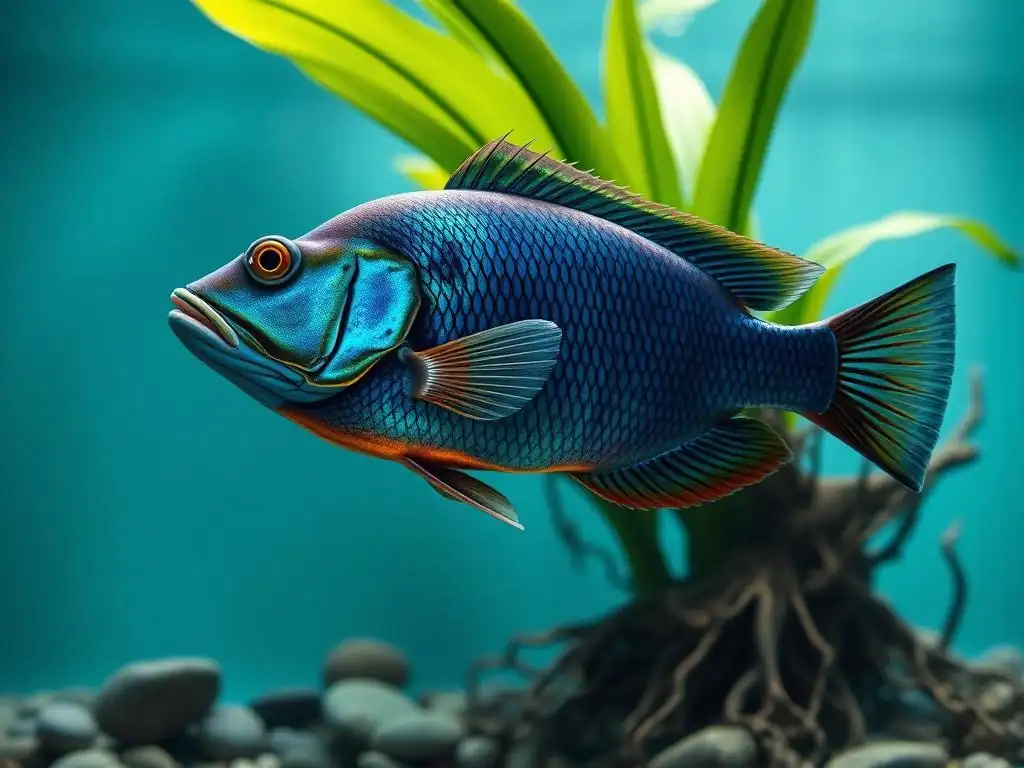
Maintaining stable and pristine water quality is perhaps the most critical aspect of Oscar care, directly impacting their health and longevity. Oscars thrive in temperatures between 74-81°F (23-27°C). The pH level should be kept in a slightly acidic to neutral range, typically 6.0-7.5, with hardness between 5-19 dGH (soft to moderately hard). Consistency in these parameters is more important than hitting exact numbers; sudden fluctuations can cause severe stress.
Due to their significant bioload and messy eating habits, Oscars produce a large amount of waste, which rapidly degrades water quality. Therefore, frequent and substantial water changes are essential. A minimum of 25-50% of the tank water should be replaced weekly, depending on the tank size, filtration, and stocking density.
Regular testing of water parameters—ammonia, nitrite, and nitrate—using a reliable liquid test kit (e.g., API Freshwater Master Test Kit) is crucial. Ammonia and nitrite levels should always be undetectable (0 ppm), while nitrate levels should be kept below 20 ppm to prevent long-term health issues and ensure a healthy environment for your Oscar.
Common Oscar Diseases and Prevention
Oscars, like all fish, are susceptible to various diseases, but many common ailments can be prevented with diligent Oscar care. One of the most prevalent and concerning conditions is Hole-in-the-Head disease (HITH), characterized by pitting and lesions on the head and lateral line. HITH is often linked to poor water quality, nutritional deficiencies (especially a lack of vitamins and minerals), chronic stress, and sometimes the presence of hexamita parasites.
Fin rot, another common issue, manifests as frayed or deteriorating fins and is typically caused by bacterial infections exacerbated by poor water conditions or injury. Ich ( Ichthyophthirius multifiliis ), a parasitic infection appearing as small white spots on the body and fins, is also common, often triggered by temperature fluctuations or stress.
Prevention is the best strategy for maintaining Oscar health. This involves several key practices: consistently maintaining excellent water quality through powerful filtration and regular, substantial water changes; providing a varied and high-quality diet rich in vitamins and minerals; minimizing stress by ensuring adequate tank size and compatible tank mates; and practicing strict quarantine for all new fish additions for a period of 2-4 weeks. During quarantine, observe new fish for any signs of disease and treat them if necessary before introducing them to the main display tank, thereby preventing the spread of pathogens to your established Oscar.
Severum Care: A Comprehensive Guide to Severum Keeping
Severum Cichlid Size and Tank Setup Recommendations
Severum cichlids, while smaller than Oscars, are still considered large cichlids, typically reaching an adult size of 8-10 inches (20-25 cm) in a home aquarium. Their maximum length can sometimes extend to 12 inches (30 cm). Given their size and need for swimming space, a single adult Severum requires a minimum tank size of 55 gallons (approximately 208 liters).
For a pair or a small group, or if kept with other large fish, a 75-gallon (284-liter) tank is a more appropriate starting point, with 100-125 gallons (378-473 liters) being ideal for a thriving community. Adequate space helps mitigate territorial disputes and allows for natural behavior.
Setting up a Severum tank involves creating an environment that balances open swimming areas with hiding spots. A fine gravel or sand substrate is suitable, as Severums enjoy sifting through it. Decor should include driftwood, smooth rocks, and caves, which provide security and define territories.
Unlike Oscars, Severums are less prone to uprooting plants, making hardy live plants like Anubias, Java Fern, and larger Swords a viable option, especially if securely planted or tied to decor. Filtration is crucial, with a high-quality external canister filter being highly recommended to handle their bioload and maintain excellent water clarity. Ensure all decorations are stable to prevent accidental injury.
Severum Diet and Nutritional Needs
Severums are primarily herbivorous-omnivores, meaning their diet should be heavily plant-based with a good portion of protein. This dietary requirement is a significant difference in Oscar vs Severum care. The staple of their diet should be a high-quality spirulina-based cichlid pellet or flake specifically formulated for herbivorous cichlids, such as Hikari Cichlid Excel or New Life Spectrum Cichlid Formula (green label). These foods provide essential vegetable matter, promoting healthy digestion and vibrant coloration. Feed them 1-2 times daily, offering only what they can consume within a few minutes.
Supplementation is vital to provide a balanced diet and prevent nutritional deficiencies. Offer blanched vegetables like zucchini, cucumber, spinach, and peas regularly. Frozen foods such as brine shrimp, bloodworms, and mysis shrimp can be given as occasional treats, offering protein and variety. It's important not to overfeed protein-rich foods, as this can lead to digestive issues and fatty liver disease in Severums. A balanced diet not only supports their physical health but also enhances their natural colors and overall vitality, making it a cornerstone of effective Severum care.
Severum Temperament and Compatibility in Community Tanks
Severum cichlids are known for their relatively peaceful temperament compared to many other large cichlids, earning them the nickname "poor man's discus" due to their similar body shape and calmer demeanor. While they can be territorial, especially during breeding or if overcrowded, they are generally less aggressive than Oscars. This makes them suitable for well-planned community tanks with other large, peaceful to semi-aggressive fish. They tend to be shy and appreciate plenty of hiding spots and visual breaks in the aquarium.
Ideal tank mates for Severums include other large, peaceful New World cichlids such as Geophagus species, peaceful large schooling fish like Silver Dollars or Giant Danios, and various types of large catfish such as Plecos or Synodontis. They can also coexist with Rainbowfish or even some larger Tetras if the tank is spacious enough.
Avoid keeping them with very small fish that might be seen as food, or overly aggressive cichlids that could bully them. When introducing Severums, ensure they have ample space and that tank mates are of similar size or larger to prevent any potential aggression or stress.
Water Quality and Maintenance for Healthy Severums
Maintaining excellent water quality is paramount for Severum health, similar to Oscar care but with slightly different tolerances. Severums thrive in stable water conditions with temperatures ranging from 75-82°F (24-28°C). Their preferred pH is slightly acidic to neutral, between 6.0-7.0, and they prefer soft to moderately hard water, typically 5-15 dGH. While they can adapt to slightly different parameters, consistency is key; sudden shifts can cause significant stress.
Due to their size and moderate bioload, regular water changes are essential. A weekly water change of 25-30% is generally recommended, depending on the tank's size and stocking density. Robust filtration, such as a powerful external canister filter, is crucial for removing waste and maintaining clear water. Regular monitoring of water parameters—ammonia, nitrite, and nitrate—using a reliable test kit is necessary. Ammonia and nitrite should always be at 0 ppm, and nitrate levels should be kept below 20 ppm. Consistent maintenance practices are vital for preventing disease and ensuring the long-term well-being of Severums.
Common Severum Diseases and Prevention Strategies
Severums are generally hardy fish, but like all aquarium inhabitants, they are susceptible to common freshwater diseases, especially when stressed by poor water quality or inadequate diet. One of the most common issues is Hole-in-the-Head disease (HITH), similar to Oscars, often linked to poor water conditions, nutritional deficiencies, or internal parasites like Hexamita. Other prevalent diseases include Ich (white spot disease), which manifests as small white spots and is typically caused by temperature fluctuations or stress, and various bacterial infections leading to fin rot or body ulcers, often a result of compromised water quality.
Preventative measures are the most effective way to ensure long-term Severum health. This includes rigorously maintaining pristine water conditions through regular water changes and effective filtration, providing a high-quality and varied diet rich in vegetable matter, and minimizing stress factors such as overcrowding or incompatible tank mates. A crucial prevention strategy is quarantining all new fish for at least 2-4 weeks in a separate tank before introducing them to the main display. This allows for observation and treatment of any potential diseases, preventing their spread to your established Severum population and maintaining a healthy aquatic environment.
Oscar vs. Severum: A Detailed Comparison of Care Requirements
Tank Size and Setup: Comparing Oscar and Severum Habitat Needs
When comparing Oscar vs Severum care regarding tank size, the Oscar undeniably demands more space. A single adult Oscar requires a minimum of 75 gallons, with 125 gallons or more being ideal for optimal growth and behavior. This is due to their larger adult size, often reaching 10-14 inches, and their higher activity levels and significant bioload. For a pair of Oscars, a tank of 150-200 gallons is typically considered the minimum. Their tank setup should prioritize open swimming space, with very sturdy, heavy decor that they cannot easily rearrange or topple.
In contrast, an adult Severum, reaching 8-10 inches, can comfortably reside in a 55-gallon tank for a single specimen, with 75-100 gallons being ideal for a pair or small group. While still large, their more moderate size and generally calmer demeanor mean they require slightly less expansive territories.
Severum tank setups can incorporate more live plants, as they are less prone to uprooting them, and should include ample hiding spots and visual breaks using driftwood and rocks. Both species require robust filtration due to their waste production, but the sheer volume of waste from an Oscar often necessitates an even more powerful filtration system.
Diet and Feeding: Contrasting Nutritional Requirements
The dietary needs present a notable difference in Oscar vs Severum care. Oscars are primarily carnivorous omnivores. Their diet should consist mainly of high-quality, protein-rich cichlid pellets or sticks, supplemented with frozen or live foods like krill, earthworms, and bloodworms. They thrive on a diet where animal protein forms the bulk, reflecting their predatory nature in the wild. Overfeeding fatty foods can lead to health issues, but a strong emphasis on protein is key.
Severums, on the other hand, are omnivores with a significant herbivorous inclination. Their staple diet should be a high-quality spirulina-based cichlid pellet or flake, rich in vegetable matter. Regular supplementation with blanched vegetables such as zucchini, spinach, or peas is crucial for their digestive health and vibrant coloration. While they do appreciate occasional protein sources like bloodworms or brine shrimp, these should be offered sparingly. Providing a balanced diet tailored to their specific nutritional needs is vital for both species, but the emphasis shifts significantly from protein for Oscars to plant matter for Severums.
Temperament and Tank Mate Compatibility: Which Cichlid Plays Nicer?
In the Oscar vs Severum care debate regarding temperament, Severums are generally considered the "gentler giant." Severums are typically peaceful to semi-aggressive, exhibiting territoriality mainly during breeding or if overcrowded. They can often be successfully housed in larger community tanks with other peaceful to moderately aggressive large fish, such as Geophagus species, large Rainbowfish, or various catfish. They tend to be more shy and prefer a structured environment with hiding places.
Oscars, conversely, are known for their bold, boisterous, and often aggressive personalities. They are highly predatory and will consume any fish small enough to fit in their mouths. Their territorial nature can lead to aggression towards similarly sized tank mates, especially if space is limited. Ideal Oscar tank mates must be equally large, robust, and able to defend themselves, such as other large New World cichlids (e.g., Green Terrors, Jack Dempseys) or large, armored catfish. While both are intelligent, the Oscar's dominant personality requires more careful consideration of tank mate selection to prevent conflict and ensure a harmonious environment.
Water Parameters: Ideal Conditions for Oscars and Severums
While both Oscars and Severums are New World cichlids and share some similarities in water parameter preferences, there are subtle differences in their ideal ranges that affect Oscar vs Severum care. Both thrive in warm water, with Oscars preferring 74-81°F (23-27°C) and Severums slightly warmer at 75-82°F (24-28°C). The pH range for Oscars is typically 6.0-7.5, accommodating a slightly wider range. Severums prefer a slightly more acidic to neutral pH, often thriving between 6.0-7.0.
Regarding water hardness, Oscars are adaptable to a broader range, from soft to moderately hard (5-19 dGH). Severums generally prefer softer to moderately hard water, typically 5-15 dGH. For both species, stability in these parameters is far more critical than hitting exact numbers. Sudden fluctuations can cause significant stress and lead to health issues. Regular and substantial water changes are crucial for both, but due to their higher bioload, Oscars often require more frequent or larger volume water changes (e.g., 25-50% weekly) compared to Severums (e.g., 25-30% weekly) to maintain optimal water quality and low nitrate levels.
Disease Susceptibility and Prevention: A Comparative Look
Both Oscar and Severum cichlids are susceptible to common freshwater diseases, with Hole-in-the-Head (HITH) being a notable concern for both, often linked to poor water quality, nutritional deficiencies, or stress. Ich (white spot disease) and various bacterial infections (like fin rot) are also common ailments that can affect either species. However, the specific stressors and predispositions can vary, impacting Oscar vs Severum care strategies.
Oscars, due to their higher bioload and often more aggressive nature, might be more prone to stress-related diseases if housed in undersized tanks or with incompatible tank mates. Their robust feeding habits can also lead to more rapid water deterioration if not managed with diligent filtration and water changes. Severums, while generally hardier, can be more sensitive to poor diet, particularly if they do not receive enough vegetable matter, which can lead to digestive issues or exacerbate HITH.
For both, the core prevention strategies remain the same: impeccable water quality, a species-appropriate diet, minimizing stress, and strict quarantine protocols for new fish. Adhering to these practices significantly reduces the risk of disease for both "gentle giants."
Choosing the Right Cichlid for Your Aquarium: Oscar or Severum?
Assessing Your Tank Size and Resources
The first and most critical factor in deciding between an Oscar and a Severum is your available tank size and the resources to maintain it. An Oscar's impressive adult size, often reaching 10-14 inches, mandates a minimum of a 75-gallon tank for a single fish, with 125 gallons or more being strongly recommended for optimal welfare. If you plan to keep a pair or multiple Oscars, a 200-gallon tank or larger is necessary. This also means investing in robust filtration (e.g., multiple large canister filters), powerful heaters, and having the capacity for frequent, large water changes (25-50% weekly).
Severums, while still large at 8-10 inches, are more forgiving in their space requirements. A single Severum can thrive in a 55-gallon tank, with 75-100 gallons being ideal for a pair or a small group.
Their bioload is also somewhat less demanding than an Oscar's, potentially allowing for slightly less frequent or smaller water changes, although consistent maintenance is still crucial. Assessing whether you have the physical space, financial resources for equipment, and time commitment for the larger, more demanding Oscar setup versus the still substantial, but slightly more manageable, Severum setup is paramount for successful Oscar vs Severum care.
Considering Your Experience Level with Cichlids
Your experience level with large freshwater fish, particularly cichlids, plays a significant role in determining which species is a better fit. Oscars, while incredibly rewarding, can be more challenging due to their sheer size, significant bioload, and potential for aggression. Their dominant personalities and propensity to rearrange tank decor require an aquarist who is prepared for rigorous maintenance schedules and has experience managing large, territorial fish. They are not ideal for a beginner's first foray into cichlid keeping without extensive prior research and commitment.
Severums, on the other hand, are often considered a good "stepping stone" into large cichlid keeping. Their generally more peaceful temperament, slightly smaller size, and less aggressive nature make them more forgiving for aquarists who may have experience with smaller community tanks but are new to larger cichlids. While they still require diligent care, their less demanding temperament can provide a smoother transition into the world of larger New World cichlids, making Severum care a potentially more approachable option for those with intermediate experience.
Evaluating Your Desired Tank Community and Temperament
The type of tank community you envision is a critical factor in the Oscar vs Severum care decision. If your goal is a single-specimen display tank or a tank with only other very large, robust, and equally aggressive cichlids (e.g., Green Terrors, Jack Dempseys), then an Oscar might be a suitable choice. Oscars are top predators and will attempt to eat any fish small enough to fit in their mouths, meaning small or delicate fish are absolutely out of the question. Their boisterous nature can also stress out more timid large fish.
If you desire a more diverse, albeit still large, community tank with a mix of peaceful to semi-aggressive large fish, then a Severum is generally a much better option. Severums are known for their relatively peaceful demeanor, making them compatible with fish like Geophagus species, large schooling fish such as Silver Dollars or Tinfoil Barbs, and various armored catfish. They are less likely to harass tank mates and are less predatory than Oscars, allowing for a broader range of compatible species in a well-planned setup.
Oscar vs. Severum: Which Cichlid Best Suits Your Lifestyle?
Ultimately, the choice between an Oscar and a Severum comes down to which cichlid best aligns with your lifestyle and commitment level. Caring for Oscars requires a significant time investment due to their high bioload, frequent large water changes, and the need for constant monitoring of their environment and temperament. They are highly interactive and demanding pets that thrive when their owner can dedicate substantial attention to their needs, including daily feeding and observation, and weekly rigorous maintenance.
Severums, while still requiring dedicated care, are generally less demanding in terms of the sheer volume of maintenance tasks, particularly regarding water changes and aggression management. Their more placid nature means less potential for tank mate conflict and less frantic redecorating of the aquarium. If you have a busy schedule but still desire a large, intelligent cichlid, Severum care might be a more suitable fit. Both species offer immense rewards, but the Oscar demands a higher level of daily and weekly commitment to ensure its long-term health and well-being.
Oscar and Severum Breeding: A Brief Overview
Oscar Breeding Basics
Oscar cichlids are substrate spawners and can be challenging to breed in a home aquarium due to their large size and often aggressive nature during spawning. They typically form monogamous pairs, and it's best to acquire a group of 6-8 juvenile Oscars and allow them to naturally pair off as they mature, which can take 1-2 years. Once a pair forms, they will often become highly territorial, aggressively defending their chosen spawning site. A large, flat rock or slate is typically cleaned meticulously by the pair.
The female will lay hundreds, sometimes over a thousand, adhesive eggs (often 300-1000 eggs) in rows on the cleaned surface, which the male then fertilizes. Both parents exhibit strong parental care, fanning the eggs to keep them oxygenated and free of debris, and rigorously defending the nest from any perceived threats. Eggs typically hatch in 3-5 days at temperatures around 78-80°F (26-27°C). The fry become free-swimming after another 3-7 days and can be fed newly hatched brine shrimp or finely crushed flake food. Raising Oscar fry requires excellent water quality and frequent, small feedings to support their rapid growth.
Severum Breeding Basics
Severum cichlids are also substrate spawners, similar to Oscars, but are generally considered somewhat easier to breed in a home aquarium due to their more peaceful nature. Like Oscars, it's advisable to start with a group of 6-8 juveniles and allow them to form natural pairs as they mature, typically around 1.5-2 years of age. A mature pair will select and meticulously clean a flat surface, such as a large piece of slate, a smooth rock, or even a broad plant leaf, in a secluded area of the tank.
The female Severum will lay several hundred eggs (often 200-500 eggs) on the prepared surface, which the male then fertilizes. Both parents engage in dedicated parental care, fanning the eggs to provide oxygen and protect them from fungus, and diligently guarding their offspring. Eggs usually hatch within 3-5 days at temperatures around 78-80°F (26-27°C).
The fry will remain in a wriggling mass for another 4-7 days before becoming free-swimming. At this stage, they can be fed newly hatched brine shrimp, microworms, or finely powdered fry food. Maintaining pristine water conditions is crucial for the survival and healthy development of Severum fry.
Conclusion: The Final Verdict on Oscar vs. Severum – Finding Your Perfect New World Cichlid
Recap of Key Differences and Care Considerations
The decision between an Oscar and a Severum ultimately hinges on a thorough understanding of their distinct care requirements and how they align with your aquarium goals and lifestyle. The Oscar, a true "gentle giant" in personality, demands a significantly larger tank (minimum 75 gallons for one, ideally 125+ gallons), a protein-rich diet, and a robust filtration system to manage its substantial bioload. Its bold, often territorial temperament means careful selection of equally large and robust tank mates is essential. Oscar care is a high-commitment endeavor, requiring diligent water changes and attention to their interactive nature.
The Severum, while still a large cichlid, is generally more moderate in its demands. It thrives in slightly smaller tanks (minimum 55 gallons for one, ideally 75-100 gallons), prefers a diet rich in vegetable matter, and is known for its more peaceful demeanor, making it suitable for a wider range of large community tank inhabitants.
While both require excellent water quality and attention to detail, Severum care typically presents a slightly less demanding challenge, especially for those transitioning into larger cichlids. Your choice should reflect your capacity for tank size, maintenance, and tolerance for differing temperaments in your aquatic setup.
Resources for Further Learning About Oscars and Severums
For aquarists embarking on the journey of Oscar vs Severum care, continuous learning is key to success. Detailed care sheets on specific species, such as the "Tiger Oscar Care Guide" or "Green Severum Fish Care," often provide in-depth information on diet specifics, breeding behaviors, and common health issues. Exploring forums and online communities dedicated to New World cichlids offers opportunities to engage with experienced hobbyists, ask specific questions, and learn from real-world experiences regarding tank setups, feeding regimes, and troubleshooting. These platforms can provide invaluable insights into nuanced aspects of keeping these fascinating fish.
Furthermore, consulting scientific articles or books on cichlid biology and behavior can deepen your understanding of their natural habitats and evolutionary adaptations, which directly inform optimal aquarium practices. Many reputable aquatic publications offer comprehensive guides to freshwater fishkeeping, including dedicated sections on large cichlids like Oscars and Severums. By leveraging these resources, aquarists can ensure they provide the best possible environment for their chosen "gentle giant," leading to a rewarding and long-lasting relationship with these intelligent and captivating New World cichlids.
Frequently Asked Questions
How do the temperaments of Oscars and Severums compare, and which is better suited for a community tank?
Oscars are known to be more aggressive and territorial than Severums. Severums are generally more peaceful and community-friendly, making them a better fit for a community tank, provided tankmates are of similar size.
What are the key differences in tank size requirements for Oscars and Severums?
Oscars require a significantly larger tank, typically a minimum of 75 gallons for a single fish. Severums can thrive in a smaller tank, around 55 gallons, making them a more manageable option for some aquarists.
What are the primary dietary needs of Oscars and Severums, and how do they differ?
Both Oscars and Severums are omnivores, but Oscars are more protein-dependent and often fed larger food items. Severums require a more plant-based diet, with a focus on vegetables and algae wafers to supplement their protein intake.
Are Oscars or Severums more susceptible to specific diseases, and what preventative measures can be taken?
Oscars are prone to Hole-in-the-Head disease, often linked to poor water quality. Severums are generally hardier, but still require pristine water conditions to prevent common freshwater ailments. Regular water changes are crucial for both.
What are the specific water parameter requirements (temperature, pH, hardness) for Oscars and Severums?
Both Oscars and Severums prefer a warm water temperature (72-78°F), but Oscars are more tolerant of slight fluctuations. Severums prefer slightly softer and more acidic water (pH 6.0-7.0) compared to Oscars (pH 6.5-7.5).
Final Reflection: Choosing Harmony in the Aquarium
The journey through the contrasting worlds of Oscars and Severums reveals more than just the nuances of fishkeeping; it highlights the importance of thoughtful decision-making and responsible pet ownership. Understanding the specific needs of each species, from tank size to temperament, is crucial not only for their well-being but also for creating a balanced and thriving aquatic ecosystem. The choice between these gentle giants ultimately reflects our commitment to providing the best possible environment for the creatures in our care.
This exploration of Oscar vs. Severum care underscores the profound impact our choices have on the lives of these magnificent fish. The responsibility we assume when bringing an animal into our home extends far beyond simply providing food and shelter; it requires a deep understanding of their natural behaviors and a dedication to meeting their specific needs. As the renowned conservationist Jane Goodall wisely stated: You cannot get through a single day without having an impact on the world around you. What you do makes a difference, and you have to decide what kind of difference you want to make.
This sentiment resonates deeply when considering the long-term commitment involved in caring for these intelligent and sensitive creatures.
Now, as you consider your own aquatic aspirations, take a moment to reflect on the lessons learned. Which gentle giant truly aligns with your lifestyle, your resources, and your dedication? Let this knowledge empower you to make an informed decision, not just for the sake of the fish, but for the enrichment of your own life through the beauty and tranquility of a well-maintained aquarium. Embrace the challenge, commit to responsible care, and create a harmonious underwater world where both you and your chosen cichlid can thrive.
Dive Deeper: Claim Your Cichlid Kingdom!
Thanks for exploring the fascinating world of Oscar and Severum cichlids with us! Now that you've gained insights into these gentle giants, it's time to take the next step in building your dream aquarium.
Here's how to bring your newfound knowledge to life:
- Decide which cichlid best suits your aquarium's size and temperament. Consider your current setup and personal preferences, then commit to making either an Oscar or a Severum the centerpiece!
- Share this article with fellow fish enthusiasts to spark a lively debate and help them discover their ideal cichlid companion.
- Go beyond the usual: Research the specific needs of tank mates that can coexist with your chosen cichlid to create a vibrant and harmonious ecosystem.
Which cichlid's personality truly resonated with you, and what are the first steps you'll take to welcome them into your aquarium?