
Top 5 Mistakes Dwarf Cichlid Keepers Make (And How to Avoid Them)

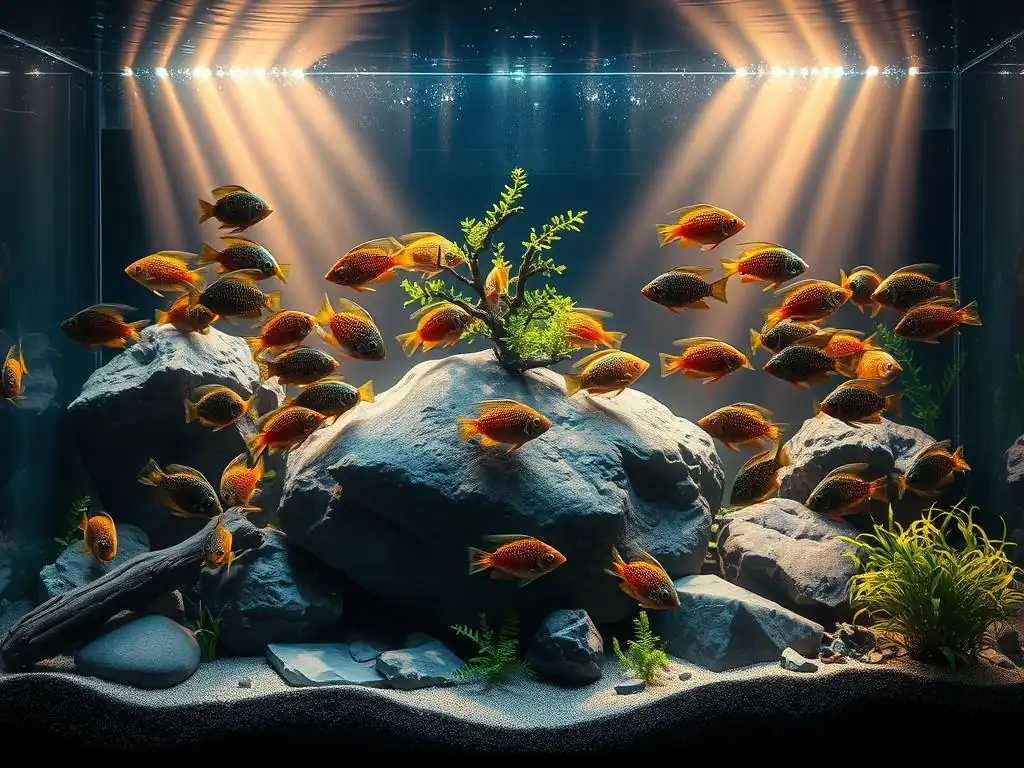
Welcome to Aquarium Mastery!
Ever dreamt of a vibrant, thriving dwarf cichlid tank? These little jewels can bring stunning color and personality to your freshwater aquarium. But even experienced aquarists sometimes stumble! Are you accidentally making one of the top 5 mistakes that can jeopardize your dwarf cichlid's well-being? Dive in to discover the common pitfalls in dwarf cichlid tank setup and maintenance, and learn how to avoid them for a flourishing underwater world. Let's unlock the secrets to a happy and healthy tank, together!
- Introduction: Avoiding Common Pitfalls in Dwarf Cichlid Keeping
- Mistake #1: Ignoring Water Parameters for Dwarf Cichlids
- Mistake #2: Inadequate Tank Size and Setup for Dwarf Cichlids
- Mistake #3: Poor Tank Mate Selection for Dwarf Cichlids
- Mistake #4: Improper Feeding and Nutrition for Dwarf Cichlids
- Mistake #5: Neglecting Regular Tank Maintenance and Water Changes
- Conclusion: Mastering Dwarf Cichlid Care for a Thriving Aquarium
-
Frequently Asked Questions
- What's the most common mistake when setting up a dwarf cichlid tank?
- Why is water chemistry so crucial for dwarf cichlid health?
- What's the biggest error people make regarding tankmates for dwarf cichlids?
- How important is proper substrate and decor for dwarf cichlids?
- What's a common feeding mistake with dwarf cichlids?
- Final Reflection: Cultivating Harmony in Miniature Worlds
- Transform Your Cichlid Care Today!
Introduction: Avoiding Common Pitfalls in Dwarf Cichlid Keeping
Dwarf cichlids, encompassing popular species like Apistogramma (Apistos), Mikrogeophagus (Rams), and Pelvicachromis (Kribensis), are renowned for their vibrant colors, intriguing behaviors, and relatively compact size, making them highly sought-after residents for freshwater aquariums. Their appeal lies in their ability to bring the dynamic characteristics of larger cichlids into smaller home setups. However, despite their widespread popularity, many aquarists, particularly newcomers, often encounter specific challenges that can lead to stress, illness, or even loss of these beautiful fish.
Understanding and proactively addressing these common dwarf cichlid tank mistakes is paramount for ensuring the long-term health and vitality of your aquatic companions. This article will delve into the top five most frequently made errors in dwarf cichlid keeping, providing detailed insights into why these pitfalls occur and, more importantly, offering actionable strategies to avoid them. By mastering these fundamental aspects of dwarf cichlid care, you can transform your aquarium into a thriving, harmonious environment where these captivating fish can truly flourish.
Mistake #1: Ignoring Water Parameters for Dwarf Cichlids
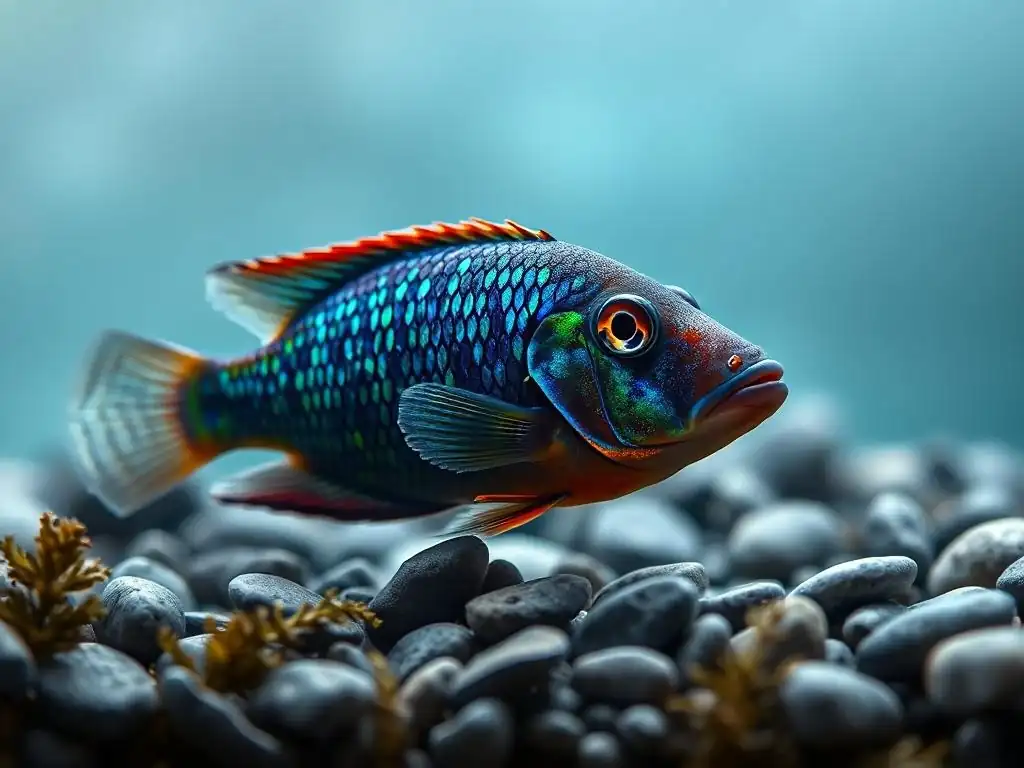
Understanding Ideal Water Conditions for Apistogramma and Other Dwarf Cichlids
Dwarf cichlids originate from diverse geographical regions, but many of the most popular species, such as the German Blue Ram ( Mikrogeophagus ramirezi) and various Apistogramma species, hail from the soft, acidic waters of the Amazon basin. These environments are characterized by low mineral content and often stained by tannins from decaying leaf litter, resulting in pH levels typically ranging from 5.5 to 6.8 and very low general hardness (GH) and carbonate hardness (KH). For instance, wild Apistogramma cacatuoides are often found in blackwater streams with a pH as low as 4.5, though tank-bred specimens are more adaptable.
Conversely, species like the Kribensis cichlid ( Pelvicachromis pulcher) from West Africa are found in a wider range of habitats, from soft, acidic rainforest streams to harder, more alkaline coastal rivers. This means while many dwarf cichlids prefer softer, more acidic conditions, it's crucial to research the specific needs of the species you intend to keep. Ignoring these foundational requirements is one of the most significant dwarf cichlid tank mistakes, as it directly impacts their physiological well-being and stress levels.
The Importance of pH, GH, and KH for Dwarf Cichlid Health
The specific water parameters of pH, GH, and KH are not merely numbers; they are critical environmental factors that directly influence a dwarf cichlid's health, immune response, and ability to thrive. pH (potential hydrogen) determines the acidity or alkalinity of the water, affecting enzyme activity and cellular processes within the fish.
A pH level outside a dwarf cichlid's preferred range can lead to chronic stress, weakened immune systems, and conditions like "acidosis" or "alkalosis," which can be fatal over time. For example, keeping a German Blue Ram in consistently hard, alkaline water (e.g., pH 8.0, GH 15 dGH) will likely result in a shorter lifespan and susceptibility to disease.
GH (General Hardness) measures the concentration of dissolved calcium and magnesium ions, which are vital for a fish's osmoregulation (the process of balancing internal salts and water), bone development, and overall metabolic function. KH (Carbonate Hardness or Alkalinity) acts as a buffer, preventing drastic and sudden shifts in pH. Stable water parameters are often more important than hitting exact numbers; wild pH fluctuations due to low KH can be highly stressful and damaging to dwarf cichlids, leading to severe health issues and contributing to common dwarf cichlid tank mistakes that beginners often face.
How to Test and Adjust Water Parameters in Your Dwarf Cichlid Tank
Accurate and regular testing of your aquarium water is the cornerstone of preventing dwarf cichlid tank mistakes related to water quality. Liquid-based test kits, which provide more precise readings than test strips, are highly recommended for monitoring pH, GH, KH, ammonia, nitrite, and nitrate levels. For a new dwarf cichlid tank, testing should occur weekly for the first few months, then at least bi-weekly or before each water change once the tank is established. This consistent monitoring allows you to track trends and identify potential problems before they escalate.
To adjust parameters for dwarf cichlids, especially those preferring soft, acidic water, several methods can be employed. Using Reverse Osmosis (RO) water mixed with dechlorinated tap water (to achieve desired GH/KH) is a common and effective strategy. Introducing natural elements like driftwood and Indian almond leaves can slowly release tannins, which naturally lower pH and provide beneficial humic substances.
For instance, a 10-gallon tank might benefit from a piece of Mopani wood and 2-3 Indian almond leaves to help reduce pH from 7.5 to around 6.5 over a few weeks. Conversely, avoid using crushed coral or limestone for substrate, as these will continually raise hardness and pH, directly contradicting the needs of most popular dwarf cichlid species. Always make adjustments gradually, as sudden changes can cause more stress than living in slightly suboptimal but stable conditions.
Mistake #2: Inadequate Tank Size and Setup for Dwarf Cichlids
Choosing the Right Aquarium Size for Different Dwarf Cichlid Species
While dwarf cichlids are smaller than their larger cichlid cousins, their territorial nature means they still require adequate space to thrive and exhibit natural behaviors. A common dwarf cichlid tank mistake is underestimating their spatial needs. For a single pair of smaller Apistogramma species, such as Apistogramma agassizii or Apistogramma cacatuoides, a minimum tank size of 15-20 gallons (approximately 57-76 liters) is generally recommended. This allows enough room for the pair to establish a territory and for the female to retreat if the male becomes overly aggressive during spawning.
For a pair of German Blue Rams ( Mikrogeophagus ramirezi), a 20-gallon long tank is preferable to a standard 20-gallon high, as the increased footprint provides more usable bottom space for their territorial displays. If you plan to keep multiple pairs of dwarf cichlids or a larger group, a 30-gallon (approx. 114 liters) or larger aquarium is essential. For instance, a 40-gallon breeder tank (approx. 151 liters) can comfortably house a trio of Kribensis cichlids ( Pelvicachromis pulcher) or a small community of Apistogramma with appropriate tank mates, providing sufficient territory separation and reducing stress.
Creating a Suitable Habitat: Substrate, Decor, and Hiding Places
The physical setup of a dwarf cichlid tank is as crucial as its water chemistry. These fish are naturally found in environments rich with hiding spots and visual barriers, which are essential for their security and to mitigate aggression, particularly among males or between breeding pairs. Using a fine sand substrate, such as silica sand or pool filter sand, is highly recommended. Dwarf cichlids, especially Rams and Apistogramma, frequently sift through the sand in search of food and often dig small pits for spawning. Coarse gravel can injure their delicate mouths and prevent these natural behaviors.
Abundant decor that creates caves, tunnels, and line-of-sight breaks is critical. Natural driftwood, such as Malaysian or Mopani wood, not only provides excellent hiding spots but also releases beneficial tannins that can help lower pH and mimic blackwater conditions. Ceramic caves, overturned clay pots, and strategically placed rocks (ensure they are inert and stable) are also excellent additions.
Dense planting, particularly with broad-leafed plants like Anubias, Cryptocoryne, or Java Fern, provides additional shelter and a sense of security. For example, in a 20-gallon Apistogramma tank, incorporating 2-3 substantial pieces of driftwood along with 4-5 medium-sized potted Cryptocoryne wendtii plants can create an ideal network of territories.
Overcrowding and Its Impact on Dwarf Cichlid Behavior and Health
Overcrowding is a severe dwarf cichlid tank mistake that exacerbates aggression and significantly compromises fish health. When too many fish, especially territorial species like dwarf cichlids, are confined to an inadequate space, constant stress becomes the norm. This stress suppresses their immune systems, making them highly susceptible to common diseases like Ich (white spot disease), fin rot, and bacterial infections. For instance, attempting to keep two male German Blue Rams in a 10-gallon tank without sufficient visual breaks will almost certainly lead to one fish bullying the other to death due to lack of territory.
Beyond physical health, overcrowding also negatively impacts water quality. More fish produce more waste, leading to a rapid accumulation of ammonia, nitrite, and nitrate, even with robust filtration. While a healthy nitrogen cycle can convert ammonia and nitrite, excessive bio-load can overwhelm the beneficial bacteria, leading to toxic spikes. This forces more frequent and larger water changes, which can themselves be stressful if not done carefully. Ultimately, proper stocking levels and sufficient space are non-negotiable for a healthy, vibrant dwarf cichlid aquarium, allowing them to exhibit their natural behaviors without constant conflict.
Mistake #3: Poor Tank Mate Selection for Dwarf Cichlids
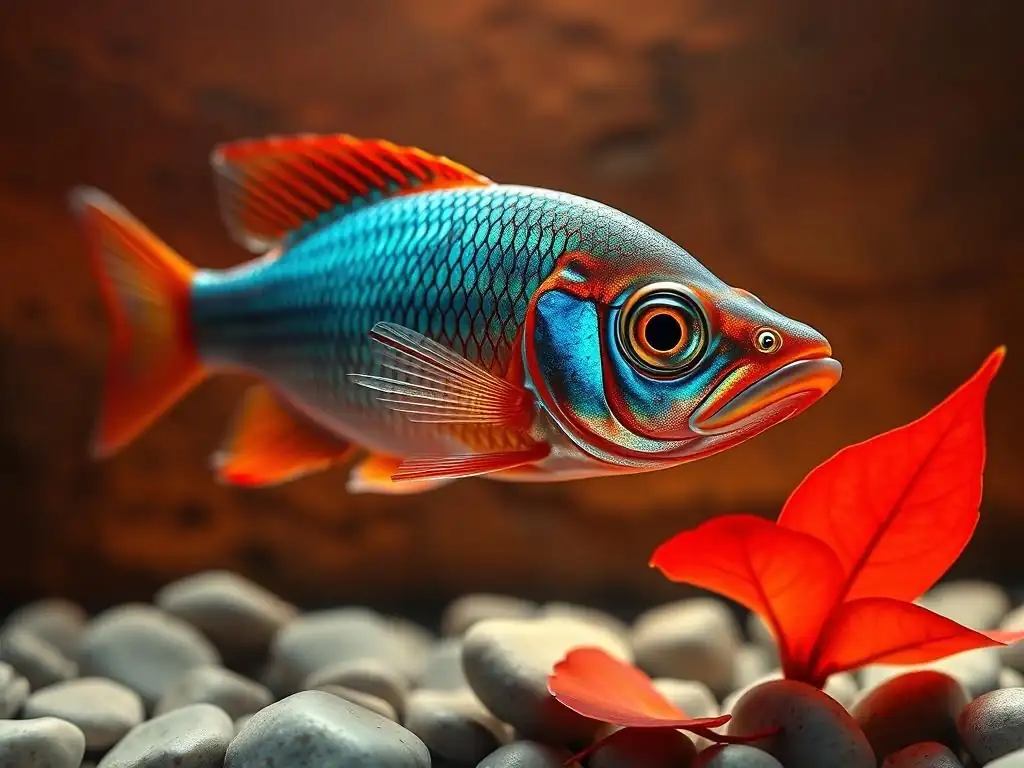
Identifying Compatible Tank Mates for Peaceful Coexistence
Choosing appropriate tank mates is crucial for the well-being of dwarf cichlids, as their relatively peaceful nature can be easily overshadowed by more boisterous or aggressive species. Compatible tank mates should be peaceful, non-fin-nipping, and ideally occupy different levels of the water column to minimize competition for space. Excellent choices include small, schooling tetras such as Neon Tetras ( Paracheirodon innesi), Cardinal Tetras ( Paracheirodon axelrodi), Ember Tetras ( Hyphessobrycon amandae), or Rummy-Nose Tetras ( Hemigrammus rhodostomus). These fish are generally active in the mid to upper levels of the tank, leaving the lower territories to the dwarf cichlids.
Other suitable options include various species of Rasboras (e.g., Harlequin Rasboras, Chili Rasboras), which are similarly peaceful and occupy the mid-water column. Bottom-dwelling, non-competitive species like Corydoras catfish (e.g., Panda Corydoras, Pygmy Corydoras) or Otocinclus catfish are also excellent choices, as they are largely ignored by dwarf cichlids and help with tank cleanliness. For instance, a 29-gallon tank with a pair of Apistogramma borellii would thrive with a school of 8-10 Ember Tetras and 6 Pygmy Corydoras, creating a balanced and peaceful community.
Avoiding Aggressive Fish That Bully Dwarf Cichlids
One of the most common dwarf cichlid tank mistakes is introducing aggressive or overly boisterous tank mates, which can lead to constant stress, fin nipping, and even the death of your dwarf cichlids. Species to avoid include most Barbs (especially Tiger Barbs, which are notorious fin-nippers), larger, more aggressive cichlids (even some commonly considered "community" cichlids like Convict Cichlids or certain larger Jewel Cichlids), and certain types of Gouramis that can become territorial and bully smaller fish. Even seemingly benign fish like some Rainbowfish can be too active and intimidating for the more shy dwarf cichlids.
The consequences of poor tank mate selection are severe: constant harassment prevents dwarf cichlids from feeding properly, leading to emaciation and a weakened immune system. Their fins may become tattered, making them susceptible to secondary infections. For example, placing a pair of delicate German Blue Rams with a school of Tiger Barbs in a 20-gallon tank will almost certainly result in the Rams being relentlessly picked on and eventually succumbing to stress or disease. Always research the temperament and adult size of any potential tank mate before introduction.
Considering Temperament and Tank Level Preferences When Choosing Tank Mates
Beyond general aggression, understanding the specific temperament and preferred tank level of both your dwarf cichlids and potential tank mates is critical for a harmonious aquarium. Most dwarf cichlids are primarily bottom-to-mid dwellers, spending their time sifting through substrate, exploring caves, and patrolling their territories. Therefore, selecting tank mates that occupy the upper water column is an ideal strategy to minimize direct competition for space. This vertical separation allows all fish to utilize the tank effectively without constant territorial disputes.
Furthermore, consider the activity level. While a schooling fish is often recommended, a highly active school of larger fish might still intimidate a shy dwarf cichlid. For instance, a school of fast-moving Giant Danios might stress a timid Apistogramma hongsloi, even if they don't directly nip. Conversely, a slow-moving, peaceful school of Chili Rasboras would be far more suitable. Always prioritize species that complement the dwarf cichlid's relatively calm demeanor and allow them ample personal space, preventing common dwarf cichlid tank mistakes that lead to an unbalanced ecosystem.
Mistake #4: Improper Feeding and Nutrition for Dwarf Cichlids
Understanding the Dietary Needs of Different Dwarf Cichlid Varieties
Dwarf cichlids are primarily micro-predators in their natural habitats, meaning their diet largely consists of small invertebrates, insect larvae, and zooplankton. This carnivorous or omnivorous (with a strong carnivorous bias) dietary preference means they require a diet rich in high-quality protein and essential fats to thrive. For instance, wild Apistogramma species are observed consuming small crustaceans and insect larvae, while Rams may also sift through substrate for detritus containing microbial life and small worms.
A common dwarf cichlid tank mistake is feeding only generic flake food, which often lacks the specific nutritional profile these fish need. While a good quality flake or pellet can serve as a staple, it should not be the sole component of their diet. Deficiency in key nutrients can lead to stunted growth, dull coloration, reduced fertility, and a weakened immune system, making them more susceptible to disease. Ensuring their diet closely mimics their natural intake is paramount for their long-term health and vibrancy.
Providing a Varied Diet for Optimal Health and Coloration
To ensure optimal health, vibrant coloration, and even encourage breeding, a varied diet is essential for dwarf cichlids. Their staple diet should consist of a high-quality, protein-rich cichlid pellet or flake food, specifically formulated for small carnivorous fish. Supplementing this with a range of frozen foods is highly beneficial. Excellent frozen options include:
- Bloodworms: Rich in protein, a favorite for most dwarf cichlids.
- Brine Shrimp: Good for conditioning and providing essential fatty acids.
- Daphnia: Acts as a natural laxative and provides fiber.
- Mysis Shrimp: High in protein and fat, excellent for conditioning.
Live foods, such as newly hatched brine shrimp, blackworms, or Grindal worms, can be offered sparingly as treats or for conditioning breeding pairs, as they provide natural hunting stimulation and superior nutrition. For example, feeding a pair of Kribensis cichlids a small portion of high-quality cichlid pellets in the morning and a cube of frozen bloodworms in the evening, 3-4 times a week, will provide a balanced and enriching diet, significantly reducing the likelihood of common dwarf cichlid tank mistakes related to nutrition.
Avoiding Overfeeding and the Resulting Water Quality Issues
Overfeeding is arguably one of the most prevalent and damaging dwarf cichlid tank mistakes, leading to a cascade of negative consequences for both the fish and the aquarium environment. When too much food is offered, uneaten portions sink to the substrate, decompose, and quickly foul the water. This decay process releases harmful ammonia and nitrites, which are highly toxic to fish, even in small concentrations.
Elevated ammonia and nitrite levels stress the fish, damage their gills, and can lead to severe illness or death. For instance, a single instance of overfeeding in a small 10-gallon tank can cause ammonia to spike from 0 ppm to 1-2 ppm within hours, dangerously impacting the inhabitants.
Beyond direct toxicity, overfeeding contributes to unsightly algae blooms, cloudy water, and an increased bio-load on the filtration system, potentially overwhelming the beneficial bacteria responsible for the nitrogen cycle. To avoid this, feed small amounts 2-3 times a day, only what your dwarf cichlids can consume entirely within 2-3 minutes. Observe their eating habits closely; if food remains after a few minutes, you are feeding too much.
Remove any uneaten food promptly with a siphon. This disciplined approach to feeding not only maintains pristine water quality but also encourages natural foraging behaviors and prevents digestive issues in the fish themselves.
Mistake #5: Neglecting Regular Tank Maintenance and Water Changes
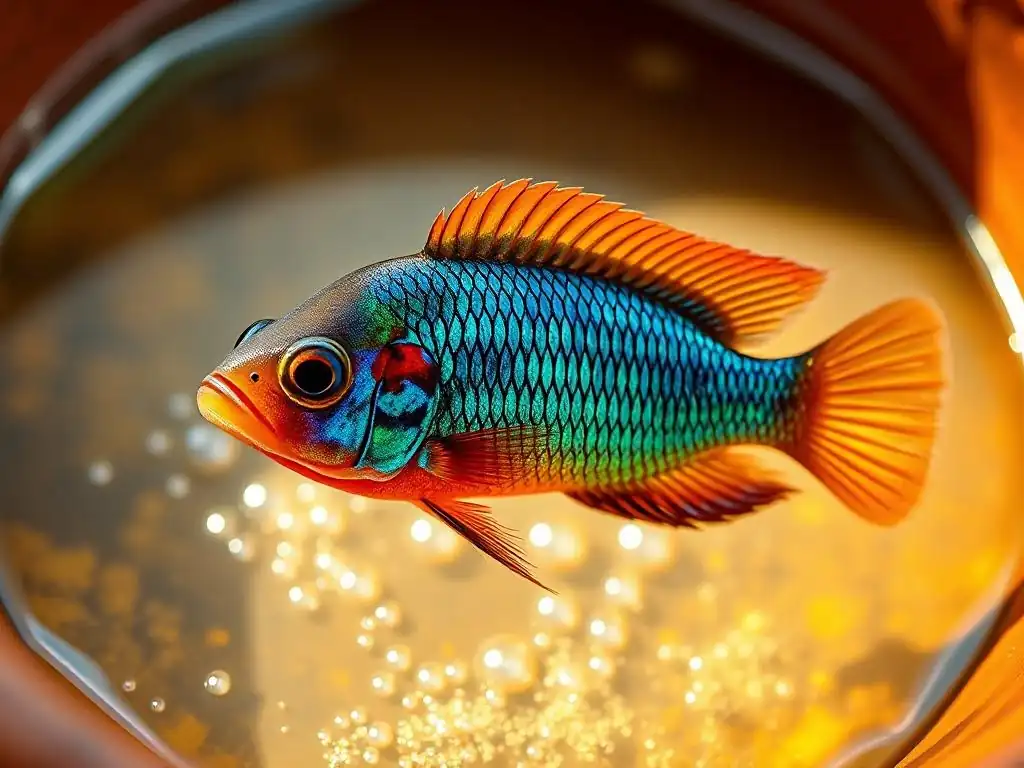
The Importance of Regular Water Changes for Dwarf Cichlid Health
Regular water changes are the single most critical maintenance task for a healthy dwarf cichlid aquarium, yet neglecting them is one of the most common dwarf cichlid tank mistakes. Even with excellent filtration, beneficial bacteria, and careful feeding, nitrates will inevitably accumulate in an aquarium. Nitrates, while less toxic than ammonia or nitrite, are still detrimental in high concentrations (above 20 ppm for sensitive species like many Apistogramma), leading to chronic stress, suppressed immune systems, and stunted growth. Water changes dilute these accumulated nitrates and other dissolved organic compounds, effectively resetting the water quality.
For most dwarf cichlid tanks, a weekly water change of 25-30% is highly recommended. For example, a 20-gallon tank would require a 5-6 gallon water change weekly. This frequency helps maintain stable water parameters, replenishes essential trace minerals that fish utilize, and removes pollutants that filtration alone cannot eliminate. Always ensure the new water is dechlorinated (using a quality water conditioner) and matches the tank's temperature as closely as possible to prevent temperature shock, which can be highly stressful for dwarf cichlids.
Proper Tank Cleaning Techniques to Prevent Disease
Beyond water changes, effective tank cleaning techniques are vital for preventing disease and maintaining a pristine environment for your dwarf cichlids. A gravel vacuum should be used during water changes to thoroughly clean the substrate, removing uneaten food, fish waste, and other detritus that can break down and pollute the water. Pay particular attention to areas under decorations or plants where debris can accumulate. For instance, a 20-gallon tank might take 5-7 minutes of focused gravel vacuuming during a weekly water change.
Filter maintenance is also crucial. Biological filter media (e.g., bio-rings, sponges) should be gently rinsed in old tank water (never tap water, as chlorine will kill beneficial bacteria) every few weeks to remove sludge without destroying the beneficial bacterial colonies. Mechanical filter media (e.g., filter floss) should be replaced or thoroughly rinsed more frequently as it becomes clogged.
Wiping down the inside of the tank glass to remove algae buildup not only improves aesthetics but also prevents excessive algae from decaying and contributing to the bio-load. Over-cleaning, however, can be just as detrimental as under-cleaning; avoid deep cleaning the entire tank at once, as this can disrupt the beneficial bacterial colonies and crash the nitrogen cycle.
Monitoring Water Quality and Addressing Issues Promptly
Consistent monitoring of water quality parameters is the first line of defense against potential problems and a key strategy to avoid dwarf cichlid tank mistakes. Regularly testing for ammonia, nitrite, and nitrate, alongside pH, GH, and KH, allows you to catch issues early before they become critical. Ammonia and nitrite should always be at 0 ppm. Any detectable levels indicate a problem with the nitrogen cycle or overstocking/overfeeding, requiring immediate action, such as a large (50% or more) partial water change and a review of feeding and stocking levels.
Maintaining a log of your water parameters can help identify trends and predict potential problems. For example, if your nitrates are consistently rising above 20 ppm between weekly water changes, it might indicate you need to increase the frequency or volume of your water changes, or reduce stocking/feeding. Addressing water quality issues promptly, whether through emergency water changes, adjusting feeding habits, or improving filtration, is paramount for the health of your dwarf cichlids. Proactive monitoring and swift action can prevent minor issues from escalating into major health crises for your delicate fish.
Conclusion: Mastering Dwarf Cichlid Care for a Thriving Aquarium
Mastering the art of dwarf cichlid keeping is a rewarding endeavor that transforms your aquarium into a vibrant, dynamic display of aquatic life. By understanding and actively avoiding the five most common dwarf cichlid tank mistakes – neglecting water parameters, providing inadequate tank size and setup, selecting poor tank mates, improper feeding, and neglecting regular maintenance – you lay the foundation for a truly thriving aquatic ecosystem.
The journey to success with dwarf cichlids hinges on attention to detail: maintaining pristine water conditions that mimic their natural habitats, providing ample space with abundant hiding spots, carefully selecting peaceful community members, offering a varied and nutritious diet, and committing to consistent maintenance routines. These proactive measures not only prevent common dwarf cichlid tank mistakes but also foster an environment where your Apistogramma, Rams, and Kribensis can exhibit their full spectrum of natural behaviors, vibrant colors, and even successfully breed.
With dedication and informed care, your dwarf cichlid aquarium will undoubtedly become a source of endless fascination and beauty.
Frequently Asked Questions
What's the most common mistake when setting up a dwarf cichlid tank?
The most common mistake is inadequate tank size. Dwarf cichlids, while small, still require enough space to establish territories and reduce aggression. A too-small tank leads to stress and health problems.
Why is water chemistry so crucial for dwarf cichlid health?
Dwarf cichlids are sensitive to water parameters. Unstable or incorrect water chemistry can cause stress, disease, and even death. Regular testing and adjustments are vital for their well-being.
What's the biggest error people make regarding tankmates for dwarf cichlids?
Choosing incompatible tankmates is a frequent error. Aggressive or overly active fish can bully or stress dwarf cichlids. Research compatibility thoroughly before introducing any new fish.
How important is proper substrate and decor for dwarf cichlids?
Very important! The wrong substrate and lack of hiding places can negatively impact dwarf cichlids. They need a substrate they can sift through and plenty of caves or plants for security and breeding.
What's a common feeding mistake with dwarf cichlids?
Overfeeding and offering an inappropriate diet are common issues. Dwarf cichlids need small, frequent feedings of high-quality, varied foods. Avoid overfeeding, as it can pollute the tank.
Final Reflection: Cultivating Harmony in Miniature Worlds
The challenges outlined in this article, from neglecting water parameters to overcrowding, highlight a crucial truth: success in dwarf cichlid keeping hinges on understanding and respecting the delicate balance of their miniature aquatic ecosystems. These aren't just fish; they're intricate pieces of a living puzzle, and their well-being reflects the keeper's commitment to creating a thriving environment.
The allure of dwarf cichlids lies in their vibrant personalities and captivating behaviors, but true appreciation comes from recognizing the responsibility we undertake when bringing them into our homes. Their sensitivity to environmental changes serves as a constant reminder of the interconnectedness of all living things. The best aquarium is the one that most accurately replicates the natural environment of its inhabitants.
This quote underscores the importance of diligent research and mindful practice in ensuring the health and happiness of these fascinating creatures.
As you embark on, or continue, your journey with dwarf cichlids, remember that patience and observation are your greatest allies. Let the lessons learned here guide you in creating not just a tank, but a sanctuary. Embrace the challenge, celebrate the successes, and allow the vibrant world of dwarf cichlids to inspire a deeper connection with the natural world around you.
Transform Your Cichlid Care Today!
Thank you for exploring the secrets to thriving dwarf cichlids! We hope this article has empowered you with the knowledge to create a flourishing environment for your finned friends. Now, let's put that knowledge into action:
- Implement one immediate change from the article to improve your cichlids' environment today. Start with adjusting the water parameters based on what you've learned.
- Share your best dwarf cichlid keeping tip in the comments below to help other enthusiasts!
- Explore Aquarium Mastery's other care guides to uncover more ways to create the ultimate aquarium.
What's one surprising thing you learned about dwarf cichlid care that you'll be implementing immediately?