
Dropsy in Bettas: Recognizing the Fatal Signs Early

Welcome to Aquarium Mastery!
Ever noticed your Betta looking a little… puffy? That could be Dropsy, a serious condition that can quickly become fatal. This guide dives deep into Bettas dropsy symptoms treatment, helping you identify the earliest signs and understand your options. Don't wait until it's too late – let's learn how to protect your beloved Betta from this devastating disease. Ready to become a Dropsy detective? Let's get started!
- Understanding Dropsy in Betta Fish
- Early Signs and Symptoms of Dropsy in Bettas
- Diagnosing Dropsy in Your Betta Fish
- Treating Dropsy in Bettas: Immediate Actions to Take
- Preventing Dropsy in Bettas: Proactive Care is Key
- Advanced Dropsy Cases and Euthanasia Considerations
- Dropsy in Bettas: A Summary of Key Information
-
Frequently Asked Questions
- What are the earliest signs of dropsy in Bettas that I should watch out for?
- Can dropsy be cured in Bettas, or is it always fatal?
- What are the common causes of dropsy in Bettas?
- How is dropsy diagnosed in Bettas, and what differentiates it from other similar ailments?
- What steps can I take to prevent dropsy from occurring in my Betta aquarium?
- Final Reflection: The Hope for Healthier Bettas
- Ignite Your Betta Brilliance: Transform Knowledge into Lifesaving Action!
Understanding Dropsy in Betta Fish
What is Dropsy and How Does it Affect Bettas?
Dropsy is not a disease itself but rather a symptom of an underlying condition, usually severe internal organ failure, most commonly involving the kidneys or liver. In Betta fish, this organ dysfunction leads to an inability to properly regulate fluid balance within the body. As a result, excess fluid accumulates in the coelomic cavity (the body cavity), causing the abdomen to swell and the scales to protrude. This condition is often triggered by chronic stress, poor water quality, nutritional deficiencies, or a bacterial infection.
The progression of dropsy in Bettas can be rapid and devastating. As fluid builds up, it puts immense pressure on the internal organs, leading to further damage and systemic failure. The visible "pinecone" appearance, where the scales lift away from the body, is a definitive sign of advanced fluid retention and indicates that the condition has progressed significantly. By this stage, the Betta's internal systems are severely compromised, making recovery extremely challenging and often leading to a fatal outcome due to organ collapse or secondary infections.
Dropsy vs. Other Betta Illnesses: A Key Distinction
Distinguishing dropsy from other common Betta ailments is crucial for proper diagnosis and Bettas dropsy symptoms treatment. Simple bloating, often caused by overfeeding or constipation, typically presents as a swollen abdomen but without the characteristic scale protrusion. Bloating from dietary issues usually resolves within 24-48 hours with fasting or a small amount of blanched pea, whereas dropsy's swelling is persistent and progressive, accompanied by the definitive lifting of scales.
Other common Betta illnesses, such as Ich (white spots), fin rot (frayed fins), or velvet (gold dust-like coating), are primarily external parasitic or bacterial infections. While these conditions can cause stress and weaken a Betta's immune system, potentially leading to dropsy, their primary visible signs are distinct and do not involve systemic fluid retention or the "pinecone" effect. The presence of scale protrusion is the hallmark Bettas dropsy symptom that differentiates it from most other Betta health issues.
Early Signs and Symptoms of Dropsy in Bettas
The Classic "Pinecone" Appearance: Identifying Scale Protrusion
The "pinecone" appearance is the most widely recognized and definitive sign of dropsy in Betta fish. This occurs when the scales, normally lying flat against the body, begin to lift and stick out, giving the fish a textured, conical look similar to a pinecone. This protrusion is a direct result of the severe fluid accumulation beneath the scales, pushing them outwards.
While it is the classic indicator, it is important to note that the "pinecone" appearance usually signifies an advanced stage of dropsy. By the time scales are significantly protruding, the internal organ damage is likely extensive. However, observant aquarists might notice very subtle lifting of scales around the abdominal area as an earlier precursor to widespread protrusion, prompting immediate investigation into other potential Bettas dropsy symptoms.
Abdominal Swelling in Bettas: A Critical Indicator
Abdominal swelling is often one of the earliest and most critical Bettas dropsy symptoms to appear, even before the scales begin to lift significantly. The Betta's belly will appear distended or bloated, sometimes gradually, sometimes quite rapidly. This swelling is caused by the pathological accumulation of fluid within the fish's body cavity due to internal organ dysfunction.
Unlike temporary bloating from overeating, the swelling associated with dropsy is persistent and often feels firm to the touch. It will not subside with fasting and typically progresses over time. Close daily observation of your Betta's profile, especially from above, can help detect this crucial indicator early, providing a narrow window for potential Bettas dropsy symptoms treatment.
Lethargy and Loss of Appetite: Subtle Dropsy Symptoms
Behavioral changes are often among the first subtle Bettas dropsy symptoms. A Betta suffering from dropsy will typically become noticeably lethargic, spending more time resting at the bottom of the tank, wedged in decor, or floating listlessly near the surface. Their usual active swimming and inquisitive nature will diminish, and they may seem unresponsive to their environment or owner.
Accompanying this lethargy is a significant loss of appetite. A Betta that normally eagerly consumes its food may refuse to eat entirely or show only minimal interest in food offered. While lethargy and appetite loss are general signs of illness, when combined with any degree of abdominal swelling, they strongly suggest the onset of dropsy and necessitate immediate attention and the initiation of Bettas dropsy treatment.
Bulging Eyes (Popeye) as a Potential Sign of Dropsy
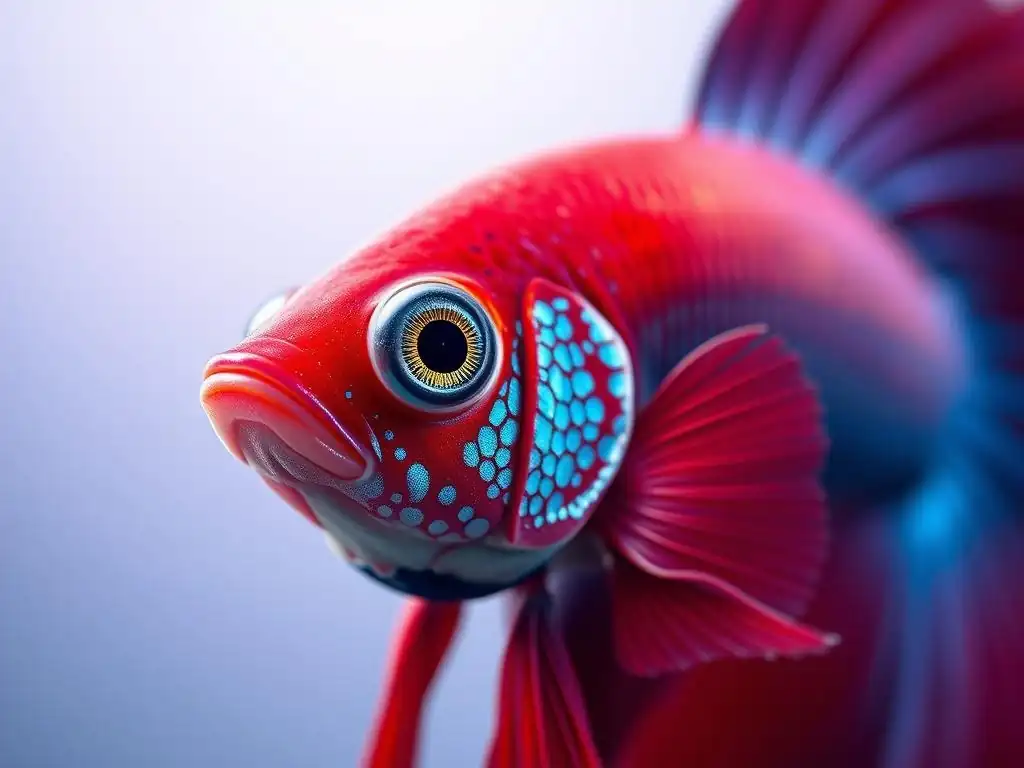
Bulging eyes, medically known as exophthalmia or "Popeye," can be another alarming Betta dropsy symptom. While Popeye can occur as a standalone bacterial infection of the eye, it can also manifest as a secondary symptom of dropsy. In dropsy cases, the internal fluid buildup creates pressure that can cause one or both eyes to protrude noticeably from the Betta's head.
If Popeye appears in conjunction with abdominal swelling and lethargy, it is a strong indicator of a systemic issue, likely dropsy. It signifies significant internal pressure and further confirms the severity of the Betta's condition. Observing for this symptom, especially when other signs are present, is vital for a comprehensive assessment of Bettas dropsy symptoms.
Color Changes and Fading: Another Possible Dropsy Symptom
A Betta's vibrant coloration is often an indicator of its health. When a Betta is suffering from dropsy, its colors may begin to dull, fade, or appear washed out. This general fading is a common stress response in fish, as their body redirects energy and resources from maintaining pigmentation towards fighting the underlying illness and infection.
While color changes are not exclusive to dropsy and can indicate various stressors or diseases, their presence alongside other physical and behavioral Bettas dropsy symptoms should raise immediate concern. A dull or faded appearance serves as an early warning sign that the Betta's health is severely compromised, prompting the aquarist to look for more definitive signs like abdominal swelling or scale protrusion.
Diagnosing Dropsy in Your Betta Fish
Observing Betta Behavior and Physical Appearance
The first and most crucial step in diagnosing dropsy is through meticulous daily observation of your Betta's behavior and physical appearance. Spend several minutes each day watching your fish for any deviations from its normal routine: Is it swimming actively or lethargic? Is it hiding more than usual? Does it respond to your presence? Note any changes in fin posture, breathing rate, or gill movement.
Following behavioral observation, conduct a thorough visual inspection. Gently guide your Betta to the front of the tank and observe it from all angles – side, front, and especially from above. Look specifically for any signs of abdominal distension or bloating. Crucially, examine the scales closely for any indication of lifting or protrusion, even subtle ones around the belly area. This careful, systematic observation is paramount for detecting Bettas dropsy symptoms at their earliest.
Water Quality Testing: Identifying Underlying Issues
Poor water quality is a primary stressor and a significant contributing factor to dropsy in Bettas, often weakening their immune system and making them susceptible to the underlying infections. Therefore, comprehensive water quality testing is an essential diagnostic step. Immediately test your aquarium water for ammonia, nitrite, nitrate, and pH levels using a reliable liquid test kit.
Optimal parameters for Bettas are: Ammonia 0 ppm, Nitrite 0 ppm, and Nitrates below 20 ppm (ideally below 10 ppm for long-term health). The pH should be stable, typically between 6.5 and 7.5. Any elevated levels of ammonia or nitrite, or excessively high nitrates, indicate significant water quality issues that must be addressed immediately as part of any Bettas dropsy treatment plan. These parameters provide critical clues to the environmental stressors contributing to the illness.
Ruling Out Other Potential Betta Diseases
Before concluding a dropsy diagnosis, it's important to rule out other conditions that might present with similar, albeit less severe, symptoms. For instance, if your Betta is only bloated without scale protrusion, consider overfeeding or constipation. A 24-48 hour fast, or feeding a small blanched pea, can often resolve these issues if they are the sole cause. Observe if the bloating subsides.
Additionally, differentiate dropsy from external parasitic or fungal infections like Ich or columnaris, which have distinct visual cues (e.g., white spots, cottony growths, mouth rot) and don't typically involve widespread internal swelling and scale lifting. A comprehensive assessment of all present Bettas dropsy symptoms—especially the combination of abdominal swelling and scale protrusion—is key to accurate diagnosis and selecting the most appropriate Bettas dropsy treatment.
Treating Dropsy in Bettas: Immediate Actions to Take
Quarantine the Affected Betta: Preventing Spread
The moment you suspect dropsy, immediately move the affected Betta to a separate hospital or quarantine tank. While dropsy itself is a symptom and not directly contagious, the underlying bacterial infections that often cause it can be. Isolating the sick fish prevents potential spread of pathogens to other tank inhabitants and significantly reduces stress on the main aquarium ecosystem.
A suitable quarantine tank for a single Betta can be a 2-5 gallon bare-bottom tank, equipped with a heater to maintain a stable temperature (78-80°F or 25.5-26.5°C) and a gentle air stone for oxygenation. Avoid adding substrate, as it can harbor bacteria and make cleaning difficult. Minimal decor should be used to allow for easy observation and medication administration. This dedicated environment is crucial for effective Bettas dropsy treatment.
Improving Water Quality: Essential for Recovery
Pristine water quality is absolutely paramount for any chance of recovery from dropsy. Immediately perform a 50-75% water change in the quarantine tank, ensuring the new water is dechlorinated and temperature-matched to avoid further stress. Following this, commit to daily 25-50% water changes to maintain virtually zero ammonia and nitrite levels, and keep nitrates as low as possible.
Clean water significantly reduces the osmotic stress on the Betta's already compromised kidneys and liver, allowing these organs to function more effectively. It also minimizes the bacterial load in the environment, which is crucial since dropsy is often linked to bacterial infections. Consistent water changes are not just supportive care; they are a fundamental component of effective Bettas dropsy treatment, providing the optimal environment for healing.
Epsom Salt Baths for Dropsy: Reducing Swelling
Epsom salt, or magnesium sulfate, is a beneficial supportive Bettas dropsy treatment that helps to reduce the severe swelling associated with fluid retention. It acts as an osmotic agent, drawing out excess fluid from the fish's body and potentially easing internal pressure on organs. This can provide temporary relief and make the Betta more comfortable, potentially improving its chances of responding to other treatments.
To administer an Epsom salt bath, dissolve 1-2 teaspoons of pure Epsom salt (ensure it contains no additives) per 5 gallons of water in the quarantine tank. Mix thoroughly until dissolved before adding the Betta. Monitor the fish closely for any signs of distress. This treatment can be continued for 3-5 days. It's crucial to use Epsom salt, not aquarium salt (sodium chloride), as the latter can actually worsen fluid retention in dropsy cases due to its different osmotic properties.
Antibiotic Treatment for Bettas with Dropsy: When and How
Since dropsy is frequently caused by an underlying internal bacterial infection, broad-spectrum antibiotic treatment is often a necessary component of Bettas dropsy treatment. Due to the difficulty in identifying the specific bacterial strain without laboratory testing, broad-spectrum options are typically chosen to target a wide range of potential pathogens. Common antibiotics used in aquatics include Kanamycin, Metronidazole, or a combination of both.
Antibiotics should be administered strictly according to the product's instructions for dosage and duration. They are typically added directly to the water in the quarantine tank, though medicated food is sometimes available and can be more effective if the Betta is still eating. It is vital to complete the full course of treatment, even if the Betta appears to improve, to prevent a relapse and ensure the complete eradication of the infection.
Maracyn Two for Dropsy: A Common Antibiotic Treatment
Maracyn Two, which contains the active ingredient Minocycline, is a widely recognized and often effective antibiotic used in the Bettas dropsy treatment protocol. It is particularly effective against gram-negative bacterial infections, which are frequently implicated in systemic illnesses like dropsy, causing internal organ damage and fluid accumulation.
When using Maracyn Two, always follow the manufacturer's specific instructions for dosage and duration precisely. A common treatment regimen might involve adding one packet per 10 gallons of water daily for five consecutive days. Before each new dose, it is often recommended to perform a partial water change (e.g., 25%) to maintain water quality. Remember to remove any activated carbon from the filter during treatment, as it will absorb the medication and render it ineffective.
Preventing Dropsy in Bettas: Proactive Care is Key
Maintaining Pristine Water Conditions: Regular Water Changes
The single most important preventative measure against dropsy is maintaining consistently pristine water conditions in your Betta's aquarium. Regular partial water changes are crucial for this. For a typical 5-gallon Betta tank, a 25-30% water change once a week is often recommended, using dechlorinated water matched in temperature. This schedule helps to keep nitrate levels low and prevents the dangerous buildup of ammonia and nitrite.
Clean, stable water minimizes stress on your Betta's immune system, making it far more resilient to potential infections that could lead to dropsy. A well-cycled aquarium with zero ammonia and nitrite is the foundation of Betta health. Consistently adhering to a rigorous water change schedule is the most effective proactive step to prevent the environmental stressors that often precipitate Bettas dropsy symptoms.
Providing a Balanced Diet: Preventing Nutritional Deficiencies
A high-quality, balanced diet is essential for bolstering your Betta's immune system and preventing dropsy. Feed a staple diet of high-quality Betta-specific pellets or flakes. These are formulated to meet their specific nutritional needs. Supplement this staple with varied protein sources such as frozen or freeze-dried bloodworms, brine shrimp, or daphnia a few times a week.
Avoid overfeeding, as excess food can lead to digestive issues, constipation, and rapidly foul the water, contributing to poor water quality. Feed small amounts, typically what your Betta can consume within 2-3 minutes, twice daily. A nutritious and varied diet ensures your Betta receives all the essential vitamins and minerals needed to maintain strong immunity and healthy organ function, significantly reducing susceptibility to conditions that lead to Bettas dropsy symptoms.
Minimizing Stress in Your Betta's Environment
Chronic stress is a major contributor to a weakened immune system in Bettas, making them highly vulnerable to diseases like dropsy. To minimize stress, ensure your Betta's tank is appropriately sized – a minimum of 5 gallons for a single Betta is recommended. Provide adequate hiding spots, such as caves, plants (live or silk), or floating logs, where your Betta can retreat and feel secure.
Avoid aggressive tank mates, fluctuating water parameters, sudden loud noises, or excessive light changes, all of which can cause significant stress. Maintaining a stable temperature (78-80°F or 25.5-26.5°C) and consistent light cycles are also vital. A calm, stable, and secure environment is paramount for keeping your Betta healthy and preventing the onset of Bettas dropsy symptoms.
Monitoring Your Betta's Health Regularly: Early Detection is Crucial
Regular, observant monitoring of your Betta's health is perhaps the most crucial preventative measure, as it enables the earliest possible detection of issues. Dedicate a few minutes each day to simply watching your Betta. Look for any subtle changes in behavior, such as unusual lethargy, reduced appetite, or altered swimming patterns.
Pay close attention to its physical appearance: check for any slight abdominal swelling, even if barely noticeable, or the beginnings of scale protrusion. Early detection significantly increases the chances of successful Bettas dropsy treatment. The sooner you notice any of these subtle Bettas dropsy symptoms, the more time you have to intervene and address the underlying cause before the condition becomes irreversible.
Advanced Dropsy Cases and Euthanasia Considerations
Recognizing When Treatment is Unlikely to Succeed
Unfortunately, dropsy is often a terminal condition, especially when recognized in its advanced stages. It's crucial for aquarists to recognize when treatment is unlikely to succeed to prevent prolonged suffering. Indicators of an irreversible case include severe "pinecone" scaling across most of the body, extreme lethargy lasting several days, complete refusal of food, significant organ prolapse, or no improvement after 5-7 days of consistent and appropriate Bettas dropsy treatment.
At this point, the internal organ damage is likely too extensive for the Betta to recover, even with aggressive intervention. Prolonging treatment in such circumstances can cause unnecessary stress and pain for the fish. Making the difficult decision to consider euthanasia becomes an act of compassion, prioritizing the Betta's welfare over the emotional difficulty for the owner.
Ethical Considerations for Euthanasia
The decision to euthanize a beloved pet fish is profoundly difficult, but it is an essential ethical consideration when a Betta is suffering from an advanced, untreatable case of dropsy. Euthanasia, when performed humanely, provides a quick and painless end to suffering, preventing a slow, agonizing death from organ failure. It is a responsible act of pet ownership to prevent prolonged distress.
When faced with a Betta that shows no signs of recovery from Bettas dropsy symptoms despite diligent treatment, and is exhibiting severe signs of discomfort, choosing humane euthanasia is the most compassionate option. This ensures the fish's final moments are peaceful and stress-free, rather than enduring a drawn-out decline.
Clove Oil Euthanasia: A Humane Method
Clove oil (eugenol) is widely recognized and recommended by aquatic veterinarians as a humane method for fish euthanasia. It acts as a potent anesthetic, first sedating the fish into unconsciousness before leading to respiratory and cardiac arrest, ensuring a peaceful passing. It causes minimal stress compared to other methods.
To perform clove oil euthanasia, prepare a separate container with water from the Betta's tank. For a single Betta, add approximately 5-10 drops of pure clove oil per liter of water. Shake the mixture vigorously in a separate sealed container until the oil is fully emulsified and no visible oil slick remains on the surface. Carefully place the Betta into this solution. The fish will gradually become sedated, then unresponsive. Leave the Betta in the solution for at least 10-20 minutes after all gill movement ceases to ensure complete cessation of vital functions.
Dropsy in Bettas: A Summary of Key Information
Early Detection and Prompt Treatment: The Best Approach
Dropsy in Bettas is a serious and often fatal condition, but the most critical factor influencing the outcome is early detection and prompt intervention. Recognizing the subtle initial Bettas dropsy symptoms, such as mild abdominal swelling, lethargy, or changes in appetite, before the classic "pinecone" appearance becomes widespread, significantly increases the chances of successful recovery. Vigilant daily observation is therefore paramount for any aquarist.
When dropsy is suspected, initiating a multi-pronged Bettas dropsy treatment approach immediately—including quarantining the affected fish, drastically improving water quality through frequent changes, administering Epsom salt baths to reduce swelling, and utilizing appropriate broad-spectrum antibiotics—offers the Betta the best possible chance of survival. While the prognosis remains guarded, swift and comprehensive action is always the best strategy.
Long-Term Care for Recovered Bettas: Ensuring Continued Health
Even if a Betta successfully recovers from dropsy, it is crucial to understand that the underlying cause, often severe internal organ damage or a compromised immune system, may leave the fish more susceptible to future illnesses. Therefore, long-term care for a recovered Betta must be exceptionally diligent to ensure its continued health and prevent recurrence of Bettas dropsy symptoms.
This includes maintaining impeccable water quality with consistent, slightly more frequent water changes than usual, providing a highly nutritious and varied diet to boost immunity, and rigorously minimizing all potential stressors in its environment. Regular, thorough monitoring of the Betta's health should become a permanent part of your routine, as any subtle sign of distress or illness will require immediate attention to safeguard its delicate health.
Frequently Asked Questions
What are the earliest signs of dropsy in Bettas that I should watch out for?
The earliest signs often include a slight swelling of the abdomen and a general lethargy or lack of appetite. Scales might not be pineconing yet, but the fish won't seem quite right.
Can dropsy be cured in Bettas, or is it always fatal?
While dropsy is often fatal, early treatment can sometimes be successful. The underlying cause needs to be addressed quickly, and supportive care is crucial. Quarantine and medication are often necessary.
What are the common causes of dropsy in Bettas?
Dropsy isn't a disease itself, but a symptom of internal organ failure, usually kidney. This is often triggered by bacterial infections, poor water quality, or stress impacting the Betta's immune system.
How is dropsy diagnosed in Bettas, and what differentiates it from other similar ailments?
Dropsy is primarily diagnosed by the characteristic "pinecone" appearance of raised scales. While bloating can have other causes, the raised scales are a definitive indicator of fluid buildup due to organ failure.
What steps can I take to prevent dropsy from occurring in my Betta aquarium?
Prevention focuses on maintaining pristine water quality through regular water changes and a properly cycled tank. Providing a stress-free environment and feeding a high-quality diet are also essential.
Final Reflection: The Hope for Healthier Bettas
The information presented throughout this article, detailing the devastating reality of dropsy in bettas, is not merely academic; it's a crucial lifeline for responsible betta owners. Recognizing the early signs and understanding potential treatments is paramount, transforming passive observation into proactive care and offering a fighting chance against this often-fatal condition.
The fight against dropsy extends beyond individual tanks; it reflects our broader responsibility to animal welfare and the ethical treatment of pets. My own experiences with bettas, and witnessing the heartbreak of others, underscore the urgency of accessible and accurate information. The greatness of a nation and its moral progress can be judged by the way its animals are treated.
- Mahatma Gandhi. This quote resonates deeply, reminding us that our compassion extends to even the smallest creatures under our care.
Now, armed with this knowledge about bettas dropsy symptoms treatment, I urge you to become vigilant observers of your own bettas. Don't wait for the pinecone scales to appear; be proactive in maintaining optimal water conditions and providing a stress-free environment. By understanding the signs and acting swiftly, you can significantly improve your betta's chances of survival and contribute to a future where fewer bettas succumb to this preventable tragedy.
Ignite Your Betta Brilliance: Transform Knowledge into Lifesaving Action!
Thank you for diving into the world of Betta health and learning about dropsy! Now that you're equipped with crucial knowledge, it's time to put it into practice and ensure your finned friend thrives. Here are a few impactful steps you can take right away:
- Immediately implement preventative measures: Enhance your Betta's environment by performing a partial water change, ensuring optimal water parameters, and providing a varied, high-quality diet to bolster their immune system.
- Join the Aquarium Mastery community! Share your experiences and insights on our forum. Help others learn how to spot early signs of dropsy and create a network of knowledgeable Betta keepers.
- Surprise your Betta with a DIY enrichment activity! Introduce a new, safe toy or rearrange the tank layout to stimulate their curiosity and reduce stress, which can contribute to a healthier life.
What specific change will you make to your Betta's environment this week to promote their long-term health and prevent future issues like dropsy?