
Troubleshooting Mass Larval Dieoffs: A Systematic Approach to Diagnosis & Prevention

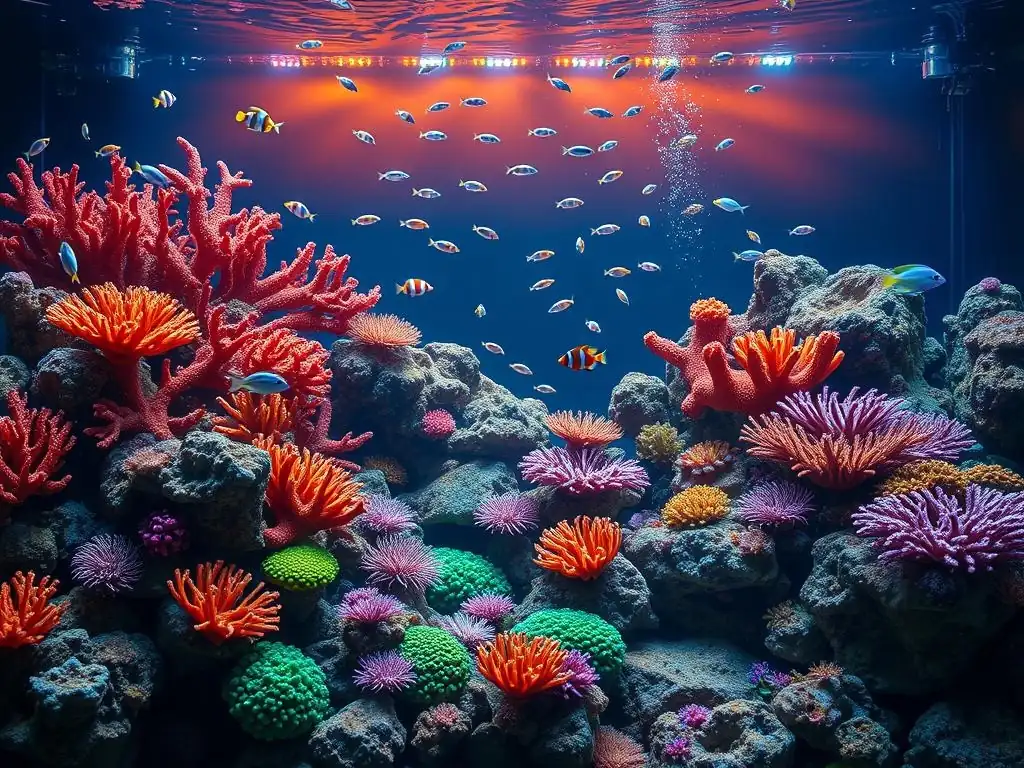
Welcome to Aquarium Mastery, your ultimate guide to thriving aquatic ecosystems! Ever wonder why your saltwater fish larvae are suddenly disappearing? Unravel the mystery of saltwater fish larval dieoff and discover a systematic approach to diagnosing and preventing this frustrating phenomenon. Dive in and learn how to ensure the survival of your future generations!
- Troubleshooting Mass Saltwater Fish Larval Dieoffs: A Systematic Approach to Diagnosis & Prevention
- Understanding Saltwater Fish Larval Dieoff: A Critical Introduction for Breeders
- Step 1: Comprehensive Water Quality Analysis for Saltwater Larval Tanks
- Step 2: Identifying and Addressing Nutritional Deficiencies in Saltwater Fish Larvae
- Step 3: Recognizing and Treating Diseases Affecting Saltwater Fish Larvae
- Step 4: Optimizing Tank Environment and Husbandry Practices to Reduce Saltwater Larval Mortality
- Step 5: Analyzing Genetic Factors and Parental Health in Saltwater Fish Breeding
- Step 6: Implementing Preventive Measures to Minimize Future Saltwater Fish Larval Dieoffs
- Case Studies: Successful Strategies for Reducing Saltwater Fish Larval Dieoff
- Advanced Techniques for Saltwater Fish Larval Rearing and Survival
-
Frequently Asked Questions
- What are the most common causes of saltwater fish larval dieoff?
- How crucial is water quality monitoring in preventing larval dieoff?
- What types of food are best suited for saltwater fish larvae?
- What steps can be taken to prevent disease outbreaks in larval rearing tanks?
- How can I diagnose the specific cause of a mass larval dieoff in my saltwater aquarium?
- Final Reflection: Navigating the Murky Waters of Larval Survival
- Nurture Your Future Reef: Take Action Now!
Troubleshooting Mass Saltwater Fish Larval Dieoffs: A Systematic Approach to Diagnosis & Prevention
Understanding Saltwater Fish Larval Dieoff: A Critical Introduction for Breeders
The Devastating Impact of Larval Mortality in Saltwater Fish Breeding
Mass saltwater fish larval dieoff represents one of the most disheartening and financially crippling challenges faced by marine aquaculturists and hobbyist breeders alike. While natural environments often see larval mortality rates ranging from 80% to over 99%, successful aquaculture aims for significantly higher survival. Even a 50% loss in a breeding batch can erase months of effort, substantial resource investment in broodstock care, live food cultures, and specialized equipment, making the economic implications severe for commercial operations and profoundly frustrating for dedicated enthusiasts.
Beyond the immediate financial and time costs, widespread saltwater fish larval dieoff can impede conservation efforts for endangered or difficult-to-breed marine species. The loss of a critical batch can delay or even halt progress in establishing self-sustaining captive populations, which are vital for reducing pressure on wild stocks. Understanding and mitigating the causes of these die-offs is paramount for advancing marine aquaculture and ensuring the long-term viability of captive breeding programs.
Key Factors Contributing to Saltwater Fish Larval Dieoff: An Overview
The causes of mass saltwater fish larval dieoff are multifaceted and often interconnected, making diagnosis a complex detective process. Broadly, these factors can be categorized into water quality issues, nutritional deficiencies, disease outbreaks, suboptimal environmental conditions within the rearing tank, and genetic predispositions or parental health issues. Each of these areas presents unique challenges, and a failing in one can quickly cascade into a devastating outcome for an entire batch of larvae.
A systematic approach is crucial because larval stages are incredibly delicate, lacking the robust immune systems and physiological resilience of adult fish. They are highly sensitive to even minor fluctuations in their environment, subtle imbalances in their diet, or the presence of opportunistic pathogens. Addressing saltwater fish larval dieoff effectively requires a holistic understanding of these interacting factors, allowing breeders to pinpoint the primary stressors and implement targeted interventions.
Step 1: Comprehensive Water Quality Analysis for Saltwater Larval Tanks
Testing Parameters Crucial for Saltwater Fish Larval Survival
Maintaining pristine and stable water quality is arguably the single most critical factor in preventing mass saltwater fish larval dieoff. Unlike adult fish, larvae have undeveloped osmoregulation systems and are highly susceptible to even minute concentrations of toxins or significant parameter fluctuations. Regular and accurate testing is not merely a recommendation but an absolute necessity for successful larval rearing.
The small volumes of larval rearing tanks, coupled with high metabolic rates of rapidly growing larvae and the introduction of live foods, mean that water parameters can degrade rapidly. Consistent monitoring allows for early detection of issues, enabling prompt corrective actions before a minor imbalance escalates into a catastrophic saltwater fish larval dieoff event.
Ammonia and Nitrite Levels in Larval Rearing Tanks: Prevention is key
Ammonia (NH3/NH4+) and nitrite (NO2-) are profoundly toxic to all aquatic life, but particularly so to delicate saltwater fish larvae. Even concentrations as low as 0.05 mg/L of un-ionized ammonia can cause severe gill damage, developmental abnormalities, and rapid mortality in sensitive species like clownfish larvae. Nitrite, while slightly less acutely toxic than ammonia, still impairs oxygen uptake and can lead to chronic stress and death.
These compounds primarily arise from the decomposition of uneaten food, larval waste products, and the breakdown of dead larvae. Given the minimal biofiltration typically employed in small larval tanks, prevention through meticulous husbandry is paramount. This includes precise feeding to avoid excess, prompt siphoning of detritus, and frequent water changes to dilute accumulating toxins, thereby significantly reducing the risk of saltwater fish larval dieoff from nitrogenous waste.
Maintaining Optimal pH and Alkalinity for Saltwater Fish Larvae
The pH of the larval rearing water directly impacts the larvae's physiological processes and the toxicity of various compounds. For most marine fish larvae, a stable pH range of 8.0 to 8.4 is ideal. Fluctuations outside this narrow window can cause severe osmotic stress, leading to lethargy, erratic swimming, and ultimately, mass saltwater fish larval dieoff. A sudden drop below 7.8, for instance, can induce irreversible shock in many species.
Alkalinity, measured as carbonate hardness (KH), serves as the primary buffer system that stabilizes pH. An optimal alkalinity level, typically between 7 and 12 dKH (or 2.5 to 4.3 meq/L), is crucial. Low alkalinity makes the system vulnerable to rapid pH swings, especially in tanks with active biological processes or CO2 buildup. Regular monitoring and supplementation with sodium bicarbonate or other buffering agents are essential to maintain this critical balance and prevent pH-induced saltwater fish larval dieoff.
Salinity and Temperature Control in Saltwater Fish Larval Environments
Salinity and temperature are two fundamental parameters that directly influence the metabolic rates, osmoregulation, and overall survival of saltwater fish larvae. The specific gravity should be maintained within a narrow, species-specific range, typically 1.020 to 1.025. Even slight deviations, such as a drop to 1.015 or a rise to 1.030, can induce osmotic stress, leading to energy expenditure on osmoregulation rather than growth, and can be a significant cause of saltwater fish larval dieoff.
Temperature must also be kept stable and within the optimal range for the species being reared, generally between 25°C and 28°C for many tropical marine fish. Sudden temperature fluctuations, even by a few degrees Celsius, can cause thermal shock, suppress immune function, and disrupt feeding behavior. Consistent temperature control, often achieved with reliable heaters and stable room temperatures, is vital to prevent stress and subsequent saltwater fish larval dieoff.
Water Change Strategies to Minimize Saltwater Larval Dieoff
Frequent and carefully executed water changes are one of the most effective strategies for maintaining pristine water quality and minimizing the risk of saltwater fish larval dieoff. The high bioload in small larval tanks, combined with the rapid breakdown of uneaten live foods, necessitates a proactive approach to waste removal. Daily water changes, ranging from 10% to 50% of the tank volume, are common practice for many species, with more delicate or fast-growing larvae sometimes benefiting from even higher frequencies or continuous drip systems.
When performing water changes, it is crucial that the new water matches the existing tank water's parameters (temperature, salinity, and pH) as closely as possible to avoid shocking the larvae. Gentle siphoning techniques, often using airline tubing, should be employed to remove detritus from the tank bottom without disturbing or injuring the delicate larvae. This consistent removal of dissolved organic compounds and nitrogenous wastes significantly reduces stress and the potential for water quality-induced saltwater fish larval dieoff.
Step 2: Identifying and Addressing Nutritional Deficiencies in Saltwater Fish Larvae
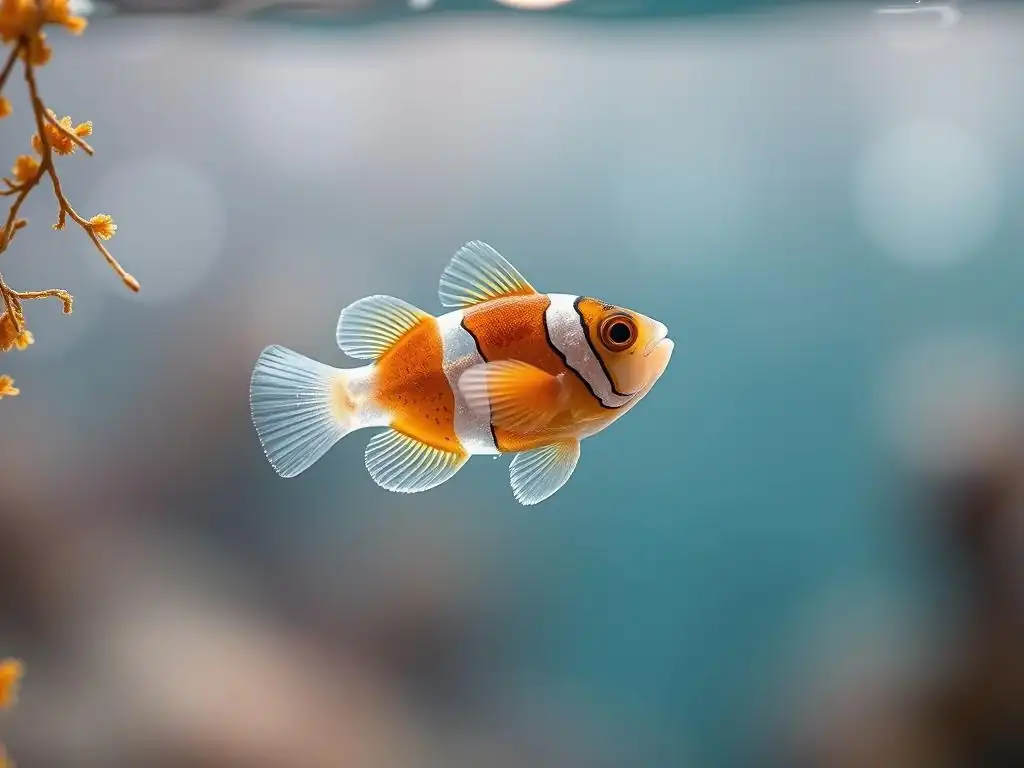
Live Food Culture: Ensuring Optimal Nutrition for Saltwater Fish Larvae
For the vast majority of marine fish species, especially during their initial larval stages, live food is an absolute prerequisite for survival and healthy development. Marine fish larvae typically have very small mouths and require prey that is not only appropriately sized but also exhibits specific swimming patterns to elicit a feeding response. Furthermore, these live foods must provide a complete and balanced nutritional profile, particularly rich in highly unsaturated fatty acids (HUFAs) like DHA and EPA, which are critical for neurological, visual, and overall physiological development.
A common cause of mass saltwater fish larval dieoff, particularly in the first few days to weeks post-hatch, is starvation or malnourishment due to inadequate live food supply, inappropriate food size, or poor nutritional quality of the live feed. Successful larval rearing hinges on the ability to consistently culture and enrich a variety of live feed organisms.
Culturing Rotifers: Maximizing Nutritional Value for Saltwater Larvae
Rotifers, primarily Brachionus plicatilis (L-type) and Brachionus rotundiformis (S-type), are the most common initial food source for many marine fish larvae due to their small size (typically 50-200 microns) and relatively slow swimming speed. However, rotifers cultured solely on baker's yeast or basic algae often have a poor nutritional profile, particularly lacking in essential HUFAs. This nutritional deficiency can lead to rapid saltwater fish larval dieoff, often termed "sudden larval death syndrome."
To maximize their nutritional value, rotifers must be "gut-loaded" or enriched with specific enrichment products, typically microalgae (like Nannochloropsis or Isochrysis) or commercially available emulsions rich in DHA and EPA. An enrichment period of 6-12 hours can significantly elevate the HUFA content of rotifers, boosting larval growth, development, and survival rates. For instance, rotifers enriched to achieve a DHA content exceeding 15% of their dry weight have been shown to dramatically improve the health and reduce mortality in clownfish larvae.
Copepod Culture Techniques for Saltwater Fish Larval Development
Copepods, particularly harpacticoid and calanoid species (e.g., Tisbe, Parvocalanus), are increasingly recognized as superior live food for many marine fish larvae, especially for species that are difficult to rear or exhibit high saltwater fish larval dieoff rates on rotifer-only diets. Copepods offer several advantages: they are naturally rich in HUFAs, their jerky swimming motion is often a stronger feeding stimulant, and their broader size range (nauplii from 50 microns up to adults of 1mm+) allows for dietary progression.
While more challenging to culture than rotifers, the investment in copepod culture can yield significant returns in larval survival. Different species of copepods provide different benefits; Tisbe species are often easier to culture in high densities, while Parvocalanus species are excellent for very small or delicate larvae due to their small nauplii. Providing a consistent supply of appropriately sized, nutritionally robust copepods can dramatically reduce instances of saltwater fish larval dieoff by preventing nutritional deficiencies and promoting vigorous feeding.
Artemia Enrichment Strategies for Enhanced Larval Growth and Survival
Artemia nauplii (brine shrimp) are a staple live food for larger larval stages, typically introduced after larvae have transitioned from rotifers or copepod nauplii. While Artemia are easy to hatch and culture, newly hatched nauplii are nutritionally deficient, particularly in DHA and EPA, and feeding them unenriched can lead to widespread saltwater fish larval dieoff due to nutritional deficiencies.
To enhance their nutritional value, Artemia nauplii must be enriched, a process often referred to as "gut-loading." This involves feeding them specialized enrichment diets, such as lipid emulsions (e.g., Selco, DHA Selco) for 12-24 hours prior to feeding to the larvae. This process significantly increases their HUFA content, making them a more complete food source for developing larvae. Properly enriched Artemia can support robust growth and reduce mortality, preventing saltwater fish larval dieoff during critical developmental stages.
Supplemental Feeding Options for Saltwater Fish Larvae
While live foods are indispensable for early larval stages, the introduction of supplemental feeding options, such as high-quality microdiets, can be beneficial for some species, particularly as larvae grow larger. Microdiets are finely milled dry feeds formulated to meet the specific nutritional requirements of marine fish larvae. They offer convenience and a consistent nutritional profile, reducing reliance on demanding live food cultures.
However, microdiets present challenges, including palatability issues, rapid water fouling if not consumed quickly, and the potential for bacterial proliferation if left uneaten. For most species, microdiets are best introduced as a co-feed alongside live foods, typically from day 10-15 post-hatch, allowing larvae to acclimate to non-living food sources. Careful dosing and frequent observation are critical to ensure consumption and prevent water quality degradation that could contribute to saltwater fish larval dieoff.
Step 3: Recognizing and Treating Diseases Affecting Saltwater Fish Larvae
Common Diseases Leading to Mass Larval Dieoff in Saltwater Aquariums
Disease outbreaks are a significant and often rapid cause of mass saltwater fish larval dieoff. The high densities typically employed in larval rearing tanks, coupled with the larvae's undeveloped immune systems and physiological stress from rapid growth, create an ideal environment for pathogens to proliferate. Once a disease takes hold, it can spread through an entire batch within hours or days, leading to catastrophic losses.
The most common culprits include bacterial infections, certain parasitic infestations, and, less frequently, fungal diseases. Early recognition of symptoms, even subtle behavioral changes, is crucial. However, the tiny size and delicate nature of larvae make diagnosis and treatment incredibly challenging, often requiring microscopic examination and specialized knowledge to effectively combat saltwater fish larval dieoff.
Bacterial Infections in Saltwater Fish Larval Rearing: Identification and Treatment
Bacterial infections are arguably the most prevalent and devastating cause of mass saltwater fish larval dieoff. Pathogenic bacteria, particularly Vibrio species, are ubiquitous in marine environments and can rapidly multiply in larval tanks, especially under conditions of poor water quality, high organic load, or stress. Symptoms in larvae are often non-specific and progress rapidly: lethargy, reduced feeding, erratic swimming, cloudy eyes, fin erosion, and sudden, unexplained mortality.
Prevention is far more effective than treatment. Strict hygiene, sterilization of equipment, UV sterilization of incoming water, and maintaining optimal water parameters are critical. If an outbreak occurs, broad-spectrum antibiotics (e.g., Oxytetracycline, Florfenicol) may be used, but extreme caution is needed with dosing as larvae are highly sensitive. Furthermore, antibiotic resistance is a growing concern. Prompt action upon the first sign of increased mortality is essential to mitigate widespread saltwater fish larval dieoff.
Parasitic Infestations Affecting Saltwater Fish Larvae: Prevention and Control
While less common than bacterial infections, parasitic infestations can also lead to significant saltwater fish larval dieoff. Ciliates (e.g., Uronema, Brooklynella) and flagellates are known to affect marine fish larvae, often introduced via infected broodstock or contaminated live food cultures. Symptoms may include irritation, flashing against tank surfaces, loss of appetite, emaciation, and visible white spots or lesions in later stages.
Prevention is paramount and involves strict quarantine protocols for all broodstock fish and meticulous hygiene for live food cultures. Disinfecting all equipment that comes into contact with larval tanks is also crucial. Treatment options for parasitic infestations in marine fish larvae are extremely limited and challenging due to their sensitivity to most antiparasitic medications like copper or formalin. In many cases, the best course of action is to depopulate the affected batch to prevent further spread and meticulously sterilize the system before restarting to avoid future saltwater fish larval dieoff.
Fungal Diseases in Saltwater Fish Larval Tanks: Early Detection and Management
Fungal infections are less frequently the primary cause of mass saltwater fish larval dieoff in marine systems compared to bacteria or parasites, but they can act as opportunistic secondary invaders, especially if larvae are stressed, injured, or in poor water quality. Saprolegnia-like fungi, while more common in freshwater, can occasionally affect marine larvae, appearing as cottony growths on the body or fins.
These infections often indicate underlying problems such as physical trauma, compromised immune systems, or an abundance of organic matter in the water. Prevention relies heavily on maintaining impeccable water quality, minimizing physical stress or injury to larvae during handling, and ensuring proper nutrition. Treatment for fungal infections in marine larvae is very difficult; most antifungal medications are too harsh for their delicate systems. Focusing on improving environmental conditions and addressing primary stressors is the best approach to mitigate fungal contributions to saltwater fish larval dieoff.
Quarantine Protocols to Prevent Disease Spread in Saltwater Larval Cultures
Implementing rigorous quarantine protocols is a non-negotiable step in preventing disease-related saltwater fish larval dieoff. All incoming broodstock fish, regardless of their apparent health, should undergo a minimum 30-day quarantine period in a separate system. During this time, they should be observed closely for signs of disease and, if necessary, treated prophylactically for common pathogens before being introduced to the main breeding system. This prevents the transfer of pathogens to the eggs and larvae.
Furthermore, any live food cultures, such as rotifers or copepods, should originate from clean, uninfected starter cultures and be maintained separately from the larval tanks to avoid cross-contamination. All equipment used for larval rearing, including nets, siphons, and feeding tubes, must be thoroughly disinfected (e.g., with bleach solution followed by complete rinsing) between uses and between different batches of larvae. Strict adherence to these protocols significantly reduces the risk of introducing and spreading diseases that could lead to devastating saltwater fish larval dieoff.
Step 4: Optimizing Tank Environment and Husbandry Practices to Reduce Saltwater Larval Mortality
Proper Tank Design and Setup for Saltwater Fish Larval Rearing
The physical design and initial setup of the larval rearing tank play a pivotal role in the survival rates of delicate marine fish larvae. Traditional rectangular tanks can create "dead spots" or corners where larvae can become trapped, leading to exhaustion, injury, or starvation. Instead, round or conical-bottom tanks are often preferred as they promote gentle, uniform water circulation, preventing larvae from settling or accumulating in corners.
Tank surfaces should be smooth and non-abrasive to prevent damage to the larvae's delicate bodies. For many species, dark-colored tanks (e.g., black or dark blue) are beneficial, as they reduce stress by mimicking a more natural, open-water environment and make it easier for larvae to visually detect their live food against a contrasting background. A well-designed tank minimizes physical stressors and optimizes feeding opportunities, directly contributing to reduced saltwater fish larval dieoff.
Minimizing Stress Factors in Saltwater Larval Environments
Stress is a silent killer in larval rearing, significantly contributing to saltwater fish larval dieoff. Larvae are highly sensitive to sudden changes, excessive handling, and environmental disturbances. Maintaining absolutely stable water parameters (temperature, salinity, pH, and dissolved oxygen) is crucial, as even minor fluctuations can induce physiological stress, diverting energy from growth and development towards coping mechanisms.
Furthermore, external stressors such as loud noises, sudden vibrations, or rapid changes in light intensity should be minimized. When handling larvae for observation or transfer, extreme gentleness is required, often using wide-bore siphons or scoops rather than nets to prevent physical injury. A calm, consistent environment allows larvae to allocate their full energy to feeding and growth, thereby enhancing their resilience and reducing stress-induced saltwater fish larval dieoff.
Flow Rate and Oxygenation for Healthy Saltwater Fish Larval Development
Appropriate water flow and sufficient oxygenation are critical for the healthy development and survival of saltwater fish larvae. Larvae require adequate dissolved oxygen (DO) levels, typically above 6 mg/L, for their high metabolic rates. Levels below 5 mg/L can quickly lead to hypoxic stress, lethargy, and mass saltwater fish larval dieoff. Gentle aeration, often achieved with a fine air stone or an air-driven sponge filter, provides surface agitation for gas exchange without creating strong currents.
Excessive water flow or turbulence can exhaust larvae, preventing them from feeding effectively and potentially causing physical damage. Therefore, flow rates must be carefully controlled to provide sufficient oxygen and distribute live food without creating stressful conditions. A gentle, laminar flow is ideal, ensuring that larvae are not constantly fighting a current, which is a common overlooked factor contributing to saltwater fish larval dieoff.
Effective Cleaning and Maintenance Protocols for Saltwater Larval Tanks
Meticulous daily cleaning and maintenance are fundamental to preventing water quality degradation and subsequent saltwater fish larval dieoff. Uneaten live food, larval waste, and dead larvae rapidly decompose, releasing ammonia and fueling bacterial growth. Daily siphoning of the tank bottom using a small-diameter airline tubing is essential to remove these organic pollutants. This process requires patience and a keen eye to avoid accidentally siphoning out delicate larvae.
Beyond daily spot cleaning, regular sterilization of all equipment that contacts the larval water (e.g., siphons, feeding tubes, nets) is critical to prevent the introduction and proliferation of pathogens. This involves thorough rinsing and, periodically, soaking in a disinfectant solution (like dilute bleach or hydrogen peroxide), followed by a complete rinse with dechlorinated water. Consistent adherence to these rigorous cleaning protocols significantly reduces the risk of disease outbreaks and water quality crashes that cause mass saltwater fish larval dieoff.
Lighting Considerations for Saltwater Fish Larval Growth
Lighting plays a crucial role in the development, feeding behavior, and overall well-being of saltwater fish larvae. While adult fish may tolerate a wider range of light conditions, larvae often have species-specific requirements that, if not met, can contribute to stress and mortality. For many species, dim, ambient lighting is preferred during the first few days post-hatch, as excessively bright light can cause phototaxis (swimming towards light sources) that exhausts larvae or makes them unable to effectively hunt their prey.
As larvae develop, a gradual increase in light intensity and a consistent photoperiod (typically 12-14 hours of light, 10-12 hours of darkness) are generally beneficial for promoting growth and establishing a natural rhythm. The quality of light (spectrum) can also be a factor for some species, though often less critical than intensity and photoperiod. Incorrect lighting can lead to stress, reduced feeding efficiency, and increased saltwater fish larval dieoff.
Step 5: Analyzing Genetic Factors and Parental Health in Saltwater Fish Breeding
The Role of Genetics in Saltwater Fish Larval Survival Rates
Genetic factors play a more significant role in saltwater fish larval dieoff than often acknowledged. The genetic makeup of the broodstock can directly influence the robustness, growth rate, disease resistance, and developmental integrity of their offspring. Genetically weak or compromised parents may produce larvae with inherent vulnerabilities, making them more susceptible to environmental stressors, nutritional deficiencies, or opportunistic pathogens.
For instance, studies have shown that certain genetic lines within a species may exhibit higher natural resistance to common bacterial infections or possess faster growth rates, leading to higher overall survival in larval rearing. Conversely, poor genetic selection can lead to batches of larvae that are inherently less viable, regardless of how perfectly other environmental factors are managed. Understanding and leveraging genetic robustness can be a key strategy in reducing saltwater fish larval dieoff.
Importance of Healthy Broodstock in Saltwater Fish Breeding Programs
The health, nutrition, and stress levels of the broodstock directly impact the quality of the eggs and sperm they produce, and consequently, the viability of the resulting larvae. Broodstock fed a high-quality, varied diet rich in essential fatty acids (like DHA and EPA) and vitamins will produce eggs with superior lipid and nutrient reserves. These reserves are critical for the initial development and survival of the larvae before they begin exogenous feeding.
Conversely, broodstock that are malnourished, diseased, or chronically stressed may produce lower quality eggs with reduced fertility, higher rates of deformities, and weaker larvae that are more prone to early saltwater fish larval dieoff. Ensuring optimal broodstock health through proper nutrition, stable living conditions, and regular health monitoring is a foundational step in preventing larval mortality.
Addressing Inbreeding Depression in Saltwater Fish Larval Rearing
Inbreeding depression, which results from continuous breeding within a small, closed population without the introduction of new genetic material, is a significant, often overlooked, contributor to saltwater fish larval dieoff. As related individuals are bred over successive generations, deleterious recessive genes become more likely to be expressed. This can manifest in offspring as reduced fertility, slower growth rates, increased susceptibility to disease, higher rates of deformities (e.g., spinal curvature, jaw malformations), and overall reduced viability.
To combat inbreeding depression and improve larval survival, breeders must actively manage genetic diversity. This involves periodically introducing new, unrelated broodstock into the breeding program, carefully tracking pedigrees to avoid breeding closely related individuals, and, where possible, exchanging broodstock with other breeders. Maintaining a diverse gene pool enhances the genetic robustness of the larvae, making them more resilient and significantly reducing saltwater fish larval dieoff attributable to genetic weaknesses.
Step 6: Implementing Preventive Measures to Minimize Future Saltwater Fish Larval Dieoffs
Developing a Proactive Saltwater Larval Rearing Management Plan
A comprehensive and proactive management plan is essential for consistently successful larval rearing and for minimizing future saltwater fish larval dieoff events. This plan should encompass detailed Standard Operating Procedures (SOPs) for every aspect of the breeding process, from broodstock conditioning and live food culture to daily larval tank maintenance and emergency response protocols. Checklists for daily, weekly, and monthly tasks ensure consistency and prevent oversights.
The plan should also include contingency measures for common issues, such as power outages, equipment failures, or unexpected water parameter shifts. By clearly defining roles, responsibilities, and specific actions for various scenarios, breeders can react swiftly and effectively to potential problems, preventing minor issues from escalating into catastrophic saltwater fish larval dieoff.
Regular Monitoring and Data Logging for Early Detection of Problems
Consistent and meticulous monitoring, coupled with detailed data logging, is a powerful tool for the early detection and prevention of mass saltwater fish larval dieoff. Daily observations of larval behavior (swimming patterns, feeding activity, apparent health), along with precise counts of live larvae and mortalities, provide immediate feedback on the health of the batch. Any deviation from expected behavior or an unexplained increase in mortality should trigger an immediate investigation.
Regularly recording all critical water parameters (temperature, salinity, pH, ammonia, nitrite, nitrate), feeding amounts, and any treatments administered creates a valuable historical record. This data allows breeders to identify trends, correlate specific actions or environmental changes with larval performance, and pinpoint potential causes of past saltwater fish larval dieoff events, informing future adjustments to protocols.
Continuous Improvement of Saltwater Fish Larval Rearing Techniques
Successful marine fish breeding is an iterative process that demands continuous learning, adaptation, and refinement of techniques. Each batch of larvae, whether successful or not, offers invaluable lessons. Analyzing past instances of saltwater fish larval dieoff, even small ones, can reveal subtle weaknesses in existing protocols or highlight areas for improvement.
This commitment to continuous improvement involves staying abreast of new research and advancements in aquaculture, experimenting with new live food enrichment methods, optimizing feeding schedules, or integrating new technologies like probiotic supplementation. Collaboration with other experienced breeders and participation in forums or workshops also provides opportunities to share knowledge and collectively advance the state of the art in saltwater fish larval rearing, thereby reducing future die-off events.
Case Studies: Successful Strategies for Reducing Saltwater Fish Larval Dieoff
One of the most widely celebrated successes in reducing saltwater fish larval dieoff comes from the commercial breeding of Ocellaris Clownfish ( Amphiprion ocellaris). Initially, achieving high survival rates was challenging, but through decades of refinement, facilities now routinely achieve 60-80% survival from hatch to juvenile.
Key strategies included the development of highly enriched rotifer and Artemia protocols (e.g., using DHA-rich enrichment products to boost HUFA content to over 18% of dry weight), meticulous daily water changes (often 25-50% per day) to maintain pristine water quality, and the widespread adoption of greenwater techniques during early larval stages to reduce stress and provide a stable environment.
Another remarkable achievement is the progress made with the Mandarinfish ( Synchiropus splendidus), historically one of the most difficult marine fish to breed due to their tiny, delicate larvae and specific feeding requirements. Early attempts often resulted in near 100% saltwater fish larval dieoff.
Breakthroughs came with the realization that Mandarinfish larvae require copepod nauplii as their primary food source, as they struggle with rotifers. Breeders who successfully cultured and supplied specific species of calanoid copepods (e.g., Parvocalanus crassirostris) saw survival rates jump from less than 5% to over 20%, demonstrating the critical role of species-specific nutrition in overcoming mass larval mortality.
Advanced Techniques for Saltwater Fish Larval Rearing and Survival
Beyond the foundational steps, several advanced techniques are being adopted by leading aquaculturists to further enhance saltwater fish larval survival and reduce die-off rates. One such technique is the use of recirculating aquaculture systems (RAS) specifically designed for larvae. These systems employ sophisticated filtration, UV sterilization, and precise environmental controls to maintain optimal water quality with minimal manual intervention, significantly reducing the risk of water quality-related saltwater fish larval dieoff.
The "greenwater" technique, involving the addition of specific microalgae (like Nannochloropsis or Isochrysis) directly to larval rearing tanks, is another advanced method. The microalgae not only stabilize water quality by consuming nitrogenous wastes but also serve as a direct food source for rotifers and copepods within the larval tank, maintaining their nutritional quality.
Furthermore, the slight turbidity provided by the algae reduces light intensity, minimizes stress, and enhances feeding success by providing a visual background against which larvae can better perceive their prey, thereby contributing to lower saltwater fish larval dieoff. The integration of probiotics into larval diets or water has also shown promise in improving gut health and disease resistance.
Frequently Asked Questions
What are the most common causes of saltwater fish larval dieoff?
The most frequent causes include poor water quality, insufficient or improper food availability, and the presence of pathogens or parasites within the larval environment.
How crucial is water quality monitoring in preventing larval dieoff?
Water quality monitoring is absolutely crucial. Maintaining stable and optimal parameters like temperature, salinity, pH, and ammonia levels is essential for larval survival and development.
What types of food are best suited for saltwater fish larvae?
Optimal larval nutrition requires providing appropriately sized and nutritious food, such as rotifers, copepods, or specialized larval feeds. The food must be readily available and easily digestible.
What steps can be taken to prevent disease outbreaks in larval rearing tanks?
Preventative measures are key. Implementing strict quarantine protocols, maintaining excellent hygiene, and using UV sterilization can help minimize the risk of disease outbreaks.
How can I diagnose the specific cause of a mass larval dieoff in my saltwater aquarium?
A systematic approach involving microscopic examination of larvae, water testing, and reviewing rearing parameters is necessary to pinpoint the underlying cause. Consider consulting with a fish health specialist if needed.
The challenges outlined in this article, specifically concerning saltwater fish larval dieoff, are not merely academic exercises. They represent a critical bottleneck in sustainable aquaculture and the preservation of wild fish populations, a reality made even more pressing by the increasing pressures of climate change and habitat degradation. Understanding and addressing these dieoffs is no longer a niche concern, but a vital step toward ensuring the future health of our oceans and the industries that depend on them.
This issue has profoundly shaped, and continues to shape, the way we approach marine conservation and aquaculture. The painstaking process of identifying the root causes of larval mortality, as detailed in this article, underscores the interconnectedness of environmental factors and the fragility of early life stages. In the end, we will conserve only what we love; we will love only what we understand; and we will understand only what we are taught.
- Baba Dioum. This quote encapsulates the necessity of continued research and education to foster a deeper appreciation and understanding of these delicate ecosystems.
Now, consider the implications of this knowledge. How can you, whether you are a researcher, aquaculturist, or simply an ocean enthusiast, contribute to mitigating the devastating effects of saltwater fish larval dieoff? Reflect on the systematic approach presented here, and consider how its principles of careful observation, rigorous testing, and preventative measures can be applied not only to aquaculture facilities, but also to broader conservation efforts. Let us all strive to be more informed stewards of our marine environment, working towards a future where the vibrant potential of these larval stages is fully realized.
Nurture Your Future Reef: Take Action Now!
Thank you for diving deep into the world of larval rearing! Now that you're equipped with the knowledge to troubleshoot mass die-offs, let's ensure your next generation thrives. It's time to put theory into practice and build a more resilient reef.
Here are actionable steps you can take today:
- Implement a dedicated daily observation log focusing on larval behavior, water parameters, and food consumption. Early detection is key!
- Document and share your experiences—both successes and failures—on online aquarium forums. Collaborative knowledge builds resilience for everyone.
- Consider experimenting with a novel approach to sterilization of equipment, like using ozone, to eliminate potential pathogens that are common culprits in larval die-offs.
What specific variable will you focus on optimizing first in your larval rearing setup, and how will you track its impact?