
Unlocking Spawning Triggers: Environmental Cues for Difficult Marine Species

Welcome to Aquarium Mastery!
Ever wondered about the secret dance of marine life, the subtle signals that trigger the miracle of spawning? Unlocking the mysteries behind Marine fish spawning cues is a fascinating journey, and we're here to guide you. Dive in and discover how you can create the perfect environment to encourage even the most challenging species to reproduce. Ready to witness the wonder? Let's explore!
- Understanding Marine Fish Spawning Cues for Aquarium Breeding
- Key Environmental Factors Influencing Marine Fish Reproduction
- Advanced Techniques for Inducing Spawning in Captivity
- Case Studies: Successful Spawning of Difficult Marine Species
- Troubleshooting Common Spawning Issues
- Future Directions in Marine Fish Spawning Research
- Conclusion: Mastering Marine Fish Spawning Cues for Aquarium Success
-
Frequently Asked Questions
- How important are water parameters for marine fish spawning?
- What role does lighting play in stimulating marine fish spawning?
- Can diet influence the spawning success of marine fish?
- Are there specific environmental changes that can trigger spawning?
- How does the presence of other fish affect spawning cues?
- Final Reflection: Navigating the Rhythms of the Ocean
- Ignite Life: Spark Your Marine Breeding Journey!
Understanding Marine Fish Spawning Cues for Aquarium Breeding
The Importance of Identifying Spawning Triggers
Understanding marine fish spawning cues is paramount for the advancement of marine aquaculture and the sustainability of the aquarium hobby. By deciphering these intricate environmental signals, aquarists and researchers can transition from relying on wild-caught specimens to establishing self-sustaining captive populations. This shift not only alleviates pressure on vulnerable wild reefs and their ecosystems, but also allows for the selective breeding of hardier, disease-resistant fish better adapted to aquarium life, ensuring a more ethical and consistent supply of popular species.
Furthermore, mastering the art of inducing spawning in captivity contributes significantly to scientific research, offering unparalleled opportunities to study reproductive biology, larval development, and genetic diversity in a controlled environment. For the dedicated hobbyist, successfully breeding marine fish represents the pinnacle of aquarium achievement, transforming a fascinating pastime into a rewarding endeavor that contributes to conservation and the long-term viability of marine life in human care.
Challenges in Replicating Natural Spawning Conditions in Aquariums
Replicating the vast, dynamic, and complex natural marine environment within the confines of an aquarium presents substantial challenges when attempting to induce spawning. Wild habitats offer immense open water, highly specific microclimates, diverse and abundant food sources, and subtle, often undetectable, chemical and physical cues that orchestrate the reproductive cycles of marine fish. Aquariums, by contrast, are closed, relatively small systems with inherent limitations in mimicking these intricate conditions.
Specific hurdles include maintaining stable yet precisely fluctuating parameters, providing sufficient space for courtship and spawning rituals without undue aggression, and delivering the exact nutritional profile required for gonadal development and healthy egg production. Moreover, the delicate nature of marine fish larvae, often microscopic and requiring highly specialized live foods and pristine water quality, adds another layer of complexity. While species like clownfish have become relatively common to breed, the vast majority of marine fish, particularly angelfish, tangs, and many wrasses, continue to pose significant difficulties due to their highly specific marine fish spawning cues.
Key Environmental Factors Influencing Marine Fish Reproduction
Temperature as a Critical Spawning Stimulus
Temperature is a fundamental environmental cue that directly influences the metabolic rates, gonadal development, and hormonal regulation in marine fish. Many species exhibit distinct spawning seasons linked to specific temperature ranges, with even slight deviations acting as a potent trigger or inhibitor. For instance, some subtropical wrasse species are known to initiate spawning activity when water temperatures increase by as little as 1-2°C above their baseline maintenance temperature, signaling favorable conditions for larval survival and food availability.
Conversely, certain deep-water or temperate marine fish may require cooler temperatures to stimulate gamete maturation. Precise temperature control is therefore non-negotiable; for many ornamental species, a consistent range of 25-27°C is maintained, but to induce spawning, a targeted shift, such as a gradual increase from 25°C to 27.5°C over several days, can be the critical marine fish spawning cue. Research on specific species' native habitats often reveals narrow optimal ranges, emphasizing the need for accurate thermostatic control.
Replicating Seasonal Temperature Fluctuations
To effectively unlock marine fish spawning cues, aquarists often need to mimic the seasonal temperature fluctuations experienced by fish in their natural habitats. This involves a carefully managed, gradual change rather than abrupt shifts. A common technique is to slowly lower the temperature by 1-2°C over a period of weeks, simulating a "winter" phase, followed by a gradual increase back to the optimal spawning temperature over a similar duration, mimicking the onset of "spring" or "summer."
This controlled rise in temperature prepares the fish physiologically, stimulating hormone production and gamete development. For example, some dottyback species respond well to a daily temperature increase of 0.5°C over a week, followed by a plateau at the target spawning temperature for several days, often coinciding with peak reproductive activity. Advanced heating and cooling systems, often integrated with automated controllers, allow for such precise programming, making these subtle environmental shifts a powerful marine fish spawning cue.
Salinity's Role in Triggering Spawning Events
While stable salinity is generally crucial for the overall health of marine fish, slight, species-specific fluctuations can act as powerful marine fish spawning cues for certain groups. Salinity directly affects osmotic balance, and changes can signal environmental shifts, such as heavy rainfall near coastal areas or increased evaporation in shallow lagoons, which might be linked to breeding seasons for fish native to those environments. For example, some gobies and blennies from intertidal zones, accustomed to daily or seasonal salinity shifts, might respond positively to a minor, controlled decrease or increase in specific gravity.
For the majority of pelagic spawners, however, maintaining a consistent oceanic salinity (typically 1.025-1.026 specific gravity or 34-35 parts per thousand) is paramount. This stability ensures optimal physiological function for the broodstock and provides the correct buoyancy for developing eggs. Deviations outside a narrow, species-specific range can stress fish, inhibit gonadal development, and lead to non-viable eggs or compromised larval survival.
Maintaining Optimal Salinity Levels for Specific Species
The primary goal for most marine fish breeding programs is to maintain consistent and optimal salinity levels, typically within the range of 1.025-1.026 specific gravity. This consistency minimizes osmotic stress on the broodstock, allowing their energy to be directed towards reproduction rather than osmoregulation. Regular use of a calibrated refractometer is essential to ensure accuracy, and top-off water should be pure RO/DI water to prevent salinity creep due to evaporation.
However, for species naturally found in environments with fluctuating salinities, such as certain estuarine-dependent fish, a temporary, gradual adjustment of salinity might be necessary to trigger spawning. For instance, some species might be cued by a slight reduction to 1.022-1.023 SG, mimicking a freshwater influx. Thorough research into the specific native habitat of the target species is critical to determine if salinity manipulation is a viable marine fish spawning cue or if stability is preferred.
Light Cycle Manipulation: Photoperiod and Spawning Induction
Photoperiod, or the duration of light exposure within a 24-hour cycle, is a primary environmental cue for many marine fish, signaling seasonal changes and readiness for reproduction. Longer daylight hours typically correspond to warmer temperatures and increased food availability in the wild, prompting gonadal maturation and spawning activity. By artificially controlling the light cycle in an aquarium, aquarists can effectively trick fish into perceiving optimal breeding conditions regardless of the actual season.
Precision lighting systems, often utilizing LED fixtures with programmable timers, allow for minute control over the photoperiod. A common strategy involves gradually increasing the light duration from a baseline of 10-12 hours to 14-16 hours over a period of several weeks. This mimics the natural transition from winter to spring and summer, stimulating the hormonal cascade necessary for successful spawning.
Using Light to Simulate Natural Day/Night Cycles
Beyond simply controlling the duration of light, advanced light cycle manipulation involves simulating the natural progression of dawn and dusk. This is achieved by using lighting systems with dimming capabilities that gradually increase intensity at the start of the "day" and decrease it at the "end." A typical setup might include a 30-minute dawn simulation, followed by 14 hours of full-intensity light, then a 30-minute dusk simulation, before transitioning to complete darkness.
The inclusion of a low-intensity "moonlight" phase, often a blue LED light, during the dark period can also be beneficial for nocturnal species or those that spawn during twilight hours. This naturalistic light progression not only serves as a potent marine fish spawning cue but also reduces stress on the fish, encourages natural behaviors, and can enhance courtship rituals, leading to more consistent spawning success.
Water Chemistry Parameters and Their Impact on Spawning
Pristine and stable water chemistry is the bedrock of any successful marine breeding program. Parameters such as pH, alkalinity (dKH), calcium, and magnesium directly influence the overall health of the broodstock, the quality of their eggs, and the viability of developing larvae. Fluctuations or deficiencies in these parameters can severely inhibit spawning, lead to the production of non-viable eggs, or result in high larval mortality rates. For example, maintaining consistent alkalinity between 8-12 dKH is crucial for buffering pH and providing carbonates essential for egg development.
Similarly, calcium levels of 400-450 ppm and magnesium levels of 1250-1350 ppm are vital for proper physiological function and skeletal development in larvae. Beyond these, the absence of undesirable compounds is equally important. Elevated levels of nitrates (above 20 ppm) or phosphates (above 0.05 ppm) can significantly suppress reproductive drive and compromise the health of sensitive broodstock, directly impacting their ability to respond to other marine fish spawning cues.
pH, Alkalinity, and Ammonia Control During Breeding
Maintaining precise control over pH, alkalinity, and ammonia is paramount during marine fish breeding. pH stability, ideally between 8.0 and 8.4, is critical as rapid swings can induce significant stress, leading to a cessation of spawning activity. Alkalinity acts as a crucial buffer, preventing these undesirable pH fluctuations. Regular testing with reliable kits and consistent dosing of buffer solutions or calcium reactors are essential to keep these parameters within optimal ranges.
Perhaps most critically, ammonia and nitrite levels must be absolutely undetectable (0 ppm). Even trace amounts are highly toxic to adult fish, and lethal to delicate eggs and newly hatched larvae. A robust and well-established biological filtration system, combined with meticulous husbandry practices such as small, frequent water changes (e.g., 10% daily or every other day) and diligent siphoning of detritus, is necessary to ensure pristine water quality. This meticulous attention to water chemistry forms a crucial, albeit often overlooked, set of marine fish spawning cues.
Advanced Techniques for Inducing Spawning in Captivity
Simulating Natural Habitats: Reef Structures and Substrates
Beyond basic water parameters, providing appropriate physical cues that mimic the natural spawning environment can significantly encourage reproductive activity. Many marine fish are substrate spawners, depositing their eggs on specific types of rocks, inside caves, or even on certain soft corals or anemones. Replicating these structures within the breeding tank is vital; for instance, ceramic caves or PVC pipes can provide ideal hiding and spawning sites for gobies and blennies, while flat ceramic tiles or terracotta pots are readily accepted by clownfish as egg-laying surfaces.
For pelagic spawners, which release eggs into the water column, ample open swimming space is crucial for elaborate courtship displays and the characteristic "spawning rush." The presence of live rock, while contributing to biological filtration and water stability, can also provide beneficial microfauna that may serve as supplemental food sources for newly hatched larvae or as additional marine fish spawning cues.
The Role of Water Flow and Current in Spawning Behavior
Water flow and current patterns are often overlooked yet significant marine fish spawning cues. In their natural habitats, many species spawn in areas with specific current dynamics, which can aid in egg dispersal, oxygenation of egg clutches, or even assist in courtship rituals. For example, some damselfish species prefer spawning sites with moderate, consistent flow that helps aerate their demersal egg batches.
Aquarists can simulate these conditions using strategically placed powerheads or wavemakers to create varying current patterns within the breeding tank. For pelagic spawners, a stronger, more laminar flow during their spawning rush can encourage the release of eggs and sperm into the water column, mimicking open ocean conditions. Observing the natural behavior of the target species in the wild, or consulting research on their spawning habits, can provide valuable insights into the optimal flow dynamics necessary to trigger reproduction.
Nutritional Strategies to Enhance Reproductive Success
A diverse, high-quality, and nutrient-rich diet is arguably one of the most critical factors for conditioning marine fish broodstock for spawning. Proper nutrition directly influences gonadal development, egg quality, and the overall health and vigor of the spawning pair. A diet deficient in essential proteins, highly unsaturated fatty acids (HUFAs), and vital vitamins can lead to smaller spawns, reduced egg viability, and weak or malformed larvae, severely hampering breeding efforts.
Incorporating a variety of foods such as enriched frozen mysis shrimp, krill, spirulina-based flakes, and specialized broodstock pellets ensures a comprehensive nutritional profile. For instance, a diet rich in astaxanthin, a carotenoid found in many crustaceans, can enhance egg coloration and improve overall reproductive health. Consistent feeding of small, frequent meals throughout the day can also mimic natural grazing patterns and maximize nutrient uptake.
Live Food Enrichment for Broodstock Conditioning
The inclusion of live foods in the broodstock diet is a highly effective advanced nutritional strategy, providing not only superior nutrition but also stimulating natural hunting behaviors. Live foods such as enriched Artemia nauplii, copepods, and rotifers are excellent vehicles for delivering concentrated doses of essential fatty acids and vitamins directly to the fish. These live prey items can be "gut-loaded" with specific nutritional supplements, like DHA and EPA, just prior to being fed to the broodstock.
For example, feeding broodstock copepods that have been enriched with a high-DHA phytoplankton for several days can significantly improve the lipid content of the eggs, directly correlating with higher larval survival rates. This targeted delivery of vital nutrients through live food acts as a crucial marine fish spawning cue, signaling to the fish that environmental conditions are optimal for reproduction and ensuring the production of robust, viable offspring.
Hormonal Induction: Ethical Considerations and Best Practices
Hormonal induction involves the administration of synthetic or natural hormones to stimulate gonadal maturation and induce spawning in fish that are otherwise reluctant to breed in captivity. While this technique has proven effective for some particularly difficult or commercially important species, it is generally considered a last resort due to its invasive nature and the requirement for specialized knowledge and equipment. Hormones like LHRHa (Luteinizing Hormone-Releasing Hormone analogue) are commonly used to trigger ovulation or spermiation.
Ethical considerations are paramount when contemplating hormonal induction. Risks include undue stress to the fish, potential for overdose leading to adverse health effects, and the need for precise dosages based on species, size, and physiological state. Best practices dictate that all non-invasive methods, such as meticulous environmental conditioning and nutritional optimization, should be exhausted first.
If hormonal induction is pursued, it should ideally be conducted by or in consultation with experienced aquaculturists or aquatic veterinarians, prioritizing the welfare and long-term health of the broodstock above all else. This technique is more common in large-scale aquaculture or critical conservation breeding programs.
Case Studies: Successful Spawning of Difficult Marine Species
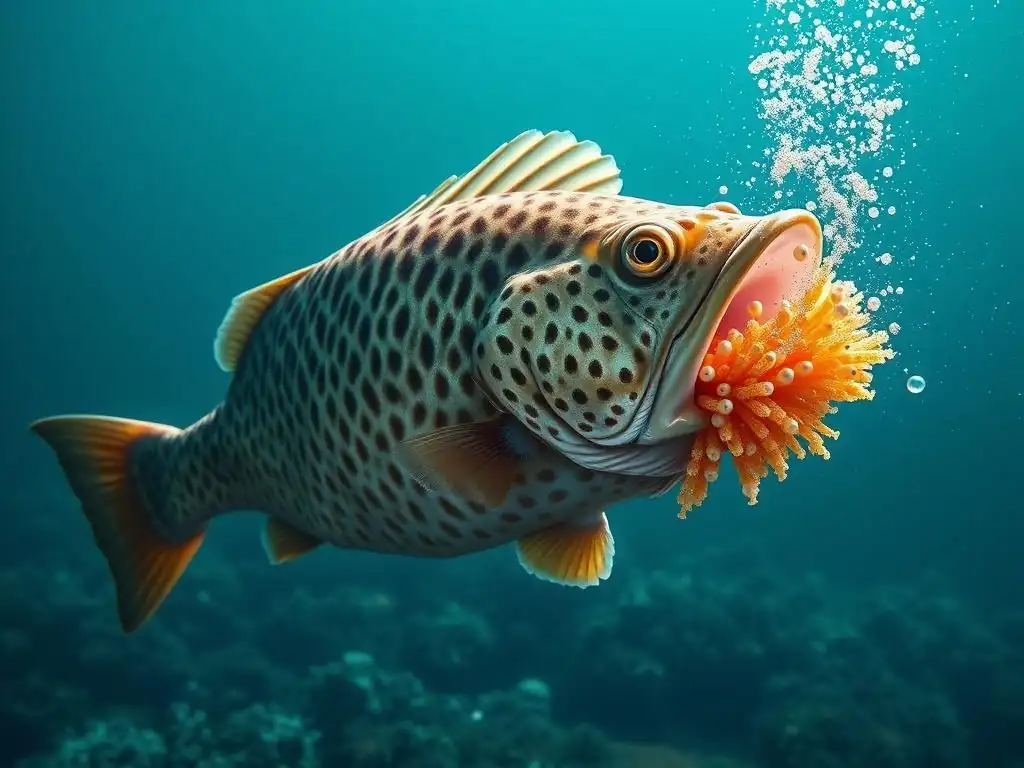
Banggai Cardinalfish (Pterapogon kauderni): Replicating Spawning Cues in a Controlled Environment
The Banggai Cardinalfish ( Pterapogon kauderni) is an iconic marine species, notable for being one of the first marine ornamentals successfully bred in significant numbers by hobbyists and commercial facilities. While considered relatively easier to breed than many other marine fish, it still requires specific environmental conditions and attention to detail. This mouthbrooding species forms monogamous pairs, with the male incubating the eggs in his mouth for approximately 20-25 days.
Key to their consistent spawning success is maintaining extremely stable and pristine water parameters: specific gravity around 1.025, temperature between 26-27°C, and pH of 8.2-8.3. A quiet breeding tank with minimal disturbance, ample hiding spots (such as clusters of live rock or even artificial structures like PVC pipes), and a high-quality, varied diet of enriched frozen foods and pellets are crucial. The presence of a suitable substrate for initial egg deposition, such as a small piece of branching live rock or a shell, can also serve as a subtle marine fish spawning cue.
Detailed Analysis of Environmental Parameters and Breeding Results
Consistent breeding of Banggai Cardinalfish relies heavily on the meticulous control of their environment. Research and practical experience, including efforts at institutions like the University of Florida's Tropical Aquaculture Laboratory, highlight that low water flow, dim ambient lighting, and a precise feeding schedule of small, frequent meals of enriched mysis shrimp and high-protein pellets contribute significantly to their reproductive output. Once a pair is established and conditioned, spawning can occur as frequently as monthly.
Typical clutches range from 30 to 50 eggs, with an incubation period of approximately 20-25 days. After hatching, the juveniles are relatively large and can immediately consume newly hatched Artemia nauplii. With proper care and dedicated larval rearing protocols, survival rates for Banggai Cardinalfish juveniles can exceed 80%, demonstrating that a thorough understanding and replication of their specific marine fish spawning cues lead to highly successful breeding outcomes.
Clownfish (Amphiprioninae): Overcoming Breeding Challenges Through Innovative Techniques
Clownfish (subfamily Amphiprioninae) represent one of the greatest success stories in marine ornamental aquaculture, being among the most commonly bred marine species globally. Their hardiness, relatively straightforward breeding requirements, and the development of robust, accessible breeding protocols have made them a staple in the hobby. Clownfish are substrate spawners, typically laying their adhesive eggs at the base of a host anemone or, in captivity, on a terracotta pot, ceramic tile, or flat rock.
The key to their widespread breeding success lies in providing stable water parameters (specific gravity 1.024-1.026, temperature 26-28°C), a well-conditioned, established pair (which often involves introducing juveniles and allowing them to pair naturally), and a suitable spawning surface. Photoperiod manipulation, often a consistent 14-hour light cycle, acts as a strong marine fish spawning cue. A high-protein diet, including enriched frozen foods and high-quality pellets, is also vital for robust egg production.
Lessons Learned and Practical Applications for Aquarists
The extensive success in breeding clownfish has provided invaluable lessons and practical applications for aquarists aiming to breed other marine species. It underscores the critical importance of consistent water quality, optimal nutrition, and providing appropriate physical spawning substrates. The widespread adoption of simple terracotta pots or PVC pipes as artificial "anemones" for egg deposition has been a game-changer, simplifying the breeding process for hobbyists.
Furthermore, the advancements in larval rearing, particularly the development of specialized live foods such as enriched rotifers ( Brachionus plicatilis) and Artemia nauplii, combined with "green water" techniques (using phytoplankton to sustain rotifers and provide initial food for larvae), have dramatically increased larval survival rates from near zero to often over 70-80% for many clownfish species. These established protocols for understanding and managing marine fish spawning cues serve as a foundational blueprint for tackling more challenging marine species.
Troubleshooting Common Spawning Issues
Identifying and Addressing Egg and Larval Mortality
High rates of egg and larval mortality are common frustrations in marine fish breeding. The causes are often multi-faceted and include poor water quality (even trace amounts of ammonia or nitrite, or elevated nitrates), insufficient nutrition for broodstock leading to unviable eggs, fungal or bacterial infections affecting the egg clutch, inadequate water circulation around the eggs, or predation by other tank inhabitants if eggs are not isolated.
To address these issues, rigorous water testing and frequent, small water changes are essential to maintain pristine conditions. Ensuring the broodstock receive a diverse, high-quality, and enriched diet significantly improves egg viability. If fungal or bacterial infections are suspected, a mild, appropriate antifungal or antibacterial agent might be considered, but only with careful research into its safety for eggs. Isolating egg clutches or newly hatched larvae into a dedicated rearing tank with gentle aeration and optimal water parameters is often the most effective strategy to maximize survival and protect them from predation.
Preventing and Managing Spawning Aggression
Spawning activity can frequently trigger heightened aggression among marine fish, particularly in pair-bonded species or those with strong territorial instincts. Males may become overly aggressive towards females, or dominant individuals may harass submissive ones, leading to physical injury, stress, or even death. This aggression can disrupt the spawning process entirely or prevent future breeding attempts.
Strategies to prevent and manage spawning aggression include providing ample tank space, which reduces territorial disputes by offering more room to escape. Incorporating numerous hiding spots and visual barriers (e.g., live rock structures, PVC pipes) allows submissive fish to retreat. Introducing pairs simultaneously to a new, neutral breeding tank can help establish a balanced hierarchy.
In cases of escalating aggression, a temporary tank divider might be necessary to protect the female while still allowing visual contact and maintaining pair bonds. For some species, ensuring a slight size difference between the male and female, with the female being slightly larger, can also help mitigate male aggression.
Optimizing Water Quality for Larval Development
Optimizing water quality for marine fish larval development is arguably the most critical and challenging aspect of successful breeding. Newly hatched larvae are incredibly delicate and far more sensitive to environmental parameters than adult fish. Any trace of ammonia, nitrite, or even elevated nitrates can be lethal, as their undeveloped osmoregulatory systems are highly vulnerable. Consistent pH (8.0-8.2) and salinity (1.024-1.026 SG) are also paramount for their delicate osmotic balance and proper development.
Achieving this requires meticulous attention to detail: utilizing sponge filters with very gentle airflow to prevent larvae from being sucked in, performing frequent (often daily), small water changes with aged, pristine saltwater, and diligently siphoning out any uneaten food or waste. Maintaining a stable temperature (typically 25-26°C) and ensuring adequate oxygenation through gentle aeration are also essential. These stringent water quality controls are not just maintenance; they are fundamental marine fish spawning cues for larval survival and growth.
Future Directions in Marine Fish Spawning Research
Exploring the Role of Chemical Signals and Pheromones
Beyond the well-understood environmental parameters, the nuanced role of chemical signals, particularly pheromones, in marine fish reproduction represents a significant frontier in spawning research. In their natural habitats, fish are known to release specific chemical cues that influence mate choice, synchronize spawning events across populations, and signal individual reproductive readiness. The precise identification and potential synthesis of these complex compounds could revolutionize captive breeding efforts, offering a highly targeted and non-invasive means to induce spawning.
Ongoing research is focused on isolating and characterizing these elusive pheromones, which are often present in minute concentrations. The ability to introduce specific synthetic pheromones into a breeding tank could provide a potent, species-specific marine fish spawning cue, overcoming existing limitations in fully replicating the intricate natural interactions that drive reproduction. This could unlock breeding protocols for species currently considered impossible to reproduce in captivity.
Developing Sustainable Breeding Programs for Conservation
The development of robust and sustainable breeding programs for marine fish is increasingly vital for conservation efforts, particularly for endangered or heavily collected ornamental species. These programs aim to establish self-sustaining captive populations that can reduce or eliminate the need for wild collection, thereby alleviating pressure on vulnerable natural ecosystems. Beyond simply inducing spawning, these programs encompass comprehensive strategies for managing genetic diversity to prevent inbreeding, implementing rigorous disease prevention protocols, and perfecting efficient larval rearing techniques to maximize survival rates.
Such initiatives often involve collaborative efforts between public aquariums, academic institutions, and private aquaculture facilities. By consistently producing healthy, genetically diverse offspring, these programs not only provide a sustainable source for the aquarium trade but also offer the potential for future reintroduction efforts into depleted wild populations, directly contributing to the long-term survival of marine biodiversity.
The Potential of Aquaculture to Reduce Pressure on Wild Populations
The continued advancement and expansion of commercial aquaculture for marine ornamental fish hold immense potential to significantly reduce the current reliance on wild-caught specimens, thereby easing the immense pressure on natural coral reef ecosystems. As breeding techniques improve and more species, particularly those considered difficult to spawn, become commercially viable to produce in captivity, the market share of captive-bred fish can steadily increase.
This shift towards aquaculture provides a sustainable and ethical alternative, benefiting both the environment and the hobby. It helps preserve biodiversity, protects delicate reef habitats from destructive collection practices, and offers a more consistent and disease-resistant supply of fish for aquarists. Continued investment in research and development of new breeding protocols, particularly focused on understanding and applying specific marine fish spawning cues for a wider array of species, is essential to realize aquaculture's full potential as a primary source for the global marine aquarium trade.
Conclusion: Mastering Marine Fish Spawning Cues for Aquarium Success
Mastering the art of marine fish spawning in captivity hinges on a profound understanding and meticulous replication of their natural environmental cues. From precise temperature and salinity adjustments to sophisticated light cycle manipulation, and from pristine water chemistry to specialized nutritional strategies, each factor plays a critical role in unlocking the reproductive potential of even the most challenging species. While significant strides have been made, particularly with species like clownfish and Banggai Cardinalfish, the journey to consistently breed all marine ornamental fish in aquariums continues to present fascinating challenges.
The ongoing research into subtle marine fish spawning cues, such as chemical signals and pheromones, promises to further refine our techniques. As aquarists and scientists collectively advance our knowledge and refine our methodologies, the future of marine aquaculture looks increasingly sustainable and successful. By prioritizing ethical practices and continuous innovation, we can ensure a vibrant hobby that not only delights enthusiasts but also actively contributes to the conservation of our planet's invaluable marine biodiversity.
Frequently Asked Questions
How important are water parameters for marine fish spawning?
Water parameters are absolutely critical for spawning. Stable temperature, salinity, and pH levels are often the primary trigger, mimicking natural breeding seasons.
What role does lighting play in stimulating marine fish spawning?
Lighting can act as a significant cue, particularly photoperiod (day length). Simulating natural light cycles and even moon phases can induce spawning in some species.
Can diet influence the spawning success of marine fish?
Yes, a nutritious and varied diet is essential. Providing foods rich in specific vitamins and fatty acids can significantly improve egg quality and overall spawning success.
Are there specific environmental changes that can trigger spawning?
Sudden changes, such as a slight increase in temperature or a simulated rain event (partial water change with slightly cooler water), can sometimes trigger spawning behavior.
How does the presence of other fish affect spawning cues?
The presence of compatible mates is crucial, but overcrowding can inhibit spawning. Reducing stress and providing adequate space are key to successful breeding.
The exploration of marine fish spawning cues is not merely an academic exercise; it's a critical undertaking in the face of escalating environmental pressures and declining fish populations. Understanding these intricate triggers, from lunar cycles to temperature shifts, is now more vital than ever to ensure the survival and sustainability of our marine ecosystems. The delicate balance hangs in the balance, demanding immediate attention and informed action.
This journey into the world of spawning cues has profoundly underscored the interconnectedness of life beneath the waves. Witnessing the delicate dance between species and their environment has instilled a deeper appreciation for the fragility of these ecosystems. In the end, we will conserve only what we love; we will love only what we understand; and we will understand only what we are taught.
- Baba Dioum. This quote encapsulates the essence of our responsibility: to learn, to understand, and ultimately, to protect.
As you navigate your own path, consider the lessons learned from the depths of the ocean. Let the intricate dance of marine life inspire you to become a steward of our planet, recognizing the subtle cues that guide us towards a more sustainable future. Reflect on your own impact and ask yourself: How can you contribute to preserving the delicate balance of our world, ensuring that future generations can witness the wonders of the ocean firsthand?
Ignite Life: Spark Your Marine Breeding Journey!
Thank you for diving into the fascinating world of spawning triggers! We hope you've gained valuable insights into the subtle art of coaxing even the most challenging marine species to breed. Now, let's turn that knowledge into action!
Here's how you can take the next step:
- Immediately assess your current aquarium setup: Evaluate lighting, temperature fluctuations, and water parameters, and identify areas to mimic natural spawning conditions more effectively. This is your primary action – perfect your environment.
- Document your observations! Start a breeding journal to track environmental changes and behavioral responses in your tank. Sharing your data can help other aquarists too.
- Brainstorm an unusual spawning trigger! What is one unique element you can safely introduce to your tank that could simulate a specific seasonal change or environmental cue?
Ready to experiment and witness the miracle of marine life firsthand? What unexpected environmental change will you introduce to spark spawning behavior in your species?