
Exploring *Cyprichromis microlepidotus*: Differences and Care Requirements

Welcome to Aquarium Mastery!
Ever wondered about the subtle differences that set Cyprichromis microlepidotus apart and how to provide them with the perfect environment to thrive? Prepare to dive deep! This article unveils the secrets to understanding Cyprichromis microlepidotus care requirements, offering a comprehensive guide to ensure the health and vibrancy of these fascinating freshwater fish. Discover essential insights and practical tips that will elevate your aquarium keeping skills – let's get started!
- Introduction to Cyprichromis microlepidotus
- Distinguishing Cyprichromis microlepidotus from Other Cyprichromis Species
- Cyprichromis microlepidotus Care Requirements: A Detailed Guide
- Cyprichromis microlepidotus Breeding: Encouraging Reproduction in Captivity
- Common Health Issues in Cyprichromis microlepidotus and Their Treatment
- Troubleshooting Common Problems with Cyprichromis microlepidotus
- Conclusion: Mastering Cyprichromis microlepidotus Care
-
Frequently Asked Questions
- What are the key differences between Cyprichromis microlepidotus and other Cyprichromis species?
- What are the ideal water parameters for a Cyprichromis microlepidotus aquarium?
- What type of aquarium setup is recommended for Cyprichromis microlepidotus?
- What should I feed my Cyprichromis microlepidotus to ensure their health and vibrant colors?
- What are some common health issues that affect Cyprichromis microlepidotus, and how can I prevent them?
- Final Reflection: The Enduring Allure of Cyprichromis microlepidotus
- Unleash the Beauty: Begin Your *Cyprichromis* Journey!
Introduction to Cyprichromis microlepidotus
A Glimpse into the Elegant Featherfin Cichlid
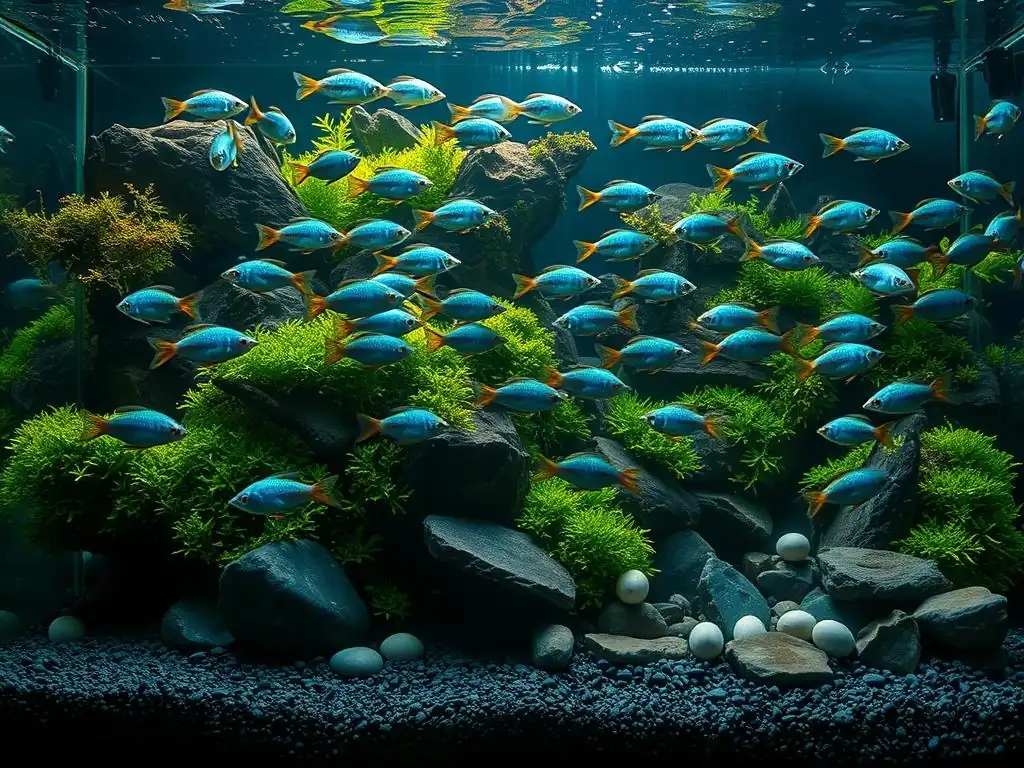
Cyprichromis microlepidotus, commonly known as the Featherfin Cichlid, is an exquisite species native to the vast, ancient waters of Lake Tanganyika in East Africa. These elegant fish are renowned for their slender, torpedo-shaped bodies and remarkably elongated, flowing fins, particularly in mature males. Unlike many bottom-dwelling or rock-dwelling cichlids, Cyprichromis microlepidotus primarily inhabits the open water column, forming large, mesmerizing schools that gracefully navigate the mid-to-upper levels of the lake. Their unique schooling behavior and striking appearance make them a captivating addition to a well-maintained freshwater aquarium.
Discovered and scientifically described, Cyprichromis microlepidotus belongs to a genus of pelagic (open-water) cichlids, distinguishing them from their more territorial Tanganyikan cousins. Their natural habitat, characterized by deep, clear, and highly alkaline water, dictates the specific environmental conditions necessary for their thriving in captivity. Observing a school of these cichlids in a spacious aquarium provides a dynamic display, showcasing their intricate social structures and the breathtaking iridescence of their scales, which shimmer with blues, yellows, and purples depending on the specific morph and lighting.
Why Cyprichromis microlepidotus is a Popular Choice for Aquarists
The allure of Cyprichromis microlepidotus for aquarists stems from several key attributes. Foremost is their stunning aesthetic appeal; the males' elaborate finnage and vibrant coloration are particularly captivating, especially when they display during courtship or territorial squabbles. Their peaceful disposition, relative to many other cichlid species, also makes them suitable for larger community tanks with compatible Tanganyikan inhabitants, offering a refreshing alternative to more aggressive cichlid setups.
Furthermore, their unique schooling behavior adds a dynamic element to any aquarium. Watching a cohesive group of Cyprichromis microlepidotus move in unison, darting and swirling through the water, creates a living art piece. While they do have specific Cyprichromis microlepidotus care requirements, meeting these challenges is highly rewarding, allowing hobbyists to replicate a slice of Lake Tanganyika's unique ecosystem. This combination of beauty, behavior, and the satisfaction of mastering their specific needs firmly establishes them as a sought-after species among dedicated freshwater aquarists.
Distinguishing Cyprichromis microlepidotus from Other Cyprichromis Species
Identifying Cyprichromis microlepidotus: Key Physical Characteristics
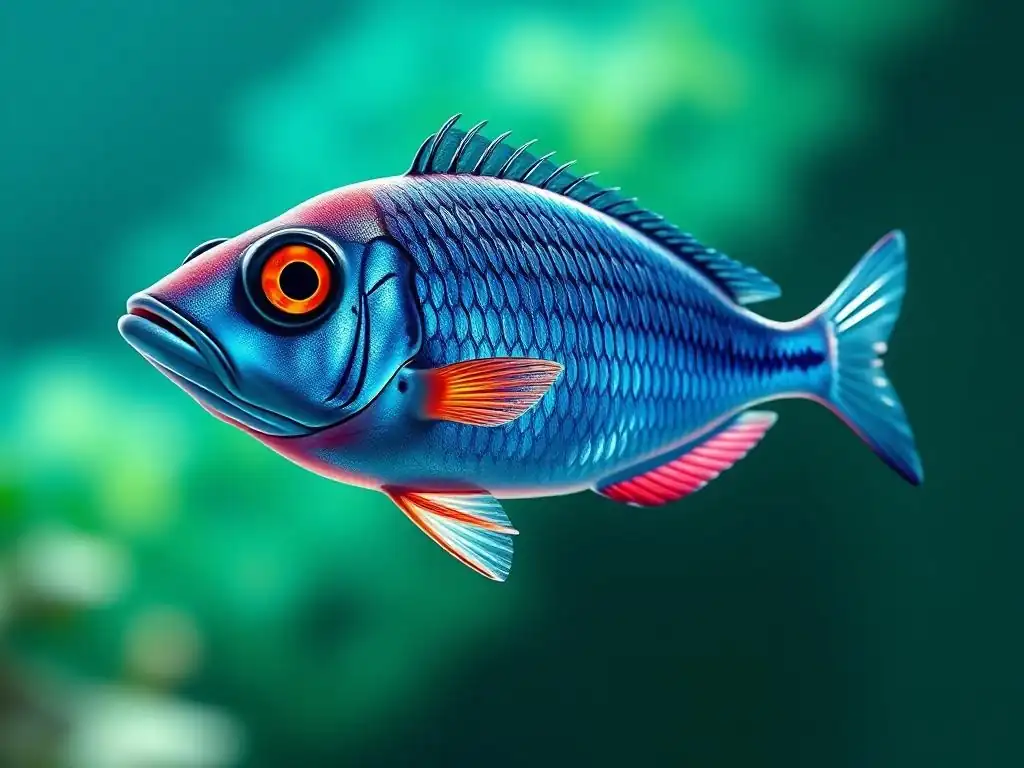
Cyprichromis microlepidotus possesses several distinct physical characteristics that aid in its identification. Its body is notably elongated and fusiform, resembling a torpedo, which is ideal for its open-water, schooling lifestyle. A defining feature, as suggested by its name "microlepidotus" (meaning "small scales"), is its relatively small, delicate scales compared to other Cyprichromis species. Adult males can reach lengths of up to 6 inches (approximately 15 cm), while females typically remain smaller, around 4-5 inches (10-12 cm).
The finnage of Cyprichromis microlepidotus is particularly striking, especially in males. The dorsal and anal fins are extended and often possess filamentous extensions, giving them a graceful, flowing appearance. The caudal fin (tail fin) is typically forked. Coloration varies significantly between different geographic populations, but common traits include iridescent blue, yellow, or purple hues, often with vertical barring or distinct spotting patterns on their flanks. The overall slender profile, combined with the characteristic small scales and elaborate fins, serves as a primary identifier for this species.
Cyprichromis microlepidotus Color Variations and Morphs
Cyprichromis microlepidotus is celebrated for its impressive array of geographical color variations, often referred to as "morphs" or "localities." These distinct populations, found in different regions of Lake Tanganyika, exhibit unique color patterns while maintaining the characteristic microlepidotus body shape and fin structure. For instance, the "Kasai" morph is known for its vibrant blue and yellow coloration, often with distinct spots, while the "Kitumba" variant might display a more predominant blue with subtle markings. Other well-known morphs include "Jumbo," "Isanga," and "Mpimbwe," each with its own specific combination of base colors and accent markings.
These locality-specific morphs are a significant draw for collectors, as they allow for specialized breeding projects and the creation of visually diverse displays. While the underlying genetics ensure they remain Cyprichromis microlepidotus, the intensity and distribution of their blues, yellows, oranges, and purples can differ dramatically. This genetic diversity underscores the importance of sourcing fish from reputable breeders who can accurately identify the specific morph, ensuring the preservation of these unique color forms and aiding in targeted Cyprichromis microlepidotus care requirements for specific populations.
Comparing Cyprichromis microlepidotus to Cyprichromis leptosoma
While both Cyprichromis microlepidotus and Cyprichromis leptosoma are popular Featherfin Cichlids from Lake Tanganyika, key distinctions exist between the two. Perhaps the most noticeable difference lies in their size and overall robustness; C. microlepidotus generally grows larger and possesses a slightly more substantial body structure than the more delicate C. leptosoma. Adult male C. microlepidotus can reach up to 6 inches, whereas C. leptosoma males typically top out around 4-5 inches.
Another critical distinguishing feature is the scale size, which is reflected in their scientific names. Cyprichromis microlepidotus means "small scales," while Cyprichromis leptosoma means "slender body" and implies larger scales. Upon close inspection, the scales of C. microlepidotus are indeed finer and less prominent. Furthermore, the finnage of male C. microlepidotus tends to be more elongated and flowing, especially the dorsal and anal fins, often with more pronounced filamentous extensions compared to the generally shorter, more compact fins of C. leptosoma.
Understanding the Differences in Behavior
Behaviorally, both Cyprichromis microlepidotus and Cyprichromis leptosoma are pelagic schooling fish, but subtle differences in their social dynamics and preferred tank regions can be observed. C. microlepidotus often forms tighter, more cohesive schools and tends to occupy the mid-to-upper water column more consistently. They exhibit a fascinating "lek-like" breeding behavior, where males establish temporary territories in open water, displaying their vibrant colors to attract females. These territories are typically vertical columns in the water rather than fixed spots on the substrate.
While C. leptosoma also schools, their formations might be slightly less rigid, and they may be marginally more inclined to seek refuge among vertical rockwork or plants if available. In terms of aggression, both are considered peaceful cichlids, especially towards other species. However, intraspecific aggression, particularly among males, can be more pronounced in C. microlepidotus if tank space is insufficient or if the male-to-female ratio is not ideal. Understanding these nuances is crucial for providing optimal Cyprichromis microlepidotus care requirements and ensuring a harmonious aquarium environment.
Cyprichromis microlepidotus Care Requirements: A Detailed Guide
Setting Up the Ideal Tank Environment for Cyprichromis microlepidotus
Tank Size Recommendations for Cyprichromis microlepidotus
Providing adequate space is paramount for the well-being of Cyprichromis microlepidotus, as they are active schooling fish that require ample swimming room. For a small group of 6-8 individuals, a minimum tank size of 75 gallons (approximately 280 liters) is generally recommended. This size allows for basic schooling behavior and helps mitigate potential aggression between males. However, to truly witness their natural schooling dynamics and reduce stress, a larger tank of 125 gallons (around 470 liters) or more is highly preferred, especially for a larger school or if mixing with other Tanganyikan species.
The dimensions of the tank are arguably more important than the sheer volume. A tank that is at least 48 inches (120 cm) long is crucial, and lengths of 60 inches (150 cm) or more are ideal. This extended length provides the necessary horizontal swimming space for these active fish to form their schools and establish territories without constantly running into tank walls. While height is beneficial for their vertical schooling, the primary consideration for optimal Cyprichromis microlepidotus care requirements is horizontal swimming room.
Essential Water Parameters for Cyprichromis microlepidotus Health
Replicating the stable and specific water parameters of Lake Tanganyika is fundamental to the health and longevity of Cyprichromis microlepidotus. The pH should be alkaline, ideally maintained within a range of 7.8 to 9.2. Fluctuations outside this range can cause significant stress. The water hardness should also be high; general hardness (GH) typically ranges from 10-20 dGH (180-360 ppm), and carbonate hardness (KH) from 10-18 dKH (180-320 ppm). These high mineral content levels are essential for their osmoregulation and overall well-being.
Temperature should be kept stable within the range of 75-80°F (24-27°C). Sudden temperature shifts can be detrimental, so a reliable heater is necessary. Crucially, ammonia and nitrite levels must always be at zero, as these compounds are highly toxic to fish. Nitrate levels should be kept as low as possible, ideally below 20 ppm, through diligent maintenance. Regular testing of these parameters is a non-negotiable aspect of Cyprichromis microlepidotus care requirements, ensuring a stable and healthy environment.
Substrate and Aquascaping for a Cyprichromis microlepidotus Habitat
For the substrate, fine sand is the most appropriate choice for a Cyprichromis microlepidotus aquarium. While these fish primarily inhabit the open water column, sand mimics their natural lakebed environment and is gentle on any fish that might occasionally interact with the bottom. It also provides a suitable substrate for beneficial bacteria and, if housing other Tanganyikan species, allows for natural digging behaviors.
When aquascaping, the primary goal is to provide vast amounts of open swimming space in the mid-to-upper water column, which is where Cyprichromis microlepidotus spend most of their time. While they don't require elaborate rock formations for hiding like many other cichlids, vertical structures can be beneficial. Tall, slender rock stacks or large pieces of driftwood placed along the back or sides of the tank can offer visual breaks and serve as potential landmarks for males establishing temporary territories.
Avoid cluttering the middle of the tank, ensuring unobstructed swimming lanes for their schooling behavior. A few hardy, tall plants like Anubias or Java Fern, attached to rocks, can be used minimally without impeding swimming space.
Cyprichromis microlepidotus Diet and Feeding
Recommended Foods for Optimal Health and Coloration
In their natural habitat, Cyprichromis microlepidotus are primarily zooplankton feeders, sifting microscopic organisms from the water column. To replicate this diet in captivity and ensure optimal health and vibrant coloration, a varied and high-quality feeding regimen is crucial. A staple diet should consist of premium flake or small pellet foods specifically formulated for cichlids or omnivores, rich in protein and containing ingredients like spirulina for color enhancement.
Supplementing the staple diet with frozen or live foods is highly recommended. Excellent choices include newly hatched or adult brine shrimp, daphnia, cyclops, and small mysis shrimp. These foods closely mimic their natural prey and provide essential nutrients and carotenoids that intensify their natural colors. While they may accept bloodworms, these should be offered sparingly as they are not a natural part of their diet and can sometimes lead to digestive issues if fed excessively. A diverse diet is a cornerstone of effective Cyprichromis microlepidotus care requirements.
Feeding Frequency and Quantity for Cyprichromis microlepidotus
Due to their relatively small stomachs and active metabolism, Cyprichromis microlepidotus benefit from multiple small feedings throughout the day rather than one large meal. Feeding them 2-3 times per day is ideal. Each feeding should consist of only what they can consume entirely within 1-2 minutes. This approach prevents overfeeding, which can quickly degrade water quality and contribute to health problems such as Malawi bloat.
Consistency in feeding times can also help establish a routine and reduce stress. It is crucial to observe your fish during feeding to ensure all individuals are getting enough food and that no excess food is left to decay. Adjust the quantity of food based on the size of your school and their activity levels. Underfeeding can lead to stunted growth and reduced vitality, while overfeeding is a common pitfall that directly impacts water quality and overall fish health.
Maintaining Water Quality for Thriving Cyprichromis microlepidotus
Water Change Schedule and Procedures
Maintaining pristine water quality is absolutely critical for the health and longevity of Cyprichromis microlepidotus. Regular partial water changes are the most effective method for diluting nitrates, replenishing essential minerals, and removing accumulated organic pollutants. A weekly water change of 25-30% of the tank volume is a good standard practice. For heavily stocked tanks or those with larger fish, increasing the frequency or volume to 40-50% bi-weekly might be necessary.
Always ensure that the replacement water is dechlorinated and temperature-matched to the aquarium water to prevent thermal shock. Using a reliable water conditioner is essential to neutralize chlorine and chloramines. When performing water changes, it's also beneficial to gently vacuum the substrate to remove any settled detritus, further contributing to a cleaner environment. Consistent water changes are a non-negotiable component of successful Cyprichromis microlepidotus care requirements.
Filtration Requirements for a Clean and Healthy Aquarium
Robust and efficient filtration is indispensable for a Cyprichromis microlepidotus aquarium. A high-quality canister filter is often the preferred choice due to its capacity for mechanical, biological, and chemical filtration, as well as its ability to provide strong water circulation. Alternatively, multiple large hang-on-back (HOB) filters can also be effective. Aim for a total filter turnover rate of at least 6-10 times the tank volume per hour to ensure adequate water movement and clarity.
Biological filtration, facilitated by porous media like ceramic rings or bio-balls, is particularly crucial as it houses the beneficial bacteria responsible for breaking down toxic ammonia and nitrite into less harmful nitrates. Mechanical filtration (sponges, filter floss) removes particulate matter, while chemical filtration (activated carbon) can remove odors and discoloration. Regular cleaning of filter media and replacement of chemical media are necessary to maintain optimal filter performance and ensure the stable, clean water conditions essential for Cyprichromis microlepidotus health.
Cyprichromis microlepidotus Tank Mates: Choosing Compatible Species
Ideal Tank Companions for Peaceful Coexistence
Cyprichromis microlepidotus are generally peaceful cichlids, making them compatible with a range of other Tanganyikan species that occupy different niches within the aquarium. Ideal tank mates include other open-water cichlids like Paracyprichromis nigripinnis, which share similar environmental needs and behaviors. Bottom-dwelling Tanganyikans such as various Julidochromis species (e.g., Julidochromis marlieri, J. regani) or smaller Neolamprologus species (e.g., Neolamprologus brichardi, N. pulcher "Daffodil") can coexist well, as they typically inhabit the lower parts of the tank.
Shell-dwelling cichlids like Neolamprologus multifasciatus or Lamprologus ocellatus also make excellent companions, providing activity at the bottom while Cyprichromis patrol the mid-water. The key is to select species that require similar hard, alkaline water conditions and do not pose a threat to the delicate Cyprichromis. A large tank provides ample space for all inhabitants to establish territories without excessive conflict.
Species to Avoid Keeping with Cyprichromis microlepidotus
To ensure the safety and well-being of your Cyprichromis microlepidotus, certain species should be avoided as tank mates. Highly aggressive or overly territorial cichlids, such as many Mbuna cichlids from Lake Malawi or particularly boisterous Neolamprologus species (e.g., some Neolamprologus leleupi individuals), are generally unsuitable. Their aggressive nature can stress, harass, or even injure the more delicate Featherfins.
Additionally, avoid keeping Cyprichromis microlepidotus with very small, timid fish that might be intimidated by their active schooling behavior, or with predatory fish large enough to consider them prey. Fish that require significantly different water parameters, such as soft, acidic water (e.g., many South American cichlids or tetras), are also unsuitable due to the specific Cyprichromis microlepidotus care requirements for hard, alkaline conditions. Mixing different Cyprichromis species should be done with caution in very large tanks to minimize the risk of hybridization.
Cyprichromis microlepidotus Breeding: Encouraging Reproduction in Captivity
Creating a Breeding Environment for Cyprichromis microlepidotus
Encouraging Cyprichromis microlepidotus to breed in captivity requires a stable, pristine environment and a suitable male-to-female ratio. A ratio of 1 male to 3-5 females is often recommended, as this helps to distribute the male's attention and reduces stress on individual females from constant male courtship. The aquarium should be spacious enough, ideally 125 gallons or larger, to allow for the establishment of territories and provide security for the females.
While Cyprichromis microlepidotus are open-water spawners and do not require caves or specific structures for egg laying, providing tall, vertical elements like rock stacks or PVC pipes can offer visual breaks and potential areas for males to establish temporary spawning columns. Optimal water parameters, as detailed in the care requirements, are crucial, along with a varied, high-protein diet that conditions the breeding pairs. Consistent water changes also stimulate breeding activity.
Identifying Spawning Behavior in Cyprichromis microlepidotus
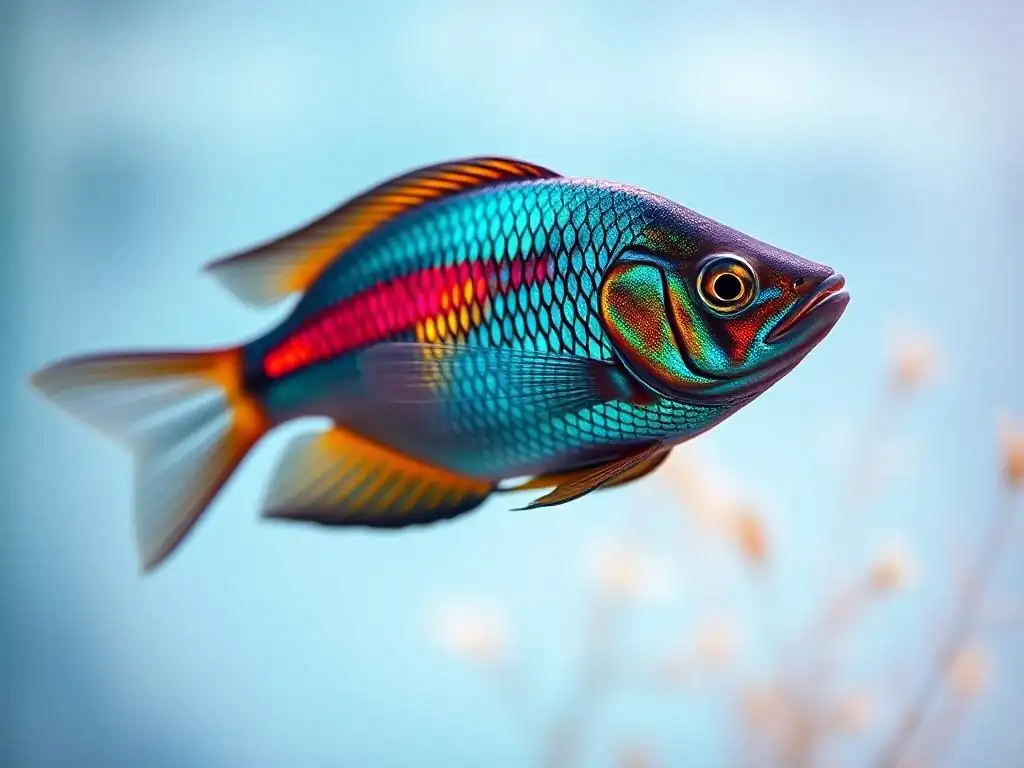
The spawning behavior of Cyprichromis microlepidotus is a captivating display. Males will exhibit intensified coloration, becoming strikingly vibrant, and will flare their fins to attract females. They typically establish temporary "lek" territories in the mid-to-upper water column, often near a vertical structure or simply in open water. The male will then engage in a distinctive "quivering" or "shaking" dance to entice a receptive female into his territory.
Once a female is interested, she will approach the male, and the pair will engage in a unique spawning embrace. The female will release a small batch of eggs, which she quickly turns to collect into her mouth. Immediately after, the male will present his anal fin, which often has prominent egg spots. The female, mistaking these spots for eggs, will attempt to mouth them, which stimulates the male to release milt, fertilizing the eggs already in her mouth. This process is repeated until all eggs are laid and safely secured in the female's buccal cavity.
Raising Cyprichromis microlepidotus Fry: A Step-by-Step Guide
Once a female Cyprichromis microlepidotus is holding eggs, her buccal cavity (throat area) will appear distended, and she will typically cease eating. She will carry the eggs for approximately 3-4 weeks, depending on temperature. To ensure the highest survival rate of the fry, many aquarists choose to either "strip" the female (gently remove the eggs from her mouth) after about 10-14 days and place them in a tumbler, or move the holding female to a separate, quiet "brood tank."
After the fry are released, they are relatively large and free-swimming. They can immediately begin feeding on newly hatched brine shrimp nauplii, cyclops, or finely crushed high-quality flake food. It is crucial to maintain pristine water quality in the fry tank with small, frequent water changes (e.g., 10-15% daily or every other day) to prevent the buildup of nitrates and other pollutants. Growth is steady but not rapid, and consistent, small feedings are vital for their development into healthy juvenile Cyprichromis microlepidotus.
Common Health Issues in Cyprichromis microlepidotus and Their Treatment
Recognizing Signs of Illness in Cyprichromis microlepidotus
Early detection of illness is crucial for successful treatment in Cyprichromis microlepidotus. Aquarists should regularly observe their fish for any changes in behavior or physical appearance. Signs of illness often include lethargy, unusual hiding, or erratic swimming patterns such as darting, flashing against objects, or clamped fins. Physical indicators can range from faded or dull coloration, which often signifies stress or poor water quality, to visible external parasites like white spots (Ich) or fuzzy white growths (fungus).
Other concerning signs include bloating, particularly if accompanied by white, stringy feces, which can be indicative of Malawi Bloat – a severe digestive and internal bacterial infection common in cichlids. Frayed or ragged fins, cloudy eyes, or ulcers on the body also point to potential bacterial infections. Any loss of appetite or refusal to eat for more than a day should prompt immediate investigation into water parameters and overall tank conditions.
Treating Common Diseases Affecting Featherfin Cichlids
When treating diseases in Cyprichromis microlepidotus, accurate diagnosis and prompt action are paramount. Ich (Ichthyophthirius multifiliis), characterized by small white spots resembling salt grains on the body and fins, is common in stressed fish. It can often be treated by slowly raising the tank temperature to 82-84°F (28-29°C) for several days, coupled with the use of aquarium salt or commercial Ich medications. Always remove activated carbon from filters when using medications.
Bacterial infections, which can manifest as fin rot, body ulcers, or bacterial gill disease, typically require broad-spectrum antibacterial medications. Improving water quality through significant water changes is also vital during treatment. For Malawi Bloat, a potentially fatal internal condition, immediate action is needed. This often involves specific medications targeting internal parasites and bacteria, a period of fasting for the affected fish, and strict adherence to water quality management. Always follow medication instructions precisely and consider quarantining affected fish to prevent spread and allow for focused treatment.
Troubleshooting Common Problems with Cyprichromis microlepidotus
Addressing Aggression and Bullying in the Tank
While generally peaceful, Cyprichromis microlepidotus can exhibit aggression, particularly among males or if the tank environment is inadequate. A common cause of aggression is insufficient space, leading to territorial disputes. Ensuring the tank is adequately sized, ideally 125 gallons or more for a school, provides enough room for males to establish their vertical territories without constant conflict. An imbalanced male-to-female ratio, such as too many males or not enough females (aim for 1 male to 3-5 females), can also lead to increased male aggression towards individual females or weaker males.
If aggression persists, consider adding more females to dilute the male's attention across a larger group. Rearranging existing decor, such as tall rocks or PVC pipes, can help break sightlines and create new "territories," potentially reducing disputes. In severe cases, temporarily removing the most aggressive male to a separate tank for a few days can sometimes reset the social hierarchy upon his reintroduction. Providing ample open swimming space, as central to Cyprichromis microlepidotus care requirements, helps mitigate many aggression issues.
Dealing with Poor Coloration or Lack of Appetite
Poor coloration and a lack of appetite are often strong indicators of underlying issues in Cyprichromis microlepidotus, signaling stress, poor water quality, or illness. The first step in troubleshooting these problems is to immediately test all water parameters: pH, GH, KH, ammonia, nitrite, and nitrate. Any deviations from the ideal ranges (e.g., high nitrates above 20 ppm, or presence of ammonia/nitrite) must be addressed with significant water changes and improved filtration. Stress from unsuitable tank mates or an overcrowded tank can also lead to faded colors.
Once water quality is confirmed to be optimal, evaluate the fish's diet. Ensure you are providing a varied, high-quality diet that includes color-enhancing foods and regular frozen or live supplements like brine shrimp or cyclops. If the fish is still not eating, observe closely for any other signs of illness, such as clamped fins, bloating, or unusual lesions, which would necessitate disease treatment. Sometimes, simply reducing overall stress by ensuring proper Cyprichromis microlepidotus care requirements, including appropriate tank mates and a stable environment, can resolve these issues and restore their vibrant colors and healthy appetite.
Conclusion: Mastering Cyprichromis microlepidotus Care
Frequently Asked Questions
What are the key differences between Cyprichromis microlepidotus and other Cyprichromis species?
Cyprichromis microlepidotus is distinguished by its smaller size and unique color patterns. They also exhibit different social behaviors within the aquarium.
What are the ideal water parameters for a Cyprichromis microlepidotus aquarium?
These fish thrive in alkaline water with a pH of 7.8-8.6. Maintain a temperature between 76-82°F (24-28°C) and ensure proper water hardness is maintained.
What type of aquarium setup is recommended for Cyprichromis microlepidotus?
A large tank (at least 75 gallons) is crucial to accommodate their active swimming habits. Include rocky structures for shelter and open swimming spaces are also important.
What should I feed my Cyprichromis microlepidotus to ensure their health and vibrant colors?
Offer a high-quality flake food supplemented with small live or frozen foods, such as daphnia and brine shrimp. Varied diet enhances coloration and overall health.
What are some common health issues that affect Cyprichromis microlepidotus, and how can I prevent them?
Cyprichromis microlepidotus are prone to Malawi bloat. Prevent this with proper diet, water quality management, and minimizing stressful conditions in the tank.
Final Reflection: The Enduring Allure of Cyprichromis microlepidotus
The intricacies of maintaining a thriving Cyprichromis microlepidotus aquarium, as we've explored, are a testament to the dedication of aquarists worldwide. The information presented underscores the critical importance of understanding species-specific needs for successful fishkeeping and the ethical responsibility we bear towards the creatures in our care. This understanding is especially vital now, as hobbyists increasingly seek to replicate natural environments and provide optimal conditions for their aquatic companions.
The journey into the world of Cyprichromis microlepidotus reveals more than just the practicalities of their care; it illuminates the profound connection we can forge with the natural world. Observing their intricate social dynamics and vibrant displays offers a glimpse into the complex ecosystems of Lake Tanganyika, reminding us of the beauty and fragility of these environments. In the end, we will conserve only what we love; we will love only what we understand; and we will understand only what we are taught.
- Baba Dioum's words resonate deeply, urging us to continue learning and sharing knowledge about these fascinating fish.
As you embark on, or continue, your journey with Cyprichromis microlepidotus, remember that your dedication to providing optimal care not only ensures their well-being but also contributes to a greater appreciation for the biodiversity of our planet. Take the knowledge you've gained, share it with others, and let the vibrant colors and captivating behaviors of these fish inspire you to become a steward of the aquatic world.
Unleash the Beauty: Begin Your *Cyprichromis* Journey!
Thank you for diving into the captivating world of Cyprichromis microlepidotus! We hope you've gained valuable insights into their unique characteristics and care needs. Now, it's time to translate that knowledge into action.
Here's how you can further explore the wonders of these Tanganyikan beauties:
- Prioritize their needs: Start by meticulously planning their tank environment. Consider tank size, rock placement and water parameters to ensure a thriving habitat for these stunning fish.
- Delve deeper by engaging with fellow enthusiasts and sharing your Cyprichromis experiences! Consider joining online forums, local aquarium clubs, or even creating your own posts showcasing your fish keeping endeavors.
- Why not push your understanding further and document their behavior and color changes over a month? Share your observations and insights!
What aspect of Cyprichromis care are you most eager to implement in your own aquarium?