
Breeding Plecos at Home: Aquarium Mastery's Comprehensive Guide

Welcome to Aquarium Mastery!
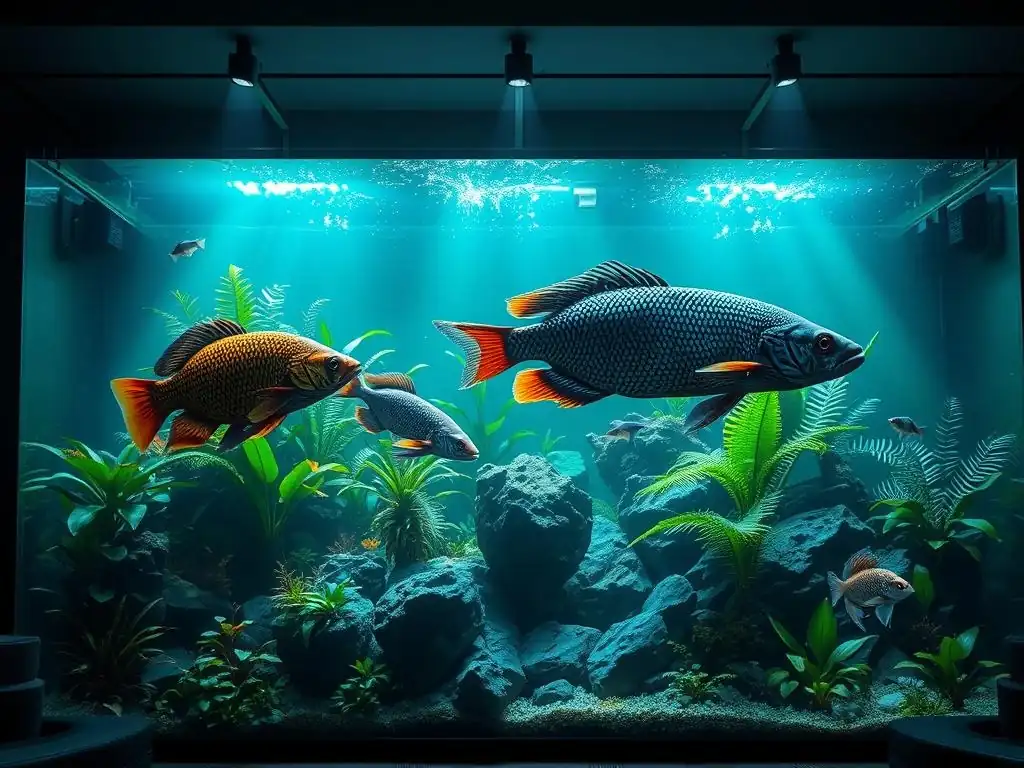
Curious about taking your pleco passion to the next level? Embark on a fascinating journey as we unravel the secrets to successful pleco breeding. Our Pleco Breeding Aquarium Setup Guide dives deep into creating the perfect environment for these captivating creatures to thrive and reproduce. Ready to witness the miracle of life in your own aquarium? Let's get started!
- Breeding Bristlenose Plecos at Home: Aquarium Mastery's Comprehensive Guide
- Introduction to Bristlenose Pleco Breeding: A Rewarding Aquarium Endeavor
- Planning Your Bristlenose Pleco Breeding Aquarium Setup
- Water Parameters: Crucial for Bristlenose Pleco Breeding Success
- Selecting the Right Bristlenose Plecos for Breeding
- Triggering Spawning: Simulating Natural Conditions
- The Bristlenose Pleco Breeding Process: From Egg Laying to Hatching
- Raising Bristlenose Pleco Fry: A Comprehensive Guide
- Troubleshooting Common Bristlenose Pleco Breeding Problems
- Maintaining a Healthy Bristlenose Pleco Breeding Colony
- Conclusion: Mastering Bristlenose Pleco Breeding for the Aquarium Hobbyist
-
Frequently Asked Questions
- How much space do Plecos need for successful breeding?
- What are the ideal water parameters for a Pleco breeding aquarium?
- What type of caves or breeding sites are best for Plecos?
- What should I feed my Plecos to encourage breeding?
- How often should I perform water changes in a Pleco breeding aquarium?
- Final Reflection: Cultivating Life's Hidden Depths
- Unlock the Secrets to Pleco Breeding Success!
Breeding Bristlenose Plecos at Home: Aquarium Mastery's Comprehensive Guide
Introduction to Bristlenose Pleco Breeding: A Rewarding Aquarium Endeavor
Why Breed Bristlenose Plecos? The Joys and Benefits
Breeding Bristlenose Plecos offers a uniquely satisfying dimension to the aquarium hobby, blending the challenge of husbandry with the joy of witnessing new life. Beyond the personal fulfillment, successfully breeding these hardy catfish contributes to the hobby by making captive-bred fish available, reducing demand for wild-caught specimens, and helping to preserve natural populations. Many hobbyists find the process educational, deepening their understanding of fish behavior and aquatic ecosystems.
Beyond personal satisfaction, breeding Bristlenose Plecos can offer practical benefits. Their fry are highly sought after for their algae-eating capabilities and attractive appearance, often fetching between $3 to $10 each depending on size and morph. A single healthy pair can produce 20-50 fry every 4-6 weeks, allowing a dedicated breeder to potentially recoup some of their aquarium setup costs or even generate a modest income. This also helps other aquarists maintain clean tanks naturally, without relying on chemical solutions.
Understanding Bristlenose Pleco Biology for Successful Breeding
Bristlenose Plecos, primarily Ancistrus cirrhosus and its close relatives, are dwarf suckermouth catfish native to the fast-flowing rivers and tributaries of South America. They are known for their distinctive fleshy appendages (bristles) on their snouts, more pronounced in males. These fish typically reach an adult size of 3 to 5 inches (7.5-12.7 cm) and can live for 5 to 7 years in a well-maintained aquarium, making them a long-term commitment for a Pleco breeding aquarium setup guide.
Their natural behavior involves seeking out crevices and caves for shelter and breeding. Bristlenose Plecos are primarily nocturnal, spending their days hidden and becoming active at night to graze on algae and biofilm. Males are highly territorial, especially when guarding eggs, which they do diligently inside caves. Understanding this innate cave-dwelling and parental care behavior is crucial for designing an effective Pleco breeding aquarium setup guide that caters to their specific needs.
Planning Your Bristlenose Pleco Breeding Aquarium Setup
Essential Equipment for a Bristlenose Pleco Breeding Tank
A successful Bristlenose Pleco breeding setup requires specific equipment to ensure optimal conditions for spawning and fry development. Key components include a reliable aquarium heater to maintain a stable temperature between 76-82°F (24-28°C), and a gentle filtration system. Sponge filters are highly recommended for breeding tanks as they provide excellent biological filtration without creating strong currents that could harm delicate fry, and they also offer a surface for biofilm growth which fry can graze on.
Additionally, an air stone connected to an air pump is vital for ensuring adequate oxygenation, especially in tanks with high bio-loads from adult fish and growing fry. Essential testing kits for pH, ammonia, nitrite, and nitrate are indispensable for monitoring water quality. Most importantly, a selection of suitable breeding caves is paramount; these can be made from clay, slate, or PVC pipes, ideally 4-6 inches (10-15 cm) long with an opening just large enough for the male to enter and turn around, typically 1.5-2 inches (3.8-5 cm) in diameter.
Tank Size Considerations for Breeding Bristlenose Plecos
For a dedicated Bristlenose Pleco breeding aquarium setup guide, tank size is a critical factor influencing success and fry survival. A minimum of a 20-gallon long (approximately 30 x 12 x 12 inches or 76 x 30 x 30 cm) is suitable for a single breeding pair, providing ample floor space and stability. However, a 40-gallon breeder tank (36 x 18 x 16 inches or 91 x 46 x 41 cm) is often preferred for a small colony of one male and two to three females, as it allows for better water volume stability and reduces aggression among males.
Larger tanks offer several advantages, including more stable water parameters, greater space for fry to develop without overcrowding, and reduced stress on the breeding adults. While it's possible to breed them in community tanks, a dedicated breeding setup significantly increases fry survival rates by eliminating predation from other fish and allowing for precise control over feeding and water quality, which are crucial for delicate fry.
Substrate and Decor: Mimicking the Natural Bristlenose Pleco Habitat
The choice of substrate and decor plays a significant role in creating a conducive environment for Bristlenose Pleco breeding, mimicking their natural habitat. A fine sand substrate is ideal, or even a bare bottom tank, as it is easy to keep clean and prevents food particles from accumulating and fouling the water, which is especially important for fry. Avoid sharp gravel that could injure their delicate undersides or mouths.
Driftwood is an essential decor element for a successful Pleco breeding aquarium setup guide. It provides valuable grazing surfaces for biofilm and lignins, which are vital for a pleco's digestion. Additionally, strategically placed pieces of driftwood, along with smooth rocks and live plants like Java Fern or Anubias, offer additional hiding spots and territories, reducing stress and providing security for both adults and fry. Ensure all decor is smooth and free of sharp edges.
Water Parameters: Crucial for Bristlenose Pleco Breeding Success
Achieving Optimal Water Chemistry for Bristlenose Pleco Breeding
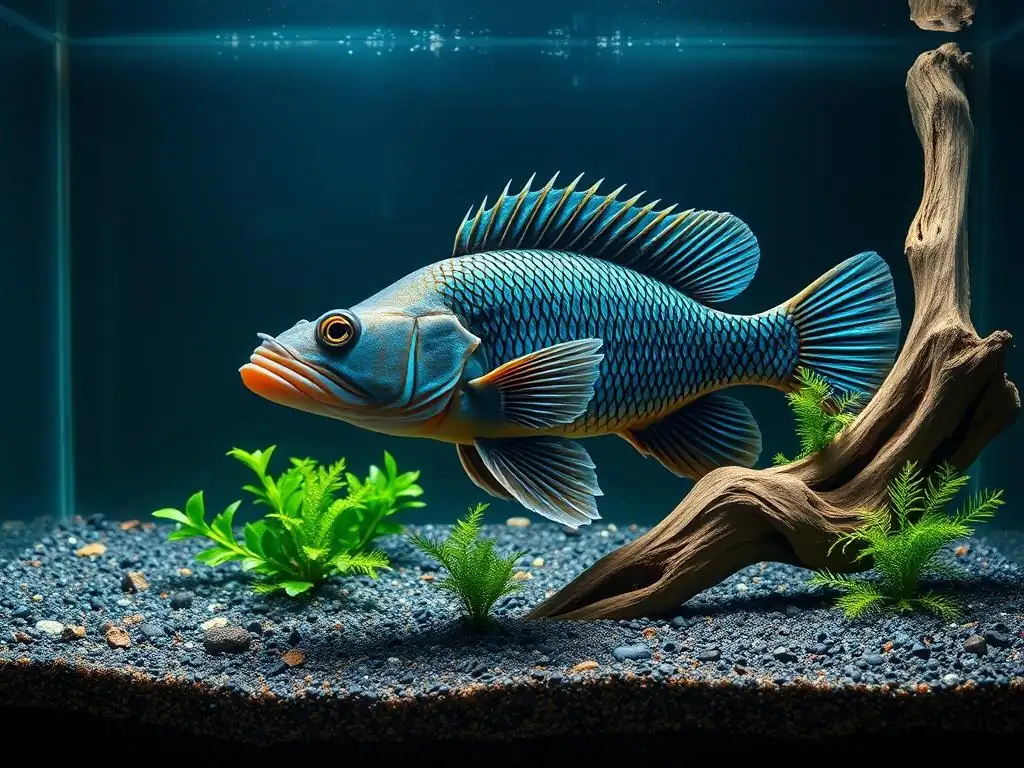
Maintaining precise and stable water parameters is paramount for successful Bristlenose Pleco breeding. They thrive in slightly acidic to neutral water with a pH range of 6.5 to 7.5. Water hardness should be soft to moderately hard, with a General Hardness (GH) between 2-15 dGH (35-260 ppm) and Carbonate Hardness (KH) between 1-10 dKH (18-180 ppm). Temperature is also critical, ideally maintained between 76-82°F (24-28°C), as warmer temperatures typically accelerate egg development.
Consistency in these parameters is more important than hitting exact numbers at the extreme ends of the range. Wild Bristlenose Plecos experience seasonal changes, and slight fluctuations can trigger breeding, but drastic shifts are detrimental. Regular testing with reliable aquarium test kits for pH, GH, KH, ammonia, nitrite, and nitrate is indispensable to ensure these optimal conditions are consistently met, forming the backbone of any effective Pleco breeding aquarium setup guide.
The Importance of Water Changes in Bristlenose Pleco Breeding Aquariums
Regular and appropriately sized water changes are a cornerstone of maintaining water quality and can act as a significant trigger for Bristlenose Pleco breeding. Performing 25-30% water changes weekly is a good baseline for adult breeding tanks, helping to remove nitrates and replenish essential minerals. For tanks with large numbers of fry, more frequent, smaller water changes (e.g., 10-15% daily or every other day) may be necessary to keep nitrate levels below 20 ppm and prevent the buildup of organic waste.
Using water that is slightly cooler (by 2-3°F or 1-2°C) than the tank water during changes can simulate the natural "rainy season" conditions in their native habitat, often stimulating breeding activity. Always ensure the new water is dechlorinated and temperature-matched as closely as possible to avoid shocking the fish. Consistent water changes also help maintain a healthy microbial balance, which is crucial for the overall well-being of a Pleco breeding aquarium setup guide.
Maintaining Water Quality: Avoiding Common Pitfalls
Several common pitfalls can jeopardize water quality and hinder Bristlenose Pleco breeding success. Overfeeding is one of the most frequent issues, leading to excess organic waste that rapidly breaks down into harmful ammonia and nitrite, both toxic to fish and eggs. Another pitfall is overcrowding, which increases the bioload beyond the filtration system's capacity, resulting in chronically high nitrate levels and stress on the fish.
To avoid these problems, adhere to a strict feeding schedule, offering small amounts of food multiple times a day rather than one large meal. Ensure your filtration is adequate for the tank's inhabitants, utilizing mechanical, biological, and chemical filtration as needed. Regular substrate vacuuming to remove detritus and uneaten food, combined with consistent water parameter testing, are non-negotiable practices for a healthy and productive Pleco breeding aquarium setup guide.
Selecting the Right Bristlenose Plecos for Breeding
Identifying Breeding Pairs: Sexing Bristlenose Plecos Explained
Accurately sexing Bristlenose Plecos is fundamental for establishing a successful breeding pair or colony. The most reliable method involves observing the presence and development of bristles (odontodes) on their snouts. Males develop prominent, long, and branched bristles that extend across the entire snout, often resembling a bushy beard. These bristles typically begin to grow when the fish are around 6-12 months old.
In contrast, female Bristlenose Plecos typically have very few or no bristles, or only small, unbranched bristles around the edge of their mouth. While some females may develop a few short bristles, they will never be as extensive or branched as those of a mature male. Additionally, mature males often appear slightly more robust or broader in the head, and they are typically the ones to claim and diligently guard breeding caves, providing a strong indicator for your Pleco breeding aquarium setup guide.
Choosing Healthy and Genetically Diverse Bristlenose Plecos
The health and genetic diversity of your breeding stock directly impact the success rate and vitality of the offspring. When selecting Bristlenose Plecos for breeding, always choose active, alert individuals with clear eyes, full bellies, and intact fins. Avoid fish that appear lethargic, have clamped fins, visible parasites, or any signs of disease. Ideally, source your fish from different reputable breeders or stores to minimize the risk of inbreeding, which can lead to stunted growth, deformities, and reduced fertility in subsequent generations.
Quarantining new fish for 2-4 weeks in a separate tank is a crucial step to prevent introducing diseases to your main breeding setup. During quarantine, observe them closely for any signs of illness and treat if necessary. Aim for a breeding ratio of one male to two or three females. This ratio helps distribute the male's attention among multiple females, potentially increasing spawning frequency, and reduces stress or aggression that can occur if multiple males are housed together without enough space or caves.
Popular Bristlenose Pleco Morphs for Home Breeding
Bristlenose Plecos are popular in the hobby due to their manageable size, effective algae control, and the availability of various attractive color morphs, making them excellent candidates for a home Pleco breeding aquarium setup guide. The "Common Bristlenose" ( Ancistrus cirrhosus) is the most widely bred, known for its mottled brown and black coloration. However, several other morphs are highly sought after by aquarists.
The "Albino Bristlenose" is characterized by its lack of dark pigmentation, resulting in a creamy white to pink body and distinct red eyes. "Super Red Bristlenose" morphs display an intense, uniform orange-red coloration that becomes more vibrant with age. Other popular variations include the "Calico Bristlenose," which exhibits marbled patterns of black, white, and orange, and "Longfin Bristlenose" varieties, which can occur in any color morph and are prized for their elongated, flowing fins. Breeding these specific morphs adds an exciting dimension to the hobby, allowing aquarists to produce visually stunning fish.
Triggering Spawning: Simulating Natural Conditions
Understanding Bristlenose Pleco Breeding Triggers
Bristlenose Plecos, like many fish, respond to environmental cues that mimic the onset of their natural breeding season, typically the rainy season in their native South American rivers. The primary triggers for spawning involve a combination of specific water parameter adjustments, increased water flow, and a rich, varied diet. Understanding and replicating these conditions within your Pleco breeding aquarium setup guide is key to encouraging successful reproduction.
The most potent trigger is often a series of large, cool water changes, simulating fresh rainwater entering their habitat. This typically involves changing 25-50% of the tank water with water that is 2-3°F (1-2°C) cooler than the tank's current temperature, repeated every 2-3 days. This sudden influx of cooler, fresh water, coupled with a slight drop in barometric pressure (which naturally accompanies rain), signals to the fish that breeding conditions are optimal.
Temperature and Water Flow Adjustments for Spawning
While stable water temperatures are generally recommended for overall fish health, strategic temperature fluctuations can be effective spawning triggers for Bristlenose Plecos. After maintaining a steady temperature (e.g., 78-80°F or 25.5-26.5°C), a series of water changes with slightly cooler water can induce a temporary temperature drop, mimicking the conditions of a tropical rainstorm. This subtle but consistent change often signals the "go-ahead" for breeding.
Alongside temperature, increased water flow is a vital component of simulating natural breeding conditions. In their native fast-flowing rivers, increased current accompanies the rainy season. You can replicate this by adding a powerhead or adjusting your filter output to create a stronger, yet still gentle, current within the breeding tank. This encourages males to establish and defend their chosen breeding caves, preparing for the female to lay eggs, which is a crucial element for a comprehensive Pleco breeding aquarium setup guide.
Dietary Considerations to Induce Breeding in Bristlenose Plecos
A well-fed and nutritionally balanced diet is fundamental for conditioning Bristlenose Plecos for breeding. While they are primarily herbivores, a significant increase in protein-rich foods can help stimulate spawning. Offer a varied diet that includes high-quality sinking pellets or algae wafers daily, supplemented with fresh vegetables such as blanched zucchini, cucumber, and spinach several times a week.
To provide the necessary protein boost for breeding, incorporate foods like bloodworms, brine shrimp, or high-quality spirulina flakes 2-3 times per week. Ensure that food is available throughout the day, especially for the females who need to build up energy reserves for egg production. A robust feeding regimen ensures the fish are in peak condition, ready to produce healthy eggs and sperm, thereby increasing the likelihood of successful spawning within your Pleco breeding aquarium setup guide.
The Bristlenose Pleco Breeding Process: From Egg Laying to Hatching
Observing Bristlenose Pleco Breeding Behavior
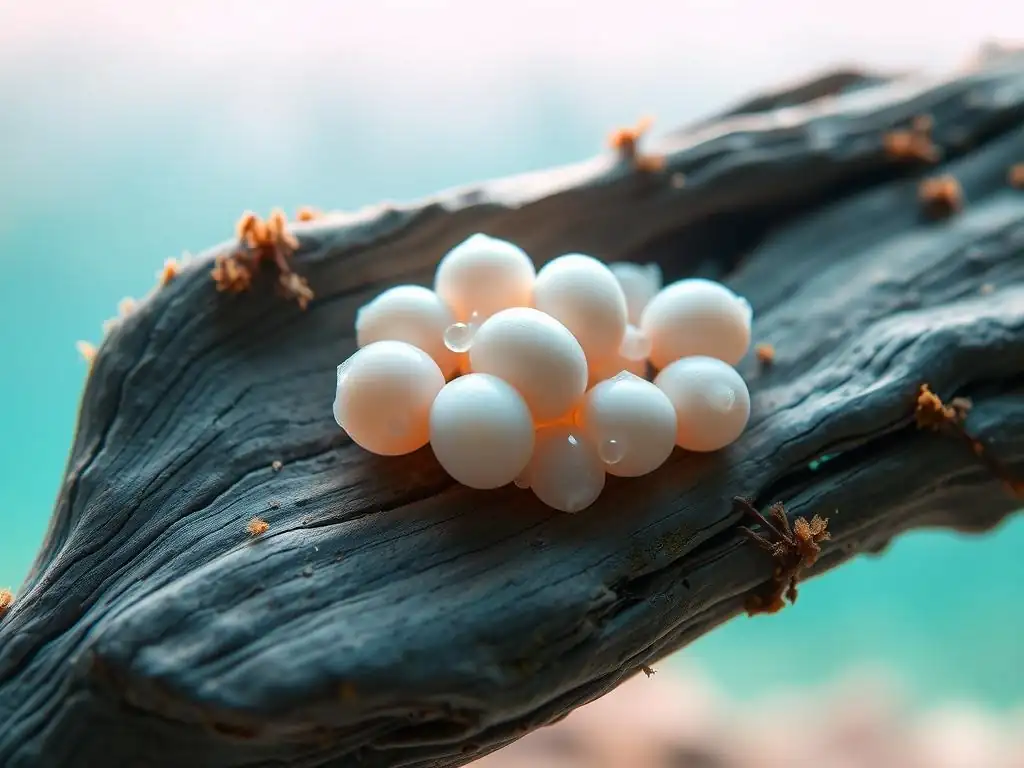
The breeding process in Bristlenose Plecos is fascinating to observe and begins with the male selecting and meticulously cleaning a chosen breeding cave. He will vigorously fan the cave entrance and interior, often vibrating his body to signal his readiness. Once the cave is prepared, he will attempt to entice a receptive female inside. The female, if ready to spawn, will enter the cave and begin to lay her adhesive, typically orange-yellow eggs in a cluster on the cave's inner surface.
Egg laying can take several hours, during which the male will remain close by, fertilizing the eggs as they are laid. Once all eggs are deposited, the female will leave the cave, and the male will take over all parental duties. He will diligently guard the eggs, fanning them continuously with his fins to ensure proper oxygenation and to prevent fungal growth. He will rarely leave the cave for the entire incubation period, which typically lasts 4-7 days depending on water temperature.
Caring for Bristlenose Pleco Eggs: Incubation and Protection
The male Bristlenose Pleco is an exemplary parent, making the incubation of eggs relatively straightforward for the hobbyist. His constant fanning provides vital oxygen to the developing embryos and helps deter fungal infections. In most cases, it is best to leave the eggs with the male in the breeding cave, as his natural care significantly increases the chances of a successful hatch. Disturbing him or the eggs can cause stress, potentially leading to the male abandoning or even consuming the eggs.
However, in situations where the male is known to eat eggs, or if you wish to maximize fry survival in a community setting, eggs can be carefully removed with the cave and placed in a separate incubation container. This container should have an air stone placed near the eggs to mimic the male's fanning, ensuring oxygenation. A small amount of methylene blue can be added to the water to prevent fungal growth, and the water parameters should match those of the breeding tank precisely.
Monitoring Egg Development: Signs of Healthy Embryos
Observing the development of Bristlenose Pleco eggs can be a rewarding experience. Healthy eggs are typically bright orange to amber in color and appear translucent, allowing you to eventually see the developing embryos within. As the days progress, you will notice tiny black dots forming inside the eggs; these are the developing eyes of the fry. This is a clear indication that the embryos are viable and progressing well.
Conversely, eggs that turn white or cloudy are usually infertile or have succumbed to fungus. These eggs should be promptly removed, either by the male himself (who often does this instinctively) or carefully by the hobbyist using tweezers or a pipette, to prevent the spread of fungus to healthy eggs. At a temperature of 78-80°F (25.5-26.5°C), hatching typically occurs within 4 to 7 days, at which point the tiny fry will emerge with a visible yolk sac.
Raising Bristlenose Pleco Fry: A Comprehensive Guide
First Foods for Bristlenose Pleco Fry: Nutritional Needs
Bristlenose Pleco fry hatch with a relatively large yolk sac, which provides them with initial nourishment for the first 2-4 days. During this period, they are not free-swimming and typically remain clustered together, often still within or near the breeding cave. Once the yolk sac is fully absorbed, they will become free-swimming and actively seek food, making it crucial to have appropriate first foods readily available for your Pleco breeding aquarium setup guide.
Excellent first foods include blanched zucchini, cucumber, or spinach, which can be weighted down to sink. Finely crushed spirulina flakes or specialized fry foods are also highly beneficial. Biofilm that naturally grows on driftwood and tank surfaces is an essential food source, so ensure your tank has established driftwood. Feed small amounts multiple times a day (3-5 times) to ensure constant access to food, as fry have high metabolic rates and need continuous grazing opportunities.
Maintaining Water Quality for Growing Fry
Maintaining pristine water quality is absolutely critical for the survival and healthy growth of Bristlenose Pleco fry, as they are highly sensitive to pollutants. Due to frequent feeding and the high bioload of numerous growing fry, daily small water changes are often necessary. Performing 10-15% water changes using temperature-matched, dechlorinated water helps to keep ammonia, nitrite, and nitrate levels at a minimum, ideally with nitrates below 10-20 ppm.
A gentle sponge filter is ideal for a fry grow-out tank, as it provides biological filtration without creating strong currents that could exhaust or injure the tiny fry. Avoid strong power filters or hang-on-back filters with exposed intakes, which can easily suck in fry. Regularly test water parameters (ammonia, nitrite, nitrate, pH) to catch any issues early. A clean, stable environment is the most important factor in preventing fry mortality and promoting robust growth.
Preventing Common Diseases in Bristlenose Pleco Fry
Bristlenose Pleco fry are generally hardy, but they are susceptible to diseases, primarily those stemming from poor water quality. The most common issues include bacterial infections, often manifesting as fin rot or general lethargy, and stress-related illnesses. Overfeeding, which leads to decaying food and elevated ammonia/nitrite, is a leading cause of these problems.
To prevent diseases, strict adherence to regular, small water changes and meticulous tank cleanliness is paramount. Ensure that the fry have constant access to appropriate food, but avoid overfeeding. Providing ample hiding spots (small PVC pipes, leaf litter, or dense plant cover) can reduce stress. Maintaining stable water parameters and avoiding sudden temperature fluctuations also helps bolster their immune systems, ensuring the best possible outcome for your Pleco breeding aquarium setup guide.
Troubleshooting Common Bristlenose Pleco Breeding Problems
Addressing Infertility Issues in Bristlenose Plecos
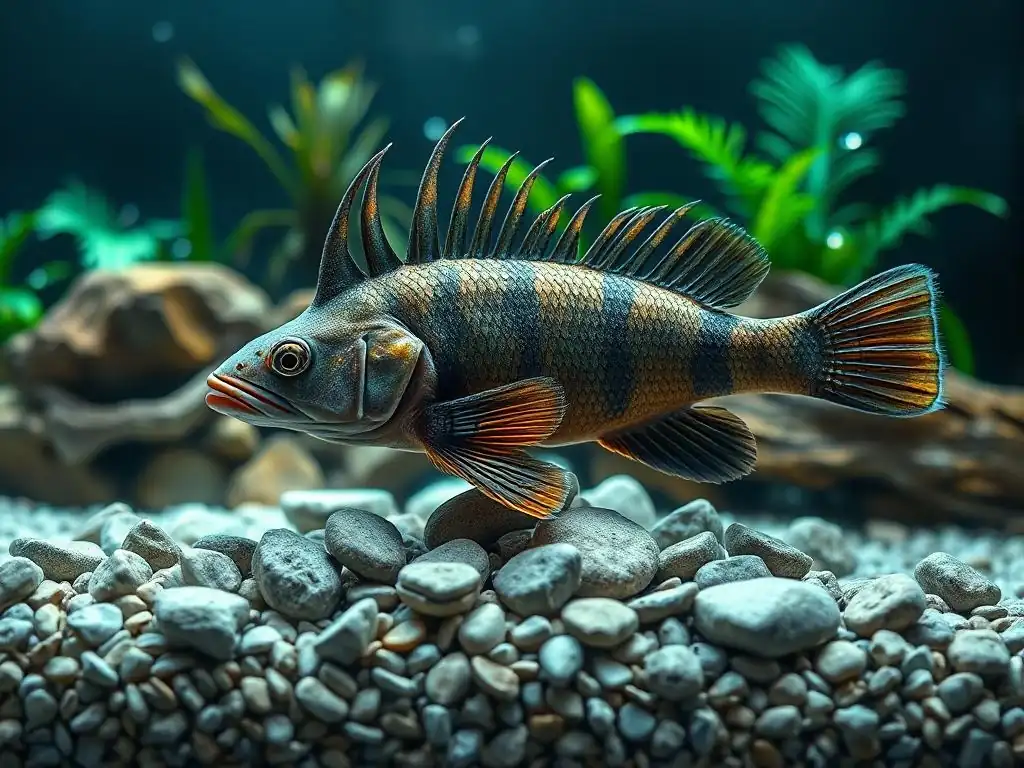
If your Bristlenose Plecos are not breeding despite providing a suitable Pleco breeding aquarium setup guide, several factors could be at play regarding infertility. First, verify the sex and maturity of your fish; Bristlenose Plecos typically become sexually mature around 1-2 years of age. Ensure you have a confirmed male and at least one, preferably two or three, females to maximize breeding chances and distribute the male's attention. Sometimes, a specific pair may simply be incompatible, and introducing a new mate can resolve the issue.
Secondly, re-evaluate your breeding triggers. Are you performing consistent, cool water changes to simulate the rainy season? Is their diet rich and varied, with sufficient protein? Sometimes, a lack of proper conditioning or insufficient food can prevent females from developing eggs. Lastly, consider the breeding caves; sometimes, changing the material, size, or placement of the cave can make a significant difference, as males can be particular about their chosen nesting site.
Dealing with Egg Fungus and Other Diseases
Egg fungus is a common challenge in Bristlenose Pleco breeding, appearing as white, fuzzy growth on the eggs. It typically indicates either infertile eggs, which are more susceptible to fungal attack, or insufficient water circulation around the egg clutch. A healthy male Bristlenose will diligently fan the eggs and remove any infertile or fungused ones. If the male is not performing this duty, or if you are artificially incubating eggs, intervention may be necessary.
To prevent fungus, ensure strong, consistent water flow around the eggs (mimicking the male's fanning) and maintain impeccable water quality. If incubating eggs separately, a very mild dose of methylene blue can be added to the water as an antifungal agent. For adult fish diseases, prompt diagnosis and treatment in a quarantine tank are essential. Issues like fin rot or bacterial infections often stem from poor water quality, so addressing the underlying cause is paramount.
Preventing Fry Mortality: Tips and Tricks
High fry mortality is a disheartening problem for breeders, but it's often preventable with careful husbandry. The two primary causes of fry death are starvation and poor water quality. To combat starvation, ensure that appropriate first foods (blanched vegetables, spirulina powder, finely crushed algae wafers) are consistently available from the moment the yolk sac is absorbed. Bristlenose fry are grazers and need constant access to food.
For water quality, perform frequent, small water changes (e.g., 10-15% daily or every other day) to keep ammonia, nitrite, and nitrate levels extremely low. Use a gentle sponge filter to avoid strong currents and prevent fry from being sucked into the filter. Maintaining stable temperature and pH, and providing ample hiding spots (small PVC pipes, driftwood, plants) to reduce stress, will significantly improve fry survival rates and contribute to a successful Pleco breeding aquarium setup guide.
Maintaining a Healthy Bristlenose Pleco Breeding Colony
Long-Term Care for Breeding Bristlenose Plecos
Maintaining a healthy Bristlenose Pleco breeding colony requires consistent long-term care that goes beyond just triggering spawns. Breeding can be taxing on the adult fish, especially the male who rigorously guards the eggs for days without eating. Therefore, providing a continuous, high-quality, and varied diet is crucial, including both plant-based foods (algae wafers, blanched vegetables) and occasional protein supplements (bloodworms, brine shrimp) to replenish their energy reserves.
Regular water changes (25-30% weekly) remain essential to maintain optimal water parameters, preventing the buildup of nitrates and ensuring overall fish health. It's also important to monitor the breeding males for signs of stress or exhaustion; if a male is spawning too frequently, consider providing him with a rest period. Ensure ample breeding caves are available to prevent competition and aggression among males, contributing to a harmonious and productive Pleco breeding aquarium setup guide.
Managing Population Growth in Your Aquarium
Bristlenose Plecos are prolific breeders, with a healthy pair capable of producing 20-50 fry every 4-6 weeks. Without a plan for the offspring, your aquarium can quickly become overstocked, leading to significant challenges such as deteriorating water quality, stunted growth of the fish, increased aggression, and ultimately, a decline in overall fish health. Responsible breeding necessitates a strategy for managing this population growth.
Before embarking on a Pleco breeding aquarium setup guide, consider your options for the fry. Many hobbyists sell them to local fish stores, offer them to other aquarists through local fish clubs or online forums, or even set up dedicated grow-out tanks. Having a clear plan ensures that all fry receive proper care and find good homes, preventing the ethical dilemma of overpopulation and ensuring the well-being of your entire colony.
Ethical Considerations for Bristlenose Pleco Breeding
Ethical considerations are paramount in the aquarium hobby, especially when breeding. Before you begin breeding Bristlenose Plecos, it's crucial to have a responsible plan for the offspring. Breeding fish simply for the sake of it, without considering the capacity to house or rehome the resulting fry, can lead to neglect, suffering, and ultimately, the premature death of fish due to overcrowding and poor conditions.
Strive to breed healthy, genetically diverse fish. Avoid continuous inbreeding, which can lead to weakened immune systems, deformities, and reduced fertility over generations. Share your knowledge and promote responsible breeding practices within the hobby. By adhering to these ethical guidelines, you contribute positively to the welfare of these fascinating creatures and the sustainability of the aquarium hobby, making your Pleco breeding aquarium setup guide a model of responsibility.
Conclusion: Mastering Bristlenose Pleco Breeding for the Aquarium Hobbyist
The Future of Bristlenose Pleco Breeding in the Aquarium Hobby
Bristlenose Pleco breeding continues to be a cornerstone of the freshwater aquarium hobby, valued for their effective algae control and diverse, attractive morphs. The future of Pleco breeding aquarium setup guide will likely see an increased focus on sustainable practices, further reducing reliance on wild-caught specimens and promoting genetic diversity within captive populations. As hobbyists become more experienced, there's a growing interest in line breeding for specific traits, such as unique patterns, intense coloration, or desirable finnage.
Advancements in nutrition and water management techniques will also contribute to higher success rates and healthier fish. The community aspect, through online forums and local clubs, will continue to play a vital role in sharing knowledge and fostering innovation in breeding techniques. This ensures the long-term health, availability, and continued fascination with these remarkable catfish for generations of aquarists to come.
Resources for Advanced Bristlenose Pleco Breeding Techniques
For hobbyists seeking to master advanced Bristlenose Pleco breeding techniques, a wealth of resources is available. Engaging with specialized online forums and local aquarium clubs dedicated to plecos or catfish provides invaluable peer-to-peer knowledge sharing, often covering nuanced aspects like specific morph genetics, advanced fry rearing challenges, or unique spawning triggers observed by experienced breeders.
Consulting scientific papers and comprehensive books focused on Loricariidae species can offer deeper insights into their biology, specific water chemistry requirements, and dietary nuances for various Ancistrus species. Many reputable breeders also offer detailed care sheets and personal insights on their websites or social media. These advanced resources can significantly enhance your existing Pleco breeding aquarium setup guide, helping you refine your techniques and achieve even greater success in breeding these captivating fish.
Frequently Asked Questions
How much space do Plecos need for successful breeding?
Plecos require a spacious aquarium to breed successfully. A minimum of 30 gallons is recommended for smaller species, while larger species need much more – often 75 gallons or more.
What are the ideal water parameters for a Pleco breeding aquarium?
Maintaining stable and optimal water parameters is crucial. Aim for a pH between 6.5 and 7.5, a temperature around 78-82°F (25-28°C), and ensure excellent water quality through regular water changes.
What type of caves or breeding sites are best for Plecos?
Plecos typically breed in caves or enclosed spaces. Provide a variety of options, such as slate caves, ceramic caves, or PVC pipes, to allow them to choose their preferred breeding site.
What should I feed my Plecos to encourage breeding?
A varied and nutritious diet is key. Offer a mix of algae wafers, vegetables (like zucchini and cucumber), and protein-rich foods like bloodworms or blackworms to stimulate breeding behavior.
How often should I perform water changes in a Pleco breeding aquarium?
Regular water changes are essential for maintaining water quality. Perform 25-50% water changes at least once a week, or even more frequently if the tank is heavily stocked, to remove excess waste and nitrates.
Okay, here's a final reflection designed to close your "Breeding Plecos at Home: Aquarium Mastery's Comprehensive Guide" article, optimized for emotional connection and future impact, while keeping the "Pleco breeding aquarium setup guide" keyword in mind:
The journey into breeding plecos, as detailed in this guide, is more than just a technical exercise; it's a testament to our ability to replicate and nurture life within the confines of our homes. The intricate details of water parameters, tank setups, and feeding regimes ultimately highlight the profound connection we can forge with the natural world, even in miniature.
This endeavor, the creation of a thriving ecosystem for these fascinating creatures, resonates deeply with our innate desire to understand and contribute to the cycle of life. In every walk with nature, one receives far more than he seeks.
- John Muir. This quote encapsulates the unexpected rewards and profound satisfaction that come from patiently observing and actively participating in the delicate dance of life within our aquariums.
Now, armed with this "Pleco breeding aquarium setup guide," I invite you to consider the broader implications of your actions. Reflect on the responsibility you undertake when bringing life into this world, and the joy you can derive from fostering its growth. May your tanks flourish, your plecos thrive, and your journey into aquarium mastery be filled with wonder and discovery.
Unlock the Secrets to Pleco Breeding Success!
Thank you for diving into the world of pleco breeding with Aquarium Mastery! We hope this guide has illuminated the path to successfully raising these fascinating fish. Now it's time to put that knowledge into action.
Here are some ways to continue your pleco breeding journey:
- Start your pleco breeding project: Dedicate a separate tank and apply the conditions outlined in the article to encourage spawning. Monitor water parameters and observe pleco behavior closely.
- Share your newfound knowledge:Engage in aquarium communities! Share insights on your preferred pleco species.
- Explore further: Dive into Aquarium Mastery's advanced breeding techniques.
What specific challenges are you anticipating in your pleco breeding setup, and how will you address them?