
From Spawning Mops to Fry Care: Your Comprehensive Cherry Barb Breeding Manual

Welcome to Aquarium Mastery!
Ever wondered how to unlock the secrets of Cherry Barb breeding and witness the miracle of life in your own tank? Dive in! This comprehensive guide reveals everything you need to know, from setting up the perfect spawning environment to successfully raising healthy fry. Are you ready to transform your aquarium into a thriving haven for these vibrant little fish? Let's get started!
- Understanding Cherry Barb Breeding: An Introduction
- Preparing Your Cherry Barbs for Breeding
- Cherry Barb Spawning: The Process Explained
- Cherry Barb Fry Care: Raising Healthy Young
- Advanced Cherry Barb Breeding Techniques
- Conclusion: Mastering Cherry Barb Reproduction
- Frequently Asked Questions
- Final Reflection: The Enduring Cycle of Life
- Nurture New Life: Begin Your Cherry Barb Breeding Journey!
Understanding Cherry Barb Breeding: An Introduction
Why Breed Cherry Barbs? Benefits and Considerations
Breeding Cherry Barbs ( Puntius titteya) offers a deeply rewarding experience for aquarists of all levels. These vibrant, peaceful fish are a popular choice for community tanks due to their striking reddish-orange coloration in males and their active, yet non-aggressive, schooling behavior. Successfully breeding them provides immense personal satisfaction, allowing enthusiasts to witness the intricate life cycle of these fascinating cyprinids from egg to adult. It also offers a deeper understanding of fish biology, behavior, and the delicate balance required for aquatic ecosystems.
Beyond the personal fulfillment, breeding Cherry Barbs can be economically beneficial. A healthy, well-maintained breeding colony can produce dozens to hundreds of fry per spawn, potentially offsetting the cost of fish food and supplies or even generating a small income by selling excess fish to local fish stores or fellow hobbyists. For instance, a single well-conditioned female can lay between 100 to 300 eggs in one spawning session. This prolific nature, combined with their relatively straightforward breeding requirements compared to some other species, makes them an excellent choice for a beginner's cherry barb breeding guide.
Cherry Barb Breeding Guide: Is It Right for You?
Embarking on a cherry barb breeding project requires commitment, patience, and a willingness to learn. While Cherry Barbs are considered relatively easy to breed, success is not guaranteed without proper preparation and consistent care. Consider whether you have the necessary time to dedicate to daily water changes, multiple feedings for fry, and constant monitoring of water parameters. A typical breeding cycle, from conditioning to raising fry to a marketable size, can take 2-3 months.
Furthermore, ensure you have adequate space. While the breeding tank itself can be small (e.g., 5-10 gallons), you'll need separate grow-out tanks for the fry as they develop, especially if you plan to raise a large number. Access to specific live or specialized fry foods, such as infusoria and newly hatched brine shrimp, is also crucial. If you are prepared for these commitments, then delving into a comprehensive cherry barb breeding guide will be a rewarding journey.
Preparing Your Cherry Barbs for Breeding
Selecting Healthy Cherry Barb Breeding Stock
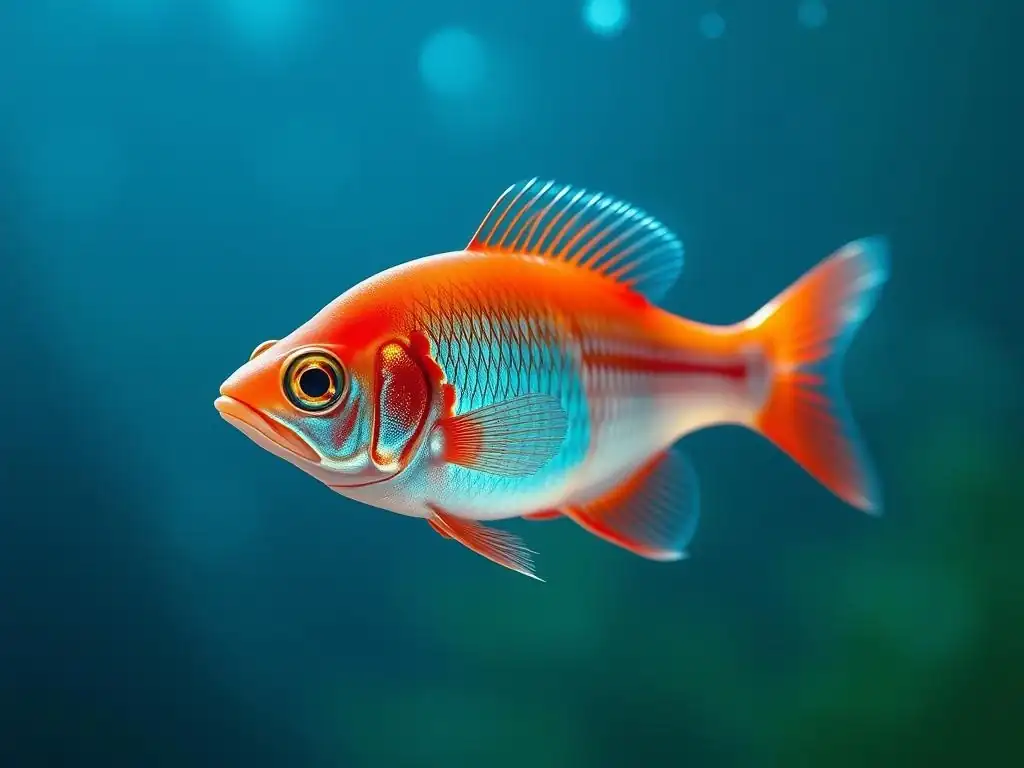
The foundation of any successful cherry barb breeding guide lies in choosing robust and healthy parent fish. Select individuals that are approximately 6 to 8 months old, as they are typically at their peak reproductive prime. Look for active, alert fish with vibrant coloration, particularly the males whose red hues intensify when they are in prime condition. Their fins should be fully intact, and their bodies should be free of any visible signs of disease, such as white spots (ich), fungal growths, or clamped fins.
Observe their behavior; healthy fish will swim actively and exhibit natural schooling patterns. Avoid fish that appear lethargic, have faded colors, or show any deformities. Sourcing your breeding stock from a reputable local fish store or directly from another hobbyist known for healthy fish can significantly improve your chances of success. Aim for a ratio of two females for every male to distribute the male's attention and reduce stress on individual females during spawning.
Sexing Cherry Barbs: Identifying Males and Females
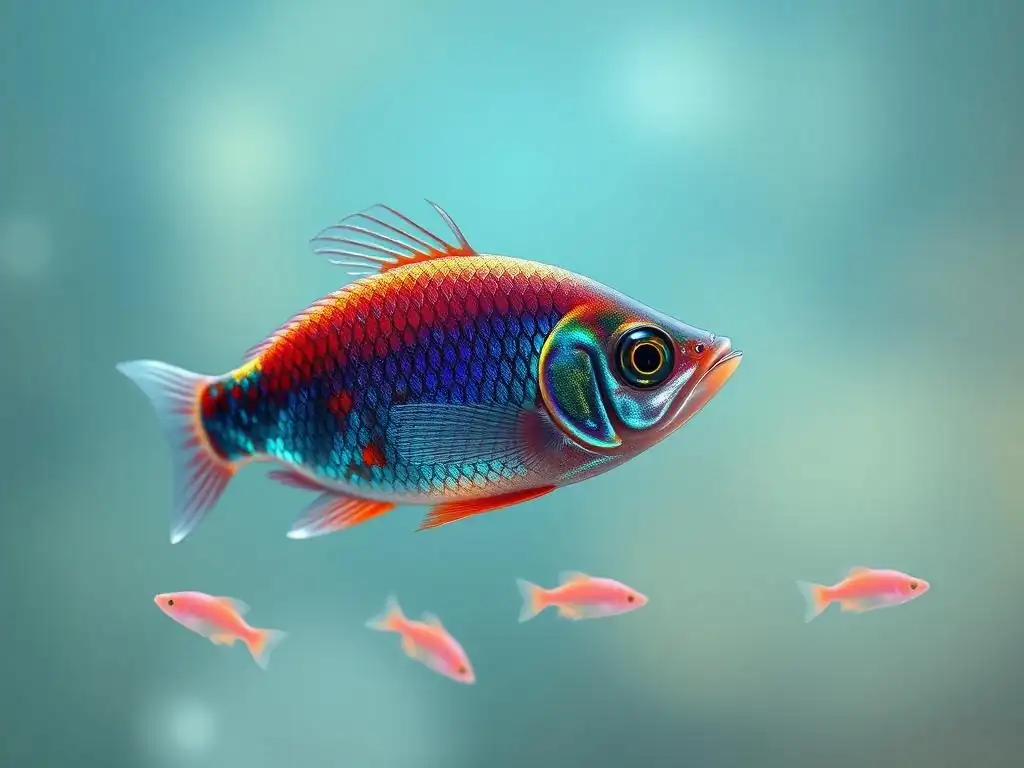
Accurately distinguishing between male and female Cherry Barbs is a critical step in setting up your breeding pair or trio. Males are typically more slender and display a much more intense, vibrant red coloration, especially when they are mature and ready to spawn. Their fins, particularly the dorsal and anal fins, may also be more pointed or elongated. During courtship, the male's colors will become even more striking as he attempts to attract a female.
Females, on the other hand, are generally rounder and plumper in the body, particularly when they are gravid (carrying eggs). Their coloration is usually a duller orange or brownish-red compared to the fiery red of the males. Observing these distinct differences in body shape and coloration is essential for any aspiring cherry barb breeding guide. When viewed from above, a gravid female will appear noticeably wider and fuller, a clear indication she is ready for spawning.
Setting Up a Dedicated Cherry Barb Breeding Tank
A dedicated breeding tank provides a controlled environment crucial for maximizing egg yield and fry survival. This isolation prevents other fish from preying on eggs or fry and allows for precise control over water parameters.
Optimal Tank Size for Breeding Cherry Barbs
For a single breeding pair or a trio (one male, two females) of Cherry Barbs, a small tank of 5 to 10 gallons (approximately 19 to 38 liters) is ideal. A 10-gallon tank provides ample space without being excessively large, which makes it easier to locate and collect the tiny eggs. The compact size also allows for easier maintenance of precise water parameters and simplifies the process of feeding the microscopic fry in their initial stages.
Using a smaller tank for breeding also minimizes the volume of water that needs to be maintained and changed, which is particularly beneficial when dealing with delicate fry. While a larger tank can technically be used, the increased water volume can dilute spawning pheromones, make egg collection more challenging, and increase the risk of fry being eaten by parents if not removed promptly.
Water Parameters for Successful Cherry Barb Spawning
Cherry Barbs prefer soft, slightly acidic water for optimal spawning. Aim for a pH range of 6.0 to 6.8, and a general hardness (GH) between 3 to 8 dGH (approximately 50-140 ppm). The water temperature should be stable and maintained between 75-79°F (24-26°C). Consistency in these parameters is paramount, as sudden fluctuations can stress the fish and inhibit spawning.
To achieve these conditions, many breeders use a mix of reverse osmosis (RO) water with a small amount of tap water (treated with a dechlorinator) or specialized mineral supplements to reach the desired hardness. Aged tap water that has been allowed to sit for 24-48 hours can also be effective, as it allows chlorine to dissipate and helps stabilize the pH. A successful cherry barb breeding guide always emphasizes stable, pristine water.
Essential Equipment for a Cherry Barb Breeding Setup
Several key pieces of equipment are necessary for a dedicated cherry barb breeding setup. First, a spawning mop, made from synthetic yarn or fine-leaved live plants like Java moss ( Taxiphyllum barbieri) or Anacharis ( Egeria densa), is essential. These provide a substrate for the barbs to scatter their adhesive eggs. The mop should be loosely bundled and weighted to sink.
Second, a gentle filtration system, such as a sponge filter, is crucial. Sponge filters provide biological filtration without creating strong currents that could harm delicate eggs or fry. A reliable heater and thermometer are also vital to maintain the consistent temperature required for successful spawning and egg development. Some breeders also use a layer of plastic egg crate or mesh at the bottom of the tank, raised slightly, to allow eggs to fall through and prevent parents from eating them immediately after spawning. Dim lighting is often preferred during the spawning process.
Conditioning Cherry Barbs for Spawning: Diet and Environment
Proper conditioning is vital to encourage your Cherry Barbs to spawn. For 1-2 weeks leading up to the intended breeding period, feed your selected breeding stock a high-quality, varied diet rich in protein. Live foods such as bloodworms, daphnia, and newly hatched brine shrimp are excellent choices as they provide essential nutrients and mimic natural prey, stimulating the fish's reproductive instincts. If live foods are unavailable, frozen alternatives or high-quality flake and pellet foods specifically formulated for tropical fish can be used.
Environmental cues can also trigger spawning. Simulating the onset of the rainy season, which often prompts fish to breed in the wild, can be effective. This can be achieved by performing daily small (10-20%) water changes with slightly cooler water (2-3 degrees Fahrenheit lower than the tank temperature) over several days. Gradually increasing the temperature back to 78-79°F (25.5-26°C) after this "cooling" period, combined with slightly dim lighting, can further encourage the fish to spawn.
Cherry Barb Spawning: The Process Explained
Introducing Your Cherry Barbs to the Breeding Tank
Once your dedicated breeding tank is set up and its water parameters are stable and optimal, it's time to introduce your conditioned Cherry Barbs. The best time to introduce them is typically in the evening, after the main tank lights have been turned off. This allows the fish to acclimate to their new surroundings in a less stressful, dimly lit environment. A common practice is to introduce one male and two females, as this ratio helps distribute the male's attention and reduces potential stress on a single female.
Acclimate the fish slowly to the breeding tank's water parameters. A drip acclimation method, where water from the breeding tank is slowly dripped into the bag containing the fish over 30-60 minutes, is highly recommended. This minimizes shock from sudden changes in pH, temperature, or hardness. Once acclimated, gently release them into the breeding tank, and then dim the lights or turn them off completely for the night.
Observing Spawning Behavior: What to Look For
Spawning usually occurs in the early morning hours, often shortly after the lights come on or as dawn breaks. You'll notice a distinct change in the male's behavior; his red coloration will become incredibly intense, and he will actively chase the females, nudging them towards the spawning mop or plants. The females, particularly the gravid ones, will appear noticeably plumper and may seek refuge in the spawning material.
The actual spawning process involves the male and female swimming side-by-side, often quivering and pressing against each other within the spawning material. During these embraces, the female will release small, clear, adhesive eggs, which the male immediately fertilizes with his milt. This process can be repeated numerous times over several hours, with eggs being scattered throughout the chosen substrate. Observing these behaviors is a key part of any comprehensive cherry barb breeding guide.
The Spawning Process: Egg Laying and Fertilization
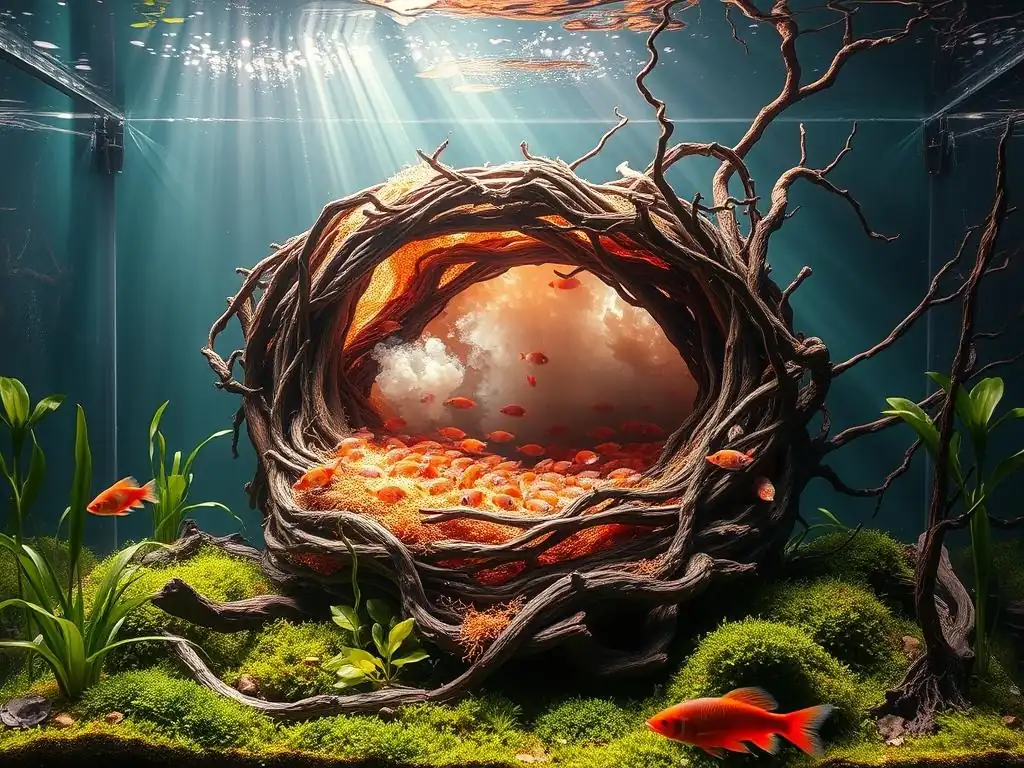
Cherry Barbs are egg scatters, meaning they do not build nests or provide parental care. Instead, they release their eggs freely into the water column, where they adhere to plants or spawning mops. A healthy, well-conditioned female can lay anywhere from 100 to 300 eggs in a single spawning session. The eggs are typically small, clear, and slightly adhesive, making them stick to the fine fibers of a spawning mop or the leaves of plants like Java moss.
As the female expels the eggs, the male simultaneously releases his milt (sperm) to fertilize them externally. This rapid, repeated action ensures a high fertilization rate. The entire spawning process can last for several hours, with the pair taking short breaks between bouts of egg laying. After the spawning is complete, you will notice tiny, clear spheres among the spawning material.
Removing the Parent Barbs After Spawning
Cherry Barbs, like many other cyprinids, are notorious egg eaters. Once the spawning process is complete, or even if you observe a significant number of eggs, it is crucial to remove the parent fish from the breeding tank immediately. Leaving them in the tank, even for a short period, will result in most, if not all, of the eggs being consumed. This step is perhaps the most critical for maximizing the survival rate of your potential fry.
Carefully net the parent fish and return them to their main display tank or a separate recovery tank. Once the parents are removed, it's advisable to dim the lights in the breeding tank or cover it partially. Cherry Barb eggs are somewhat light-sensitive, and dim conditions can improve hatching rates and reduce stress on the developing embryos. The eggs will typically hatch within 24 to 48 hours, depending on the water temperature.
Cherry Barb Fry Care: Raising Healthy Young
The First Days: Infusoria and Liquid Fry Food
Cherry Barb eggs typically hatch within 24 to 48 hours at a temperature of 78°F (25.5°C). The newly hatched fry are incredibly tiny, almost microscopic, and initially survive on their yolk sac for the first 2-3 days. Once they become free-swimming and their yolk sacs are absorbed, they will require their first food. At this stage, their mouths are too small to accept anything but the finest particles.
Infusoria, which are microscopic protozoa, are the ideal first food for Cherry Barb fry. You can culture infusoria yourself using decaying lettuce or purchase commercial infusoria cultures. Alternatively, specialized liquid fry foods designed for egg-laying fish can be used. Feed tiny amounts 3-5 times a day, ensuring not to overfeed, as uneaten food will quickly foul the water and can lead to high mortality rates. This initial feeding phase is a delicate but vital component of any cherry barb breeding guide.
Transitioning to Larger Foods: Baby Brine Shrimp and Microworms
After approximately 5 to 7 days, or when the Cherry Barb fry are visibly larger and more active, they will be ready to transition to slightly larger food sources. Newly hatched baby brine shrimp are an excellent next step. They are highly nutritious, stimulate rapid growth, and their jerky swimming motion attracts the fry's attention, encouraging them to feed. Microworms are another fantastic option, providing a similar nutritional boost.
Continue to feed small, frequent meals throughout the day. Observe the fry after feeding; their bellies should appear slightly rounded, indicating they have eaten. Avoid introducing foods that are too large for their mouths, as this will lead to starvation. As the fry grow, which can be quite rapidly with proper feeding, they can eventually be transitioned to finely crushed high-quality flake food at around 2-3 weeks of age.
Maintaining Water Quality in the Fry Tank
Pristine water quality is absolutely paramount for the survival and healthy development of Cherry Barb fry. Due to their high metabolism and the frequent small feedings, ammonia and nitrite can quickly build up, becoming toxic.
Water Changes for Cherry Barb Fry
Daily small water changes are essential for fry tanks. Aim for 10-20% of the tank volume each day. Use an airline tube or a small siphon to carefully remove water from the bottom of the tank, being extremely cautious not to accidentally suck up any fry. Replenish the water with aged, temperature-matched water that has been treated with a dechlorinator. Maintaining stable water parameters (pH 6.5-7.0, GH 4-10 dGH) is critical, as sudden shifts can be fatal to the delicate fry.
Regular water changes dilute waste products, replenish essential minerals, and introduce fresh oxygen, all of which contribute to a healthy environment for the growing fry. Neglecting daily water changes is one of the most common reasons for high fry mortality.
Avoiding Common Fry Diseases
Prevention is the best approach when it comes to fry diseases. The most common issues arise from poor water quality. 'Sudden death syndrome' often occurs due to rapid changes in water parameters or high levels of ammonia/nitrite. 'Shimmies,' where fry appear to tremble or struggle to swim, can be a sign of temperature fluctuations or stress. Fungal growth on unhatched eggs can also spread to healthy eggs or fry if not removed promptly.
Maintain impeccable tank cleanliness, remove any uneaten food immediately, and ensure stable water temperature and parameters. Overfeeding is a major contributor to poor water quality, so feed sparingly but frequently. Regular observation for any signs of distress, abnormal swimming, or physical changes can help in early detection and intervention, though treatment options for tiny fry are often limited.
Growth and Development: Monitoring Your Cherry Barb Fry
With consistent feeding and diligent water quality management, Cherry Barb fry will grow at a noticeable rate. Within 2-3 weeks, they will be significantly larger and more robust, capable of consuming finely crushed flake food or small pellets. At this stage, their body shape will begin to resemble miniature versions of the adult fish, though their coloration will still be muted.
By 4-6 weeks of age, the fry will be robust enough to be moved to a larger grow-out tank if the breeding tank becomes too crowded. This prevents stunting and ensures continued healthy development. Continue to provide a varied diet and maintain excellent water quality in the grow-out tank. Cherry Barbs typically reach sexual maturity and full adult coloration around 6 months of age, at which point they can be introduced to a community tank or used for further breeding.
Advanced Cherry Barb Breeding Techniques
Increasing Spawning Success Rates
To consistently achieve high spawning success rates with Cherry Barbs, several advanced techniques can be employed. A "cooling period" for your breeding stock in their main tank for a few days, dropping the temperature by a couple of degrees (e.g., to 72°F / 22°C), followed by a gradual increase to 78-79°F (25.5-26°C) in the breeding tank, can effectively mimic natural seasonal changes that trigger spawning. Combining this temperature shift with daily small, cool water changes in the breeding tank can simulate rainfall, a strong spawning cue.
Additionally, ensuring total darkness during the night cycle in the breeding tank can encourage morning spawning, as Cherry Barbs often spawn at dawn. Consistent feeding of high-quality, protein-rich live foods for several weeks prior to introduction to the breeding tank is paramount, as well as maintaining soft, slightly acidic water parameters that closely match their natural breeding habitat. Some breeders find that adding a small amount of Indian almond leaves to the breeding tank can help create a more natural, slightly acidic environment and potentially reduce fungal growth on eggs.
Managing Multiple Broods
Cherry Barbs are prolific breeders and, with proper conditioning, can spawn every 7 to 10 days. Managing multiple broods requires careful planning and additional resources. The primary challenge is preventing cannibalism among different-sized fry; older, larger fry will readily consume smaller, newly hatched fry. To mitigate this, it's essential to separate fry by size into different grow-out tanks as they develop.
One effective strategy is to stagger your breeding pairs. For instance, breed one pair and allow them to spawn. Once the eggs hatch and fry are free-swimming, condition a second pair to spawn a week later. This approach distributes the workload of fry care, ensuring that you are not overwhelmed by hundreds of fry needing simultaneous attention. Having multiple dedicated fry tanks of varying sizes is crucial for successful multi-brood management.
Dealing with Common Breeding Problems
Even with the most meticulous planning, breeders can encounter challenges. Understanding how to address common issues is key to a successful cherry barb breeding guide.
Infertile Eggs and Hatching Issues
One common problem is infertile eggs, which will turn opaque and white, often developing a fuzzy, fungal growth. These eggs should be removed immediately with a pipette to prevent the fungus from spreading to healthy, fertile eggs. Causes of infertility can include immature males, poor water quality, insufficient conditioning of the parents, or unsuitable water parameters during spawning. Ensuring your breeding stock is at their prime age (6-8 months) and well-conditioned is vital.
If eggs fail to hatch, double-check your water parameters, particularly temperature and pH, as these influence embryonic development. Ensure adequate oxygenation in the breeding tank, as low oxygen can hinder hatching. In some cases, a very small, carefully measured amount of methylene blue can be added to the water to prevent fungal growth on fertile eggs, but use sparingly as it can stain the tank and is a medication.
Fry Mortality
High fry mortality is a disheartening but common issue. The leading causes are almost always related to poor water quality, lack of appropriate first foods, or rapid fluctuations in water temperature or parameters. Overfeeding, leading to ammonia spikes, is a particularly common culprit, as uneaten food rapidly decomposes. Ensure your sponge filter is working effectively and that any uneaten food is promptly siphoned out.
Another factor contributing to fry mortality is starvation. If the fry are not receiving enough of the correct size food (e.g., infusoria for the first few days, then baby brine shrimp), they will quickly perish. Observe your fry closely; if their bellies appear sunken, they are likely not getting enough to eat. Predation by snails or other small invertebrates (if present in the breeding tank) can also contribute to losses. Consistent, diligent daily care is the best defense against fry mortality.
Conclusion: Mastering Cherry Barb Reproduction
Continuing Your Cherry Barb Breeding Journey
Successfully breeding Cherry Barbs is a rewarding endeavor that deepens your understanding and appreciation for these beautiful fish. From the careful selection and conditioning of parent stock to the meticulous care of the delicate fry, each step in this cherry barb breeding guide contributes to the joy of seeing new life flourish in your aquarium. Don't be discouraged by initial setbacks; every attempt offers valuable learning experiences that will refine your techniques.
Maintain detailed records of your breeding attempts, noting water parameters, feeding schedules, spawning dates, and fry survival rates. This data will be invaluable for future spawns, allowing you to identify optimal conditions and troubleshoot issues more effectively. The journey of mastering Cherry Barb reproduction is continuous, filled with opportunities for observation, adaptation, and immense satisfaction.
Resources for Further Learning about Cherry Barb Care
To further enhance your knowledge and skills in Cherry Barb care and breeding, a wealth of resources is available. Reputable online forums and dedicated aquarium hobbyist websites often host experienced breeders who share invaluable tips and personal insights. Specialized books on freshwater fish breeding or specific barb species can provide in-depth scientific and practical information.
Joining local aquarium clubs or societies offers a fantastic opportunity to connect with other aquarists, exchange experiences, and potentially acquire healthy breeding stock or rare variations. These communities can provide mentorship and support, helping you navigate challenges and celebrate successes. Continuous learning and engagement with the broader aquarist community are key to becoming a truly proficient Cherry Barb breeder.
Frequently Asked Questions
How do I identify male and female Cherry Barbs for breeding?
Male Cherry Barbs are typically more brightly colored (a vibrant cherry red) and slimmer than females. Females are rounder in the abdomen and have a less intense coloration.
What size tank is best for breeding Cherry Barbs?
A 10-20 gallon tank is generally suitable for breeding a small group of Cherry Barbs. This provides enough space for spawning and for the fry to grow without overcrowding. Ensure the tank is cycled and stable before introducing the breeding pair.
What are spawning mops, and why are they important for Cherry Barb breeding?
Spawning mops are artificial plants made of yarn or similar material that provide a safe place for Cherry Barbs to lay their eggs. They prevent the parents from eating the eggs and offer shelter for the fry.
What water parameters are ideal for Cherry Barb breeding?
Maintain a water temperature of 75-80°F (24-27°C), a pH of 6.0-7.0, and soft water (GH of 4-8 dGH). Perform regular water changes to maintain excellent water quality.
How do I care for Cherry Barb fry after they hatch?
Feed the fry infusoria or commercially available fry food. Gradually introduce powdered flake food as they grow larger. Maintain pristine water quality through frequent, small water changes.
Final Reflection: The Enduring Cycle of Life
The journey from understanding the nuances of spawning mops to mastering the art of fry care underscores a profound truth: life, in all its forms, is a delicate and intricate dance. What began as a practical guide to cherry barb breeding has revealed itself as a microcosm of the larger world, reflecting the dedication, patience, and understanding required to nurture growth and foster new beginnings.
This exploration into the world of cherry barbs has not only provided practical knowledge but has also deepened our appreciation for the interconnectedness of life. Witnessing the tiny fry emerge and thrive is a powerful reminder of the resilience and beauty inherent in nature. The best way to observe a fish is to become a fish.
- Jacques Cousteau. This quote encapsulates the immersive experience of understanding and caring for these creatures, pushing us to connect with the natural world on a deeper level.
Now, as you embark on your own journey into the world of cherry barb breeding, remember that you are not just raising fish; you are participating in a timeless cycle of life. Embrace the challenges, celebrate the successes, and allow the experience to enrich your understanding of the delicate balance that sustains us all. Let the lessons learned here inspire you to nurture growth and foster life, not just in your aquarium, but in all aspects of your world.
Nurture New Life: Begin Your Cherry Barb Breeding Journey!
Thank you for exploring the fascinating world of Cherry Barb breeding with us! We hope this guide has sparked your excitement and provided the knowledge you need to succeed. Now it's time to put that knowledge into action and experience the joy of raising your own vibrant Cherry Barbs.
- Start Setting Up Your Breeding Tank: Equip it with a spawning mop or fine-leaved plants to provide the perfect environment for your Cherry Barbs to thrive and lay their eggs. This is the most important action you can take now.
- Explore advanced feeding strategies: Research and implement live or frozen food options to condition your breeding pair for optimal spawning and fry growth.
- Share your experiences! Join our Aquarium Mastery community forum to connect with fellow enthusiasts, share your breeding progress, and ask any questions you may have.
What specific spawning mop design are you most excited to try in your breeding tank, and why?