
Fishless Cycling for Bettas: A Humane Start

Welcome to Aquarium Mastery, where your underwater dreams come to life!
Ever wondered how to create a thriving, safe haven for your Betta before they even arrive? Dive into our latest article, " Fishless Cycling for Bettas: A Humane Start," and unlock the secrets to establishing the perfect environment. Discover the crucial steps to a successful aquarium setup and ensure your Betta enjoys a long and healthy life. Eager to learn more about this vital process? Let's get started!
- Understanding Fishless Cycling: The Foundation for a Healthy Betta Tank
- Preparing for Your Betta Fishless Cycling Journey
- The Fishless Cycling Process: A Step-by-Step Guide for Betta Tanks
- Confirming a Successfully Cycled Betta Tank
- Introducing Your Betta to Their New, Cycled Home
- Troubleshooting Common Fishless Cycling Problems in Betta Tanks
- Maintaining a Cycled Betta Tank: Long-Term Health
- Advanced Fishless Cycling Techniques for Betta Enthusiasts
- Conclusion: A Healthy Start for Your Betta Through Fishless Cycling
-
Frequently Asked Questions
- How does fishless cycling benefit a Betta aquarium?
- What are the essential supplies needed for a fishless cycle in a Betta tank?
- How long does a typical fishless cycle take for a Betta tank?
- How do I know when my Betta tank is fully cycled using the fishless method?
- Can I speed up the fishless cycling process for my Betta aquarium?
- Final Reflection: Cultivating a Thriving Ecosystem
- Unleash the Power of a Perfect Betta Tank!
Understanding Fishless Cycling: The Foundation for a Healthy Betta Tank
What is Fishless Cycling and Why is it Crucial for Betta Health?
Fishless cycling is the process of establishing a colony of beneficial bacteria in an aquarium before introducing any fish. This involves adding an ammonia source to the tank, mimicking the waste products fish would produce. These bacteria then convert toxic ammonia and nitrite into less harmful nitrate, completing what is known as the nitrogen cycle. For Bettas, which are often more sensitive to poor water quality than commonly perceived, this preparatory step is not just beneficial but absolutely crucial for their long-term health and well-being.
The primary reason fishless cycling is vital for Betta health stems from the extreme toxicity of ammonia and nitrite. Even at low concentrations, these compounds can cause severe stress, irreversible gill damage, weakened immune systems, and ultimately, death. For instance, ammonia levels as low as 0.02 parts per million (ppm) can begin to cause stress in sensitive fish like Bettas, while concentrations above 0.5 ppm are often lethal over a period of days.
By completing a fishless cycle, you ensure that the biological filter is fully functional and capable of neutralizing these toxins immediately upon your Betta's introduction, providing a stable and safe environment right from day one. This comprehensive Bettas fishless cycling guide prioritizes their welfare.
The Nitrogen Cycle: A Simplified Explanation for Betta Keepers
The nitrogen cycle is a fundamental biological process that naturally occurs in healthy aquatic environments, breaking down organic waste. In an aquarium, this cycle relies on two primary types of beneficial bacteria: Nitrosomonas and Nitrobacter. When fish waste, uneaten food, or decaying plant matter break down, they release ammonia (NH3/NH4+). The Nitrosomonas bacteria then convert this highly toxic ammonia into another toxic compound called nitrite (NO2-).
Following this, Nitrobacter bacteria take over, converting the nitrite into nitrate (NO3-). While nitrates are significantly less toxic than ammonia or nitrite, they still accumulate over time and can become harmful at very high concentrations (e.g., above 40 ppm for Bettas). Regular partial water changes are essential to remove excess nitrates and prevent their buildup. Understanding this cycle is the cornerstone of responsible Betta fishkeeping, ensuring you maintain optimal water parameters for your aquatic companion.
Why Fishless Cycling is More Humane Than Fish-in Cycling for Bettas
Historically, some aquarists practiced "fish-in cycling," where a hardy fish was used to produce ammonia, thereby initiating the nitrogen cycle. However, this method subjects the fish to prolonged exposure to high levels of ammonia and nitrite, which is inhumane and often leads to severe health issues or even death. For Bettas, which, despite their reputation, are quite susceptible to environmental stress, fish-in cycling can be particularly detrimental. They may exhibit symptoms like clamped fins, rapid breathing, lethargy, loss of appetite, and susceptibility to diseases like fin rot.
In contrast, fishless cycling ensures that no living creature is subjected to toxic conditions during the establishment of the biological filter. This method allows the aquarist complete control over ammonia levels, preventing dangerous spikes and promoting a robust bacterial colony capable of handling a Betta's bioload from the moment it enters the tank.
Studies and anecdotal evidence from experienced aquarists consistently show that Bettas introduced to fully cycled tanks experience significantly less stress, exhibit healthier behaviors, and have a much higher long-term survival rate compared to those used in fish-in cycling processes. This Bettas fishless cycling guide is built on humane principles.
Preparing for Your Betta Fishless Cycling Journey
Essential Supplies for Fishless Cycling a Betta Tank
Embarking on a fishless cycling journey requires a few key pieces of equipment to ensure success and accuracy. First and foremost, you'll need the aquarium itself; a minimum of a 5-gallon tank is recommended for a single Betta to provide ample swimming space and stable water parameters. Alongside the tank, a reliable heater is crucial to maintain a consistent temperature, ideally between 78-82°F (25-28°C), as nitrifying bacteria thrive in warmer conditions, accelerating the cycling process.
You will also need a filter, which provides mechanical, chemical (optional), and most importantly, biological filtration – the surface area for beneficial bacteria to colonize. A liquid-based aquarium test kit (e.g., API Freshwater Master Test Kit) is indispensable for accurate readings of ammonia, nitrite, nitrate, and pH; test strips are generally less reliable. Finally, a source of pure ammonia (without surfactants or perfumes) or an ammonium chloride solution specifically designed for aquarium cycling, and a good quality water conditioner to neutralize chlorine and chloramines in tap water, complete your essential toolkit for this Bettas fishless cycling guide.
Setting Up Your Betta Tank for the Cycling Process
Proper tank setup is the first physical step in your fishless cycling process. Begin by thoroughly rinsing your chosen substrate (gravel, sand, or aqua soil) to remove any dust or debris. Then, install your filter, heater, and any desired decorations or live plants. Ensure that your filter media is suitable for biological filtration; porous materials like sponges, ceramic rings, or bio-balls provide excellent surface area for bacterial colonization.
Once the hardscape is in place, fill your aquarium with dechlorinated tap water. It's crucial to use a water conditioner that neutralizes both chlorine and chloramines, as these chemicals are lethal to beneficial bacteria. After filling, turn on your heater and filter. Allow the tank to run for at least 24 hours to stabilize the water temperature and allow the filter to establish a consistent flow, creating an optimal environment for the upcoming bacterial growth phase.
Choosing an Ammonia Source for Fishless Cycling
Selecting the correct ammonia source is paramount for a successful and controlled fishless cycle. The most recommended and efficient options are pure ammonia solutions or commercially prepared ammonium chloride solutions specifically formulated for aquarium cycling. When using pure ammonia from a hardware store, it is critical to ensure it contains no surfactants, dyes, or perfumes. A simple test is to shake the bottle; if it foams and the foam persists, it contains surfactants and is unsuitable. Look for ingredients that list only "ammonium hydroxide" or "ammonia."
Alternatively, ammonium chloride solutions, such as those offered by brands like Dr. Tim's Aquatics, are pre-measured and guaranteed to be safe for aquarium use, eliminating guesswork and potential contaminants. While some guides suggest using fish food to generate ammonia, this method is less controlled, can lead to decaying organic matter, and may introduce unwanted bacteria or pests. For precision and efficiency in a Bettas fishless cycling guide, pure liquid ammonia or ammonium chloride is always the superior choice.
The Fishless Cycling Process: A Step-by-Step Guide for Betta Tanks

Step 1: Introducing Ammonia to Your Betta Tank
Once your Betta tank is set up and running with stable temperature and filtration, it's time to introduce the ammonia. The goal is to dose pure ammonia to achieve an initial concentration of 2 to 4 parts per million (ppm). This range provides sufficient food for the nitrifying bacteria without inhibiting their growth, as excessively high ammonia levels (e.g., above 5 ppm) can actually stall the cycle.
To achieve the target concentration, add a small amount of your chosen ammonia source, wait 15-30 minutes for it to disperse, and then test the water using your liquid test kit. For example, a 5-gallon Betta tank might only require a few drops of 10% pure ammonia to reach 2 ppm, but this will vary depending on the ammonia concentration of your product. Adjust the dose as needed, adding more if the level is too low, until you reach the desired 2-4 ppm. This initial dose kickstarts the entire nitrogen cycle.
Step 2: Monitoring Ammonia, Nitrite, and Nitrate Levels
Consistent monitoring of your water parameters is the backbone of successful fishless cycling. You should test your tank water daily, or at least every other day, especially during the initial weeks. This diligent testing allows you to track the progress of the nitrogen cycle, observe the rise and fall of toxic compounds, and ensure that the beneficial bacteria are establishing correctly. Without regular testing, you're essentially cycling blind, which can lead to extended cycling times or a stalled process.
Using a Liquid Test Kit for Accurate Readings
For accurate and reliable readings of ammonia, nitrite, nitrate, and pH, a liquid-based master test kit is indispensable. Unlike test strips, which can be prone to inaccuracies and have a shorter shelf life, liquid kits provide precise results, allowing you to clearly see the subtle shifts in water chemistry that indicate cycling progress. Follow the kit's instructions meticulously, which typically involve adding specific drops of reagents to water samples and comparing the resulting colors to a provided chart.
For instance, the widely recommended API Freshwater Master Test Kit requires shaking reagent bottles vigorously, adding a precise number of drops, and waiting for a specified time (e.g., 5 minutes for nitrates) before reading the results. Consistent methodology ensures that your readings are dependable, guiding your decisions throughout this Bettas fishless cycling guide.
Understanding Target Ammonia, Nitrite, and Nitrate Levels for Cycling
During the fishless cycling process, your water parameters will fluctuate in a predictable pattern. Initially, ammonia levels will rise to your target of 2-4 ppm. As Nitrosomonas bacteria begin to colonize, you will observe ammonia levels starting to drop, while nitrite levels will simultaneously begin to rise. This nitrite spike is a clear indicator that the first stage of the nitrogen cycle is active.
The second phase involves the growth of Nitrobacter bacteria, which consume nitrite. You will then see nitrite levels begin to fall, and concurrently, nitrate levels will start to rise and accumulate. The ultimate goal is for both ammonia and nitrite to consistently read 0 ppm within 24 hours of dosing ammonia, while nitrates are present and increasing. This signifies that both types of beneficial bacteria are well-established and capable of processing the waste efficiently, preparing the tank for your Betta.
Step 3: Maintaining Stable Water Parameters During Cycling
Maintaining stable water parameters throughout the fishless cycling process is crucial for fostering a robust colony of nitrifying bacteria. Fluctuations in temperature or excessive ammonia levels can significantly hinder bacterial growth and extend the cycling period. Your consistency in these areas will directly impact the speed and success of the cycle.
Temperature Control for Optimal Bacteria Growth
Nitrifying bacteria, the workhorses of your aquarium's biological filter, thrive in warmer water. Maintaining a stable temperature between 78-82°F (25-28°C) will significantly accelerate the growth and reproduction rates of these beneficial bacteria. A reliable aquarium heater with a thermostat is essential for this purpose. If the temperature drops too low, bacterial activity can slow down dramatically, potentially stalling the cycle and extending the time it takes to prepare the tank for your Betta. Conversely, excessively high temperatures (above 86°F or 30°C) can also stress bacteria, so consistency within the optimal range is key.
Avoiding Over-Dosing Ammonia
While ammonia is necessary to feed the beneficial bacteria, over-dosing can be counterproductive. Ammonia concentrations above 5 ppm can actually inhibit the growth of nitrifying bacteria, particularly Nitrobacter, which converts nitrite to nitrate. If your ammonia levels consistently read above 4-5 ppm after your initial dose, or if you accidentally add too much, perform a partial water change (e.g., 25-50%) to bring the concentration down to the target 2-4 ppm range. Consistent, moderate dosing is far more effective than trying to "force" the cycle with excessive ammonia, ensuring a smoother Bettas fishless cycling guide experience.
Step 4: Waiting for the Nitrogen Cycle to Establish
Patience is a virtue in fishless cycling. The process takes time, as you are literally growing a colony of microscopic organisms. It's common for the cycle to appear to stall at various points, particularly during the nitrite phase, but persistent monitoring and consistent ammonia dosing will eventually lead to a fully established nitrogen cycle.
Recognizing the Signs of a Fully Cycled Betta Tank
A fully cycled Betta tank exhibits clear and consistent water parameter readings. The definitive sign is when you can add an ammonia dose (e.g., 2 ppm) and, within 24 hours, both ammonia and nitrite levels drop back down to 0 ppm. Concurrently, you should observe a measurable presence of nitrates, indicating that the entire conversion process from ammonia to nitrate is complete and efficient. This rapid processing of ammonia and nitrite confirms that your biological filter is robust enough to handle the waste produced by a Betta.
How Long Does Fishless Cycling Typically Take?
The duration of fishless cycling can vary significantly depending on several factors, including tank size, temperature, the chosen ammonia source, and whether bottled bacteria starters are used. Generally, a fishless cycle for a Betta tank (typically 5-10 gallons) can take anywhere from 2 to 6 weeks. For example, a 5-gallon tank maintained at a consistent 80°F (27°C) with a pure ammonia source might cycle in 3-4 weeks.
Larger tanks or cooler temperatures may extend this period. It's crucial not to rush the process; the cycle is complete only when the water parameters consistently meet the "fully cycled" criteria for several consecutive days.
Confirming a Successfully Cycled Betta Tank
Testing Your Water: The Final Verification
Before introducing your Betta, a final and thorough water test is paramount to confirm the success of your cycling efforts. After observing 0 ppm ammonia and 0 ppm nitrite for several consecutive days, perform a "challenge dose" of ammonia, bringing the level back up to approximately 2 ppm. Wait 24 hours, then re-test your water.
If both ammonia and nitrite still read 0 ppm, and nitrates are present, your tank is officially cycled. It's advisable to repeat this challenge dose and test for another 1-2 days to ensure the stability and robustness of your biological filter. This final verification is a critical step in any comprehensive Bettas fishless cycling guide.
Performing a Water Change Before Introducing Your Betta
Once your tank is confirmed as fully cycled, it's highly likely that nitrate levels will be elevated due to their accumulation throughout the cycling process. While nitrates are less toxic than ammonia or nitrite, high concentrations (e.g., above 40-60 ppm) can still be stressful for a Betta. Therefore, it is essential to perform a large water change before introducing your new fish.
A 50-75% water change is typically recommended to significantly reduce nitrate levels to a safer range (ideally below 20 ppm). Remember to always use dechlorinated water when performing water changes, ensuring the safety of your beneficial bacteria and, soon, your Betta.
Introducing Your Betta to Their New, Cycled Home
Acclimation Techniques for a Stress-Free Transition
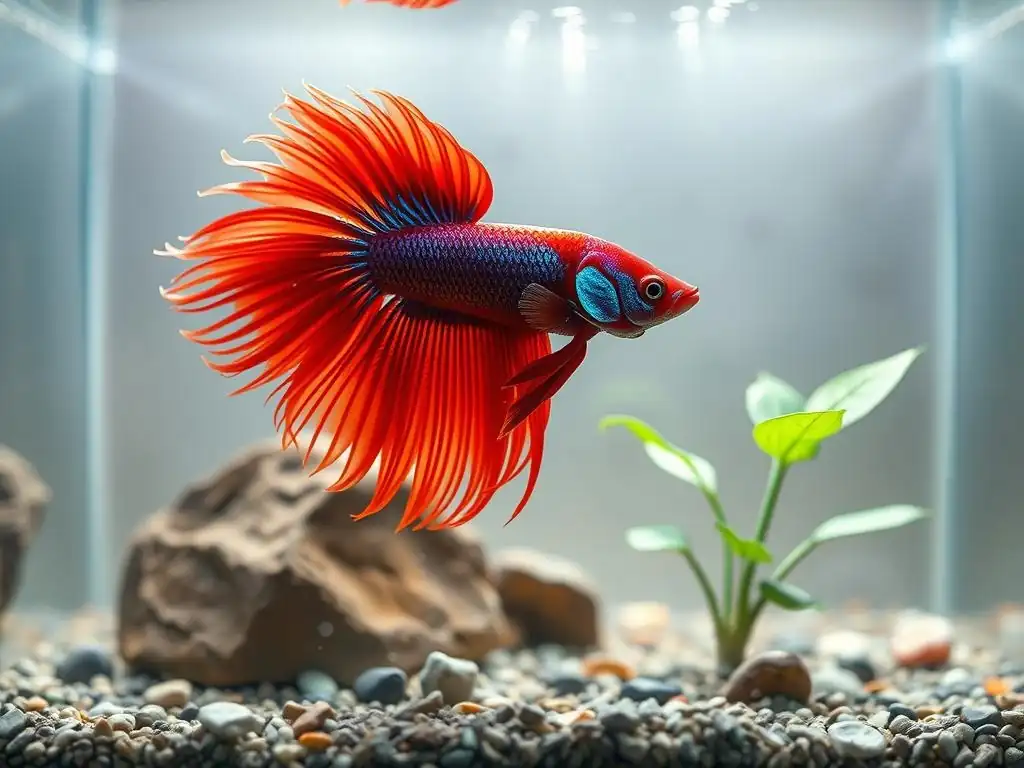
Introducing your Betta to its new, cycled home requires careful acclimation to minimize stress from changes in water parameters (temperature, pH, hardness). Two common and effective methods are drip acclimation and the floating bag method. For the floating bag method, simply float the sealed bag containing your Betta in the tank for 15-20 minutes to equalize temperatures. Then, open the bag, add a small amount of tank water every 5-10 minutes over the course of 30 minutes, before gently netting your Betta and releasing it into the tank, discarding the old bag water.
Drip acclimation is generally preferred for its gentler approach, especially for sensitive fish like Bettas. Place your Betta in a separate container with its original water. Use an airline tube to siphon water from your cycled tank into the container, tying a knot in the tube or using a flow regulator to create a slow drip (e.g., 1-2 drops per second). Allow this process to continue for 30-60 minutes, doubling the volume of water in the container, before netting your Betta and introducing it to the tank. This slow, gradual change significantly reduces the shock your Betta might experience.
Monitoring Your Betta's Behavior After Introduction
After successfully introducing your Betta to its new, cycled tank, continuous observation of its behavior is crucial for the first few days and weeks. A healthy Betta will typically explore its new environment, swim actively, exhibit bright coloration, and show a good appetite. Male Bettas may also flare their gills at their reflection or objects.
Conversely, signs of stress or illness include clamped fins, lethargy, hiding excessively, gasping at the water surface, loss of color, or refusal to eat. If you observe any of these symptoms, immediately test your water parameters (ammonia, nitrite, nitrate, pH) to rule out a mini-cycle or other water quality issues. Even with a perfectly cycled tank, a slight "mini-cycle" can occur as the bacterial colony adjusts to the new bioload. Prompt action can prevent minor issues from escalating into serious health problems for your Betta.
Troubleshooting Common Fishless Cycling Problems in Betta Tanks
Ammonia Spikes During Cycling
During fishless cycling, it's common to encounter fluctuations in water parameters, and ammonia spikes are often the first sign of bacterial activity. If your ammonia levels consistently remain high (e.g., above 4 ppm) for an extended period without any corresponding rise in nitrites, it could indicate that the Nitrosomonas bacteria colony is struggling to establish. This can happen if the initial ammonia dose was too high (above 5 ppm, which can inhibit bacteria), or if the water temperature is too low.
To address this, first ensure your tank temperature is within the optimal 78-82°F (25-28°C) range. If ammonia levels are excessively high (e.g., 6 ppm or more), perform a partial water change (25-50%) to bring the concentration down to the ideal 2-4 ppm. Avoid adding more ammonia until the levels begin to drop naturally, indicating the bacteria are starting to work. Patience is key; sometimes the initial phase simply takes a bit longer, but consistent dosing within the recommended range will eventually yield results for your Bettas fishless cycling guide.
Nitrite Stalls: Why Nitrites Won't Go Away
A "nitrite stall" is a common and frustrating hurdle in fishless cycling, where ammonia levels drop to zero, but nitrite levels remain persistently high and refuse to fall. This indicates that the Nitrosomonas bacteria (ammonia converters) are thriving, but the Nitrobacter bacteria (nitrite converters) are either not yet established or are inhibited. Nitrobacter typically takes longer to colonize and is more sensitive to certain conditions.
Common causes include a pH that is too low (below 6.5, which inhibits Nitrobacter activity), or excessively high nitrite levels themselves. To resolve a nitrite stall, first ensure your pH is above 7.0; if it's too low, a partial water change with pH-buffered water might be necessary. Continue to dose ammonia to 1-2 ppm daily, ensuring the Nitrosomonas bacteria remain fed, which in turn provides food for the Nitrobacter. Adding a high-quality bottled bacteria product specifically designed to jumpstart the cycle can also be highly effective in overcoming a nitrite stall.
pH Issues Affecting the Nitrogen Cycle
The nitrification process, where ammonia is converted to nitrite and then to nitrate, is an acid-producing reaction. Over time, especially in tanks with low buffering capacity, this process can cause the pH of the aquarium water to drop. A significant drop in pH (particularly below 6.5) can be detrimental to the nitrifying bacteria, especially the Nitrobacter responsible for converting nitrite to nitrate, potentially stalling or even halting the cycle.
Regularly monitor your pH alongside ammonia, nitrite, and nitrate levels. If you notice your pH consistently dropping below 7.0, you may need to intervene. Performing a partial water change with fresh, dechlorinated tap water (assuming your tap water has a higher, stable pH) can help replenish buffering capacity. Alternatively, adding a small amount of crushed coral or aragonite to your filter or substrate can slowly dissolve and help maintain a more stable pH around 7.0-7.5, which is ideal for bacterial activity and ultimately for your Betta's health.
Cloudy Water During Fishless Cycling
It is quite common for the water in a Betta tank to become cloudy, milky, or hazy during the fishless cycling process. This phenomenon is typically caused by a "bacterial bloom," which occurs when there's a rapid proliferation of free-floating beneficial bacteria (or heterotrophic bacteria feeding on excess organic matter). While visually unappealing, a bacterial bloom is usually a harmless and temporary phase, often indicating that the cycling process is well underway and bacteria are rapidly colonizing.
Unless you are using fish food as your ammonia source and there's decaying uneaten food contributing to the cloudiness, there is usually no need to intervene with water changes or chemical clarifiers during a bacterial bloom. Such interventions can actually prolong the cycling process. The cloudiness will typically resolve on its own within a few days to a week as the bacterial colonies settle onto surfaces like filter media and substrate, and the water naturally clears. Patience is the best approach for this common occurrence in a Bettas fishless cycling guide.
Maintaining a Cycled Betta Tank: Long-Term Health
Regular Water Changes: The Key to Stability
Even after your Betta tank is fully cycled and your fish is happily settled, regular water changes remain the single most important aspect of long-term tank maintenance. Water changes are essential for removing accumulated nitrates, which, while less toxic than ammonia or nitrite, can still become harmful at high concentrations (e.g., above 20 ppm for sensitive fish like Bettas). They also replenish essential trace minerals that are depleted over time and remove dissolved organic compounds that can contribute to poor water quality.
For a single Betta in a 5-10 gallon tank, a 25-30% partial water change weekly is generally recommended. For instance, in a 5-gallon tank, this means removing 1.25 to 1.5 gallons of water. Always use a good quality water conditioner to neutralize chlorine and chloramines in the new tap water before adding it back to the tank. This consistent routine ensures stable water parameters, prevents toxin buildup, and significantly contributes to your Betta's long-term health and vibrant appearance.
Monitoring Water Parameters Regularly
While less frequent than during the cycling phase, regular monitoring of your Betta tank's water parameters is still crucial for long-term health. At a minimum, you should test for ammonia, nitrite, and nitrate every one to two weeks, and pH occasionally. This routine helps you catch any potential issues before they escalate into serious problems for your Betta. For example, a sudden spike in ammonia or nitrite could indicate a mini-cycle triggered by overfeeding, filter malfunction, or the death of beneficial bacteria.
Consistent readings of 0 ppm ammonia and nitrite, with nitrates below 20 ppm (and a stable pH), are the hallmarks of a healthy, well-maintained Betta tank. If you notice any unusual behavior from your Betta, such as lethargy, clamped fins, or difficulty breathing, testing your water parameters should be your immediate first step. Early detection of water quality issues allows for prompt corrective action, such as an emergency water change, which can save your Betta's life.
Avoiding Overfeeding to Prevent Ammonia Build-Up
Overfeeding is one of the most common mistakes new aquarists make and a primary contributor to poor water quality in Betta tanks. Bettas have very small stomachs, roughly the size of their eye, and only require a tiny amount of food. Excess uneaten food quickly decays in the tank, releasing ammonia and increasing the bioload, which can overwhelm your established biological filter and lead to dangerous ammonia spikes.
To prevent this, feed your Betta small amounts, typically 2-3 high-quality pellets or a few pieces of frozen/freeze-dried food (like bloodworms or brine shrimp) once or twice a day. Only offer what your Betta can consume within 2-3 minutes. If you notice any uneaten food after this time, remove it immediately with a small net or siphon. This simple practice significantly reduces the risk of ammonia buildup and helps maintain the stable, healthy environment your Betta deserves.
Advanced Fishless Cycling Techniques for Betta Enthusiasts
Using Bottled Bacteria to Speed Up the Cycling Process
For those seeking to expedite the fishless cycling process for their Betta tank, commercially available bottled bacteria products can be a significant advantage. Brands such as Seachem Stability, Dr. Tim's One & Only, and FritzZyme 7 contain live nitrifying bacteria (often a mix of Nitrosomonas and Nitrobacter). When added to a new tank with an ammonia source, these products can drastically reduce the cycling time, sometimes cutting it from several weeks down to just one or two.
While these products are not a substitute for patience and proper monitoring, they provide a substantial head start by introducing a ready-made bacterial colony. It's still crucial to continue dosing ammonia and monitoring water parameters diligently, as the bacteria still need to establish and multiply to handle the full bioload of a Betta. Ensure you purchase reputable brands and check their expiry dates, as the viability of the bacteria can diminish over time.
The Impact of Substrate on Fishless Cycling
The choice of substrate can subtly influence the fishless cycling process by providing varying amounts of surface area for beneficial bacteria to colonize. Porous substrates, such as gravel or certain types of aqua soil, offer a greater surface area compared to very fine sand. This increased surface area can potentially allow for a larger and more robust bacterial colony to establish more quickly within the substrate bed itself, complementing the bacteria in the filter media.
However, the primary colonization site for beneficial bacteria in most Betta tanks will still be the filter media, due to its consistent water flow and oxygenation. While substrate choice isn't a make-or-break factor for cycling, selecting a substrate that is inert (won't alter water chemistry) and offers good surface area can contribute to a more stable biological filter in the long run. Always rinse new substrate thoroughly to prevent cloudiness and impurities.
Live Plants and Fishless Cycling: A Beneficial Combination
Incorporating live plants into your Betta tank during the fishless cycling process offers several distinct advantages. Plants consume ammonia, nitrite, and especially nitrate as nutrients. While they won't fully cycle a tank on their own, they can help manage nitrate levels during the later stages of the cycle, reducing the final nitrate spike before you introduce your Betta. More importantly, live plants provide additional surface area for beneficial bacteria to colonize, further enhancing the biological filtration capacity of the tank.
Beyond their role in cycling, live plants create a more natural and enriching environment for Bettas, providing hiding spots, reducing stress, and improving overall water quality long-term. Easy-to-care-for plants like Anubias, Java Fern, and various floating plants (e.g., Dwarf Water Lettuce, Amazon Frogbit) are excellent choices for Betta tanks and can thrive during the cycling period, contributing to a holistic and healthy ecosystem for your future fish.
Conclusion: A Healthy Start for Your Betta Through Fishless Cycling
Frequently Asked Questions
How does fishless cycling benefit a Betta aquarium?
Fishless cycling establishes a healthy biological filter before introducing your Betta. This prevents ammonia and nitrite spikes, which are toxic to fish, creating a safer and more stable environment.
What are the essential supplies needed for a fishless cycle in a Betta tank?
You'll need an ammonia source (pure ammonia or fish food), a water testing kit to monitor parameters, a heater to maintain optimal temperatures, and a filtration system to circulate water.
How long does a typical fishless cycle take for a Betta tank?
The duration varies, but it generally takes between 4 to 8 weeks for the beneficial bacteria to colonize and establish a stable nitrogen cycle, depending on factors like temperature and ammonia levels.
How do I know when my Betta tank is fully cycled using the fishless method?
Your water tests should consistently show 0 ppm ammonia and 0 ppm nitrite, with a measurable amount of nitrate present. This indicates the bacteria are effectively converting waste.
Can I speed up the fishless cycling process for my Betta aquarium?
Yes, you can use bottled beneficial bacteria to introduce cultures to the tank. Also, maintaining a consistent temperature and a stable pH can encourage faster bacterial growth.
Final Reflection: Cultivating a Thriving Ecosystem
The journey of establishing a healthy aquarium for a betta, as detailed in this Bettas fishless cycling guide, transcends mere pet ownership; it's an act of responsible stewardship. In a world increasingly aware of the interconnectedness of life, understanding and implementing fishless cycling is no longer a niche practice, but a crucial step towards ensuring the well-being of our aquatic companions and promoting ethical aquascaping.
This method, prioritizing the establishment of a beneficial bacteria colony before introducing a betta, has profoundly influenced the way we approach aquarium keeping. It's a shift from immediate gratification to patient cultivation, mirroring the natural processes that sustain life itself. The best time to plant a tree was 20 years ago. The second best time is now.
This ancient proverb resonates deeply with the principles of fishless cycling, highlighting the importance of proactive preparation and long-term commitment to creating a thriving environment.
As you embark on your journey with a betta, remember that the principles of fishless cycling extend beyond the aquarium walls. They represent a broader commitment to understanding and respecting the delicate balance of ecosystems. Consider how you can apply this same patience, foresight, and dedication to nurturing other aspects of your life and contributing to a more sustainable and compassionate world.
Unleash the Power of a Perfect Betta Tank!
Thank you for exploring the world of fishless cycling and creating a healthy start for your Betta! Now that you understand the process, it's time to put your knowledge into action and ensure your Betta thrives.
- Start Your Cycle Today: Don't wait! Begin the fishless cycling process in your new aquarium using an ammonia source like Dr. Tim's Ammonium Chloride. Monitor your water parameters diligently.
- Share Your Journey: Document your fishless cycling progress on social media using #AquariumMastery and inspire other Betta keepers.
- Brainstorm: What decorations will you add to your cycled tank to give your Betta enrichment and a safe habitat?