
Bloat in Danios: Understanding Causes, Prevention, and Finding Solutions

Welcome to Aquarium Mastery!
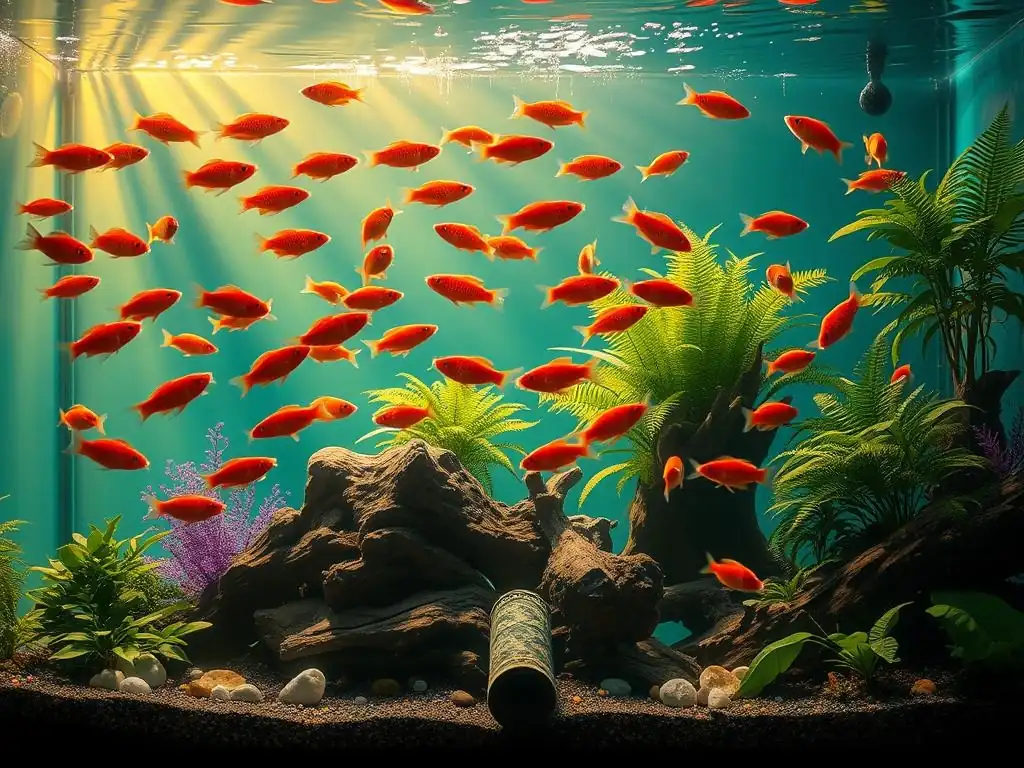
Is your Danio looking a little… puffy? Dealing with bloat in your Danios can be stressful, but don't worry, you've come to the right place. This guide dives deep into understanding the causes of Danio fish bloat, providing practical solutions and preventive measures to keep your finned friends healthy and happy. Ready to unravel the mystery and bring your Danios back to their vibrant selves? Let's get started!
- Understanding Bloat in Danios: A Comprehensive Guide for Aquarium Keepers
- Identifying Danio Bloat: Recognizing the Signs and Symptoms
- Causes of Bloat in Danios: Pinpointing the Root of the Problem
- Preventing Bloat in Danios: Proactive Measures for a Healthy Aquarium
- Danio Fish Bloat Solutions: Effective Treatment Options
- Treating Constipation in Danios: A Key Step in Resolving Bloat
- Long-Term Care and Prevention: Keeping Danio Bloat at Bay
- Advanced Bloat Cases in Danios: When to Seek Expert Advice
- Conclusion: Ensuring the Health and Well-being of Your Danios
-
Frequently Asked Questions
- What are the primary causes of bloat in Danio fish?
- How can I prevent bloat from occurring in my Danio aquarium?
- What are the initial signs and symptoms of bloat in Danios?
- What are some potential treatment options for a Danio fish suffering from bloat?
- When should I consider euthanizing a Danio with severe bloat?
- Final Reflection: A Future Free of Danio Bloat
- Unveil a Bloat-Free Aquarium!
Understanding Bloat in Danios: A Comprehensive Guide for Aquarium Keepers
Bloat in Danios, often characterized by a visibly swollen abdomen, is a common and concerning ailment for many aquarium enthusiasts. While not a disease in itself, it is a symptom that signals an underlying health issue, ranging from digestive upset to severe internal infections. Recognizing and addressing bloat promptly is crucial for the survival and well-being of these active, schooling fish.
Understanding the various causes of bloat, from dietary imbalances to poor water quality, is the first step towards effective management. This guide aims to equip aquarists with the knowledge to identify bloat early, implement preventative measures, and apply appropriate Danio fish bloat solutions to restore their fish to health.
Identifying Danio Bloat: Recognizing the Signs and Symptoms
Early Signs of Bloat in Danios: What to Look For
Early detection of bloat in Danios can significantly improve the chances of successful treatment. Initially, you might observe subtle changes in your fish's appearance or behavior. Look for a slight distension or roundness in the abdominal area that wasn't previously present, especially after feeding. The fish might appear less active, perhaps resting more frequently at the bottom or near the surface, rather than their usual energetic swimming.
Other early indicators include a decreased appetite or a refusal to eat, a slight change in coloration (sometimes appearing duller), or clamped fins where the fins are held close to the body. While these symptoms can be indicative of various issues, their presence, particularly alongside any abdominal swelling, should prompt immediate investigation into potential bloat.
Advanced Symptoms of Bloat: When to Take Immediate Action
As bloat progresses, the symptoms become far more pronounced and alarming, signaling a critical stage where immediate intervention is necessary. The most striking symptom is severe abdominal swelling, often making the fish resemble a "pinecone" due to the scales protruding outwards as fluid accumulates beneath them. This "pineconing" effect is a strong indicator of advanced fluid retention, often associated with dropsy, which can be a symptom of organ failure.
In advanced cases, Danios may exhibit extreme lethargy, complete loss of appetite, and significant difficulty swimming, often struggling to maintain buoyancy or listing to one side. Labored breathing, characterized by rapid gill movements, is also common. At this stage, the fish's prognosis becomes guarded, and prompt, aggressive Danio fish bloat solutions are essential to prevent further deterioration and potential fatality.
Distinguishing Bloat from Other Danio Diseases
It is vital to differentiate bloat from other common Danio diseases, as the treatment protocols vary significantly. While bloat specifically refers to the swelling of the abdomen, it can be a symptom of broader conditions like dropsy. Dropsy is not a disease itself but a symptom of severe internal organ failure (often kidneys or liver), leading to widespread fluid retention, with the characteristic "pinecone" appearance being a key differentiator from simple constipation-induced bloat.
Other diseases like fungal infections typically manifest as fuzzy white growths on the body or fins, not primarily as abdominal swelling. Parasitic infestations might cause emaciation or visible external parasites, though internal parasites can contribute to bloat. By carefully observing the specific combination of symptoms, aquarists can better narrow down the underlying cause and apply the most appropriate Danio fish bloat solutions.
Causes of Bloat in Danios: Pinpointing the Root of the Problem
Overfeeding and Poor Diet: A Primary Cause of Danio Bloat
One of the most prevalent causes of bloat in Danios is overfeeding or an improper diet. When fish consume more food than their digestive system can efficiently process, undigested food can accumulate in the gut. This accumulation often leads to bacterial proliferation and gas buildup, causing the abdomen to distend.
Furthermore, a diet lacking in essential fiber or consisting solely of dry, high-protein flakes can lead to chronic constipation, a direct precursor to bloat. For instance, feeding Danios only a single type of dry flake food without supplementing with live, frozen, or vegetable matter (like blanched, deshelled peas) can severely impede their digestion and contribute to this common issue.
Water Quality Issues: How Ammonia, Nitrite, and Nitrate Contribute to Bloat
Suboptimal water quality is a significant stressor for Danios and can directly contribute to bloat by weakening their immune systems and disrupting their internal physiological balance. Elevated levels of ammonia (e.g., above 0.05 ppm) and nitrite (e.g., above 0.05 ppm), which are highly toxic, can cause gill damage, internal organ stress, and make fish more susceptible to bacterial infections that manifest as bloat.
While less acutely toxic, consistently high nitrate levels (e.g., above 40 ppm) can also lead to chronic stress and a compromised immune system, indirectly contributing to digestive issues and bloat. Poor water parameters often create an environment where pathogenic bacteria thrive, increasing the risk of internal infections that result in abdominal swelling.
Bacterial Infections: A Common Cause of Bloat in Danios
Bacterial infections are a frequent and serious cause of bloat in Danios. Pathogenic bacteria, such as Aeromonas or Pseudomonas species, can infect the fish's digestive tract, kidneys, or other internal organs. This infection leads to inflammation, fluid accumulation, and organ dysfunction, all of which contribute to the visible swelling of the abdomen.
These infections often take hold when fish are already stressed due to poor water quality, overcrowding, or an inadequate diet. Contaminated food or a dirty environment can also introduce these harmful bacteria, making it essential to maintain pristine conditions and provide high-quality, safe food to prevent bacterial bloat.
Internal Parasites: A Less Common but Serious Cause of Bloat
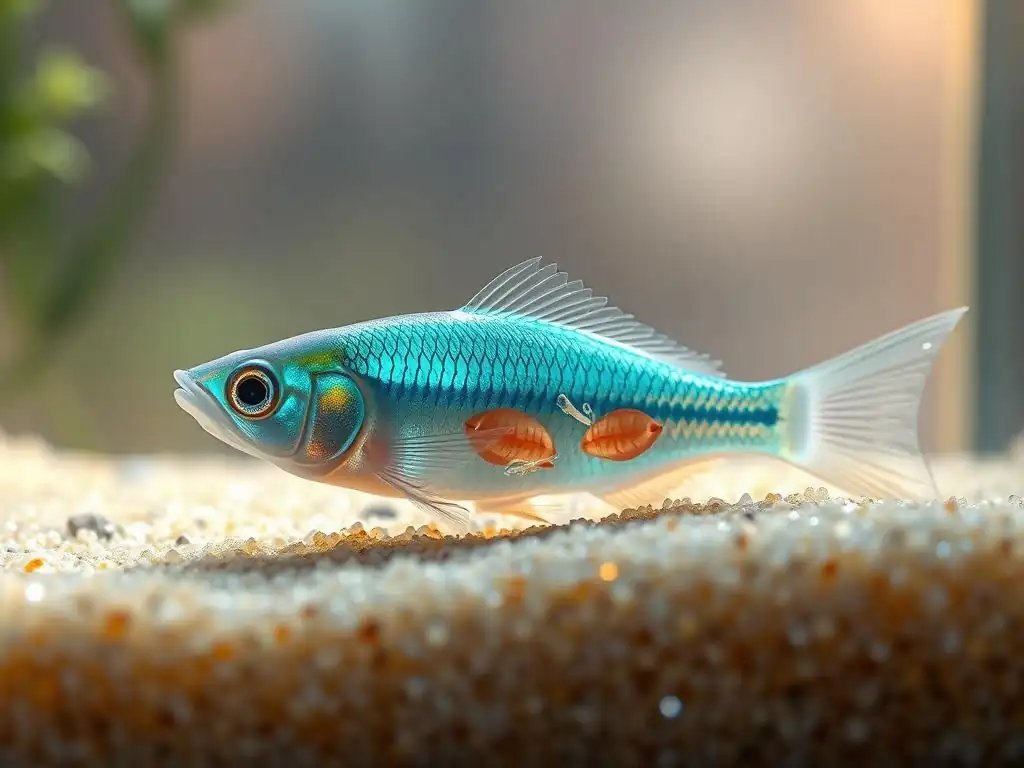
While less common than dietary or bacterial causes, internal parasites can also lead to bloat in Danios. Parasites like Hexamita (a flagellate often associated with "hole in the head" disease but can also affect the gut) or various types of intestinal worms can infest the digestive system. These parasites can cause significant internal damage, inflammation, and nutrient malabsorption, leading to abdominal swelling and emaciation in severe cases.
Diagnosing internal parasites can be challenging without microscopic examination, but persistent bloat despite other treatments may indicate their presence. Specific anti-parasitic Danio fish bloat solutions are required for effective treatment once confirmed, highlighting the importance of accurate diagnosis.
Constipation in Danios: A Precursor to Bloat
Constipation is a direct and often overlooked precursor to bloat in Danios. When fish struggle to pass waste, fecal matter can build up in their intestines. This impaction leads to gas accumulation and pressure on internal organs, resulting in the characteristic abdominal swelling.
This condition is primarily diet-related, often stemming from a lack of fiber in their food or an excessive intake of dry, expanding foods. Stress, insufficient water movement, or even a lack of exercise space in the tank can also contribute to sluggish digestion and constipation, setting the stage for more severe bloat if left unaddressed.
Preventing Bloat in Danios: Proactive Measures for a Healthy Aquarium
Maintaining Optimal Water Quality for Danios
Maintaining impeccable water quality is paramount in preventing bloat and promoting overall Danio health. Regular testing of water parameters is crucial; aim for ammonia and nitrite levels at 0 parts per million (ppm), and nitrates below 20 ppm. Achieving these levels typically requires performing partial water changes, ideally 25-30% of the tank volume weekly, using dechlorinated, temperature-matched water.
Beyond water changes, ensure your filtration system is adequately sized and properly maintained. A well-functioning filter helps break down waste, reducing the buildup of harmful compounds that stress fish and make them susceptible to digestive issues and infections, thereby preventing the conditions that lead to Danio fish bloat.
Implementing a Balanced Diet for Your Danios
A balanced and varied diet is a cornerstone of bloat prevention. Danios are omnivores and thrive on a diverse diet that includes high-quality flake or micro-pellet foods, supplemented with frozen or live foods. Offer frozen bloodworms, brine shrimp, or daphnia a few times a week, and introduce blanched, deshelled peas as a source of vegetable fiber.
Varying their diet not only ensures they receive all necessary nutrients but also aids in digestion, preventing constipation and subsequent bloat. Avoid feeding only one type of food, as this often leads to nutritional deficiencies and digestive problems over time.
Avoiding Overfeeding: Proper Feeding Techniques for Danios
Overfeeding is a leading cause of bloat and poor water quality. To prevent this, adhere to the "2-minute rule": feed your Danios only what they can consume entirely within two to three minutes, no more. It's often better to feed smaller amounts two or three times a day rather than one large meal.
Additionally, always remove any uneaten food from the tank after the feeding period. Leftover food decomposes, contributing to ammonia spikes and bacterial growth, which can further stress fish and increase their susceptibility to bloat. Consistent, measured feeding practices are key to preventing Danio fish bloat.
Quarantine New Danios: Preventing the Introduction of Disease
Quarantining new Danios before introducing them to your main display tank is a critical preventative measure against a host of diseases, including those that cause bloat. A separate quarantine tank, ideally 5-10 gallons, should be set up for at least 2 to 4 weeks. During this period, observe the new fish closely for any signs of illness, such as lethargy, abnormal swimming, or abdominal swelling.
This practice allows you to treat any potential issues in isolation, preventing the spread of pathogens, including bacteria or parasites that could lead to bloat, to your established fish population. It's a simple yet highly effective way to safeguard your entire aquarium.
Regular Tank Maintenance: Crucial for Danio Health
Beyond water changes, a comprehensive routine tank maintenance schedule is crucial for the long-term health of your Danios and the prevention of bloat. This includes regular gravel vacuuming to remove accumulated detritus and uneaten food from the substrate, which can otherwise decompose and foul the water.
Periodically clean filter media, but always do so in old tank water to preserve beneficial bacterial colonies. Regularly inspect heaters, air stones, and other equipment to ensure they are functioning correctly. A clean, well-maintained environment significantly reduces stress on fish and minimizes the presence of pathogens, contributing directly to robust health and preventing common issues like Danio fish bloat.
Danio Fish Bloat Solutions: Effective Treatment Options
Water Changes: A First Step in Treating Bloat
When a Danio shows signs of bloat, the immediate first step should be to perform a significant water change. A large initial water change, approximately 50% of the tank volume, followed by daily partial water changes of 25% for several days, can dramatically improve water quality. This action reduces the concentration of toxins like ammonia and nitrite, which often contribute to stress and exacerbate bloat.
Ensure the new water is dechlorinated and temperature-matched to avoid further stress to the affected fish. Improving water parameters can alleviate environmental stressors, giving the Danio a better chance to recover and allowing other Danio fish bloat solutions to be more effective.
Epsom Salt Baths: Relieving Bloat and Constipation in Danios
Epsom salt (magnesium sulfate) is an excellent remedy for bloat, particularly when caused by constipation or general fluid retention. Unlike aquarium salt, Epsom salt is a muscle relaxant and a mild laxative, helping to draw out excess fluid from the fish's body and stimulate bowel movements. For a hospital tank, dissolve 1 teaspoon of pure, unadulterated Epsom salt per 5 gallons of water.
The affected Danio should be placed in this solution for 3 to 5 days, or until symptoms improve. Observe the fish closely during treatment. This method is one of the most effective non-medicinal Danio fish bloat solutions for relieving discomfort and promoting internal balance.
Antibiotic Medications: Treating Bacterial Bloat in Danios
If bloat is suspected to be caused by a bacterial infection, antibiotic medications become necessary. Broad-spectrum antibiotics such as Metronidazole (often effective against internal flagellates and some anaerobic bacteria), Kanamycin, or Furan-2 are commonly used. These medications should always be administered in a separate hospital tank to avoid harming beneficial bacteria in the main aquarium.
It is crucial to follow the manufacturer's dosage instructions precisely and complete the full course of treatment, even if symptoms improve earlier, to prevent antibiotic resistance. Consulting an experienced aquarist or a fish veterinarian can help confirm the bacterial nature of the bloat and guide the selection of the most appropriate Danio fish bloat solutions.
Anti-Parasitic Medications: Addressing Internal Parasite Infections
Should internal parasites be identified or strongly suspected as the cause of bloat, specific anti-parasitic medications are required. Metronidazole is often effective against internal flagellates like Hexamita, while medications containing praziquantel can treat various types of internal worms.
As with antibiotics, these medications should be administered in a dedicated hospital tank to ensure targeted treatment and minimize impact on the main tank's ecosystem. Proper diagnosis, possibly with the help of a professional, is vital before administering these treatments, as incorrect medication can be ineffective or even harmful. These targeted Danio fish bloat solutions are essential for parasite-induced bloat.
Quarantine and Observation: Isolating Affected Danios
Regardless of the suspected cause or chosen treatment, isolating the affected Danio in a quarantine or hospital tank is a critical step. This not only allows for focused treatment without affecting other tank inhabitants or the main tank's biological filter but also prevents the potential spread of contagious diseases.
In the quarantine tank, you can closely observe the fish's response to treatment, monitor its appetite, and check for the passing of waste. Consistent observation is key to adjusting treatment as needed and ensuring the chosen Danio fish bloat solutions are having the desired effect.
Treating Constipation in Danios: A Key Step in Resolving Bloat
Feeding Fiber-Rich Foods: Natural Remedies for Danio Constipation
When bloat is primarily due to constipation, incorporating fiber-rich foods into the Danio's diet is a highly effective natural remedy. Blanched, deshelled peas are widely recognized as an excellent choice. The high fiber content in peas acts as a natural laxative, helping to move impacted waste through the digestive tract.
For a constipated Danio, offer only small pieces of blanched, deshelled peas for a few days, suspending all other food. This focused dietary intervention often resolves mild cases of constipation and can prevent the progression to more severe bloat, making it a simple yet powerful component of Danio fish bloat solutions.
Daphnia as a Natural Laxative for Danios
Daphnia, either live or frozen, serve as another excellent natural laxative for Danios suffering from constipation. These small crustaceans have a chitinous exoskeleton that, when ingested, provides roughage that aids in mechanically stimulating the digestive system. This helps to clear blockages and promote regular bowel movements.
Feeding Daphnia for a day or two can often provide quick relief for a constipated Danio. They are also a nutritious food source, making them a dual-purpose addition to your Danio's diet, especially when digestive issues arise.
Observing Feeding Habits: Ensuring Proper Digestion
Regular observation of your Danio's feeding habits and subsequent waste production is crucial for maintaining digestive health and preventing bloat. Pay attention to how readily they eat, if they are consuming all the food offered, and whether they are passing normal, solid waste.
Changes in feeding enthusiasm, refusal to eat, or the absence of visible waste production can be early indicators of constipation or other digestive issues. Proactive observation allows you to intervene with dietary adjustments or other Danio fish bloat solutions before constipation escalates into full-blown bloat.
Long-Term Care and Prevention: Keeping Danio Bloat at Bay
Monitoring Water Parameters: Regular Testing for a Healthy Environment
Consistent monitoring of water parameters is the cornerstone of long-term Danio health and the most effective way to prevent future occurrences of bloat. Invest in a reliable liquid-based test kit and perform weekly or bi-weekly tests for ammonia, nitrite, and nitrate. Ammonia and nitrite should always read 0 ppm, and nitrates should be kept below 20 ppm.
Regular testing allows you to identify and address any fluctuations or imbalances in water chemistry promptly, preventing the stress and compromised immunity that can lead to bloat. This proactive approach ensures a stable and healthy environment for your Danios.
Adjusting Feeding Schedules: Preventing Future Overfeeding
To permanently keep Danio bloat at bay, it's essential to refine and adhere to appropriate feeding schedules. Instead of one large daily meal, consider feeding small amounts two to three times a day, ensuring all food is consumed within 2-3 minutes. Furthermore, implementing a "fast day" once a week, where no food is offered, can be highly beneficial.
This fasting period allows the Danios' digestive systems to completely clear, reducing the risk of food accumulation, constipation, and subsequent bloat. Consistent, mindful feeding practices are critical for long-term digestive health.
Observing Danio Behavior: Detecting Early Signs of Illness
Daily observation of your Danios' behavior is a powerful preventative tool. Spend a few minutes each day watching their swimming patterns, appetite, coloration, and social interactions. Healthy Danios are typically active, schooling, and eager eaters. Any deviation from these normal behaviors—such as lethargy, hiding, clamped fins, or refusal to eat—can be an early warning sign of illness, including the onset of bloat.
Early detection allows for immediate intervention, often with simple adjustments to diet or water quality, before the condition becomes severe and requires more intensive Danio fish bloat solutions.
Selecting Healthy Danios: Choosing Resilient Fish From the Start
The journey to preventing bloat begins even before you bring fish home. Always select Danios from reputable aquatic stores or breeders who maintain clean, well-kept tanks. Observe the fish in the store: look for active, alert individuals with clear eyes, vibrant coloration, and no visible signs of disease, such as clamped fins, labored breathing, or existing abdominal swelling.
Avoid purchasing fish from overcrowded tanks or those with sick or deceased tank mates. Starting with healthy, resilient fish significantly reduces the likelihood of them developing stress-related illnesses, including bloat, in your home aquarium.
Advanced Bloat Cases in Danios: When to Seek Expert Advice
Recognizing Severe Symptoms: Indicators of a Critical Condition
In some instances, bloat in Danios can progress to a critical stage despite initial home treatments. Recognizing severe symptoms is crucial for determining when professional intervention is necessary. Indicators of a critical condition include prolonged and severe "pineconing" (scales protruding significantly), persistent refusal to eat for several days, extreme lethargy or complete immobility, open sores or lesions on the body, or gasping at the surface even after water changes.
These advanced symptoms often suggest severe organ damage or a highly resistant infection, making the prognosis guarded and requiring more specialized Danio fish bloat solutions.
Consulting with an Aquarium Veterinarian: Professional Diagnosis and Treatment
When bloat in Danios becomes severe, persistent, or unresponsive to standard home treatments, it is advisable to consult with an aquarium veterinarian. These specialists possess the expertise and diagnostic tools, such as microscopy or culturing, to accurately identify the underlying cause of the bloat, whether it's a specific bacterial strain, internal parasite, or organ failure.
A veterinarian can prescribe stronger, more targeted medications unavailable over-the-counter and provide precise dosage instructions. In cases where the fish's suffering is prolonged and recovery is unlikely, they can also offer humane euthanasia, ensuring the well-being of your beloved Danio.
Conclusion: Ensuring the Health and Well-being of Your Danios
Bloat in Danios, while a distressing condition, is often preventable and treatable with informed care. Understanding its diverse causes—from dietary imbalances and poor water quality to bacterial infections and parasites—is the first step towards effective management. Proactive measures, such as maintaining pristine water parameters, providing a balanced diet, and avoiding overfeeding, form the cornerstone of prevention.
When bloat does occur, prompt identification of symptoms and the application of appropriate Danio fish bloat solutions, ranging from Epsom salt baths and targeted medications to dietary adjustments, are crucial for recovery. Consistent observation, responsible tank maintenance, and knowing when to seek expert advice ensure the long-term health and vitality of these engaging aquatic companions.
Frequently Asked Questions
What are the primary causes of bloat in Danio fish?
The primary causes of bloat in Danios are usually related to overfeeding, poor water quality, and bacterial infections. These factors can lead to a buildup of fluid in the fish's abdomen.
How can I prevent bloat from occurring in my Danio aquarium?
Prevention focuses on good tank maintenance. This includes regular water changes, feeding a balanced diet in moderation, and maintaining optimal water parameters as recommended by AquariumMastery.com.
What are the initial signs and symptoms of bloat in Danios?
Early signs include a swollen abdomen, scales sticking out (pineconing), and lethargic behavior. The fish may also exhibit a loss of appetite or difficulty swimming.
What are some potential treatment options for a Danio fish suffering from bloat?
Treatment options can include quarantine in a separate tank, using medicated fish food with antibiotics (if bacterial), and improving water quality through increased water changes.
When should I consider euthanizing a Danio with severe bloat?
Euthanasia should be considered when the Danio is showing signs of severe suffering (e.g., extreme swelling, inability to swim, prolonged lack of appetite) and treatment is ineffective. AquariumMastery.com recommends humane methods, such as clove oil.
Okay, here's a final reflection designed to close your article "Bloat in Danios: Understanding Causes, Prevention, and Finding Solutions," optimized for the keyword "Danio fish bloat solutions," and following the structure you provided:
Final Reflection: A Future Free of Danio Bloat
The journey through understanding Danio bloat, its causes, and potential solutions underscores a crucial point: proactive care is paramount in maintaining a thriving aquarium. While this article has armed you with the knowledge to identify, treat, and prevent this common ailment, the true power lies in consistently applying these principles to ensure the health and happiness of your finned companions.
This exploration into Danio bloat highlights the delicate balance within our aquatic ecosystems and the responsibility we bear as caretakers. The well-being of these vibrant creatures is inextricably linked to our understanding and dedication. The greatness of a nation and its moral progress can be judged by the way its animals are treated.
- Mahatma Gandhi. This quote reminds us that even the smallest creatures deserve our utmost care and respect, and our actions directly impact their quality of life.
Now, armed with this knowledge of Danio fish bloat solutions, I invite you to reflect on your own aquarium practices. Are you providing the optimal environment, diet, and care that your Danios deserve? Take the lessons learned here and commit to creating a healthier, happier, and bloat-free future for your aquatic friends. Your dedication will not only benefit your Danios but also enrich your own experience as a responsible and compassionate aquarist.
Unveil a Bloat-Free Aquarium!
Thanks for diving deep into the world of Danio bloat with us! We hope this article has equipped you with the knowledge to keep your aquatic friends healthy and thriving. Ready to put your newfound expertise into action?
Here are some things you can do right now:
- Implement a Danio-specific feeding schedule to prevent overfeeding, which is a key cause of bloat.
- Monitor your Danios closely for the next week, noting any changes in behavior or appearance. Share your observations in the comments below!
- Surprise your Danios! Introduce a new, high-quality frozen food to their diet for added nutrients and enjoyment.
What specific changes are you planning to make in your Danio care routine to prevent bloat in the future?