
Unveiling the Spectrum: A Guide to Dazzling Betta Fish Color Variations

Welcome to Aquarium Mastery!
Ever been mesmerized by the sheer artistry of a Betta fish? Dive into the captivating world of Betta fish color variations and discover the breathtaking spectrum these aquatic jewels offer. Unravel the secrets behind their vibrant hues and prepare to be amazed. Ready to explore a rainbow beneath the surface? Let's begin!
- Understanding Betta Fish Colors: An Introduction to the Rainbow
-
Solid Color Betta Variations: A Study in Simplicity
- The Classic Red Betta: Intensity and Variations
- The Elegant Black Betta: Melanistic Majesty
- The Pure White Betta: Opacity and Clarity
- The Royal Blue Betta: Deep and Vibrant Hues
- The Sunshine Yellow Betta: A Rare and Cheerful Sight
- The Emerald Green Betta: Reflecting the Aquarium's Beauty
- The Mysterious Orange Betta: A Blend of Red and Yellow
- Multicolor Betta Varieties: A Symphony of Hues
- Metallic and Iridescent Betta Colors: Adding Sparkle to Your Tank
- Rare and Unique Betta Color Morphs: The Collector's Dream
- Caring for Your Colorful Betta: Maintaining Vibrant Hues
- Choosing the Right Betta: Color Considerations and Beyond
- Displaying Your Betta's Colors: Aquarium Setup and Lighting
-
Frequently Asked Questions
- What factors influence Betta fish color variations?
- How does diet affect the color of my Betta fish?
- What are some of the most common Betta fish color variations?
- Are certain Betta fish color variations more prone to specific health issues?
- Where can I learn more about Betta fish color genetics and breeding?
- Final Reflection: Embracing the Palette of Possibilities
- Ignite Your Aquarium: Chart Your Betta Journey!
Understanding Betta Fish Colors: An Introduction to the Rainbow
The Genetics Behind Betta Coloration: A Simplified Explanation
The stunning array of Betta fish color variations observed today is primarily governed by a complex interplay of genes that control different pigment cells, known as chromatophores. These specialized cells include melanophores (responsible for black/brown), erythrophores (red/orange), xanthophores (yellow), and iridophores (iridescent blue/green/metallic). The layering and concentration of these cells, along with their ability to expand or contract, determine the visible Betta fish color and pattern. For instance, a high density of erythrophores will result in a vibrant red Betta, while a combination of xanthophores and iridophores can create a striking green or turquoise hue.
Further complicating the Betta fish color variations are dominant and recessive genes. A dominant gene, for example, might express a strong red, even if only one copy is present, while a recessive gene might only show its trait if two copies are inherited.
Selective breeding over decades has allowed aquarists to isolate and combine these genetic traits, leading to an explosion of novel Betta fish color variations and patterns. Breeders meticulously track lineage and phenotypes to consistently produce specific color morphs, such as the intense "super red" or the shimmering "dragon scale" Betta, by understanding how these genetic markers influence pigment expression.
Factors Influencing Betta Color Expression: Diet, Stress, and Environment
Beyond genetics, a Betta's diet plays a crucial role in the vibrancy and development of its Betta fish color variations. Foods rich in carotenoids, such as astaxanthin and spirulina, are vital for enhancing red, orange, and yellow pigments. For example, a high-quality Betta pellet with a minimum of 35% crude protein and added color enhancers can significantly deepen a red Betta's hue over several weeks. Without proper nutrition, even a genetically predisposed Betta may exhibit dull or faded colors, as the necessary pigments are not adequately supplied or absorbed.
Environmental factors and stress also profoundly impact Betta fish color expression. Poor water quality, characterized by elevated ammonia (e.g., above 0.25 ppm) or nitrite levels, or inconsistent temperatures (outside the ideal 78-80°F range), can induce stress, leading to faded Betta fish color variations or the appearance of "stress stripes" (horizontal bands on the body). Conversely, a stable, clean aquarium environment with appropriate tank size (e.g., a minimum of 5 gallons for a single Betta), gentle filtration, and adequate hiding spots reduces stress, allowing the Betta to display its full, brilliant Betta fish color potential.
Solid Color Betta Variations: A Study in Simplicity
The Classic Red Betta: Intensity and Variations
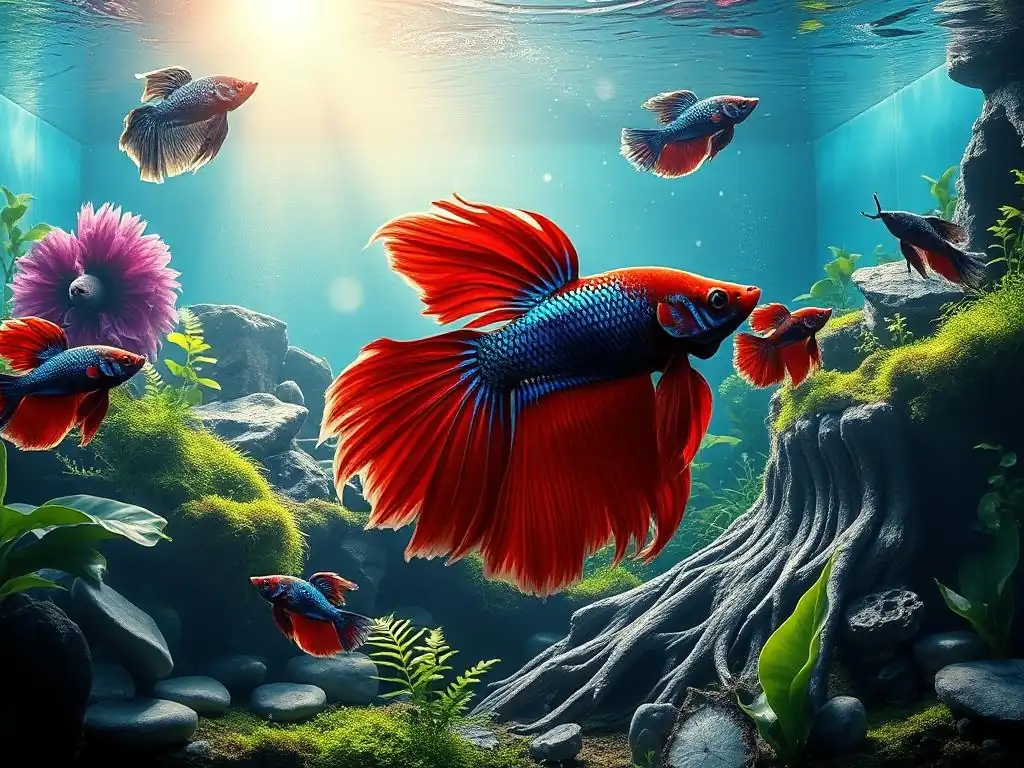
The classic Red Betta is arguably one of the most iconic and widely recognized Betta fish color variations. These fish exhibit a spectrum of red hues, ranging from a deep, almost burgundy "blood red" to a bright, fiery scarlet. The intensity and purity of the red are highly prized, with a uniform distribution across the body and fins considered ideal. This vibrant color is largely due to the high concentration of erythrophores, pigment cells responsible for red and orange coloration.
While the "super red" Betta is a popular goal for breeders, showcasing an almost unnaturally saturated red, variations exist where the red may be slightly muted or have subtle undertones. The genetic makeup largely determines the depth and vibrancy, with some lines specifically bred for their robust and unwavering red Betta fish color. These Bettas often serve as a foundational color in breeding programs aimed at developing more complex Betta fish color variations, such as bi-colors or marbles.
The Elegant Black Betta: Melanistic Majesty
Black Bettas, often referred to as "Melano" or "Black Orchid," present a striking contrast to their colorful counterparts, exuding an elegant, almost mysterious allure. The depth of black can vary from a velvety, opaque shade to a slightly grayish or iridescent black. True Melano Bettas possess a genetic mutation that causes an overabundance of melanophores, resulting in a solid, deep black Betta fish color. However, a notable characteristic of true Melano females is often a degree of infertility, making them challenging to breed.
Other black Betta fish color variations, like the Black Orchid, combine a black base with iridescent blue or green scales, particularly noticeable on the body and fin rays. While not as uniformly black as the Melano, they offer a unique shimmer. Environmental factors, such as stress or poor water conditions, can cause black Bettas to appear duller or develop a brownish tinge, highlighting the importance of proper care in maintaining their majestic Betta fish color.
The Pure White Betta: Opacity and Clarity
Pure White Bettas are a study in understated elegance, presenting themselves in either an opaque or cellophane form. Opaque white Bettas possess a dense, milky-white Betta fish color that covers their entire body and fins, with no discernible transparency. This solid white appearance is highly sought after and indicates a strong genetic expression of genes that suppress other pigments while promoting a thick, reflective layer.
In contrast, Cellophane Bettas, while also white, are characterized by their translucent, almost clear appearance. Their lack of pigment makes them appear ghostly, and their internal organs may even be visible. While less common, a truly clear Cellophane Betta can be quite striking. Both Betta fish color variations require meticulous breeding to ensure the absence of any unwanted specks or patches of other colors, which can sometimes appear due to the presence of "marbling" genes.
The Royal Blue Betta: Deep and Vibrant Hues
Royal Blue Bettas are among the most popular and visually stunning Betta fish color variations, renowned for their deep, vibrant blue hues and often iridescent shimmer. This color is primarily due to the presence of iridophores, which reflect light to create a metallic, shimmering effect. Shades can range from a dark, almost navy "steel blue" to a brighter, more electric "royal blue," and even lighter "sky blue" variations.
The iridescence means that the blue Betta fish color can appear to shift and change under different lighting conditions, revealing hidden depths or subtle undertones of green or purple. Many blue Bettas, especially those with a strong iridescent gene, also exhibit a metallic sheen that further enhances their jewel-like appearance. This robust Betta fish color variation is a staple in the aquarium hobby and often bred for its consistent beauty and strong genetic line.
The Sunshine Yellow Betta: A Rare and Cheerful Sight
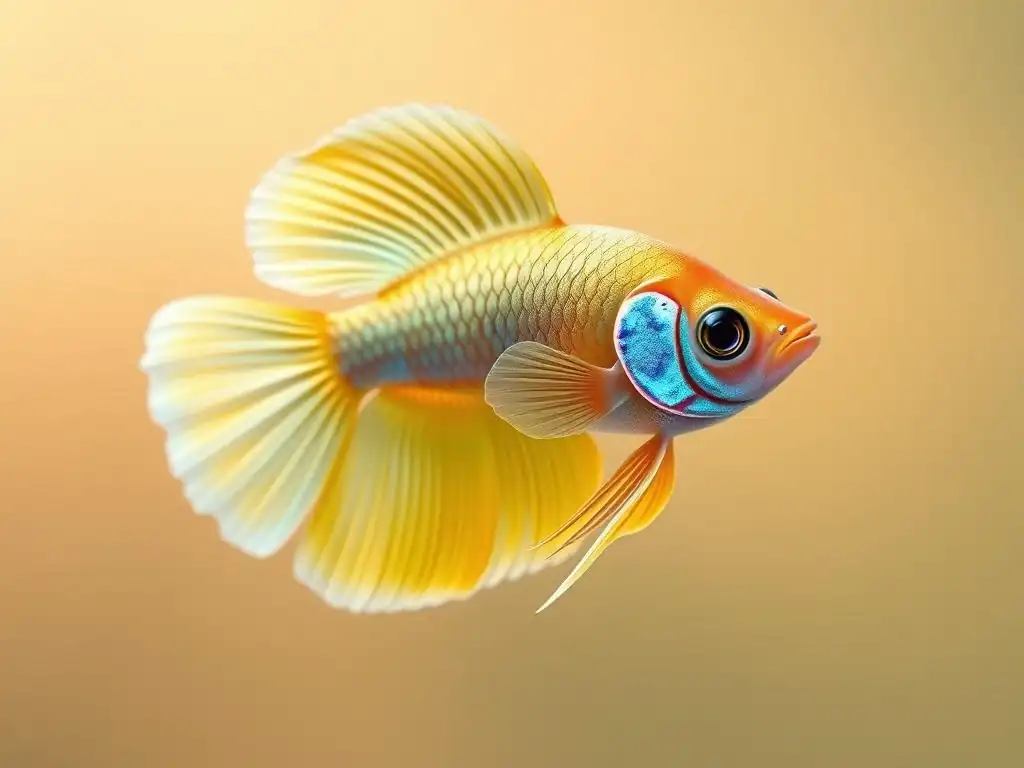
The Sunshine Yellow Betta is a less common but incredibly cheerful Betta fish color variation, ranging from a pale, creamy yellow to a vibrant, golden hue. Achieving a true, unblemished yellow Betta is challenging, as these fish often carry genes for red or orange, which can sometimes bleed into the yellow, creating a more orange-yellow appearance. The intensity of the yellow is primarily influenced by xanthophores, the pigment cells responsible for yellow and orange.
A truly pure yellow Betta, without any red or black markings, is considered a prize among collectors. While not as universally available as red or blue Bettas, their bright and sunny disposition makes them highly desirable. Proper diet, particularly one rich in carotenoids, can help enhance and stabilize the yellow Betta fish color, preventing it from fading or becoming dull over time.
The Emerald Green Betta: Reflecting the Aquarium's Beauty
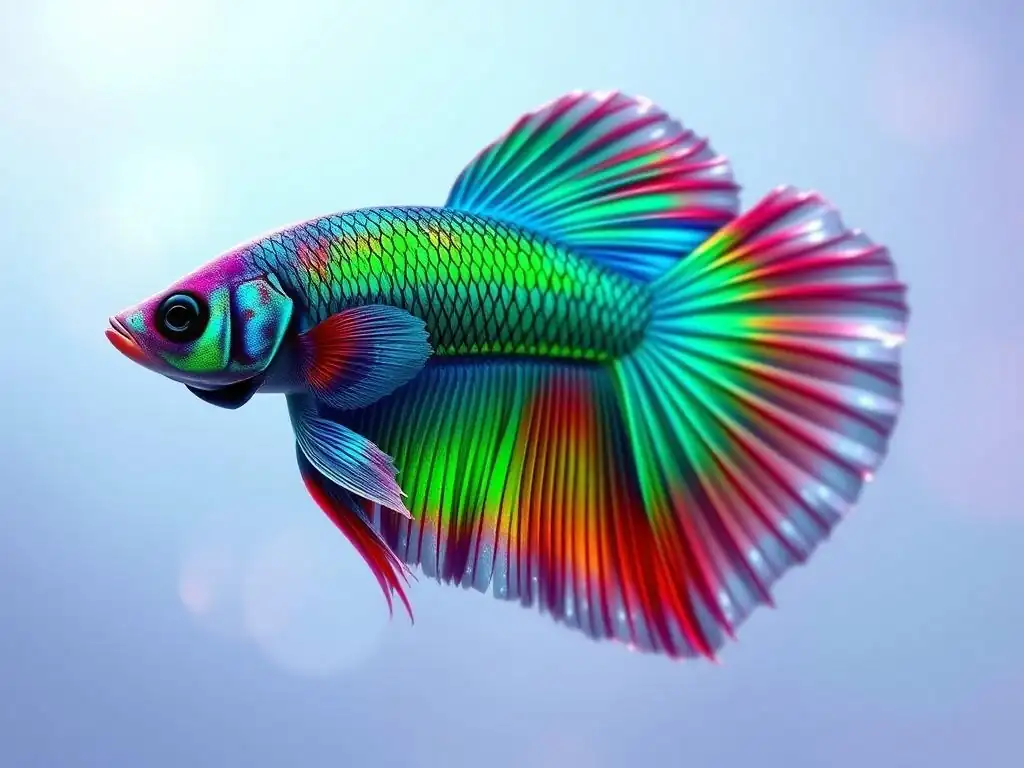
Emerald Green Bettas are captivating due to their deep, often metallic, green Betta fish color, which can vary from a dark forest green to a brighter, more iridescent lime. This striking coloration is largely attributed to the interplay of blue iridophores over a yellow or black base. The way light reflects off these specialized cells creates the perception of green, making them appear to shimmer and change hues depending on the viewing angle.
True, non-iridescent green Bettas are exceedingly rare; most "green" Bettas exhibit a strong metallic sheen, which is characteristic of their iridophore-driven Betta fish color. They can be a stunning addition to a planted aquarium, where their vibrant green Betta fish color variations complement the lush foliage, creating a harmonious and visually appealing display.
The Mysterious Orange Betta: A Blend of Red and Yellow
Orange Bettas represent a captivating blend of red and yellow pigments, creating a warm and often fiery Betta fish color. Their hues can range from a soft, peachy orange to a deep, intense tangerine. This coloration is a result of the combined expression of erythrophores and xanthophores, with the specific ratio dictating the exact shade of orange.
While not as common as solid reds or blues, striking orange Betta fish color variations are gaining popularity for their unique warmth. Breeders often work to intensify the orange, ensuring a rich, uniform color without excessive mottling or unwanted red streaks. Diet, as with yellow and red Bettas, plays a critical role in maintaining the vibrancy and depth of this distinctive Betta fish color.
Multicolor Betta Varieties: A Symphony of Hues
Bi-Color Bettas: Contrasting Body and Fin Colors
Bi-color Bettas are distinguished by having a distinctly different color on their body compared to their fins, creating a striking contrast. Common Betta fish color variations include a red body with blue fins, a black body with red fins, or a yellow body with black fins. The key characteristic is a clear line of demarcation between the two colors, showcasing the genetic precision involved in their breeding.
This division of Betta fish color creates a dynamic visual effect, often highlighting the elegance of the finnage against a solid body. The vibrancy and clarity of both colors, along with the crispness of their separation, are important factors in determining the quality of a bi-color Betta. These Betta fish color variations are popular for their dramatic appearance and the way they showcase the distinct areas of color.
Butterfly Betta: Distinct Bands of Color
The Butterfly Betta is a specific and highly prized type of bi-color Betta fish color variation. Its defining characteristic is a clear, distinct band of color on the outer edge of its fins that contrasts sharply with the color of the body and the inner part of the fins. Typically, the body color extends into the base of the fins, covering approximately 50-70% of the fin, with the remaining outer portion being a contrasting color, most commonly white or clear.
The ideal Butterfly pattern exhibits a clean, straight line of separation between the two colors, without any bleeding or blurring. This precise banding, resembling the distinct patterns on a butterfly's wings, makes these Betta fish color variations exceptionally beautiful and sought after by collectors. The clarity and starkness of the contrast are paramount to a high-quality Butterfly Betta.
Marble Bettas: The Ever-Changing Patterns
Marble Bettas are renowned for their unique and unpredictable splotchy patterns that resemble natural marble, making each fish truly one-of-a-kind. These Betta fish color variations are caused by a "transposon" or "jumping gene," which allows pigment cells to randomly migrate and change their expression throughout the fish's life. This means a Marble Betta's colors can darken, lighten, or even completely transform over months or years.
Common Marble Betta fish color variations include combinations of black, red, white, and blue, often appearing as irregular patches and streaks. The dynamic nature of their coloration is a major appeal, as owners can witness their fish's pattern evolve. While the initial pattern may be striking, there's always an element of surprise as the Betta fish color variations continue to shift.
Dragon Scale Bettas: Metallic Sheen and Color Combinations
Dragon Scale Bettas are characterized by their distinctive, thick, and iridescent scales that often resemble the armored hide of a dragon. These scales typically cover the body and can extend to the head, creating a raised, metallic appearance that often contrasts with the underlying body color. This unique texture and sheen contribute significantly to their striking Betta fish color variations.
Common Dragon Scale Betta fish color variations feature a base body color, such as red, blue, or black, overlaid with metallic copper, gold, or silver scales. For instance, a red Dragon Scale Betta might have a vibrant red body with shimmering copper scales, giving it a powerful and regal look. The density and spread of these metallic scales are key to their appeal, making them highly sought after among Betta enthusiasts.
Koi Bettas: Mimicking the Patterns of Koi Carp
Koi Bettas are a specialized and highly popular type of Marble Betta, selectively bred to mimic the iconic multi-color patterns of Japanese Koi carp. These Betta fish color variations typically feature large, distinct patches of red, black, and white (or sometimes orange, yellow, or blue) distributed irregularly over a lighter base body. The aim is to replicate the aesthetic of a pond Koi in a smaller, aquatic companion.
Like all Marble Bettas, Koi Betta fish color variations are not static and can change over time as the fish matures, adding an element of surprise and individuality. The beauty of Koi Bettas lies in the natural artistry of their patterns, with no two fish having identical markings. Their popularity has surged due to their striking resemblance to their namesake and the captivating evolution of their Betta fish color.
Galaxy Koi Betta: A Stunning Variation
The Galaxy Koi Betta is an exquisite variation of the traditional Koi Betta, taking its stunning patterns to a new level of brilliance. In addition to the classic red, black, and white Koi markings, Galaxy Koi Bettas feature a dense scattering of iridescent speckles, often appearing as shimmering blue, green, or metallic spots, reminiscent of stars against a dark sky. These speckles are caused by a proliferation of iridescent scales.
This addition of metallic glitter enhances the already captivating Koi pattern, making the Betta fish color variations appear to sparkle and shift under light. The combination of bold, contrasting patches and the delicate, shimmering "galaxy" effect makes these some of the most visually spectacular and highly prized Betta fish color variations available to collectors, commanding premium prices.
Samurai Bettas: Bold Colors and Defined Patterns
Samurai Bettas are a relatively new and increasingly popular Betta fish color variation that shares characteristics with Dragon Scale Bettas but typically features more defined, often darker, outlines around their metallic scales. This creates a more pronounced, armored appearance that gives them a bold and distinctive look, much like a Japanese samurai's traditional armor.
The typical Betta fish color variations for Samurai Bettas often involve a dark body (black or deep blue) contrasted with vibrant, metallic scales, frequently in red, blue, or gold. The fins are usually dark and robust, further enhancing their powerful aesthetic. The sharp definition of their scale patterns and striking Betta fish color combinations make Samurai Bettas a formidable and attractive addition to any aquarium.
Metallic and Iridescent Betta Colors: Adding Sparkle to Your Tank
Copper Bettas: A Bronze-Like Sheen
Copper Bettas are distinct for their unique bronze, reddish-brown, or coppery metallic sheen that shimmers under light. This lustrous Betta fish color is a result of specific layers of iridophores that reflect light in a way that produces these warm, metallic tones. The intensity of the copper can range from a subtle gleam to a vibrant, polished bronze.
These Betta fish color variations often display hints of green, purple, or blue iridescence depending on the angle of light and the fish's underlying genetics. Copper Bettas are highly valued for their unique metallic glow, which adds a sophisticated sparkle to the aquarium. Their distinctive hue sets them apart from the more common solid or bi-color Betta fish color variations.
Gold Bettas: A Rare and Precious Appearance
Gold Bettas are among the rarer metallic Betta fish color variations, presenting a spectrum from a pale champagne gold to a deep, rich, burnished gold. Achieving a true, unblemished gold Betta is challenging, as this color is often a specific expression of the iridescent gene, sometimes linked to copper genetics but with a stronger yellow pigment influence.
The appeal of Gold Bettas lies in their precious and luminous appearance, making them a jewel-like addition to any collection. Their rarity contributes to their desirability, as breeders strive to produce Betta fish color variations that are consistently and vibrantly gold without any unwanted silver or copper undertones.
Platinum Bettas: A Silver-Like Luster
Platinum Bettas are characterized by their bright, silvery-white metallic sheen, often appearing almost pure white but with a distinct, reflective luster. This Betta fish color variation is a result of an extremely dense concentration of iridophores that reflect light predominantly in the white spectrum, giving them a solid, almost polished appearance.
Unlike the translucent Cellophane Betta, Platinum Bettas are opaque and possess a striking luminosity that makes them stand out. Their silver-like luster adds a touch of elegance and sophistication to the aquarium, and they are highly sought after for their pristine Betta fish color and radiant glow.
Rare and Unique Betta Color Morphs: The Collector's Dream
Mustard Gas Betta: A Distinctive Color Combination
The Mustard Gas Betta is a distinctive and highly sought-after bi-color Betta fish color variation, instantly recognizable by its unique combination of a dark body and contrasting yellow or orange fins. Typically, the body is a deep blue or green, providing a striking backdrop for the bright, almost neon yellow or orange finnage. The name itself is derived from the resemblance of this color pairing to mustard gas.
This unique Betta fish color variation is not as common as other bi-colors, making it a favorite among collectors seeking something truly different. The crisp contrast between the dark body and the vibrant fins creates a visually appealing dynamic that highlights the elegance and flow of the Betta's fin movements, making it a standout in any aquarium.
Cellophane Betta: Translucent Beauty
The Cellophane Betta is a unique Betta fish color variation characterized by its translucent, almost colorless body and fins. Unlike opaque white Bettas, Cellophane Bettas lack significant pigment cells, making them appear nearly clear or ghostly. In some cases, their internal organs might even be faintly visible through their transparent skin.
While some might consider them "plain" compared to their vibrant counterparts, the subtle beauty of a Cellophane Betta lies in its ethereal, glass-like appearance. They can be particularly striking when combined with specific fin types, such as a large Halfmoon or Crowntail. This Betta fish color variation is also sometimes referred to as a "ghost Betta" due to its almost invisible quality.
Lavender Betta: A Delicate and Uncommon Hue
The Lavender Betta is a delicate and relatively uncommon Betta fish color variation that presents a soft, pastel blend of blue, pink, and sometimes purple hues. This unique coloration creates a subtle, almost ethereal appearance that sets it apart from the more common vibrant reds and blues. The exact shade of lavender can vary, from a pale, almost silvery-pink to a deeper, more pronounced purple-blue.
Achieving a true Lavender Betta fish color requires specific genetic crosses and careful breeding, making them a rarer find in the hobby. Their unique, understated elegance makes them highly desirable for collectors looking for Betta fish color variations that offer a more nuanced and sophisticated aesthetic compared to bolder, more saturated tones.
Turquoise Betta: A Blend of Blue and Green
The Turquoise Betta is a vibrant and popular Betta fish color that sits beautifully between blue and green, often exhibiting a strong iridescent sheen. This captivating hue is a result of the specific interaction of blue iridophores with underlying yellow pigments, creating a stunning jewel-toned appearance that is highly prized by aquarists. The intensity of the turquoise can range from a bright, almost electric shade to a deeper, more teal-like tone.
The iridescence of the Turquoise Betta fish color ensures that it shimmers and changes appearance under different lighting conditions, revealing its full spectrum of blue-green brilliance. These Bettas are particularly striking in a well-lit aquarium, where their vibrant Betta fish color variations can truly pop and become a focal point, showcasing their unique blend of oceanic hues.
Caring for Your Colorful Betta: Maintaining Vibrant Hues
Diet and Nutrition for Optimal Betta Color Development
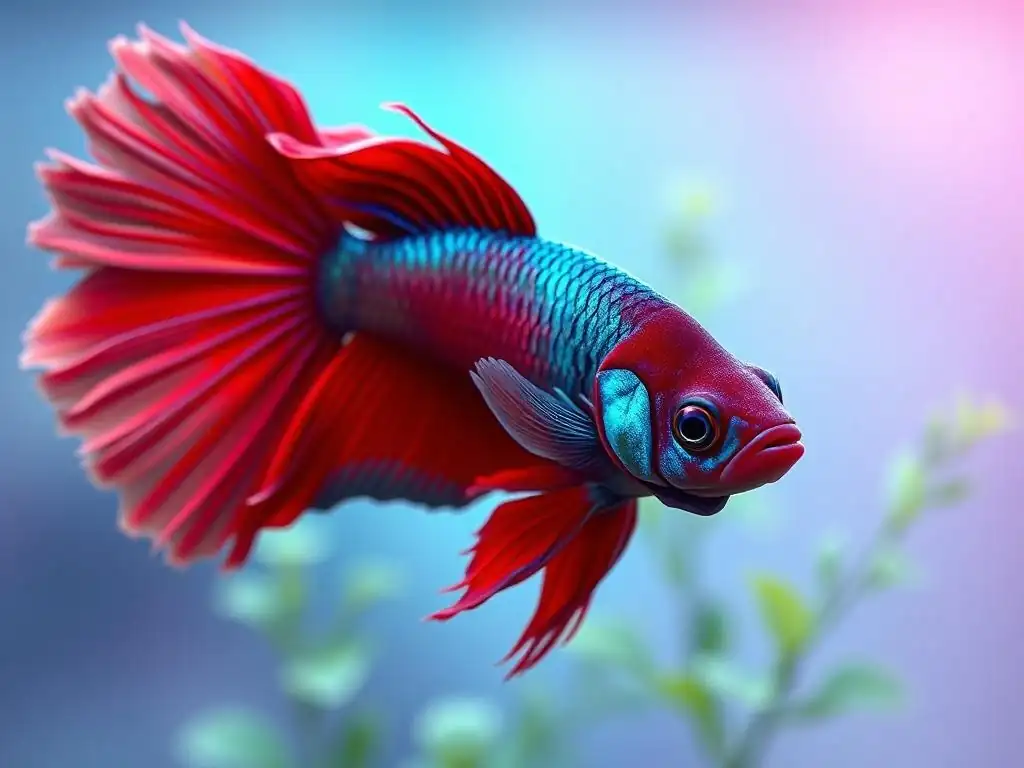
To ensure your Betta fish color remains vibrant and truly expresses its genetic potential, a high-quality, varied diet is paramount. Specialized Betta pellets, often formulated with a crude protein content of 35-45%, should form the staple of their diet. Crucially, these pellets should contain color-enhancing ingredients such as spirulina, astaxanthin, and other carotenoids, which are directly absorbed and deposited into the fish's pigment cells, intensifying reds, yellows, and oranges.
Supplementing their diet with live or frozen foods like bloodworms, brine shrimp, and daphnia once or twice a week provides essential vitamins, minerals, and natural pigments that further contribute to the richness and depth of Betta fish color variations. For instance, feeding a Betta rich in astaxanthin can visibly deepen reds within a few weeks. It is important to feed in moderation, as overfeeding can lead to health issues that may dull colors.
Maintaining Water Quality to Enhance Betta Colors
Pristine water conditions are non-negotiable for maintaining the health and vibrant Betta fish color of your fish. Poor water quality, characterized by elevated levels of ammonia (ideally 0 ppm), nitrite (ideally 0 ppm), or high nitrates (below 20 ppm), causes significant stress to Bettas, leading to dull, faded Betta fish color variations and compromised immune systems. Regular partial water changes are essential; for a 5-gallon tank, a 25-30% weekly water change is a good general guideline.
Consistent water parameters are equally important. Maintaining a stable water temperature between 78-80°F (25.5-26.5°C) and a pH level of 6.5-7.5 helps prevent stress and disease, allowing the Betta's natural Betta fish color to flourish. Unstable or incorrect parameters can not only fade colors but also predispose the fish to various ailments, further impacting their aesthetic appeal.
Minimizing Stress to Preserve Betta Fish Color
Stress is a major deterrent to vibrant Betta fish color. Common stressors include inappropriately sized tanks (anything less than 5 gallons for a single Betta), strong water currents from filters, noisy or high-traffic environments, aggressive tank mates, and overfeeding. When a Betta is chronically stressed, its energy is diverted from non-essential functions like color production, often resulting in faded Betta fish color variations or the appearance of horizontal "stress stripes" on its body.
To minimize stress and promote brilliant Betta fish color, provide a suitably sized aquarium with gentle filtration, plenty of hiding spots (such as live or silk plants, caves, or driftwood), and ensure it is placed in a quiet area. Avoid overstocking the tank or introducing incompatible tank mates. A calm, stable, and secure environment is crucial for a Betta to fully express its genetic potential for stunning Betta fish color variations.
Choosing the Right Betta: Color Considerations and Beyond
Selecting a Healthy Betta Based on Color and Appearance
When selecting a Betta, while its dazzling Betta fish color variations are often the primary attraction, it's crucial to prioritize signs of overall health. Look for Bettas with vibrant, clear colors that are not faded, dull, or patchy (unless it's a Marble Betta, where color change is expected). Their fins should be fully spread, free of tears or rot, and not clamped close to the body. An active Betta that responds to your presence and swims gracefully is generally a healthy one.
Conversely, avoid Bettas exhibiting signs of stress or illness, regardless of their initial Betta fish color. These signs include persistent stress stripes (horizontal bands on the body), clamped fins, cloudy eyes, labored breathing, visible white spots (ich), fungal growth, or severe fin rot. A Betta in poor health will not display its true Betta fish color potential and may require significant recovery efforts.
Considerations Beyond Color: Fin Type and Temperament
Beyond the captivating Betta fish color variations, prospective owners should also consider the various fin types available, as they significantly contribute to the fish's overall aesthetic and care requirements. Popular fin types include the flowing Halfmoon, the short-finned Plakat, the spiky Crowntail, and the intricate Veiltail. Each fin type has its own unique beauty and may influence the Betta's swimming ability or susceptibility to fin nipping if housed with tank mates.
Furthermore, remember that each Betta possesses a unique temperament. While Bettas are generally known for their aggressive nature towards other male Bettas, individual personalities vary. Some may be more active and inquisitive, while others are more docile. Ultimately, choosing a Betta should involve a holistic assessment of its health, fin type, and the captivating Betta fish color that speaks to you, ensuring you are prepared to provide the specific care it needs to thrive.
Displaying Your Betta's Colors: Aquarium Setup and Lighting
Optimizing Lighting for Betta Color Enhancement
Proper lighting can dramatically enhance the visual impact of your Betta fish color variations. LED lights with adjustable spectrums are highly recommended, as they allow aquarists to fine-tune the light to best showcase specific Betta colors. Full-spectrum lighting, often around 6500 Kelvin (daylight spectrum), is generally excellent for bringing out the vibrancy in most Betta colors, particularly blues, reds, and iridescent metallic hues.
Avoid overly harsh, direct lighting, which can cause algae growth and stress for the fish, potentially dulling Betta fish color. Conversely, insufficient lighting will not allow the Betta's colors to truly pop. A consistent lighting schedule, typically 8-10 hours per day, is beneficial for both the Betta's well-being and any live plants in the aquarium, ensuring the Betta fish color variations are always presented in their best light.
Choosing Substrate and Decorations to Complement Betta Colors
The choice of substrate and decorations can significantly influence how your Betta fish color variations are perceived, making them appear more vibrant or subdued. Darker substrates, such as black or dark brown gravel or sand, often provide the strongest contrast, causing bright Betta colors, especially reds, blues, and metallics, to appear more intense and "pop" against the background. Lighter substrates can sometimes wash out lighter-colored Bettas.
Incorporating natural-looking decorations like driftwood, smooth rocks, and live plants can further complement and enhance Betta fish color. Green plants, in particular, provide a lush, natural backdrop that makes reds, blues, and iridescent Betta fish color variations stand out beautifully. Avoid overly bright or clashing decorations that might detract from the Betta's natural beauty or create a stressful environment for the fish.
Frequently Asked Questions
What factors influence Betta fish color variations?
Genetics play a huge role, as do environmental conditions such as water quality and diet. Selective breeding also contributes to the vast array of colors seen in Betta splendens.
How does diet affect the color of my Betta fish?
A high-quality diet, rich in carotenoids, can significantly enhance the vibrancy of your Betta's colors. Poor nutrition can lead to faded or dull coloration.
What are some of the most common Betta fish color variations?
Popular variations include red, blue, white, yellow, and black, as well as combinations like multicolored and marble. These colors can be further categorized into different patterns.
Are certain Betta fish color variations more prone to specific health issues?
While not directly linked, some lighter-colored Bettas may show signs of illness more easily. Overall, proper care is more important than color in determining health.
Where can I learn more about Betta fish color genetics and breeding?
AquariumMastery.com provides detailed articles on Betta breeding, including insights into how color genetics work. You can also find resources on selective breeding techniques.
Final Reflection: Embracing the Palette of Possibilities
The vibrant world of Betta fish color variations, as we've explored, isn't just about aesthetics; it's a testament to the power of selective breeding and the inherent beauty found within the natural world. Understanding the nuances of these colors and patterns allows us to appreciate the dedication of breeders and the incredible diversity within a single species. This knowledge empowers us to make informed choices as hobbyists and contributes to the responsible care and preservation of these aquatic jewels.
The allure of Betta fish colors extends beyond the aquarium, subtly influencing our perception of beauty and inspiring creativity in various artistic mediums. My own fascination with these vibrant creatures began with a single, fiery red Betta, a moment that sparked a lifelong appreciation for the artistry of nature. The best and most beautiful things in the world cannot be seen or even touched - they must be felt with the heart.
- Helen Keller. This quote resonates deeply when considering the emotional connection we form with these living works of art, a connection that transcends mere observation.
Now, as you embark on your own journey into the world of Betta fish, I encourage you to remember the spectrum we've unveiled. Let the knowledge you've gained inspire you to not only appreciate the dazzling array of colors but also to champion responsible breeding practices and advocate for the well-being of these magnificent creatures. Consider the impact of your choices and strive to contribute to a future where the beauty and diversity of Betta fish continue to thrive for generations to come.
Ignite Your Aquarium: Chart Your Betta Journey!
Thank you for diving into the mesmerizing world of Betta colors! Now that you've unlocked the secrets to these dazzling variations, it's time to bring that knowledge to life. Here are a few ways to deepen your passion and connection with Betta fish:
- Embark on a Betta Quest: Identify a specific Betta color variation that captivates you and research its unique genetics and care requirements. Consider it your first step in a colorful Betta adventure!
- Share your newfound Betta brilliance with fellow enthusiasts:Craft a captivating post on your favorite social media platform showcasing a Betta color variation you admire, using #AquariumMastery to inspire others.
- Dive deeper into the Betta community: Explore online forums or local aquarium clubs to connect with experienced Betta keepers and exchange insights.
Which breathtaking Betta color variation will you champion and share with the world first?