
Beyond Rotifers: Exploring Viable Alternative First Foods for Marine Larvae

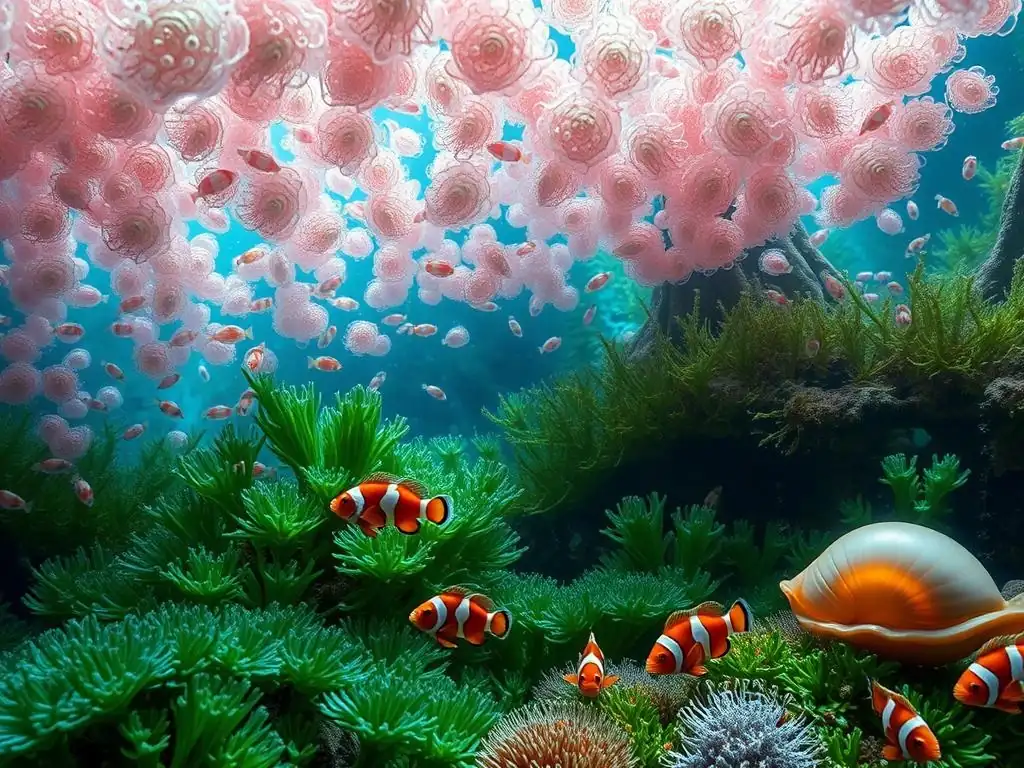
Welcome to Aquarium Mastery! Ever wondered if there's more to marine larvae feeding than just rotifers? Dive into "Beyond Rotifers: Exploring Viable Alternative First Foods for Marine Larvae" and unlock the secrets to successfully rearing even the most challenging saltwater species. Curious about what else your tiny swimmers can thrive on? Let's explore a world of possibilities!
- The Challenge of First Feeding Marine Larvae
- Exploring Alternative Live Feeds for Marine Larvae
- Non-Live Alternative First Foods: Expanding the Options
- Comparing Alternative First Foods: A Nutritional Analysis
- Practical Considerations for Implementing Alternative First Foods
- Case Studies: Successful Implementation of Alternative First Foods
- Future Directions in Marine Larval Nutrition
-
Frequently Asked Questions
- What are some alternative first foods to rotifers for marine larvae?
- Why might aquarists want to use alternatives to rotifers?
- Are copepods a practical first food option for all marine larvae?
- What factors should I consider when selecting an alternative first food?
- How do I enrich Artemia nauplii to make them a better first food?
- Final Reflection: Cultivating a Future for Marine Larvae
- Ignite Growth: Chart Your Marine Larvae's Future!
The Challenge of First Feeding Marine Larvae
The Importance of First Foods in Marine Larviculture
The initial feeding stage, often termed the "first feeding" or "weaning" period, represents a critical bottleneck in the aquaculture of many marine fish species. Larvae hatch with limited yolk reserves, typically lasting only a few days, after which they must actively feed to survive and grow. During this phase, their digestive systems are still underdeveloped, lacking the full complement of digestive enzymes, and their mouths are often extremely small, necessitating highly digestible, perfectly sized, and nutritionally complete food particles.
The quality and availability of first foods directly dictate larval survival rates, growth trajectory, and overall health, significantly impacting the success of a marine fish hatchery. Inadequate nutrition during this rapid developmental phase can lead to high mortality, stunted growth, skeletal deformities, and poor pigmentation, ultimately rendering commercial production unfeasible. For example, a difference of even 5% in initial larval survival can translate to thousands of additional juveniles in a large-scale operation.
Limitations of Rotifers as Primary Larval Feed
For decades, the marine aquaculture industry has heavily relied on rotifers, primarily Brachionus plicatilis and Brachionus rotundiformis, as the standard first food for marine fish larvae due to their small size and ease of culture. However, rotifers inherently possess a poor nutritional profile, particularly deficient in essential highly unsaturated fatty acids (HUFAs) like docosahexaenoic acid (DHA) and eicosapentaenoic acid (EPA), which are vital for neural and retinal development in marine fish. Unenriched rotifers typically contain less than 0.5% DHA by dry weight.
To compensate for this nutritional inadequacy, rotifers must undergo intensive enrichment protocols using lipid emulsions rich in HUFAs, a process that adds significant cost, labor, and technical complexity. Furthermore, their relatively simple biochemical composition and high bacterial load risk can negatively impact larval health and water quality. For some delicate species, even enriched rotifers may not provide the optimal size or nutritional balance, leading to suboptimal performance, with survival rates for certain species like snappers often remaining below 10% when fed solely rotifers.
The Need for Alternative First Food Sources for Marine Fish Larvae
The limitations of rotifers, coupled with the increasing demand for diverse marine aquaculture species, have spurred extensive research into viable marine larvae alternative first foods. The goal is to find feeds that offer superior nutritional value, better digestibility, appropriate size ranges for various larval stages, and potentially reduce the labor and cost associated with live feed production. This quest is driven by the desire to improve larval survival, accelerate growth, reduce deformities, and enhance the overall robustness of hatchery-produced marine fish.
Developing effective marine larvae alternative first foods is crucial for expanding the range of commercially viable marine species. Many species, particularly those with very small mouth gapes or exceptionally high HUFA requirements (e.g., tuna, certain groupers), struggle to thrive on rotifers, even when enriched. By providing a more natural and complete diet, alternative feeds aim to bridge the nutritional gap, leading to more resilient larvae and a more sustainable aquaculture industry. For instance, the use of copepods has shown to increase survival rates in species like Atlantic cod significantly.
Exploring Alternative Live Feeds for Marine Larvae
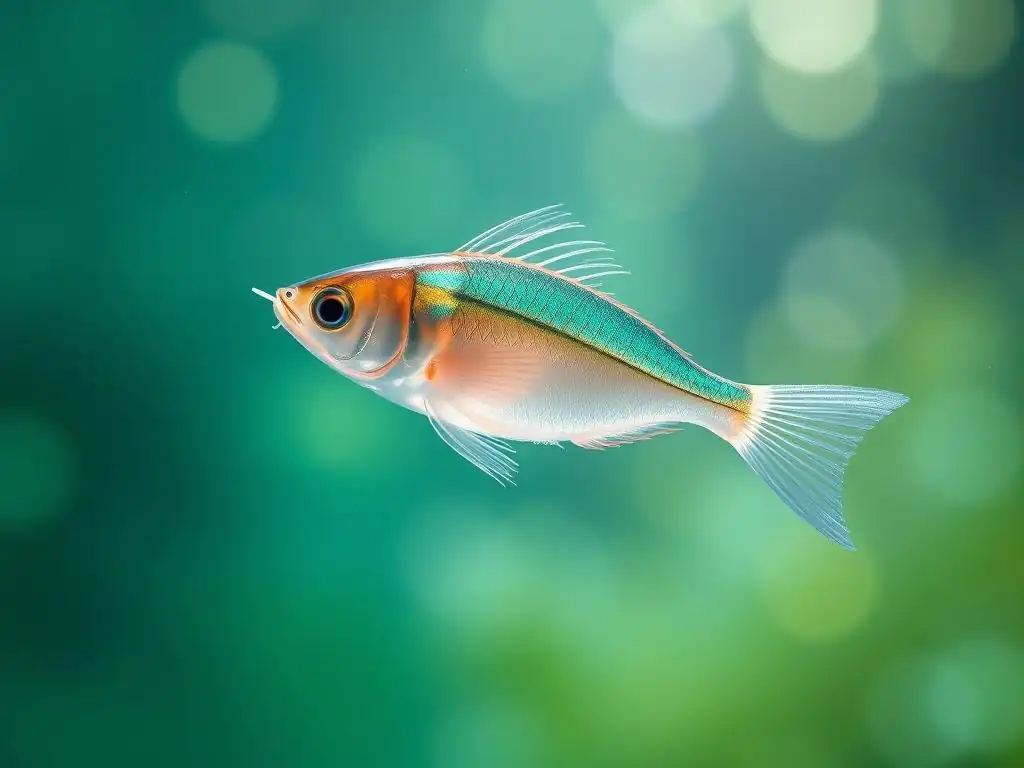
Copepods: A Nutritious Alternative to Rotifers
Copepods, particularly their naupliar stages, are increasingly recognized as a superior marine larvae alternative first food due to their exceptional nutritional profile and appropriate size range for many marine fish larvae. Unlike rotifers, copepods naturally synthesize and accumulate high levels of essential HUFAs, including DHA and EPA, as well as crucial amino acids and carotenoids. For example, the calanoid copepod Acartia tonsa can contain DHA levels ranging from 5% to 15% of its total fatty acids, significantly higher than unenriched rotifers.
Their jerky swimming pattern also acts as a strong feeding stimulant for marine larvae, mimicking natural prey. Furthermore, the chitinous exoskeleton of copepods is thought to contain enzymes that aid in the digestion of other food particles, potentially enhancing larval digestive capabilities. Studies have shown that larvae fed copepods often exhibit faster growth rates, better pigmentation, and fewer skeletal deformities compared to those fed rotifers, with protein content in copepods often exceeding 55% of dry weight.
Benefits of Copepods for Marine Larval Development
The benefits of incorporating copepods into larval feeding protocols are substantial. Their rich HUFA content is critical for the proper development of the larval nervous system, retina, and immune function, leading to improved vision and stress resistance. For species like yellowtail kingfish ( Seriola lalandi), using copepods as a first feed has been shown to increase survival rates from a typical 5-10% on rotifers to 25-40%, alongside a reduction in spinal deformities.
Copepod nauplii are also available in a wide range of sizes, from 50 µm to 200 µm, making them suitable for species with very small mouths, such as snappers and groupers, during their critical first feeding window. Their natural enzyme content and highly digestible tissues contribute to improved gut health and nutrient absorption in larvae. This comprehensive nutritional package and physical characteristics make copepods a highly effective marine larvae alternative first food, promoting robust larval development and higher overall yields.
Culturing Copepods for Marine Fish Larvae
Culturing copepods on a commercial scale presents more challenges than rotifer culture but is becoming increasingly viable with technological advancements. Production typically involves maintaining large volumes of microalgae (e.g., Nannochloropsis, Isochrysis, Chaetoceros) as feed for the copepods, requiring significant space and infrastructure. Different copepod species, such as the benthic harpacticoid Tisbe holothuriae or the pelagic calanoid Parvocalanus crassirostris, are cultured based on larval size requirements and ease of mass production.
Typical culture densities for Parvocalanus crassirostris can reach 500-2,000 copepods per milliliter in well-managed systems, with daily harvests providing a continuous supply. While the initial setup and operational costs for copepod culture are higher than for rotifers, the superior performance of larvae fed copepods often justifies the investment, leading to higher survival rates and a more valuable product. Techniques for continuous culture and automated harvesting are continually being refined to improve efficiency and reduce labor for these marine larvae alternative first foods.
Artemia Nauplii: Enriching Artemia for Enhanced Larval Nutrition
Artemia salina nauplii, commonly known as brine shrimp, are another widely used live feed in marine aquaculture, primarily due to their ease of hatching, availability of cysts, and relatively large size compared to rotifers. They are typically introduced after larvae have grown beyond the rotifer-feeding stage or for species with larger mouth gapes from hatching. However, newly hatched Artemia (instar I nauplii) are nutritionally deficient, particularly in essential HUFAs like DHA, containing less than 1% DHA of their total fatty acids.
This inherent nutritional inadequacy means that Artemia must be enriched to become a truly viable marine larvae alternative first food for most marine fish species. Without enrichment, feeding unenriched Artemia can lead to severe nutritional deficiencies, characterized by poor growth, high mortality, and susceptibility to disease in marine larvae. Therefore, the focus is not just on using Artemia, but on optimizing their nutritional value through precise enrichment protocols.
Using Newly Hatched Artemia as a Marine Larval Diet
Newly hatched Artemia nauplii, typically around 400-500 µm in length, are suitable as a first feed for larger marine fish larvae, such as those of seabass or red drum, or as a follow-up diet after an initial period on rotifers or copepods. Their active swimming motion helps stimulate feeding responses in larvae. However, it is crucial to understand that their "lean" nutritional profile necessitates careful management. The lipid content of unenriched Artemia is generally low, around 15-20% of dry weight, and critically lacking in the specific HUFAs required for marine larval development.
Feeding unenriched Artemia for extended periods will invariably lead to poor larval performance, including reduced growth rates, increased susceptibility to stress, and potential organ damage due to lipid peroxidation. Therefore, while easy to hatch, newly hatched Artemia serve more as a convenient vehicle for delivering concentrated nutrients rather than a complete diet in themselves, underscoring the importance of enrichment for this marine larvae alternative first food.
Artemia Enrichment Protocols for Optimal Larval Growth
To transform nutritionally deficient Artemia into a high-quality marine larvae alternative first food, enrichment protocols are essential. This process involves feeding the Artemia nauplii with lipid emulsions rich in HUFAs (especially DHA and EPA), vitamins, and phospholipids for a period of 12-24 hours. Commercial enrichment products are specifically formulated for this purpose, allowing Artemia to accumulate these vital nutrients within their gut and tissues.
Effective enrichment can increase the DHA content in Artemia from less than 1% to 8-15% of their total fatty acids, making them significantly more nutritious. During enrichment, conditions such as temperature (e.g., 25-28°C), aeration, and density must be carefully controlled to ensure optimal uptake and maintain Artemia health. After enrichment, the Artemia should be fed to larvae promptly to prevent nutrient leaching or metabolism by the Artemia themselves, ensuring the larvae receive the maximum nutritional benefit.
Non-Live Alternative First Foods: Expanding the Options
Artificial Diets: Formulated Feeds for Marine Larvae
The development of artificial diets represents a significant step towards reducing the reliance on live feeds, which are costly and labor-intensive to produce. These formulated feeds are micro-encapsulated or agglomerated particles designed to mimic the nutritional profile and size of live prey, typically ranging from 50 µm to 200 µm. They are composed of high-quality proteins (e.g., fish meal, krill meal, soy protein), lipids (often enriched with HUFAs), carbohydrates, vitamins, and minerals, carefully balanced to meet the specific requirements of marine larvae.
The goal of artificial diets is to provide a consistent, disease-free, and nutritionally complete feed source that can either partially or fully replace live feeds. While still challenging to formulate for the earliest larval stages due to their delicate digestive systems and specific feeding behaviors, significant progress has been made, particularly for later larval stages or more robust species. These diets are carefully processed to ensure stability in water without rapid nutrient leaching.
Advantages and Disadvantages of Artificial Larval Diets
Artificial diets offer several compelling advantages as marine larvae alternative first foods. They provide a consistent nutritional profile, eliminating the variability often seen in live feeds. Their use significantly reduces the labor, space, and operational costs associated with maintaining live feed cultures. Furthermore, artificial diets pose a lower risk of introducing pathogens into the larval tanks, enhancing biosecurity. They also have a longer shelf life and can be stored easily.
However, artificial diets also have distinct disadvantages. Palatability can be an issue for some species, leading to lower ingestion rates. Nutrient leaching from the particles can degrade water quality rapidly if not managed correctly, necessitating frequent water changes or robust filtration. Digestibility can also be a challenge for the immature digestive systems of very young larvae, and some species still exhibit superior growth and survival when fed live prey, especially during the critical first feeding period.
Selecting the Right Artificial Diet for Specific Marine Species
Choosing the appropriate artificial diet for marine larvae requires careful consideration of several factors. Particle size is paramount; it must match the larval mouth gape, typically ranging from 50 µm for newly hatched larvae to 200 µm or more for larger, older larvae. The nutritional composition, particularly protein levels (often 50-60% dry weight), lipid content (10-15% with high HUFA levels), and vitamin profiles, must be tailored to the specific species' requirements and developmental stage.
Beyond size and nutrition, the physical properties of the diet, such as buoyancy (slow-sinking is often preferred), water stability, and palatability, are crucial for successful uptake and nutrient delivery. Extensive research and trial-and-error are often necessary to identify the most effective artificial marine larvae alternative first foods for a particular species, as larval responses can vary widely. Specialized diets are now available for various fish groups, reflecting the ongoing refinement in this field.
Microalgae: Direct Feeding of Marine Fish Larvae
While primarily cultured as food for rotifers and copepods, certain species of microalgae can also serve as a direct feed for marine fish larvae, particularly for species with filter-feeding capabilities or as a supplementary nutritional source. Microalgae are rich in essential fatty acids, carotenoids, vitamins, and minerals, making them a valuable component of a larval diet. Their presence in the larval rearing tanks can also contribute to improved water quality by consuming nitrogenous waste products.
For species that can directly ingest microalgae, such as some bivalve larvae, they form the primary food source. For fish larvae, microalgae can enhance the nutritional value of the rearing water, acting as a "green water" system that provides a constant, low-density food source and improves the larval environment. This approach can lead to better larval health and survival, particularly when combined with other marine larvae alternative first foods.
Selecting Appropriate Microalgae Species for Larval Rearing
The selection of microalgae species for direct larval feeding or green water systems is critical and depends on the larval species' requirements and the algae's nutritional profile. Commonly used species include Nannochloropsis oculata (rich in EPA), Isochrysis galbana (rich in DHA and carotenoids), Chaetoceros muelleri, and Tetraselmis suecica. These species vary in size (typically 2-10 µm) and cell wall digestibility.
For optimal larval development, the chosen microalgae must provide the necessary HUFAs and pigments. For instance, Isochrysis galbana is often favored for its high DHA content, which is crucial for the neural development of many marine fish larvae. Maintaining pure, healthy cultures of these specific algae is paramount to ensure consistent nutritional quality and prevent the introduction of contaminants into the larval tanks when using them as marine larvae alternative first foods.
Maintaining Microalgae Cultures for Consistent Feeding
Maintaining high-quality microalgae cultures for consistent larval feeding requires specialized knowledge and equipment. Cultures are typically grown in sterile or semi-sterile conditions using specific nutrient media (e.g., F/2 media) under controlled light intensity (e.g., 50-100 µmol photons/m²/s) and temperature (e.g., 20-25°C). Various culture systems, including batch, semi-continuous, and continuous, are employed depending on the scale of production and the specific needs of the hatchery.
Daily monitoring of cell density, purity, and health is essential to ensure a continuous supply of nutritious algae. Contamination by unwanted algae, bacteria, or protozoa can quickly crash a culture and compromise larval health. Consistent harvesting and replenishment are also vital to maintain the culture in its exponential growth phase, maximizing biomass production for feeding marine larvae alternative first foods.
Comparing Alternative First Foods: A Nutritional Analysis
Nutritional Profiles of Rotifers, Copepods, Artemia, and Artificial Diets
A comparative analysis of the nutritional profiles of common first foods reveals significant differences. Unenriched rotifers are notoriously poor in HUFAs, typically containing less than 0.5% DHA and 1% EPA of their dry weight, though protein content is around 50%. Enriched rotifers can reach 3-5% DHA and 2-4% EPA. Copepods, in contrast, naturally boast high levels of both DHA (5-15%) and EPA (5-10%), along with a protein content often exceeding 55-60% of their dry weight, making them inherently superior.
Newly hatched Artemia are also nutritionally deficient, with DHA levels often below 1%, but their protein content can be around 40-50%. Through enrichment, Artemia can accumulate DHA to 8-15% and EPA to 5-10%. Artificial diets are highly variable, with protein levels ranging from 50-65% and lipid content from 10-18%, but they can be precisely formulated to deliver specific HUFA ratios (e.g., DHA:EPA ratios of 2:1 or higher) and other essential nutrients, offering a consistent and tailored profile.
Matching First Food Nutritional Content to Larval Requirements
The success of marine larval rearing hinges on precisely matching the nutritional content of the first food to the specific requirements of the target species and its developmental stage. For instance, species with high metabolic rates and rapid neural development, such as yellowtail kingfish or snappers, have a critical need for high levels of DHA, making copepods an ideal marine larvae alternative first food due to their natural richness in this fatty acid. Conversely, some species may have a higher demand for EPA or specific amino acid profiles.
Imbalances in the fatty acid composition, particularly an insufficient DHA:EPA ratio, can lead to severe developmental issues, including retinal malformations, poor pigmentation, and reduced stress tolerance. Therefore, understanding the unique nutritional demands of each larval species – often learned through extensive research and trial-and-error – is paramount for selecting or formulating the most appropriate first food, whether it be a specific copepod species, a custom-enriched Artemia, or a specialized artificial diet.
Impact of First Food Choice on Larval Survival and Growth Rates
The choice of marine larvae alternative first foods has a profound and direct impact on key performance indicators in hatcheries: larval survival and growth rates. Studies consistently demonstrate that nutritionally superior feeds lead to significantly higher survival. For example, feeding Atlantic cod larvae copepods can boost survival rates from typical single-digit percentages (with rotifers) to 30-50%. Similarly, enhanced growth rates are observed, with larvae reaching critical metamorphosis stages faster, reducing the overall time in the vulnerable larval phase.
Beyond immediate survival and growth, the quality of first food also influences long-term health, stress resistance, and the incidence of deformities. Larvae fed optimal diets tend to exhibit better pigmentation, stronger skeletal structures, and a more robust immune system, resulting in higher quality juveniles. This translates directly to economic benefits for aquaculture operations, as improved larval performance minimizes losses and maximizes the number of healthy fish available for grow-out.
Practical Considerations for Implementing Alternative First Foods
Setting Up Cultures for Alternative Live Feeds
Implementing marine larvae alternative first foods like copepods or specialized microalgae requires a significant initial investment in infrastructure and technical expertise. Dedicated culture rooms with controlled temperature, lighting, and aeration systems are necessary. This includes numerous culture tanks, air pumps, filtration systems, and often specialized equipment like microscopes for monitoring culture health and density. The initial acquisition of pure starter cultures for specific copepod or algal species is also a critical step.
Furthermore, maintaining these cultures demands consistent daily labor, including feeding the cultures, monitoring water quality parameters (e.g., pH, salinity), harvesting the live feed, and cleaning tanks. Strict biosecurity protocols are essential to prevent contamination by unwanted organisms or pathogens, which can decimate cultures and subsequently impact larval health. This investment in time and resources underscores the commitment required to successfully integrate these advanced feeding strategies.
Feeding Strategies for Marine Larvae Using Alternative Foods
Effective feeding strategies for marine larvae using alternative foods involve precise control over feed density, frequency, and duration. For live feeds like copepods, continuous or semi-continuous drip feeding systems are often employed to maintain a constant, optimal concentration of prey in the larval tanks, mimicking natural foraging conditions. This minimizes competition and ensures that larvae always have access to food.
When transitioning between different marine larvae alternative first foods (e.g., from copepod nauplii to enriched Artemia), a gradual overlap period is often beneficial to allow larvae to adapt to the new prey size and swimming behavior. Careful monitoring of larval gut fullness, activity levels, and the presence of uneaten food is crucial to adjust feeding rates, preventing both starvation and overfeeding, the latter of which can rapidly degrade water quality and promote bacterial growth.
Monitoring Larval Health and Growth During First Feeding
Rigorous monitoring of larval health and growth is indispensable during the first feeding phase, particularly when introducing marine larvae alternative first foods. Daily visual inspections of larval tanks should be conducted to observe swimming behavior, gut fullness (indicating successful feeding), and the presence of any deformities or signs of stress. Larvae should appear active and evenly dispersed in the water column.
Regular sampling of larvae for measurements of length and weight provides quantitative data on growth rates, allowing for adjustments to feeding protocols. Microscopic examination of larval gut contents can confirm ingestion of the intended feed. Furthermore, maintaining meticulous records of survival rates, feeding amounts, and environmental parameters enables researchers and hatchery managers to identify successful strategies and troubleshoot issues promptly, ensuring optimal larval performance and maximizing yields.
Case Studies: Successful Implementation of Alternative First Foods
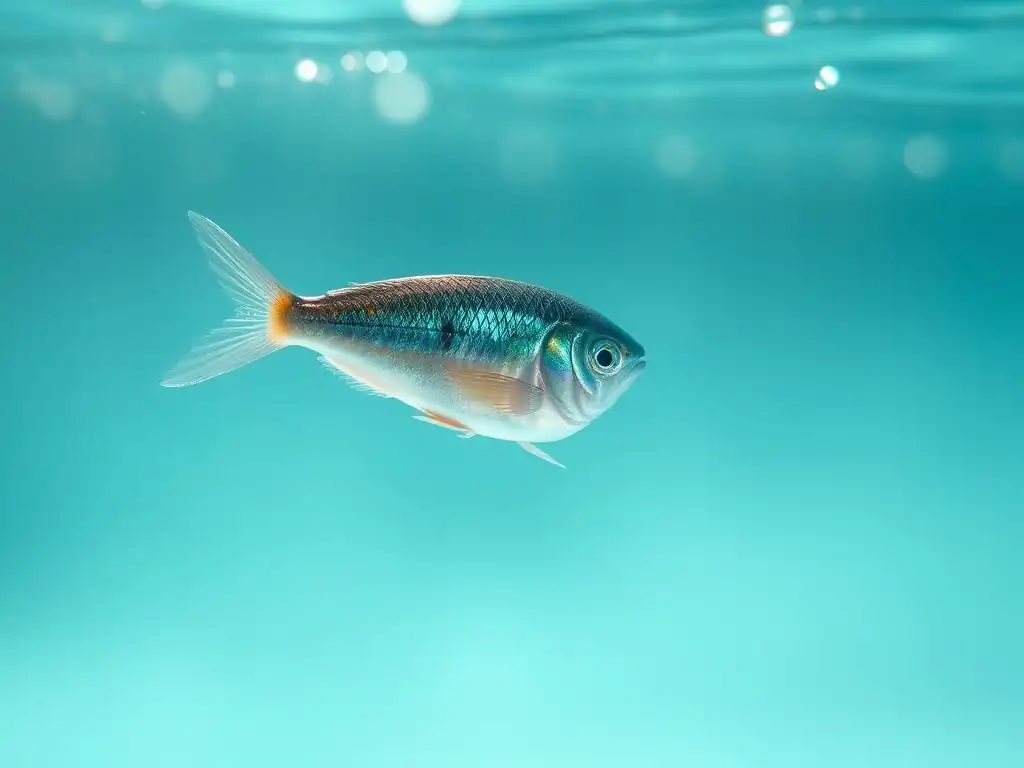
Case Study 1: Atlantic Cod ( Gadus morhua) Larval Rearing with Copepods
Atlantic cod ( Gadus morhua) larvae are notoriously challenging to rear in captivity due to their small mouth gape at first feeding (around 100-120 µm) and high requirement for specific HUFAs. Traditional reliance on enriched rotifers often resulted in survival rates below 10% and significant skeletal deformities, making commercial aquaculture difficult.
However, research and commercial efforts in Norway pioneered the use of wild-caught or cultured copepod nauplii, particularly Calanus finmarchicus, as a primary first food. The smaller naupliar stages (e.g., NII-NIII, approximately 100-150 µm) provided the perfect size, while their naturally high levels of DHA and EPA met the critical nutritional demands. This shift led to dramatic improvements in larval survival, consistently achieving 30-50% survival rates to metamorphosis, and significantly reduced deformities, establishing copepods as a vital marine larvae alternative first food for cod.
Case Study 2: Spotted Halibut ( Verasper variegatus) Larval Rearing with Enriched Artemia
Spotted halibut ( Verasper variegatus) larvae, while larger than cod larvae at hatching, still exhibit a high demand for essential fatty acids, especially DHA, for proper development and pigmentation. Early attempts at rearing often suffered from albinism (lack of pigmentation) and poor growth when fed insufficiently enriched Artemia.
Extensive research in Japan focused on optimizing Artemia enrichment protocols to provide exceptionally high levels of DHA. By utilizing specialized enrichment emulsions, DHA content in Artemia was consistently elevated to over 10% of total fatty acids. This highly enriched Artemia served as a critical marine larvae alternative first food, leading to significantly improved growth rates, reduced incidence of albinism (from over 50% down to less than 10%), and higher overall survival rates compared to larvae fed less enriched Artemia, demonstrating the power of targeted nutritional enhancement.
Case Study 3: European Seabass ( Dicentrarchus labrax) Larval Rearing with Artificial Diets
European seabass ( Dicentrarchus labrax) is one of the most commercially important aquaculture species in the Mediterranean. While traditionally reliant on rotifers and Artemia, the industry has continuously sought to reduce live feed dependence due to cost and logistical challenges.
Over decades, significant progress has been made in developing high-quality artificial diets for seabass larvae. Modern micro-encapsulated and micro-agglomerated feeds, with particle sizes ranging from 50 µm to 200 µm and balanced nutritional profiles (e.g., 55% protein, 12% lipid with high DHA), have allowed for a partial or even complete replacement of live feeds, particularly from the later larval stages (e.g., post-metamorphosis or even earlier in some protocols).
This has resulted in comparable growth and survival rates to live feed-only protocols, with substantial reductions in production costs, making artificial diets a highly successful marine larvae alternative first food for this species.
Future Directions in Marine Larval Nutrition
Research on Novel First Food Sources for Marine Fish
The search for even more efficient and sustainable marine larvae alternative first foods continues to be a priority in aquaculture research. Scientists are exploring a diverse range of novel organisms and compounds. This includes investigating other zooplankton species, such as cladocerans (e.g., Moina), ostracods, or even specific aquatic insect larvae, for their unique nutritional profiles and ease of culture. Studies are also examining the potential of single-cell organisms beyond traditional microalgae, such as certain yeasts or bacteria, which can be bio-engineered to produce specific nutrients.
Furthermore, the integration of microbial flocs and biofloc technology directly into larval rearing systems is being explored, where the flocs themselves can provide a continuous, self-renewing food source rich in proteins and probiotics. Research also focuses on developing specialized insect meal derivatives or even cell-based protein sources that could be incorporated into highly advanced artificial diets, aiming for feeds that are both nutritionally superior and environmentally sustainable.
Optimizing Feeding Protocols for Alternative First Foods
Beyond identifying new food sources, a major area of future research involves optimizing the feeding protocols for existing marine larvae alternative first foods. This includes refining the precise densities, frequencies, and durations for delivering copepods, enriched Artemia, or artificial diets, tailored to the specific developmental stages and metabolic rates of different marine fish species. The goal is to maximize nutrient uptake while minimizing waste and maintaining pristine water quality.
Advancements in automation and sensor technology are poised to revolutionize feeding strategies. Real-time monitoring of larval activity, gut fullness, and environmental parameters (e.g., dissolved oxygen, ammonia) can enable automated feeding systems to adjust feed delivery dynamically. This precision feeding will reduce labor, improve feed conversion ratios, and enhance larval performance, pushing the boundaries of efficiency in marine aquaculture.
The Role of Probiotics in Marine Larval Development
The integration of probiotics into marine larval rearing systems represents a promising future direction for enhancing health and survival, complementing the use of marine larvae alternative first foods. Probiotics, beneficial microorganisms, can be introduced directly into the rearing water or incorporated into live feeds and artificial diets. They work by colonizing the larval gut, improving digestive enzyme activity, and enhancing nutrient absorption.
Furthermore, probiotics can competitively exclude pathogenic bacteria, strengthening the larval immune system and reducing susceptibility to common diseases that plague hatcheries. Studies have shown that specific probiotic strains can lead to higher survival rates, improved growth, and better stress resistance in various marine fish larvae. This holistic approach to larval nutrition and health management is expected to play an increasingly vital role in developing more robust and resilient aquaculture practices.
Frequently Asked Questions
What are some alternative first foods to rotifers for marine larvae?
Alternatives include enriched Artemia nauplii, copepods, and commercially available larval feeds that have been specifically formulated to meet the nutritional needs of marine larvae. These options can offer better nutritional profiles.
Why might aquarists want to use alternatives to rotifers?
Rotifers, while common, can be nutritionally deficient. Alternatives may provide essential fatty acids and other nutrients critical for larval development and survival. This can lead to healthier, faster-growing larvae.
Are copepods a practical first food option for all marine larvae?
Copepods are highly nutritious but can be challenging to culture and deliver appropriately sized for all larvae. Size and accessibility are key considerations when using them.
What factors should I consider when selecting an alternative first food?
Consider the larval species' size, nutritional requirements, and your ability to culture or obtain the food reliably. Also, consider the cost-effectiveness of different options.
How do I enrich Artemia nauplii to make them a better first food?
Artemia can be enriched by feeding them a specialized enrichment product containing essential fatty acids and vitamins before feeding them to the larvae. This significantly improves their nutritional value for the larvae.
Final Reflection: Cultivating a Future for Marine Larvae
The exploration of marine larvae alternative first foods is not merely an academic exercise; it's a vital investment in the health and resilience of our marine ecosystems. As aquaculture continues to grow and wild fish populations face increasing pressures, identifying sustainable and nutritious alternatives to traditional rotifers becomes paramount to ensuring the successful rearing of diverse marine species and supporting the future of our oceans.
This journey into the world of alternative first foods has underscored the delicate balance within marine ecosystems and the profound impact our choices have on their sustainability. Witnessing the innovative research and dedication of scientists working to unlock the potential of these alternatives fills me with hope for a future where aquaculture contributes positively to ocean health. The sea, once it casts its spell, holds one in its net of wonder forever.
- Jacques Cousteau. This quote encapsulates the responsibility we bear to protect the marine world and the urgency with which we must pursue sustainable practices.
Now, I invite you to consider your own role in shaping the future of our oceans. Whether you're a researcher, an aquaculturist, a consumer, or simply someone who appreciates the beauty and importance of marine life, reflect on how you can contribute to the development and adoption of sustainable practices. Let us all strive to be mindful stewards of the sea, ensuring a thriving future for marine larvae and the ecosystems they support.
Ignite Growth: Chart Your Marine Larvae's Future!
Thank you for exploring the world of marine larvae first foods with us! We hope this article has provided you with valuable insights into alternative options beyond rotifers. Now, let's put that knowledge into action.
- Prioritize experimentation! Begin culturing one of the promising alternative first foods mentioned, such as copepods or enriched Artemia, and observe its impact on your larvae's growth and survival rates compared to your current rotifer-based diet.
- Dive deeper: Research the specific nutritional requirements of your target larval species and identify the first food that best meets those needs for optimal development.
- Share your findings! Document your experiences and contribute to the aquarium community by sharing your observations and best practices on online forums or social media.
What innovative first food combination will you try to unlock the full potential of your marine larvae?