
Grading Your Fry: Expert Tips for Selecting the Best for Future Broodstock or Sale

Welcome to Aquarium Mastery!
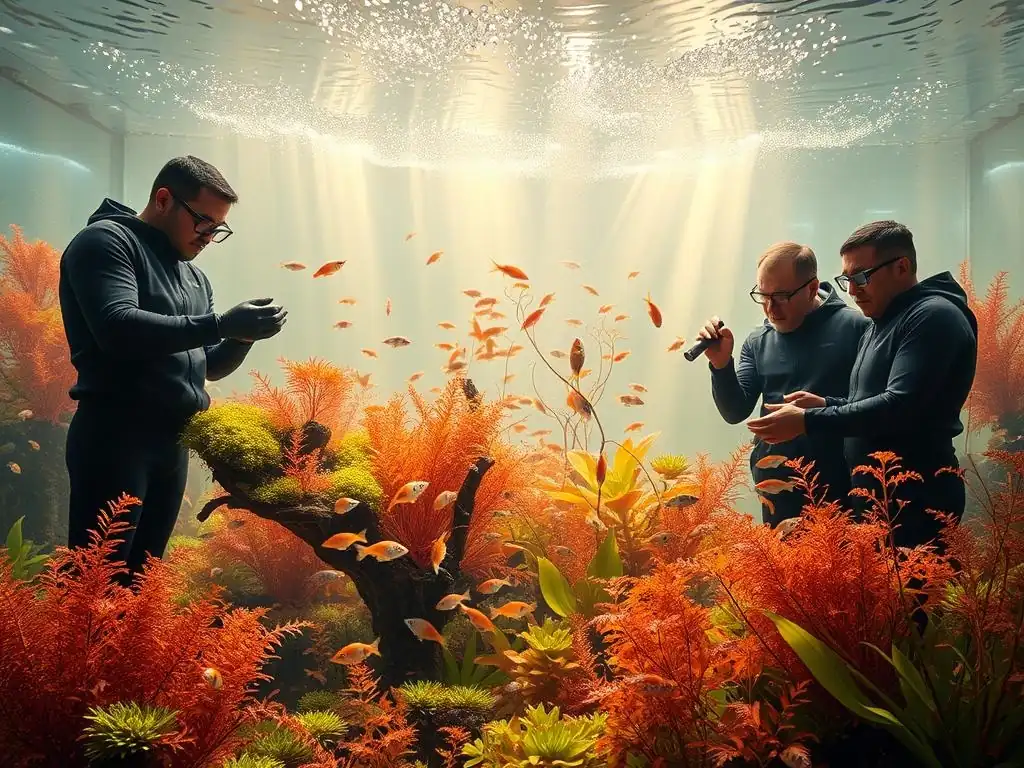
Ever wondered how the pros select the absolute best fry for future breeding or sale? This guide dives deep into best fry grading techniques, unveiling the secrets to identifying those champion fish early on. Discover the crucial factors that separate the potential winners from the rest, ensuring you cultivate a thriving and vibrant saltwater aquarium. Intrigued? Let's get started and unlock the art of fry selection!
- Understanding Fry Grading for Successful Aquaculture
- Best Fry Grading Techniques: A Step-by-Step Guide
- Advanced Fry Grading Methods
- Optimizing Fry Grading for Broodstock Selection
- Optimizing Fry Grading for Sale and Commercial Purposes
- Post-Grading Fry Care: Ensuring Survival and Growth
- Common Fry Grading Mistakes and How to Avoid Them
- Conclusion: Mastering Fry Grading for Aquaculture Success
-
Frequently Asked Questions
- How soon can I start grading my fry after they hatch?
- What are the key physical characteristics I should be looking for when grading fry?
- What role does genetics play in fry grading, and how can I assess it?
- Are there any specific tools or equipment that are helpful for grading fry?
- How frequently should I grade my fry, and what should I do with the culled individuals?
- Final Reflection: Nurturing Potential, Shaping Futures
- Nurture Your Next Generation: Take Action Now!
Understanding Fry Grading for Successful Aquaculture
Why Fry Grading is Essential in Aquaculture
Fry grading, a meticulous process of sorting and selecting larval fish based on various criteria, is absolutely essential for the success of any aquaculture operation, whether commercial or hobbyist. This practice allows aquarists to identify and isolate individuals with superior traits, leading to healthier, more robust populations. By removing weaker or deformed individuals early on, resources like food, space, and filtration capacity can be optimized for the strongest fry, significantly improving overall survival rates and growth efficiency.
The benefits extend beyond mere survival; effective grading contributes directly to the economic viability and genetic improvement of future generations. For instance, in a typical batch of marine angelfish fry, proactive grading can increase the percentage of marketable individuals by 15-20%, simply by reducing competition and disease transmission among the developing fish. This early intervention also minimizes the time and cost associated with raising inferior specimens that would ultimately be culled later in their development.
The Impact of Selective Breeding on Fry Quality
Selective breeding is the cornerstone of advanced aquaculture, and its impact on fry quality is profound. By carefully choosing parent fish that exhibit desirable traits—such as rapid growth, vibrant coloration, strong disease resistance, or specific finnage—aquarists can significantly enhance the genetic potential of their offspring. Fry grading acts as the critical validation step in this process, allowing breeders to assess if the desired traits are indeed being passed down and expressed in the larval stage.
Consider the example of designer clownfish: breeders meticulously select parents for unique patterns and color intensity. Through selective breeding, the percentage of fry inheriting these sought-after traits can be increased from a baseline of 50% to over 80% in subsequent generations. Furthermore, selective breeding can dramatically reduce the incidence of genetic defects; for instance, in some species, the prevalence of spinal deformities can be cut by 10-15% over a few generations by consistently culling affected fry and selecting only the healthiest individuals for future broodstock.
Best Fry Grading Techniques: A Step-by-Step Guide
Step 1: Early Stage Fry Evaluation - Identifying Initial Health Markers
The earliest stages of a fry's life are critical for survival and development, making initial health markers paramount in the best fry grading techniques. This initial evaluation often occurs within the first few days to a week post-hatch, focusing on fundamental physiological processes that indicate vitality and proper development. Identifying issues at this nascent stage allows for the most efficient use of resources, preventing investment in fry that are unlikely to thrive.
Observing key indicators such as swim bladder inflation and yolk sac absorption provides immediate insights into the batch's overall health. This early assessment is not just about culling; it also informs the breeder about potential issues with parental conditioning, spawning conditions, or initial rearing protocols that may need adjustment for future batches.
Assessing Swim Bladder Inflation in Larval Fish
Proper swim bladder inflation is a non-negotiable health marker for most larval fish, crucial for buoyancy control, efficient feeding, and overall survival. The swim bladder typically inflates within 24 to 72 hours post-hatch, depending on the species, by gulping air from the surface. Fry that fail to inflate their swim bladder will often exhibit abnormal swimming patterns, such as swimming with their head down or resting on the bottom, and are typically unable to feed effectively.
Failure to achieve swim bladder inflation can lead to mortality rates exceeding 90% in some delicate larval batches, such as those of marine angelfish or tangs, rendering these individuals non-viable. During this critical window, aquarists should use a magnifying glass or low-power microscope to visually confirm the presence of a small, gas-filled sac in the dorsal region of the larval body. Fry without a properly inflated swim bladder should be removed promptly to prevent them from becoming a source of poor water quality as they perish.
Evaluating Yolk Sac Absorption and Initial Feeding
The yolk sac provides essential nutrients during the first few days of a fry's life, but its complete absorption and the successful transition to exogenous feeding (consuming external food sources) are vital for continued growth and survival. A healthy yolk sac should be progressively absorbed, becoming smaller and less opaque over time, until it is completely gone, typically within 3-7 days post-hatch. Fry with abnormally large, unabsorbed, or cloudy yolk sacs often indicate developmental issues or poor water quality.
Simultaneously, observing initial feeding behavior is crucial. Healthy fry will actively pursue and consume appropriately sized live feeds, such as rotifers or copepods, within hours of yolk sac absorption. The presence of food in the gut, visible as a dark line or mass under magnification, confirms successful first feeding. A delay in first feeding by even 12 hours can reduce survival rates by 30% in delicate species like marine angelfish larvae, underscoring the importance of this early evaluation in the best fry grading techniques.
Step 2: Size Grading and Growth Rate Assessment
As fry grow, variations in size become apparent, making size grading a critical step in the best fry grading techniques for optimizing growth and minimizing issues like cannibalism. This process typically begins once fry are actively feeding and have developed past their most delicate larval stages, often around 2-4 weeks post-hatch. Consistent size grading ensures that all fry in a given tank have similar nutritional requirements and competitive abilities.
Beyond simple size, assessing growth rate is equally important. Identifying individuals that consistently grow faster than their siblings signals robust health and genetic superiority, making them prime candidates for future broodstock or rapid marketability. This ongoing assessment helps refine breeding programs and improve overall stock quality.
Utilizing Graduated Sizing Screens for Fry Separation
Graduated sizing screens or sieves are indispensable tools for efficiently separating fry by size, a core component of the best fry grading techniques. These screens consist of frames with different mesh sizes, allowing smaller fry to pass through while retaining larger ones. The process involves gently pouring fry, suspended in water, through a series of progressively larger screens. This method quickly sorts a batch into distinct size cohorts.
For clownfish fry at 30 days post-hatch, a common practice involves using screens with 2-3 mm openings to separate faster-growing individuals from slower ones. This separation can reduce cannibalism incidents by up to 40% in a grow-out tank, as larger fry are prevented from preying on their smaller siblings. By housing similarly sized fry together, competition for food is reduced, and feeding strategies can be tailored precisely to the needs of each group, leading to more uniform growth and higher overall yields.
Tracking Individual Fry Growth Rates for Optimal Selection
Beyond static size measurements, tracking the dynamic growth rates of fry provides invaluable data for optimal selection. This involves regularly sampling and measuring individuals from a batch, or even marking specific cohorts if feasible, to identify "shooters" (exceptionally fast growers) and "runts" (stunted individuals). Consistent monitoring, often weekly, allows aquarists to identify patterns and make informed decisions about which fry to retain.
In a batch of marine angelfish fry, tracking growth rates revealed that the top 10% fastest-growing individuals consistently reached marketable size 2-3 weeks earlier than the average. This represents a significant economic advantage for commercial operations, as it reduces grow-out time and accelerates time to market. For broodstock selection, consistently fast-growing fry are highly desirable, as this trait is often heritable and contributes to the productivity of future breeding lines.
Step 3: Physical Deformity Checks and Culling
Physical deformity checks are a critical, albeit sometimes difficult, aspect of the best fry grading techniques, ensuring the ethical and qualitative integrity of a breeding program. These checks identify individuals with developmental abnormalities that would compromise their health, quality of life, or marketability. Early detection and culling prevent the perpetuation of undesirable traits and optimize resources for healthy stock.
The presence of deformities can be indicative of genetic predispositions, nutritional deficiencies, or environmental stressors during early development. Addressing these issues not only improves the current batch but also provides crucial feedback for refining breeding protocols and rearing conditions for future spawns.
Identifying and Removing Fry with Spinal Deformities
Spinal deformities are among the most common and debilitating physical abnormalities observed in fry, including conditions like lordosis (downward curvature), scoliosis (lateral curvature), and kyphosis (upward curvature). These deformities often result in abnormal swimming patterns, difficulty feeding, and reduced overall vitality. They can be caused by genetic factors, nutritional deficiencies (e.g., vitamin C deficiency), or environmental stressors like rapid temperature fluctuations.
Spinal deformities can affect 5-15% of a fry batch, especially in species prone to nutritional deficiencies or genetic issues like seahorses or certain ornamental gobies. Identifying these individuals, often under magnification, is crucial. Fry exhibiting such deformities should be humanely culled, as they typically have a poor quality of life, are unlikely to thrive, and may pass on undesirable genetic traits if allowed to reproduce. This culling is a vital part of the best fry grading techniques for maintaining a robust gene pool.
Recognizing and Addressing Gill Plate Issues in Young Fish
Gill plate issues, or opercular deformities, refer to abnormalities in the gill covers (opercula) of young fish. These can manifest as underdeveloped, flared, or missing gill plates, exposing the delicate gill filaments. Such deformities severely impair respiration, making it difficult for the fish to extract sufficient oxygen from the water, leading to chronic stress, stunted growth, and increased susceptibility to disease.
Poor water quality, particularly elevated ammonia or nitrite levels, or nutritional deficiencies can exacerbate gill plate deformities. If left unaddressed, these issues can lead to chronic respiratory distress and mortality rates of 20-30% in affected individuals. Recognizing these problems early, often by observing rapid gill movements or exposed gill filaments, is essential. Fry with significant gill plate deformities should be culled to prevent suffering and ensure that only the healthiest individuals are retained in the breeding program.
Step 4: Coloration and Pattern Evaluation (If Applicable)
For ornamental species, coloration and pattern evaluation are integral aspects of the best fry grading techniques, as these traits significantly influence market value and breeding program goals. While not all species exhibit discernible patterns or colors at the fry stage, for those that do, early assessment can guide selection for highly prized traits. This step is particularly relevant in selective breeding for "designer" varieties.
This evaluation helps ensure that the breeding efforts are yielding the desired aesthetic outcomes. It also allows for the early removal of individuals displaying undesirable pigmentation or patterns, maintaining the integrity of specific genetic lines.
Selecting Fry with Desirable Color Traits for Breeding
In many ornamental fish species, specific color traits are highly valued for their aesthetic appeal and market demand. For example, in designer clownfish varieties, specific banding patterns (e.g., snowflake, Picasso) and vibrant orange pigmentation are highly sought after. Fry exhibiting these precise traits early on are prime candidates for future broodstock or command premium prices for sale. Such individuals can often fetch prices 2-5 times higher than standard individuals.
This selection process involves careful observation, often with the aid of magnification, to identify the subtle emergence of desired pigments and patterns as the fry develop. By consistently selecting and breeding from fry that display the most vivid and accurate coloration for a particular strain, breeders can enhance the heritability of these traits, ensuring a higher percentage of desirable offspring in subsequent generations.
Identifying and Removing Fry with Undesirable Pigmentation
Conversely, identifying and removing fry with undesirable pigmentation is equally important for maintaining the quality and genetic purity of a breeding line. This could include fry with faded colors, irregular or incomplete patterns, or the development of unexpected, off-standard markings. Such deviations might indicate genetic drift, recessive traits surfacing, or even environmental stressors affecting pigment development.
In selective breeding programs for species like the Orchid Dottyback, any fry displaying muted coloration or irregular spotting instead of the characteristic vibrant purple can be indicative of genetic drift or environmental stress, making them unsuitable for broodstock. Culling these individuals prevents the dilution of desired traits within the breeding population and ensures that the focus remains on producing high-quality, market-standard or superior ornamental fish. This strict adherence to color and pattern standards is a hallmark of the best fry grading techniques in ornamental aquaculture.
Advanced Fry Grading Methods
Microscopic Evaluation of Fry Health
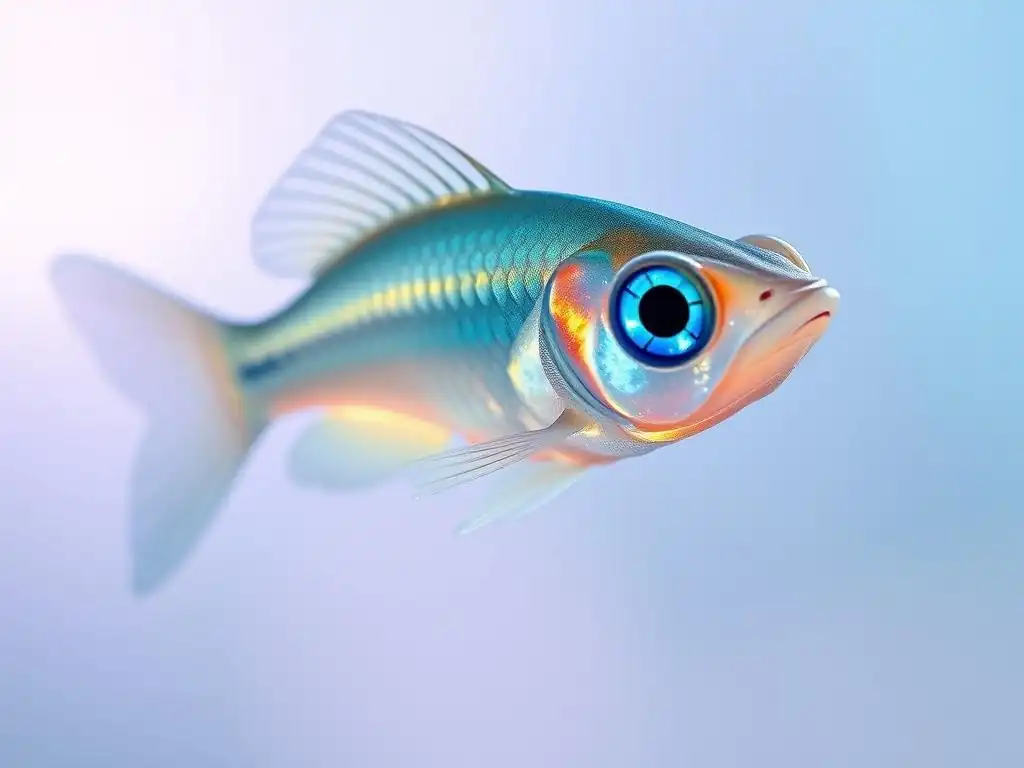
Microscopic evaluation represents an advanced frontier in the best fry grading techniques, allowing aquarists to delve beyond macroscopic observations and assess the internal health and minute external features of fry. This method provides an unparalleled level of detail, enabling the detection of subtle issues that are invisible to the naked eye but can significantly impact a fry's long-term survival and growth.
Utilizing a stereomicroscope, breeders can examine the cellular integrity of tissues, the presence of internal parasites, and the early stages of developmental anomalies. This precision allows for highly targeted culling and provides critical diagnostic information for improving rearing protocols.
Assessing Gut Health and Parasite Load in Fry
A microscopic examination of fry can provide invaluable insights into their gut health and potential parasite load, crucial for the best fry grading techniques. By carefully observing the digestive tract, aquarists can assess the efficiency of food absorption—a clear, well-filled gut indicates proper feeding and digestion, while a distended or empty gut may signal feeding issues or internal blockages. More importantly, microscopic analysis can reveal the presence of internal parasites, such as protozoans or helminths, which can severely compromise nutrient uptake and overall vitality.
For example, microscopic examination of a sample of clownfish larvae can reveal the presence of ciliate parasites like Cryptocaryon irritans in their early stages, even before external signs appear. This early detection allows for immediate intervention, preventing a potential outbreak that could wipe out 80% or more of a batch. Proactive identification of gut issues or parasites ensures that only the healthiest, most efficient feeders are selected for continued grow-out, maximizing their potential.
Evaluating Fin Development at a Microscopic Level
Even seemingly minor imperfections in fin development can significantly impact a fry's ability to swim, feed, and evade predators, making microscopic evaluation a key part of the best fry grading techniques. Under a microscope, aquarists can meticulously examine the fin rays, membranes, and overall structure of all fins (dorsal, caudal, anal, pectoral, and pelvic). This allows for the detection of underdeveloped fin rays, frayed edges, nips from aggression, or signs of bacterial fin rot long before they become macroscopically obvious.
For instance, in species like seahorse fry, which rely heavily on their dorsal fin for propulsion, even slight imperfections in fin ray formation can lead to swimming difficulties and reduced feeding success. Under magnification, early signs of fin erosion or incomplete fin ray formation, common in seahorse fry, can be detected. This allows for environmental adjustments or culling before significant developmental issues arise, preventing a 15-20% loss due to swimming difficulties and ensuring that only individuals with perfect locomotion are advanced.
Genetic Considerations in Fry Selection
Integrating genetic considerations into fry selection represents the pinnacle of advanced aquaculture, transforming the best fry grading techniques from a purely phenotypic assessment to a genotypic one. Understanding the underlying genetic makeup of fry allows breeders to make highly informed decisions that will shape the future of their breeding lines. This approach moves beyond simply observing what is visible to predicting future performance and characteristics based on inherited traits.
By leveraging genetic information, aquarists can not only identify superior individuals but also understand the heritability of desirable traits and avoid propagating undesirable ones. This leads to more efficient breeding programs, healthier stock, and a higher probability of achieving specific breeding goals.
Understanding the Role of Genetics in Fry Quality
Genetics plays a fundamental role in determining virtually every aspect of fry quality, from growth rate and disease resistance to coloration and physical conformation. Traits like rapid growth, robust immunity, and specific aesthetic features are often highly heritable, meaning they are strongly influenced by the genes passed down from parents. Understanding this genetic basis allows breeders to select for specific alleles or gene combinations that confer superior performance.
For example, genetic predisposition plays a significant role in traits like growth rate, with studies showing that offspring from fast-growing parents can exhibit up to a 25% faster growth rate compared to unselected lines in species like the Yellow Tang. By focusing on genetic potential during the best fry grading techniques, aquarists can systematically improve the overall quality and efficiency of their fish populations over successive generations, leading to more predictable and profitable outcomes.
Using Pedigree Information to Identify Superior Fry
The meticulous tracking of pedigree information—detailed records of parental lineage and their performance—is an invaluable tool for identifying superior fry, especially in high-value breeding programs. By knowing the genetic history of the parents, breeders can make educated predictions about the likely traits and performance of their offspring. This allows for a more targeted and efficient selection process than relying solely on observable traits.
For high-value broodstock, detailed pedigree records tracking three generations can help identify fry with a proven lineage for disease resistance, potentially reducing future stock losses by 30-50% in the event of an outbreak. Such records can also highlight familial tendencies for specific growth rates, coloration patterns, or even reproductive success. By cross-referencing fry observations with pedigree data, aquarists can confirm genetic strengths and weaknesses, ensuring that only individuals with the strongest genetic backgrounds are advanced as part of the best fry grading techniques.
Optimizing Fry Grading for Broodstock Selection
Optimizing fry grading specifically for broodstock selection is a strategic long-term investment that goes beyond immediate market value. This process focuses on identifying individuals with the highest potential to become productive, healthy, and genetically superior parents for future generations. The criteria for broodstock are often more stringent and forward-looking than those for commercial sale.
The goal is to build a robust and resilient breeding colony, capable of consistently producing high-quality fry. This requires a nuanced approach to the best fry grading techniques, prioritizing traits that contribute to reproductive success and the genetic health of the entire line.
Selecting Fry for Future Breeding Potential
When selecting fry for future breeding potential, the focus shifts from immediate marketability to the long-term genetic contribution an individual can make. This involves prioritizing overall health, robust physical conformation, and genetic diversity within the selected group. Breeders look for a broad genetic base to prevent inbreeding depression and maintain vigor across generations.
Beyond physical attributes, the ability of a fry to thrive under various conditions, resist common diseases, and exhibit consistent growth without significant intervention becomes paramount. These are the individuals that will form the backbone of a successful breeding program for years to come, making their selection a critical application of the best fry grading techniques.
Prioritizing Growth Rate and Physical Conformation
For future broodstock, prioritizing superior growth rate and ideal physical conformation is paramount. Rapid, consistent growth indicates efficient metabolism and robust health, traits highly desirable in parents. Broodstock candidates exhibiting consistently superior growth rates, reaching maturity 20-30% faster than their siblings, are often prioritized. This accelerates the breeding cycle and maximizes the output of the facility.
Equally important is a flawless physical conformation. This includes a deep, well-proportioned body, symmetrical and intact fins, and no signs of skeletal deformities. For example, in marine angelfish, individuals with robust, symmetrical finnage and a deep body profile are chosen, as these traits are highly heritable and contribute to better spawning success and egg quality. These physical characteristics are not just for aesthetics; they are indicators of overall genetic quality and resilience, making them central to the best fry grading techniques for broodstock.
Evaluating Disease Resistance in Potential Broodstock
Evaluating disease resistance is a critical, though often challenging, aspect of selecting fry for future broodstock. While direct testing can be complex, observing how individuals within a batch respond to environmental stressors or mild pathogen exposure can provide valuable insights. Fry that recover quickly from minor ailments, or that remain healthy while siblings succumb to common pathogens, likely possess stronger genetic resistance.
In a batch of clownfish fry exposed to a mild Brooklynella hostilis challenge, those individuals that recover without intervention or show minimal symptoms are excellent candidates for future broodstock. They likely possess stronger genetic resistance, which can be passed on to their offspring, potentially reducing future disease outbreaks by 40-50% in their progeny. This selective pressure for robust immunity is a cornerstone of sustainable aquaculture and a key element of the best fry grading techniques for long-term success.
Optimizing Fry Grading for Sale and Commercial Purposes
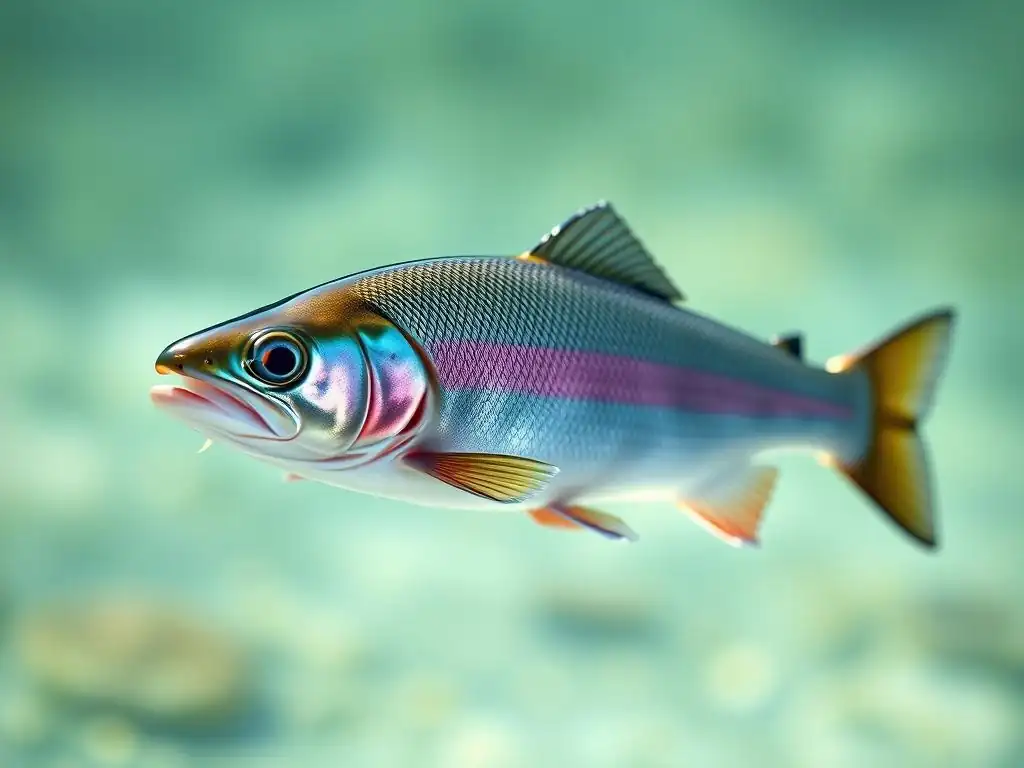
Optimizing fry grading for sale and commercial purposes centers on maximizing marketability, ensuring a high percentage of profitable individuals, and minimizing losses during the sales and shipping process. This involves a clear understanding of market demands and the implementation of efficient, stress-reducing grading practices. The goal is to produce uniform, high-quality fry that meet or exceed buyer expectations.
This commercial focus requires precise attention to physical attributes that appeal to buyers, alongside handling protocols that preserve the health and vitality of the graded fry. It's about delivering a product that not only looks good but also arrives in excellent condition.
Grading Fry for Marketability and Visual Appeal
When grading fry for marketability, the primary objective is to select individuals that are visually appealing and meet the specific standards of the target market. This often means prioritizing traits like vibrant coloration, distinct patterns, appropriate size, and overall healthy appearance. The aesthetic quality of the fry directly impacts their perceived value and sale price.
For example, a batch of Ocellaris Clownfish fry destined for sale will be graded heavily on their orange vibrancy and the crispness of their white bands. Fry with dull colors or irregular patterns, while otherwise healthy, might be culled or sold at a significantly reduced price. This focus on visual perfection is a core aspect of the best fry grading techniques for commercial success.
Meeting Market Standards for Size and Coloration
Meeting precise market standards for size and coloration is paramount for commercial viability. Buyers, whether wholesalers or retailers, often have strict requirements for the fish they purchase to ensure consistency for their customers. For commercial sales of Ocellaris Clownfish, a common market standard requires fry to be at least 1 inch in total length and exhibit clear, vibrant orange and white banding. Fry not meeting this size or showing faded coloration might be discounted by 20-30% or deemed unsellable.
Similarly, specific ornamental species might require a certain level of pattern development or color intensity by a certain age. Fry that are too small, too large, or display sub-par coloration will be less desirable, leading to reduced profits or increased holding times. Adhering to these standards through rigorous grading ensures that the product consistently meets buyer expectations and remains competitive in the market.
Minimizing Shipping Stress Through Proper Handling
Minimizing shipping stress through proper handling during the grading process is crucial for commercial aquaculture, as stressed fry are far more susceptible to disease and mortality during transit. The best fry grading techniques emphasize gentle and efficient handling to reduce physical trauma and environmental shock. This means using soft, fine-mesh nets, minimizing the time fry are exposed to air, and ensuring that water parameters in grading containers match those of their original tanks.
Careful handling during grading, such as using soft nets and minimizing air exposure, can reduce post-grading stress by up to 50%, directly contributing to higher survival rates (often 95%+) during the subsequent shipping process. Any abrupt changes in temperature, pH, or salinity during transfers should be avoided. By reducing stress during grading, commercial breeders ensure that their valuable product arrives at its destination in optimal health, enhancing reputation and reducing costly losses.
Post-Grading Fry Care: Ensuring Survival and Growth
Post-grading fry care is as critical as the grading process itself, ensuring that the selected individuals not only survive the immediate stress of sorting but also thrive and grow into healthy juveniles. The period immediately following grading is a vulnerable time for fry, as they have experienced handling and potential environmental changes. Proper acclimation, feeding, and water quality management are essential for their recovery and continued development.
Neglecting these aspects can negate the benefits of even the best fry grading techniques, leading to significant losses despite careful selection. This phase requires meticulous attention to detail to ensure the long-term success of the batch.
Acclimation and Quarantine Protocols for Graded Fry
After the grading process, fry must be carefully acclimated to their new grow-out tanks or holding systems to prevent osmotic shock and stress. A slow, gradual acclimation, typically using a drip method over 30-60 minutes, allows the fry to adjust to any differences in temperature, pH, and salinity between their original and new environments. This gradual adjustment significantly reduces post-transfer mortality.
Following acclimation, implementing a 7-10 day quarantine protocol for newly graded fry is a highly recommended practice. This period allows for close observation of the fry for any signs of disease or stress that may have been induced by the grading process. It also prevents the introduction of potential pathogens into main grow-out systems, reducing the risk of widespread disease outbreaks by over 80%. During quarantine, fry can recover from handling stress and begin to feed robustly in their new, less crowded environment.
Optimal Feeding Strategies for Newly Graded Fry
Optimal feeding strategies are paramount for the rapid recovery and continued growth of newly graded fry, especially given the potential stress of the sorting process. These strategies must be tailored to the specific size and species of the fry, ensuring they receive highly nutritious, appropriately sized food in sufficient quantities. Newly graded fry, particularly the smaller individuals, often benefit from increased feeding frequency.
For example, increasing feeding to 6-8 times per day with live feeds like enriched Artemia nauplii or copepods for species like marine angelfish has been shown to improve daily growth rates by 10-15%. This frequent, high-quality feeding regimen helps to quickly replenish energy reserves and support rapid development. It is crucial to monitor consumption closely to avoid overfeeding, which can lead to rapid water quality deterioration, or underfeeding, which can result in stunted growth and increased aggression.
Maintaining Water Quality for Healthy Fry Development
Maintaining pristine water quality is arguably the most critical factor for the healthy development and survival of newly graded fry. Fry are highly sensitive to even minor fluctuations or accumulations of waste products. Ammonia and nitrite must be undetectable (0 ppm), and nitrates kept below 10 ppm, as any elevated levels can cause severe stress, gill damage, and mortality.
Daily water changes of 10-20% are often necessary for high-density fry tanks, alongside robust biological and mechanical filtration. Regular monitoring of parameters such as temperature, pH, and salinity is also essential to ensure stability. Poor water quality can lead to stunted growth and mortality rates exceeding 50% in sensitive species, making diligent water quality management a non-negotiable aspect of successful post-grading care and integral to the best fry grading techniques.
Common Fry Grading Mistakes and How to Avoid Them
Even with the best intentions, several common mistakes can undermine the effectiveness of fry grading, leading to unnecessary stress, injury, or mortality. Recognizing these pitfalls and implementing preventative measures is crucial for maximizing the benefits of the best fry grading techniques. Avoiding these errors ensures that the rigorous selection process yields the desired healthy and robust stock.
These mistakes often stem from a lack of experience, inadequate preparation, or underestimation of the delicate nature of fry. Proper planning and gentle execution are key to a successful grading operation.
Overcrowding During the Grading Process
One of the most common and detrimental mistakes during fry grading is overcrowding in holding containers or temporary grading bins. When fry are packed too densely, several negative consequences rapidly manifest. Oxygen levels can quickly deplete, leading to suffocation. Ammonia and nitrite levels can spike from waste accumulation, poisoning the delicate fry. Physical stress and injury from constant bumping and jostling also become significant issues.
This can rapidly deplete oxygen and increase ammonia levels, leading to mass mortality or severe stress. It's recommended to limit density to no more than 100 fry per liter for short periods (e.g., during the actual sorting), reducing stress-related losses by 20-30%. Using multiple, adequately sized containers and processing smaller batches at a time helps prevent these issues, ensuring that the best fry grading techniques are not compromised by environmental stressors.
Improper Handling Techniques that Cause Stress
Improper handling techniques are a major source of stress and injury for delicate fry during grading. Rough netting, excessive air exposure, sudden temperature or salinity changes, and dropping fry can cause significant physical damage to fins, gills, and internal organs, leading to delayed mortality. Fry are extremely fragile, and their survival post-grading depends heavily on the gentleness of the handling.
Using abrasive nets or exposing delicate fry to air for more than a few seconds during transfer can cause significant physical damage to fins and gills, leading to post-grading mortality rates of 15-25%. To avoid this, always use fine-mesh, soft nets, and keep fry submerged in water during transfers between containers. Implement slow, controlled transfers, ensuring that the water parameters in the new container are identical or very close to the original to prevent shock.
Neglecting Water Quality During and After Grading
Neglecting water quality during and immediately after the grading process is a critical error that can negate all the benefits of careful selection. The stress of handling makes fry highly susceptible to even minor fluctuations or accumulations of toxins in their environment. Rapid changes in pH, temperature, or salinity, as well as the presence of ammonia, nitrite, or high nitrates, can severely compromise their health and survival.
Failing to monitor and maintain pristine water quality during and immediately after grading is a critical error. The stress of grading makes fry highly susceptible to even minor fluctuations in parameters. Spikes in ammonia to just 0.25 ppm can cause significant gill damage and increase susceptibility to disease, leading to substantial losses. Ensure all grading containers are clean, filled with pre-conditioned water, and that the grow-out tanks receiving the graded fry have optimal, stable parameters. Continuous monitoring and prompt water changes are essential during this vulnerable period to support the best fry grading techniques.
Conclusion: Mastering Fry Grading for Aquaculture Success
Frequently Asked Questions
How soon can I start grading my fry after they hatch?
You should generally wait until the fry are free-swimming and actively feeding, typically around 1-2 weeks after hatching. This allows for initial development and observable traits to become apparent.
What are the key physical characteristics I should be looking for when grading fry?
Focus on characteristics like body shape, fin development, and coloration. Look for fry that exhibit strong, symmetrical features and vibrant, healthy colors, while avoiding those with deformities.
What role does genetics play in fry grading, and how can I assess it?
Genetics are crucial. Observe the parental traits and select fry that exhibit the most desirable aspects. Consider the lineage and breeding history of the parents if available to predict future performance.
Are there any specific tools or equipment that are helpful for grading fry?
Yes, a magnifying glass or dissecting microscope can help you examine fry closely. A small, clear container for individual observation and a well-lit area are also essential for accurate assessment.
How frequently should I grade my fry, and what should I do with the culled individuals?
Grade fry at least 2-3 times during their early development. Culled individuals can be used as feeder fish (if appropriate) or humanely euthanized to prevent the spread of undesirable traits.
Final Reflection: Nurturing Potential, Shaping Futures
The meticulous process of fry grading, as explored in this article, isn't merely about separating fish; it's about cultivating potential and shaping the future of aquaculture. By applying the best fry grading techniques, we're not just selecting for size and health; we're actively investing in the genetic quality and overall success of future generations, whether destined for broodstock or the market.
This dedication to excellence in fry selection has profoundly influenced the aquaculture landscape, promoting sustainable practices and enhancing the quality of fish available to consumers. The careful consideration given to each tiny fry underscores a commitment to responsible stewardship and a deep understanding of the interconnectedness within aquatic ecosystems. The future belongs to those who believe in the beauty of their dreams.
- Eleanor Roosevelt. This quote resonates deeply with the dedication required in fry grading, where the dream of a thriving, healthy population fuels the meticulous work.
Now, consider the lessons learned here and apply them to your own endeavors. Just as careful selection and nurturing are crucial for fry, so too are they vital for cultivating success in any field. Embrace the principles of diligent assessment, focused development, and unwavering commitment to quality. What potential lies dormant within your own projects, waiting to be nurtured and brought to fruition?
Nurture Your Next Generation: Take Action Now!
Thank you for diving into the world of fry selection with us! Now that you're equipped with the knowledge to identify promising fry, let’s put that expertise into action and elevate your aquarium hobby.
Here’s how you can transform this knowledge into tangible results:
- Prioritize Selective Breeding: Start by identifying and isolating the top 10% of your fry based on the traits discussed. This is the cornerstone of improving your fish stock.
- Explore New Diets: Research specialized fry foods that enhance growth and coloration, experimenting to find the best options for your chosen species.
- Share Your Journey: Document your fry-rearing successes (and learning experiences!) on social media with #AquariumMasteryFry to connect with fellow enthusiasts.
What unique trait will you be focusing on when selecting your future broodstock?