
Female Bettas: More Than Just Plain Janes – The Truth Revealed

Welcome to Aquarium Mastery!
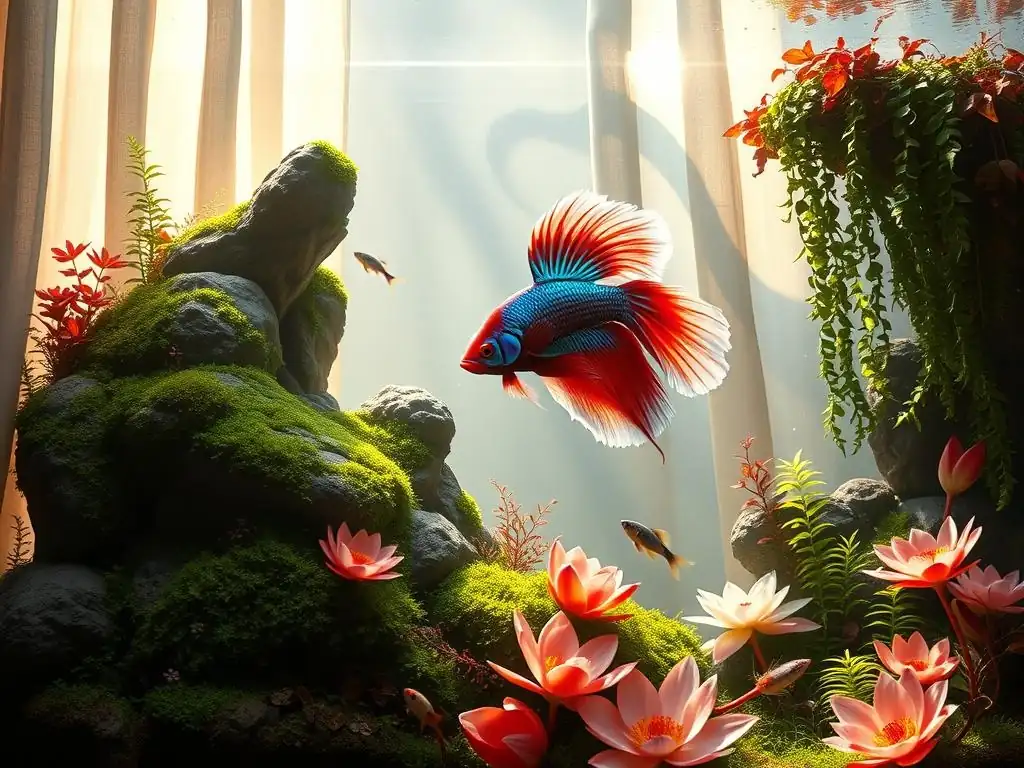
Ever wondered if female bettas are just... plain? Think again! Dive into our latest article, " Female Bettas: More Than Just Plain Janes – The Truth Revealed," and uncover the secrets to beautiful female betta care. From vibrant personalities to stunning color variations, you'll discover how to create a thriving environment for these fascinating fish. Ready to unlock their full potential and bring some serious sparkle to your freshwater aquarium? Let's get started!
- Female Bettas: Beyond the Veil - Unveiling Their Complexity
- Exploring the Fascination with Female Bettas: A Comprehensive Guide
- Comprehensive Female Betta Care: A Guide for Aquarium Keepers
- Establishing a Harmonious Female Betta Group: A Gradual Process
- Female Betta Genetics: A Basic Overview
- Advanced Female Betta Care Techniques
- The Rewards of Keeping Female Bettas: A Summary
-
Frequently Asked Questions
- How are female bettas different from male bettas in terms of appearance?
- What are the key differences in behavior between male and female bettas?
- What specific tank setup is recommended for housing female bettas, especially if considering a sorority?
- What are some common health issues that female bettas are prone to, and how can they be prevented?
- What are the ideal water parameters for female bettas to thrive?
- Final Reflection: Embracing the Beauty of Female Betta Care
- Unleash the Allure: Dive Deeper into the Female Betta World!
Female Bettas: Beyond the Veil - Unveiling Their Complexity
Exploring the Fascination with Female Bettas: A Comprehensive Guide
Dispelling Misconceptions: Female Bettas Possess Unique Charm
For too long, female Bettas have been unjustly overshadowed by their male counterparts, often perceived as less vibrant or engaging. This misconception stems from the male Betta's exaggerated finnage and aggressive displays, which tend to capture immediate attention. However, a closer look reveals that female Bettas possess a unique charm, intelligence, and a remarkable spectrum of personalities that make them equally captivating aquarium inhabitants. Their beauty lies not just in their often shorter, more practical fins—ranging from elegant veiltails to dynamic plakats—but in their subtle grace and the incredible vibrancy of their scales.
Beyond their physical allure, female Bettas exhibit fascinating behaviors and individual temperaments. While males are typically housed alone due to their territorial aggression, females can, under specific conditions, thrive in carefully curated sorority tanks, showcasing complex social dynamics. They are known for their inquisitive nature, often interacting with their environment and even recognizing their caretakers. The dedication to beautiful female betta care truly unveils their full potential, allowing their distinct personalities and striking colors to flourish, proving they are far from "plain Janes."
The Diverse Palette of Female Betta Colors and Patterns
The genetic diversity within Betta splendens ensures that female Bettas are available in an astonishing array of colors and patterns, rivaling, and in some cases, even surpassing the variety seen in males. Aquarists dedicated to beautiful female betta care can choose from solid hues such as fiery reds, deep blues, pristine whites, and jet blacks. Beyond these, the palette expands to include stunning bi-colors and tri-colors, where multiple vibrant shades blend seamlessly across their bodies and fins.
Furthermore, female Bettas exhibit intricate patterns like the popular "Marble," characterized by irregular patches of color; "Koi," mimicking the patterns of the revered carp; and "Galaxy," which features iridescent specks resembling a starry night sky. Other exquisite patterns include "Dragon Scale" with its thick, metallic scales, and "Cellophane" varieties that are nearly transparent, allowing for subtle internal coloration to show through. This vast selection means that every female Betta has the potential to be a living work of art, with her unique coloration becoming even more pronounced with optimal beautiful female betta care.
Advantages of Choosing Female Bettas for a Community Aquarium
While male Bettas are famously solitary and generally unsuitable for most community tanks due to their aggression, female Bettas offer a more flexible option for aquarists seeking to integrate them into a multi-species environment. Their shorter fins are less prone to nipping by other fish, and their generally less aggressive nature makes them potentially more compatible with certain peaceful tank mates. This opens up possibilities for creating diverse and visually appealing aquatic displays.
However, it is crucial to understand that "less aggressive" does not mean "non-aggressive." Individual female Bettas can still be territorial, and careful selection of tank mates is paramount. Suitable companions often include fast-moving, peaceful schooling fish like Neon Tetras, Harlequin Rasboras, or Corydoras catfish, which occupy different water columns and are not perceived as a threat. A well-executed beautiful female betta care plan, including ample space and hiding spots, can significantly enhance the chances of a harmonious community aquarium.
Comprehensive Female Betta Care: A Guide for Aquarium Keepers
Designing the Optimal Habitat for Your Female Betta
Tank Size and Spatial Needs for Content Female Bettas
Providing adequate space is fundamental to beautiful female betta care, ensuring both physical health and mental well-being. For a single female Betta, a minimum tank size of 5 gallons (approximately 19 liters) is recommended. This volume allows for stable water parameters, sufficient swimming room, and space for essential decorations. While some might suggest smaller tanks, these often lead to rapid parameter fluctuations and stress for the fish.
When considering a female Betta sorority, the spatial requirements increase significantly. A minimum of 20 gallons (about 75 liters) is advised for a group of 3 to 5 females, with an additional 5 gallons for each subsequent fish. The tank should be longer rather than taller to provide ample horizontal swimming space, which is more natural for Bettas. This increased volume helps to dilute aggression and allows individual fish to establish their territories without constant conflict, contributing to successful beautiful female betta care in a communal setting.
Selecting Suitable Tank Decorations and Substrate
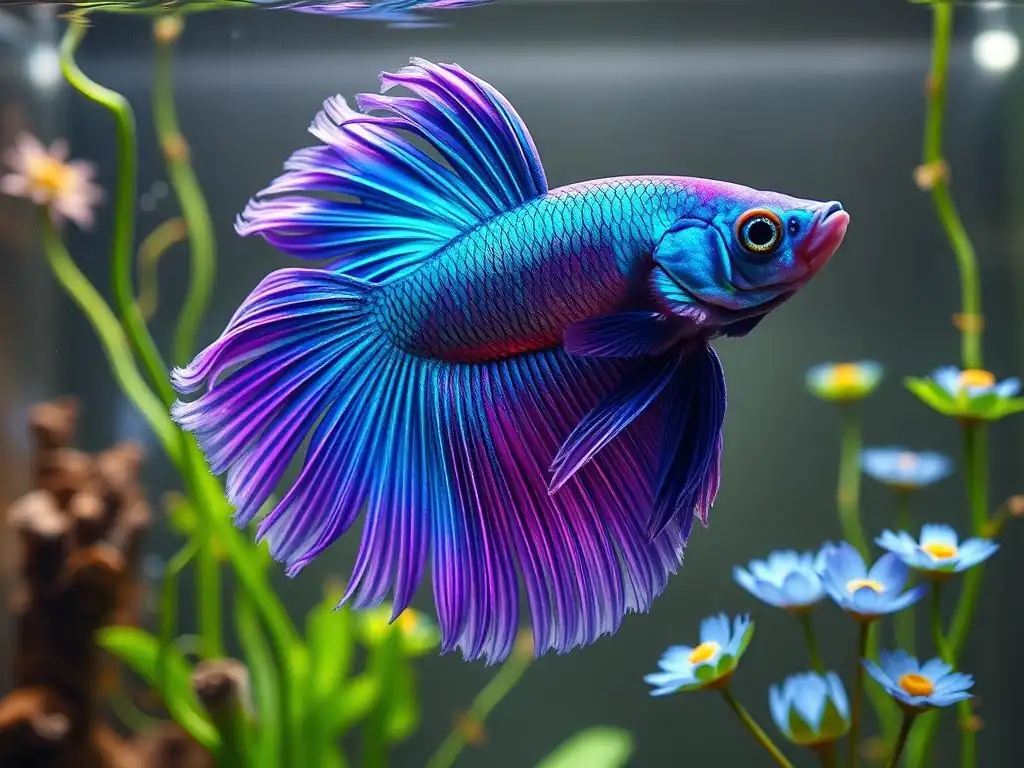
The choice of tank decorations and substrate plays a crucial role in creating a comfortable and stimulating environment for female Bettas. Smooth, non-abrasive decorations are essential to prevent damage to their delicate fins. This includes natural driftwood, smooth river stones, and silk or live plants. Live plants like Java Fern, Anubias, and Amazon Sword are highly recommended as they not only enhance the aesthetic appeal but also provide natural hiding spots, improve water quality by absorbing nitrates, and offer mental enrichment.
For substrate, fine gravel or sand is preferable over sharp or coarse materials, which can injure a Betta's sensitive barbels and fins. Incorporating caves, tunnels, and dense plant thickets creates visual barriers and safe havens, which are particularly important in a sorority setup where females need to retreat from dominant individuals. A well-decorated tank provides security and reduces stress, which is a cornerstone of beautiful female betta care.
Maintaining Ideal Water Chemistry for Female Betta Well-being
Maintaining pristine and stable water chemistry is perhaps the most critical aspect of beautiful female betta care. Bettas thrive in warm, slightly acidic to neutral water. The ideal temperature range is 76-82°F (24-28°C), which should be maintained with a reliable aquarium heater. Fluctuations outside this range can weaken their immune system, making them susceptible to disease.
Water parameters should consistently show 0 ppm ammonia, 0 ppm nitrite, and nitrates below 20 ppm. A pH range of 6.5-7.5 is generally suitable. Regular partial water changes—typically 25-30% weekly for a single Betta tank, and potentially more frequent for a sorority—are vital to remove accumulated nitrates and replenish essential minerals. Using a high-quality water conditioner to neutralize chlorine and chloramines is also non-negotiable. Consistent monitoring with a reliable test kit ensures these parameters remain within the optimal range, directly impacting the health and vibrant coloration of your female Betta.
Nutritional Needs of Female Bettas: Diet and Feeding
Choosing Optimal Food Sources for Female Bettas
A varied and high-quality diet is paramount for the health, vitality, and beautiful coloration of female Bettas. As carnivores, their diet should primarily consist of protein-rich foods. High-quality Betta-specific pellets, such as those from Hikari or Fluval, should form the staple of their diet, providing balanced nutrition. However, relying solely on pellets is insufficient for optimal health.
Supplementing their diet with frozen or live foods enhances their nutrient intake and provides valuable enrichment. Excellent choices include frozen bloodworms, brine shrimp, and daphnia, which are readily available at most pet stores. Live foods like blackworms or small fruit flies can also be offered periodically as a treat, stimulating their natural hunting instincts. A diverse diet not only supports their immune system but also intensifies their colors, making beautiful female betta care truly shine.
Establishing a Consistent Feeding Regimen
Establishing a consistent feeding regimen is just as important as the type of food offered. Female Bettas should be fed once or twice daily, with small portions that can be consumed within 2-3 minutes. Overfeeding is a common mistake that can lead to digestive issues, swim bladder problems, and rapid deterioration of water quality due to uneaten food decaying in the tank.
A good practice is to offer an amount roughly the size of their eyeball per feeding. Observing their behavior during feeding can help fine-tune the portion size; if food is left uneaten, reduce the amount. Incorporating a "fasting day" once a week, where no food is offered, can aid digestion and prevent constipation. This disciplined approach to feeding is a vital component of comprehensive beautiful female betta care.
Understanding Female Betta Hierarchy and Group Dynamics
In a female Betta sorority, a clear hierarchy will inevitably form among the individuals. One or two females may emerge as dominant, occasionally flaring or chasing others to assert their position. This establishment of a pecking order is a natural behavior and often contributes to the stability of the group, as long as it doesn't escalate into constant aggression or injury. Understanding these dynamics is crucial for successful beautiful female betta care in a sorority setting.
While some chasing and minor squabbles are normal, constant bullying, fin nipping leading to significant damage, or one fish consistently hiding from the others are signs of problematic aggression. The goal is to have a group where each fish has space to retreat and where aggression is diffused among multiple individuals rather than focused on one. Careful observation of these interactions allows for timely intervention if necessary.
Recognizing Indicators of Stress in Female Bettas
Recognizing signs of stress or illness early is critical for maintaining the health of female Bettas. Stress can manifest in various ways, including clamped fins (held close to the body), lethargy, loss of appetite, or dulling of their typically vibrant coloration. Female Bettas, particularly those in sororities, may also develop horizontal "stress stripes" across their bodies when feeling threatened or unwell.
Other indicators include constant hiding, rapid gill movement indicating labored breathing, or excessive flashing (rubbing against tank decor) which suggests irritation. Nipped fins or torn scales are direct signs of physical aggression from tank mates. Prompt identification of these signs allows aquarists to address the underlying cause, whether it's poor water quality, incompatible tank mates, or the onset of disease, thereby preventing more severe health issues and ensuring effective beautiful female betta care.
Maintaining Female Betta Health: Prevention and Treatment
Identifying Early Warning Signs of Illness in Female Bettas
Vigilant observation is the first line of defense in maintaining female Betta health. Early warning signs of illness can be subtle. Beyond stress indicators, look for changes in swimming patterns, such as listlessness, erratic movements, or difficulty maintaining buoyancy. Physical changes include white spots (Ich), fuzzy growths (fungus), clamped or deteriorating fins (fin rot), or a bloated appearance with scales protruding (dropsy).
Changes in appetite, unusual growths or lesions on the body, cloudy eyes, or a dull, faded appearance can also signal an underlying health issue. Regular daily checks of your female Betta's behavior and physical condition are essential. Prompt identification of these signs allows for immediate intervention, significantly increasing the chances of successful treatment and preserving the beautiful female betta care you've invested.
Common Diseases Affecting Female Bettas and Their Treatments
Female Bettas, like all fish, are susceptible to various diseases, often triggered by poor water quality, stress, or inadequate nutrition. Common ailments include Fin Rot, characterized by ragged or decaying fins, typically treated with pristine water conditions and broad-spectrum antibiotics. Ich (Ichthyophthirius multifiliis), presenting as small white spots resembling salt grains, is often treated by gradually raising the tank temperature to 82-84°F (28-29°C) and using Ich-specific medications.
Fungal infections appear as cotton-like growths and are treated with antifungal medications. Dropsy, characterized by severe bloating and "pinecone" scales, is often a symptom of underlying organ failure and is frequently fatal, though sometimes bacterial antibiotics can help if caught very early. Bacterial infections may cause ulcers or red streaks and often require targeted antibiotics. Always quarantine sick fish to prevent spread and consult a reputable aquarist guide or veterinarian for specific treatment protocols, ensuring the best possible beautiful female betta care.
The Crucial Role of Water Quality in Female Betta Health
The paramount importance of water quality cannot be overstated in beautiful female betta care. Poor water conditions are the leading cause of stress, disease, and premature death in Bettas. Consistent maintenance of ideal parameters—zero ammonia, zero nitrite, and low nitrates—is fundamental. This is achieved through a properly cycled aquarium filter, regular partial water changes, and avoiding overfeeding.
A well-maintained filtration system removes physical debris and supports beneficial bacteria that convert toxic ammonia and nitrite into less harmful nitrates. Weekly partial water changes, typically 25-30% of the tank volume, are essential to dilute nitrates and replenish trace elements. Using a de-chlorinator is vital during every water change to neutralize harmful chemicals found in tap water. Stable temperature and pH levels, as previously mentioned, also contribute significantly to a strong immune system, allowing female Bettas to resist disease and maintain their vibrant health and beauty.
Establishing a Harmonious Female Betta Group: A Gradual Process
Is a Female Betta Group Suitable for Your Aquarium?
Establishing a successful female Betta sorority is an advanced undertaking that is not suitable for novice aquarists. It requires a significant commitment to tank size, meticulous observation, and a deep understanding of Betta behavior. While rewarding, it carries inherent risks, as not all female Bettas are suitable for group living, and even compatible individuals can occasionally display unexpected aggression.
A successful sorority necessitates a minimum tank size of 20 gallons for 3-5 females, with ample hiding spots and visual barriers. The aquarist must be prepared for the possibility of needing to separate an aggressive individual into her own tank, meaning a "backup" tank or plan is often required. This challenging aspect of beautiful female betta care demands patience, vigilance, and a willingness to adapt.
Selecting Compatible Female Bettas for a Group
Choosing Female Bettas with Complementary Temperaments
The success of a female Betta sorority heavily relies on the careful selection of individuals with complementary temperaments. It is often recommended to acquire all females for the sorority at the same time, ideally from the same batch or breeder, to minimize territorial disputes. Look for fish that are roughly similar in size and age to prevent one from being overly dominant due to a size advantage.
Avoid choosing females that appear overly aggressive in their individual cups or display extreme shyness. While some personality differences are inevitable, a group composed of generally calm and curious individuals is more likely to thrive. Introducing at least 5 females is often advised, as this larger number helps to diffuse aggression among more individuals, preventing one fish from being singled out for constant bullying. This careful selection process is a cornerstone of beautiful female betta care in a communal setting.
Safely Introducing New Female Bettas to an Established Group
Introducing new female Bettas to an existing sorority requires careful planning to minimize stress and aggression. The most effective method is to introduce all the females simultaneously into a newly set up or significantly redecorated tank. Rearranging the decor disrupts existing territories, preventing established residents from claiming specific spots and reducing initial territorial disputes.
If adding to an already established sorority, it's crucial to rearrange the tank decor extensively just before introducing the new fish. Dimming the lights during the introduction period can also help reduce initial stress and aggression. Drip acclimation for new arrivals is recommended to slowly adjust them to the tank's water parameters. Closely monitor the group for the first few days and weeks, being prepared to remove any fish that show excessive aggression or appear overly stressed. This meticulous approach is vital for the long-term success of beautiful female betta care in a group.
Monitoring and Sustaining a Thriving Female Betta Group
Recognizing and Managing Aggressive Behaviors
Even in a well-established female Betta sorority, occasional chasing, flaring, or minor squabbles are normal as the hierarchy is maintained. However, it is crucial to differentiate between normal pecking order behavior and dangerous aggression. Signs of problematic aggression include constant pursuit of one individual, severe fin nipping leading to significant damage, or one fish consistently hiding or being prevented from eating.
If such behaviors escalate, immediate intervention is required. This might involve temporarily separating the aggressor or the victim into a "time-out" tank for a few days. Sometimes, simply rearranging the tank decor can disrupt established territories and alleviate tension. In severe cases, a persistently aggressive female may need to be permanently removed from the sorority and housed individually. Diligent monitoring is key to ensuring the safety and well-being of all fish, a critical aspect of beautiful female betta care in a group setting.
Providing Ample Space and Visual Barriers
The physical layout of the aquarium plays a pivotal role in diffusing aggression and sustaining a thriving female Betta group. Providing ample space, as previously discussed (minimum 20 gallons for 3-5 females), is foundational. Equally important is the strategic placement of visual barriers. Dense planting, particularly tall plants that reach the water surface, creates natural break lines that prevent fish from seeing each other constantly.
Incorporating multiple caves, driftwood pieces, and other decorations also provides numerous hiding spots where less dominant females can retreat and feel secure. These barriers allow individuals to escape from the line of sight of more dominant fish, reducing stress and preventing prolonged confrontations. A well-designed aquascape with plenty of cover is indispensable for successful beautiful female betta care in a sorority.
Female Betta Genetics: A Basic Overview
Understanding Female Betta Genetic Variations
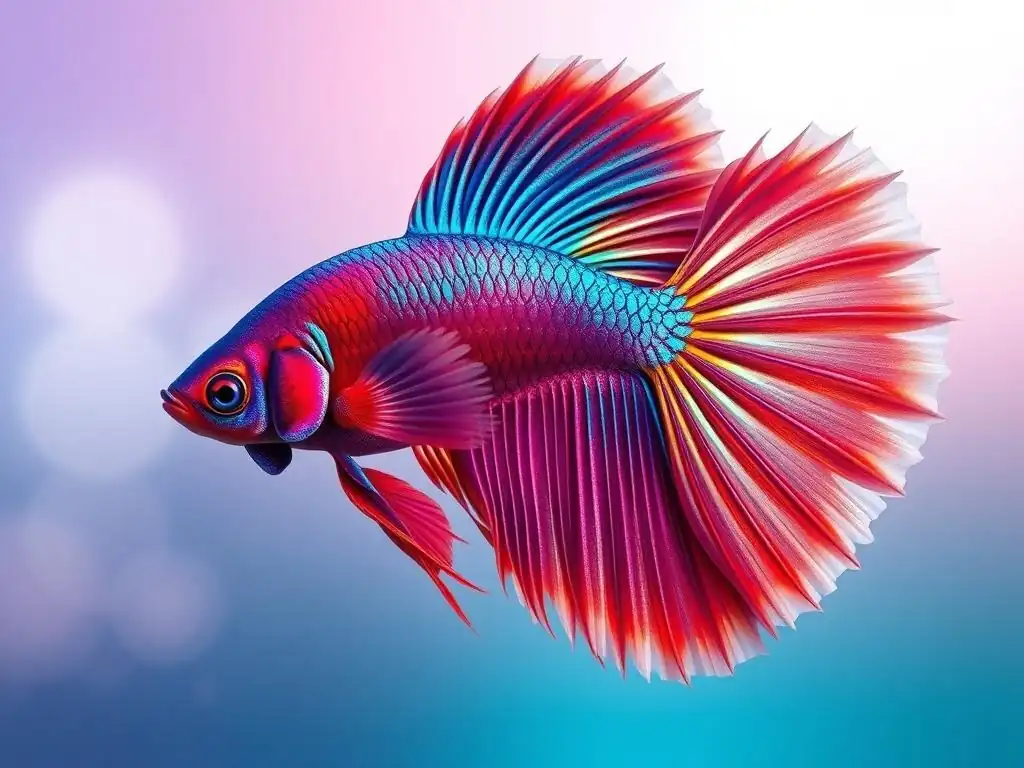
Female Bettas carry the same incredible genetic potential as their male counterparts, influencing their vast array of colors, patterns, and fin types. Understanding these genetic variations provides insight into the stunning diversity available to aquarists. For instance, genes responsible for iridescent colors (like blue, green, and turquoise) are present in both sexes, leading to the metallic sheen often seen.
The "Marble" gene, a transposable element, causes the spontaneous and unpredictable shifting of colors and patterns, creating unique and ever-changing designs. The "Dragon Scale" gene results in thick, opaque, metallic scales that give the fish a heavily armored appearance. Even though female Bettas typically have shorter fins, the genetic markers for fin types like Veiltail, Plakat, or Halfmoon are present, influencing their fin shape and size. This rich genetic tapestry ensures that every female Betta has the potential for breathtaking beauty, further emphasizing why beautiful female betta care is so rewarding.
Advanced Female Betta Care Techniques
Optimizing Female Betta Lifespan Through Enrichment
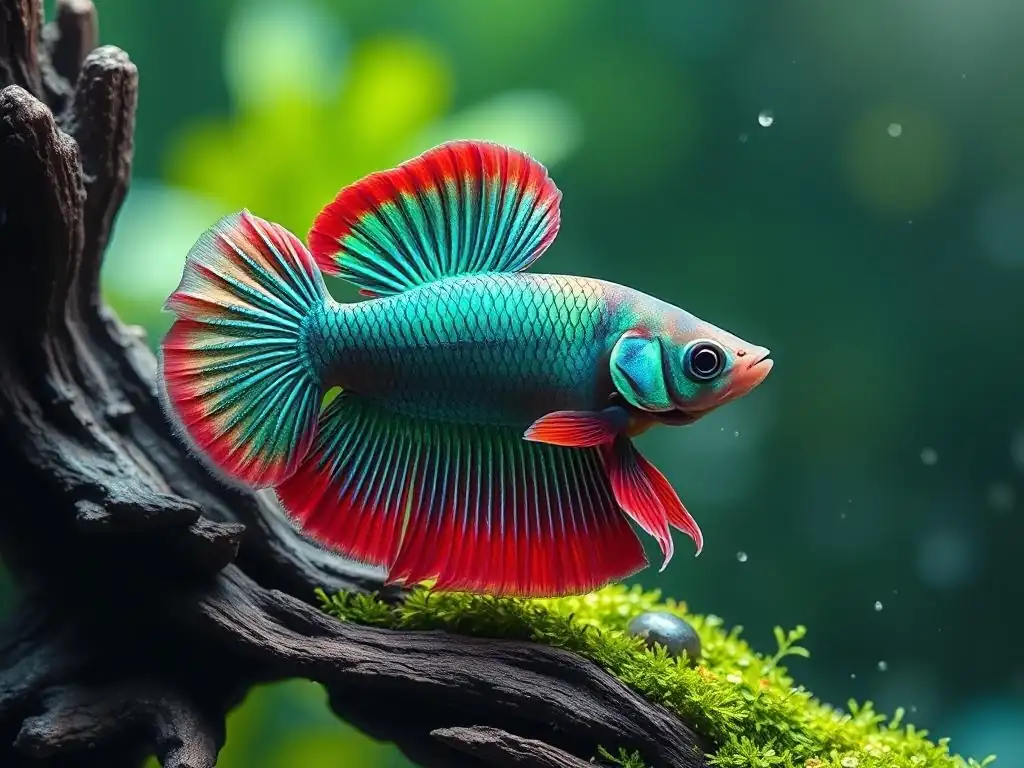
Beyond basic tank setup, water quality, and diet, advanced beautiful female betta care focuses on environmental enrichment to optimize their lifespan and overall quality of life. Bettas are intelligent and curious fish that benefit greatly from mental and physical stimulation. Providing a varied environment with different textures, plants, and decor encourages exploration and reduces boredom.
Introducing a gentle current in part of the tank, for example, with a sponge filter, can provide exercise and mimic natural conditions. Occasional, brief "mirror time" (a few minutes) can stimulate their natural flaring behavior, but should be used sparingly to avoid undue stress. Feeding a varied diet, including live foods, engages their hunting instincts. With optimal beautiful female betta care, including these enrichment techniques, female Bettas can often live beyond their typical 2-3 year lifespan, with some individuals thriving for 4-5 years, showcasing their resilience and personality.
The Rewards of Keeping Female Bettas: A Summary
Female Bettas: Enriching the Aquarium Experience
Keeping female Bettas offers a uniquely enriching aquarium experience that extends far beyond their initial perception. Their often vibrant colors, intricate patterns, and elegant finnage make them visually stunning additions to any freshwater setup. More importantly, their individual personalities, intelligence, and interactive behaviors provide a captivating dimension to fish keeping. Whether housed singly or in a carefully managed sorority, female Bettas quickly become beloved pets, known for their inquisitiveness and responsiveness to their caretakers.
The journey of providing beautiful female betta care is deeply rewarding, allowing aquarists to witness their fish thrive, display their full spectrum of colors, and exhibit fascinating natural behaviors. They are living proof that beauty and personality are not exclusive to one gender in the aquatic world.
Sourcing Healthy and High-Quality Female Bettas
To ensure a rewarding experience, it is crucial to source healthy and high-quality female Bettas. Reputable local fish stores that maintain clean tanks and knowledgeable staff are a good starting point. Specialized online breeders often offer a wider selection of unique colors and patterns, ensuring genetic quality. When selecting a fish, observe her carefully.
Look for active, alert individuals with bright, clear eyes and unmarred fins. Their coloration should be vibrant and even. Avoid fish that appear lethargic, have clamped fins, visible spots, torn fins, or show signs of bloating. A healthy female Betta is the foundation for successful and beautiful female betta care, setting the stage for a long and enjoyable companionship.
Frequently Asked Questions
How are female bettas different from male bettas in terms of appearance?
Female bettas, while sometimes perceived as less vibrant, actually come in a wide array of colors and patterns. Unlike males, they have shorter fins and a less flamboyant appearance, making them suitable for community tanks.
What are the key differences in behavior between male and female bettas?
Male bettas are notoriously solitary and aggressive, whereas females can sometimes be kept in sororities (groups of females). However, careful monitoring is essential to avoid aggression and establish a stable hierarchy.
What specific tank setup is recommended for housing female bettas, especially if considering a sorority?
A larger tank, at least 20 gallons for a sorority, is crucial to provide ample space for each betta. Include plenty of hiding places like plants and caves to reduce stress and aggression.
What are some common health issues that female bettas are prone to, and how can they be prevented?
Female bettas can be susceptible to egg binding if not properly cared for and fed a balanced diet. Maintaining pristine water quality and providing a varied diet are key preventative measures.
What are the ideal water parameters for female bettas to thrive?
Female bettas prefer a water temperature between 78-82°F, a pH of around 6.5-7.5, and consistently clean water. Regular water changes are essential to maintain these parameters.
Okay, here's a final reflection designed to close your article "Female Bettas: More Than Just Plain Janes – The Truth Revealed," optimized for the keyword "Beautiful female betta care" and following the structure you provided:
Final Reflection: Embracing the Beauty of Female Betta Care
The journey into understanding and appreciating female bettas, as we've explored, is far more than just debunking myths; it's about recognizing the untapped potential for beauty and personality within these often-overlooked fish. In a world saturated with images of flamboyant males, acknowledging the unique charm and needs of female bettas is a crucial step towards responsible and rewarding fishkeeping.
This exploration has profoundly shaped my perspective on betta keeping, highlighting the importance of challenging preconceived notions and embracing the diversity of life, even within a single species. It's a reminder that beauty exists in many forms, and that providing proper care unlocks the full potential of any living creature. The question is not, 'Can they reason?' nor, 'Can they talk?' but rather, 'Can they suffer?'
- Jeremy Bentham. This quote reminds us that our responsibility extends beyond aesthetics; it's about ensuring the well-being of these beautiful creatures.
Now, as you embark on your own journey with female bettas, I invite you to reflect on the information shared here. Consider how you can apply these insights to create a thriving and beautiful environment for your own fish. Let's move beyond the outdated stereotypes and embrace the opportunity to provide exceptional care, revealing the true beauty and captivating personalities of these often-misunderstood aquatic gems.
Unleash the Allure: Dive Deeper into the Female Betta World!
Thanks for exploring the captivating world of female bettas! Now that you’ve uncovered the unique beauty and personalities these often-overlooked fish possess, it's time to take your betta knowledge to the next level and enrich your aquarium experience.
Here's how you can make a splash:
- Commit to Responsible Research: Before acquiring any female bettas, thoroughly research their specific needs and compatibility with other tank mates. Knowledge is the key to a thriving aquarium!
- Share the Discovery: Introduce a friend to the wonders of female bettas by sharing this article! You might just inspire them to embark on their own unique aquatic adventure.
- Design a Betta-Inspired Piece of Art: Let your newfound appreciation inspire you to create a painting, drawing, or digital artwork showcasing the beauty and elegance of female bettas.
Ready to transform your aquarium into a captivating haven for female bettas, or inspire someone else to appreciate these amazing fish?