
Troubleshooting Your Spawns: Overcoming Common Aquarium Fish Breeding Challenges

Welcome to Aquarium Mastery!
Ever wondered why your fish aren't spawning, or why those precious eggs never hatch? Dive into our comprehensive guide on fish breeding spawning problems and unlock the secrets to successful aquarium reproduction. We'll help you navigate the common pitfalls and create the perfect environment for your fish to thrive and multiply. Ready to turn your tank into a breeding paradise? Let's explore!
- Troubleshooting Aquarium Fish Breeding Challenges
- Understanding Fish Breeding Problems
- Pre-Spawning Problems and Solutions
- Advanced Troubleshooting
- Preventing Future Problems
- Conclusion: Mastering Fish Breeding Through Problem Solving
-
Frequently Asked Questions
- What are some common reasons for fish eggs not hatching in my aquarium?
- How can I improve the water quality to encourage successful fish spawning?
- What are the signs that my fish are experiencing spawning problems?
- What steps can I take to prevent fungal infections from affecting my fish eggs?
- What should I do if my fish are showing no interest in spawning, even though they are mature?
- Final Reflection: Nurturing Future Generations
- Ignite Your Aquarium: Unlock the Secrets to Successful Breeding!
Troubleshooting Aquarium Fish Breeding Challenges
Understanding Fish Breeding Problems
Identifying Common Spawning Issues
Successfully breeding aquarium fish often presents a range of challenges, commonly referred to as fish breeding spawning problems. These issues can manifest in various ways, from a complete lack of interest between potential mates to the production of unviable eggs or the premature death of fry. Observable signs include prolonged aggression between a male and female that should be pairing, a female appearing gravid but never releasing eggs, or eggs turning opaque white and fungusing rapidly after being laid. Recognizing these early indicators is crucial for intervention.
Further observation might reveal more subtle fish breeding spawning problems, such as a male constructing a perfect bubble nest but the female refusing to approach, or a pair engaging in courtship rituals that never culminate in egg deposition. In egg-laying species, unfertilized eggs often become apparent within 24 to 48 hours, turning opaque white, which can then spread fungus to healthy eggs. For livebearers, issues might include the female failing to drop fry, or dropping stillborn or undeveloped fry, pointing to underlying health or environmental deficiencies.
Addressing Breeding Challenges
Addressing fish breeding spawning problems requires a systematic and patient approach. The first step involves thoroughly researching the specific breeding requirements of your target species, as what works for a Guppy will not apply to a Discus or a Killifish. Once potential issues are identified, it's essential to change only one variable at a time, such as temperature, pH, or diet, and then observe the results over several days or even weeks. This allows for accurate troubleshooting and prevents compounding problems.
Successful resolution of fish breeding spawning problems often hinges on meticulous record-keeping. Documenting water parameters, feeding schedules, observed behaviors, and any changes made can help pinpoint the exact cause of a breeding failure. For instance, if a pair of Angelfish consistently produces infertile eggs, reviewing records might reveal a consistently high nitrate level or a diet lacking in essential fatty acids. Patience is also paramount; some fish may take multiple attempts or months to acclimate and finally spawn successfully.
Pre-Spawning Problems and Solutions
Incompatible Breeding Pairs
One of the most common fish breeding spawning problems encountered by aquarists is the incompatibility of breeding pairs. Even if a male and female of the same species are healthy and mature, they may not form a pair or show interest in spawning. This can be due to behavioral differences, size disparities, or simply a lack of natural attraction between the two individuals. Such incompatibility can lead to stress, aggression, or a complete absence of breeding activity.
In some cases, the male might be overly aggressive, constantly chasing or nipping the female, preventing her from becoming comfortable enough to spawn. Conversely, a female might show no receptiveness to the male's courtship displays, even if he is actively preparing a spawning site or building a nest. For species like some cichlids, allowing a group of juveniles (e.g., 6-8 individuals) to grow up together often results in naturally formed, compatible pairs, which can significantly reduce fish breeding spawning problems related to pairing.
Identifying Aggression and Lack of Interest
Aggression between potential breeding partners is a clear sign of incompatibility. This can manifest as constant chasing, fin nipping, or one fish hiding persistently from the other. For instance, a male Betta might aggressively herd a female, but if she consistently clamps her fins and tries to escape, she is likely not receptive. Similarly, a female cichlid might display breeding tubes, indicating readiness, but if the male ignores her or becomes aggressive, a successful spawn is unlikely, signaling a fish breeding spawning problem.
Lack of interest, on the other hand, is subtler. The fish might simply coexist without any courtship rituals. The male might not build a nest (for nest-builders), or neither fish might show heightened coloration or display behaviors typically associated with spawning readiness. For example, a pair of Corydoras might be well-conditioned but simply refuse to engage in the "T-position" spawning embrace, indicating a lack of interest or an unmet environmental trigger.
Introducing Compatible Pairs
To overcome fish breeding spawning problems stemming from incompatible pairs, several strategies can be employed. For species where aggression is an issue, introducing a divider for a few days can allow the fish to acclimate to each other's presence without direct conflict. Another approach is to introduce multiple potential mates, especially for species that prefer to choose their partners, such as Angelfish or Discus. By placing several males and females together in a spacious tank, compatible pairs often form naturally.
If a specific pair consistently fails to breed or exhibits extreme aggression, it might be necessary to swap out one or both individuals for new breeding stock. For some species, like many livebearers, simply ensuring healthy, well-conditioned males and females are present in the same tank is sufficient, as they are less selective. However, for more complex breeders, investing time in finding a truly compatible pair is paramount for successful spawning.
Poor Water Quality
Suboptimal water quality is a leading cause of fish breeding spawning problems. Fish require pristine and stable water conditions to be in prime breeding health and to feel secure enough to spawn. High levels of ammonia, nitrite, or nitrate, along with incorrect pH, hardness, or temperature, can stress fish, suppress their immune systems, and inhibit their reproductive drive. Even slight deviations from a species' preferred parameters can prevent spawning.
For instance, many Amazonian species, like Discus and Neon Tetras, require very soft, acidic water (e.g., pH 5.5-6.5, GH 1-4 dGH) to spawn successfully. Conversely, African cichlids from the Rift Lakes thrive and breed in hard, alkaline water (e.g., pH 7.8-8.5, GH 10-20 dGH). If the water parameters are outside the ideal range for a given species, fish may simply refuse to spawn or produce non-viable eggs, highlighting a fundamental fish breeding spawning problem.
Maintaining Optimal Water Parameters
Maintaining optimal water parameters is critical to preventing fish breeding spawning problems. Regular testing of ammonia, nitrite, nitrate, pH, and temperature using reliable test kits is essential. Ammonia and nitrite should always be at zero, while nitrates should be kept below 20 ppm, ideally much lower for breeding tanks. The specific pH, GH (general hardness), and KH (carbonate hardness) must be tailored to the species' native habitat; for example, Guppies prefer a pH of 7.0-8.0 and moderately hard water, while many Loricariids require highly oxygenated, slightly acidic water.
Temperature stability is equally important. A consistent temperature within the species' breeding range (e.g., 78-82°F for many tropical egg-layers) encourages spawning. Sudden fluctuations can stress fish and prevent them from entering breeding condition. Investing in a quality heater and thermometer ensures precise temperature control, mitigating a common fish breeding spawning problem.
Regular Water Changes and Filtration
Regular and consistent water changes are paramount for maintaining water quality and encouraging spawning. Frequent, smaller water changes (e.g., 20-30% weekly, or even daily for sensitive species like Discus) are generally better than infrequent, large ones. This approach helps to keep nitrate levels low, replenish essential trace minerals, and remove pheromones that can inhibit spawning in some species, directly addressing fish breeding spawning problems related to water quality.
Effective filtration is also crucial. A robust filter system, ideally a biological filter like a sponge filter for breeding tanks, ensures efficient removal of waste products. This prevents the buildup of toxins that can stress fish and inhibit reproduction. Additionally, regular vacuuming of the substrate during water changes helps remove uneaten food and detritus, further contributing to a clean and healthy environment conducive to spawning.
Nutritional Deficiencies
A common but often overlooked cause of fish breeding spawning problems is inadequate nutrition. Fish that are not receiving a balanced, high-quality diet will lack the necessary energy reserves and nutrients to develop healthy eggs and sperm. This can lead to a complete cessation of spawning activity, or if they do spawn, the eggs may be infertile, weak, or prone to fungus, and the fry may be underdeveloped or suffer from high mortality rates.
While a basic flake food might sustain fish, it is usually insufficient for conditioning them for breeding. A specific "conditioning diet" rich in protein, vitamins, and minerals is often required to bring fish into prime reproductive condition. For example, a female Swordtail might produce live young on a standard diet, but a female Corydoras needs a highly nutritious, varied diet to produce large clutches of viable eggs, illustrating a significant difference in nutritional demands for breeding.
Providing a Balanced Diet
Providing a balanced and varied diet is fundamental to overcoming fish breeding spawning problems related to nutrition. This should include high-quality flake or pellet foods, supplemented with a diverse range of frozen and live foods. For omnivorous species, a mix of spirulina flakes, high-protein pellets, and frozen brine shrimp or bloodworms is ideal. Carnivorous species will require a diet predominantly of protein-rich foods.
Specific examples of beneficial foods for conditioning include frozen bloodworms, mysis shrimp, daphnia, and brine shrimp, which are rich in protein and essential fatty acids. For herbivorous or omnivorous species, blanched vegetables like zucchini, spinach, or peas can provide vital vitamins and fiber. Feeding small amounts multiple times a day rather than one large meal can also aid digestion and nutrient absorption, maximizing the fish's readiness to spawn.
Supplementing with Live Foods
Supplementing with live foods is often the key to triggering spawning and ensuring healthy offspring, especially for species that are reluctant to breed or have specific dietary needs. Live foods mimic a natural diet, are highly palatable, and provide superior nutritional value compared to processed foods, directly addressing fish breeding spawning problems linked to diet. The act of hunting live prey can also stimulate natural behaviors and reduce stress.
Examples of highly beneficial live foods include newly hatched brine shrimp (Artemia nauplii), microworms, grindal worms, daphnia, and blackworms. For species like Killifish or some smaller Tetras, live foods are almost essential to induce spawning. However, it's crucial to source live foods from reputable suppliers to avoid introducing diseases into the aquarium. Culturing your own live foods can provide a consistent, disease-free supply.
Egg-Binding (Dystocia)
Egg-binding, or dystocia, is a serious fish breeding spawning problem where a female fish is unable to release her eggs. This condition is often caused by nutritional deficiencies (e.g., lack of calcium), stress, poor water quality, or the absence of a suitable mate or spawning trigger. It can lead to severe health complications, including internal organ damage and ultimately death, if not addressed promptly.
Species that produce large clutches of eggs, such as some larger cichlids, goldfish, and certain gouramis, are particularly susceptible to egg-binding. A female suffering from egg-binding will typically appear severely bloated, often with a distended abdomen that feels firm to the touch. She may also exhibit labored breathing, lethargy, loss of appetite, and difficulty swimming or maintaining balance, clearly indicating a critical fish breeding spawning problem.
Recognizing Signs of Egg-Binding
Recognizing the signs of egg-binding is crucial for timely intervention. The most obvious symptom is extreme abdominal swelling that persists for an unusually long period, beyond what would be expected for a gravid female. The fish may also appear to be straining, sometimes with a visible, swollen vent (oviduct) from which no eggs are expelled. Other behavioral indicators include hiding, gasping at the surface, or rubbing against objects in the tank in an attempt to dislodge the eggs.
In some cases, the female might become very pale or develop dark stress bars. Her fins might be clamped, and she may show a general disinterest in food or her surroundings. For example, a female Goldfish might become almost spherical and struggle to swim horizontally, spending most of her time at the bottom of the tank, a strong indicator of this severe fish breeding spawning problem.
Safe Methods for Assisting Egg Release
Assisting egg release in an egg-bound fish is a delicate procedure that carries risks and should only be attempted with extreme caution. One gentle approach is to increase the water temperature slightly (e.g., by 1-2°F, ensuring it stays within the safe range for the species) and perform a small, clean water change. This can sometimes stimulate the fish to release eggs naturally. Adding a low dose of Epsom salts (magnesium sulfate), approximately 1 teaspoon per 5 gallons, can act as a muscle relaxant and may help.
For larger, more robust species, a very gentle abdominal massage might be considered, but this must be done by an experienced aquarist as internal injury is a high risk. The fish is gently held in a wet hand, and very light pressure is applied from front to back on the abdomen. If these methods fail, the prognosis is often poor, as veterinary intervention for egg-bound fish is rarely practical or successful. Prevention through optimal conditioning and environmental triggers is always the best strategy to avoid this fish breeding spawning problem.
Failure to Spawn
Even when fish appear healthy and well-conditioned, they may still fail to spawn, presenting a frustrating fish breeding spawning problem. This often indicates that a crucial environmental trigger or behavioral cue is missing. Fish in captivity may not experience the seasonal or environmental changes that naturally induce spawning in their wild habitats, such as specific water chemistry shifts, temperature fluctuations, or changes in light cycles.
For instance, many species from tropical regions are triggered to spawn by the onset of a "rainy season," characterized by cooler water temperatures, increased water flow, and a sudden influx of fresh, soft water. If these conditions are not mimicked in the aquarium, the fish may simply not enter breeding mode, even if all other parameters seem correct. Understanding these specific requirements is key to overcoming the fish breeding spawning problem of non-spawning fish.
Environmental Factors Affecting Spawning
A multitude of environmental factors can inhibit spawning. Temperature is paramount; while a stable temperature is generally good, some species require a slight drop (e.g., 2-3°F) followed by a gradual rise to trigger spawning, mimicking seasonal changes. pH and water hardness are also critical; for example, many Characins (like Neon Tetras) and Dwarf Cichlids will only spawn in very soft, acidic water (pH 5.0-6.5), while hard, alkaline water (pH 7.5-8.5) is essential for many livebearers and African cichlids.
Lighting cycles can also play a role; some fish are stimulated by longer daylight hours (simulating spring/summer), while others prefer shorter, darker periods. The presence of suitable spawning sites is another vital factor; some fish require flat rocks, others prefer spawning mops or dense vegetation, and some need caves or crevices. The absence of these specific conditions can directly contribute to fish breeding spawning problems.
Stimulating Spawning Through Environmental Manipulation
To stimulate spawning and resolve fish breeding spawning problems, deliberate environmental manipulation is often necessary. Performing large, cool water changes (e.g., 25-50% with water 5-10°F cooler than the tank water) can mimic rainfall and often triggers spawning in species like Corydoras, Danios, and some Tetras. Adjusting pH and hardness using RO water, peat filtration, or buffering agents can create the specific chemical environment required by sensitive species.
Altering the light cycle, such as providing 14-16 hours of light daily for a few weeks, can simulate breeding seasons. Introducing appropriate spawning substrates, such as spawning mops for Killifish, breeding cones for Angelfish, or fine-leaved plants like Java moss for egg scatterers, provides the necessary site for egg deposition. For some species, increasing water flow with a powerhead can also act as a trigger.
Egg Eating and Fry Cannibalism
Egg eating and fry cannibalism are common and disheartening fish breeding spawning problems that can quickly decimate a new spawn. Many fish, even those that exhibit parental care, will consume their own eggs or fry, especially if they are stressed, overcrowded, or lack sufficient nutrition. Other tank mates are also highly likely to prey on vulnerable eggs and newly hatched fry.
This behavior can be instinctual, a natural culling process, or a response to perceived threats or poor conditions. For example, some cichlid parents might eat their first few spawns until they learn proper parental care. Livebearers, such as Guppies and Mollies, are notorious for eating their own fry immediately after birth. Distinguishing between parental neglect and active predation is key to addressing this fish breeding spawning problem.
Providing Hiding Places
For species where parents are not removed immediately after spawning, or when fry are born free-swimming, providing ample hiding places is crucial to reduce predation. Dense, fine-leaved plants like Java moss, Anacharis, or Hornwort offer excellent refuge for eggs and newly hatched fry. Spawning mops made of yarn or fine synthetic fibers can also collect eggs and provide some concealment.
These hiding places give the delicate fry a chance to escape from larger tank mates, including their parents. For livebearers, specialized breeding boxes or nets with a grate at the bottom allow fry to drop through, separating them from the mother. However, these can be stressful for the female, and a dedicated fry tank is generally preferred for optimal survival rates and to minimize this fish breeding spawning problem.
Separating Parents from Eggs and Fry
The most effective method to prevent egg eating and fry cannibalism is to separate the parents from their eggs or fry. For most egg-laying species, this involves either moving the parents to a different tank after they have spawned, or carefully transferring the eggs to a dedicated "fry tank" or "hatching tank" where they can develop safely. This completely eliminates the fish breeding spawning problem of parental predation.
For livebearers, once the female has given birth, she should be promptly returned to the main tank or a separate recovery tank. The fry can then be raised in their own dedicated fry tank, which should be well-filtered (preferably with a sponge filter) and maintained with pristine water quality. This proactive separation ensures maximum survival rates for the young fish.
Fungal Infections in Eggs
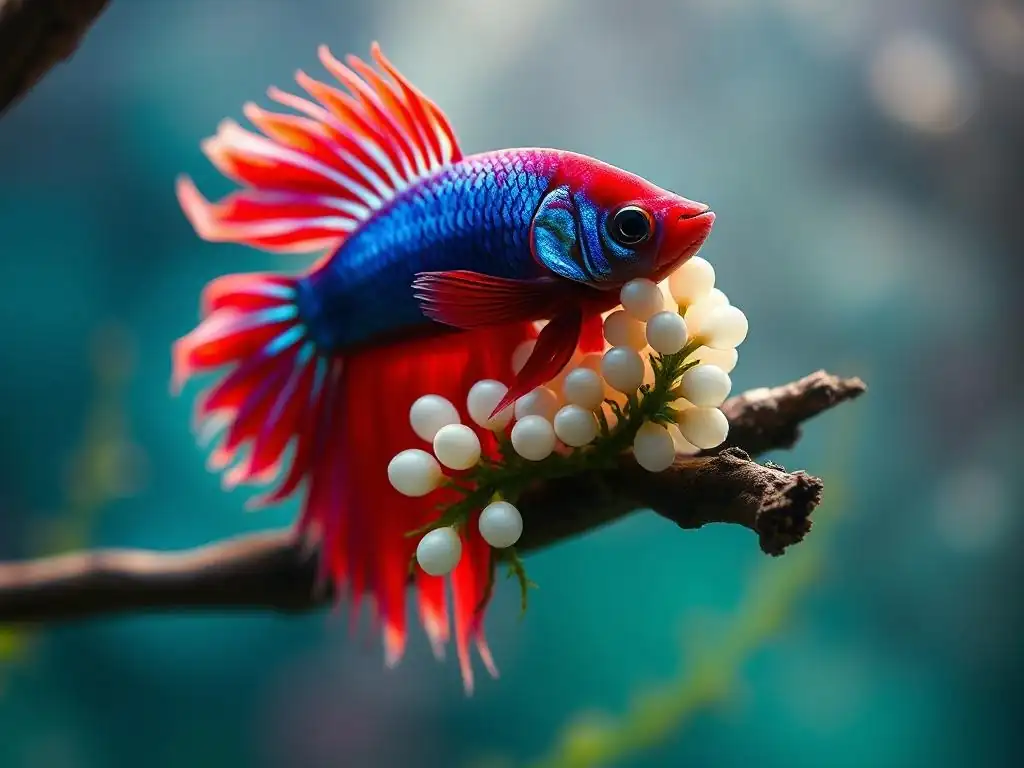
Fungal infections in fish eggs are a pervasive fish breeding spawning problem that can quickly ruin an entire spawn. Unfertilized eggs are particularly susceptible to fungal growth, as their cellular structure breaks down, providing a perfect substrate for fungal spores. Once fungus takes hold on an unfertilized egg, it can rapidly spread to healthy, viable eggs, forming a fuzzy, cotton-like growth that suffocates the developing embryos.
This problem is exacerbated by poor water quality, lack of aeration, or stagnant water around the eggs. For example, if eggs are laid in a dense clump without sufficient water flow, oxygen depletion can occur, making them more vulnerable to infection. Identifying and addressing fungal growth promptly is critical to maximizing hatch rates and overcoming this common fish breeding spawning problem.
Identifying Fungal Growth
Fungal growth on fish eggs is relatively easy to identify. Healthy, fertilized eggs are typically clear and translucent, allowing you to see the developing embryo inside. Unfertilized eggs, or eggs beginning to succumb to fungus, will quickly turn opaque white, and within 24-48 hours, a distinct fuzzy, cotton-like growth will become visible on their surface. This fungal growth can appear as white, grey, or even slightly greenish patches.
It's crucial to regularly inspect the eggs, ideally several times a day, to catch fungal infections early. Using a magnifying glass can help in early detection. Once identified, infected eggs should be promptly removed using a pipette or small forceps to prevent the fungus from spreading to healthy, viable eggs. This proactive removal is a vital step in managing this fish breeding spawning problem.
Using Antifungal Treatments
To combat fungal infections and mitigate this fish breeding spawning problem, several antifungal treatments can be safely used in fry tanks where parents are absent. Methylene blue is a popular choice, used at a very low concentration (e.g., 1-2 drops of a 2.3% solution per gallon of water) until the water turns a light blue tint. It acts as a mild antiseptic and antifungal agent. Acriflavine is another effective option, though it can stain tank silicone.
Indian almond leaves (catappa leaves) can also be added to the water. They release tannins and humic acids, which have natural antifungal and antibacterial properties, helping to inhibit fungal growth and provide a more natural environment for egg development. Ensuring good aeration around the eggs, either through gentle air stone bubbles or a sponge filter, also helps by providing oxygen and preventing stagnant water, which discourages fungal growth.
Low Hatch Rates
A low hatch rate is a frustrating fish breeding spawning problem where a significant number of apparently viable eggs fail to hatch. This can occur even if eggs appear healthy and free of fungus. Common causes include incomplete fertilization, incorrect water parameters during incubation, insufficient oxygenation, or even physical disturbance of the eggs. Each species has specific requirements for egg development, and deviations can lead to poor hatching success.
For example, some species of Killifish require a specific "dry" period for their eggs, while others need precise pH and hardness levels for the embryos to develop properly. If the water chemistry in the hatching tank is not exactly right, or if the temperature fluctuates too much, the delicate embryos may not reach full development, resulting in a disappointing hatch rate.
Maintaining Optimal Water Temperature
Maintaining an optimal and stable water temperature is paramount for achieving high hatch rates and overcoming this fish breeding spawning problem. Each fish species has a specific temperature range within which its eggs develop and hatch successfully. Deviations from this ideal range can lead to delayed hatching, deformed fry, or complete embryonic death. For instance, many tropical egg-laying species, such as Angelfish or Tetras, require temperatures between 78-82°F (25.5-27.7°C) for optimal development.
A reliable heater and thermometer are essential tools for maintaining consistent temperatures in the hatching tank. Sudden temperature swings, even of a few degrees, can be detrimental to delicate developing embryos. Ensure the heater is appropriately sized for the tank and that the thermometer is accurate to provide the stable environment necessary for successful hatching.
Ensuring Proper Oxygenation
Proper oxygenation is vital for the development and hatching of fish eggs. Embryos, like adult fish, require dissolved oxygen for metabolic processes. Stagnant water around the eggs can quickly deplete oxygen levels, leading to suffocation and a low hatch rate. This is a common fish breeding spawning problem, especially with large clutches of eggs or in tanks without adequate water movement.
To ensure proper oxygenation, a gentle air stone or a small, mature sponge filter should be used in the hatching tank. The bubbles from an air stone provide constant water movement around the eggs, preventing stagnation and ensuring a steady supply of oxygen without creating strong currents that could damage the delicate eggs. For eggs laid on a substrate like a spawning mop, ensuring a gentle flow of water across the mop is also beneficial.
Fry Mortality
High fry mortality is a disheartening and pervasive fish breeding spawning problem faced by many aquarists. Even after successful hatching, newly hatched fry are incredibly delicate and susceptible to a myriad of issues, including starvation, poor water quality, disease, or predation from even tiny organisms. The first few days and weeks of a fry's life are the most critical, with survival rates often dependent on precise environmental control and appropriate feeding.
Unlike adult fish, fry have extremely limited reserves and are highly sensitive to even minor fluctuations in water parameters or the presence of ammonia/nitrite. Their tiny mouths also require specific, microscopic foods that are often overlooked by beginner breeders, leading to starvation and high death rates. Addressing these specific needs is paramount to overcoming this significant fish breeding spawning problem.
Providing Appropriate First Foods
Providing appropriate first foods is perhaps the most critical factor in overcoming high fry mortality, a common fish breeding spawning problem. Many newly hatched fry are too small to consume standard flake food or even newly hatched brine shrimp. For very small fry, such as those of Bettas, Danios, or many Tetras, infusoria (microscopic organisms) or green water (algae-rich water) are essential for the first few days after their yolk sac is absorbed.
As fry grow, they can be transitioned to slightly larger foods like microworms, vinegar eels, or newly hatched brine shrimp (Artemia nauplii). For larger fry, such as those of Guppies, Mollies, or Swordtails, finely crushed high-quality flake food can be offered immediately. It's crucial to research the specific dietary needs and mouth size of your fry species to ensure they receive adequate nutrition.
Maintaining Water Quality in Fry Tanks
Maintaining pristine water quality in fry tanks is absolutely essential to prevent fry mortality, a significant fish breeding spawning problem. Fry tanks are particularly vulnerable to ammonia and nitrite spikes due to their small volume, high feeding frequency (which leads to more waste), and the delicate nature of the inhabitants. Any accumulation of toxins can quickly overwhelm a fry's undeveloped systems.
Daily small water changes (e.g., 10-20%) using aged or conditioned water are highly recommended. A turkey baster or a length of airline tubing can be used to gently siphon out uneaten food and waste from the bottom of the tank without disturbing the fry. A mature sponge filter is the ideal filtration method for fry tanks, as it provides excellent biological filtration without creating strong currents that could harm the fry. Regular monitoring of water parameters is also crucial to catch any issues early.
Advanced Troubleshooting
Species-Specific Spawning Challenges: Corydoras
Corydoras catfish present unique fish breeding spawning problems that require specific triggers. While relatively easy to breed once conditions are met, they often require a "rainy season" simulation to induce spawning. This typically involves performing a large, cool water change (e.g., 50% or more, with water 5-10°F cooler than the tank temperature) combined with increased aeration and sometimes a drop in barometric pressure. Multiple males per female (e.g., 2-3 males to 1 female) are often necessary to ensure successful fertilization of their adhesive eggs.
Corydoras eggs are often laid on tank glass, broad-leaved plants, or even filter tubes. They are highly susceptible to fungal infections if water quality is not impeccable or if unfertilized eggs are not promptly removed. Ensuring a varied, high-protein diet, including live foods like blackworms, is also critical for conditioning these bottom-dwelling fish for optimal egg production, addressing a common fish breeding spawning problem for this popular species.
Using Spawning Triggers Effectively
Effectively using spawning triggers is an advanced technique for overcoming stubborn fish breeding spawning problems. Many fish species have evolved to spawn in response to specific environmental cues in their natural habitats, such as changes in water chemistry, temperature, light, or the availability of certain foods. Understanding and precisely mimicking these triggers can be the key to inducing spawning in otherwise reluctant breeders.
For example, some species of Killifish from temporary puddles require their eggs to undergo a "diapause" or dry period before re-wetting to hatch. Other species, particularly those from blackwater environments, may need a significant drop in pH and hardness, often achieved with reverse osmosis water and peat filtration, to simulate the onset of a rainy season and trigger reproduction.
Simulating Natural Spawning Conditions
Simulating natural spawning conditions involves a careful blend of environmental manipulations. For fish that spawn during rainy seasons, large, cool water changes, often performed daily for several days, can mimic the influx of fresh rainwater. For species that prefer specific spawning sites, providing appropriate substrates such as spawning mops, breeding cones, or specific types of plants (e.g., Java moss for egg scatterers) is essential.
Light cycles can also be manipulated; for instance, gradually increasing daylight hours to 14-16 hours can signal spring/summer conditions for many temperate species. For some riverine fish, increasing water flow with a powerhead can simulate breeding conditions in fast-moving streams. Each species' natural history provides clues to the most effective triggers for resolving fish breeding spawning problems.
Understanding the Role of Light, Temperature, and Water Chemistry
A deep understanding of the interplay between light, temperature, and water chemistry is crucial for advanced troubleshooting of fish breeding spawning problems. Light duration and intensity can act as seasonal cues, influencing hormone production and breeding readiness. For example, some species only spawn during specific photoperiods. Temperature is a direct physiological trigger; a slight temperature drop can signal the start of a rainy season, while a stable, optimal temperature is necessary for egg development.
Water chemistry, including pH, general hardness (GH), and carbonate hardness (KH), are often the most critical and species-specific triggers. Many Amazonian fish require very soft, acidic water (low GH/KH, low pH) to spawn, while African Rift Lake cichlids demand hard, alkaline conditions (high GH/KH, high pH). Even subtle changes within these parameters can either induce or inhibit spawning. For instance, a small, controlled drop in pH can trigger spawning in Discus, while a sudden increase might cause stress.
Preventing Future Problems
Establishing a Regular Breeding Program
Establishing a regular breeding program is a proactive approach to minimizing future fish breeding spawning problems. This involves setting up dedicated breeding tanks, conditioning tanks, and fry-rearing tanks, allowing for systematic control of environmental factors, diet, and isolation. A consistent schedule for water changes, feeding, and monitoring helps ensure fish are always in optimal breeding condition and reduces stress.
A well-structured program also includes selecting healthy, genetically diverse breeding stock to prevent inbreeding and associated health issues. By consistently providing ideal conditions and following a routine, aquarists can significantly increase their chances of successful spawns and reduce the incidence of common fish breeding spawning problems before they even arise.
Maintaining Detailed Records
Maintaining detailed records is an invaluable practice for preventing future fish breeding spawning problems and improving breeding success. A comprehensive breeding log should include information on spawning dates, water parameters (temperature, pH, GH, KH, nitrates), specific diets fed, observed behaviors, number of eggs laid, fertilization rates, hatch rates, and fry survival numbers.
These records allow aquarists to identify patterns, pinpoint successful strategies, and quickly diagnose what might have gone wrong in previous attempts. For example, if records show that a particular pair consistently produces unfertilized eggs when fed a certain diet, it might indicate a nutritional deficiency. This empirical data is crucial for refining breeding techniques and avoiding common fish breeding spawning problems in subsequent spawns.
Continuous Learning
Continuous learning is essential for mastering fish breeding and effectively preventing and solving fish breeding spawning problems. The field of aquarism is vast, and new insights into fish behavior, physiology, and environmental needs are constantly emerging. Even experienced breeders encounter new challenges and unique situations that require research and adaptation.
Engaging with online forums, reading scientific literature, consulting reputable aquarium books, and connecting with other experienced aquarists can provide invaluable knowledge and perspectives. The ability to adapt, experiment, and learn from both successes and failures is key to refining your techniques and achieving long-term success in fish breeding, transforming every fish breeding spawning problem into a learning opportunity.
Conclusion: Mastering Fish Breeding Through Problem Solving
Frequently Asked Questions
What are some common reasons for fish eggs not hatching in my aquarium?
Several factors can contribute to this. These include poor water quality, fungal infections on the eggs, or infertile eggs due to the age or health of the parents.
How can I improve the water quality to encourage successful fish spawning?
Maintaining pristine water conditions is crucial. Regular water changes, a properly cycled filter, and maintaining stable parameters like pH and temperature are essential for successful spawning.
What are the signs that my fish are experiencing spawning problems?
Signs can include lack of spawning behavior, eggs disappearing, or eggs turning white (indicating fungal infection or infertility). Reduced appetite or lethargy in breeding fish can also be a symptom.
What steps can I take to prevent fungal infections from affecting my fish eggs?
Using antifungal medications specifically designed for fish eggs can help. Also, removing any dead or unfertilized eggs promptly can prevent the spread of infection to healthy eggs.
What should I do if my fish are showing no interest in spawning, even though they are mature?
Consider adjusting the tank environment to mimic their natural spawning conditions. This might involve changing the temperature, lighting, or introducing specific plants or spawning substrates to encourage breeding behavior.
Final Reflection: Nurturing Future Generations
The journey of aquarium fish breeding, as we've explored, is filled with both exhilarating triumphs and frustrating setbacks. Understanding and addressing common spawning problems is not just about increasing breeding success; it's about fostering a deeper appreciation for the delicate balance of aquatic ecosystems and the inherent resilience of life itself. The challenges we face in our tanks mirror, in many ways, the broader environmental challenges facing our planet, demanding patience, observation, and a commitment to creating optimal conditions for life to flourish.
This exploration has highlighted the intricate dance between environment, genetics, and behavior that dictates success in fish breeding. My own experiences, and those shared by countless aquarists, underscore the importance of continuous learning and adaptation in this rewarding pursuit. The ability to troubleshoot spawning problems is not merely a technical skill, but a testament to our dedication to responsible fishkeeping and the preservation of biodiversity. As the renowned marine biologist Sylvia Earle once said: Even if you never have the chance to see or touch the ocean, the ocean touches you with every breath you take, every drop of water you drink, every bite you consume. Everyone, everywhere is inextricably connected to and utterly dependent upon the existence of the sea.
This quote reminds us that even in our small aquariums, we are connected to a larger web of life, and our actions have consequences.
Now, as you close this article, I invite you to reflect on your own role in this fascinating world. Consider the lessons learned, the challenges overcome, and the potential for future growth. Embrace the spirit of experimentation, share your knowledge with others, and continue to strive for a deeper understanding of the intricate lives of the fish in your care. Let your aquarium be a microcosm of a thriving ecosystem, a testament to your dedication, and a source of endless wonder and inspiration.
Ignite Your Aquarium: Unlock the Secrets to Successful Breeding!
Thank you for diving deep into the fascinating world of aquarium fish breeding with us! Now that you’re equipped with strategies to overcome common challenges, it's time to turn that knowledge into action.
Here are a few things you can do next:
- Prioritize your spawning tank setup: Re-evaluate and adjust the specific environmental conditions (temperature, pH, hardness) crucial for your chosen fish species' breeding success. Make those small adjustments to see dramatic results.
- Explore less common spawning methods. Research and consider unconventional approaches, such as using different types of spawning media or altering lighting conditions, to stimulate breeding behaviors.
- Share your breeding triumphs (and challenges!) with the Aquarium Mastery community. Your experiences can help other enthusiasts on their breeding journeys.
Ready to transform your aquarium into a thriving breeding haven? What's the first adjustment you'll make to your spawning setup this week?