
Setting the Scene for Spawns: Crafting the Perfect Breeding Tank Environment

Welcome to Aquarium Mastery!
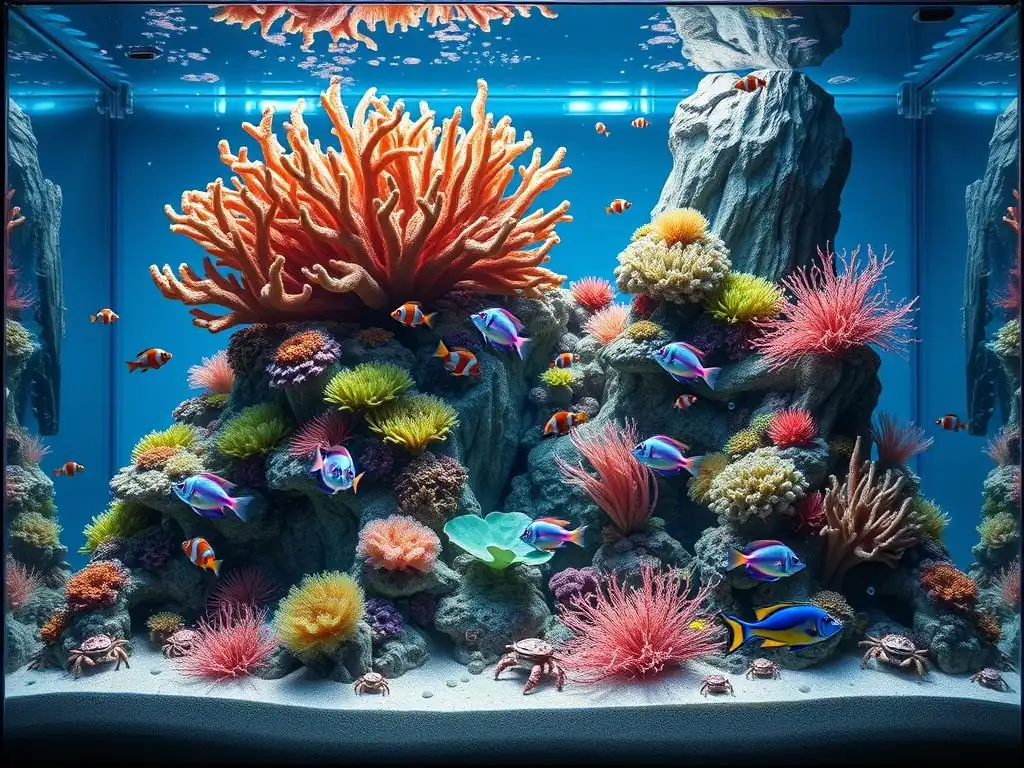
Ever dreamed of witnessing the miracle of life unfold right in your living room? Setting the Scene for Spawns: Crafting the Perfect Breeding Tank Environment delves into the fascinating world of breeding marine life, specifically guiding you through a successful saltwater breeding tank setup. Discover the secrets to creating the ideal environment to encourage spawning and nurture delicate fry. Ready to embark on this rewarding journey? Let's dive in!
- Setting the Scene for Clownfish Spawns: Crafting the Perfect Breeding Tank Environment
- Understanding the Essentials of a Saltwater Breeding Tank Setup
- Choosing the Right Tank Size and Materials for Clownfish Breeding
- Water Chemistry and Parameters: The Foundation of Saltwater Spawning
- Substrate and Decoration: Mimicking Natural Saltwater Habitats
- Filtration and Water Movement in Saltwater Breeding Tanks
- Lighting for Saltwater Breeding: Promoting Natural Behaviors
- Introducing and Conditioning Breeding Pairs in Saltwater Aquariums
- Monitoring and Maintaining the Saltwater Breeding Tank Environment
-
Frequently Asked Questions
- How large should my saltwater breeding tank be?
- What are the key water parameters to monitor in a saltwater breeding tank?
- What type of filtration is best for a saltwater breeding tank?
- What kind of substrate and decorations should I use in a saltwater breeding tank?
- How often should I perform water changes in a saltwater breeding tank?
- Final Reflection: Cultivating Life's Beginnings
- Ignite Your Aquarium: Hatch a New Beginning!
Setting the Scene for Clownfish Spawns: Crafting the Perfect Breeding Tank Environment
Understanding the Essentials of a Saltwater Breeding Tank Setup
Why a Dedicated Breeding Tank is Crucial for Saltwater Fish
A dedicated saltwater breeding tank setup offers an unparalleled advantage over a community aquarium when aiming for successful fish reproduction. Primarily, it provides a controlled and isolated environment, significantly reducing the risk of predation on delicate eggs and newly hatched fry. In a typical reef or community tank, other fish, invertebrates, and even the parent fish themselves can quickly consume eggs or fry, leading to very low survival rates. By isolating the breeding pair, aquarists can ensure the safety of the progeny and focus entirely on optimizing conditions for spawning and fry development.
Furthermore, a separate breeding tank minimizes stress for the breeding pair, allowing them to focus their energy on reproduction rather than defending their territory or offspring from tank mates. This isolation also simplifies environmental control, making it easier to fine-tune specific water parameters that might be critical for triggering spawning in certain species. For instance, specific temperature fluctuations or nutrient levels can be precisely manipulated in a dedicated saltwater breeding tank setup without affecting the broader community system, leading to a higher frequency and success rate of spawns.
Key Parameters for Successful Saltwater Fish Breeding
Successful saltwater fish breeding hinges on the precise and consistent maintenance of several key water parameters. These include temperature, salinity, pH, and the absence of harmful nitrogenous compounds like ammonia and nitrite, with low levels of nitrate. Each parameter plays a vital role in the physiological processes of the breeding fish, influencing gonad development, egg viability, and the overall health of both parents and offspring. A stable environment minimizes stress and maximizes the chances of a successful spawn and subsequent fry survival.
For most common marine breeding species, such as Ocellaris Clownfish (Amphiprion ocellaris), the ideal temperature range typically falls between 78°F and 82°F (25.5°C-27.8°C). Salinity should be maintained consistently between 1.023 and 1.025 specific gravity (SG), mimicking natural ocean conditions. The pH level is generally kept within the range of 8.1 to 8.4.
Critically, ammonia and nitrite must always be at 0 ppm, as even trace amounts are highly toxic to marine fish and especially lethal to developing eggs and fry. Nitrates should be kept below 20 ppm, ideally closer to 5-10 ppm, through regular water changes. Achieving and maintaining these conditions is fundamental to any effective saltwater breeding tank setup.
Choosing the Right Tank Size and Materials for Clownfish Breeding
Selecting the Ideal Tank Volume for Target Species: Clownfish
The tank volume is a critical consideration for a saltwater breeding tank setup, directly impacting water stability and the comfort of the breeding pair. For a pair of Ocellaris or Percula Clownfish, a minimum tank size of 10 to 20 gallons is often recommended. While a 10-gallon tank can house a pair, a 20-gallon or 30-gallon long aquarium offers more stability in water parameters due to its larger volume, providing a more forgiving environment for beginners and better space for the fish to establish their territory and reduce potential aggression.
A larger volume also dilutes waste products more effectively, helping to maintain pristine water quality, which is paramount for inducing spawning and ensuring egg viability. For example, a 20-gallon long tank (30"x12"x12") provides ample swimming room and surface area for gas exchange, supporting a healthy environment for the clownfish pair without the cramped conditions that can lead to stress and inhibited breeding. This thoughtful selection of tank volume is a cornerstone of a productive saltwater breeding tank setup.
Safe and Inert Materials for a Saltwater Breeding Environment
The materials used within a saltwater breeding tank setup must be entirely safe and inert to prevent the leaching of harmful chemicals into the water. Aquarium-grade glass or acrylic tanks are the standard and safest choices. Avoid any materials not specifically designed for aquatic use, such as certain plastics or metals, which can corrode or release toxins detrimental to marine life, particularly sensitive eggs and fry.
For internal structures, such as spawning sites and hiding places, options like PVC pipe fittings, unglazed ceramic tiles, or inert aragonite rock are excellent choices. PVC is robust, easily cleaned, and completely inert in saltwater. Unglazed ceramic tiles, often used as clownfish spawning surfaces, provide a stable, clean area for egg deposition. Always ensure any new materials, including synthetic decorations, are labeled as aquarium-safe and have been thoroughly cleaned or cured before introduction into the sensitive saltwater breeding tank environment.
Water Chemistry and Parameters: The Foundation of Saltwater Spawning
Maintaining Optimal Salinity Levels for Breeding Saltwater Fish
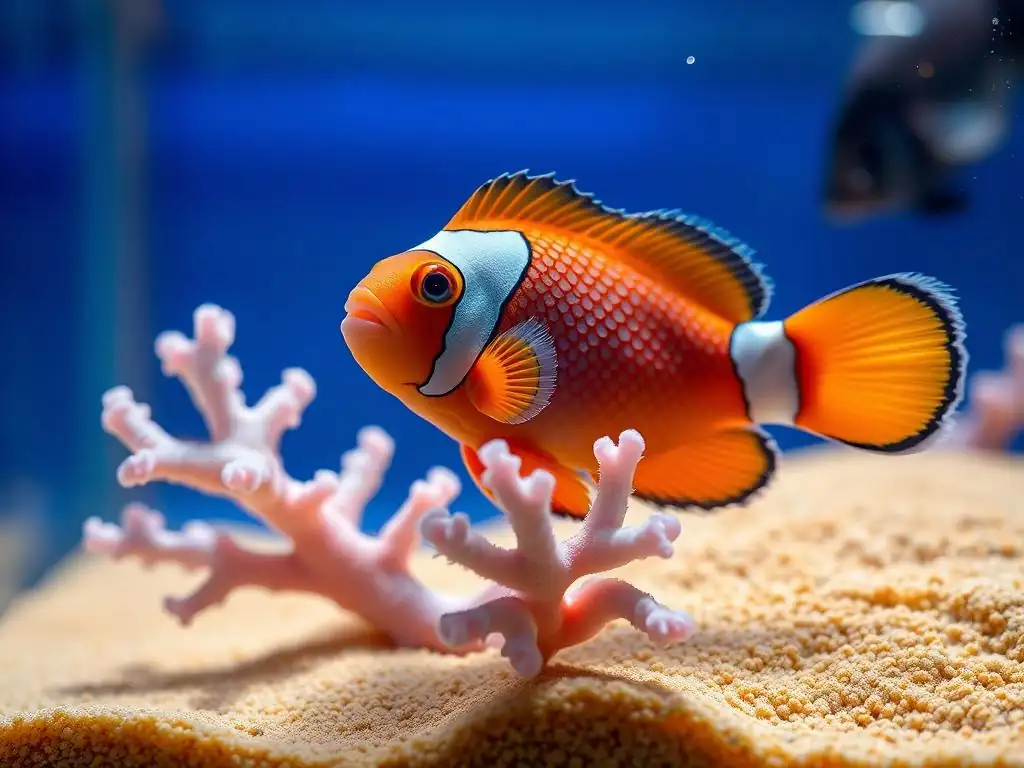
Maintaining optimal and stable salinity levels is paramount for successful saltwater fish breeding. Most marine fish species, including clownfish, thrive and are more likely to spawn within a specific gravity (SG) range of 1.023 to 1.025, which closely mimics natural ocean conditions. Fluctuations outside this narrow range can induce significant stress, inhibit spawning behaviors, and negatively impact egg development and fry survival. For instance, a sudden drop in salinity can cause osmotic shock, while a rapid increase can lead to dehydration.
Regular monitoring of salinity using a high-quality refractometer is essential for any effective saltwater breeding tank setup; hydrometers are generally less accurate. Evaporation will naturally increase salinity, so daily top-offs with RODI (Reverse Osmosis Deionized) water are crucial to maintain stability. When performing water changes, ensure the new saltwater mix matches the tank's existing salinity precisely to prevent any shock to the breeding pair or their delicate eggs. Consistency in this parameter is a non-negotiable aspect of successful marine aquaculture.
Controlling Temperature and pH for Successful Spawning
Temperature and pH are two critical parameters that must be meticulously controlled in a saltwater breeding tank setup to encourage spawning and ensure the health of eggs and fry. For many common breeding species like clownfish, a stable temperature between 78°F and 82°F (25.5°C-27.8°C) is ideal. Consistent warmth promotes metabolic activity and reproductive readiness, while sudden temperature swings can be a significant stressor, potentially halting spawning or causing egg mortality. A reliable heater with a precise thermostat is indispensable.
Similarly, maintaining a stable pH between 8.1 and 8.4 is vital. pH directly affects the physiological processes of marine organisms and the chemical balance of the water. While slight natural daily pH fluctuations might occur, large or rapid shifts are detrimental. Adequate alkalinity (KH) levels, typically between 8-12 dKH, are crucial for buffering the pH and preventing drastic changes. Regular testing and ensuring proper aeration, along with consistent water changes, help maintain these essential conditions within the saltwater breeding tank environment.
The Importance of Water Quality in Saltwater Breeding Tanks: Ammonia, Nitrite, and Nitrate Management
Impeccable water quality, specifically the stringent management of the nitrogenous waste products, is the absolute bedrock of a successful saltwater breeding tank setup. Ammonia (NH3/NH4+) and nitrite (NO2-) are highly toxic compounds that must be maintained at undetectable levels (0 ppm) at all times. Even minute concentrations can cause severe stress, gill damage, disease, and ultimately, death for adult fish, and are instantly lethal to sensitive eggs and newly hatched fry. The presence of these compounds indicates an immature biological filter or an overloaded system.
While nitrates (NO3-) are less toxic than ammonia or nitrite, high levels (above 20-40 ppm) can still stress breeding fish, inhibit spawning, and negatively impact the development and survival of fry. Regular partial water changes (e.g., 10-20% weekly) are the primary method for controlling nitrate accumulation and replenishing essential trace elements. Consistent monitoring with reliable test kits and prompt action to address any deviations are critical to providing a pristine and healthy saltwater breeding environment conducive to successful reproduction.
Substrate and Decoration: Mimicking Natural Saltwater Habitats
Selecting the Appropriate Substrate for Spawning: Bare Bottom Tank
For most saltwater breeding tank setups, especially those intended for egg-laying species like clownfish, a bare-bottom tank is overwhelmingly preferred. This choice simplifies maintenance immensely, as there is no substrate to trap uneaten food, detritus, or waste, which can rapidly degrade water quality. A bare bottom allows for easy siphoning of waste, minimizing the buildup of nitrates and phosphates, and preventing the growth of harmful bacteria that could impact delicate eggs or fry.
While some marine species may prefer a sand bed for burrowing or sifting, clownfish readily spawn on a solid, flat surface. The absence of substrate also makes it significantly easier to observe and collect eggs after spawning, preventing them from being lost or damaged within a sand bed. This practical approach contributes significantly to maintaining the pristine water conditions essential for a productive saltwater breeding tank.
Creating Hiding Places and Spawning Sites with Artificial Caves or Tiles
Even in a bare-bottom saltwater breeding tank setup, providing appropriate hiding places and designated spawning sites is crucial for the comfort and reproductive success of the fish. For clownfish, a smooth, flat surface is ideal for egg deposition. Unglazed ceramic tiles, terracotta pots (broken or whole), or smooth, inert rocks (e.g., small pieces of lava rock or aragonite) are excellent choices. These items can be easily removed for cleaning or for egg collection, simplifying the breeding process. A common practice is to place a ceramic tile directly on the tank bottom.
In addition to the spawning surface, providing simple hiding places, such as small PVC elbows or short sections of PVC pipe, can offer a sense of security for the breeding pair. This allows the female or male to retreat if they feel stressed or need a break from each other, which can help mitigate aggression and promote a more harmonious environment conducive to spawning. These simple additions contribute significantly to the overall success of the saltwater breeding tank environment.
Avoiding Contaminants: Preparing Decorations for the Saltwater Breeding Tank
When introducing any decorations or spawning surfaces into a saltwater breeding tank setup, it is paramount to ensure they are free from contaminants. New items, even those labeled as "aquarium safe," can sometimes carry manufacturing residues, dust, or other impurities that can be harmful to sensitive marine life. Thorough preparation is a non-negotiable step to protect your valuable breeding pair and their future offspring.
All new decorations, including ceramic tiles or PVC pipes, should be rigorously scrubbed with a clean, dedicated aquarium brush and rinsed extensively with RODI water. Avoid using any soaps, detergents, or chemical cleaners, as these can leave behind residues that are toxic to marine fish. It's often recommended to soak new items in RODI water for several days, performing multiple water changes, to leach out any potential impurities before they are introduced into the highly sensitive saltwater breeding environment.
Filtration and Water Movement in Saltwater Breeding Tanks
Choosing the Right Filtration System for a Breeding Tank
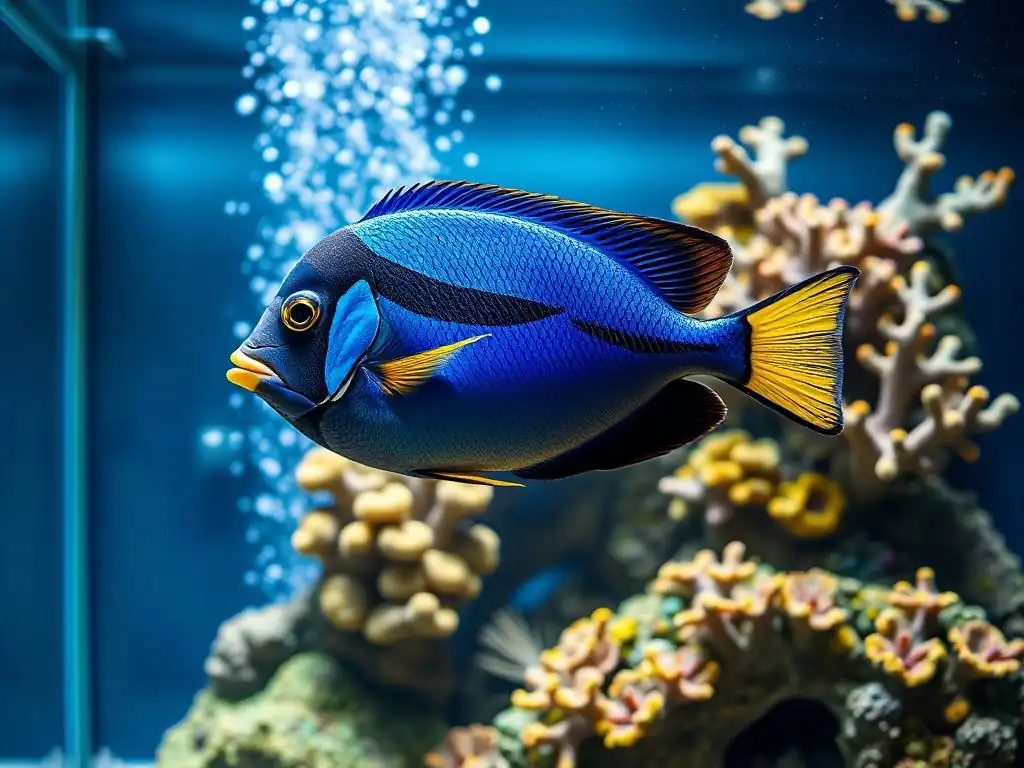
Selecting the appropriate filtration system for a saltwater breeding tank setup requires a balance between effective waste removal and the safety of delicate eggs and fry. Traditional powerful hang-on-back (HOB) or canister filters can create strong currents and pose a risk of sucking in newly hatched larvae. Instead, gentler alternatives are often preferred. Sponge filters are an excellent choice, providing both mechanical and biological filtration without creating turbulent flow, and their porous surface is safe for fry.
Alternatively, a small sump with a protein skimmer can be used for larger breeding setups, offering superior water purification. However, great care must be taken to ensure all pump intakes are thoroughly screened with fine mesh or sponge pre-filters to prevent fry from being drawn in. The goal is robust biological filtration to process ammonia and nitrite while maintaining a calm environment, making careful filter selection a key aspect of a successful saltwater breeding tank.
Maintaining Gentle Water Flow to Promote Spawning and Fry Survival
Maintaining gentle water flow is crucial in a saltwater breeding tank setup, as it plays a dual role in promoting spawning and ensuring the survival of fry. A subtle current aids in oxygenating the water and helps distribute pheromones, which can stimulate breeding behaviors in the pair. It also prevents stagnation, ensuring that the water quality remains consistent throughout the tank. However, this flow must be mild.
Strong currents are detrimental; they can stress the breeding fish, making them less likely to spawn, and are particularly dangerous for delicate eggs and newly hatched fry. Eggs can be dislodged from their spawning site, and fry, being weak swimmers, can be swept away, injured, or pushed into filter intakes. Therefore, powerheads or filter returns should be strategically placed and adjusted to create gentle, laminar flow rather than turbulent currents, ensuring the safety of the most vulnerable inhabitants of the saltwater breeding tank.
Avoiding Strong Currents That Can Harm Eggs and Fry
The avoidance of strong currents is a non-negotiable aspect of any effective saltwater breeding tank setup. Eggs, often laid on a flat surface, can be easily dislodged and scattered by turbulent water, making them vulnerable to predation or damage. More critically, newly hatched marine fish fry are typically microscopic and possess very limited swimming abilities. A powerful current can quickly sweep them away, causing physical injury, exhaustion, or drawing them into unfiltered pump intakes, leading to their demise.
To mitigate this risk, filtration systems should be chosen for their gentle flow or modified with pre-filters. For instance, sponge filters are inherently gentle, while hang-on-back filters or powerheads should have their outputs baffled or directed towards the tank walls to diffuse the flow. Foam pre-filters placed over all intake tubes are essential to prevent the accidental ingestion of fry. This meticulous attention to water movement is paramount for maximizing the survival rates of offspring in a saltwater breeding tank setup.
Lighting for Saltwater Breeding: Promoting Natural Behaviors
Selecting the Appropriate Light Spectrum for Spawning Triggers
The appropriate light spectrum in a saltwater breeding tank setup can play a role in promoting natural behaviors and potentially influencing spawning triggers. While marine fish breeding doesn't typically require highly specialized lighting like a coral reef, a full-spectrum light that mimics natural daylight is generally recommended. Lights in the 6500K to 10000K range are suitable, providing a balanced spectrum that supports the fish's natural circadian rhythms and visual perception.
Consistent lighting helps establish a predictable day-night cycle, which is crucial for the fish's overall well-being and reproductive readiness. For instance, clownfish, known for their specific spawning cycles, benefit from a stable photoperiod. While the exact spectrum might not directly induce spawning, a natural-looking light environment contributes to reduced stress and encourages the display of normal courtship and spawning behaviors within the saltwater breeding tank.
Controlling Light Intensity and Duration to Mimic Natural Conditions
Controlling both light intensity and duration is crucial in a saltwater breeding tank setup to mimic natural conditions and prevent issues like excessive algae growth. A consistent light cycle, typically 10 to 12 hours of light followed by 12 to 14 hours of darkness, is generally ideal. Using an automatic timer ensures precision and reliability, eliminating human error in maintaining a stable photoperiod. This predictability helps regulate the fish's biological clock, influencing hormone production and promoting reproductive cycles.
Excessively bright or prolonged lighting can stress breeding fish, potentially deterring spawning. Conversely, insufficient light might not adequately simulate natural conditions. Finding the right balance prevents undue stress on the fish and helps maintain the delicate ecosystem of the tank. For instance, if you observe your clownfish hiding excessively during the day, the light might be too intense. Adjusting intensity and duration contributes significantly to creating an optimal saltwater breeding environment.
Avoiding Algae Blooms in the Breeding Tank
Algae blooms are a common issue in any aquarium, and a saltwater breeding tank setup is particularly susceptible due to the need for pristine water quality. Excessive light intensity or duration, combined with elevated nutrient levels (especially nitrates and phosphates from uneaten food or waste), creates an ideal environment for rapid algae growth. While some beneficial microalgae might exist, a full-blown bloom can quickly consume oxygen, obscure visibility, coat spawning surfaces, and potentially harbor undesirable bacteria.
To prevent algae blooms, a balanced approach is required. Ensure that light intensity and duration are appropriate for the tank's needs, as discussed previously. More importantly, meticulous maintenance, including regular water changes, thorough siphoning of any detritus from the bare bottom, and careful feeding to avoid overfeeding, will keep nutrient levels in check. A clean and nutrient-poor environment is essential for preventing unsightly and potentially harmful algae overgrowth in the saltwater breeding tank.
Introducing and Conditioning Breeding Pairs in Saltwater Aquariums
Selecting Healthy and Compatible Breeding Pairs
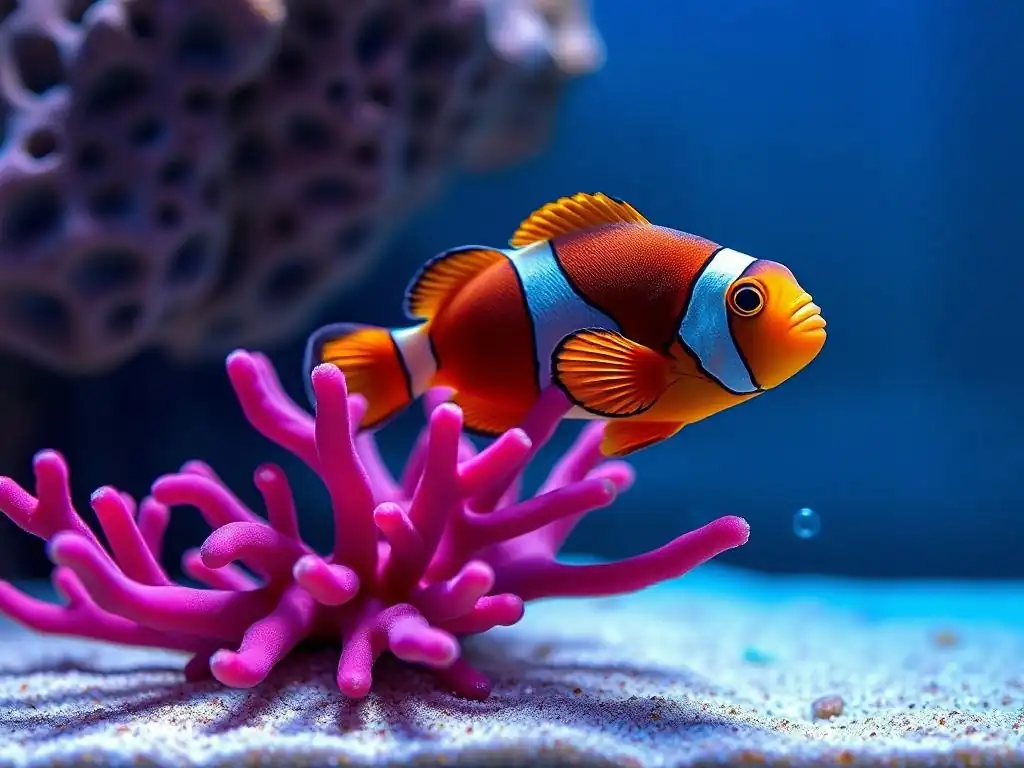
The success of any saltwater breeding tank setup begins with the careful selection of healthy and compatible breeding pairs. Choose fish that exhibit vibrant coloration, active swimming, clear eyes, and a healthy appetite. Avoid any fish showing signs of disease, such as clamped fins, labored breathing, or unusual spots. For clownfish, which are protandrous hermaphrodites (meaning they are born male and can change to female), selecting two juveniles of different sizes often results in a pair, with the larger fish typically becoming the female.
Compatibility is equally vital. While clownfish are generally less aggressive within a pair once established, initial introductions should be monitored. A well-matched pair will exhibit courtship behaviors like quivering and cleaning a potential spawning site, while an incompatible pair might show persistent aggression. A healthy, stress-free, and compatible pair forms the foundation for consistent spawning in your saltwater breeding tank.
Gradual Acclimation to the Breeding Tank Environment
Gradual acclimation is a crucial step when introducing breeding fish to their new saltwater breeding tank setup, minimizing stress and preventing shock. Rapid changes in water parameters such as temperature, pH, or salinity can severely stress fish, compromising their immune system and making them susceptible to disease, or even leading to death. This is particularly important for fish that will be dedicated to reproduction.
The drip acclimation method is highly recommended for marine fish. This involves slowly dripping water from the new breeding tank into the bag or container holding the fish over an extended period, typically 1 to 2 hours or even longer for very sensitive species. This slow process allows the fish to gradually adjust to the new water chemistry, ensuring a smooth transition into their dedicated saltwater breeding environment and setting them up for successful spawning.
Conditioning Fish for Spawning with Proper Diet and Care
Proper diet and care are paramount for conditioning fish to spawn in a saltwater breeding tank setup. A high-quality, varied diet rich in protein, vitamins, and essential fatty acids is crucial for building up the energy reserves needed for gonad development and egg production. For clownfish, a diverse diet including high-quality pellet foods, frozen foods (such as mysis shrimp, enriched brine shrimp, and copepods), and occasional live foods (like blackworms or enriched artemia) is ideal.
Feeding multiple small meals throughout the day, rather than one large meal, can also mimic natural foraging behaviors and ensure optimal nutrient absorption. Beyond diet, maintaining pristine water quality, stable parameters, and a stress-free environment, as outlined in previous sections, are all part of comprehensive care that signals to the fish that conditions are favorable for reproduction. This meticulous conditioning significantly increases the frequency and success of spawning in a saltwater breeding tank.
Monitoring and Maintaining the Saltwater Breeding Tank Environment
Regular Water Testing and Adjustments
Regular and diligent water testing is non-negotiable for the successful operation of a saltwater breeding tank setup. Daily or bi-daily testing of key parameters such as ammonia, nitrite, nitrate, pH, temperature, and salinity allows for the immediate detection of any deviations from optimal ranges. Even slight fluctuations can stress breeding fish and compromise egg viability or fry survival. For instance, a sudden spike in ammonia could indicate an overfed tank or a struggling biological filter.
Based on test results, immediate and precise adjustments must be made. If nitrates begin to creep up (e.g., above 10 ppm), a small, targeted water change (e.g., 10-15%) with perfectly matched saltwater should be performed. If ammonia or nitrite are detected, a larger, emergency water change is necessary, along with an investigation into the cause. Proactive monitoring and swift, informed adjustments are critical to maintaining the pristine and stable environment required for successful reproduction in a saltwater breeding tank.
Identifying and Addressing Potential Problems Early
Vigilant observation of the breeding pair and the tank environment is key to identifying and addressing potential problems early within a saltwater breeding tank setup. Changes in fish behavior, such as a loss of appetite, clamped fins, rapid breathing, or unusual aggression between the pair, can be early indicators of stress, disease, or deteriorating water quality. For example, if a clownfish pair stops cleaning their spawning site, it might signal an underlying issue.
Prompt action is essential. If water parameters are off, correct them immediately. If a fish appears ill, consider moving it to a quarantine tank for treatment to prevent disease spread and further stress on the breeding process. Regularly checking all equipment (heaters, filters, air pumps) for proper function also prevents unforeseen failures. Proactive problem-solving based on careful observation is a hallmark of a successful saltwater breeding tank setup.
Maintaining a Stable and Healthy Environment for Breeding Success
Ultimately, maintaining a stable and healthy environment is the overarching goal for breeding success in a saltwater breeding tank setup. This encompasses the consistent application of all the principles discussed: precise control of temperature, salinity, and pH; stringent management of nitrogenous wastes; appropriate lighting cycles; gentle water flow; and a high-quality, varied diet for the breeding pair. Stability in all these factors minimizes stress on the fish, allowing them to channel their energy into reproduction.
Consistency in daily routines, such as feeding times and observation, further contributes to a predictable and low-stress environment. Avoid sudden changes to the tank's setup or parameters whenever possible. A meticulously maintained saltwater breeding tank setup provides the optimal conditions for your fish to not only spawn regularly but also to produce healthy, viable eggs and ultimately, thriving fry, making the rewarding journey of marine fish breeding a reality.
Frequently Asked Questions
How large should my saltwater breeding tank be?
The ideal size depends on the species you plan to breed. However, a good starting point is a minimum of 20 gallons for smaller fish and significantly larger tanks for larger species to allow for adequate space and water quality.
What are the key water parameters to monitor in a saltwater breeding tank?
Maintaining stable and optimal water parameters is crucial. Key parameters include consistent salinity, ideal temperature for the target species, and near-zero ammonia and nitrite levels.
What type of filtration is best for a saltwater breeding tank?
A gentle filtration system is recommended to avoid stressing the breeding fish. Sponge filters and protein skimmers are often preferred as they provide efficient filtration without creating strong currents.
What kind of substrate and decorations should I use in a saltwater breeding tank?
The substrate and decorations should be chosen based on the specific needs of the fish you're breeding. Bare-bottom tanks are often preferred for easy cleaning, while some species require specific substrate types or hiding places.
How often should I perform water changes in a saltwater breeding tank?
Regular water changes are essential for maintaining water quality. Aim for weekly water changes of around 10-20% to remove accumulated nitrates and replenish essential trace elements.
Final Reflection: Cultivating Life's Beginnings
The journey of creating a thriving saltwater breeding tank, as we've explored, is far more than just assembling equipment; it's about fostering an environment conducive to life itself. The principles of careful planning, meticulous execution, and unwavering observation, so crucial in establishing a successful "Saltwater breeding tank setup," resonate far beyond the confines of our aquariums. They speak to the broader human endeavor of nurturing growth and potential in all its forms.
This dedication to creating optimal conditions, mirrored in our efforts to understand and cater to the delicate needs of marine life, has profoundly shaped our understanding of interconnectedness. The act of meticulously crafting a breeding tank environment has instilled in us a deeper appreciation for the fragility and resilience of life, and the responsibility we bear in safeguarding it. The best way to predict the future is to create it.
- Peter Drucker. This quote perfectly encapsulates the proactive role we play in shaping the future of these delicate ecosystems, one carefully crafted tank at a time.
As you consider the intricate details involved in setting up a saltwater breeding tank, remember that the same principles apply to cultivating success in any area of your life. Just as a thriving ecosystem requires balance and attention, so too does personal growth and achievement. Take the lessons learned here – the importance of preparation, the power of observation, and the unwavering commitment to nurturing potential – and apply them to your own endeavors. What environment will you create to foster your own growth and the growth of those around you?
Ignite Your Aquarium: Hatch a New Beginning!
Thanks for diving deep into the art of breeding tank setup! We hope you’ve discovered valuable insights to create the perfect environment for your aquatic friends. Now, let’s transform that knowledge into action and witness the miracle of life unfold in your own aquarium.
Here are a few things you can do right now:
- Prioritize this week with your tanks to start setting up your dedicated breeding tank! Don't wait—the sooner you start, the sooner you can welcome new life into your aquarium.
- Delve deeper and explore additional resources on creating optimal water parameters and breeding methods for your specific fish species to increase your success rate.
- Share your newfound knowledge! Spread the word to your fellow aquarists and inspire them to embark on their own breeding journeys.
Ready to take the plunge and become a successful fish breeder? What's the first small change you're going to make to improve the chances of a successful spawning?