Nature's Nudge: Mastering Spawning Triggers for Successful Fish Breeding
🌿 Unlock the secrets to Successful fish spawning triggers with expert techniques that enhance breeding success in your freshwater or saltwater aquarium,…
Read article
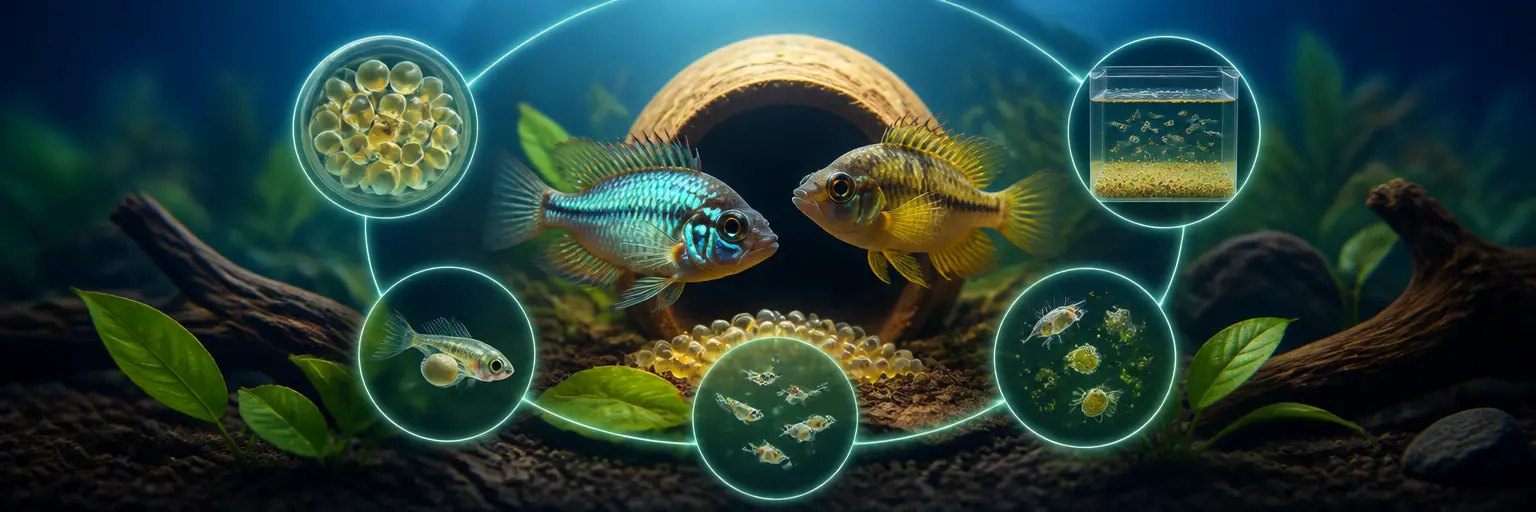
Discover expert fish breeding and fry rearing guidance at Aquarium Mastery 🐠✨ Learn practical techniques for conditioning pairs, encouraging spawning, protecting eggs, and raising healthy fry in freshwater and saltwater aquariums. Explore trusted advice on nursery setup, water quality, feeding schedules, and nutritious fry foods to improve survival and growth. Whether you’re a beginner or experienced aquarist, our SEO-friendly breeding resources help you master every stage of the process and build thriving fish populations.
🌿 Unlock the secrets to Successful fish spawning triggers with expert techniques that enhance breeding success in your freshwater or saltwater aquarium,…
Read article
🌟 Prepare your aquatic paradise with our Aspiring Fish Breeder Checklist. Ensure your tank’s readiness for successful breeding by mastering water chemistry,…
Read article
🌊 Discover effective strategies to prevent saltwater fish parental cannibalism and protect eggs and fry. AquariumMastery.com offers expert guidance on safeguarding your…
Read article
🌊 Discover expert tips for a successful saltwater breeding tank setup, ensuring optimal conditions for spawning. AquariumMastery.com provides comprehensive guidance on creating…
Read article
🐟 Unlock the secrets to a successful Breeding fish tank setup by selecting the right champions and conditioning them for peak reproductive…
Read article
🐟 Discover expert tips for raising fish fry successfully with AquariumMastery.com’s comprehensive step-by-step guide, covering tank setup, water chemistry, and care essentials…
Read article
🐟 Discover the truth behind Eggspectations versus reality in saltwater fish breeding with AquariumMastery.com’s comprehensive guide. Learn essential fry care and breeding…
Read article
🐟 Discover essential tips for newborn fish fry feeding to ensure healthy growth and vibrant development. AquariumMastery.com offers expert guidance on nurturing…
Read article
🐟 Struggling with fish breeding spawning problems? AquariumMastery.com offers expert tips to troubleshoot common challenges, optimize spawning conditions, and ensure successful breeding…
Read article
🌊 Mastering water chemistry fry rearing is essential for healthy fry development. AquariumMastery.com offers expert guidance on optimizing water conditions, ensuring your…
Read article
🌟 Discover essential techniques for healthy livebearer fry rearing, ensuring your newborns thrive. AquariumMastery.com offers expert guidance on birthing, tank setup, and…
Read article
🌟 Discover the essential principles for breeding aquarium fish successfully with AquariumMastery.com. This comprehensive guide covers vital techniques, water chemistry, and species-specific…
Read articleBreeding & Fry Rearing is your practical resource for successfully breeding aquarium fish and raising healthy fry. Whether you keep freshwater or saltwater species, this category covers essential fish breeding techniques, spawning behavior, egg care, fry development, nursery tank setup, water quality, and specialized fry foods. Aquarium Mastery helps aquarists understand every stage of the breeding process, from selecting compatible broodstock to caring for delicate newborn fish.
Explore reliable guidance on aquarium fish breeding fundamentals, breeding tank preparation, conditioning diets, water parameters, egg protection, fry feeding schedules, and common breeding problems. These detailed guides are designed for beginners and experienced fishkeepers who want to improve breeding success, reduce fry losses, and raise stronger, healthier juvenile fish.
This subcategory explains the core principles of aquarium fish breeding, including how to identify male and female fish, select healthy breeding pairs, encourage spawning, and create the right environmental conditions. Readers can learn about breeding tanks, filtration, water temperature, pH, hardness, lighting, hiding places, and spawning surfaces for different fish species.
Guides also focus on fry rearing after eggs hatch. Expect practical advice about egg care, free-swimming fry, nursery tank maintenance, water changes, fry foods, feeding frequency, and growth monitoring. Whether you are breeding livebearers, egg scatterers, bubble-nesting fish, mouthbrooders, cichlids, or other aquarium species, these resources help you build an effective breeding and fry-rearing routine.
Successful fish breeding often begins with a carefully prepared breeding aquarium. Learn how to choose the appropriate tank size, use gentle filtration, provide spawning mops or caves, and separate adult fish when necessary. Detailed information on stable water parameters and clean, oxygen-rich water helps create safer conditions for eggs and newly hatched fry.
Readers can also find guidance on cycling a breeding tank, controlling temperature, performing safe water changes, and preventing harmful ammonia and nitrite spikes. Correct setup is especially important because fry are sensitive to poor water quality and sudden changes in their environment.
Different aquarium fish have different spawning strategies, and this section helps explain what to expect. Learn how egg scatterers, egg depositors, bubble nesters, livebearers, and mouthbrooding fish reproduce, including common signs that spawning is about to occur. Understanding natural behavior makes it easier to provide appropriate breeding surfaces and protective hiding areas.
These guides cover fertilized and unfertilized eggs, fungus prevention, parental care, egg removal, and hatching conditions. You will also learn when to remove adult fish, when to use gentle aeration, and how to protect vulnerable eggs from predators or accidental damage.
Newly hatched fry require appropriately sized foods that provide energy for rapid growth. Discover the differences between infusoria, green water, liquid fry food, vinegar eels, microworms, baby brine shrimp, powdered foods, and finely crushed flakes. The right fry food size and nutritional content can make a major difference in survival and development.
Readers can also learn how often to feed fry, how to avoid overfeeding, and how to remove uneaten food before it damages water quality. Feeding recommendations are explained according to fry size and age, helping aquarists create a consistent feeding plan while supporting healthy growth and minimizing waste.
A dedicated nursery tank can provide fry with better access to food and protection from larger fish. This section explains how to use sponge filters, breeder boxes, floating plants, spawning mops, and safe tank dividers. You will find advice on creating a low-stress environment with gentle water movement, suitable shelter, and stable temperature.
Guides also discuss grading fry by size, preventing bullying and cannibalism, performing small frequent water changes, and moving juveniles to larger aquariums. Monitoring growth and behavior helps identify weak fish early and ensures that developing juveniles receive enough food and space.
Breeding methods vary significantly between livebearers, tetras, danios, gouramis, bettas, cichlids, catfish, killifish, shrimp, and marine species. This subcategory provides adaptable techniques for understanding courtship, spawning triggers, parental behavior, and fry development across a wide range of aquarium fish.
Readers can compare species-specific requirements, including breeding temperature, water chemistry, egg protection, incubation time, and first foods. These insights make it easier to tailor a breeding plan rather than relying on a single method for every aquarium species.
The best setup depends on the species, but a separate breeding tank with stable water parameters, gentle filtration, suitable spawning surfaces, and protective cover is usually effective. A sponge filter is often recommended because it provides biological filtration without pulling in small fry.
Remove unfertilized or damaged eggs when possible, maintain excellent water quality, and provide gentle circulation and oxygenation. Some experienced aquarists use species-appropriate antifungal treatments, but all medications should be researched carefully before use.
The correct first food depends on fry size. Very small fry may need infusoria, green water, liquid fry food, or other microscopic foods, while larger fry can often eat microworms, vinegar eels, powdered foods, or newly hatched baby brine shrimp. Feed small portions frequently to prevent waste.
Small, frequent water changes are generally safer than large changes. Test ammonia and nitrite regularly, match replacement water temperature and chemistry, and use gentle siphoning to avoid accidentally removing fry. The exact schedule depends on stocking density, feeding levels, filtration, and water test results.
Common causes include unsuitable first foods, poor water quality, temperature fluctuations, strong filtration, overcrowding, inadequate oxygen, and predation by adult fish. Review the tank’s ammonia and nitrite levels, feeding routine, water movement, and shelter to identify the likely problem and improve fry survival.