
Natural Habitat of the Oscar Fish: Inspiring Your Ideal Tank Setup

Welcome to Aquarium Mastery!
Ever wondered how to recreate the lush, natural environment where Oscar fish truly thrive? Dive in! This article explores the secrets to designing an Oscar fish natural tank setup that not only enhances their well-being but also creates a stunning centerpiece for your home. Get ready to uncover the key elements, from substrate selection to plant choices, and discover how to build an aquarium that mirrors the Oscar's true habitat. Curious to learn more? Let's get started!
- Oscar Fish Aquarium Setup: A Guide to Replicating Their Natural Environment
- Understanding the Oscar Fish's Natural Environment
- Replicating the Natural Habitat: Creating an Ideal Oscar Fish Tank Setup
- Oscar Fish Diet: Wild vs. Captivity
- Choosing Tank Mates: Compatibility Considerations
- Avoiding Common Mistakes
- Maintaining a Natural-Inspired Oscar Tank
- Benefits of a Naturalistic Aquarium
-
Frequently Asked Questions
- What is the most important factor to consider when replicating an Oscar fish's natural habitat in an aquarium?
- What type of substrate is best for a natural Oscar fish tank setup?
- What kind of decorations should I include in an Oscar fish's natural tank setup?
- What water parameters are ideal for maintaining a healthy Oscar fish in a natural setup?
- How can I ensure my Oscar fish tank setup provides adequate hiding places and enrichment?
- Final Reflection: Recreating the Wild for Our Oscars
- Design Your Oscar's Dream Home Now!
Oscar Fish Aquarium Setup: A Guide to Replicating Their Natural Environment
Understanding the Oscar Fish's Natural Environment
South American River Systems: Origins of the Oscar
The Oscar fish, scientifically known as Astronotus ocellatus, originates from the vast and intricate river systems of South America. Their native range spans across the Amazon, Orinoco, and Paraná River basins, encompassing countries like Brazil, Peru, Colombia, Venezuela, Argentina, Paraguay, and Uruguay. These sprawling waterways are characterized by their immense biodiversity and dynamic environments, which have shaped the Oscar's natural behaviors and physiological needs. Understanding these geographical origins is fundamental when planning an ideal Oscar fish natural tank setup.
The sheer scale of these river systems means Oscars are accustomed to diverse conditions, from the blackwater tributaries rich in tannins to the clearer, sediment-laden main channels. This adaptability in their natural environment highlights their resilience, yet also underscores the importance of providing a stable and appropriate habitat in captivity. Replicating elements of these South American river systems is the first step towards a thriving and authentic Oscar fish natural tank setup.
Habitat: Slow-Moving Waters and Floodplains
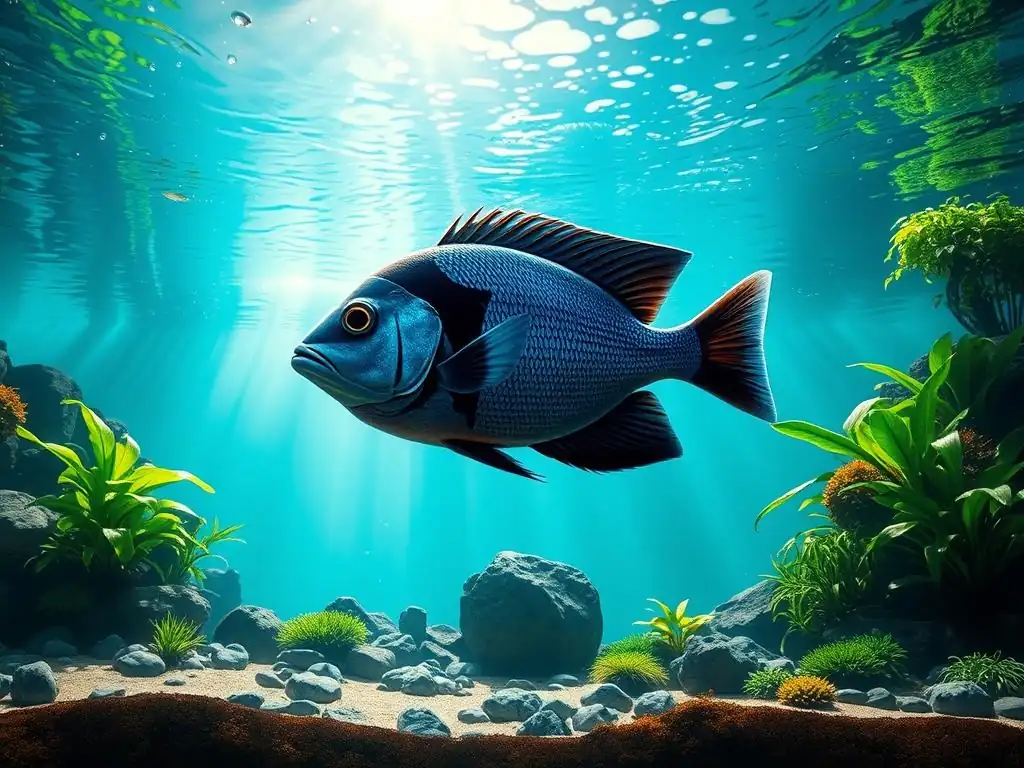
In their natural habitat, Oscar fish typically inhabit slow-moving waters, including sluggish rivers, oxbow lakes, flooded forests, and backwater areas. They prefer regions with abundant submerged vegetation, fallen logs, root systems, and leaf litter, which provide both shelter from predators and ambush points for prey. These areas often experience seasonal flooding, which expands their available territory and brings new food sources.
The preference for calmer waters means that while Oscars are active swimmers, they are not accustomed to strong, turbulent currents. Instead, they thrive in environments where they can explore, dig in the substrate, and hide among natural structures. Incorporating these characteristics into an Oscar fish natural tank setup is crucial for their well-being, promoting natural behaviors and reducing stress.
Environmental Factors: Warm Temperatures and Soft Water
The environmental factors in the Oscar's native South American rivers are critical to their survival and health. They are accustomed to warm, stable water temperatures, typically ranging from 23-28°C (74-82°F). Fluctuations outside this range can cause significant stress and compromise their immune system. The pH levels in these waters generally range from slightly acidic to neutral, usually between 6.0 and 7.5.
Furthermore, the water in their natural habitats tends to be soft to moderately soft, with a general hardness (dGH) often falling between 2-12 degrees. This soft water chemistry is influenced by the abundant rainfall and the decomposition of organic matter from the surrounding rainforests, which leach tannins and humic acids into the water. Maintaining these specific parameters is paramount for a successful Oscar fish natural tank setup, as it directly impacts their osmoregulation and overall physiological health.
Replicating the Natural Habitat: Creating an Ideal Oscar Fish Tank Setup
Tank Size: Providing Adequate Swimming Space
Providing adequate tank size is arguably the most critical aspect of creating an ideal Oscar fish natural tank setup. Oscars are large cichlids, capable of reaching lengths of 12-14 inches (30-35 cm) in captivity, and they are also active, intelligent fish that require substantial swimming space. For a single Oscar, a minimum tank size of 75 gallons (approximately 280 liters) is highly recommended.
However, for a pair of Oscars or to house them with compatible tank mates, a tank of 125 gallons (approximately 470 liters) or larger is essential. Overcrowding leads to stunted growth, increased aggression, poor water quality, and heightened stress levels, significantly reducing their lifespan and quality of life. A spacious Oscar fish natural tank setup not only allows them to grow to their full potential but also provides ample territory, reducing conflict and promoting natural behaviors.
Water Parameters: Achieving Optimal Water Chemistry
Maintaining precise and stable water parameters is fundamental to replicating the Oscar's natural environment and ensuring their health within an Oscar fish natural tank setup. Consistent monitoring and adjustments are necessary to prevent stress and disease.
Temperature and pH: Maintaining Stability
For temperature, the ideal range for Oscar fish is consistently between 24-27°C (75-80°F). A reliable aquarium heater, appropriately sized for the tank, is indispensable to maintain this warmth, especially in cooler climates. Sudden temperature fluctuations, even by a few degrees, can severely stress Oscars, making a stable environment crucial.
Regarding pH, the optimal range is 6.5-7.5. While Oscars can tolerate slight variations, stability is more important than hitting an exact number. Regular testing with an accurate pH kit is vital. If your tap water is significantly outside this range, methods such as using RO (Reverse Osmosis) water blended with tap water or incorporating driftwood (which naturally lowers pH) can help achieve the desired levels for your Oscar fish natural tank setup.
Water Hardness: Replicating Soft Water
Replicating the soft to moderately soft water found in their natural rivers is also important for an optimal Oscar fish natural tank setup. Aim for a general hardness (dGH) between 5-10 dGH. Harder water can contribute to stress and may lead to kidney issues over time for these South American natives.
To achieve softer water, options include using deionized or RO water, which can then be remineralized to the desired hardness. Large pieces of bogwood or mopani wood can also help by releasing tannins, which slightly soften the water and lower pH, while also giving the aquarium a natural, blackwater appearance that mimics some of their native habitats.
Substrate and Decor: Simulating the Riverbed
The choice of substrate and decor plays a vital role in creating a visually appealing and functionally beneficial Oscar fish natural tank setup. These elements should mimic their natural environment while ensuring the safety of these large, often boisterous fish.
Substrate: Choosing Smooth Gravel or Sand
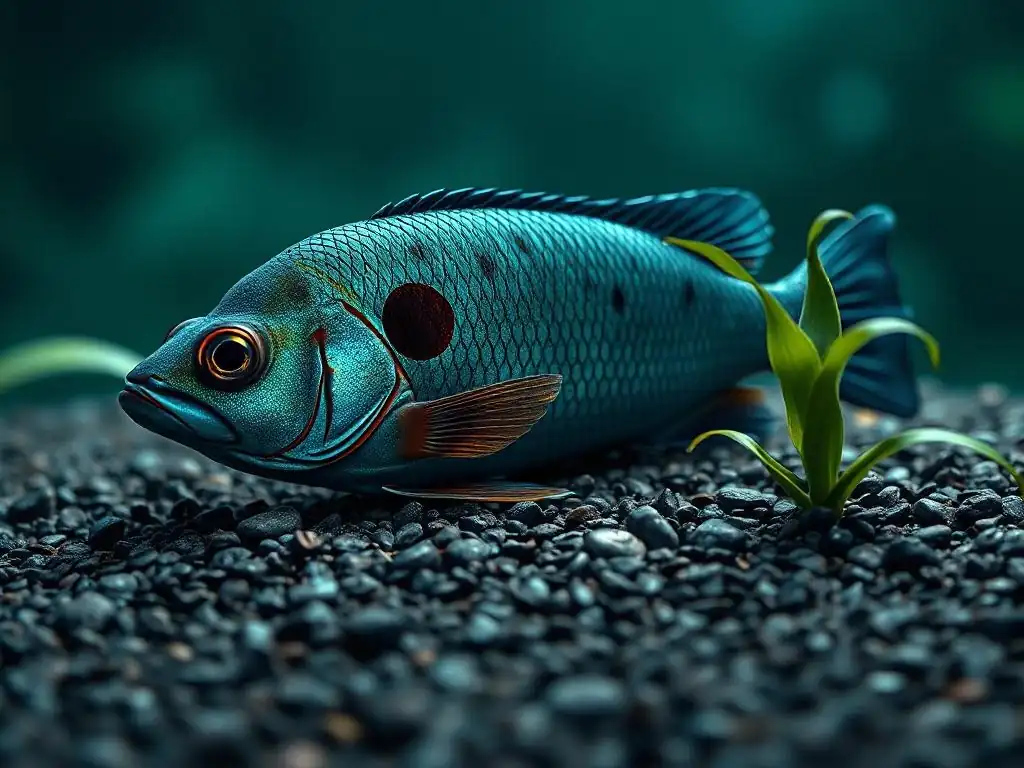
For the substrate in an Oscar fish natural tank setup, fine, smooth gravel or sand is highly recommended. Oscars are known for their digging habits; they will frequently rearrange the substrate, especially during breeding attempts or when establishing territory. Using coarse or sharp gravel can lead to injuries to their delicate fins and scales as they dig.
A depth of 2-3 inches (5-7.5 cm) of substrate is usually sufficient. Sand, in particular, allows for natural foraging behaviors as Oscars sift through it in search of food particles, mimicking their wild actions. It also prevents food from getting trapped and decaying, which can be an issue with deeper, coarser gravel.
Decor: Rocks and Driftwood for Shelter
Incorporating smooth, rounded rocks and large pieces of driftwood is essential for simulating the riverbed and providing crucial shelter in an Oscar fish natural tank setup. River rocks, slate, or other non-abrasive stones can be arranged to create caves, crevices, and visual barriers. Ensure all rocks are stable and cannot be dislodged by a large, powerful Oscar, which could lead to tank damage or injury.
Large pieces of driftwood, such as Malaysian bogwood or mopani wood, not only look natural but also provide hiding spots and a source of beneficial tannins that can help maintain desired water parameters. These natural elements offer security and encourage the fish to explore their environment, contributing significantly to a naturalistic and enriching Oscar fish natural tank setup.
Lighting: Simulating a Natural Day-Night Cycle
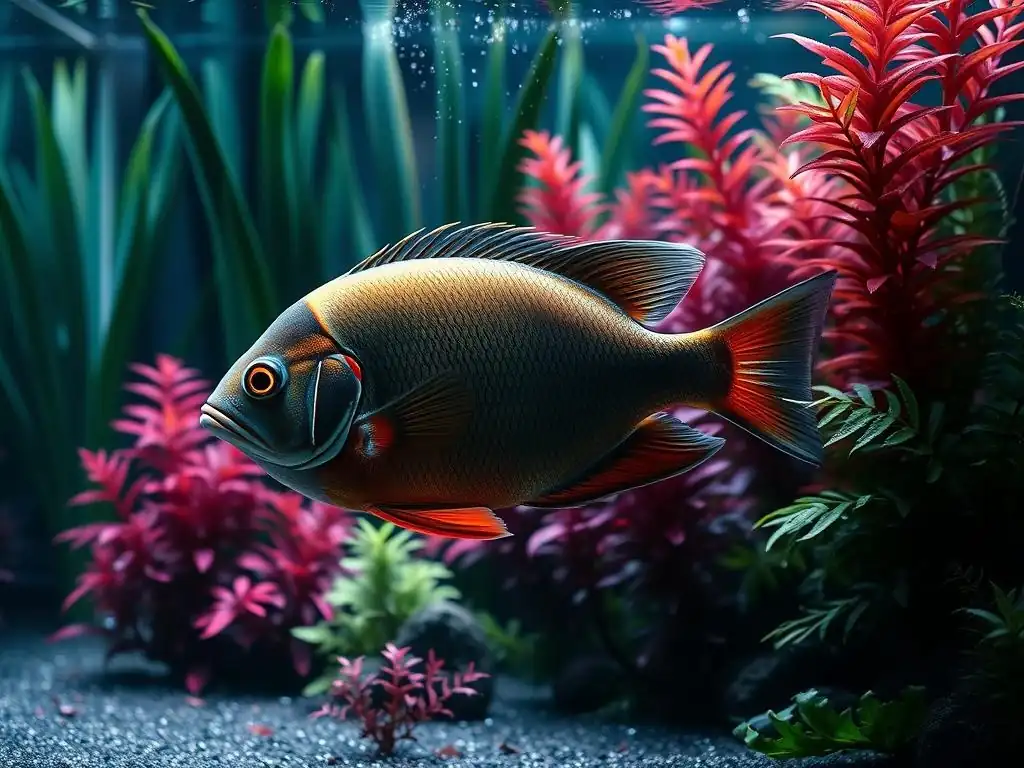
Appropriate lighting is an often-overlooked yet important aspect of an Oscar fish natural tank setup. While Oscars are not particularly sensitive to light intensity, providing a consistent day-night cycle is crucial for their biological rhythms and overall well-being. Moderate lighting that simulates natural daylight is generally ideal.
A photoperiod of 8-10 hours per day is recommended. Using a timer can ensure consistency, preventing stress from irregular light exposure. This consistent cycle helps regulate their sleep patterns, feeding times, and even breeding behaviors. Excessive or continuous lighting can stress fish and promote algae growth, detracting from the natural aesthetic of your Oscar fish natural tank setup.
Filtration and Water Flow: Maintaining Water Quality
Given their size and messy eating habits, Oscars produce a significant bioload, making robust filtration and appropriate water flow absolutely critical for maintaining water quality in an Oscar fish natural tank setup. Without proper management, ammonia and nitrite levels can quickly become toxic.
Filtration: Over-Filtration is Key
Over-filtration is not just a recommendation; it's a necessity for an Oscar fish natural tank setup. Powerful external canister filters or sumps are generally preferred, often rated for tanks two to three times the actual volume of your aquarium. These systems provide excellent mechanical, biological, and chemical filtration, removing particulate waste, converting harmful ammonia and nitrite into less toxic nitrate, and absorbing dissolved organic compounds.
A typical 125-gallon Oscar tank, for instance, might benefit from two large canister filters, or a single very powerful one, to handle the substantial waste production. Regular maintenance of these filters, including rinsing sponges and replacing media, is vital to ensure their efficiency and prevent a buildup of detritus that could compromise water quality in your Oscar fish natural tank setup.
Water Flow: Moderate Currents for Oxygenation
While Oscars prefer slower-moving waters in their natural habitat, a moderate water flow is beneficial in an aquarium for proper oxygenation and circulation. The output from your filter system should create a gentle current throughout the tank, ensuring that oxygen-rich water reaches all areas and that waste particles are directed towards the filter intake.
Avoid overly turbulent or strong currents, which can stress Oscars by forcing them to constantly fight the flow. Strategic placement of filter outputs can help create a balanced flow pattern that mimics the gentle currents of their native rivers, contributing to a healthy and comfortable Oscar fish natural tank setup. Adequate water movement also helps prevent stagnant areas where harmful bacteria can proliferate.
Oscar Fish Diet: Wild vs. Captivity
Natural Diet: Insects, Crustaceans, and Small Fish
In their natural South American habitats, Oscar fish are opportunistic predators with a varied diet. Their wild diet primarily consists of aquatic insects, insect larvae, small crustaceans (like freshwater shrimp), and smaller fish. They are also known to consume some plant matter, fruits, and even seeds that fall into the water from overhanging vegetation.
Oscars are ambush predators, often lurking among submerged roots and vegetation, waiting for unsuspecting prey to pass by. Their powerful jaws and excellent vision make them efficient hunters. Understanding this diverse and protein-rich natural diet is key to providing a balanced and nutritious diet in an Oscar fish natural tank setup.
Aquarium Diet: High-Quality Pellets and Supplementation
In an aquarium setting, the primary diet for Oscar fish should consist of high-quality, large cichlid pellets or sticks. Brands like Hikari Cichlid Gold, NorthFin Cichlid Formula, or New Life Spectrum Thera-A are excellent choices, formulated to meet the nutritional needs of large carnivorous cichlids. These pellets provide a balanced array of proteins, vitamins, and minerals essential for their growth and vibrant coloration.
Supplementation is also crucial to mimic their natural dietary diversity. This can include frozen foods such as krill, bloodworms, earthworms, and various types of frozen fish (e.g., silversides). Live feeder fish are generally discouraged due to the risk of introducing diseases, but if used, they should be quarantined and gut-loaded beforehand. Feeding Oscars once or twice daily, in small amounts they can consume within a few minutes, helps prevent overfeeding and maintain water quality in your Oscar fish natural tank setup.
Choosing Tank Mates: Compatibility Considerations
Oscar Aggression: Understanding Territorial Behavior
Oscar fish are known for their semi-aggressive and territorial nature, especially as they mature. While individual personalities vary, they can be quite assertive and will often try to dominate their tank. This aggression can manifest as nipping, chasing, or outright bullying, particularly towards smaller or less robust tank mates.
Their territorial behavior means they require significant personal space, and introductions to other fish must be handled with caution. Understanding this inherent trait is crucial when planning an Oscar fish natural tank setup that includes other species, as it directly impacts the harmony and safety of the entire community.
Tank Mates: Large, Robust Species (with Caution)
When selecting tank mates for an Oscar fish natural tank setup, it is imperative to choose large, robust species that can withstand the Oscar's territorial nature and are too large to be considered prey. Compatible tank mates typically include other large New World Cichlids of similar size, such as Green Terrors, Severums, Firemouths, or Salvini Cichlids, though caution is always advised due to potential aggression.
Other suitable companions can include large plecos (like the Common Pleco or Sailfin Pleco), Silver Dollars, or even Arowanas (only in exceptionally large tanks, 300+ gallons, due to their immense size). The key is to ensure all tank mates are roughly the same size as the Oscar, can defend themselves, and prefer similar water parameters. Providing ample space and plenty of visual barriers within the Oscar fish natural tank setup can help mitigate aggression.
Avoiding Common Mistakes
Overcrowding: Prioritizing Space
One of the most common and detrimental mistakes in Oscar fish natural tank setup is overcrowding. Placing a single Oscar in a tank smaller than 75 gallons, or multiple Oscars in a tank under 125 gallons, severely compromises their health and well-being. Overcrowding leads to stunted growth, increased stress levels, heightened aggression among tank inhabitants, and rapid deterioration of water quality due to excessive waste.
A stunted Oscar will not only be smaller but will also suffer from internal organ deformities and a significantly shortened lifespan. Prioritizing adequate space from the outset is non-negotiable for a healthy and thriving Oscar fish natural tank setup. Remember, a fish that looks small in the store will grow very quickly.
Substrate and Decor: Avoiding Sharp or Small Objects
Careful selection of substrate and decor is crucial to prevent injuries in an Oscar fish natural tank setup. Avoid sharp-edged rocks, plastic plants with rough or pointed leaves, and very small gravel. Oscars are vigorous diggers and can easily injure their fins or scales on abrasive surfaces. Additionally, small gravel can be accidentally ingested during digging or feeding, leading to internal blockages and potentially fatal complications.
Instead, opt for smooth river rocks, large pieces of driftwood, and silk or live plants (if tolerated by the Oscar). Ensure all decor is stable and heavy enough not to be moved or toppled by a large, powerful fish. The goal is to create a safe and stimulating environment that mimics their natural habitat without posing physical threats, thereby enhancing the overall safety of your Oscar fish natural tank setup.
Water Quality: Regular Maintenance is Crucial
Neglecting water quality is another critical mistake that can quickly lead to health issues in an Oscar fish natural tank setup. Due to their large size and significant waste production, Oscars are highly susceptible to poor water conditions. High levels of ammonia, nitrite, and nitrate can cause fin rot, bacterial infections, and severe stress, ultimately leading to death.
Regular and consistent water changes are paramount, typically 25-30% weekly, accompanied by routine testing of water parameters (ammonia, nitrite, nitrate, pH, and temperature). Delaying water changes or failing to test regularly allows toxins to accumulate, undermining all other efforts to create a perfect Oscar fish natural tank setup. Diligent maintenance is the backbone of a healthy Oscar aquarium.
Maintaining a Natural-Inspired Oscar Tank
Water Changes and Testing: Ensuring Water Quality
Maintaining optimal water quality is the cornerstone of a healthy and natural-inspired Oscar fish natural tank setup. This involves a consistent schedule of water changes and regular testing of key parameters. A weekly water change of 25-30% is typically recommended for Oscar tanks to dilute nitrates and replenish essential minerals. When performing water changes, always use a reliable water conditioner to neutralize chlorine and chloramines from tap water.
Beyond water changes, diligent water testing is crucial. Ammonia and nitrite levels should always be at zero parts per million (ppm), as even small amounts can be highly toxic to Oscars. Nitrate levels should be kept below 20 ppm. Regular monitoring of pH (6.5-7.5) and temperature (24-27°C) ensures stability, which is more important than hitting exact numbers. This proactive approach to water management is vital for the long-term success of your Oscar fish natural tank setup.
Monitoring Behavior: Identifying Potential Issues
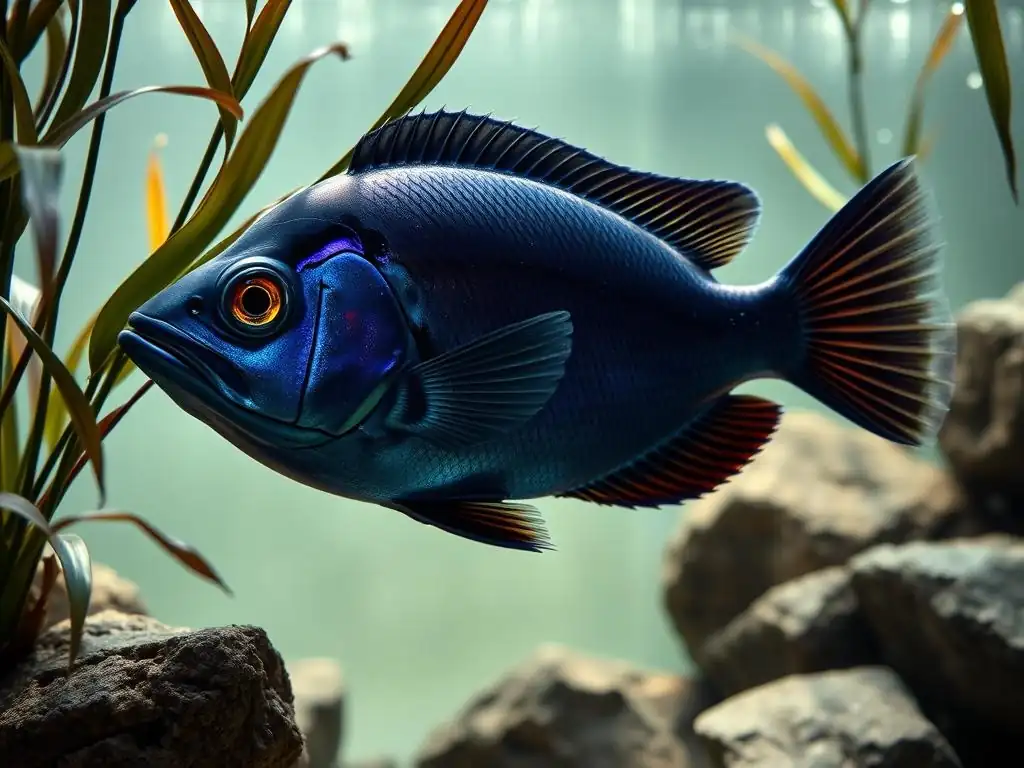
Constant monitoring of your Oscar fish's behavior is an invaluable practice for identifying potential issues early, contributing significantly to a successful Oscar fish natural tank setup. Daily observation of their swimming patterns, appetite, coloration, and fin condition can provide crucial clues about their health and well-being. A healthy Oscar should be active, alert, and eager to eat.
Signs of distress or illness include lethargy, clamped fins, rapid breathing, loss of appetite, unusual spots or lesions, or changes in coloration. Any deviation from their normal behavior should prompt immediate investigation of water parameters and a thorough visual inspection of the fish. Early detection allows for prompt intervention, whether it's a water change, diet adjustment, or seeking veterinary advice, ensuring the continued health of your fish in their Oscar fish natural tank setup.
Benefits of a Naturalistic Aquarium
Reduced Stress and Improved Health
A naturalistic Oscar fish natural tank setup offers significant benefits, primarily through reduced stress and improved overall health for your fish. By closely mimicking their native South American river environments, such a setup provides the comfort and security that Oscars need to thrive. The presence of appropriate substrate for digging, driftwood and rocks for shelter, and stable water parameters reduces anxiety and allows them to exhibit their natural behaviors, such as exploring and establishing territories.
When Oscars are less stressed, their immune systems are stronger, making them more resilient to diseases. This translates to more vibrant coloration, better appetite, increased activity levels, and ultimately, a longer and healthier lifespan. A well-designed naturalistic environment truly allows Oscars to flourish, showcasing their full potential and beauty.
Breeding: Encouraging Natural Behaviors
Beyond general health, a naturalistic Oscar fish natural tank setup can also significantly encourage natural behaviors, including breeding. The specific conditions, such as appropriate water parameters (especially slightly acidic pH and soft water), ample space, and the presence of flat surfaces like slate or large, smooth rocks, provide the ideal cues and environment for a breeding pair. Oscars are substrate spawners, and these flat surfaces serve as perfect sites for egg deposition.
The security offered by driftwood and rock formations also provides crucial hiding spots for the breeding pair and, later, for the fry. Reduced stress in a well-established naturalistic environment increases the likelihood of successful spawning and raising offspring. Thus, for aquarists interested in breeding these fascinating cichlids, a meticulously designed Oscar fish natural tank setup is an indispensable foundation.
Frequently Asked Questions
What is the most important factor to consider when replicating an Oscar fish's natural habitat in an aquarium?
The most important factor is replicating the water conditions and providing adequate space. Oscars are large fish that require a substantial tank to thrive.
What type of substrate is best for a natural Oscar fish tank setup?
A sandy or smooth gravel substrate is generally recommended. This mimics their natural environment and prevents injury as Oscars sometimes sift through the substrate.
What kind of decorations should I include in an Oscar fish's natural tank setup?
Incorporate large rocks, driftwood, and sturdy plants that can withstand the Oscar's digging and rearranging behavior. Avoid delicate decorations.
What water parameters are ideal for maintaining a healthy Oscar fish in a natural setup?
Maintain a water temperature between 72-77°F, a pH of 6.0-7.5, and ensure excellent water quality through regular water changes and filtration.
How can I ensure my Oscar fish tank setup provides adequate hiding places and enrichment?
Provide multiple hiding spots using rocks and driftwood. Also, consider adding floating plants to diffuse the light and create a more natural environment.
Final Reflection: Recreating the Wild for Our Oscars
The journey into understanding the Oscar fish's natural habitat isn't just about mimicking a riverbed; it's about providing an environment where these intelligent creatures can truly thrive. By recognizing the specific needs of Oscars, from water parameters to tank size and appropriate tank mates, we move beyond mere ownership and embrace responsible stewardship, ensuring their well-being in our care.
This exploration has profoundly influenced how we perceive the role of aquarists. It's no longer simply about decoration, but about understanding and respecting the biological imperatives of our aquatic companions. In the end, we will conserve only what we love; we will love only what we understand; and we will understand only what we are taught.
- Baba Dioum. This quote resonates deeply, reminding us that informed care, rooted in understanding their natural world, is the foundation of our connection with these magnificent fish.
Now, it's your turn to reflect. Consider how you can apply the principles of natural habitat replication to your own Oscar tank setup. Strive to create not just a visually appealing aquarium, but a thriving ecosystem that honors the Oscar's origins and allows it to flourish. Let's commit to providing the best possible lives for these captivating creatures, one carefully considered tank at a time.
Design Your Oscar's Dream Home Now!
Thanks for exploring the Oscar's natural world with us! We hope you’re feeling inspired and ready to create the ultimate aquarium for your Oscar fish. Now, it's time to translate that knowledge into action!
Here’s how you can get started:
- Recreate the Amazon: Begin planning your Oscar's tank setup based on the Rio Negro's environment. Prioritize dark substrate, driftwood, and robust plants that can withstand an Oscar's digging habits.
- Explore your local aquarium stores for unique driftwood pieces that will mimic the natural habitat and provide hiding spots for your Oscar. Don't be afraid to get creative with your hardscape design.
- Share photos of your tank setup ideas with fellow Oscar enthusiasts online. What unique elements are you planning to incorporate to make your Oscar's environment stand out?