
Choosing the Right Tank Size for Your Schooling Cyprinids: A Critical Decision

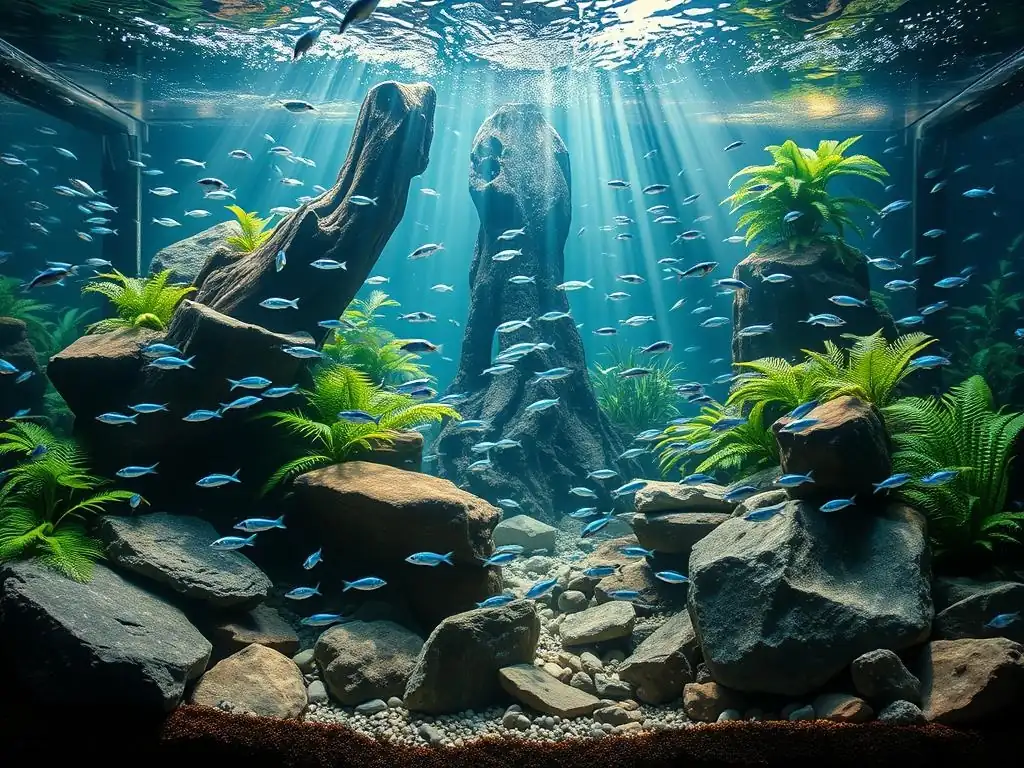
Welcome to Aquarium Mastery!
Ever wondered if your schooling cyprinids have enough room to truly thrive? Choosing the right schooling cyprinid tank size is more than just picking a pretty box; it's about creating a vibrant ecosystem where your fish can flourish. Dive in and discover the key to a happy, healthy, and harmonious cyprinid community – you might be surprised at what you learn!
- Understanding the Importance of Schooling Cyprinid Tank Size
- Key Factors Influencing Schooling Cyprinid Tank Size Requirements
- Determining the Ideal Tank Size for Your Schooling Cyprinids
- Recommended Tank Sizes for Different Schooling Cyprinid Species
- Setting Up Your Schooling Cyprinid Tank: Essential Considerations
- Avoiding Common Mistakes When Choosing a Schooling Cyprinid Tank
- Maintaining a Healthy Schooling Cyprinid Aquarium: Long-Term Success
-
Frequently Asked Questions
- How important is tank size when keeping schooling cyprinids?
- What is the minimum recommended tank size for a small school of cyprinids?
- How does overcrowding affect schooling cyprinids?
- What factors, besides the number of fish, influence the ideal tank size?
- Where can I find more specific tank size recommendations for different cyprinid species?
- Final Reflection: Nurturing Life in Confined Spaces
- Ignite Your Aquarium: Choose the Perfect Cyprinid Habitat!
Understanding the Importance of Schooling Cyprinid Tank Size
Why Proper Tank Size Matters for Schooling Fish Health and Behavior
The selection of an appropriately sized aquarium is paramount for the health and natural behavior of schooling cyprinids. When these active fish are provided with ample space, it significantly reduces stress, allowing them to exhibit their inherent schooling patterns and explore their environment freely.
Cramped conditions, in contrast, lead to chronic stress, which suppresses their immune systems, making them highly susceptible to common aquarium diseases such as Ich (white spot disease) or fin rot. For instance, a group of eight Zebra Danios, known for their rapid swimming, will display vibrant schooling and foraging behaviors in a 20-gallon long tank, whereas the same group in a 10-gallon tank might become lethargic and prone to nipping.
Beyond physical health, adequate schooling cyprinid tank size directly impacts the psychological well-being of these social fish. Schooling species rely on the safety of numbers; in a confined space, they may feel exposed and vulnerable, leading to increased shyness, hiding behaviors, or even aggression towards tank mates. This compromised environment prevents them from forming cohesive schools, which is a fundamental aspect of their natural existence. A well-sized tank encourages natural interactions and provides the necessary room for their intricate social dynamics, fostering happier and more resilient fish.
The Impact of Insufficient Space on Cyprinid Wellbeing
Insufficient space in an aquarium has severe detrimental effects on schooling cyprinid wellbeing, both physically and behaviorally. Physically, it often leads to stunted growth, where fish fail to reach their full adult size, remaining smaller than their healthy counterparts. This isn't just cosmetic; it's a sign of internal stress and organ damage, drastically reducing their lifespan. For example, a Harlequin Rasbora, which typically grows to 1.5-2 inches and lives for 5-6 years in optimal conditions, might only reach 1 inch and survive for less than a year when confined to a small, overcrowded tank.
Behaviorally, a lack of adequate schooling cyprinid tank size can manifest as heightened aggression, chasing, and fin nipping among individuals, even within the same school, as they compete for limited resources and territory. Instead of exhibiting synchronized swimming and cohesive schooling, fish may scatter, hide, or become territorial, losing the very behavior that makes them appealing. This constant stress can also lead to faded coloration, lethargy, and a general disinterest in food, all indicators of a compromised environment that fails to meet their basic needs.
Key Factors Influencing Schooling Cyprinid Tank Size Requirements
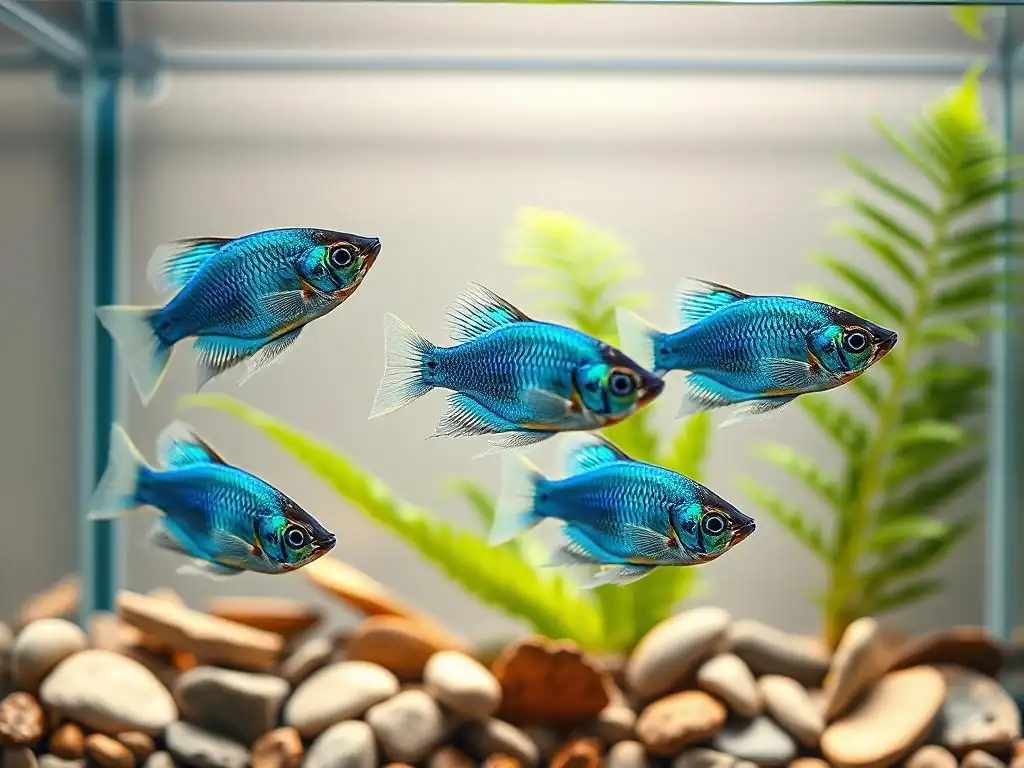
Species-Specific Size and Behavior Considerations
Not all small fish are created equal when it comes to tank size requirements. While a Chili Rasbora might reach a maximum size of 0.75 inches, a Zebra Danio can grow to 2.5 inches, and their activity levels differ significantly. Zebra Danios are incredibly active, fast swimmers that require substantial linear swimming space, often darting across the entire length of the tank. Conversely, some Rasbora species, while still schooling, might be less frenetic and prefer tanks with more dense plant cover.
Therefore, meticulous research into the specific species you intend to keep is crucial. For instance, a 20-gallon long aquarium (approximately 30 inches in length) is often considered superior for a school of 6-8 active Zebra Danios compared to a 20-gallon high tank (approximately 24 inches in length), even though both hold the same volume. This preference stems from the Danios' need for extended horizontal swimming lanes, highlighting that tank dimensions, particularly length, are often more critical than just the overall volume when determining the optimal schooling cyprinid tank size.
Tank Size Recommendations for Popular Schooling Cyprinids: Danios, Rasboras, and White Clouds
General guidelines exist for popular schooling cyprinids, providing a starting point for appropriate tank selection. For a small school (6-8 individuals) of Chili Rasboras, a 10-gallon tank can be considered a minimum due to their diminutive size. However, for slightly larger species like Harlequin Rasboras or White Cloud Mountain Minnows, a 20-gallon tank is generally recommended for a group of 6-8. For the highly active Zebra Danios, a 20-gallon long tank is the minimum for a similar-sized school.
These recommendations are not arbitrary; they are based on the fish's adult size, activity level, and schooling needs. For example, while a 10-gallon tank might technically house a few Chili Rasboras, a 20-gallon tank allows for a much larger, more natural school of 10-15 individuals. This increased space dramatically enhances their schooling behavior, reduces stress, and promotes a more vibrant display. Ultimately, choosing a larger schooling cyprinid tank size than the absolute minimum is always beneficial for the fish's long-term health and the owner's enjoyment.
Schooling Behavior and Minimum Group Size
Schooling is a fundamental survival mechanism for many cyprinids, offering protection from predators, increased foraging efficiency, and improved breeding success. To feel secure and exhibit these natural behaviors, most schooling cyprinids require a minimum group of 6-8 individuals of their own species. Keeping fewer than this number often leads to increased stress, shyness, or even aggression, as the fish do not feel safe enough to display their natural schooling instincts.
The size of the school directly dictates the required tank volume and, more importantly, the tank's footprint. A larger group necessitates more horizontal swimming space to perform their synchronized movements without constantly bumping into tank walls or other inhabitants. For instance, while a school of 6 Harlequin Rasboras might be acceptable in a 20-gallon tank, a school of 10-15 would be significantly happier and healthier in a 30-gallon or even a 40-gallon breeder tank. This additional space allows for wider, more cohesive schooling patterns, promoting their natural well-being.
The Role of Tank Size in Facilitating Natural Schooling Behavior
The dimensions of the tank, particularly its length, play a critical role in facilitating natural schooling behavior. Active schooling cyprinids, such as Zebra Danios, need unobstructed linear space to swim horizontally for extended periods, mimicking their natural riverine habitats. If a tank is too short, these fish are forced to constantly turn, which is unnatural, energy-consuming, and highly stressful. A 24-inch long tank (like a 20-gallon high) is far less ideal for active schooling than a 30-inch long tank (like a 20-gallon long or a 29-gallon), even if the volume is similar.
Sufficient swimming space also significantly reduces internal group aggression and competition. In cramped conditions, even typically peaceful schooling fish can become territorial or resort to fin nipping due to perceived lack of space. A larger schooling cyprinid tank size provides ample room for individual fish to establish their micro-territories or escape routes, leading to a more harmonious environment. This allows the fish to exhibit more vibrant and cohesive schooling displays, which are a joy to observe and a clear indicator of their well-being.
Water Volume and Water Quality Stability
Larger volumes of water inherently provide greater stability for water parameters. This is due to the dilution effect: fish waste products (ammonia, nitrite, and nitrate) are spread out over a larger volume, making their concentration changes slower and less drastic. This is crucial for sensitive fish like many cyprinids, which thrive in stable conditions. For example, a 20-gallon tank offers twice the buffering capacity against sudden ammonia spikes compared to a 10-gallon tank, assuming a similar bioload and feeding routine.
Stable water parameters are paramount for reducing stress in aquarium fish. Fluctuating pH, temperature, or high levels of toxins are major stressors that weaken immune systems and make fish susceptible to disease. Larger tanks also boast greater thermal mass, meaning their temperature fluctuates less dramatically throughout the day, which is particularly beneficial for species like White Cloud Mountain Minnows that prefer cooler, stable conditions. This inherent stability is a key advantage of choosing a more generous schooling cyprinid tank size.
How Larger Tanks Contribute to Better Water Parameters for Cyprinids
Larger tanks contribute significantly to maintaining superior water parameters for cyprinids through increased dilution and buffering capacity. Consider a common scenario: in a 10-gallon tank, a slight overfeeding or a missed weekly water change can quickly lead to ammonia levels spiking above 0.5 ppm, which is highly toxic and dangerous for fish. In contrast, in a 40-gallon tank with the same small group of fish, the same oversight might only cause a minor spike of 0.1 ppm, which is far less harmful and more easily processed by the biological filter.
Furthermore, larger tanks are more forgiving when it comes to routine maintenance. While regular partial water changes are always essential, a larger schooling cyprinid tank size typically allows for slightly less frequent or smaller percentage water changes to maintain comparable nitrate levels. For instance, a 25% weekly water change might be sufficient for a well-stocked 20-gallon tank, whereas a 10-gallon tank might require 30-50% bi-weekly changes to keep nitrates in check. This reduced immediate demand for intervention contributes to a more stable and healthier aquatic environment.
Determining the Ideal Tank Size for Your Schooling Cyprinids
Calculating Minimum Tank Size Based on Fish Length and Number
When calculating the minimum tank size for schooling cyprinids, it's essential to move beyond simplistic rules and consider the actual space needed for their active lifestyles. While a general guideline suggests providing roughly 1 gallon of water per inch of adult fish length, this rule is often inadequate for schooling species, where the collective group size and their need for horizontal swimming space are paramount.
For example, a school of 10 Harlequin Rasboras, each about 1.5 inches, totals 15 inches of fish. By the "inch-per-gallon" rule, a 15-gallon tank might seem sufficient, but their schooling behavior demands a larger footprint.
Instead, prioritize the tank's length and width over its raw volume per fish. For active swimmers like Zebra Danios, a 2-inch fish, a group of 8 would total 16 inches of fish. While a 16-gallon tank might fit the "rule," a 20-gallon long tank (30 inches in length) is vastly superior to a 20-gallon high tank (24 inches in length). This illustrates that the ability for fish to swim uninterrupted horizontally for longer distances is more crucial than merely meeting a volume-per-inch metric, making the specific dimensions a key part of choosing the right schooling cyprinid tank size.
Using the "Inch-per-Gallon" Rule (and its Limitations) for Schooling Cyprinids
The "inch-per-gallon" rule, which suggests one inch of adult fish per gallon of water, is a widely cited guideline for estimating tank capacity. It offers a simple, easy-to-remember starting point for novice aquarists. For example, a 10-gallon tank could theoretically house 10 one-inch fish, or 5 two-inch fish, based purely on this basic calculation. This rule's simplicity makes it popular for quick estimations, particularly for single, less active fish species.
However, the "inch-per-gallon" rule has significant limitations, especially when applied to active schooling cyprinids. It fails to account for crucial factors such as a fish's activity level, its waste production rate, its need for specific water parameters, or, most importantly for schooling species, its requirement for ample horizontal swimming space and group size.
A group of 6 highly active, 2-inch Zebra Danios (12 total inches) might technically fit the rule for a 12-gallon tank, but their energetic nature and schooling needs mean a 20-gallon long is a far more appropriate minimum. The rule also doesn't differentiate between a single large fish and multiple small fish, which is critical for the social dynamics and well-being of schooling species and their specific schooling cyprinid tank size requirements.
Considering Tank Dimensions: Length, Width, and Height
For active schooling cyprinids, the tank's dimensions, particularly its length, are often more important than its total volume. These fish are horizontal swimmers, and a longer tank allows them to perform their characteristic schooling dashes without constantly having to turn around.
For example, a 20-gallon long tank (30" L x 12" W x 12" H) offers significantly more effective swimming space for schooling fish like Danios compared to a 20-gallon high (24" L x 12" W x 16" H), despite both holding 20 gallons of water. The extra 6 inches of length in the "long" version provides crucial uninterrupted swimming lanes.
Width and height also play a role. A greater width provides more turning space and allows for a deeper aquascape, which can include more plants or decorations without impeding swimming lanes.
Height is generally less critical for mid-to-upper water column dwelling cyprinids, but a balanced height prevents the tank from feeling like a narrow "wall." For instance, a 40-gallon breeder tank (36" L x 18" W x 16" H) is often preferred over a standard 40-gallon (36" L x 13" W x 20" H) for active schooling fish due to its superior width, offering more usable horizontal schooling cyprinid tank size and overall swimming freedom.
Why Swimming Space is Crucial for Active Schooling Fish
Ample unobstructed swimming space is paramount for active schooling fish because it directly impacts their ability to express natural behaviors and maintain optimal health. Species like Zebra Danios and White Cloud Mountain Minnows are constantly on the move, darting and weaving in synchronized patterns. If their tank is too short or cluttered, they are forced into unnatural, energy-draining turns, which leads to chronic stress and exhaustion. Imagine a human trying to run sprints in a small room versus a long hallway; the latter allows for full, natural stride, promoting efficiency and comfort.
Furthermore, sufficient swimming space reduces aggression and encourages vibrant schooling displays. In confined environments, even typically peaceful schooling fish may become territorial or exhibit stress-induced behaviors like fin nipping. A larger schooling cyprinid tank size provides escape routes and reduces perceived competition for space, fostering a more harmonious environment where fish can school freely, forage naturally, and exhibit their full range of behaviors. Without adequate space, fish may become lethargic, display stunted growth, and be more susceptible to stress-related diseases, diminishing their quality of life.
Accounting for Decorations and Substrate
When planning your aquarium, it's crucial to remember that decorations, substrate, and equipment displace water, effectively reducing the actual usable swimming space for your fish. A tank stated as 20 gallons might only offer 15-17 gallons of open water once a few inches of substrate, a filter, heater, and some hardscape or plants are added. For active schooling cyprinids, this reduction in open water can be significant, potentially turning an adequately sized tank into a cramped one.
Therefore, strategic placement of decorations is vital. For schooling cyprinids that primarily inhabit the mid-to-upper water column and require horizontal swimming lanes, it's best to keep the middle and upper areas of the tank relatively open. Place plants, driftwood, and rocks along the back and sides of the aquarium, creating a natural background and providing hiding spots, while leaving the central area clear for swimming. This approach maximizes the effective schooling cyprinid tank size, allowing your fish to display their natural behaviors without impediment.
How Hardscape and Plants Affect Usable Swimming Space
Hardscape elements like large rocks and driftwood, while aesthetically pleasing, can significantly impact the usable swimming space within an aquarium, especially in smaller tanks. For instance, a substantial piece of driftwood placed centrally in a 20-gallon tank can block a significant portion of the open water column, forcing active schooling fish into a constricted area. For a school of Harlequin Rasboras, leaving a clear 10-inch open swimming channel across the front or middle of the tank is far more beneficial than filling it with a large, obstructing central ornament.
Similarly, dense planting can reduce effective swimming space, though plants also offer crucial benefits like oxygenation and cover. The key is balance. While schooling cyprinids appreciate dense vegetation for security and rest, their primary need for horizontal swimming lanes must be prioritized. Aquascaping should aim to create open areas, particularly in the middle and upper regions of the tank, while still providing ample plant cover along the perimeter. This thoughtful design ensures that the chosen schooling cyprinid tank size remains functionally large enough for the fish to thrive and exhibit their natural behaviors.
Recommended Tank Sizes for Different Schooling Cyprinid Species
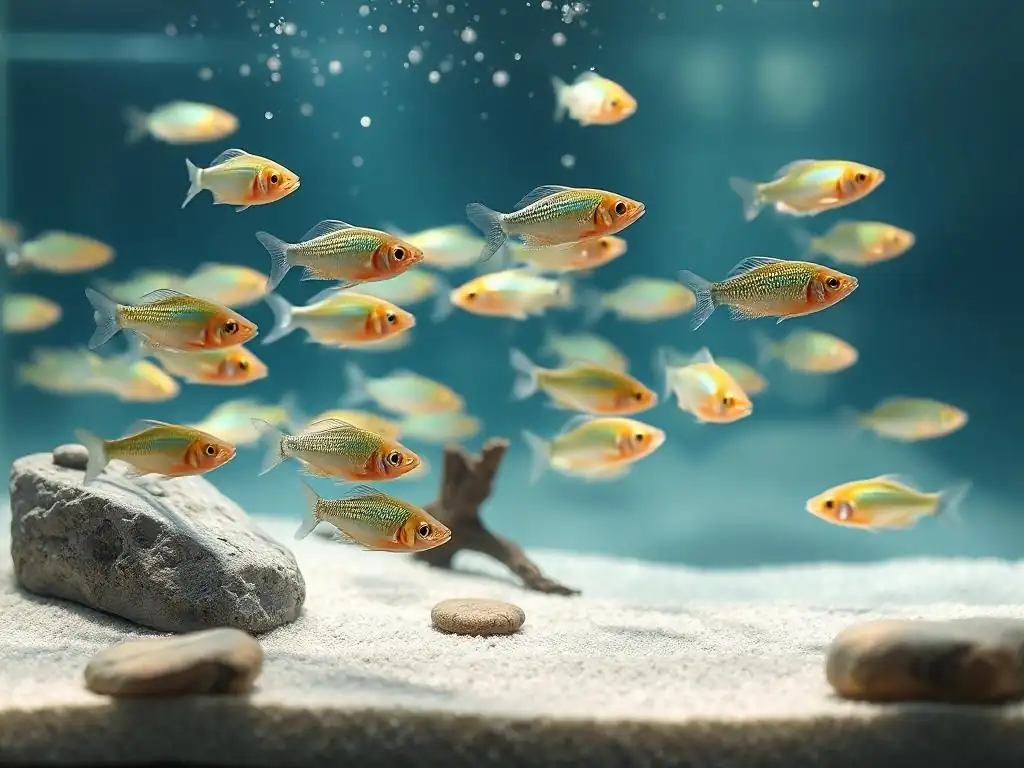
Ideal Tank Size for Danios: Zebra Danios, Leopard Danios, and GloFish Danios
Zebra Danios, along with their popular variants like Leopard Danios and GloFish Danios, are renowned for their high energy levels and constant activity. These fish are fast swimmers that thrive when given ample horizontal space to dart and school. For a healthy school of 6-8 individuals, a minimum of a 20-gallon long tank (approximately 30 inches in length) is highly recommended. This tank dimension provides the crucial linear swimming space necessary for their energetic movements and robust schooling behavior, which is often stifled in shorter tanks.
For those looking to keep larger schools of Danios (e.g., 10-15 individuals) or combine them with other active, peaceful species, a 29-gallon or even a 40-gallon breeder tank would be ideal. These larger schooling cyprinid tank sizes offer even greater length and width, allowing Danios to exhibit their full schooling potential, reduce any potential stress from confined spaces, and display more vibrant coloration. Providing more space than the minimum ensures a healthier, more active, and visually appealing display of these popular cyprinids.
Best Tank Size for Rasboras: Harlequin Rasboras, Chili Rasboras, and Lambchop Rasboras
The ideal tank size for Rasboras varies depending on the specific species, as their adult sizes and activity levels differ. For Harlequin Rasboras, which typically reach about 1.5-2 inches, a 20-gallon tank is recommended for a school of 6-8 individuals.
While they are active, they are generally less frenetic than Danios. Chili Rasboras, being one of the smallest fish at around 0.75 inches, can do well in a 10-gallon tank for a school of 8-12, given their tiny size, but a 15 or 20-gallon tank provides significantly more stability and space for a larger, more impressive school and enhanced schooling behavior.
Lambchop Rasboras, similar in size and temperament to Harlequin Rasboras (reaching about 1.5 inches), also thrive in a 20-gallon tank for a small group. For any Rasbora species, providing dense planting along the back and sides of the tank, while ensuring open swimming channels in the foreground and middle, optimizes their environment within the chosen schooling cyprinid tank size. This allows them to feel secure while still having ample room to school and forage, promoting their natural behaviors and vibrant colors.
Suitable Tank Size for White Cloud Mountain Minnows
White Cloud Mountain Minnows, reaching an adult size of about 1.5 inches, are hardy and adaptable cyprinids that can tolerate a wider range of temperatures, often thriving in unheated tanks if room temperature is stable (typically 68-74°F or 20-23°C). For a school of 6-8 White Clouds, a 10-gallon tank is considered a bare minimum. However, due to their active nature, especially in cooler water, a 20-gallon long tank is significantly better, providing much-needed horizontal swimming space.
For larger schools of White Clouds (10-15 individuals) or if you plan to keep them in a community tank with other small, cool-water fish, a 29-gallon or 30-gallon long tank is ideal. This increased schooling cyprinid tank size allows them ample room to school, explore, and forage, which reduces stress and promotes more vibrant coloration and robust health. Despite their hardiness, providing generous space ensures these delightful minnows can express their full range of natural behaviors.
Setting Up Your Schooling Cyprinid Tank: Essential Considerations
Filtration Requirements for Maintaining Water Quality in Cyprinid Tanks
Robust filtration is a cornerstone of a healthy aquarium for schooling cyprinids, as it's vital for maintaining pristine water quality. For most schooling cyprinid tanks, a filter rated for at least 2-3 times the tank volume per hour is recommended to ensure adequate water turnover and efficient waste removal. For example, a 20-gallon tank should ideally be equipped with a filter that has a flow rate of 40-60 Gallons Per Hour (GPH). This ensures proper circulation and prevents dead spots where waste can accumulate, which is crucial for reducing the bioload in a schooling cyprinid tank size.
A comprehensive filtration system should incorporate mechanical, biological, and chemical media. Mechanical filtration (e.g., sponges or filter floss) removes particulate matter, keeping the water clear. Biological media, such as ceramic rings or bio-balls, are essential for housing beneficial bacteria that convert toxic ammonia and nitrite into less harmful nitrate through the nitrogen cycle. Chemical filtration (e.g., activated carbon) can remove odors, discolorations, and certain toxins. Together, these components ensure a stable and healthy aquatic environment for your cyprinids.
Heating and Lighting Needs for Optimal Cyprinid Health
Most popular schooling cyprinids, such as Danios and Rasboras, are tropical fish and require stable water temperatures, typically ranging from 72-78°F (22-26°C). White Cloud Mountain Minnows are an exception, preferring slightly cooler conditions, generally 68-74°F (20-23°C). A reliable aquarium heater equipped with an accurate thermostat is essential to maintain these specific temperature ranges and prevent fluctuations, which can severely stress fish and compromise their immune systems, leading to disease outbreaks.
Lighting serves two primary purposes in a schooling cyprinid tank: establishing a natural day/night cycle for the fish and supporting live plant growth, if desired. An 8-10 hour photoperiod is generally sufficient for fish health and to prevent excessive algae growth. The intensity and spectrum of the light should be chosen based on whether the tank is heavily planted with demanding species or features a more minimalist setup. Proper lighting contributes to the overall well-being and natural behavior of the fish within their specific schooling cyprinid tank size.
Choosing the Right Substrate and Decorations for a Natural Environment
The choice of substrate can significantly influence the aquarium's aesthetics, water chemistry, and fish behavior. Fine gravel or sand is generally suitable for most schooling cyprinids, allowing for easy cleaning and providing a natural look. It's crucial to select an inert substrate that won't leach harmful substances into the water. A depth of 2-3 inches is usually sufficient for anchoring live plants and providing surface area for beneficial bacteria to colonize.
Decorations should aim to create a natural, enriching environment while prioritizing the fish's need for open swimming space. Driftwood, smooth river rocks, and live plants (such as Java Fern, Anubias, or various Cryptocoryne species) are excellent choices. Arrange these elements strategically along the back and sides of the tank to provide cover and visual interest, but ensure the middle and upper water column remain largely unobstructed. This maximizes the usable swimming lanes, which is paramount for active schooling cyprinids, making the most of your chosen schooling cyprinid tank size for their active lifestyles.
Avoiding Common Mistakes When Choosing a Schooling Cyprinid Tank
Overcrowding: The Dangers of Stocking Too Many Fish in a Small Tank
Overcrowding is arguably the most common and detrimental mistake made by new aquarists. Placing too many fish in an inadequately sized tank leads to a rapid accumulation of waste products, resulting in poor water quality, elevated toxin levels, and chronic stress for the fish. For example, attempting to keep 10 active Zebra Danios in a 10-gallon tank will almost inevitably result in stunted growth, increased aggression, frequent disease outbreaks, and premature deaths for the entire school, whereas the same group would thrive in a 20-gallon long tank.
The consequences of overcrowding are severe and far-reaching. Constant exposure to high levels of ammonia, nitrite, and nitrate weakens the fish's immune system, making them highly susceptible to common ailments like Ich, fin rot, and bacterial infections. Aggression increases due to limited territory and competition for resources, leading to fin nipping and injuries. Always err on the side of understocking rather than overstocking when considering your schooling cyprinid tank size, prioritizing the health and well-being of your fish over quantity.
Inadequate Filtration: Maintaining a Healthy Aquatic Ecosystem
Another critical mistake is relying on inadequate or improperly maintained filtration. A filter that is too small for the tank's volume or bioload cannot efficiently process fish waste, especially in an aquarium housing active schooling fish. This leads to dangerous spikes in ammonia and nitrite, which are highly toxic to fish and can cause organ damage, gill burns, and ultimately, death. For instance, a small internal filter designed for a 5-gallon tank will be completely overwhelmed by the waste produced by a school of 8 active Danios in a 20-gallon tank.
Regular filter maintenance is just as important as proper sizing. Neglecting to clean filter media can lead to blockages and reduced flow, severely impacting its effectiveness. Biological media should be rinsed gently in old tank water (never tap water, as chlorine kills beneficial bacteria) to preserve the bacterial colony. A robust and well-maintained filter is the backbone of a healthy aquatic ecosystem, ensuring stable water parameters and contributing significantly to the long-term success of your schooling cyprinid tank size.
Ignoring Species-Specific Needs: Researching Before You Buy
A common pitfall for many hobbyists is purchasing fish based solely on their appearance or a vague notion of "small fish" without conducting thorough research into their specific needs. This often leads to housing fish in environments that are completely unsuitable for their adult size, activity level, social requirements, or preferred water parameters. For example, buying a "small" silver fish like a Bala Shark (which can grow to 14 inches and requires a tank of 120+ gallons) because it's a "cyprinid" and placing it in a 20-gallon tank is a devastating error that severely compromises the fish's welfare.
Thorough pre-purchase research is paramount. Understand the maximum adult size of the species, its minimum schooling requirements (how many individuals it needs to thrive), its activity level (whether it needs extensive swimming space), and its specific water parameter preferences (temperature, pH, hardness). This due diligence ensures that the chosen schooling cyprinid tank size and overall setup are truly appropriate for the specific species you intend to acquire, leading to a thriving, healthy, and engaging aquarium for years to come.
Maintaining a Healthy Schooling Cyprinid Aquarium: Long-Term Success
Regular Water Changes and Tank Maintenance
Regular partial water changes are the single most important maintenance task for ensuring the long-term health of your schooling cyprinids. These changes remove accumulated nitrates, phosphates, and other dissolved organic compounds that filtration cannot eliminate, while also replenishing essential minerals and trace elements. For most established schooling cyprinid tanks, a 25-30% weekly water change is a good starting point, though bioload and water testing results may dictate more or less frequent changes.
Beyond water changes, routine tank maintenance includes gravel vacuuming to remove detritus from the substrate, wiping down algae from the glass, and checking filter media for blockages or wear. Consistency in these tasks is crucial. Skipping water changes or neglecting filter maintenance can quickly lead to a decline in water quality, stressing fish and making them vulnerable to disease. A diligent maintenance schedule ensures that the water quality in your schooling cyprinid tank size remains pristine and stable.
Monitoring Water Parameters: Ammonia, Nitrite, and Nitrate Levels
Consistent monitoring of key water parameters is indispensable for a healthy schooling cyprinid aquarium. Ammonia and nitrite, highly toxic to fish, should always read 0 parts per million (ppm) in a cycled tank. Nitrates, the end product of the nitrogen cycle, should be kept below 20 ppm for sensitive species and ideally below 40 ppm for all. Regular testing with a reliable liquid test kit (test strips are often inaccurate) allows you to catch issues before they escalate.
Elevated ammonia or nitrite levels indicate a problem with the nitrogen cycle, often due to overfeeding, overstocking, or an uncycled tank, signaling immediate distress for your fish. High nitrate levels indicate the need for more frequent or larger water changes. Consistent monitoring empowers you to take prompt corrective action, such as performing an emergency water change or reducing feeding, directly supporting the well-being of your fish regardless of the specific schooling cyprinid tank size.
Observing Your Fish for Signs of Stress or Disease
Daily observation of your schooling cyprinids is a simple yet vital practice for ensuring their long-term health and success. Pay close attention to any changes in their normal behavior, such as lethargy, erratic swimming, hiding more than usual, or increased aggression. Also, inspect their physical appearance for any signs of disease, including clamped fins, faded or patchy coloration, white spots (Ich), fuzzy growths, lesions, or unusual swelling.
Common signs of stress directly attributable to inadequate schooling cyprinid tank size or poor water quality include rapid gill movement, gasping at the surface (indicating low oxygen or high toxins), or rubbing against objects (flashing). Recognizing these subtle cues promptly allows for early intervention. Addressing underlying problems, such as poor water quality, overcrowding, or inadequate diet, at their earliest stages can often prevent minor issues from becoming full-blown epidemics, safeguarding the health and vitality of your entire school.
Frequently Asked Questions
How important is tank size when keeping schooling cyprinids?
Tank size is extremely important. A properly sized tank provides enough space for the fish to school naturally and reduces stress, contributing to their overall health and well-being.
What is the minimum recommended tank size for a small school of cyprinids?
While it depends on the specific species, a general guideline is a minimum of 20 gallons for smaller cyprinids like Ember Tetras or Chili Rasboras. Larger species will require significantly more space.
How does overcrowding affect schooling cyprinids?
Overcrowding leads to increased stress, poor water quality, and a higher susceptibility to disease. It also inhibits their natural schooling behavior, impacting their social structure.
What factors, besides the number of fish, influence the ideal tank size?
Besides the number of cyprinids, consider their adult size, swimming habits, and the presence of other tank mates. Larger, more active species need more room to thrive.
Where can I find more specific tank size recommendations for different cyprinid species?
AquariumMastery.com offers detailed species profiles that include recommended tank sizes based on the specific needs of each cyprinid variety. You can find this information within our dedicated species guide section.
Final Reflection: Nurturing Life in Confined Spaces
The principles of responsible fishkeeping, as highlighted throughout this article, are more crucial now than ever, as the popularity of aquariums continues to grow. Understanding the specific needs of schooling cyprinids and providing them with adequate space is not just about aesthetics; it's about their well-being and the ethical responsibility we undertake when bringing these creatures into our homes. Ignoring these needs leads to stress, disease, and ultimately, a diminished quality of life for these vibrant fish.
The impact of informed choices on the lives of these small creatures is profound. My own journey into aquascaping began with a naive understanding of fish needs, leading to mistakes I deeply regret. This experience underscores the importance of continuous learning and empathy. The greatness of a nation and its moral progress can be judged by the way its animals are treated.
- Mahatma Gandhi. This quote resonates deeply, reminding us that our treatment of even the smallest creatures reflects our own humanity.
Now, armed with the knowledge of appropriate schooling cyprinid tank sizes, I urge you to reflect on your own aquascaping practices. Consider the space you provide, the social dynamics you foster, and the overall health of your aquatic ecosystem. Let's commit to creating environments where these schooling cyprinids can thrive, not just survive, ensuring a future where responsible fishkeeping is the norm, not the exception.
Ignite Your Aquarium: Choose the Perfect Cyprinid Habitat!
Thank you for diving into the world of schooling cyprinids! We hope you’ve gained valuable insights to ensure the health and happiness of your finned friends. Now, let's turn that knowledge into action!
Here are a few ways to continue your aquarium journey:
- Calculate your ideal tank size: Based on the "one inch per gallon" rule and taking into account the adult size of your chosen cyprinids. Don't just estimate – measure!
- Explore less common cyprinid species, such as White Cloud Mountain Minnows, to see if they might be a perfect fit for your current setup, adding a unique splash of color and activity.
- Share your current cyprinid setup and tank dimensions in the comments below. What's working for you, and what challenges have you faced?