
Sexing Swordtails Accurately: The Key to Successful Breeding

Welcome to Aquarium Mastery!
Ever wondered if you can tell the difference between a male and female Swordtail? Unlock the secrets of successful breeding with our detailed Swordtail sexing guide for beginners. Discover the subtle clues that will help you identify these fascinating fish and create a thriving aquarium environment. Dive in and let's unravel the mysteries together!
- Sexing Swordtails: A Comprehensive Guide for Breeders
- Introduction to Swordtail Sexing
- Key Anatomical Differences for Sexing Swordtails
- Visual Guide: Male vs. Female Swordtails
- Troubleshooting Swordtail Sexing
- Sexing for Successful Breeding
- Conclusion: Mastering Swordtail Sexing
-
Frequently Asked Questions
- How can a beginner tell the difference between male and female Swordtails?
- At what age can you typically sex Swordtails?
- What are some less reliable, but still helpful, visual clues for sexing Swordtails?
- Is it possible for a female Swordtail to change sex to become male?
- What happens if I accidentally misidentify a Swordtail's sex when breeding?
- Final Reflection: Unlocking the Secrets of Swordtail Life
- Unleash Your Swordtail Breeding Potential!
Sexing Swordtails: A Comprehensive Guide for Breeders
Introduction to Swordtail Sexing
Why Accurate Sexing is Crucial for Breeding
Accurate swordtail sexing is paramount for any aquarist aiming for successful breeding or effective population control within their freshwater aquarium. Misidentifying the sex of your swordtails can lead to several problems, including uncontrolled breeding that quickly overpopulates a tank, leading to poor water quality, increased stress for the fish, and stunted growth. Furthermore, an imbalanced sex ratio, particularly an excess of males, can result in aggressive behavior towards females, causing fin nipping, constant harassment, and severe stress that compromises the females' health and reduces their lifespan.
For breeders focused on specific traits or line breeding, precise sex identification allows for the careful selection of parent fish, ensuring genetic purity and the propagation of desired characteristics such as vibrant coloration or fin shape. Without this accuracy, the breeding program becomes haphazard, making it nearly impossible to achieve consistent results or maintain the health and vigor of successive generations. Therefore, mastering the ability to distinguish male from female swordtails is a foundational skill for responsible and successful swordtail husbandry.
Understanding the Differences Between Male and Female Swordtails
Swordtails ( Xiphophorus hellerii) exhibit clear sexual dimorphism, meaning there are distinct physical differences between males and females. The most prominent and reliable indicators for swordtail gender identification are associated with their anal and caudal fins. Male swordtails possess a highly modified anal fin called a gonopodium, which is a key characteristic for livebearers, and an elongated lower caudal fin ray, commonly known as the "sword." These features are generally absent in females, making them the primary visual cues for a beginner.
Beyond these primary fin characteristics, there are often subtle differences in body shape and size between the sexes. Female swordtails tend to grow larger and have a rounder, more robust body, especially when gravid (pregnant), with some reaching up to 5 inches (approximately 12-13 cm) in length. Males are typically more slender and slightly smaller, usually maturing to around 3-4 inches (7-10 cm), with their impressive sword adding to their perceived length. While coloration can vary widely among different swordtail strains, it is not a reliable sexing indicator as both sexes can display equally vibrant hues.
Key Anatomical Differences for Sexing Swordtails
The Sword: A Primary Indicator of Male Sex
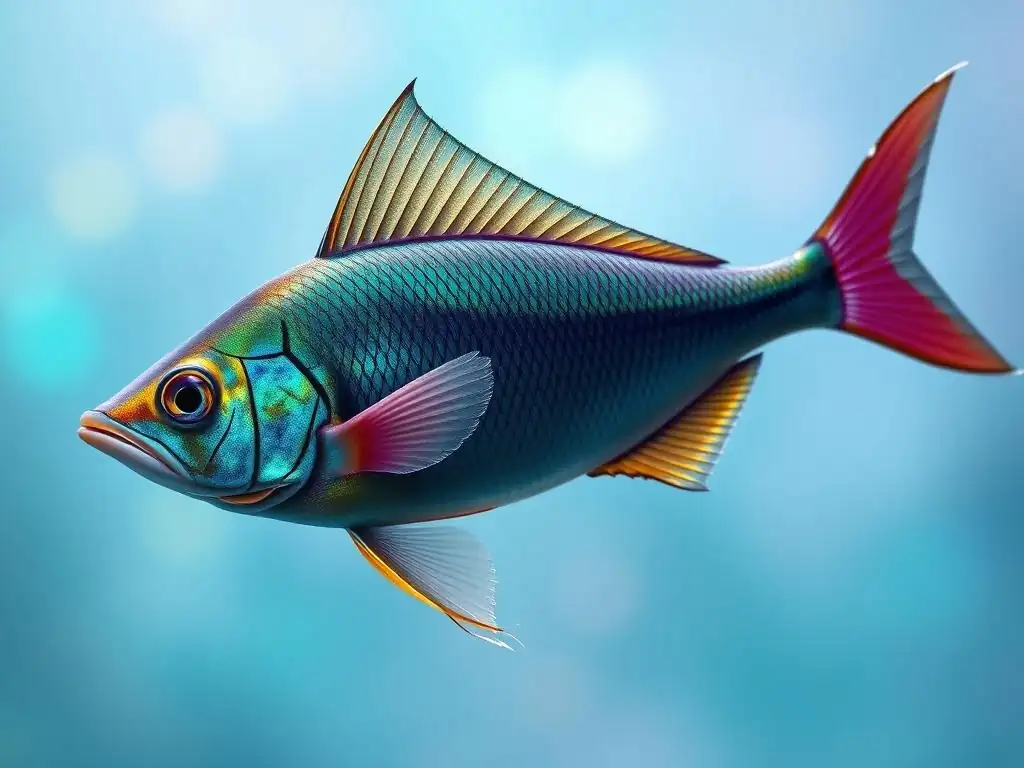
The "sword" is the most iconic feature of the male swordtail, giving the fish its common name. This is an elongated extension of the lower rays of the caudal (tail) fin, which can vary significantly in length and prominence depending on the specific swordtail strain and the individual fish's genetics. For example, a Green Swordtail ( Xiphophorus hellerii) male will typically develop a distinct, often green-edged sword. Its presence is a strong indicator of a male, as females generally lack this appendage entirely.
While the sword is a primary visual cue for a swordtail sexing guide beginners, it's important to note that it develops as the male matures. Juvenile males may not have a fully formed sword, which can sometimes lead to confusion. Additionally, in very rare or anecdotal instances, some older female swordtails have been reported to develop a rudimentary, short "sword" due to hormonal imbalances, though this is an exception rather than the rule. Therefore, while highly indicative, the sword should ideally be observed in conjunction with other characteristics for definitive identification.
The Gonopodium: Definitive Male Sexing Characteristic
The gonopodium is arguably the most definitive and reliable characteristic for identifying a male swordtail, making it a critical aspect of any comprehensive swordtail sexing guide beginners. This is a highly modified anal fin found only in male livebearers, including swordtails. Unlike the broad, fan-shaped anal fin of the female, the male's anal fin is transformed into a slender, rod-like, and often pointed or hooked organ. Its primary function is for internal fertilization, allowing the male to transfer sperm packets to the female.
When observing your swordtails, a clear view of the anal fin will quickly reveal the sex. If the anal fin is elongated, narrow, and appears to be a single, pointed structure, you are looking at a male. This transformation is consistent across all mature male swordtail varieties and is not subject to the same variations or developmental delays as the sword. Even in young males where the sword is still developing, the gonopodium will begin to form and be distinguishable from the female's anal fin, solidifying its role as the most accurate means of swordtail gender identification.
Anal Fin Shape: A Secondary Sexing Characteristic
While the gonopodium itself is a definitive male characteristic, the overall shape of the anal fin serves as a crucial secondary indicator for swordtail sexing, especially for beginners. As discussed, the male's anal fin is modified into the gonopodium, appearing narrow, elongated, and pointed. In stark contrast, the female swordtail possesses a classic, unmodified anal fin. This fin is broad, triangular, and fan-shaped, serving its traditional role in helping the fish maintain stability and maneuverability in the water.
Observing the anal fin shape provides a clear visual distinction. If the fin is wide and spread out, forming a distinct triangle, it is almost certainly a female. If it is narrow and pointed, resembling a stick or rod, it is a male. This difference is consistent from the point of sexual maturity onwards, making it an excellent characteristic to focus on when learning how to sex swordtails for beginners. Combining this observation with the presence or absence of the "sword" will significantly increase the accuracy of your sexing efforts.
Visual Guide: Male vs. Female Swordtails
Visual Examples of Male and Female Anatomy
To accurately sex swordtails, it is essential to observe their key anatomical features directly. When viewing a male swordtail, look for the prominent "sword" extending from the lower lobe of its caudal fin. This unique extension can vary in length but is unmistakably present. Simultaneously, focus on its anal fin; it will be transformed into a distinct, slender gonopodium, which is often held close to the body or slightly angled. Males also tend to have a more streamlined body shape compared to females.
Conversely, a female swordtail will lack the "sword" altogether, possessing a standard, rounded caudal fin. Her anal fin will be broad and fan-shaped, without any modification or elongation. Female swordtails generally have a rounder, fuller body, especially in the abdominal region, which becomes even more pronounced when they are gravid with fry. Observing these differences from various angles, particularly from the side and slightly from below, will help solidify your ability in swordtail gender identification.
Identifying Sex Through Genital Papilla Observation
While the sword and gonopodium are the primary indicators, observing the genital papilla can offer additional confirmation, particularly for more experienced aquarists or in ambiguous cases. In mature female swordtails, a small, often slightly darker spot or protrusion known as the gravid spot or genital papilla may be visible just above the anal fin, near the vent. This is the opening through which the fry are released. It becomes more noticeable as the female approaches delivery, sometimes appearing as a distinct dark area behind the belly.
In contrast, male swordtails do not have a prominent gravid spot or a distinct genital papilla in the same manner. Their vent area is simply the base of the gonopodium. While this method requires closer observation and can be less obvious than the fin differences, it serves as a supplementary check for your swordtail sexing guide beginners, especially when trying to confirm a female's readiness for breeding or to differentiate a very young male from a female before the gonopodium is fully developed.
Side-by-Side Comparison of Male and Female Characteristics
For a clear understanding of how to sex swordtails for beginners, a comparative approach is most effective. Consider the following key distinctions:
- Tail Fin: Male swordtails invariably possess the elongated "sword" on the lower part of their caudal fin. Female swordtails have a standard, rounded, or slightly forked caudal fin without any extension.
- Anal Fin: This is the most reliable difference. Males have a modified, slender, rod-like gonopodium. Females have a broad, triangular, fan-shaped anal fin.
- Body Shape: Males are typically more slender and streamlined. Females are generally fuller-bodied, particularly around the abdomen, and can appear noticeably plumper, especially when gravid.
- Size: Adult females usually grow larger and longer than adult males, excluding the length of the male's sword. Females can reach up to 5 inches, while males are often around 3-4 inches.
By systematically evaluating each of these characteristics, especially the anal fin shape and the presence of the sword, even a beginner can achieve high accuracy in swordtail gender identification. Remember that the gonopodium is the single most definitive feature.
Troubleshooting Swordtail Sexing
Common Mistakes in Sex Identification
One of the most common mistakes in swordtail sexing, particularly for beginners, is misidentifying a juvenile male as a female. Young male swordtails may not have fully developed their sword or gonopodium, causing them to appear very similar to females. The sword typically starts to grow around 2-3 months of age, and the gonopodium becomes distinct around the same time, but it can take longer for some individuals. Another error involves mistaking a female's slightly pointed anal fin, especially if tucked, for a developing gonopodium.
Furthermore, environmental factors like poor diet, inadequate tank conditions, or stress can stunt the development of secondary sexual characteristics in males, making them appear immature even at an older age. In rare cases, hormonal imbalances might lead to a female developing a very short "sword" or a slightly elongated anal fin, although this is an anomaly. Overlooking the definitive gonopodium in favor of less reliable indicators like body size or subtle coloration differences can also lead to incorrect swordtail gender identification.
Addressing Ambiguous Cases
When faced with ambiguous cases, patience and careful observation are your best tools in this swordtail sexing guide beginners. If a swordtail's sex is unclear, especially if it's a juvenile, the most effective strategy is to wait. Sexual characteristics become much more pronounced as the fish matures, typically by 3 to 4 months of age. Continue to observe the fish over several weeks, paying close attention to the development of the anal fin and the caudal fin.
For closer inspection, you might gently net the fish and hold it briefly in a clear container, like a small plastic cup, to get an unobstructed view of its anal fin. A magnifying glass can also be helpful for discerning the fine details of the gonopodium or the female's fan-shaped fin. If you have several swordtails, compare the ambiguous individual to clearly identified males and females in your tank. Over time, the definitive characteristics will almost always emerge, allowing for accurate swordtail sexing.
Sexing Juvenile Swordtails: Challenges and Solutions
Sexing juvenile swordtails presents a significant challenge for beginners due to their underdeveloped sexual characteristics. For the first few weeks or even months of their lives, male and female swordtail fry appear almost identical. The sword and the gonopodium, which are the definitive male traits, only begin to develop as the fish approaches sexual maturity, typically when they are around 1.5 to 2 inches (approximately 4-5 cm) in length, which occurs at about 3 to 4 months of age. Prior to this, all juveniles will have a fan-shaped anal fin, leading to frequent misidentification.
The best solution for sexing juvenile swordtails is simply to wait. It is nearly impossible to accurately determine sex in very young fish. If you are planning breeding projects or need specific male-to-female ratios, it is advisable to purchase or select swordtails that have already reached a size where their sexual characteristics are clearly visible. For those raising their own fry, patience is key; continue to provide optimal care, and the differences will become apparent as they mature, allowing for precise swordtail gender identification.
Sexing for Successful Breeding
Breeding Tank Setup: Optimal Male to Female Ratios
Accurate swordtail sexing is fundamental for setting up a successful breeding tank and maintaining healthy fish populations. For swordtails, an optimal male-to-female ratio is crucial to prevent stress and aggression. A commonly recommended ratio is one male to two or three females. This ratio helps to distribute the male's attention among multiple females, reducing constant harassment and allowing the females periods of rest from breeding attempts. If there are too many males, or only one female per male, the female can become severely stressed, leading to illness or even death.
A breeding tank should also be adequately sized, with a minimum of 20 gallons (approximately 75 liters) for a small group of swordtails, providing ample swimming space and areas for females to retreat. Densely planted areas, using live or artificial plants, offer essential hiding spots and refuge for females under pursuit. This thoughtful setup, combined with precise swordtail sexing, ensures the well-being of your breeding stock and contributes significantly to the successful production of healthy fry.
Maintaining Genetic Diversity Through Sex Identification
For serious breeders, accurate swordtail sexing is vital for maintaining genetic diversity within their breeding lines. By correctly identifying males and females, breeders can strategically select unrelated pairs or introduce new bloodlines from different sources. This practice prevents inbreeding, which can lead to a reduction in genetic variability, resulting in offspring that are more susceptible to diseases, have weaker immune systems, exhibit deformities, or show a decline in desired traits such as vibrant coloration or robust growth.
Maintaining genetic diversity ensures the long-term health and vigor of your swordtail population. By carefully selecting breeding pairs based on accurate swordtail gender identification, breeders can avoid the pitfalls of inbreeding depression, producing stronger, more resilient fry with enhanced vitality and better expression of desirable characteristics. This careful management of genetics is a cornerstone of responsible and sustainable fish breeding.
Preventing Unwanted Breeding Through Sex Segregation
For aquarists who are not interested in breeding swordtails or wish to avoid overpopulation in their community tank, accurate swordtail sexing is the key to preventing unwanted fry. Swordtails are prolific livebearers, and a single female can produce broods of 20 to 100 fry every 28-30 days if she is in the presence of a male. This rapid reproduction can quickly overwhelm a tank, leading to poor water quality, increased aggression due to overcrowding, and stunted growth among the fish.
The most effective method to prevent unwanted breeding is sex segregation. By accurately identifying and separating males from females into different tanks, or by housing only one sex, you can completely halt reproduction. For instance, keeping an all-male or all-female swordtail tank is a common practice for those who enjoy the fish without the commitment of managing fry. This approach ensures a peaceful environment, prevents overpopulation, and allows the aquarist to control their fish population effectively, making it an essential tip in any swordtail sexing guide beginners.
Conclusion: Mastering Swordtail Sexing
Key Identification Points Recap
Mastering swordtail sexing is an invaluable skill for any aquarist, whether you're a beginner simply looking to manage your tank population or an experienced breeder aiming for specific genetic outcomes. The most reliable and consistent method for swordtail gender identification revolves around three primary visual cues. First, look for the presence of the "sword" — the elongated lower caudal fin ray unique to males.
Second, and most definitively, observe the anal fin: males possess a modified, rod-like gonopodium, while females have a broad, fan-shaped anal fin. Finally, consider the overall body shape; females tend to be rounder and larger, especially when gravid.
For a beginner, focusing on the distinct difference in the anal fin (gonopodium vs. fan-shaped) provides the quickest and most accurate assessment. While juvenile swordtails present challenges due to underdeveloped characteristics, patience and observation over time will eventually reveal their true sex. By consistently applying these key identification points, you will confidently distinguish male from female swordtails, paving the way for successful breeding or effective population management in your aquarium.
Resources for Swordtail Breeding and Care
Beyond accurate swordtail sexing, successful swordtail breeding and long-term care require attention to several other critical factors. Maintaining stable water parameters is paramount; swordtails thrive in temperatures between 72-79°F (22-26°C) and a pH range of 7.0-8.0. A high-quality diet consisting of flake food, pellets, and occasional live or frozen foods like brine shrimp or bloodworms will support their health and vitality. Regular partial water changes, typically 25-30% weekly, are essential for maintaining excellent water quality and preventing disease.
Aquarium Mastery provides comprehensive guides on various aspects of swordtail care, including detailed information on setting up appropriate tank environments, managing water chemistry, and addressing common health issues. Continuous learning and diligent observation of your fish's behavior and health are vital for their well-being and for achieving your breeding goals. By combining your newfound expertise in swordtail sexing with robust general care practices, you will establish a thriving and harmonious swordtail aquarium.
Frequently Asked Questions
How can a beginner tell the difference between male and female Swordtails?
The most reliable method is observing the anal fin: males develop a gonopodium (a modified, rod-like anal fin used for reproduction), while females retain a fan-shaped anal fin.
At what age can you typically sex Swordtails?
Swordtails can typically be sexed once they reach sexual maturity, which is usually around 3-4 months old. Before this age, the differences may not be obvious.
What are some less reliable, but still helpful, visual clues for sexing Swordtails?
Generally, males tend to be slimmer and more colorful than females. Also, the sword on the tail is only present in males.
Is it possible for a female Swordtail to change sex to become male?
While rare in Swordtails, some fish species can exhibit sequential hermaphroditism. However, this is not typical for Swordtails.
What happens if I accidentally misidentify a Swordtail's sex when breeding?
Misidentifying the sex could result in unsuccessful breeding attempts. It's crucial to accurately sex them to ensure you have both males and females in your breeding tank.
Final Reflection: Unlocking the Secrets of Swordtail Life
The journey into understanding the nuances of swordtail sexing, as we've explored, isn't just about successful breeding; it's about unlocking a deeper appreciation for the intricate dance of life within our aquariums. This knowledge empowers us to move beyond mere observation and actively participate in the creation of new generations, fostering a richer and more rewarding aquascaping experience.
This seemingly simple skill of sexing swordtails has a ripple effect, influencing not only our personal aquariums but also contributing to a broader understanding of responsible fishkeeping and conservation. Learning to distinguish between male and female swordtails is more than just a practical skill; it's a gateway to understanding the delicate balance of ecosystems and the importance of responsible breeding practices. The care of a single creature may not seem like much, but it is the beginning of a much larger understanding.
As you embark on your own swordtail breeding adventures, remember that patience and observation are your greatest allies. Let the knowledge you've gained from this guide empower you to create thriving aquatic environments and contribute to the well-being of these fascinating creatures. Embrace the challenge, celebrate the successes, and never stop learning from the vibrant world that unfolds within your aquarium.
Unleash Your Swordtail Breeding Potential!
Thanks for diving into the world of swordtail sexing! Hopefully, you're now equipped with the knowledge to accurately identify males and females and set yourself up for successful breeding. Now, let's put that knowledge to work.
Here are a few things you can do right now to further your swordtail journey:
- Immediately inspect your swordtails and confidently identify the males and females in your aquarium. This is the most important step!
- Consider carefully observing their behavior for further clues to sexing, noting any differences beyond physical characteristics.
- Share this guide with a fellow aquarium enthusiast struggling with swordtail sexing – spread the knowledge!
Ready to separate your males and females and start planning your breeding project? What unique color morph are you hoping to develop first?