
Fin Rot in Corydoras: Symptoms and Solutions

Welcome to Aquarium Mastery!
Are your Corydoras looking a little under the weather? Discover everything you need to know about Corydoras fin rot treatment and how to restore your beloved fish to their vibrant best. Dive in and learn the tell-tale signs, effective treatments, and preventative measures to keep your Corydoras thriving in your freshwater aquarium. Ready to unravel the mystery of fin rot?
- Understanding Fin Rot in Corydoras: A Comprehensive Guide
- Identifying Fin Rot in Corydoras Catfish
- Causes of Fin Rot in Corydoras
- Corydoras Fin Rot Treatment: Effective Methods
- Preventing Fin Rot in Corydoras: Best Practices
- Recovering from Fin Rot: Post-Treatment Care for Corydoras
- Case Study: Successful Fin Rot Treatment in Bronze Corydoras
- Frequently Asked Questions
- Final Reflection: The Resilient Spirit of Corydoras
- Revitalize Your Corydoras: Start Healing Now!
Understanding Fin Rot in Corydoras: A Comprehensive Guide
Fin rot is a common bacterial infection that affects the fins of freshwater fish, including the popular Corydoras catfish. This condition, if left untreated, can lead to severe tissue damage, secondary infections, and ultimately, the death of the affected fish. Understanding its various aspects, from early detection to effective Corydoras fin rot treatment, is crucial for any aquarist aiming to maintain a healthy and thriving aquarium.
Corydoras are particularly susceptible to fin rot due to their bottom-dwelling nature, which exposes them more directly to substrate-borne bacteria and potential fin damage from rough surfaces or aggressive tank mates. Early intervention is key to successful recovery, as the disease progresses rapidly, especially in compromised immune systems. This guide will provide a comprehensive overview of fin rot in Corydoras, equipping aquarists with the knowledge to identify, treat, and prevent this prevalent ailment.
Identifying Fin Rot in Corydoras Catfish
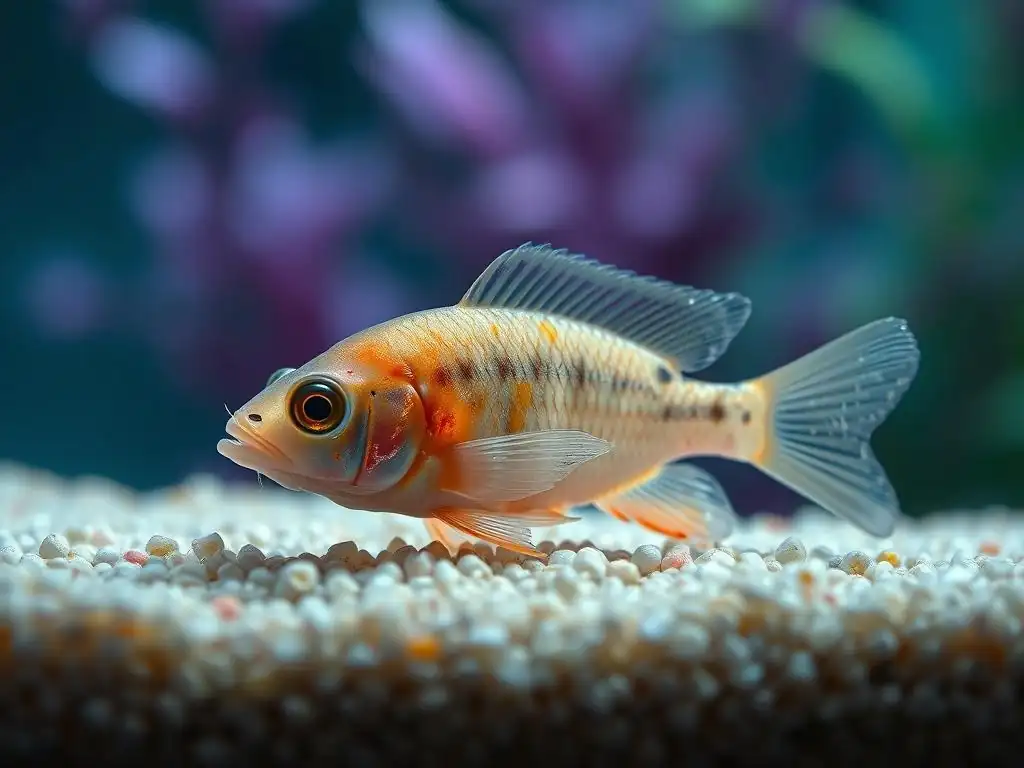
Recognizing the signs of fin rot early is paramount for effective Corydoras fin rot treatment. The disease typically manifests in observable changes to the fins and the fish's behavior. Careful observation during daily feeding or tank maintenance can help detect issues before they become severe.
Early Signs of Fin Rot in Corydoras
The initial stages of fin rot often present subtly, requiring close attention to detail. One of the first indicators is a slight cloudiness or milky discoloration along the edges of the fins, particularly the caudal (tail) fin, which is frequently affected first. This cloudiness might be accompanied by a subtle reddening or inflammation at the fin base, indicating the onset of bacterial activity.
Furthermore, early fin rot can cause the fin edges to appear slightly frayed or ragged, as if they have been gently nibbled. Unlike physical damage, this fraying often has a soft, almost 'melted' appearance. Affected Corydoras might also show minor behavioral changes, such as reduced activity, slight lethargy, or occasional rubbing against tank decorations, though these are less specific to fin rot and can indicate other issues.
Advanced Symptoms of Fin Rot: What to Look For
As fin rot progresses, the symptoms become significantly more pronounced and alarming. The fraying of the fins escalates into noticeable erosion, where large sections of the fin tissue appear to be dissolving, leaving behind only the bony rays. This erosion can extend deeper into the fin, eventually reaching the fin base and, in severe cases, even affecting the fish's body.
In advanced stages, the fins might become severely shortened, stubby, or completely disappear. Secondary fungal infections, appearing as white, cotton-like growths, are common complications, further compromising the fish's health. The affected Corydoras will likely exhibit severe lethargy, loss of appetite, clamped fins, and difficulty swimming or maintaining balance, often resting on the substrate for prolonged periods. Without prompt Corydoras fin rot treatment, systemic infection and death are highly probable.
Differentiating Fin Rot from Fin Nipping or Injury
Distinguishing fin rot from physical damage like fin nipping or accidental injury is crucial for appropriate Corydoras fin rot treatment. Fin nipping, often caused by aggressive tank mates, typically results in clean, sharp tears or chunks missing from the fin, resembling a physical bite. These injuries usually heal quickly if the stressor is removed and water quality is good, and they rarely show the progressive erosion characteristic of fin rot.
Accidental injuries, such as snagging a fin on a sharp decoration, also present as distinct tears or punctures, often with a visible wound. While these wounds can become infected if water quality is poor, the initial damage is clearly mechanical. Fin rot, conversely, involves a progressive decay of the fin tissue, starting with cloudy edges and advancing to a "melting" appearance. If the fin damage is accompanied by discoloration, inflammation, and a continuous worsening over days, it is highly indicative of fin rot rather than simple injury.
Causes of Fin Rot in Corydoras
Fin rot is primarily a bacterial infection, but its onset is almost always triggered by underlying environmental stressors that compromise a fish's immune system. Understanding these contributing factors is essential for both effective Corydoras fin rot treatment and long-term prevention.
Poor Water Quality: The Primary Culprit
Poor water quality is by far the most significant factor contributing to fin rot in Corydoras. Elevated levels of ammonia (NH₃/NH₄⁺), nitrite (NO₂⁻), and nitrate (NO₃⁻) act as severe stressors, weakening the fish's immune response and making them highly susceptible to opportunistic bacterial infections. For instance, even low levels of ammonia, such as 0.25 ppm, can cause gill damage and stress, while nitrite levels above 0 ppm are directly toxic to fish blood cells.
High nitrate levels, consistently above 20-40 ppm, are also detrimental, leading to chronic stress and a suppressed immune system over time. A study on fish health revealed that fish exposed to elevated nitrate concentrations showed a marked increase in susceptibility to bacterial pathogens. Overfeeding, insufficient filtration, and infrequent water changes are common practices that lead to these dangerous water parameters, creating an ideal environment for the bacteria responsible for fin rot, typically Aeromonas or Pseudomonas species, to proliferate and infect vulnerable Corydoras.
Stress Factors Contributing to Fin Rot
Beyond water quality, various other stressors can predispose Corydoras to fin rot. Incompatible tank mates, such as overly aggressive or fin-nipping species, can cause chronic stress and physical injuries, providing entry points for bacteria. For example, a Betta fish housed with Corydoras, while sometimes seen as compatible, can occasionally nip at the Corydoras' delicate fins, leading to stress and potential infection.
Overcrowding is another major stressor, leading to increased competition for resources, higher waste production, and elevated aggression levels. A small tank housing too many fish, for instance, a 10-gallon tank with more than 6-8 adult Corydoras, will inherently lead to stress. Additionally, sudden changes in water parameters (temperature, pH, hardness), inadequate diet, or improper handling during tank maintenance can all weaken a Corydoras' immune system, making them more vulnerable to diseases like fin rot.
Injury and Fin Damage: A Gateway for Infection
While fin rot is a bacterial infection, pre-existing injuries or damage to the fins often serve as the initial entry points for the opportunistic bacteria. Corydoras, with their delicate fins, can easily sustain damage from rough substrate, sharp decorations, or even during vigorous spawning activities. For example, a sharp edge on a lava rock decoration could easily tear a fin, creating an open wound.
Even minor abrasions can breach the fish's natural protective slime coat and skin barrier, allowing common waterborne bacteria to colonize the damaged tissue. Once established, these bacteria rapidly multiply, leading to the characteristic erosion of fin tissue. This highlights the importance of using smooth substrates like fine sand and ensuring all tank decorations are free of sharp edges to minimize the risk of injury.
Bacterial Infections and Fin Rot in Corydoras
Fin rot is predominantly caused by gram-negative bacteria, most commonly Aeromonas hydrophila and Pseudomonas fluorescens, which are ubiquitous in aquarium environments. These bacteria are opportunistic pathogens, meaning they typically only cause disease when the fish's immune system is compromised by stressors such as poor water quality, overcrowding, or injury.
When conditions are favorable for these bacteria and unfavorable for the fish, they colonize the fin tissue. They release enzymes that break down the fin's structure, leading to the characteristic fraying and erosion. If the infection progresses without effective Corydoras fin rot treatment, the bacteria can enter the bloodstream, causing a systemic infection (septicemia) which is often fatal. This rapid progression underscores why prompt identification and treatment are critical for saving affected Corydoras.
Corydoras Fin Rot Treatment: Effective Methods
Successful Corydoras fin rot treatment hinges on a multi-pronged approach that addresses both the infection and its underlying causes. Prompt action is crucial to prevent the disease from advancing and causing irreversible damage.
Immediate Actions: First Steps for Treatment
Upon noticing any signs of fin rot in your Corydoras, the very first step is to assess and rectify the water quality. Perform an immediate, significant water change—typically 30-50%—using dechlorinated water that matches the tank's temperature as closely as possible. This dilutes harmful toxins like ammonia and nitrite and reduces the overall bacterial load in the water.
Simultaneously, test your water parameters for ammonia, nitrite, and nitrate. If ammonia or nitrite are present (anything above 0 ppm), or if nitrates exceed 20 ppm, subsequent daily or every-other-day water changes of 20-30% will be necessary until these parameters are within safe limits. Increasing aeration in the tank during this period can also be beneficial, as stressed fish often require more oxygen.
Water Changes: A Crucial Component of Treatment
Regular and substantial water changes are arguably the most effective non-medicated approach to Corydoras fin rot treatment and prevention. For active fin rot cases, daily or every-other-day water changes of 25-50% are highly recommended. This frequent water exchange serves multiple purposes: it continuously removes harmful bacteria, dilutes accumulated toxins, and replenishes essential minerals, thereby creating a cleaner and healthier environment that supports the fish's natural healing processes.
For example, if you have a 20-gallon tank, a 50% water change would involve removing 10 gallons of water and replacing it with fresh, conditioned water. During these changes, it's also advisable to thoroughly gravel vacuum the substrate to remove any trapped organic debris, which contributes to poor water quality. Consistent water changes alone can often resolve mild cases of fin rot within 7-10 days, provided the underlying issues are also addressed.
Medication for Corydoras Fin Rot: Choosing the Right Option
When fin rot is moderate to severe, or if water changes alone are not yielding improvement, medication becomes necessary. It is crucial to select a medication specifically designed for bacterial infections and to follow the manufacturer's instructions precisely. Many over-the-counter aquarium medications are effective against the common bacteria responsible for fin rot.
It's important to note that Corydoras are scaleless fish and can be more sensitive to certain medications than scaled fish. Always research the specific medication's compatibility with scaleless fish before administering. Some medications may require removal of carbon filtration during treatment, as carbon can absorb the active ingredients, rendering the treatment ineffective.
Antibiotics for Fin Rot: When and How to Use Them
For persistent or advanced cases of fin rot, broad-spectrum antibiotics are often the most effective Corydoras fin rot treatment. Medications containing active ingredients such as erythromycin (e.g., API Erythromycin), minocycline (e.g., Maracyn 2), or a combination of nitrofurazone and furazolidone (e.g., Furan-2) are commonly used. These antibiotics target the gram-negative bacteria responsible for the infection.
When using antibiotics, it is imperative to complete the full course of treatment as directed by the product instructions, typically 5-7 days, even if the symptoms appear to improve sooner. Stopping treatment prematurely can lead to a relapse and contribute to antibiotic-resistant bacterial strains. A typical dosage might involve one packet per 10 gallons of water, with a partial water change before each subsequent dose, but always verify with the specific product's guidelines.
Natural Treatments for Fin Rot: Exploring Alternatives
For very mild cases or as a supportive measure during recovery, some natural treatments can be beneficial. Indian Almond Leaves (Catappa leaves) are widely used for their mild antiseptic and antifungal properties, releasing tannins that slightly lower pH and create a more natural, healing environment. Adding 1-2 medium-sized leaves per 10 gallons can help, though they will tint the water amber.
Aquarium salt (not table salt) can also be used, typically at a concentration of 1 tablespoon per 5-10 gallons for short-term dips or 1 teaspoon per 5 gallons for prolonged treatment in a quarantine tank. Salt helps reduce osmotic stress on the fish and can inhibit bacterial growth. However, Corydoras are sensitive to salt, so it should be used cautiously and only at lower concentrations or for brief periods, and never with live plants. Always research salt tolerance for your specific Corydoras species.
Quarantine Tank Setup for Treating Fin Rot
Setting up a dedicated quarantine tank for treating fin rot in Corydoras is highly recommended. A quarantine tank, typically a 5-10 gallon tank with a simple sponge filter, heater, and air stone, allows for precise medication dosing without affecting the main display tank's biological filter or sensitive invertebrates/plants. It also prevents the spread of the infection to other tank inhabitants.
The quarantine tank should be kept meticulously clean with daily small water changes (10-20%) to maintain pristine conditions, which are critical for healing. This isolated environment reduces stress on the affected Corydoras, allowing them to focus their energy on recovery. Once treatment is complete and the fish shows full recovery, it can be slowly re-acclimated to the main tank.
Preventing Fin Rot in Corydoras: Best Practices
Prevention is always better than cure, especially when it comes to diseases like fin rot. Implementing consistent best practices in aquarium maintenance and fish care can significantly reduce the risk of your Corydoras ever contracting this common ailment.
Maintaining Optimal Water Parameters for Corydoras Health
Consistent monitoring and maintenance of pristine water parameters are the cornerstone of preventing fin rot. For most common Corydoras species, ideal parameters include:
- Ammonia (NH₃/NH₄⁺): 0 ppm
- Nitrite (NO₂⁻): 0 ppm
- Nitrate (NO₃⁻): Below 20 ppm (ideally below 10 ppm)
- pH: 6.0-7.5 (species-dependent, but stability is key)
- Temperature: 72-78°F (22-26°C)
Regular weekly water testing using a reliable liquid test kit (not test strips, which can be inaccurate) is essential. Addressing any deviations promptly, such as performing an immediate 25-50% water change if nitrates begin to climb above 20 ppm, will prevent the accumulation of stressors that weaken fish immunity.
Regular Tank Maintenance: Key to Preventing Fin Rot
Beyond water parameter checks, a consistent maintenance schedule is vital. This includes performing weekly or bi-weekly partial water changes (25-30% for most tanks) to dilute toxins and replenish trace elements. During these changes, thoroughly gravel vacuum the substrate, especially in areas where food collects, to remove decaying organic matter.
Cleaning filter media regularly (rinsing in old tank water, never tap water, to preserve beneficial bacteria) ensures efficient filtration. Wiping down tank glass and decor removes algae and biofilm buildup, contributing to overall tank cleanliness. A clean, well-maintained environment reduces the bacterial load in the water, making it harder for opportunistic pathogens to thrive and infect Corydoras.
Choosing the Right Tank Mates for Corydoras
Careful selection of tank mates is crucial to prevent stress and physical injury to Corydoras. Avoid housing them with aggressive or fin-nipping species, such as some larger cichlids or certain barbs known for nipping. Instead, opt for peaceful, community-oriented fish that occupy different levels of the water column.
Ideal tank mates include small, peaceful schooling fish like Neon Tetras, Harlequin Rasboras, or small peaceful Gouramis. These species typically leave Corydoras undisturbed, reducing stress and the risk of fin damage. Ensure that any tank mate chosen has similar water parameter requirements to avoid additional stress on the Corydoras.
Proper Feeding Practices to Boost Corydoras Immunity
A balanced and varied diet is essential for boosting the immune system of Corydoras, making them more resilient to diseases like fin rot. While Corydoras are omnivores, their diet should lean towards protein-rich foods that sink to the bottom. High-quality sinking pellets or wafers specifically designed for bottom-dwellers should form the staple of their diet.
Supplement this with occasional offerings of live or frozen foods such as bloodworms, brine shrimp, and daphnia. These provide essential vitamins, minerals, and proteins that are crucial for overall health and immune function. Feed small amounts 2-3 times a day, only what they can consume within a few minutes, to prevent overfeeding and subsequent water quality degradation.
Recovering from Fin Rot: Post-Treatment Care for Corydoras
Even after visible signs of fin rot disappear, post-treatment care is essential to ensure a full recovery and prevent recurrence. This phase focuses on continued support for the Corydoras' immune system and promoting healthy fin regrowth.
Monitoring Corydoras During Recovery
Continue to closely monitor the affected Corydoras for several weeks post-treatment. Look for signs of fin regrowth, which typically appears as clear, transparent tissue at the edges of the previously damaged fins. Observe their behavior; they should regain their normal activity levels, appetite, and schooling behavior.
Regular water testing should also continue, ensuring that ammonia and nitrite remain at 0 ppm and nitrates are consistently below 20 ppm. Any relapse in symptoms or deterioration in behavior warrants immediate re-evaluation of water quality and consideration of further treatment. Documenting the recovery process, perhaps with weekly photos, can help track progress.
Promoting Fin Regrowth After Fin Rot
Promoting fin regrowth requires pristine water conditions and a stress-free environment. Maintain excellent water quality with consistent weekly water changes (25-30%) and ensure the tank is free from sharp decorations or aggressive tank mates that could cause further injury. A healthy diet, rich in vitamins and minerals, will also support tissue regeneration.
Some aquarists find that adding Indian Almond Leaves to the tank can aid in fin regrowth due to their beneficial tannins, which provide a mild antiseptic and conditioning effect. Ensuring stable water parameters, particularly temperature, also reduces stress and allows the fish to allocate energy towards healing and regeneration. Fin regrowth can take several weeks to months, depending on the severity of the initial damage.
Preventing Re-occurrence of Fin Rot in Your Corydoras Tank
To prevent fin rot from re-occurring, establish and strictly adhere to a consistent aquarium maintenance schedule. This includes weekly water testing, regular water changes, thorough gravel vacuuming, and proper filter maintenance. Never skip these routine tasks, as even a short period of neglect can lead to deteriorating water quality.
Always quarantine new fish for at least 2-4 weeks before introducing them to your main tank to prevent the introduction of diseases. Maintain appropriate stocking levels to avoid overcrowding, and ensure all tank inhabitants are compatible. Provide a balanced diet and a stable environment with plenty of hiding spots to minimize stress. By addressing the root causes of fin rot, you can ensure your Corydoras remain healthy and vibrant.
Case Study: Successful Fin Rot Treatment in Bronze Corydoras
Analyzing a Case of Fin Rot in Bronze Corydoras in a Planted Tank
In a 29-gallon heavily planted community tank, an aquarist noticed that one of their six Bronze Corydoras ( Corydoras aeneus) developed early signs of fin rot. The caudal fin showed slight cloudiness and minor fraying along the edges, with the fin rays still intact. Water parameters, initially, were ammonia 0 ppm, nitrite 0 ppm, but nitrates were a slightly elevated 30 ppm, likely due to dense plant growth and a slightly less rigorous water change schedule than ideal (bi-weekly 20% instead of weekly 25%). The tank also contained a school of Neon Tetras and a few Otocinclus catfish.
The aquarist immediately initiated a more aggressive Corydoras fin rot treatment protocol. They performed a 50% water change the same day, reducing nitrates to approximately 15 ppm. Over the next five days, they conducted daily 25% water changes, bringing nitrates down to a consistent 5-10 ppm.
Concurrently, they added API Fin & Body Cure (containing Doxycycline) as per package instructions for a 5-day course, removing carbon filtration during this period. The affected Corydoras was not moved to a quarantine tank to avoid additional stress, given the early stage of the infection. Within three days of starting treatment, the cloudy appearance on the fin began to recede, and the fraying stopped.
By the end of the 5-day treatment, the fin edges appeared much clearer, though still slightly irregular. Over the subsequent two weeks, with continued weekly 25% water changes and a focus on a high-quality diet, the fin completely regrew, appearing healthy and clear, demonstrating a successful resolution of fin rot through prompt water quality correction and appropriate medication.
Frequently Asked Questions
How can I tell if my Corydoras has fin rot?
Fin rot in Corydoras presents as ragged or frayed fins, often with a white or discolored edge. You might also observe lethargy or decreased appetite in the affected fish.
What are the common causes of fin rot in Corydoras?
The primary cause is usually poor water quality, leading to a buildup of bacteria. Stress from overcrowding or incompatible tank mates can also weaken the Corydoras' immune system and make them more susceptible.
What are the first steps I should take if I suspect fin rot?
Immediately perform a water change to improve water quality. Quarantine the affected Corydoras in a separate tank to prevent the spread of infection to other fish.
What medications are typically used for Corydoras fin rot treatment?
Antibiotics like Maracyn or Tetracycline are commonly used to treat bacterial fin rot. Ensure the medication is safe for scaleless fish like Corydoras, as some can be harmful.
How can I prevent fin rot from occurring in my Corydoras aquarium?
Maintain excellent water quality through regular water changes and filtration. Avoid overcrowding and ensure your Corydoras have a stress-free environment with appropriate tank mates and hiding places.
Final Reflection: The Resilient Spirit of Corydoras
The insights shared in this article, focused on Corydoras fin rot treatment, are more crucial now than ever. The increasing popularity of Corydoras catfish in home aquariums necessitates a deeper understanding of their vulnerabilities, particularly to diseases like fin rot. Ignoring these issues not only jeopardizes the health of these beloved creatures but also undermines the responsible practice of aquarium keeping.
This journey into understanding fin rot has highlighted the delicate balance within our aquatic ecosystems and the responsibility we bear as custodians. The dedication required to diagnose and treat fin rot underscores the profound connection we can forge with our pets, fostering empathy and a deeper appreciation for the intricacies of life. The greatness of a nation and its moral progress can be judged by the way its animals are treated.
- Mahatma Gandhi. This quote resonates deeply, reminding us that even the smallest creatures deserve our utmost care and respect.
As you close this article, consider the power you now possess to protect these charming bottom-dwellers. The knowledge you've gained is not merely academic; it's a tool to ensure the well-being of your Corydoras and to contribute to a more compassionate and informed aquarium hobby. Embrace this responsibility, observe your fish closely, and act decisively when needed. Your diligence can make all the difference in their lives, allowing them to thrive and bring joy to your aquarium for years to come.
Revitalize Your Corydoras: Start Healing Now!
Thank you for delving into the world of Corydoras fin rot with us! We hope you've gained valuable insights into recognizing and addressing this common issue, empowering you to provide the best possible care for your finned friends. Now, let’s put that knowledge into action.
Here are a few things you can do immediately:
- Immediately Check Your Water Parameters: This is your first and most crucial step. Unstable water quality is the primary cause of fin rot, so test your ammonia, nitrite, and nitrate levels.
- Consider Starting a Gentle Salt Treatment: If water changes alone aren't enough, begin a cautious salt treatment using aquarium salt, monitoring your Corydoras closely for any adverse reactions. Remember to research the safe dosage for Corydoras!
- Share This Knowledge: Help fellow Corydoras keepers by sharing this article on social media or in aquarium forums. Your experience could save a life!
What specific water parameter are you planning to address first in your Corydoras tank, and what method will you use?