
Preventing an Algae Farm: Proactive Tank Management with Catfish CleanUp Crews

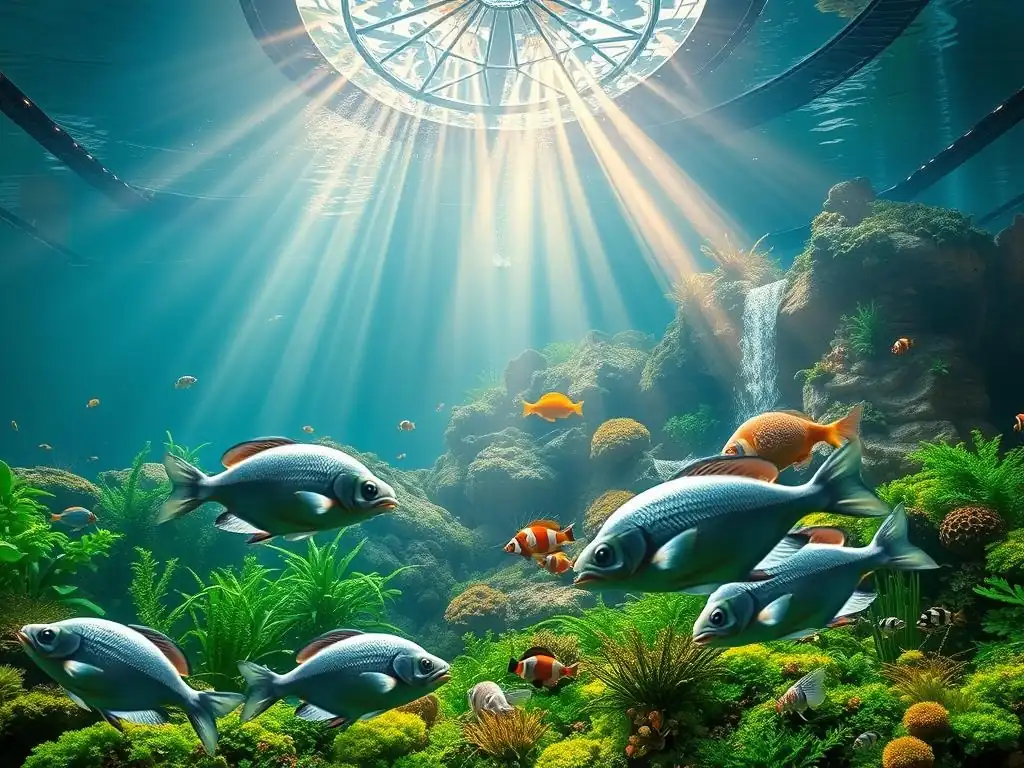
Welcome to Aquarium Mastery!
Ever wondered if those pesky algae blooms in your freshwater tank could actually disappear? Dive in and discover our expert Catfish algae control tips to unlock the secrets of a sparkling clean aquarium. We're not just talking about scraping glass; we're talking proactive tank management with your own natural cleanup crew! Curious to learn more? Read on and transform your aquarium from a potential algae farm into a thriving underwater ecosystem!
- Preventing Algae Blooms: Proactive Tank Management with Catfish
- Understanding Algae in Aquariums and the Role of Catfish
- Selecting Your Algae-Eating Catfish: Species Profiles & Tank Compatibility
- Proactive Algae Prevention Strategies: Tank Management for Optimal Results
- Integrating Your Catfish: A Step-by-Step Guide
- Troubleshooting Common Algae Problems with Catfish
- Maximizing Algae Control: Combining Catfish with Other Methods
- Long-Term Tank Health: Sustaining Algae Control with Catfish
- Conclusion: Achieving a Pristine Aquarium with Catfish
-
Frequently Asked Questions
- How effective are catfish for algae control in freshwater aquariums?
- What are some recommended catfish species for algae control in a freshwater aquarium?
- Can catfish completely eliminate algae problems in an aquarium?
- What other factors should I consider besides introducing catfish to control algae?
- What are the potential downsides of using catfish for algae control?
- Final Reflection: Cultivating Clarity, Preventing Blooms
- Dive Deeper: Cultivate a Thriving, Algae-Free Aquarium!
Preventing Algae Blooms: Proactive Tank Management with Catfish
Understanding Algae in Aquariums and the Role of Catfish
Why Does Algae Grow in Aquariums? Exploring Common Causes
Algae proliferation in an aquarium is typically a symptom of an underlying imbalance, rather than a problem in itself. The primary culprits often include excessive nutrients, overexposure to light, and insufficient tank maintenance. For instance, high levels of nitrates, often exceeding 20-40 parts per million (ppm), and phosphates, even at levels as low as 0.2-0.5 ppm, serve as primary food sources for algae. These nutrients accumulate from decaying organic matter such as uneaten food, fish waste, and dead plant material, effectively turning your aquarium into a fertile ground for unwanted algal blooms.
Another significant factor is light. Aquariums receiving too much light, either in intensity or duration, are highly susceptible to algae growth. For example, leaving aquarium lights on for more than 10-12 hours a day, or placing the tank in direct sunlight, provides ample energy for photosynthetic algae to thrive. Poor water circulation, inadequate filtration, and infrequent water changes also contribute by allowing nutrient pockets to form and harmful compounds to build up, creating an ideal environment for various algae types, from green spot algae to more stubborn black beard algae.
The Benefits of Catfish in Algae Control: A Natural Solution
Incorporating certain catfish species into your aquarium offers a highly effective and natural method for catfish algae control tips. These bottom-dwelling fish are renowned for their grazing habits, actively consuming various types of algae that cling to glass, decorations, and plant leaves. Unlike chemical treatments, which can sometimes harm beneficial bacteria or stress fish, catfish provide a continuous, biological solution, contributing to a more stable and balanced ecosystem.
For example, a healthy group of Otocinclus catfish can diligently graze on diatoms (brown algae) and soft green algae throughout the day, significantly reducing their presence. Similarly, Bristlenose Plecos are exceptional at consuming tougher green spot algae and even some forms of hair algae. By acting as a living clean-up crew, these catfish help minimize the manual effort required for algae removal, reduce the accumulation of organic waste by consuming biofilm, and ultimately contribute to clearer water and a more aesthetically pleasing tank environment.
Choosing the Right Catfish Species: A Guide
Selecting the appropriate catfish for your aquarium's algae problem is crucial, as different species have varying sizes, dietary preferences, and compatibility requirements. Consider the type of algae prevalent in your tank, the tank's size, and the temperament of your existing fish population. For instance, small tanks with delicate plants benefit from smaller, gentler species, while larger tanks might accommodate more robust algae eaters.
Researching the adult size of any potential catfish is paramount; a common Pleco, for example, can grow over 18 inches and is unsuitable for most home aquariums, despite its initial small size. Instead, more manageable species like Bristlenose Plecos or Otocinclus catfish offer excellent catfish algae control tips for typical community tanks. Understanding their specific needs regarding diet, water parameters, and social behavior ensures they thrive and effectively contribute to your tank's cleanliness.
Selecting Your Algae-Eating Catfish: Species Profiles & Tank Compatibility
Otocinclus Catfish: Delicate Algae Eaters for Planted Tanks
Otocinclus catfish, often simply called "Otos," are small, peaceful, and highly effective algae eaters, making them ideal for planted aquariums and tanks generally under 30 gallons. Reaching an adult size of only 1.5 to 2 inches, they are perfect for consuming soft green algae, brown diatoms, and biofilm without disturbing plants or smaller fish. Their small size means they have a relatively low bioload, making them a superb choice for those seeking efficient catfish algae control tips in sensitive setups.
These social fish thrive in groups of at least six or more, which encourages their natural grazing behavior and reduces stress. Otos prefer well-established tanks with stable water parameters, typically a pH between 6.0 and 7.5, and temperatures ranging from 72-79°F (22-26°C). They are sensitive to poor water quality and sudden changes, so a cycled tank with plenty of surface area for grazing and supplemental algae wafers or blanched vegetables, especially once tank algae diminishes, is essential for their long-term health.
Plecostomus (Plecos): Effective Algae Control with Size Considerations
The term "Plecostomus" often refers to common Plecos (Hypostomus plecostomus), which are highly effective at consuming algae when young. However, they are notorious for their significant adult size, often reaching 12 to 24 inches (30-60 cm) or more. This makes them unsuitable for the vast majority of home aquariums, as they require tanks of 100 gallons or more to thrive long-term. Despite their initial efficacy in catfish algae control tips, their eventual size often leads to stunted growth, stress, and increased bioload in smaller tanks, which can exacerbate algae problems rather than solve them.
As common Plecos mature, their diet also tends to shift from primarily algae to more omnivorous, often including protein and even plant matter, potentially damaging delicate aquarium plants. While they are powerful algae grazers, their immense size and the potential for them to outgrow typical setups make them a less advisable choice for most aquarists seeking sustainable algae solutions. It is crucial to research specific Pleco species, like the smaller Bristlenose, rather than opting for a common Pleco due to its initial affordability and perceived usefulness.
Bristlenose Plecos (Ancistrus): Ideal for Smaller Aquariums
Bristlenose Plecos (Ancistrus spp.) are an excellent alternative to common Plecos for catfish algae control tips in tanks ranging from 20 to 75 gallons. These popular catfish typically grow to a manageable size of 3-5 inches (7-13 cm) and are highly efficient algae eaters, particularly effective against green spot algae, diatoms, and even some types of hair algae. Their distinctive bristles, more pronounced on males, give them their common name and aid in their ability to scrape algae from surfaces.
Unlike their larger cousins, Bristlenose Plecos maintain their algae-eating habits throughout their lives and are less likely to damage live plants. They are relatively hardy and adaptable to a range of water parameters, generally thriving in temperatures between 72-80°F (22-27°C) and a pH of 6.5-7.5. Providing driftwood for them to rasp on is beneficial, as it aids in their digestion and provides essential roughage. Supplementing their diet with algae wafers and blanched vegetables like zucchini or cucumber is also important to ensure their nutritional needs are met, especially as the tank's natural algae supply diminishes.
Corydoras Catfish: Bottom Feeders Contributing to Tank Cleanliness
While Corydoras catfish are not primary algae eaters, they play a vital role in overall tank cleanliness and thus contribute indirectly to catfish algae control tips. These charming, schooling fish are diligent bottom feeders, constantly sifting through the substrate for leftover food and detritus. By consuming uneaten flakes, pellets, and other organic matter that settles at the bottom, Corydoras help prevent the decomposition of these materials, which would otherwise release nutrients like nitrates and phosphates into the water column, fueling algae growth.
Keeping a school of at least six Corydoras is recommended to observe their natural behaviors and ensure their well-being. They prefer fine sand or smooth gravel substrates to protect their delicate barbels as they forage. Their activity helps aerate the substrate, preventing anaerobic pockets. While they won't tackle algae directly, their contribution to a cleaner tank environment by reducing excess nutrients makes them a valuable addition to a comprehensive algae prevention strategy, complementing the work of dedicated algae-eating catfish species.
Proactive Algae Prevention Strategies: Tank Management for Optimal Results
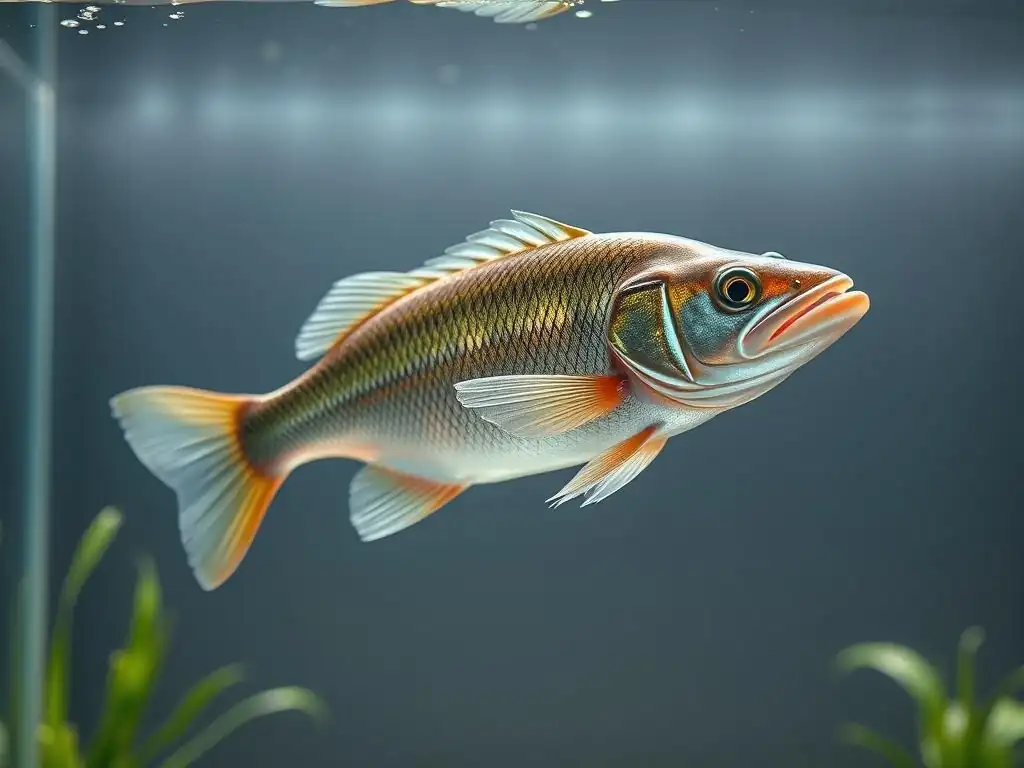
Maintaining Optimal Water Parameters to Minimize Algae Growth
Controlling water parameters is paramount in preventing algae blooms. Algae thrives on excess nutrients, primarily nitrates and phosphates, which accumulate from fish waste, uneaten food, and decaying plant matter. Regularly testing your water for these parameters is a crucial catfish algae control tip, allowing you to identify and address imbalances before algae takes hold. Aim for nitrate levels below 20 ppm and phosphate levels ideally below 0.1 ppm to significantly inhibit algae proliferation.
Maintaining stable pH and temperature also contributes to a healthy environment where beneficial bacteria can flourish, aiding in nutrient cycling. Sudden fluctuations in parameters can stress fish and beneficial bacteria, leading to a breakdown in the nitrogen cycle and a subsequent increase in nutrients that algae exploit. Consistent monitoring and proactive adjustments, such as targeted water changes, are far more effective than reactive measures once algae has become established.
The Importance of Regular Water Changes for Algae Prevention
Regular water changes are perhaps the single most effective method for reducing dissolved organic compounds and excess nutrients in an aquarium, directly preventing algae growth. By removing a portion of the old, nutrient-rich water and replacing it with fresh, dechlorinated water, you effectively dilute the concentration of nitrates, phosphates, and other elements that fuel algae. For example, a weekly water change of 25-30% of the tank volume can significantly lower nitrate levels, often preventing them from exceeding 20 ppm in a moderately stocked tank.
Beyond nutrient reduction, water changes also replenish essential trace elements that are consumed by fish and plants, contributing to overall water quality and fish health. Neglecting water changes allows these compounds to build up, creating an environment ripe for algae. Implementing a consistent schedule, such as a 25% water change every 7-10 days, is a fundamental catfish algae control tip that supports both your fish and your efforts to maintain a pristine, algae-free aquarium.
Controlling Light Exposure: A Key Factor in Algae Management
Excessive light is a common and easily preventable cause of algae blooms. Algae, being photosynthetic organisms, thrive on light energy. Providing too much light, either in intensity or duration, directly stimulates their growth. For instance, leaving aquarium lights on for more than 8-10 hours a day, or positioning the tank where it receives direct sunlight, can quickly lead to an explosion of various algae types, from green water to stubborn hair algae.
To effectively manage light, establish a consistent lighting schedule, perhaps using a timer, to ensure your tank receives no more than 8-10 hours of light daily. Adjust the intensity of your lights if possible, especially if you notice rapid algae growth. If your tank is near a window, consider relocating it or using blinds to block natural sunlight. Balancing light exposure is a crucial catfish algae control tip that works synergistically with nutrient control to create an environment where desirable plants thrive, and algae is starved of its primary energy source.
Balancing Nutrients: Managing Nitrates and Phosphates
Effective nutrient management is at the core of preventing algae blooms. Nitrates and phosphates are the primary macronutrients that fuel algal growth, and their accumulation is almost inevitable in a closed aquarium system. High nitrate levels, particularly those consistently above 20 ppm, signal an imbalance in the nitrogen cycle or insufficient removal. Phosphates, often introduced through tap water, fish food, or decaying organic matter, can trigger algae even at very low concentrations, sometimes as little as 0.1 ppm.
To control these nutrients, regular water testing is essential to track their levels. Implementing consistent water changes, as discussed, is a primary method of export. Additionally, planting live aquatic plants can help significantly, as they compete with algae for available nutrients, especially nitrates. Overfeeding should be strictly avoided, as uneaten food quickly breaks down into these very compounds. Utilizing phosphate-removing media in your filter can also be an effective catfish algae control tip to directly target and absorb excess phosphates from the water.
Effective Filtration Systems for a Clear, Algae-Free Aquarium
A robust and well-maintained filtration system is indispensable for preventing algae by keeping the water clean and free of excess nutrients and debris. Filtration acts on multiple levels: mechanical, biological, and sometimes chemical. A filter that is appropriately sized for your tank and fish load can remove particulate matter, process harmful ammonia and nitrites into less toxic nitrates, and even remove specific pollutants. Without adequate filtration, uneaten food and waste will quickly decompose, creating a nutrient-rich environment that algae will readily exploit, making filtration a cornerstone of any effective catfish algae control tip strategy.
Regular cleaning of filter media is also crucial. Over time, mechanical media can become clogged with detritus, reducing flow and efficiency, while biological media can become less effective if not maintained properly. A well-functioning filter system ensures consistent water turnover and removal of suspended particles, preventing them from settling and breaking down into algae-feeding nutrients, thus maintaining crystal-clear water and a healthy environment for your aquatic inhabitants.
Choosing the Right Filter for Your Tank Size and Fish Load
Selecting an appropriately sized filter is critical for maintaining water quality and preventing algae. A general rule of thumb is to choose a filter that can process your tank's entire volume at least 4-6 times per hour. For instance, a 20-gallon tank would benefit from a filter with a flow rate of 80-120 gallons per hour (GPH). Overstocking a tank or using an undersized filter means the system cannot adequately remove waste and dissolved organic compounds, leading to an inevitable buildup of nutrients that fuel algae growth.
Consider the type of filter as well: hang-on-back (HOB) filters are popular for their ease of use and affordability, while canister filters offer superior filtration capacity and are ideal for larger tanks or those with a higher bioload. Sponge filters are excellent for small tanks or as supplementary filtration. The right filter, matched to your tank's specific needs, ensures efficient removal of particulates and proper nitrogen cycle processing, making it a foundational catfish algae control tip for a healthy, algae-resistant aquarium.
Mechanical Filtration: Removing Debris that Fuels Algae Growth
Mechanical filtration is the first line of defense against algae, physically removing suspended particles from the water column before they can break down and release nutrients. This includes uneaten food, fish waste, and decaying plant matter. Filter media such as sponges, filter floss, or filter socks trap these particulates, preventing them from settling on the substrate or decor where they would decompose and become a food source for algae.
Regular cleaning or replacement of mechanical filter media is essential. A clogged filter sponge, for example, will not only lose its effectiveness but can also become a source of nitrates itself as trapped debris decays. For optimal catfish algae control tips, check and clean mechanical media weekly or bi-weekly, depending on your tank's bioload. This simple maintenance step significantly reduces the organic load in your aquarium, directly starving algae of its necessary fuel.
Biological Filtration: Maintaining a Healthy Nitrogen Cycle
Biological filtration is arguably the most critical component of an aquarium's filtration system for long-term algae prevention. It involves the cultivation of beneficial bacteria that colonize porous surfaces within the filter media (e.g., bio-rings, ceramic media, sponges). These bacteria perform the vital process of nitrification, converting highly toxic ammonia (from fish waste and decaying matter) into less toxic nitrite, and then converting nitrite into relatively harmless nitrate.
A robust biological filter ensures that ammonia and nitrite levels remain at zero, preventing fish stress and, more importantly for algae control, efficiently processing nitrogenous waste. Without sufficient biological filtration, ammonia and nitrite would accumulate, leading to an unhealthy environment that can also encourage certain types of algae. Maintaining a healthy nitrogen cycle through effective biological filtration is a non-negotiable catfish algae control tip, as it directly manages the primary waste products that algae feed upon.
Feeding Strategies to Prevent Algae Blooms: Avoid Overfeeding
Overfeeding is one of the most common causes of algae blooms in aquariums. When fish are fed more than they can consume in a short period, the excess food settles to the bottom, decomposes, and releases a surge of nitrates, phosphates, and other organic compounds into the water. These nutrients act as a direct fertilizer for algae, leading to rapid proliferation. Even high-quality fish food, when uneaten, contributes to this problem.
Adopting precise feeding strategies is a simple yet highly effective catfish algae control tip. Feed your fish small amounts, two to three times a day, only what they can consume within 2-3 minutes. Observe your fish during feeding; if food is still present after this time, you are likely overfeeding. This practice not only minimizes nutrient accumulation but also encourages your algae-eating catfish to graze more actively on any existing algae in the tank, as their supplemental food source is limited.
Adjusting Feeding Schedules to Reduce Excess Nutrients
Optimizing your feeding schedule is a direct way to curb the nutrient load in your aquarium and, consequently, limit algae growth. Instead of one large feeding, consider breaking it down into two smaller feedings per day. This allows fish to consume the food more efficiently, leaving less to decay and pollute the water. For instance, feeding a small pinch in the morning and another in the evening is often more effective than a single, larger dose.
Additionally, observe your fish's behavior; if they are not eagerly consuming all the food within a few minutes, reduce the quantity. A common catfish algae control tip is to incorporate one or two "fasting" days per week, where fish are not fed at all. This not only helps clear their digestive systems but also encourages them to forage for any remaining detritus and algae, further reducing nutrient buildup in the tank.
Selecting Fish Food that Minimizes Waste
The type of fish food you use can significantly impact water quality and algae potential. Low-quality foods often contain excessive fillers, artificial colors, and ingredients that are not easily digestible by fish. This results in more waste being produced, both in terms of uneaten food and fish excretions, which quickly break down into algae-promoting nitrates and phosphates. For example, some cheaper flake foods can dissolve quickly, releasing a cloud of particles that contribute to water cloudiness and nutrient load.
Choosing high-quality, highly digestible fish foods is a smart catfish algae control tip. Look for reputable brands that use natural ingredients, provide balanced nutrition, and are designed to minimize waste. Sinking pellets or wafers are often better for bottom feeders like catfish, as they reach the substrate directly, reducing the chance of them floating and decaying at the surface. By providing nutritious food that is fully consumed and efficiently processed, you significantly reduce the input of algae-fuelling compounds into your aquarium.
Integrating Your Catfish: A Step-by-Step Guide
Acclimating New Catfish to Your Aquarium: A Gentle Introduction
Proper acclimation is critical for the survival and long-term health of new catfish, especially sensitive species like Otocinclus. A sudden change in water parameters (temperature, pH, hardness, etc.) can cause severe stress or even death. The drip acclimation method is highly recommended for catfish, as it gradually introduces them to your tank's water chemistry over an extended period, minimizing shock.
To perform drip acclimation, place the new catfish, still in their transport bag, into a clean bucket. Secure the bag so the fish are fully submerged in their original water. Then, use an air line tubing and a knot or valve to create a slow drip from your main aquarium into the bucket. Aim for a drip rate of about 1-2 drips per second.
Allow the water volume in the bucket to double, which typically takes 30-60 minutes, depending on the drip rate. Once acclimated, gently net the catfish and transfer them to your aquarium, discarding the old water from the bucket. This careful process is a vital catfish algae control tip for ensuring your new cleanup crew thrives.
Providing the Right Environment for Your Catfish
Once acclimated, ensuring your catfish have an appropriate environment is crucial for their well-being and effectiveness as algae eaters. Different catfish species have specific needs regarding substrate, hiding places, and water flow. For instance, Corydoras catfish prefer soft, fine sand to protect their delicate barbels as they forage, while Bristlenose Plecos benefit greatly from the presence of driftwood, which they rasp for essential lignins that aid digestion.
Adequate hiding spots, such as caves, rocky crevices, or dense plant cover, provide security and reduce stress, encouraging natural behaviors. Without these provisions, catfish can become reclusive or stressed, impacting their overall health and their ability to actively graze on algae. Tailoring the tank environment to the specific needs of your chosen catfish is a key catfish algae control tip that promotes a healthy, active algae-eating crew.
Ensuring Adequate Hiding Places and Substrate
Catfish, by nature, are often shy and nocturnal, requiring ample hiding places to feel secure and reduce stress. Providing a variety of shelters such as caves, driftwood, rock formations, or dense plant thickets allows them to retreat during the day or when feeling threatened. For example, a Bristlenose Pleco will often claim a specific cave or piece of driftwood as its territory, resting there before emerging to graze. Without sufficient hiding spots, catfish can become stressed, leading to weakened immune systems and reduced activity, impacting their algae-eating efficiency.
The choice of substrate is also vital. Most bottom-dwelling catfish, especially Corydoras, have sensitive barbels used for foraging. Sharp or coarse gravel can damage these delicate sensory organs, leading to infections and discomfort. Fine sand or smooth, rounded gravel is highly recommended to protect their barbels and facilitate their natural sifting behaviors. Creating a comfortable and safe environment through appropriate hiding places and substrate is a foundational catfish algae control tip for a thriving and effective cleanup crew.
Maintaining Proper Water Flow and Oxygen Levels
Proper water flow and oxygenation are essential for the health of all aquarium inhabitants, including algae-eating catfish. Many catfish species, particularly those from fast-flowing river environments like Otocinclus, thrive in well-oxygenated water with moderate to strong circulation. Good water flow helps distribute oxygen evenly throughout the tank, prevents dead spots where waste can accumulate, and keeps detritus suspended for easier removal by mechanical filtration.
Insufficient oxygen can stress fish, making them more susceptible to disease and less active in their natural behaviors, including algae grazing. Ensure your filter provides adequate surface agitation to facilitate gas exchange, or consider adding an air stone if your tank's oxygen levels are consistently low. Maintaining optimal water flow and oxygenation is a critical catfish algae control tip that supports the metabolic health of your catfish, ensuring they remain active and efficient in their algae-eating duties.
Monitoring Catfish Health and Behavior: Signs of a Healthy Catfish
Regularly observing your catfish is crucial for ensuring their health and continued effectiveness in algae control. A healthy catfish will typically exhibit active foraging behavior, constantly grazing on surfaces or sifting through the substrate. Their coloration should be vibrant and consistent with their species, and their fins should be held erect and free from tears or clamping. For example, a healthy Bristlenose Pleco will often be seen clinging to the glass or driftwood, rasping away.
Signs of stress or illness include lethargy, clamped fins, faded coloration, rapid breathing, or unusual spots or growths. An Otocinclus that remains motionless for extended periods or shows signs of labored breathing could indicate poor water quality or disease. Promptly addressing any signs of distress, such as testing water parameters or isolating affected fish, ensures your catfish algae control tips remain effective and your cleanup crew stays healthy.
Troubleshooting Common Algae Problems with Catfish
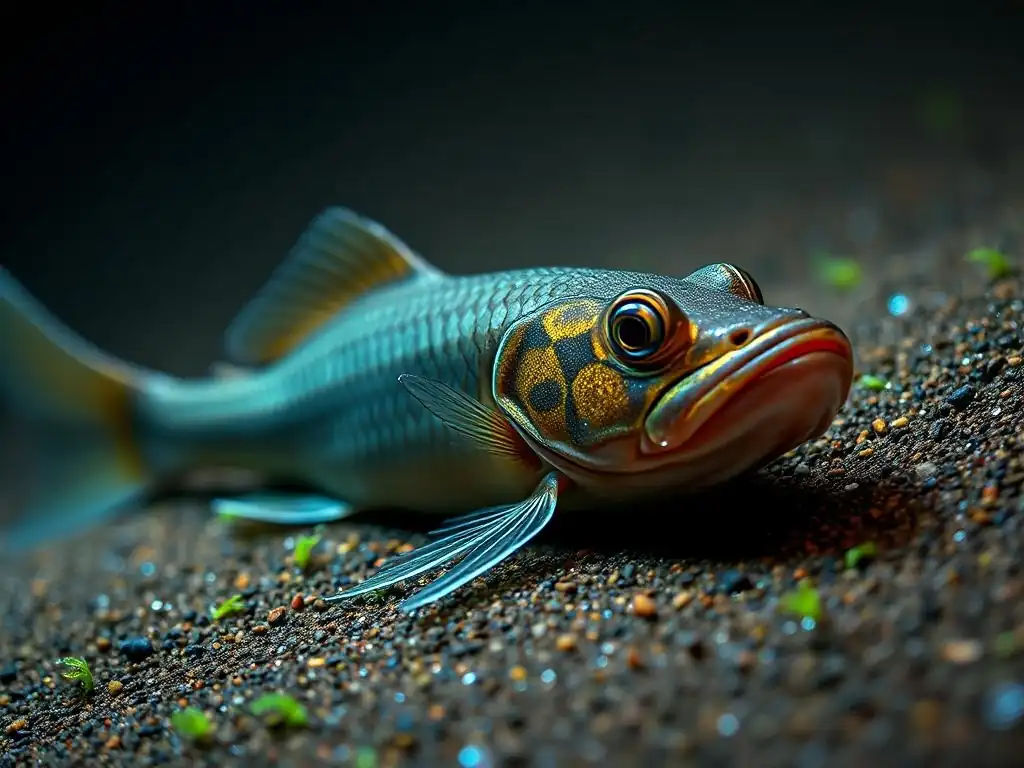
Green Water Algae Blooms: Solutions with Catfish and UV Sterilizers
Green water, or "algae bloom," is caused by microscopic, free-floating algae that multiply rapidly, turning the tank water a cloudy green. While frustrating, it's typically a sign of excess nutrients and intense light. Unfortunately, most algae-eating catfish, such as Plecos or Otocinclus, are ineffective against green water algae because they cannot consume these suspended organisms. Their primary function is grazing on attached algae.
For green water, the most effective catfish algae control tip supplement is a UV sterilizer. A UV sterilizer works by passing tank water through a chamber where it's exposed to ultraviolet light, which kills the free-floating algal cells and other pathogens without harming beneficial bacteria in the filter or the fish. Coupled with reduced lighting, increased water changes, and ensuring proper nutrient levels, a UV sterilizer can clear green water within a few days to a week, restoring clarity to the aquarium.
Brown Algae (Diatoms): Catfish in New Tanks
Brown algae, scientifically known as diatoms, commonly appear in newly set up aquariums (typically within the first few weeks to 6 months) as the tank cycles and silicon levels are high. They manifest as a brownish film on glass, substrate, and decorations. While unsightly, diatoms are generally harmless and indicate that the tank is still establishing its biological balance.
Otocinclus catfish are exceptionally effective against brown algae, often consuming vast amounts of it within days of introduction. Bristlenose Plecos also readily graze on diatoms. Introducing a small group of Otocinclus (e.g., 3-5 for a 20-gallon tank) can provide excellent catfish algae control tips for this common new tank issue. As the tank matures and silicate levels naturally decrease, diatoms usually subside on their own, but catfish can accelerate their removal and maintain a cleaner appearance during this phase.
Hair Algae and Black Beard Algae: Managing Stubborn Algae Types
Hair algae, which appears as long, stringy green strands, and Black Beard Algae (BBA), a tough, dark, brush-like growth, are two of the most persistent and challenging algae types to combat. These often indicate significant nutrient imbalances (especially fluctuating CO2 for planted tanks with hair algae, or high phosphates/low CO2 for BBA) and can be resistant to many algae eaters. While some catfish may graze on them, they are rarely a complete solution on their own.
Bristlenose Plecos may occasionally graze on hair algae, and some aquarists report limited success with Siamese Algae Eaters (SAE) on BBA, although SAEs are not true catfish. For these stubborn algae, a multi-faceted approach is required. This includes strict nutrient control, consistent water changes, optimizing CO2 levels in planted tanks, and manual removal. While catfish algae control tips can offer some assistance, direct intervention and addressing the root cause of the imbalance are paramount for eliminating hair algae and BBA.
Maximizing Algae Control: Combining Catfish with Other Methods
Manual Algae Removal: Supplementing Catfish Cleaning
While algae-eating catfish are invaluable, they are rarely a complete solution for algae control. Manual algae removal remains an essential supplementary method, ensuring your tank stays pristine. Catfish may miss certain spots, or specific types of algae might be unpalatable to them. For instance, common Plecos might not reach into tight corners or effectively clean the entire tank glass, especially as they grow larger.
Regularly scraping algae from the glass, wiping down decorations, and siphoning the substrate helps remove physical algae growth and any associated detritus before it can break down further into nutrients. This hands-on approach ensures that even the most diligent catfish algae control tips are supported by direct intervention, keeping the overall algae load manageable and preventing unsightly buildups that could overwhelm your cleanup crew.
Using Algae Scrapers and Sponges Effectively
Algae scrapers and specialized sponges are indispensable tools for manual algae removal. Magnetic algae cleaners allow you to scrape the glass from outside the tank, minimizing disturbance to the fish and water. For tougher spots or acrylic tanks, dedicated algae pads or soft sponges are effective without scratching the surface. For example, a typical magnetic scraper can remove green spot algae from the front glass in minutes.
When using these tools, always start with a clean scraper or sponge to avoid introducing contaminants. For stubborn algae, a razor blade scraper designed for glass tanks can be highly effective, but extreme care must be taken to avoid scratching. Regularly using these tools, perhaps during your weekly water change, ensures that any algae missed by your catfish is promptly removed, complementing your catfish algae control tips and maintaining crystal-clear viewing.
Algae-Eating Invertebrates: Shrimp and Snails as Algae Control
Incorporating algae-eating invertebrates like certain shrimp and snail species can significantly enhance your tank's algae control efforts, working synergistically with your catfish. Amano shrimp (Caridina multidentata) are renowned for their voracious appetite for various algae types, including hair algae and even some forms of black beard algae. A small group of 5-10 Amano shrimp can make a noticeable difference in a 20-gallon tank, diligently grazing on surfaces that catfish might overlook.
Nerite snails (Neritina spp.) are another excellent choice, specializing in green spot algae and diatoms on glass and hard surfaces. Unlike some other snail species, Nerites do not typically reproduce uncontrollably in freshwater aquariums, making them a manageable addition. By diversifying your cleanup crew with these invertebrates, you create a more comprehensive defense against algae, ensuring that different niches and algae types are targeted effectively, thereby maximizing your overall catfish algae control tips strategy.
Long-Term Tank Health: Sustaining Algae Control with Catfish
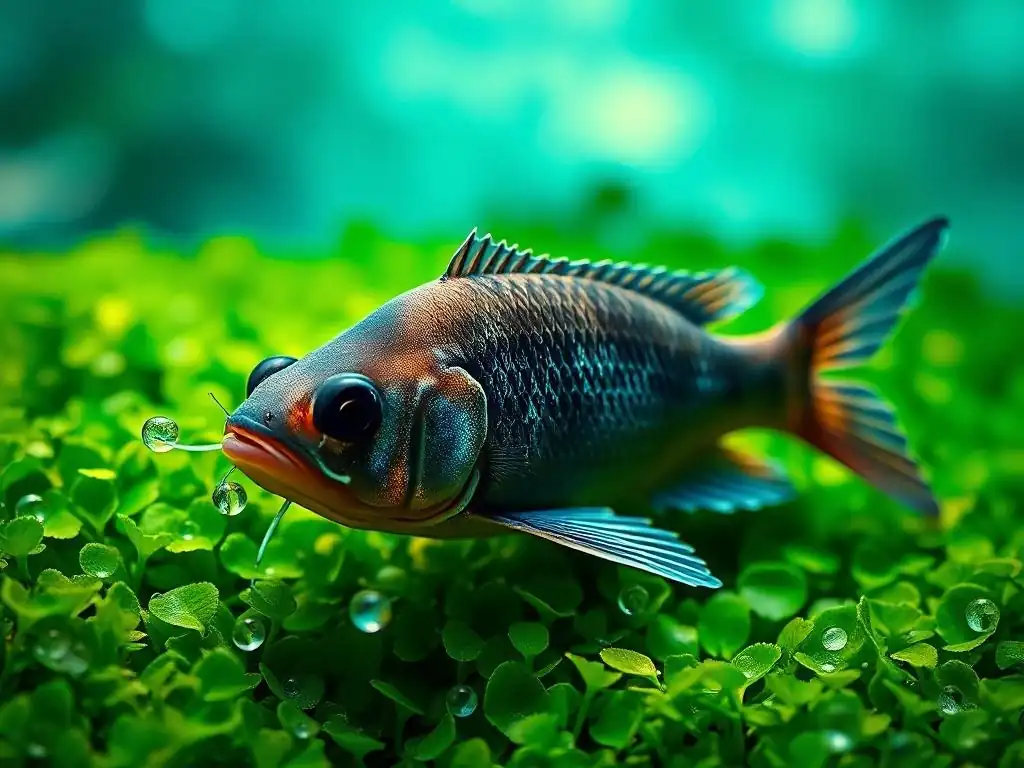
Regularly Testing Water Parameters: A Crucial Step for Prevention
Consistent monitoring of water parameters is the cornerstone of long-term algae prevention and overall tank health. Regularly testing for nitrates, phosphates, pH, and ammonia/nitrite provides critical insights into your aquarium's nutrient balance and the efficiency of your filtration system. For instance, if nitrate levels consistently creep above 20 ppm despite regular water changes, it might indicate overstocking, overfeeding, or insufficient plant mass.
Establishing a routine, such as testing nitrates and phosphates weekly or bi-weekly, allows you to detect subtle changes before they escalate into a full-blown algae problem. This proactive approach enables timely adjustments, such as increasing water change frequency, reducing feeding, or adding more live plants. Regular testing is a non-negotiable catfish algae control tip that empowers you to maintain the stable, low-nutrient environment where algae struggles to thrive and your catfish crew flourishes.
Maintaining a Balanced Ecosystem: The Key to a Healthy Aquarium
Achieving and sustaining a balanced aquarium ecosystem is the ultimate goal for long-term algae control. This involves a harmonious interplay of appropriate fish stocking levels, sufficient live plants, effective filtration, and consistent maintenance. An overstocked tank, for example, will produce more waste than the biological filter and plants can process, leading to nutrient accumulation and inevitable algae growth.
Live aquatic plants play a crucial role by competing with algae for essential nutrients like nitrates and phosphates, effectively starving the algae. A well-planted tank can significantly reduce the available food source for algae, especially when combined with diligent catfish algae control tips. By ensuring that all components of your aquarium work together—from the efficient waste processing of your filter to the nutrient uptake by plants and the grazing habits of your catfish—you create a robust, self-regulating system that naturally resists algae proliferation.
Supplementing Your Catfish's Diet: Algae Wafers and Vegetables
While your algae-eating catfish are excellent at consuming natural algae, it's crucial to supplement their diet, especially as the tank becomes cleaner and natural algae sources diminish. Relying solely on tank algae can lead to malnourishment, reduced activity, and even starvation for your cleanup crew. For example, a 3-inch Bristlenose Pleco, once it has cleared much of the tank's algae, will require supplemental food to maintain its health.
High-quality algae wafers are specifically formulated to provide the necessary nutrients for herbivorous catfish. Additionally, blanched vegetables like zucchini, cucumber, or romaine lettuce can be offered a few times a week. Simply blanch a slice for a minute or two to soften it, let it cool, and weigh it down in the tank. Providing a varied and consistent diet ensures your catfish remain healthy, active, and continue to be effective members of your catfish algae control tips team, even in a pristine, algae-free aquarium.
Conclusion: Achieving a Pristine Aquarium with Catfish
Frequently Asked Questions
How effective are catfish for algae control in freshwater aquariums?
Catfish can be very effective at controlling certain types of algae. However, their effectiveness depends on the species of catfish and the type of algae present in your tank.
What are some recommended catfish species for algae control in a freshwater aquarium?
Otocinclus catfish (Otocinclus spp.) are often recommended as they are dedicated algae eaters. Bristlenose plecos (Ancistrus spp.) are also popular, but require supplemental feeding as they mature.
Can catfish completely eliminate algae problems in an aquarium?
No, catfish are not a complete solution to algae problems. They are best used as part of a comprehensive algae control strategy, including proper lighting, water changes, and nutrient management.
What other factors should I consider besides introducing catfish to control algae?
Consider your lighting duration and intensity, ensure you're performing regular water changes, and monitor your nutrient levels (nitrates, phosphates). These are crucial for long-term algae management.
What are the potential downsides of using catfish for algae control?
Some catfish species can grow too large for smaller aquariums. Additionally, insufficient algae can lead to starvation, so supplemental feeding may be necessary. They might also not eat all types of algae.
Final Reflection: Cultivating Clarity, Preventing Blooms
The insights shared throughout this article, focusing on proactive tank management with catfish for algae control, resonate deeply in a time where sustainable practices and responsible aquarium keeping are more crucial than ever. Understanding the delicate balance within our aquatic ecosystems and actively preventing algae blooms is not just about aesthetics; it's about ensuring the health and longevity of our underwater companions.
The enduring impact of responsible aquarium management extends far beyond the glass walls of our tanks. It's a microcosm of our larger relationship with the environment, teaching us the importance of balance, prevention, and mindful interaction. The best time to plant a tree was 20 years ago. The second best time is now.
This ancient proverb perfectly encapsulates the proactive approach we must adopt, not just in our aquariums, but in all aspects of our lives.
Now, as you consider the information presented here, I encourage you to reflect on your own role in maintaining a healthy aquatic environment. How can you implement these catfish algae control tips to create a thriving ecosystem for your fish? Take the knowledge you've gained and transform it into action, fostering a future where beautiful, balanced aquariums are the norm, not the exception.
Dive Deeper: Cultivate a Thriving, Algae-Free Aquarium!
Thank you for exploring effective algae control with Aquarium Mastery! We hope this article has empowered you with the knowledge to maintain a pristine and healthy tank environment. Now, let's put that knowledge into action:
- Take the Plunge: Introduce a small school of algae-eating catfish to your aquarium today – start with a group size appropriate for your tank volume.
- Experiment with Lighting: Gradually adjust your aquarium's lighting schedule to find the sweet spot that supports plant growth without encouraging algae blooms.
- Share Your Success: Snap a picture of your sparkling clean aquarium and share your algae-fighting journey on social media, inspiring other aquarists!
What innovative algae-prevention method are you most excited to test out in your aquarium this week?