
Goby Goldmine: Advanced Techniques for Breeding Small, Charismatic Saltwater Gobies

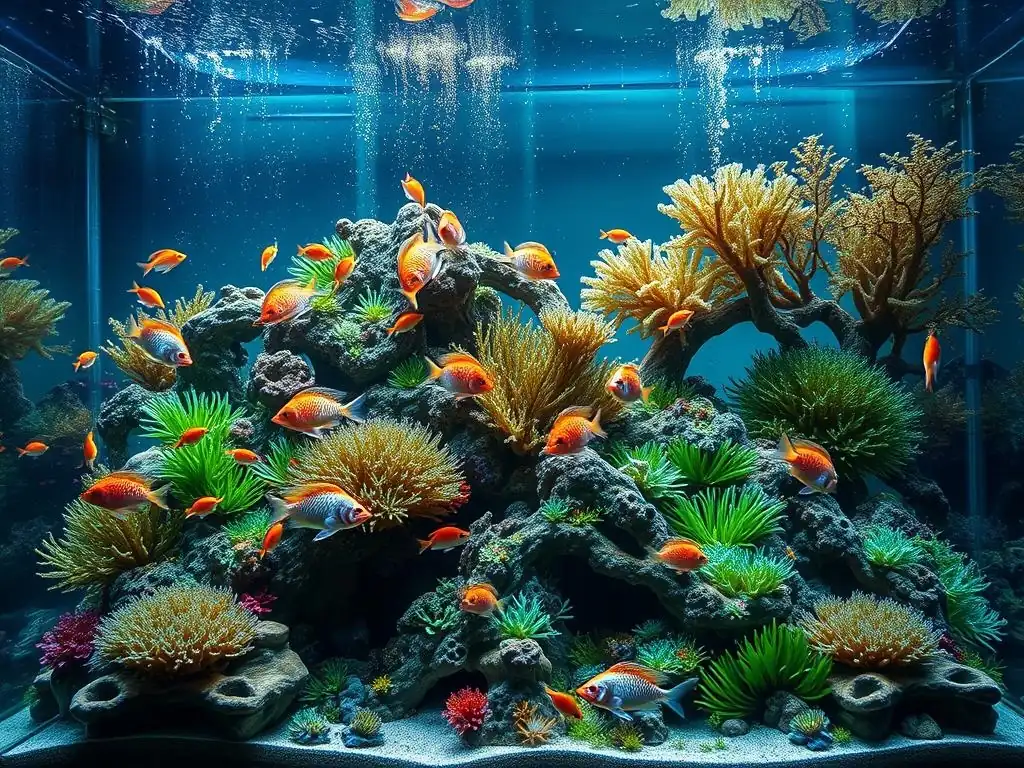
Welcome to Aquarium Mastery!
Ever dreamt of turning your saltwater aquarium into a vibrant ecosystem teeming with life? Dive into our latest article, " Goby Goldmine: Advanced Techniques for Breeding Small, Charismatic Saltwater Gobies," and unlock the secrets to successfully breeding these fascinating fish. Could you be the next goby breeding expert? Explore proven methods, expert tips, and essential knowledge to transform your aquarium into a thriving goby nursery. Let's get started!
- Introduction to Saltwater Goby Breeding
- Essential Setup for Saltwater Goby Propagation
- Identifying and Selecting Saltwater Goby Breeding Pairs
- Triggering Spawning in Saltwater Gobies: Advanced Techniques
- Saltwater Goby Egg Care and Hatching Management
- Larval Rearing of Saltwater Gobies: A Critical Stage
- Advanced Feeding Strategies for Saltwater Goby Larvae
- Managing Water Quality in Goby Larval Rearing Tanks
- Preventing and Treating Diseases in Saltwater Goby Larvae
- Growing Out Juvenile Saltwater Gobies
- Troubleshooting Common Saltwater Goby Breeding Challenges
- Conclusion: Mastering Saltwater Goby Breeding Techniques
-
Frequently Asked Questions
- How difficult is it to breed saltwater gobies compared to freshwater fish?
- What are the key water parameters that must be maintained for successful goby breeding?
- What type of food is best for newly hatched goby larvae?
- What specific tank setup is recommended for breeding saltwater gobies?
- What are some common challenges faced when breeding saltwater gobies, and how can they be overcome?
- Final Reflection: Unlocking the Secrets of Goby Reproduction
- Unlock the Secrets: Grow Your Goby Family Today!
Introduction to Saltwater Goby Breeding
Why Breed Saltwater Gobies? Benefits and Challenges
Breeding saltwater gobies offers a unique and rewarding challenge for advanced aquarists, contributing significantly to the marine aquarium hobby. The primary benefits include reducing the demand for wild-caught specimens, promoting sustainable practices, and observing the intricate life cycle of these fascinating fish firsthand. For instance, successfully breeding species like the Neon Goby (Elacatinus oceanops) can alleviate pressure on Caribbean reefs, where these popular cleaner gobies are commonly collected.
However, the endeavor is not without its difficulties. Small goby species often produce incredibly tiny larvae, sometimes less than 2mm at hatching, which necessitates the culture of microscopic live foods like specialized rotifer strains and copepod nauplii. Additionally, maintaining the pristine water quality required for larval survival, and managing the delicate transition from live foods to prepared diets, presents a steep learning curve. These challenges are central to mastering advanced saltwater goby breeding techniques.
Understanding the Appeal: Popular Goby Species and Their Demand
Saltwater gobies are celebrated for their vibrant colors, unique behaviors, and relatively small size, making them ideal inhabitants for nano and reef aquariums. Species like the Yellow Watchman Goby (Cryptocentrus cinctus) are highly sought after for their symbiotic relationship with pistol shrimp, while Diamond Watchman Gobies (Valenciennea puellaris) are prized for their sand-sifting capabilities, which naturally aerate the substrate. The demand for captive-bred gobies is consistently high due to their peaceful nature and adaptability to aquarium life.
Beyond their practical uses, species such as the various Trimma and Eviota gobies, though less commonly bred, captivate aquarists with their intricate patterns and often cryptic behaviors. The ability to breed these fish at home provides a deeper connection to the hobby and allows for the study of species that might otherwise be difficult to observe in the wild. This strong demand underscores the value of successful saltwater goby breeding techniques.
Focusing on Smaller Goby Species: Suitable for Home Breeding
While many goby species exist, certain smaller ones are more amenable to home breeding efforts due to their manageable size and relatively consistent spawning habits. The Neon Goby (Elacatinus spp.) is a prime candidate, known for its prolific spawning and relatively robust larvae compared to some other tiny goby species. Similarly, the Yellow Watchman Goby, despite its larger adult size, forms stable pairs and lays easily observable egg clutches.
Other promising candidates include various species from the Trimma and Eviota genera, although their larvae are often among the smallest and most challenging to rear. Success with these species often requires advanced live food culturing techniques and meticulous attention to larval rearing parameters. Focusing on these more accessible small gobies allows aquarists to build foundational saltwater goby breeding techniques before tackling the most difficult species.
Essential Setup for Saltwater Goby Propagation
Dedicated Breeding Tank Setup: Size, Filtration, and Water Parameters for Gobies
A dedicated breeding tank is crucial for successful saltwater goby propagation, providing a controlled environment free from the stresses of a community tank. For most small gobies, a tank ranging from 10 to 20 gallons is sufficient, allowing for stable water parameters and easy observation. Filtration should be gentle but effective; a simple sponge filter or a small hang-on-back (HOB) filter with a flow reducer is often ideal to prevent strong currents that could stress the pair or dislodge eggs.
Maintaining pristine and stable water parameters is paramount. Target a temperature of 76-79°F (24.4-26.1°C), salinity of 1.023-1.025 specific gravity, and a pH of 8.1-8.4. Ammonia and nitrite levels must remain at zero, and nitrates should be kept below 10 ppm. Consistent daily monitoring with high-quality test kits is essential, as even minor fluctuations can inhibit spawning or harm developing eggs. These stable conditions are fundamental to advanced saltwater goby breeding techniques.
Creating the Ideal Environment: Lighting, Substrate, and Spawning Site Considerations for Gobies
Unlike clownfish, gobies do not require anemones for spawning. Instead, they typically lay their eggs in secluded, protected spaces. Providing a variety of potential spawning sites is key. This can include small ceramic tiles, PVC elbows or T-joints (1-2 inches in diameter), clean flat rocks, or even empty mollusk shells. These structures should be placed in quiet areas of the tank, allowing the pair to establish a territory.
Lighting should be subdued, mimicking the dimmer conditions often found in the crevices and caves where gobies naturally reside. A simple LED light on a timer, providing 10-12 hours of light per day, is usually sufficient. Substrate choice depends on the goby species; burrowing gobies like Diamond Watchman Gobies benefit from a fine sand bed of 2-4 inches, while non-burrowing species can thrive in a bare-bottom tank or with minimal sand, which simplifies cleaning and egg collection. These environmental specifics are vital for refining saltwater goby breeding techniques.
Specialized Equipment for Goby Larval Rearing: Rotifer Cultures and More
The successful rearing of goby larvae hinges on having specialized equipment for culturing their microscopic first foods. Rotifers (Brachionus plicatilis) are almost universally required, with specific strains (S-type for smaller larvae) often necessary due to the incredibly tiny mouthparts of many goby fry. Therefore, dedicated rotifer culture setups, including multiple containers, air pumps, airline tubing, and appropriate phytoplankton (e.g., Nannochloropsis oculata) for feeding the rotifers, are indispensable.
Beyond rotifers, the ability to culture other live foods like copepod nauplii (e.g., Tisbe or Tigriopus species) and even paramecium can significantly increase larval survival rates, especially for the most diminutive goby larvae. Larval rearing tanks themselves should be small (5-10 gallons), bare-bottom, and often painted black on the outside to enhance food density and reduce larval stress. Gentle aeration via a small air stone is critical, avoiding any strong currents. Investing in these tools is a hallmark of advanced saltwater goby breeding techniques.
Identifying and Selecting Saltwater Goby Breeding Pairs
Sexing Saltwater Gobies: Size and Behavioral Indicators
Sexing many small saltwater goby species can be challenging, as sexual dimorphism is often subtle or non-existent to the untrained eye. However, in some species, mature females may appear noticeably plumper when gravid with eggs, a key indicator during the spawning cycle. Behavioral cues are often more reliable than visual differences. Paired gobies will typically exhibit synchronized swimming, defend a shared territory, and engage in courtship rituals such as fin displays or shimmying.
For species like the Neon Goby, observing pairs that have naturally formed from a group of juveniles is often the most straightforward approach, as they will self-select a compatible mate. In some cases, vent observation using a magnifying glass may reveal differences in genital papillae, but this is often stressful for the fish and requires expertise. Patience and keen observation of their interactions are crucial for successful saltwater goby breeding techniques.
Choosing Healthy and Genetically Diverse Goby Breeding Stock
Selecting robust, healthy, and genetically diverse breeding stock is paramount for productive and sustainable saltwater goby breeding techniques. Prioritize individuals that are active, have vibrant coloration, clear eyes, and no signs of disease or physical damage. Avoid fish that appear listless, have clamped fins, or exhibit any lesions. Ideally, acquire fish from different sources or batches to minimize inbreeding, which can lead to reduced fertility, smaller clutches, and weaker offspring.
While wild-caught gobies can be used, captive-bred specimens are often preferred for breeding programs due to their acclimation to aquarium life and typically lower parasite loads. Healthy fish are more likely to pair successfully, produce larger and more viable egg clutches, and exhibit better parental care. A well-nourished and stress-free breeding pair will significantly increase the chances of successful propagation.
Quarantine and Acclimation Procedures for New Goby Breeding Pairs
Proper quarantine and acclimation procedures are non-negotiable when introducing new gobies intended for breeding. A dedicated quarantine tank, separate from your main display or breeding system, should be used for a minimum of 4-6 weeks. During this period, observe the fish closely for any signs of disease, parasites, or unusual behavior. Prophylactic treatments for common parasites like Ich (Cryptocaryon irritans) or velvet (Amyloodinium ocellatum) may be considered, but use medications cautiously, especially with sensitive goby species.
Acclimation to the quarantine tank, and subsequently to the breeding tank, should be performed slowly using a drip acclimation method over several hours to minimize stress from changes in water parameters. Stress can severely impact a goby's health and its willingness to pair or spawn. Maintaining a stable, low-stress environment throughout the quarantine and acclimation phases is a critical component of advanced saltwater goby breeding techniques.
Triggering Spawning in Saltwater Gobies: Advanced Techniques
Mimicking Natural Conditions for Gobies: Light Cycles and Temperature Adjustments
To encourage spawning in saltwater gobies, it's often beneficial to mimic natural environmental cues. Maintaining a consistent light cycle, typically 12-14 hours of light, can simulate seasonal changes. Some breeders experiment with slightly longer photoperiods (up to 16 hours) to signal prime breeding conditions. Similarly, stable water temperatures within their optimal range (e.g., 77-79°F or 25-26°C) are crucial, but a slight, gradual increase of 0.5-1°F over a few days can sometimes act as a spawning trigger, simulating warmer seasonal waters.
While lunar cycles are known to influence spawning in some marine fish, their effect on small gobies in captivity is less documented. However, maintaining stable parameters overall, with subtle shifts, provides a sense of security and optimal physiological conditions for reproduction. Consistent water quality and minimal disturbances are more impactful than drastic environmental changes for successful saltwater goby breeding techniques.
Dietary Enrichment for Enhanced Goby Fertility and Egg Production
A high-quality, varied, and nutrient-rich diet is fundamental for maximizing goby fertility and promoting robust egg production. Breeding pairs should be fed multiple times a day (3-5 times), offering a diverse menu. This includes live foods such as enriched adult brine shrimp, mysis shrimp, and copepods, which provide essential fatty acids and proteins. Frozen equivalents of these foods, along with high-quality marine-based pellets and flakes, should also be offered.
Supplementing foods with vitamin and HUFA (Highly Unsaturated Fatty Acid) enrichments, such as Selcon or other commercial products, can significantly boost the nutritional profile of the diet. This ensures the gobies receive all the necessary building blocks for healthy egg development and strong larval viability. Optimal nutrition is a cornerstone of effective saltwater goby breeding techniques, directly impacting egg quality and quantity.
Ensuring a Suitable Spawning Site for Gobies: Providing Caves, PVC, or Flat Rocks
Providing the ideal spawning site is critical for encouraging goby pairs to lay their eggs. Most small gobies are cave or crevice spawners, attaching their eggs to the underside or inside of a protected structure. Offer a variety of options within the breeding tank to allow the pair to choose their preferred location. This can include small ceramic tiles (e.g., 2x2 or 3x3 inches), sections of PVC pipe (e.g., 1-2 inch diameter elbows or T-joints), or smooth, flat rocks.
These structures should be clean, inert, and securely placed to prevent disturbance. For species like Neon Gobies, a small, inverted ceramic pot or a piece of slate forming a small cave can work well. The chosen site should ideally be easily removable for observation or egg collection if artificial incubation is planned, but ensure its removal does not overly stress the parents. A well-chosen spawning site is a key factor in successful saltwater goby breeding techniques.
Saltwater Goby Egg Care and Hatching Management
Identifying and Protecting Goby Eggs from Predators
Once a goby pair has spawned, identifying and protecting the tiny egg clutch becomes the next critical step. Goby eggs are typically very small, often less than 1mm in diameter, and can be clear to yellowish, sometimes darkening as they develop. They are usually laid in a compact mass or a single layer on the chosen spawning substrate. The male goby typically guards and fans the eggs, keeping them clean and oxygenated.
In a dedicated breeding tank, predation is usually minimal, as there are no other fish to consume the eggs. However, ensure no invertebrates like crabs or snails that could potentially disturb the clutch are present. Observe the parent's behavior to ensure proper fanning and care. Any signs of fungal growth on the eggs (white fuzz) may indicate poor water quality or unfertilized eggs, requiring closer attention to water parameters.
Incubation Techniques for Gobies: Parental Care and Artificial Incubation
Most small goby species exhibit excellent parental care, with the male diligently fanning and guarding the eggs until hatching. In many cases, allowing the parents to incubate the eggs naturally is the best approach, as their fanning provides optimal aeration and prevents fungal growth. The eggs typically hatch within 4-7 days, depending on the species and water temperature.
However, for some species or when a breeder wishes to maximize larval survival by moving them to a dedicated rearing tank immediately upon hatching, artificial incubation may be employed. This involves carefully removing the spawning substrate with the eggs attached just before hatching (often signaled by the development of visible eyes in the eggs). The eggs are then placed in a small container with gentle aeration (e.g., an egg tumbler or air stone) in the larval rearing tank, maintaining identical water parameters.
Maintaining Optimal Water Quality During Goby Egg Development
Maintaining absolutely pristine and stable water quality is paramount during the goby egg development phase. Any fluctuations in temperature, salinity, or the presence of ammonia, nitrite, or elevated nitrates can severely impact egg viability and hatching success. Daily water changes of 10-20% of the breeding tank volume using aged, perfectly matched saltwater are recommended to keep parameters stable and remove any accumulating waste.
Gentle water flow around the eggs, whether from parental fanning or artificial aeration, is essential to prevent fungal infections and ensure adequate oxygen delivery to the developing embryos. Avoid any sudden disturbances or bright lights directed at the spawning site, as this can stress the parents or harm the delicate eggs. Consistent, high-quality water is a fundamental aspect of successful saltwater goby breeding techniques.
Larval Rearing of Saltwater Gobies: A Critical Stage
Setting Up a Larval Rearing Tank for Gobies: Blackout Conditions and Gentle Aeration
The larval rearing tank for saltwater gobies requires a highly specialized setup due to the minuscule size of the fry. A small, bare-bottom tank, typically 5-10 gallons, is ideal. Many breeders opt to paint the outside of the tank black or use black plastic sheeting to create "blackout" conditions. This helps to concentrate the tiny live foods, making it easier for the larvae to locate and consume them.
Aeration must be extremely gentle to avoid harming the delicate larvae. A single air stone producing very fine bubbles, positioned near the water surface, is usually sufficient to provide oxygen and create a gentle circulation without strong currents. Filtration is typically avoided in the initial stages to prevent larvae from being sucked in; water quality is managed through frequent water changes. This meticulous setup is critical for applying advanced saltwater goby breeding techniques.
First Foods for Goby Larvae: Tiny Rotifers, Copepods, and Paramecium
The success of goby larval rearing hinges almost entirely on providing the correct first foods that match their incredibly tiny mouthparts. For many species, standard L-type rotifers (Brachionus plicatilis) may still be too large, necessitating the culture of smaller S-type rotifers or even a combination. These rotifers must be gut-loaded with nutrient-rich phytoplankton (e.g., Nannochloropsis oculata or Tetraselmis) to provide essential fatty acids.
In addition to rotifers, the introduction of copepod nauplii (e.g., from Tisbe or Tigriopus species) is often highly beneficial, providing a more natural and nutritionally complete food source. For the absolute smallest goby larvae, some breeders even culture paramecium or other infusoria as an initial food before transitioning to rotifers. Accurately matching food size to larval mouth gape is arguably the most challenging aspect of saltwater goby breeding techniques.
Gradual Weaning onto Prepared Foods for Goby Larvae: Micro Pellets and Frozen Options
As goby larvae grow and undergo metamorphosis (typically within 3-4 weeks, depending on species), their mouthparts enlarge, allowing them to accept larger food items. The transition from live foods to prepared diets must be gradual to ensure continued growth and avoid starvation. Begin by introducing finely crushed, high-quality marine flakes or micro pellets (e.g., 50-100 microns) alongside the live foods.
Gradually increase the proportion of prepared foods while reducing the live food offerings over several days or weeks. Finely chopped frozen foods like cyclop-eeze, baby brine shrimp, or rotifer paste can also be introduced at this stage. Observe the larvae closely to ensure they are actively feeding on the new items. Successful weaning is a significant milestone in advanced saltwater goby breeding techniques, reducing reliance on live food cultures.
Advanced Feeding Strategies for Saltwater Goby Larvae
Culturing Live Foods for Gobies: Rotifer Strains and Copepod Diversity
Mastering the culture of live foods is fundamental to advanced saltwater goby breeding techniques. Beyond basic L-type rotifers, successful breeders often maintain cultures of S-type rotifers (Brachionus rotundiformis) for the smallest goby larvae, which can be less than 1.5mm at hatching. Consistent, high-density cultures are achieved through proper feeding with concentrated phytoplankton (e.g., Instant Algae) and regular harvesting.
Furthermore, diversifying live food sources by culturing various copepod species provides a broader nutritional profile and different swimming patterns, which can stimulate feeding responses. Species like Tisbe, Tigriopus, and Apocyclops are commonly cultured. Maintaining multiple, separate cultures ensures a backup supply and allows for a varied diet, crucial for the health and development of delicate goby larvae.
Enrichment Techniques for Live Foods: Nutritional Boost for Goby Larvae
Simply culturing live foods is often not enough; they must be nutritionally enriched before being fed to goby larvae. This process, known as "gut-loading," involves feeding the live prey (rotifers or copepods) with highly concentrated nutritional supplements, typically rich in highly unsaturated fatty acids (HUFA), vitamins, and amino acids. Commercial enrichment products like Selco, Roti-Rich, or even concentrated phytoplankton pastes are commonly used.
The enrichment period usually lasts for 1-2 hours, allowing the live food organisms to ingest the nutrients. These enriched prey then transfer the vital nutrients to the goby larvae upon consumption, significantly improving larval survival rates, reducing deformities, and promoting faster growth. This step is a critical component of advanced saltwater goby breeding techniques, directly addressing the specific dietary needs of marine larvae.
Monitoring Goby Larval Growth and Adjusting Feeding Regimens
Daily, meticulous monitoring of goby larval growth and behavior is essential for fine-tuning feeding regimens. Observe the larvae's gut fullness – a full gut indicates they are feeding adequately, while empty guts suggest insufficient food or an incorrect food size. Larval activity levels and swimming patterns also provide clues about their health and nutritional status.
Adjust feeding frequency and quantity based on consumption and growth. It's better to feed small amounts frequently (e.g., every 3-4 hours) to maintain a consistent food density without overfeeding, which can rapidly foul the water. As larvae grow, the quantity of food will need to increase, and eventually, the size of the food particles. This dynamic adjustment based on observation is a hallmark of successful saltwater goby breeding techniques.
Managing Water Quality in Goby Larval Rearing Tanks
Frequent Water Changes: Maintaining Pristine Conditions for Goby Larvae
Maintaining pristine water quality in goby larval rearing tanks is arguably the most critical factor for survival, surpassing even the challenges of live food culture. Due to the high metabolic rate of the larvae and the often high density of live food, waste products accumulate rapidly. Small, frequent water changes are essential – often 10-20% daily, or even twice daily for dense cultures.
Water used for changes must be aged, perfectly temperature and salinity matched, and free of any contaminants. Siphoning out uneaten food, detritus, and dead larvae from the bottom of the tank before each water change helps to prevent the buildup of harmful compounds. This diligent water management is a cornerstone of advanced saltwater goby breeding techniques, directly impacting larval health and survival.
Ammonia and Nitrite Control: Essential for Goby Larval Survival
Ammonia and nitrite are highly toxic to delicate goby larvae, even at very low concentrations. Levels must be maintained at absolute zero at all times. Since larval rearing tanks often lack robust biological filtration in their initial stages (due to the need for gentle flow and bare bottoms), preventing these nitrogenous compounds from accumulating relies heavily on rigorous feeding management and frequent water changes.
Overfeeding is a common cause of ammonia spikes, as uneaten food breaks down. Therefore, it's crucial to feed only what the larvae can consume within a short period. Regular testing for ammonia and nitrite (at least daily, sometimes twice daily) is non-negotiable. If spikes occur, immediate, significant water changes are required to dilute the toxins. This vigilant control is a fundamental aspect of successful saltwater goby breeding techniques.
Protein Skimming for Enhanced Water Quality in Goby Rearing
While not always practical for the smallest larval rearing tanks (e.g., 5-gallon), larger rearing setups (e.g., 20 gallons or more, especially for growing out juveniles) can benefit from the addition of a small, gentle protein skimmer. Protein skimmers effectively remove dissolved organic compounds before they break down into harmful nitrogenous waste, thereby enhancing overall water quality.
When using a skimmer in a larval tank, ensure the intake is protected (e.g., with fine mesh) to prevent larvae from being drawn in, and that the water flow generated is minimal and doesn't create strong currents that could stress the fry. For very small larval tanks, the effectiveness of frequent manual water changes often outweighs the benefits of a skimmer, which might be too powerful or disruptive. Utilizing appropriate water management tools is key to advanced saltwater goby breeding techniques.
Preventing and Treating Diseases in Saltwater Goby Larvae
Common Diseases Affecting Goby Larvae: Identification and Prevention
Goby larvae are incredibly susceptible to diseases, primarily due to their delicate nature, small size, and the rapid environmental changes that can occur in rearing tanks. Common issues include bacterial infections (e.g., fin rot, cloudy eyes, general malaise), ciliate infestations (e.g., Uronema, Brooklynella), and fungal infections (often secondary to injury or poor water quality). Nutritional deficiencies, while not a disease, can also manifest as deformities or failure to thrive.
Prevention is the cornerstone of disease management. This includes maintaining absolutely pristine water quality through rigorous water changes and siphoning, providing optimal nutrition with enriched live foods, and ensuring a sterile rearing environment. Stress, often induced by poor water quality or inadequate feeding, significantly weakens larvae and makes them more vulnerable to pathogens. Proactive measures are key to successful saltwater goby breeding techniques.
Quarantine and Treatment Protocols for Diseased Goby Larvae
Treating diseases in goby larvae is extremely challenging due to their tiny size and sensitivity to medications. Many common aquarium medications are toxic to larval fish or can decimate live food cultures. Therefore, the primary "treatment" for sick larvae often involves immediate and drastic improvements to water quality (e.g., multiple large water changes over a short period) and ensuring optimal feeding.
If a specific pathogen is identified (e.g., through microscopic examination), very mild, short-duration freshwater dips (1-2 minutes) can sometimes be used for external parasites, but this is highly stressful and risky. Broad-spectrum antibiotics are generally avoided unless absolutely necessary and administered at extremely low doses, often in a separate, isolated container. Given the difficulties, prevention remains the most effective strategy in advanced saltwater goby breeding techniques.
Maintaining a Sterile Environment to Minimize Goby Disease Outbreaks
A meticulous commitment to sterility is vital to minimize disease outbreaks in goby larval rearing. All equipment that comes into contact with the larvae or their water (e.g., siphons, air lines, measuring cups, feeding pipettes) should be thoroughly cleaned and disinfected before each use. This can involve rinsing with bleach solution (followed by thorough rinsing with dechlorinated water), or boiling.
Use dedicated tools for the larval rearing system and avoid cross-contamination from other aquarium systems. Practicing excellent hand hygiene (washing hands thoroughly before and after interacting with the larval tanks) also reduces the introduction of pathogens. By minimizing the pathogen load in the rearing environment, breeders significantly reduce the risk of devastating disease outbreaks, a crucial aspect of successful saltwater goby breeding techniques.
Growing Out Juvenile Saltwater Gobies
Gradual Acclimation to Display Tank Conditions for Juvenile Gobies
Once goby larvae have metamorphosed into their juvenile form and are consistently feeding on prepared foods, they are ready for the "grow-out" phase. This involves gradually acclimating them to conditions more typical of a display tank. Slowly increase the intensity and duration of lighting, and gradually introduce more robust water flow using small powerheads with guarded intakes.
The transition should be slow, spanning several days or even weeks, to minimize stress. If the juveniles are to be moved to a larger, permanent display tank, ensure that the water parameters (temperature, salinity, pH) in the grow-out tank are slowly adjusted to match those of the destination tank. This careful acclimation is essential for the long-term health and survival of the young gobies.
Introducing Juvenile Gobies to a Community Tank: Compatibility Considerations
Introducing juvenile gobies into a community tank requires careful planning to ensure their survival and well-being. Select tank mates that are peaceful and will not view the small gobies as food or competition. Avoid aggressive species, large predatory fish, or overly boisterous fish that might outcompete the gobies for food.
Provide ample hiding spots within the display tank, such as rockwork crevices, small caves, or dense patches of live rock. If introducing multiple gobies, especially of the same species, ensure there is enough territory for each or that they are a known compatible group. Observe the tank closely for several days after introduction to monitor for any signs of aggression or stress. Thoughtful stocking is key to successfully integrating the results of your saltwater goby breeding techniques.
Monitoring Goby Growth Rates and Providing Optimal Nutrition
Continue to monitor the growth rates of your juvenile gobies closely. Consistent growth indicates optimal health and nutrition. Provide a varied diet that includes high-quality marine pellets, flakes, and small frozen foods like finely chopped mysis shrimp, cyclop-eeze, and enriched brine shrimp. Feed multiple times a day to support their rapid growth and high metabolism.
Adjust the size of the food particles as the gobies grow to ensure they can easily consume them. A well-nourished juvenile will exhibit vibrant coloration, active swimming, and robust fin development. Regular observation allows for early detection of any issues, such as stunted growth or fin erosion, which could indicate nutritional deficiencies or environmental problems. Consistent nutrition is vital for ensuring the long-term success of your saltwater goby breeding techniques.
Troubleshooting Common Saltwater Goby Breeding Challenges
Low Hatch Rates in Gobies: Identifying and Addressing Potential Causes
Low hatch rates in goby eggs can be incredibly frustrating after a successful spawn. Several factors can contribute to this. Unfertilized eggs are a common culprit, often due to an infertile male, an incompatible pair, or poor nutrition of the breeding pair. If eggs are turning white and fuzzy, it often indicates a fungal infection, which can be caused by poor water quality, lack of proper parental fanning, or the presence of unfertilized eggs that decompose.
To address low hatch rates, first ensure the breeding pair is receiving a highly nutritious diet. Evaluate water quality meticulously, maintaining pristine conditions. If parents are not fanning adequately, consider artificial incubation with gentle aeration. In some cases, adjusting temperature slightly within the optimal range (e.g., a degree up or down) might improve fertilization or development. Analyzing each potential cause systematically is key to refining saltwater goby breeding techniques.
High Larval Mortality in Gobies: Diagnosing and Resolving Issues
High larval mortality is the most common and disheartening challenge in saltwater goby breeding techniques, often leading to total loss of a batch. The primary causes are typically starvation, poor water quality, or disease. Starvation occurs if the first foods are too large for the larvae's tiny mouths, if food density is too low, or if the food is nutritionally deficient. Even a few hours of insufficient food can be fatal.
Poor water quality, specifically the presence of ammonia or nitrite, is highly toxic to larvae and can cause rapid die-offs. Bacterial infections, often secondary to stress or poor water, can also decimate a batch. To resolve, immediately re-evaluate live food size and density, ensuring proper enrichment. Conduct frequent, small water changes to maintain pristine conditions, and consider a partial water change from a healthy, mature reef tank to introduce beneficial microfauna if bacterial issues are suspected.
Failure to Thrive in Goby Larvae: Optimizing Feeding and Water Quality
Sometimes, goby larvae hatch successfully but fail to grow, appearing lethargic and eventually perishing after a few days. This "failure to thrive" is almost always related to sub-optimal feeding or subtle water quality issues. The larvae may be consuming food, but it might not be the correct size, or it may lack essential nutrients. For instance, rotifers that are not properly gut-loaded with HUFA-rich phytoplankton will lead to nutritional deficiencies.
To optimize, re-examine your live food culturing and enrichment protocols. Ensure rotifer and copepod cultures are healthy, dense, and consistently gut-loaded. Increase feeding frequency to maintain constant food availability. Simultaneously, scrutinize water quality parameters beyond just ammonia/nitrite; ensure stable pH, alkalinity, and salinity. Even minor, chronic stress from less-than-perfect conditions can prevent larvae from thriving. Consistent refinement in these areas is crucial for mastering advanced saltwater goby breeding techniques.
Conclusion: Mastering Saltwater Goby Breeding Techniques
The Rewards of Breeding Small, Charismatic Saltwater Gobies
Mastering the advanced techniques for breeding small, charismatic saltwater gobies is a deeply rewarding endeavor for any dedicated aquarist. Beyond the personal satisfaction of successfully raising these delicate creatures from egg to juvenile, there are significant contributions to the marine aquarium hobby. Every captive-bred goby reduces the demand for wild-caught specimens, supporting conservation efforts and promoting sustainable practices within the industry.
Witnessing the complete life cycle of these fascinating fish, from the intricate courtship rituals to the meticulous parental care and the subsequent development of microscopic larvae, offers an unparalleled educational experience. Furthermore, successful breeders contribute valuable knowledge and stock to the hobby, potentially fostering new color morphs or more robust strains adapted to aquarium life. The journey itself, with its challenges and triumphs, solidifies one's expertise in saltwater goby breeding techniques.
Continuing Education and Resources for Advanced Goby Aquarists
The field of marine fish breeding is constantly evolving, and even advanced aquarists benefit from continuous learning and sharing of experiences. To stay at the forefront of saltwater goby breeding techniques, engage with online forums dedicated to marine aquaculture, such as those on Reef2Reef or Marine Breeders Initiative (MBI). These platforms offer a wealth of shared knowledge, troubleshooting tips, and access to experienced breeders.
Consult scientific papers and publications from institutions like the Florida Fish and Wildlife Conservation Commission (FWC) or university aquaculture programs, which often publish detailed protocols for various marine species. Attending workshops, webinars, or local aquarium club meetings focused on marine breeding can also provide invaluable insights and networking opportunities. Embrace the ongoing learning process, as each successful spawn contributes not only to your personal achievement but also to the collective advancement of the hobby.
Frequently Asked Questions
How difficult is it to breed saltwater gobies compared to freshwater fish?
Saltwater goby breeding is generally considered more challenging than breeding freshwater fish. This is due to the specific water parameters, diet requirements of the larvae, and the need for specialized setups to mimic their natural breeding environment.
What are the key water parameters that must be maintained for successful goby breeding?
Maintaining stable and pristine water quality is crucial. This includes ensuring appropriate salinity levels, temperature, pH, and consistently low levels of ammonia, nitrites, and nitrates. Regular water changes are also essential.
What type of food is best for newly hatched goby larvae?
Newly hatched goby larvae typically require small, live food such as rotifers or copepods. These provide the necessary nutrients for their initial development. Culturing your own live food may be necessary for consistent availability.
What specific tank setup is recommended for breeding saltwater gobies?
A dedicated breeding tank is recommended, often with live rock or PVC pipes for spawning sites. A sponge filter is also vital to prevent the larvae from being sucked into the filtration system.
What are some common challenges faced when breeding saltwater gobies, and how can they be overcome?
Common challenges include low larval survival rates due to poor water quality or inadequate food. Addressing these involves strict water parameter monitoring and providing a consistent supply of appropriate live food.
Final Reflection: Unlocking the Secrets of Goby Reproduction
The journey into saltwater goby breeding reveals more than just scientific techniques; it unveils a profound understanding of marine ecosystems and the delicate balance they require. Today, as coral reefs face unprecedented challenges, mastering these breeding techniques becomes increasingly vital, offering a tangible pathway to conservation and a beacon of hope for the future of these vibrant underwater communities.
This exploration has not only deepened our understanding of goby biology but also highlighted the crucial role of dedicated aquarists in preserving biodiversity. The ability to successfully breed these charismatic fish in captivity provides a safeguard against habitat loss and over-collection, ensuring their continued presence in our aquariums and, more importantly, in the wild. In the end, we will conserve only what we love; we will love only what we understand; and we will understand only what we are taught.
- Baba Dioum. This quote perfectly encapsulates the power of knowledge and the responsibility we hold to protect these fascinating creatures.
Now, armed with these advanced saltwater goby breeding techniques, I invite you to reflect on your own role in marine conservation. Consider how you can contribute, whether through responsible aquarium keeping, supporting sustainable fisheries, or simply spreading awareness about the importance of healthy ocean ecosystems. The future of these tiny, yet vital, creatures rests, in part, on the choices we make today. Let's embrace the opportunity to become stewards of the sea and ensure that the vibrant colors of the goby goldmine continue to shimmer for generations to come.
Unlock the Secrets: Grow Your Goby Family Today!
Thank you for diving deep into the world of goby breeding! We hope you found these advanced techniques insightful and inspiring. Now, let's put that knowledge into action and create thriving goby communities.
Here are some ways to continue your goby journey:
- Start small, succeed big: Begin with a single pair of Ocellaris Clownfish and dedicate the next 30 days to monitoring their behaviors and water conditions.
- Share your newfound knowledge:Discuss your plans and progress in the Aquarium Mastery forum and connect with fellow goby enthusiasts.
- Go beyond the basics: Research less common goby species to explore unique breeding challenges and opportunities.
What specific goby species are you most excited to try breeding, and what unique hurdle do you anticipate overcoming?