
The Ethics of Advanced Fish Breeding: Championing Responsible & Sustainable Practices

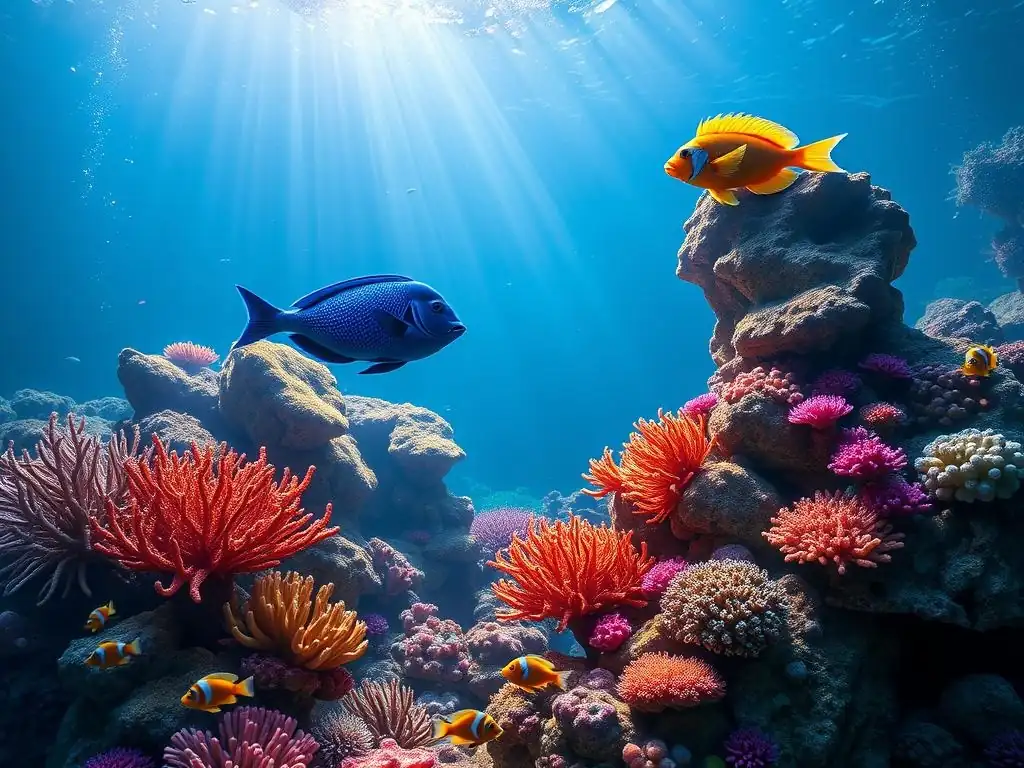
Welcome to Aquarium Mastery, your ultimate guide to thriving aquatic ecosystems!
Ever wondered about the secrets behind creating truly sustainable aquarium environments? This week, we delve into the captivating world of responsible fish breeding techniques, exploring how to champion ethical and sustainable practices, particularly within your saltwater aquarium. Discover the delicate balance, the innovative methods, and the vital role you play in ensuring a vibrant future for our finned friends. Ready to unlock the secrets? Dive in and let's explore!
- Understanding the Ethical Landscape of Fish Breeding
- Key Ethical Principles for Sustainable Fish Breeding
- Implementing Responsible Fish Breeding Techniques: A Practical Guide
- Addressing Common Ethical Dilemmas in Fish Breeding
- The Future of Ethical and Sustainable Fish Breeding
-
Frequently Asked Questions
- How does responsible fish breeding benefit the aquarium hobby?
- What are some key considerations when choosing breeding pairs?
- What role does water chemistry play in successful fish breeding?
- How can breeders minimize the environmental impact of fish breeding?
- What are the ethical considerations regarding the sale of bred fish?
- Final Reflection: Cultivating a Future of Ethical Aquaculture
- Dive Deeper: Champion Responsible Fish Breeding Now!
Understanding the Ethical Landscape of Fish Breeding
Defining Ethical Considerations in Aquarium Fish Breeding
Ethical considerations in aquarium fish breeding extend beyond mere profitability or hobbyist satisfaction; they encompass a profound moral responsibility towards the welfare of the animals and the health of the environment. At its core, ethical breeding aims to minimize stress, pain, and suffering for fish throughout their life cycle, from larval stages to adult broodstock. This includes ensuring optimal living conditions, appropriate nutrition, and humane treatment, recognizing that fish are sentient beings capable of experiencing discomfort. The shift towards ethical breeding reflects a growing awareness within the aquarist community that advanced techniques, while powerful, must be wielded with conscience.
Furthermore, ethical considerations delve into the broader impact of breeding practices on the species itself and its natural habitat. This involves maintaining genetic diversity within captive populations to ensure long-term viability, avoiding the creation of fish with debilitating deformities, and reducing reliance on wild-caught specimens. For advanced saltwater fish breeding, where techniques can involve hormone induction or highly specialized larval rearing, the ethical stakes are particularly high, demanding meticulous attention to detail and a commitment to responsible stewardship.
The Growing Importance of Responsible Fish Breeding Techniques
The rising importance of responsible fish breeding techniques stems from a confluence of ecological pressures and evolving consumer awareness. Globally, the demand for ornamental fish continues to grow, yet many popular species are still primarily sourced from wild populations. This wild collection often involves destructive methods, such as cyanide fishing on coral reefs, leading to widespread habitat degradation and significant mortality rates for both target and non-target species. Estimates suggest that millions of marine ornamental fish are collected annually, putting immense pressure on fragile ecosystems.
Responsible fish breeding techniques offer a vital alternative, significantly reducing this pressure on wild stocks. By producing robust, captive-bred fish, breeders can meet market demand without depleting natural resources or damaging delicate marine environments. This approach also contributes to the development of hardier, disease-resistant strains that are better adapted to aquarium life, leading to improved longevity and reduced stress for the fish once they reach the hobbyist's tank. Consumers are increasingly seeking out ethically sourced animals, making responsible breeding not just a moral imperative but also a market advantage.
Addressing the Environmental Impact of Fish Collection
The environmental impact of wild fish collection for the aquarium trade is substantial and multifaceted. Destructive practices, particularly prevalent in some parts of Southeast Asia, involve the use of cyanide or other poisons to stun fish, making them easier to catch. This process not only directly harms the target fish but also kills vast swaths of coral and other marine invertebrates, leading to long-term ecosystem damage. Beyond chemical methods, indiscriminate netting can result in significant bycatch, where non-target species are caught and often die, further depleting marine biodiversity.
Responsible fish breeding techniques directly combat these destructive practices by providing a sustainable alternative. For popular marine species like clownfish ( Amphiprion ocellaris) or certain gobies ( Gobiodon species), captive breeding has dramatically reduced the need for wild collection, offering a more environmentally sound supply chain. This shift also reduces the carbon footprint associated with long-distance transport of wild-caught specimens and supports localized aquaculture efforts, which, when properly managed, can contribute to local economies without exploiting natural resources.
Key Ethical Principles for Sustainable Fish Breeding
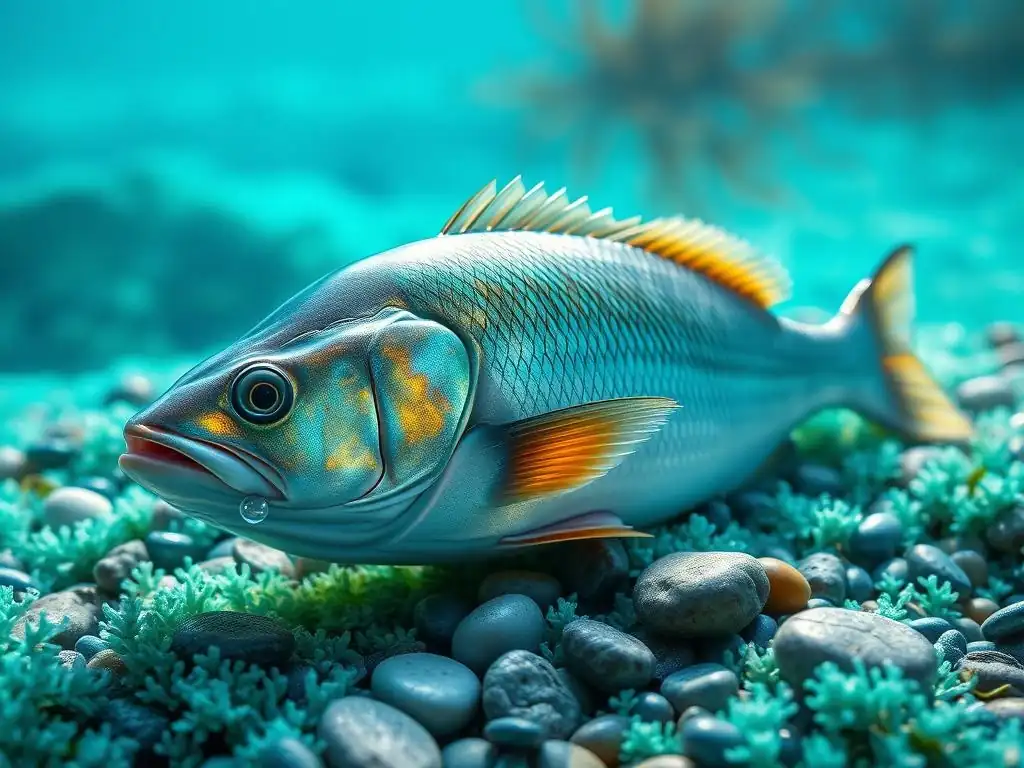
Prioritizing Fish Welfare: A Core Ethical Responsibility
Minimizing Stress During Breeding and Larval Rearing
Minimizing stress is a paramount ethical responsibility in advanced fish breeding, as chronic stress can severely impact fish health, reproductive success, and overall well-being. During the breeding phase, stressors can include inappropriate tank size, aggressive pairing behaviors, poor water quality, or excessive handling. For instance, a pair of marine angelfish ( Centropyge species) forced into a tank too small for their territorial needs will likely experience elevated cortisol levels, leading to suppressed immune function and reduced spawning frequency.
In the delicate larval rearing stages, stress can be even more detrimental. Factors such as improper water flow, inadequate food density, or sudden environmental shifts can lead to mass mortalities. Ethical breeders employ specialized systems designed to reduce turbulence, provide consistent, high-quality live feeds like enriched rotifers ( Brachionus plicatilis), and maintain stable parameters. Gentle handling techniques, dim lighting during spawning events, and gradual acclimation processes are all integral components of responsible fish breeding techniques aimed at ensuring the lowest possible stress levels for both broodstock and fry.
Ensuring Proper Nutrition and Environmental Conditions
Proper nutrition and optimal environmental conditions are foundational to fish welfare and successful, ethical breeding outcomes. Broodstock fish require a varied, high-quality diet rich in essential fatty acids (e.g., HUFA), vitamins, and proteins to produce viable eggs and sperm. For example, feeding marine clownfish a diverse diet of enriched frozen foods, high-quality pellets, and live brine shrimp can significantly improve egg quality and hatch rates. Inadequate nutrition can lead to poor egg viability, developmental deformities in fry, and compromised health for the parent fish.
Equally critical are the environmental parameters within the breeding and rearing tanks. Maintaining stable water quality, including salinity (typically 1.023-1.026 specific gravity for marine fish), temperature (around 75-80°F), pH (8.0-8.4), and dissolved oxygen levels, is non-negotiable. Fluctuations in these parameters can cause physiological stress, impair reproductive function, and drastically reduce the survival rates of delicate marine larvae. Ethical breeders invest in precise monitoring equipment and rigorous maintenance schedules to ensure these conditions are consistently met, providing the ideal foundation for healthy development.
Promoting Genetic Diversity in Captive-Bred Fish Populations
Avoiding Inbreeding and Genetic Bottlenecks
Promoting genetic diversity is a cornerstone of responsible fish breeding techniques, crucial for the long-term health and viability of captive populations. Inbreeding, which occurs when closely related individuals are bred, can lead to inbreeding depression, manifesting as reduced fertility, smaller clutch sizes, increased susceptibility to disease, and a higher incidence of physical deformities. For example, repeated breeding of siblings over several generations of marine seahorses ( Hippocampus erectus) can result in offspring with compromised immune systems and reduced growth rates, making them less robust.
To counteract this, ethical breeders implement strategies to avoid genetic bottlenecks, which occur when a population is founded by too few individuals, limiting its genetic variability from the outset. This involves acquiring new bloodlines regularly from different, unrelated sources, maintaining multiple breeding pairs, and meticulously tracking parentage. By diversifying the gene pool, breeders ensure the resilience and adaptability of their captive-bred fish, safeguarding against genetic weaknesses that could undermine the species' future.
Maintaining Accurate Pedigree Records
Maintaining accurate pedigree records is an indispensable practice for promoting genetic diversity and ensuring responsible fish breeding techniques. Detailed records allow breeders to track the lineage of individual fish, identifying parents, siblings, and offspring. This information is vital for making informed pairing decisions, preventing accidental inbreeding, and ensuring that new breeding pairs are genetically distinct from existing stock. For instance, a sophisticated breeding program for Banggai Cardinalfish ( Pterapogon kauderni) would meticulously log the unique identification of each parent, the date of spawning, the number of fry produced, and any observed traits or health issues.
Beyond preventing inbreeding, comprehensive pedigree records also enable breeders to understand the inheritance of specific traits, such as color morphs, disease resistance, or growth rates. This data can be invaluable for selective breeding aimed at improving desirable characteristics while avoiding undesirable ones. Such meticulous documentation contributes to the collective knowledge base of the aquarist community, allowing for more effective and ethical management of captive fish populations across various species.
Reducing Reliance on Wild-Caught Fish through Sustainable Breeding
The Role of Captive Breeding in Conservation Efforts
Captive breeding plays a pivotal role in conservation efforts by significantly reducing the demand for wild-caught fish, thereby alleviating pressure on natural populations and their ecosystems. For many popular marine aquarium species, such as the Ocellaris Clownfish ( Amphiprion ocellaris) or the Orchid Dottyback ( Pseudochromis fridmani), successful captive breeding programs have largely eliminated the need for wild collection. This shift directly translates into fewer fish being removed from reefs and less damage inflicted by collection methods.
Moreover, in some cases, captive breeding can serve as a crucial genetic reservoir for endangered or threatened species, providing a safety net against extinction in the wild. While reintroduction programs are less common for ornamental marine fish, the ability to maintain viable populations in controlled environments allows for scientific study, genetic preservation, and the potential for future conservation initiatives. The successful propagation of species like the Banggai Cardinalfish in captivity, despite their vulnerable wild status, exemplifies the power of responsible fish breeding techniques in conservation.
Supporting Responsible Aquaculture Practices
Supporting responsible aquaculture practices is integral to reducing reliance on wild-caught fish and promoting overall sustainability within the aquarium industry. Responsible aquaculture encompasses methods that minimize environmental impact, ensure high standards of animal welfare, and operate in a socially equitable manner. This contrasts sharply with some large-scale aquaculture operations that can contribute to pollution, habitat destruction, or the spread of disease to wild fish populations.
Hobbyists and commercial breeders can contribute by sourcing their fish from facilities that adhere to rigorous ethical and environmental guidelines. While formal certifications like the Aquaculture Stewardship Council (ASC) are more common for food fish, the principles of responsible practice – such as closed-loop systems to prevent waste discharge, disease management protocols that avoid antibiotics, and humane handling – are equally applicable to ornamental fish breeding. By prioritizing and advocating for these responsible fish breeding techniques, the entire industry can move towards a more sustainable future.
Implementing Responsible Fish Breeding Techniques: A Practical Guide
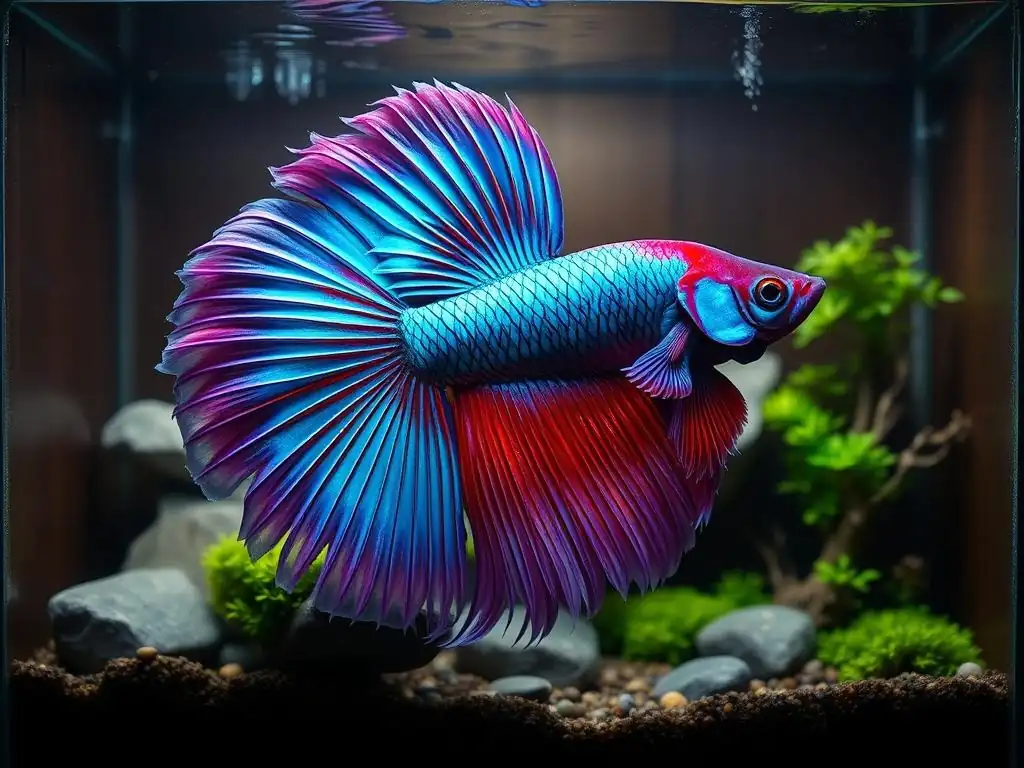
Selecting Breeding Stock Ethically
Choosing Healthy and Genetically Diverse Individuals
Ethical selection of breeding stock is the foundational step in responsible fish breeding techniques. It begins with choosing individuals that are not only healthy and robust but also genetically diverse. Healthy fish exhibit vibrant coloration, active swimming behaviors, clear eyes, intact fins, and are free from visible signs of disease or parasites. A thorough quarantine period (typically 4-6 weeks) for new arrivals is essential to observe their health and ensure they do not introduce pathogens into the breeding facility.
Beyond health, prioritizing genetic diversity is crucial to prevent inbreeding depression and maintain the long-term vitality of the captive population. This means avoiding breeding siblings or parent-offspring pairs. Ideally, breeders should acquire individuals from different, unrelated sources or lineages to broaden the gene pool. For example, when establishing a breeding colony of marine clownfish, sourcing a pair from one breeder and another pair from an entirely different lineage ensures a wider genetic base for future generations, leading to hardier offspring.
Avoiding the Use of Endangered or Threatened Species
A critical ethical imperative in advanced fish breeding is to strictly avoid the use of endangered or threatened species for commercial or hobbyist purposes, unless explicitly part of a recognized, non-commercial conservation program. Exploiting vulnerable wild populations for profit exacerbates their decline and undermines global conservation efforts. International agreements like the Convention on International Trade in Endangered Species of Wild Fauna and Flora (CITES) list species whose trade is regulated or prohibited, providing a clear guideline.
Instead, ethical breeders should focus on species that are already well-established in captive breeding programs or those with robust wild populations that are not under threat. If a breeder is interested in a rare species, their efforts should be strictly aligned with scientific research or accredited public aquarium conservation initiatives, with no intent for commercial gain. Responsible fish breeding techniques prioritize the long-term survival of species over short-term market trends or personal challenges.
Optimizing Breeding Environments for Fish Welfare
Designing Tanks to Mimic Natural Habitats
Optimizing breeding environments by designing tanks that closely mimic natural habitats is paramount for fish welfare and successful spawning. A naturalistic setup reduces stress, encourages natural behaviors, and provides the necessary physical cues for spawning. For instance, many marine gobies and blennies require specific substrate types or rockwork with crevices for egg deposition and shelter, while clownfish require a suitable host anemone or a surrogate like a terracotta pot for egg laying.
Beyond physical structures, factors like appropriate water flow, lighting cycles that simulate natural day/night rhythms, and the presence of suitable tank mates (if applicable for the species) contribute to a comfortable and conducive breeding environment. For example, mimicking the gentle currents of a coral reef can encourage spawning in open-water spawners, while providing ample hiding spots reduces aggression among pair-bonded fish. These thoughtful design choices are integral to responsible fish breeding techniques.
Maintaining Optimal Water Quality and Parameters
Maintaining optimal water quality and parameters is non-negotiable for successful and ethical fish breeding. Even slight deviations can stress broodstock, reduce egg viability, and dramatically increase larval mortality. For marine species, consistent salinity (e.025 specific gravity), stable temperature (e.g., 78°F), and appropriate pH (e.g., 8.2) are crucial. Elevated ammonia, nitrite, or nitrate levels are toxic and must be kept at undetectable or very low concentrations through robust filtration and regular water changes.
Ethical breeders employ a rigorous regimen of water testing, using reliable kits to monitor key parameters daily or weekly. They implement effective biological, mechanical, and chemical filtration, coupled with consistent partial water changes (e.g., 10-20% weekly, or more frequently for high-density systems), to maintain pristine conditions. Proper aeration and gas exchange are also critical to ensure high dissolved oxygen levels, which are vital for both adult fish health and the delicate development of eggs and larvae.
Ethical Considerations in Larval Rearing and Fry Care
Providing Appropriate Food and Nutrition for Larval Development
Providing appropriate food and nutrition is one of the most critical and challenging aspects of ethical larval rearing, especially for marine fish. Many marine fish larvae are extremely small upon hatching and possess tiny mouthparts, requiring live, microscopic food sources that match their gape size and nutritional needs. Rotifers ( Brachionus plicatilis) are a common first food for many species, followed by copepod nauplii as the fry grow.
Crucially, these live foods must be nutritionally enriched with highly unsaturated fatty acids (HUFA) and vitamins (e.g., through phytoplankton like Nannochloropsis or commercial enrichment products) to provide complete nutrition for the rapidly developing fry. Insufficient or inappropriate nutrition during early life stages can lead to widespread mortality, stunted growth, and developmental deformities. Responsible fish breeding techniques prioritize continuous, high-quality live food production to ensure every larva has the best chance of survival and healthy development.
Minimizing Mortality Rates in Early Life Stages
Minimizing mortality rates in the early life stages of fish is a primary ethical goal in advanced breeding. While some mortality is natural, high rates (e.g., over 90% for many marine species in novice hands) often indicate suboptimal conditions or inadequate care. Ethical breeders strive to achieve significantly higher survival rates through meticulous attention to detail and continuous refinement of their methods.
Strategies for minimizing mortality include maintaining ultra-stable water parameters, ensuring impeccable water quality (often through daily water changes in larval systems), providing consistent food density, and implementing appropriate light cycles. Gentle aeration or specialized kreisel tanks are used to prevent delicate larvae from being injured by turbulence. Proactive disease prevention, such as UV sterilization of incoming water and live food cultures, also plays a crucial role. By systematically addressing every potential stressor and nutritional requirement, responsible fish breeding techniques aim to nurture as many fry as possible to healthy adulthood.
Responsible Culling Practices: When and How
Humane Euthanasia Methods for Unhealthy or Deformed Fish
Responsible culling, though a difficult decision, is sometimes a necessary ethical practice to prevent prolonged suffering in fish that are severely unhealthy, irreversibly deformed, or experiencing chronic pain. This decision should never be taken lightly but rather as a last resort when a fish's quality of life is irredeemably compromised. For instance, a fry born with a severely twisted spine that prevents it from swimming or feeding properly would be a candidate for humane euthanasia.
The method of euthanasia must be quick, painless, and effective. Chemical methods, such as immersion in a lethal dose of an anesthetic like MS-222 (tricaine methanesulfonate) followed by pithing or prolonged immersion, are considered humane for larger fish. For very small fry, rapid blunt force trauma to the head, ensuring immediate destruction of the brain, is an effective and humane method. Methods that cause prolonged suffering, such as flushing down a drain or freezing, are strictly unethical and unacceptable.
The Importance of Transparency and Justification
Transparency and justification are vital ethical components of any culling practices within a breeding program. Ethical breeders should be open about their protocols and rationale for culling, demonstrating that decisions are made solely based on animal welfare and to prevent suffering, not for convenience or commercial gain. This transparency builds trust within the aquarist community and fosters a higher standard of care.
Documentation is also important: maintaining records of culling events, including the date, the number of fish, the reasons for euthanasia, and the method used. This detailed record-keeping allows breeders to review their practices, identify potential genetic issues contributing to deformities, and continually refine their responsible fish breeding techniques to minimize the need for culling in the future. It underscores a commitment to responsible stewardship rather than evasiveness.
Addressing Common Ethical Dilemmas in Fish Breeding
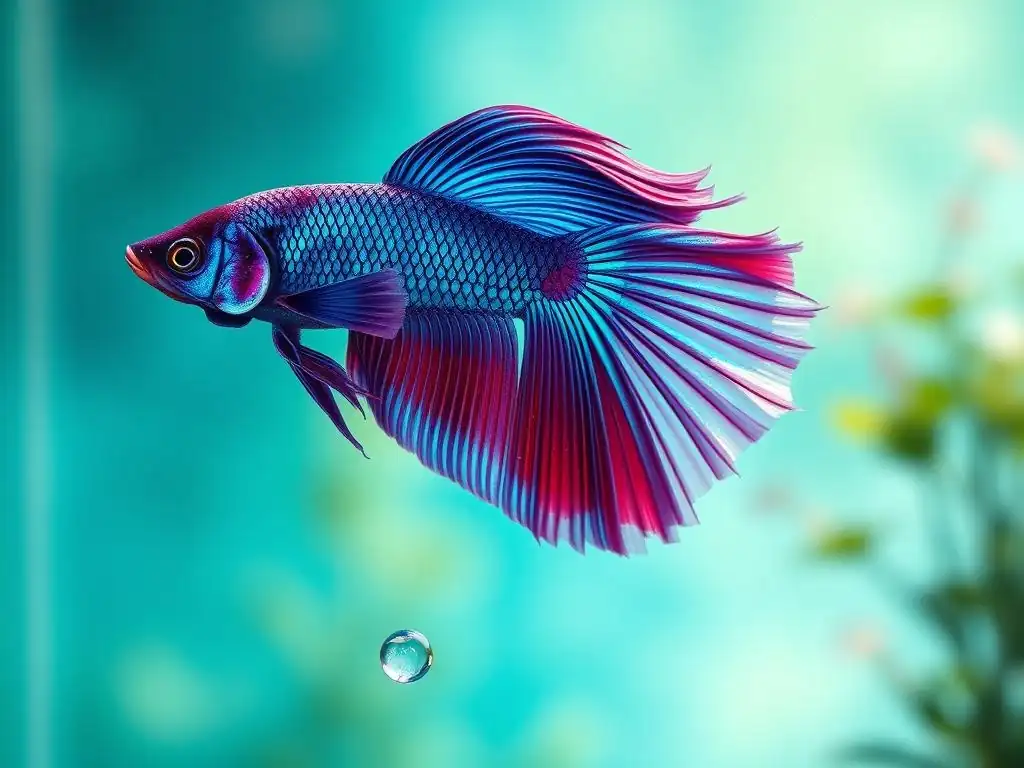
The Ethics of Hybridization in Fish Breeding
Balancing Novelty with Genetic Integrity
The ethics of hybridization in fish breeding involve a delicate balance between the desire for novelty and the imperative to maintain genetic integrity. Hybridization, the cross-breeding of two different species, can produce visually striking and unique fish (e.g., certain "designer" clownfish hybrids). However, this practice raises ethical concerns about the potential for creating fish with compromised health, reduced fertility, or severe deformities that diminish their quality of life. For instance, some hybrids may grow too large for common aquarium sizes, or exhibit aggressive behaviors not typical of either parent species.
Ethical considerations dictate that if hybridization is pursued, it should be done with full transparency regarding the hybrid nature of the fish. More importantly, breeders must ensure that the resulting hybrids do not suffer from welfare issues and that their creation does not contribute to the dilution of pure species' genetic lines, especially for species that are rare or endangered in the wild. The focus should always be on the well-being of the fish, not solely on aesthetic appeal or market demand.
Potential Risks and Benefits of Hybridization
The potential risks of hybridization in fish breeding often outweigh the benefits from an ethical standpoint. Risks include reduced fertility or complete sterility in hybrid offspring, leading to dead-end lineages. There's also the potential for genetic pollution if hybrids accidentally escape into natural waterways and interbreed with wild populations, diluting the native gene pool. Furthermore, hybrids can sometimes exhibit poor health, increased susceptibility to disease, or behavioral issues due to genetic incompatibility. For example, some hybrid cichlids are known to have compromised mouthparts or digestive systems.
While limited benefits might include increased vigor (hybrid vigor) in specific, controlled circumstances or the creation of novel traits for the hobby, these are generally outweighed by the ethical considerations. Responsible fish breeding techniques prioritize the health, longevity, and genetic purity of species. Therefore, deliberate hybridization should be approached with extreme caution, if at all, and only under conditions where animal welfare and ecological integrity are guaranteed.
The Role of Education in Promoting Ethical Fish Breeding Practices
Educating Hobbyists and Breeders on Best Practices
Education is a cornerstone in promoting ethical fish breeding practices throughout the entire aquarist community. Many unethical or suboptimal practices stem from a lack of knowledge rather than malicious intent. Providing accessible, comprehensive information on proper water chemistry, species-specific nutritional requirements, genetic management, and humane handling techniques empowers both novice and experienced breeders to make more responsible decisions. For example, clear guidelines on preventing inbreeding or identifying early signs of disease can significantly improve outcomes.
Aquarium Mastery, through its detailed articles and guides, serves as a vital resource for disseminating this knowledge. Workshops, online forums, reputable books, and mentorship programs also play crucial roles in fostering a well-informed community. By continuously educating hobbyists and commercial operations on the latest responsible fish breeding techniques, the industry can collectively elevate its standards of animal welfare and environmental stewardship.
Promoting Responsible Fish Ownership
Promoting responsible fish ownership is an extension of ethical breeding, ensuring that the journey of a captive-bred fish continues to be one of welfare and care beyond the breeding facility. Education here focuses on the long-term commitment involved in keeping aquarium fish, including understanding species-specific needs, providing appropriate tank sizes, maintaining water quality, and recognizing signs of illness. For example, informing a new marine fish owner about the adult size of a Yellow Tang ( Zebrasoma flavescens) helps prevent it from being kept in an undersized tank.
Furthermore, responsible ownership includes emphasizing the importance of not releasing unwanted fish into the wild, which can lead to invasive species issues and ecological damage. By encouraging consumers to choose captive-bred fish from reputable sources and to ask questions about a breeder's practices, education empowers the demand side of the market to drive ethical standards. This holistic approach ensures that responsible fish breeding techniques are supported by responsible fish keeping.
The Future of Ethical and Sustainable Fish Breeding
Technological Advancements and Ethical Implications
Genetic Engineering and CRISPR Technology
Technological advancements, particularly in genetic engineering and CRISPR technology, hold both immense promise and significant ethical implications for the future of fish breeding. CRISPR (Clustered Regularly Interspaced Short Palindromic Repeats) allows for precise gene editing, potentially enabling breeders to enhance disease resistance, improve growth rates, or even produce sterile fish to prevent invasive spread. For instance, gene editing could theoretically make certain marine species more resilient to common aquarium diseases like marine ich ( Cryptocaryon irritans).
However, these capabilities raise profound ethical questions. The creation of "designer" fish with exaggerated features could compromise their welfare. Unforeseen ecological impacts could arise if genetically modified fish were to escape into natural environments. The very definition of a "natural" fish comes into question. Ethical guidelines, stringent regulatory oversight, and public discourse will be crucial to navigate these complex issues, ensuring that responsible fish breeding techniques harness technology for good, not for unintended harm.
Automated Monitoring and Welfare Systems
The integration of automated monitoring and welfare systems represents a significant advancement for ethical and sustainable fish breeding. Sensors can now provide continuous, real-time data on critical water parameters such as pH, salinity, temperature, and dissolved oxygen, allowing breeders to instantly detect and correct deviations before they impact fish health. Automated feeding systems can deliver precise amounts of food at regular intervals, ensuring optimal nutrition and minimizing waste.
Beyond environmental parameters, advanced camera systems and AI-driven analytics can monitor fish behavior, identifying signs of stress, aggression, or illness earlier than human observation alone. While these technologies offer tremendous benefits in terms of consistency, efficiency, and improved welfare, they also present ethical considerations. Over-reliance on automation should not replace direct human observation and expertise. The cost of such systems can also create a barrier for smaller, independent breeders, potentially leading to a disparity in welfare standards.
The Importance of Collaboration and Knowledge Sharing
Building a Community of Responsible Breeders
Building a robust community of responsible breeders is fundamental to advancing ethical and sustainable practices in aquaculture. Collaboration allows for the sharing of successful responsible fish breeding techniques, overcoming challenges, and accelerating progress in propagating difficult-to-breed species. Online forums, professional associations (e.g., the Marine Aquarium Societies of North America - MASNA), and local fish clubs provide platforms for breeders to exchange knowledge, offer mentorship, and collectively troubleshoot issues.
This collaborative spirit fosters a culture of continuous improvement, where best practices are disseminated quickly and widely. For example, a breakthrough in larval feeding for a specific marine angelfish species by one breeder can rapidly benefit others struggling with similar challenges. By pooling resources and expertise, the community can collectively raise the bar for animal welfare and environmental stewardship, moving towards a more ethical future for the entire industry.
Establishing Industry Standards and Certifications
Establishing clear industry standards and certifications is a crucial step towards formalizing and promoting responsible fish breeding techniques. Such standards would provide a benchmark for ethical practices, encompassing animal welfare (e.g., tank size, nutrition, humane handling), environmental impact (e.g., waste management, energy consumption), and genetic management (e.g., avoiding inbreeding). Certifications, issued by independent bodies, would allow consumers to easily identify and support breeders who adhere to these high standards.
While challenges exist in developing universally accepted criteria and ensuring independent auditing, the benefits are substantial. Certifications can incentivize compliance, differentiate ethical businesses in the market, and provide transparency to consumers who are increasingly concerned about the origin and welfare of their aquarium inhabitants. This formal recognition would significantly elevate the overall ethical landscape of the ornamental fish trade.
Promoting Consumer Awareness and Ethical Purchasing
Choosing Captive-Bred Fish from Reputable Sources
Promoting consumer awareness and ethical purchasing is perhaps the most powerful lever for driving the adoption of responsible fish breeding techniques. Educated consumers understand the profound benefits of choosing captive-bred fish over wild-caught specimens: reduced environmental impact, often hardier and healthier fish better adapted to aquarium life, and known origins. Empowering consumers means teaching them how to identify reputable sources.
A reputable source will be transparent about their breeding practices, maintain clean and well-kept facilities, provide knowledgeable staff who can answer questions about the fish's origin and care, and offer healthy, active specimens. Consumers should be encouraged to ask specific questions: "Are these fish captive-bred? ", "What are your breeding practices regarding welfare and sustainability? ", and "Can you tell me about the lineage of this fish?". This informed demand directly supports ethical breeders.
Supporting Businesses Committed to Sustainability
Beyond just the fish themselves, consumers can promote sustainability by supporting businesses that demonstrate a broader commitment to ethical and environmentally sound practices. This extends to purchasing aquarium equipment, food, and other supplies from companies that prioritize sustainable manufacturing processes, responsible sourcing of ingredients, and minimizing their environmental footprint. For example, choosing fish foods from companies that use sustainably harvested ingredients or opting for energy-efficient aquarium equipment.
Every purchasing decision is a vote. By consciously directing their financial support towards businesses that uphold high ethical standards and actively engage in responsible fish breeding techniques, consumers contribute to a powerful market shift. This collective action incentivizes more companies to adopt sustainable practices, ultimately fostering an industry that prioritizes animal welfare, environmental protection, and long-term viability.
Frequently Asked Questions
How does responsible fish breeding benefit the aquarium hobby?
Responsible fish breeding ensures the health and genetic diversity of aquarium fish, reducing reliance on wild-caught specimens. This contributes to a more sustainable and ethical hobby.
What are some key considerations when choosing breeding pairs?
Selecting healthy and genetically diverse breeding pairs is crucial. Avoid inbreeding and prioritize fish with desirable traits while ensuring the well-being of the parents.
What role does water chemistry play in successful fish breeding?
Maintaining stable and optimal water parameters is essential for spawning and fry development. Different species have specific requirements, so research is vital for successful breeding.
How can breeders minimize the environmental impact of fish breeding?
By using sustainable practices like efficient water usage and responsible disposal of waste, breeders can minimize their environmental footprint. Supporting local breeders also reduces the carbon footprint of transport.
What are the ethical considerations regarding the sale of bred fish?
Breeders should prioritize the well-being of the fish over profit. Providing accurate information about the fish's needs to potential buyers and ensuring they are capable of providing proper care is crucial.
Final Reflection: Cultivating a Future of Ethical Aquaculture
The principles outlined in this article, advocating for responsible fish breeding techniques, are not merely academic exercises; they are crucial imperatives in a world increasingly reliant on aquaculture. As wild fish populations dwindle and the demand for protein surges, the ethical considerations surrounding fish breeding become paramount, demanding a shift from exploitative practices to a model of sustainability and respect for aquatic life.
The impact of our choices in fish breeding resonates far beyond the confines of research labs and fish farms. It shapes the health of our ecosystems, the livelihoods of communities dependent on fishing, and ultimately, the food security of future generations. The responsibility we bear is immense, and it requires a conscious commitment to ethical practices. The ultimate test of our morality is how we treat those who are at our mercy.
- Albert Schweitzer. This quote serves as a constant reminder of our duty to ensure the well-being of the fish under our care.
Now, as you close this article, consider the role you can play in championing responsible fish breeding. Whether you are a consumer, a researcher, a policymaker, or simply an individual concerned about the future of our planet, your actions matter. Let us all strive to support and promote practices that prioritize sustainability, animal welfare, and the long-term health of our aquatic ecosystems. The future of aquaculture, and indeed, the health of our planet, depends on it.
Dive Deeper: Champion Responsible Fish Breeding Now!
Thank you for exploring the nuances of ethical fish breeding. We hope you've gained a deeper understanding of the responsibility we have towards these amazing creatures. Now, let's put that knowledge into action.
Here's how you can make a difference:
- Prioritize ethical breeding by committing to purchase fish only from breeders who openly share their practices and prioritize fish welfare.
- Share this article with fellow aquarium enthusiasts to spark a conversation about responsible fish keeping and breeding.
- Consider adopting, rather than buying, your next fish to help reduce demand from unsustainable or unethical breeding programs.
What small change will you implement today to champion responsible and sustainable fish breeding?