
Filtration for Anabantoids: Balancing Oxygen and Gentle Flow

Welcome to Aquarium Mastery!
Ever wondered how to create the perfect aquatic haven for your Anabantoids? Dive in and discover the crucial balance between oxygen and gentle flow in our comprehensive guide to Anabantoid aquarium filtration needs. Unlock the secrets to a thriving Anabantoid tank, and get ready to explore the fascinating world of freshwater fish care!
- Understanding Anabantoid Aquarium Filtration Needs
- The Delicate Balance: Oxygenation vs. Gentle Flow for Anabantoids
- Choosing the Right Filter for Your Anabantoid Aquarium
- Optimizing Filtration for Specific Anabantoid Species
- Maintaining Your Anabantoid Aquarium Filter
- Common Filtration Problems in Anabantoid Aquariums and Their Solutions
- Additional Filtration Methods for Anabantoid Tanks
- Setting Up Your Anabantoid Aquarium Filtration System: A Step-by-Step Guide
- Conclusion: Achieving Optimal Filtration for Thriving Anabantoids
-
Frequently Asked Questions
- What are Anabantoids and why are their filtration needs unique?
- Why is gentle water flow important for Anabantoids?
- What type of filter is generally recommended for an Anabantoid aquarium?
- How often should I perform water changes in an Anabantoid tank, even with filtration?
- How does the labyrinth organ affect the oxygen requirements in an Anabantoid tank?
- Final Reflection: The Breath of Life in Anabantoid Aquariums
- Nurture Your Anabantoids: Cultivate Thriving Waters!
Understanding Anabantoid Aquarium Filtration Needs
Why Filtration is Crucial for Anabantoid Health
Effective filtration is paramount for maintaining a healthy and stable environment for Anabantoids, despite their unique respiratory adaptations. Like all fish, these species produce waste products such as ammonia through their gills and decomposition of uneaten food and organic matter.
Without proper filtration, these toxic compounds accumulate rapidly, leading to poor water quality, compromised immune systems, and ultimately, severe health issues or even death. A robust filtration system ensures the continuous removal of harmful substances, preventing the buildup of ammonia, nitrite, and nitrate, which are critical for preventing ammonia burns, fin rot, and other stress-related diseases common in captive fish.
Furthermore, a well-designed filtration system contributes to the overall biological stability of the Anabantoid aquarium. It fosters the growth of beneficial nitrifying bacteria, which convert toxic ammonia into less harmful nitrite, and then into even less harmful nitrate. This biological filtration is the cornerstone of a balanced aquatic ecosystem, minimizing the need for frequent, large water changes solely to combat waste accumulation. While Anabantoids can tolerate slightly lower oxygen levels due to their labyrinth organ, clean, well-filtered water with stable parameters significantly reduces their stress, enhances their vibrant coloration, and promotes natural behaviors like bubble nesting and courtship displays.
The Labyrinth Organ and Its Impact on Filtration
The presence of the labyrinth organ, a specialized respiratory accessory that allows Anabantoids to breathe atmospheric oxygen, profoundly influences their specific Anabantoid aquarium filtration needs. Unlike most fish that rely solely on gill respiration, species such as Bettas, Gouramis, and Paradise Fish can survive in low-oxygen environments by gulping air from the surface.
This unique adaptation means they are not as dependent on high dissolved oxygen levels in the water, which are typically achieved through strong surface agitation from powerful filters. However, this does not negate the necessity of filtration; rather, it shifts the focus from aggressive oxygenation to maintaining pristine water chemistry without excessive current.
The labyrinth organ's function implies that while strong water flow for oxygenation isn't a primary concern, excessive water movement can actually be detrimental. Anabantoids, especially species with long, flowing fins like many Betta varieties, are poor swimmers compared to faster-moving fish.
Strong currents can exhaust them, damage their delicate fins, and prevent them from easily reaching the surface to breathe, leading to chronic stress and susceptibility to disease. Therefore, the challenge in Anabantoid aquarium filtration needs is to achieve excellent mechanical and biological filtration for water purity while ensuring a gentle flow that accommodates their swimming abilities and allows easy access to the water surface for atmospheric breathing.
The Delicate Balance: Oxygenation vs. Gentle Flow for Anabantoids
Surface Agitation: Finding the Right Level
Achieving the correct level of surface agitation is crucial for Anabantoid aquarium filtration needs, as it directly impacts oxygen exchange without overwhelming these delicate fish. While Anabantoids breathe atmospheric air, some dissolved oxygen in the water is still beneficial for their overall health and for the beneficial bacteria in the filter media. A minimal ripple on the surface is generally sufficient to facilitate gas exchange and prevent the formation of an oily film, known as "biofilm," which can hinder their ability to gulp air. Excessive agitation, however, creates strong currents that can be highly stressful.
For instance, a gentle flow from a sponge filter's air stone or a baffled hang-on-back (HOB) filter is often ideal. This creates subtle movement without generating turbulent conditions. In an average 10-gallon Anabantoid tank, a flow rate equivalent to turning over the tank volume 2-3 times per hour is usually sufficient, provided the flow is dispersed.
This contrasts sharply with the 5-10 times per hour turnover often recommended for high-oxygen demand species. Observing your Anabantoids' behavior is key: if they are constantly battling the current, hiding, or struggling to reach the surface, the flow is likely too strong and needs to be reduced or redirected.
Avoiding Strong Currents: Protecting Anabantoid Stress Levels
Protecting Anabantoid stress levels by avoiding strong currents is a cornerstone of effective Anabantoid aquarium filtration needs. Many Anabantoid species, particularly Bettas, Honey Gouramis, and Dwarf Gouramis, are native to slow-moving or stagnant waters such as rice paddies, shallow ponds, and densely vegetated ditches. Their body shapes and fin structures are adapted for navigating these calm environments, not for fighting powerful flows. Exposing them to constant strong currents forces them to expend excessive energy simply to maintain their position, leading to chronic fatigue, suppressed immune systems, and increased susceptibility to common fish diseases like Ich or bacterial infections.
Consider a Betta splendens with its long, flowing fins; a strong current can shred these delicate structures, leading to fin rot and secondary infections. Similarly, a Pearl Gourami, while larger, still prefers a placid environment for its intricate courtship displays and bubble nest building. When setting up filtration, aim for a gentle, diffuse flow.
This can be achieved by pointing filter outputs towards the tank wall, using spray bars, or employing pre-filters that reduce the direct thrust of water. The goal is to provide clean water without creating a "washing machine" effect, ensuring the fish can swim effortlessly, explore their surroundings, and access the surface for air without exertion.
Choosing the Right Filter for Your Anabantoid Aquarium
Sponge Filters: A Gentle and Effective Option
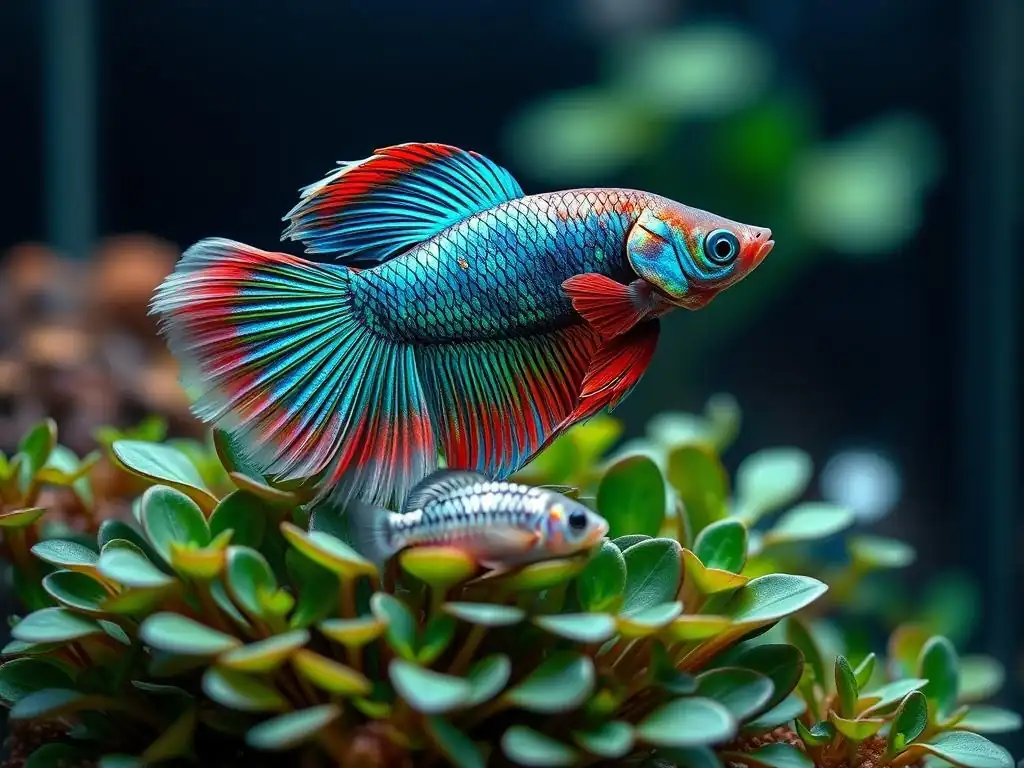
Sponge filters are arguably the most recommended and effective option for addressing Anabantoid aquarium filtration needs due to their inherently gentle flow and excellent biological filtration capabilities. These filters operate by drawing water through a porous sponge via an air pump, trapping particulate matter (mechanical filtration) and providing an extensive surface area for beneficial nitrifying bacteria to colonize (biological filtration). The air bubbles rising from the lift tube create minimal water movement, making them ideal for species like Bettas, Sparking Gouramis, and Dwarf Gouramis that are easily stressed by strong currents.
For a typical 5-10 gallon Betta tank, a small to medium-sized sponge filter (e.g., rated for up to 20 gallons) connected to a quiet air pump is often sufficient. The cost is generally low, ranging from $5-$15 for the filter itself, plus the air pump and airline tubing.
Maintenance involves periodically squeezing the sponge in old tank water during a water change to remove accumulated detritus, typically every 2-4 weeks, to preserve the bacterial colony. This simplicity, combined with their effectiveness in maintaining stable water parameters and providing a stress-free environment, makes sponge filters a top choice for dedicated Anabantoid setups, particularly for breeding tanks or fry grow-out systems where even the slightest current can be detrimental.
Internal Filters: Considerations for Anabantoid Tanks
Internal filters can be a viable option for Anabantoid aquarium filtration needs, provided careful consideration is given to their flow rate and output design. These filters are submerged within the tank and typically combine mechanical, biological, and sometimes chemical filtration. While many models offer adjustable flow rates, even the lowest setting on some internal filters can still be too powerful for sensitive Anabantoids. For example, a filter rated for 100 gallons per hour (GPH) on a 10-gallon tank creates a turnover of 10 times per hour, which is often excessive.
To mitigate strong currents, look for internal filters specifically designed for low-flow environments or those that come with spray bars or diffusers. A spray bar, for instance, distributes the filtered water across a wider area, effectively reducing the direct thrust of the current.
Alternatively, a simple DIY solution involves placing a pre-filter sponge over the output nozzle to further diffuse the flow. When selecting an internal filter for an Anabantoid tank, prioritize models with adjustable flow control that can be set to a very gentle output, ideally around 2-3 times the tank volume per hour, and ensure the intake is covered with a fine sponge to prevent small fish or fins from being sucked in.
Hang-on-Back (HOB) Filters: Adapting for Lower Flow
Hang-on-Back (HOB) filters are popular for their ease of use and effective multi-stage filtration, but they require adaptation to meet the specific Anabantoid aquarium filtration needs. HOB filters typically draw water from the tank, pass it through media cartridges (mechanical, chemical, biological), and then return it via a waterfall-style output. This waterfall can create significant surface agitation and current, which is often too strong for Anabantoids. For a 20-gallon tank, a standard HOB might have a flow rate of 100-150 GPH, which is roughly 5-7.5 times the tank volume, too high for Anabantoid comfort.
To adapt a HOB filter for Anabantoids, several modifications can be employed. A common technique is to baffle the output using a piece of filter sponge, a plastic bottle, or even a simple plastic divider placed under the waterfall to diffuse the flow. Another effective method is to extend the intake tube and place a pre-filter sponge over it; this not only protects delicate fins from being sucked in but also slightly reduces the overall flow rate.
Furthermore, choosing HOB models with adjustable flow control is paramount. Always select the lowest possible setting and observe your fish's reaction; if they are struggling, further baffling or a different filter type might be necessary to ensure their well-being.
Canister Filters: Modifying for Anabantoid Safety and Comfort
Canister filters offer superior filtration capacity and media customization, making them suitable for larger Anabantoid setups (e.g., 30 gallons and above), but they necessitate significant modification to ensure Anabantoid safety and comfort. These external filters typically provide very high flow rates, often exceeding 200-300 GPH for even smaller models, which is far too powerful for the gentle Anabantoids. For example, a 50-gallon tank with a 200 GPH canister filter would experience a 4x turnover, which, while seemingly moderate, can still translate to a strong directional current.
The primary modification for a canister filter in an Anabantoid tank is to drastically reduce and diffuse the outflow. This can be achieved by using a spray bar that runs along the back of the tank, pointed towards the glass or slightly upwards, to disperse the flow across a wide area. Some aquarists even opt for two spray bars, one on each side, to further distribute the current.
Additionally, the intake strainer should always be covered with a fine pre-filter sponge to prevent small fish, fry, or long fins from being drawn into the powerful suction. While canister filters offer excellent water clarity and biological stability, their high initial cost and the necessity for extensive flow modification mean they are generally considered overkill for smaller Anabantoid tanks (under 20 gallons) where a sponge or modified HOB filter is often more appropriate and less complex to manage.
Optimizing Filtration for Specific Anabantoid Species
Betta Filtration Requirements
Betta filtration requirements are perhaps the most stringent regarding gentle flow, primarily due to their long, flowing fins and preference for calm, stagnant waters. A strong current can quickly exhaust a Betta, damage its delicate fins, and prevent it from easily reaching the surface to breathe. Therefore, the ideal Anabantoid aquarium filtration needs for Bettas prioritize minimal water movement while maintaining pristine water quality. Sponge filters are overwhelmingly recommended for Betta tanks, especially those 5-10 gallons, as they provide excellent biological filtration with virtually no disruptive flow.
If using a small HOB filter, it is absolutely essential to baffle the output to diffuse the waterfall effect. A simple piece of filter sponge or plastic can be used to break the flow. For example, in a 5-gallon tank, a HOB filter rated at 20 GPH might still be too strong without baffling.
Maintaining stable water parameters (Ammonia 0 ppm, Nitrite 0 ppm, Nitrate <20 ppm) is crucial, achieved through regular small water changes (25% weekly) in conjunction with the gentle filtration. Over-filtration in terms of flow rate is more detrimental than slightly under-filtering, provided water changes are consistent.
Honey Gourami Filtration Requirements
Honey Gourami filtration requirements are similar to Bettas in their preference for gentle flow, though they are slightly more robust and less prone to fin damage from minor currents. These peaceful, smaller Gouramis (typically reaching 1.5-2 inches) thrive in planted tanks with calm water. Their Anabantoid aquarium filtration needs focus on maintaining excellent water quality without creating turbulent conditions that would stress them or interfere with their bubble nest building. A sponge filter is an ideal choice for a small group of Honey Gouramis in a 10-20 gallon tank, offering both biological filtration and gentle water movement.
Alternatively, a small internal filter with an adjustable flow rate, set to its lowest possible setting, can work well if paired with a spray bar or diffuser. HOB filters can also be used, but as with Bettas, baffling the output is highly recommended.
The goal is a turnover rate of approximately 2-3 times the tank volume per hour, ensuring that water is circulated and filtered without creating strong directional currents. Honey Gouramis are also sensitive to sudden parameter shifts, so consistent filtration and weekly water changes of 20-30% are vital to keep nitrate levels low and ensure their long-term health and vibrant coloration.
Paradise Fish Filtration Considerations
Paradise Fish filtration considerations involve balancing their slightly more active nature with their Anabantoid physiology and relatively robust build. While they are stronger swimmers than Bettas, they still prefer moderate to gentle currents, especially during breeding. Their Anabantoid aquarium filtration needs should aim for efficient waste removal without creating a powerful "river" effect. For a single Paradise Fish or a pair in a 20-30 gallon tank, a well-baffled HOB filter or a small canister filter with a spray bar is often suitable.
A filter with a flow rate of 3-4 times the tank volume per hour, properly diffused, typically works well. For example, a 20-gallon tank could use a HOB filter rated for 60-80 GPH, provided the output is baffled. Sponge filters are also an excellent, low-cost option, especially for breeding setups where even minor currents can disrupt bubble nests.
Regular maintenance, including cleaning filter media and performing weekly 25-30% water changes, is crucial to manage the bioload, as Paradise Fish can be somewhat messy eaters. Ensuring stable water parameters (Ammonia 0, Nitrite 0, Nitrate <20 ppm) is key to preventing stress and maintaining their health and striking colors.
Sparkling Gourami Filtration Needs
Sparkling Gourami filtration needs are very similar to those of Bettas and Honey Gouramis due to their small size (around 1.5 inches) and delicate nature. These charming, shy Anabantoids thrive in heavily planted tanks with extremely gentle water movement. Their Anabantoid aquarium filtration needs are best met by systems that provide excellent biological filtration without any significant current. Strong currents will stress them, make them reclusive, and can even prevent them from feeding comfortably.
For a group of Sparkling Gouramis in a 5-15 gallon tank, a small air-driven sponge filter is the undisputed best choice. It provides the necessary mechanical and biological filtration with almost no perceptible current. If a sponge filter is not preferred, a very small internal filter with an extremely adjustable flow rate, set to its absolute minimum and pointed towards a tank wall or baffled, could be considered.
However, the simplicity and safety of a sponge filter usually make it the superior option for these tiny fish. Regular small water changes (20-25% weekly) are also critical to keep the water pristine, as their small size means they are more susceptible to poor water quality.
Maintaining Your Anabantoid Aquarium Filter
Regular Filter Cleaning: Preserving Beneficial Bacteria
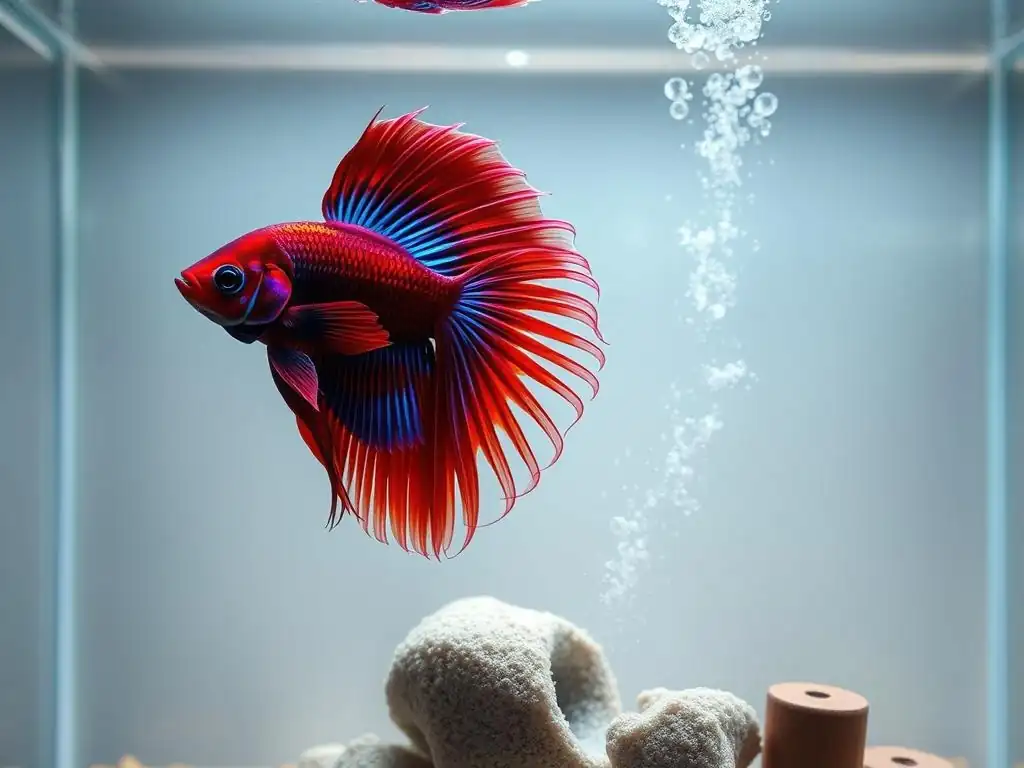
Regular filter cleaning is a critical aspect of maintaining optimal Anabantoid aquarium filtration needs, but it must be done carefully to preserve beneficial bacteria. The biological filter media (sponge, ceramic rings, bio-balls) houses colonies of nitrifying bacteria that convert toxic ammonia and nitrite into less harmful nitrate. Aggressive cleaning with tap water, which contains chlorine, will kill these essential bacteria, leading to a "new tank syndrome" spike in ammonia and nitrite, severely stressing your Anabantoids.
Instead, when cleaning mechanical filter media (like sponges or filter floss), always rinse them in old aquarium water that has been siphoned out during a water change. This removes accumulated detritus without exposing the beneficial bacteria to chlorine or harsh physical scrubbing.
For example, if you have a sponge filter, gently squeeze the sponge in a bucket of tank water until the visible debris is gone, typically every 2-4 weeks depending on bioload. For HOB or canister filters, replace filter floss or carbon inserts as per manufacturer recommendations (e.g., monthly for carbon), but only rinse or lightly clean biological media in tank water every few months, or when flow is significantly reduced, to ensure the bacterial colony remains intact and effective.
Water Changes and Their Role in Filtration
Water changes play an indispensable role in supporting Anabantoid aquarium filtration needs, acting as a crucial complement to mechanical and biological processes. While filters remove particulate matter and convert toxic nitrogenous compounds, they do not remove nitrates, which accumulate over time. High nitrate levels (consistently above 20 ppm) can still be stressful for Anabantoids, leading to stunted growth, reduced immunity, and faded coloration. Regular partial water changes physically remove accumulated nitrates and other dissolved organic compounds, replenishing essential trace minerals and maintaining overall water quality.
For a typical Anabantoid tank, a weekly 20-30% water change is recommended. For instance, in a 10-gallon tank, this means removing 2-3 gallons of water. Always use dechlorinated water that is temperature-matched to the aquarium to prevent temperature shock.
Performing water changes also helps to remove uneaten food and detritus that might otherwise clog filters or decompose and contribute to the bioload. This combination of effective filtration and consistent water changes creates a stable, healthy environment that allows Anabantoids to thrive, preventing the need for the filter to handle the entire waste load alone and ensuring optimal Anabantoid aquarium filtration needs are met.
Monitoring Water Parameters: Ammonia, Nitrite, and Nitrate Levels
Monitoring water parameters, specifically ammonia, nitrite, and nitrate levels, is paramount for gauging the effectiveness of your Anabantoid aquarium filtration needs and the overall health of your tank. Ammonia (NH₃/NH₄⁺) is highly toxic, even at low concentrations (e.g., >0.05 ppm). Nitrite (NO₂⁻) is also very toxic, impeding oxygen uptake by fish. Nitrate (NO₃⁻), while less toxic, can still cause stress and health issues at elevated levels. Regularly testing these parameters provides immediate feedback on your filtration system's performance and indicates when adjustments or maintenance are required.
For Anabantoids, the target water parameters should consistently be:
- Ammonia: 0 ppm
- Nitrite: 0 ppm
- Nitrate: <20 ppm (ideally <10 ppm for sensitive species like Bettas)
Using a reliable liquid test kit (e.g., API Freshwater Master Test Kit) is highly recommended over test strips for accuracy. Test new tanks daily during the cycling phase, then weekly once the tank is established. If ammonia or nitrite are detected, it indicates a problem with your biological filtration (e.g., filter crash, overstocking, overfeeding) and necessitates immediate action, such as a large water change (50% or more) and reducing feeding. Consistently high nitrates suggest insufficient water changes or overstocking, requiring more frequent or larger water changes to maintain optimal Anabantoid aquarium filtration needs.
Common Filtration Problems in Anabantoid Aquariums and Their Solutions
Clogged Filters and Reduced Flow
Clogged filters and reduced flow are common issues that directly impede Anabantoid aquarium filtration needs, leading to poor water quality and potential health problems for your fish. Over time, mechanical filter media (sponges, floss) accumulate detritus, uneaten food, and fish waste, restricting water flow through the filter. This reduction in flow means less water is being processed, leading to decreased mechanical filtration (cloudy water) and reduced biological filtration efficiency, as less oxygenated water reaches the beneficial bacteria. A noticeable symptom is often a weaker output stream from HOB filters or slower bubble production from sponge filters.
The solution involves regular, gentle cleaning of the mechanical filter media. For sponge filters, gently squeeze the sponge in a bucket of siphoned tank water every 1-2 weeks, or when flow noticeably decreases. For HOB or canister filters, replace filter floss or chemical media inserts as recommended by the manufacturer, typically every 2-4 weeks, while rinsing biological media in tank water only every few months.
Avoid cleaning all filter media at once, as this can crash your biological filter. If a filter is severely clogged, consider a partial cleaning of mechanical media first, then address biological media a week later to maintain stability. This proactive approach ensures consistent Anabantoid aquarium filtration needs are met.
Inadequate Oxygenation Despite Filtration
Inadequate oxygenation despite the presence of a filter is a unique problem in Anabantoid aquariums, often stemming from misunderstanding their specific Anabantoid aquarium filtration needs. Since Anabantoids can breathe atmospheric air, hobbyists sometimes assume water oxygenation is irrelevant, or they might run filters too gently, resulting in insufficient surface agitation. While Anabantoids don't demand high dissolved oxygen levels like other fish, a completely stagnant surface can lead to the formation of an oily biofilm that makes it difficult for them to gulp air. Furthermore, beneficial bacteria in the filter media require oxygen to efficiently convert ammonia and nitrite.
The solution is to ensure minimal, rather than zero, surface agitation. If using a sponge filter, ensure the air pump is strong enough to produce a steady stream of bubbles that gently ripple the surface. For HOB or internal filters, even when baffled for gentle flow, ensure there's still a slight ripple or movement at the water's surface.
If the surface is completely still, consider angling the filter output slightly upwards towards the surface or adding a small air stone in a corner of the tank. This provides enough gas exchange to prevent biofilm and support bacterial activity without creating strong currents that would stress the Anabantoids, striking the right balance for Anabantoid aquarium filtration needs.
Algae Blooms and Filtration Imbalances
Algae blooms in an Anabantoid aquarium often signal an imbalance in the filtration system, specifically related to nutrient control. While filtration removes solid waste, it doesn't always remove all dissolved nutrients, particularly nitrates and phosphates, which are primary fuel for algae growth. If your Anabantoid aquarium filtration needs are not fully met, meaning there's an accumulation of these nutrients, combined with sufficient light, algae will proliferate. Common types include green spot algae, hair algae, or even unsightly brown diatom algae.
Addressing algae blooms requires a multi-pronged approach that includes optimizing filtration and nutrient management. First, ensure your biological filter is fully cycled and efficient, converting all ammonia and nitrite to nitrate. Second, increase the frequency or volume of your partial water changes to directly remove nitrates and phosphates. For example, if you're doing 20% weekly changes and nitrates are consistently above 20 ppm, consider 30-40% weekly changes.
Third, evaluate your feeding habits; overfeeding leads to excess nutrients. Fourth, consider adding live plants, which compete with algae for nutrients and enhance the Anabantoid environment. Finally, ensure your lighting duration is appropriate (e.g., 6-8 hours daily). A balanced Anabantoid aquarium filtration needs system, coupled with good husbandry, is key to preventing and resolving algae issues.
Additional Filtration Methods for Anabantoid Tanks
The Benefits of Live Plants
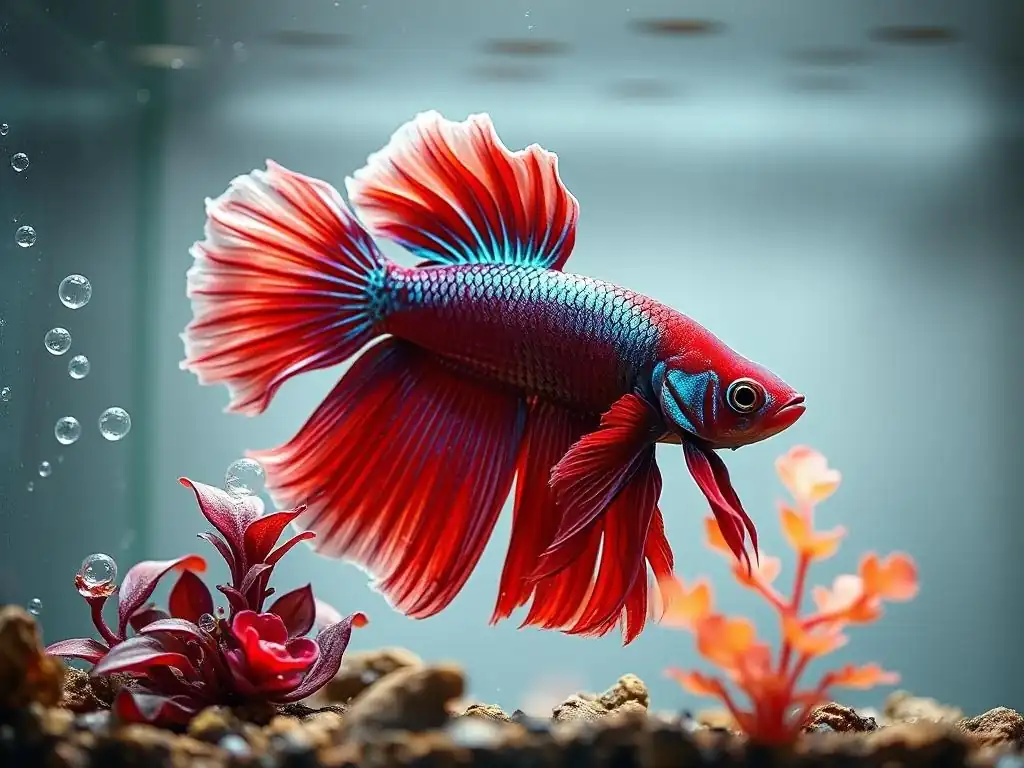
The benefits of live plants extend beyond aesthetics, serving as a powerful natural filtration method that significantly enhances Anabantoid aquarium filtration needs. Live plants absorb nitrates, phosphates, and other dissolved organic compounds directly from the water column, effectively competing with algae for nutrients. This biological uptake helps to keep water parameters stable and clean, reducing the overall workload on mechanical and biological filters and minimizing the frequency of large water changes. Plants like Java Fern, Anubias, and various Cryptocoryne species are excellent choices for Anabantoid tanks due to their low light requirements and ability to thrive in gentle flow.
Furthermore, plants provide crucial hiding places and a sense of security for shy Anabantoids, reducing stress levels. Species like Bettas and Gouramis also enjoy resting on broad leaves or exploring dense vegetation. Plants contribute to a more natural and enriched environment, mimicking the Anabantoids' native habitats.
While plants do not replace the need for a mechanical/biological filter, they act as a supplementary "biofilter," processing waste and contributing oxygen during the day (though this is less critical for Anabantoids due to their labyrinth organ). Incorporating a variety of live plants is a highly recommended strategy for any well-maintained Anabantoid aquarium to support their specific Anabantoid aquarium filtration needs.
Using Activated Carbon for Water Clarity
Using activated carbon for water clarity is a common chemical filtration method that can be beneficial for Anabantoid aquarium filtration needs, particularly for removing dissolved organic compounds and improving water appearance. Activated carbon works by adsorption, attracting and holding onto various impurities, including tannins that stain the water yellow or brown, odors, and certain medications. This results in crystal-clear water, which can enhance the visual appeal of your Anabantoid display. It's typically placed in a mesh bag within the filter's media chamber, after mechanical filtration.
However, activated carbon has a finite lifespan, usually becoming saturated within 2-4 weeks. Once saturated, it ceases to adsorb new impurities and can potentially leach previously adsorbed substances back into the water, though this is a rare occurrence in freshwater aquariums. Therefore, it must be replaced regularly.
It's important to note that activated carbon does not remove ammonia, nitrite, or nitrate, nor does it significantly contribute to biological filtration. For Anabantoid tanks, it's an optional addition used primarily for polishing water and removing specific pollutants, not as a primary component for managing Anabantoid aquarium filtration needs for nitrogenous waste. It should also be removed if medications are being used, as it will absorb them.
Setting Up Your Anabantoid Aquarium Filtration System: A Step-by-Step Guide
Selecting the Appropriate Filter Size
Selecting the appropriate filter size is the foundational step in setting up your Anabantoid aquarium filtration system, ensuring it meets the unique Anabantoid aquarium filtration needs. Unlike most fish, bigger is not always better for Anabantoids when it comes to filter flow rate. The primary goal is to find a filter that can adequately process the tank's bioload without creating excessive current.
For a 5-10 gallon Betta tank, a small air-driven sponge filter (rated for up to 20 gallons) is often perfect. For a 20-30 gallon Gourami tank, a small HOB filter with adjustable flow or a small internal filter capable of very low flow rates would be suitable.
The key metric to consider is the filter's Gallons Per Hour (GPH) rating, and how it translates to tank turnover. For Anabantoids, aim for a turnover rate of approximately 2-4 times the tank volume per hour, and ensure the flow is highly diffused. This means a 10-gallon tank would ideally have a filter outputting 20-40 GPH of gentle flow.
Always err on the side of caution with lower flow rates for these species. If you choose a filter with a higher GPH, be prepared to baffle its output significantly to reduce the current to an appropriate level, thereby ensuring the Anabantoid aquarium filtration needs are met without stressing the inhabitants.
Adjusting Flow Rate for Anabantoid Comfort
Adjusting the flow rate for Anabantoid comfort is a critical ongoing task once your filter is installed, directly impacting their well-being and fulfilling Anabantoid aquarium filtration needs. Many filters, especially HOB and internal models, come with adjustable flow settings. After setup, set the filter to its lowest possible flow rate. Observe your Anabantoids' behavior immediately and over the next few hours and days. Are they struggling to swim? Are their fins being pushed around by the current? Are they avoiding certain areas of the tank due to strong flow? These are clear indicators that the flow is too powerful.
If the lowest setting is still too strong, or if using a filter without adjustable flow (like some sponge filters with powerful air pumps), further modifications are necessary. For HOB filters, baffle the output with a piece of filter sponge, a plastic bottle, or a dedicated flow diffuser. For internal filters, direct the output towards a tank wall or use a spray bar.
For sponge filters, you might need to use a smaller, less powerful air pump or an air valve to reduce the airflow. The objective is a gentle, barely perceptible current throughout the tank, allowing Anabantoids to swim effortlessly, build bubble nests (if applicable), and access the surface for air without exertion, thereby perfectly meeting their Anabantoid aquarium filtration needs.
Monitoring and Maintaining Water Quality
Monitoring and maintaining water quality is the continuous feedback loop that ensures your Anabantoid aquarium filtration needs are consistently met. A well-functioning filter is only part of the equation; regular testing of water parameters provides the essential data to confirm its effectiveness and guide your maintenance schedule. Key parameters to monitor include Ammonia, Nitrite, and Nitrate. Ammonia and Nitrite should always be 0 ppm. Nitrate should be kept below 20 ppm, ideally below 10 ppm for sensitive Anabantoids.
A typical monitoring schedule involves testing weekly once the tank is established. If you notice any unusual fish behavior (lethargy, clamped fins, gasping), perform an immediate water test. Based on the test results, adjust your maintenance.
If nitrates are climbing, increase the frequency or volume of your weekly water changes (e.g., from 25% to 30-40%). If ammonia or nitrite appear, it indicates a filter crash or overstocking, requiring immediate large water changes and investigation. Consistent monitoring, combined with regular filter cleaning (in tank water) and partial water changes, ensures a stable, healthy environment where your Anabantoids can thrive, confirming that their Anabantoid aquarium filtration needs are being properly addressed.
Conclusion: Achieving Optimal Filtration for Thriving Anabantoids
Frequently Asked Questions
What are Anabantoids and why are their filtration needs unique?
Anabantoids, like bettas and gouramis, possess a labyrinth organ that allows them to breathe atmospheric air. This means they don't solely rely on dissolved oxygen in the water, making their filtration needs distinct.
Why is gentle water flow important for Anabantoids?
Anabantoids are not strong swimmers and prefer calm water conditions. Strong currents created by powerful filters can stress them, making them expend unnecessary energy and hindering their ability to build bubble nests.
What type of filter is generally recommended for an Anabantoid aquarium?
Sponge filters and internal filters with adjustable flow rates are often recommended. These provide adequate filtration without creating excessive currents, promoting a healthy environment for Anabantoids.
How often should I perform water changes in an Anabantoid tank, even with filtration?
Regular water changes, typically 25% weekly, are crucial. They help remove accumulated nitrates and maintain water quality, even with a well-functioning filter.
How does the labyrinth organ affect the oxygen requirements in an Anabantoid tank?
While Anabantoids can breathe air, maintaining sufficient dissolved oxygen is still important. A filter that provides some surface agitation helps with gas exchange, ensuring a healthy tank environment.
Final Reflection: The Breath of Life in Anabantoid Aquariums
The delicate balance between oxygenation and gentle water flow, as explored in this article, is not merely a technical consideration for aquarium enthusiasts; it's a reflection of the essential harmony required to nurture life. Understanding the specific Anabantoid aquarium filtration needs is understanding the very essence of creating a thriving ecosystem for these fascinating fish. The principles discussed extend beyond the glass walls of a tank, reminding us of the interconnectedness of all living things and the importance of mindful stewardship.
The impact of responsible aquarium keeping resonates far beyond the hobby itself. It fosters a deeper appreciation for biodiversity and the delicate balance of aquatic ecosystems. This understanding is crucial in a world facing increasing environmental challenges. In the end, we will conserve only what we love; we will love only what we understand; and we will understand only what we are taught.
- Baba Dioum. This quote encapsulates the power of knowledge and experience in shaping our commitment to conservation, a commitment that begins with understanding the needs of even the smallest creatures in our care.
As you consider the information presented, I invite you to reflect on your own relationship with the natural world. How can you apply the principles of balance and mindful care, learned through understanding Anabantoid aquarium filtration needs, to other aspects of your life? Let this knowledge inspire you to become a more conscious and responsible steward of our planet, ensuring a thriving future for all living things.
Nurture Your Anabantoids: Cultivate Thriving Waters!
Thank you for diving deep into the world of anabantoid filtration! We hope you've gained valuable insights to create the perfect aquatic haven for your labyrinth breathers. Now, let's put that knowledge into action!
Here's how you can take the next steps towards optimizing your anabantoid aquarium:
- Prioritize gentle flow: Adjust your filter outflow to minimize turbulence, ensuring a calm surface for your anabantoids to easily access atmospheric oxygen.
- Explore unconventional media: Experiment with natural filtration aids like almond leaves or peat moss to soften water and promote a healthy environment, mirroring their natural habitat.
- Share your experiences: Join our Aquarium Mastery community forum and post a picture of your anabantoid setup, detailing the specific filtration methods you're using and their impact on your fish's well-being.
What innovative filtration technique have you found most effective for your anabantoids, and how has it improved their health and behavior?