
Breeding Zebra Danios: A StepbyStep Guide for Prolific Spawners

Welcome to Aquarium Mastery!
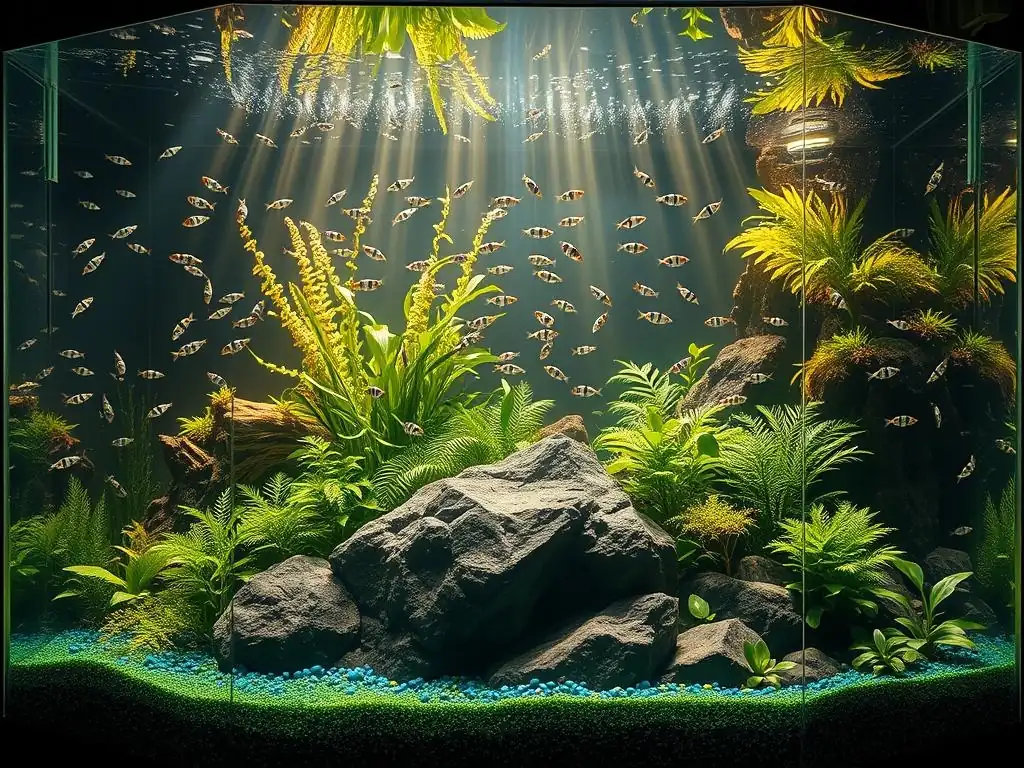
Ever wondered how to unlock the secrets to effortlessly breeding those vibrant Zebra Danios in your freshwater aquarium? Dive in! Our Zebra Danio breeding guide is your step-by-step blueprint to understanding their fascinating spawning habits and creating the perfect environment for them to thrive. Ready to witness the miracle of life in your tank? Let's get started!
- Introduction to Zebra Danio Breeding
- Preparing for Zebra Danio Spawning
- The Zebra Danio Spawning Process: A Step-by-Step Guide
- Caring for Zebra Danio Eggs and Fry
- Troubleshooting Common Zebra Danio Breeding Problems
- Conclusion: Mastering Zebra Danio Breeding
- Frequently Asked Questions
- Final Reflection: The Enduring Dance of Life
- Unleash Your Inner Fish Breeder!
Introduction to Zebra Danio Breeding
Why Breed Zebra Danios? Benefits and Considerations
Breeding Zebra Danios offers a deeply rewarding experience for aquarists of all levels, particularly beginners, due to their robust nature and prolific spawning habits. Successfully raising a batch of these vibrant fish provides immense satisfaction and a unique opportunity to observe the complete life cycle of an aquatic species firsthand. Beyond the personal fulfillment, breeding can be a cost-effective way to stock your tanks, reduce reliance on wild-caught specimens, and even allow for selective breeding to develop specific traits, such as the popular long-fin or leopard varieties.
However, embarking on a Zebra danio breeding guide journey also comes with important considerations. You'll need adequate space for the growing fry, as a single successful spawning can yield hundreds of offspring. This necessitates a commitment to daily feeding and meticulous water changes for the delicate young fish. Furthermore, it's crucial to have a plan for the surplus fish, whether that involves expanding your own tanks, finding local fish stores willing to take them, or connecting with other hobbyists.
Understanding Zebra Danio Behavior and Breeding Habits
Zebra Danios ( Danio rerio ) are small, active schooling fish native to the streams and rivers of South Asia, known for their distinctive horizontal stripes. In their natural habitat, they are continuous spawners, releasing eggs frequently when conditions are favorable, often triggered by the first light of dawn. They are classic egg scatterers, meaning they broadcast their adhesive eggs randomly rather than laying them in a nest, and unfortunately, they have a strong tendency to consume their own eggs shortly after spawning.
Their breeding behavior is characterized by a vigorous "chasing" ritual. Typically, one or more males will pursue a gravid (egg-laden) female, nudging her abdomen against plants or spawning media to encourage the release of eggs. As the female releases tiny, translucent eggs, the male simultaneously fertilizes them externally. Understanding this natural instinct to scatter and then consume eggs is fundamental to any effective Zebra danio breeding guide, as it dictates the need for a dedicated breeding setup to protect the eggs.
Preparing for Zebra Danio Spawning
Setting Up a Dedicated Breeding Tank for Zebra Danios
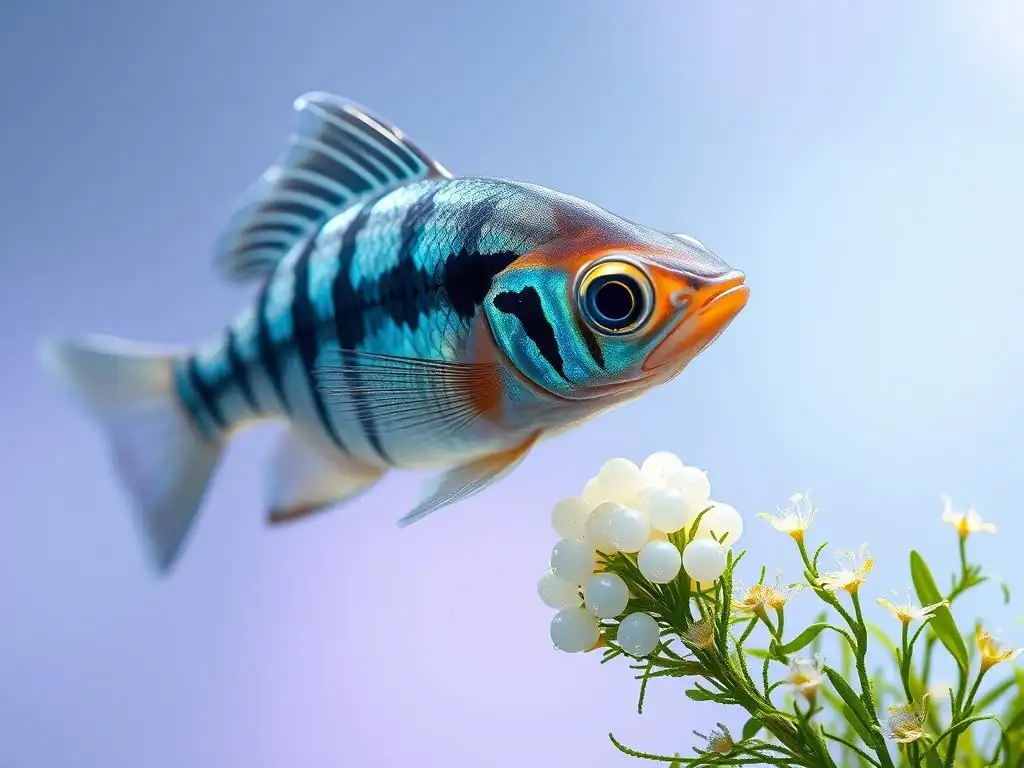
Establishing a separate breeding tank is perhaps the most critical step in successful Zebra danio breeding. This dedicated environment ensures the eggs are protected from being eaten by the parent fish and provides stable, optimal conditions for egg development and fry growth. A smaller tank, typically 5 to 10 gallons (approximately 19 to 38 liters), is perfectly sufficient for a breeding pair or trio, allowing for easy management and egg collection.
The breeding tank must be meticulously clean and fully cycled before introducing any fish. Stability in water parameters is paramount: aim for a temperature range of 78-80°F (25.5-26.7°C), a pH between 6.5 and 7.5, and soft to moderately hard water, generally within 5-12 dGH (degrees of General Hardness). While these ranges provide a good target, consistent parameters are often more vital than hitting exact numbers, as rapid fluctuations can stress the fish and hinder spawning.
Tank Size and Water Parameters for Breeding Zebra Danios
For a dedicated Zebra danio breeding setup, a 5-gallon (19-liter) tank can comfortably house one male and one or two females, while a 10-gallon (38-liter) tank offers slightly more space and flexibility for a larger breeding group. Maintaining a stable water temperature is crucial; 78-80°F (25.5-26.7°C) not only encourages spawning but also accelerates egg development and hatching. Deviations outside this range can reduce fertility or prolong incubation times.
The water should be clean, dechlorinated, and match the parameters of the fish's main tank to minimize shock during transfer. A pH level of 6.5-7.5 is generally well-tolerated, and water hardness between 5-12 dGH provides a suitable environment. Some breeders find that slightly softer water, around 5-8 dGH, can enhance spawning success. Regardless of the exact numbers, regular monitoring and small, consistent water changes are key to maintaining the pristine conditions necessary for a successful Zebra danio breeding guide.
Choosing the Right Substrate: Spawning Mops vs. Marbles
To protect the scattered eggs from parental predation, a specialized substrate is essential in a Zebra danio breeding tank. One highly effective option is the use of spawning mops, typically made from synthetic yarn. These mops are weighted and placed on the bare tank bottom, providing a dense, fibrous medium into which the eggs can fall and become lodged, out of reach of the adult fish. Several mops can be strategically placed to maximize egg collection.
Alternatively, a layer of glass marbles, approximately 1-2 inches (2.5-5 cm) deep, can be spread across the bare bottom of the breeding tank. When the fish spawn over the marbles, the eggs fall into the crevices between them, offering a protective barrier. Both methods are effective, though spawning mops are often preferred for their ease of removal and egg collection. A well-chosen substrate is a cornerstone of any effective Zebra danio breeding guide.
Filtration and Aeration in the Zebra Danio Breeding Tank
Gentle filtration is critical in a Zebra danio breeding tank to maintain water quality without disturbing the delicate eggs or newly hatched fry. A small, air-driven sponge filter is ideal for this purpose, providing excellent biological filtration while producing minimal current. Its porous structure also offers a large surface area for beneficial bacteria to colonize, effectively breaking down ammonia and nitrites. Stronger filters, such as hang-on-back or power filters, should be avoided due to their potential to suck up or damage eggs and fry.
Adequate aeration is equally important. An air stone connected to an air pump should be used to provide a steady stream of fine bubbles. This ensures sufficient oxygen levels for both the adult fish during spawning and, more critically, for the developing eggs and fry. Good aeration also helps to circulate the water gently and prevent stagnant areas where fungus could proliferate, a vital aspect for any comprehensive Zebra danio breeding guide.
Selecting Healthy Zebra Danio Breeding Stock
The success of your Zebra danio breeding efforts hinges significantly on the health and vitality of your chosen breeding stock. Begin by selecting fish that exhibit vibrant colors, full and undamaged fins, and active swimming behavior. Avoid any fish showing signs of illness, such as clamped fins, white spots (ich), listlessness, or unusual growths. Optimal breeding candidates should be mature but not overly old, ideally between 3 and 18 months of age, as fish beyond this range may have reduced fertility or egg production.
For best results, it's often recommended to select a ratio of two to three females for every male. This helps distribute the male's attention, reducing stress on individual females and potentially increasing overall egg yield. However, a single well-conditioned pair can also be highly successful, especially for beginners. Carefully observing your existing fish for signs of good health and vigor is a fundamental step in any effective Zebra danio breeding guide.
Identifying Male and Female Zebra Danios
Distinguishing between male and female Zebra Danios is relatively straightforward once you know what to look for. Males are typically more slender and torpedo-shaped, with a noticeably more streamlined body profile. Their stripes often appear more intense and vibrant, sometimes exhibiting a more pronounced golden or yellowish hue. Males are also generally slightly smaller than females of the same age.
Conversely, female Zebra Danios tend to be plumper and rounder, particularly when they are gravid (full of eggs), at which point their abdomen will appear noticeably distended. While their stripes are still distinct, they may not be as intensely colored as those of the males. Observing these subtle differences is key to forming successful breeding pairs or groups for your Zebra danio breeding guide endeavor.
Choosing the Best Candidates for Breeding: Age and Health
The ideal age for Zebra Danio breeding stock ranges from approximately 3-4 months, when they reach sexual maturity, up to about 1.5 years. Fish within this age bracket are typically at their peak fertility and egg production. Younger fish may not be fully developed, while older fish, particularly those over two years, might have significantly reduced egg counts or lower fertilization rates.
Beyond age, the health of your breeding candidates is paramount. Ensure all selected fish are entirely disease-free and have been properly quarantined if they are new additions to your aquarium. Healthy, stress-free parents are far more likely to produce viable eggs and strong, healthy fry. A robust, well-maintained parent fish is the cornerstone of a successful Zebra danio breeding guide, ensuring the best possible start for the next generation.
Conditioning Zebra Danios for Breeding
Conditioning is the process of preparing your Zebra Danios for spawning by providing them with optimal nutrition and environmental cues. This typically involves a period of intensive feeding with high-quality foods and sometimes a slight manipulation of their environment to mimic natural spawning triggers. A well-conditioned fish will be visibly healthier, more active, and ready to reproduce.
Many breeders find it beneficial to separate males and females for a week or two prior to introducing them to the breeding tank. During this separation period, both sexes are fed a rich diet, allowing females to develop a full complement of eggs and males to build up their sperm reserves. This brief separation often increases their eagerness to spawn once reunited, a proven technique in a comprehensive Zebra danio breeding guide.
High-Quality Diet for Breeding Zebra Danios
A high-quality, protein-rich diet is fundamental for conditioning Zebra Danios for breeding. Live foods are particularly effective in stimulating egg production and improving overall fish health. Excellent choices include newly hatched brine shrimp (Artemia nauplii), daphnia, and micro-worms. These foods provide essential nutrients and mimic the natural diet of wild fish, encouraging them to enter breeding condition.
Supplementing live foods with high-quality frozen alternatives, such as frozen bloodworms or daphnia, can also be highly beneficial. Additionally, ensure they receive a good quality flake or micro-pellet food as a staple. Feeding small amounts several times a day (3-5 times) helps ensure consistent nutrient intake without fouling the water. A female that is well-conditioned will visibly swell with eggs, indicating she is ready for spawning.
Simulating Natural Conditions to Trigger Spawning
To encourage Zebra Danios to spawn, you can simulate the natural environmental cues they experience in the wild. One effective method is to perform a partial water change (20-30%) with slightly cooler, soft water, then gradually raise the temperature to the ideal 78-80°F (25.5-26.7°C) over a few hours. This mimics the influx of fresh rainwater that often triggers spawning in their natural habitat.
The most significant trigger, however, is often the onset of morning light. Placing the breeding tank where it receives natural sunlight at dawn, or using a light timer to simulate a gradual sunrise, is highly effective. Many breeders introduce the conditioned fish into the breeding tank in the late evening, allowing them to acclimate overnight. This often results in vigorous spawning activity beginning at the first hint of light the following morning, a key strategy in any successful Zebra danio breeding guide.
The Zebra Danio Spawning Process: A Step-by-Step Guide
Introducing the Breeding Pair to the Spawning Tank
Once your Zebra Danios are thoroughly conditioned, the next step is to introduce them to the prepared spawning tank. This is best done in the late evening, after the main lights have been turned off. Carefully net the selected breeding fish from their conditioning tank and gently release them into the breeding setup. Introducing them in the dark allows them to acclimate to their new environment without immediate stress or disturbance.
For optimal results, consider introducing a group of 2-3 females for every male, as this ratio often promotes more vigorous spawning activity and higher egg yields. If space is limited, a single well-conditioned pair can also be used. By allowing them to settle overnight, they will be primed and ready to begin their spawning ritual at the first light of dawn, making this a crucial initial step in a successful Zebra danio breeding guide.
Observing the Spawning Behavior of Zebra Danios
Spawning typically commences at first light, often within minutes of the aquarium lights turning on or natural sunlight hitting the tank. The males will become highly active, vigorously chasing and nudging the females, particularly around the spawning mop or marble substrate. This chasing behavior is a clear indicator that spawning is underway.
During this process, the female will release tiny, translucent, adhesive eggs, which are then fertilized by the male. The eggs will fall into the protective fibers of the spawning mop or between the marbles. Spawning can be a continuous process, lasting for several hours, with a single well-conditioned female capable of laying anywhere from 200 to 500 eggs in one session. Observing this intricate dance is fascinating and confirms the success of your Zebra danio breeding guide efforts.
Identifying and Removing Eggs from the Breeding Tank
Once the spawning activity subsides, usually by mid-morning, it's crucial to immediately remove the adult fish from the breeding tank. This prevents them from consuming the eggs, which they are prone to do. Carefully inspect the spawning mop or the marble substrate for the tiny, clear, spherical eggs, which are approximately 1mm in diameter. Unfertilized eggs will appear opaque or white and should be removed if easily accessible.
If you used a spawning mop, gently lift it from the tank and transfer it to a separate, prepared incubation tank containing water from the breeding tank. If using marbles, carefully siphon the eggs from between them using a small-diameter hose or turkey baster, transferring them to the incubation tank. Prompt removal of the adults and eggs is paramount to ensuring a high survival rate for the next generation in your Zebra danio breeding guide.
Caring for Zebra Danio Eggs and Fry
Incubation of Zebra Danio Eggs: Maintaining Optimal Conditions
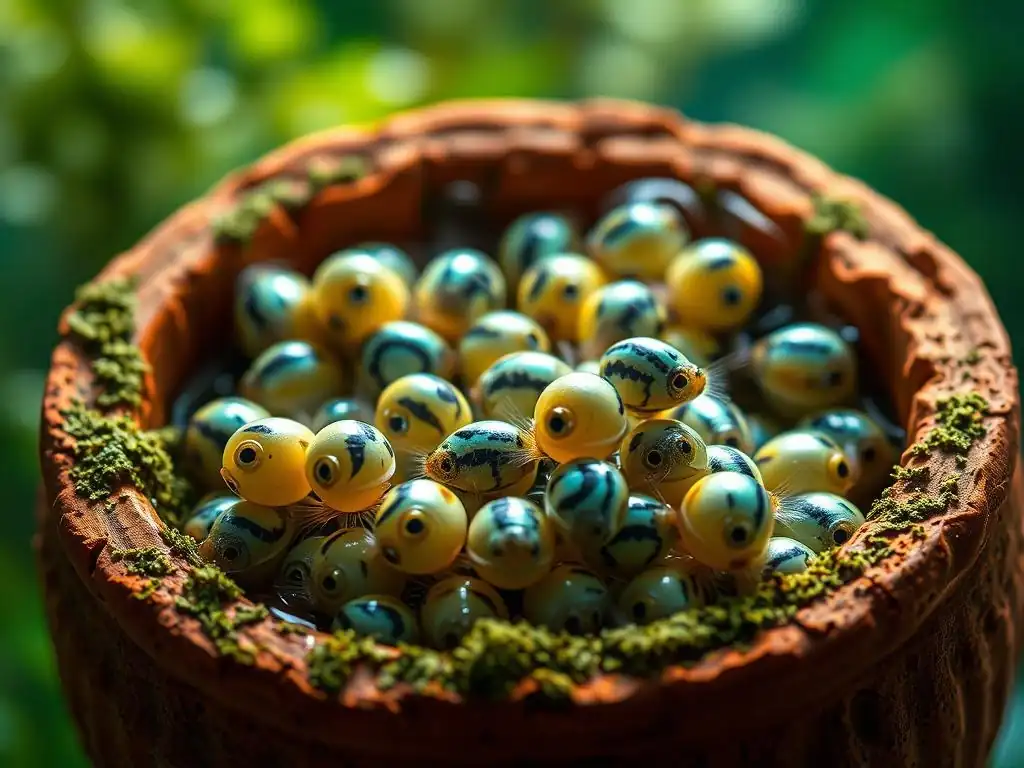
After collection, the Zebra Danio eggs should be transferred to a clean, bare-bottom incubation tank. A small 2-3 gallon (7.5-11 liter) tank is generally sufficient for this stage. Maintain the water temperature at a consistent 78-80°F (25.5-26.7°C), as this range promotes rapid and healthy development. Gentle aeration from a small air stone is essential to ensure adequate oxygen circulation around the eggs and to prevent the buildup of stagnant water, which can encourage fungal growth.
To further prevent fungal infections, which are common, many breeders add a small amount of methylene blue to the incubation water, following the product's specific instructions for dosage. Regularly inspect the eggs for any that turn white and opaque, as these are unfertilized or dead and can quickly develop fungus. Promptly remove these diseased eggs with a pipette to prevent the fungus from spreading to healthy, viable eggs. At optimal temperatures, Zebra Danio eggs typically hatch within 24 to 72 hours, with many hatching around the 48-hour mark.
Hatching Zebra Danio Fry: What to Expect
Within one to three days of spawning, depending on the water temperature, tiny Zebra Danio fry will emerge from their eggs. These newly hatched fry are incredibly small, almost microscopic, and will often be seen clinging to the sides of the tank or resting on the bottom. At this stage, they are equipped with a yolk sac, a visible small bulge on their underside, which provides them with all the necessary nutrients for their initial development.
The yolk sac sustenance typically lasts for the first 24 to 48 hours post-hatch. During this period, the fry will slowly absorb their yolk sac, gradually becoming more active and eventually free-swimming. It is crucial not to attempt feeding them during this yolk sac stage, as they are not yet ready to consume external food, and introducing food too early will only foul the water. Observe patiently as they transform into active, free-swimming individuals, signaling the next phase in your Zebra danio breeding guide.
First Foods for Zebra Danio Fry: Infusoria and Liquid Fry Food
Once the Zebra Danio fry are completely free-swimming and their yolk sacs have been fully absorbed (typically 2-3 days post-hatch), they require their first external food source. Due to their incredibly small size, their mouths are too tiny for most conventional fry foods. Infusoria, which are microscopic protozoa, are an ideal first food as they are perfectly sized for the newly free-swimming fry. Infusoria can be cultured at home using vegetable matter or hay, or purchased as a concentrated liquid.
Alternatively, commercial liquid fry foods specifically designed for egg-laying fish fry can be used. These often contain finely ground particles or cultured microorganisms suitable for the smallest mouths. It is vital to feed these tiny foods in very small amounts, multiple times a day (3-5 times), to ensure a constant supply of food without overfeeding, which can rapidly degrade water quality. Consistent feeding of these initial, microscopic foods is paramount for the survival of the delicate fry.
Growing Out Zebra Danio Fry: Feeding and Water Changes
After approximately one week of feeding on infusoria or liquid fry food, Zebra Danio fry will have grown sufficiently to accept slightly larger food items. Newly hatched brine shrimp nauplii are an excellent next step. These live, highly nutritious crustaceans stimulate rapid growth and are eagerly consumed by the growing fry. Continue to feed these small, frequent meals, typically 2-3 times per day.
Maintaining pristine water quality is absolutely critical during the fry rearing stage. Daily small water changes of 10-20% are essential. Use temperature-matched, dechlorinated water for these changes. A small siphon can be used to gently vacuum any uneaten food or waste from the bare bottom of the tank, preventing the buildup of harmful ammonia and nitrites. Diligent attention to feeding and water quality is the backbone of a successful Zebra danio breeding guide for raising fry.
Transitioning to Larger Food Sources for Zebra Danio Fry
As Zebra Danio fry continue to grow, typically reaching about 1/4 inch (6-7 mm) in length (around 2-3 weeks old), they can begin to transition to a wider variety of larger food sources. Finely crushed, high-quality flake food or micro-pellets designed for fry can be introduced. Ensure the particles are small enough for their mouths. Additionally, finely chopped frozen bloodworms, daphnia, or spirulina flakes can offer a varied and nutritious diet.
Continue to offer newly hatched brine shrimp as a primary food source, as its nutritional value and palatability remain high for growing fry. Observe your fry carefully to ensure they are consuming the new food items. Gradually increase the size of the food particles as the fry grow, ensuring they can still easily engulf and digest what is offered. This gradual transition supports continuous, healthy growth.
Maintaining Water Quality for Optimal Fry Growth
Maintaining impeccable water quality is the single most important factor for the survival and optimal growth of Zebra Danio fry. Continue performing daily or every-other-day small water changes (10-20%) using aged or temperature-matched, dechlorinated water. This practice prevents the accumulation of waste products and keeps ammonia and nitrite levels at undetectable amounts, which are highly toxic to young fish.
Consider adding a gentle air-driven sponge filter to the fry tank once they are a bit larger (around 1-2 weeks old), if not already in place. This provides essential biological filtration to process waste and maintain water clarity without creating strong currents that could harm the delicate fry. Regularly test water parameters, especially ammonia and nitrite, as the bioload increases with the growing number of fry. Pristine water conditions are non-negotiable for a successful Zebra danio breeding guide focused on fry rearing.
Troubleshooting Common Zebra Danio Breeding Problems
Addressing Infertility Issues in Zebra Danios
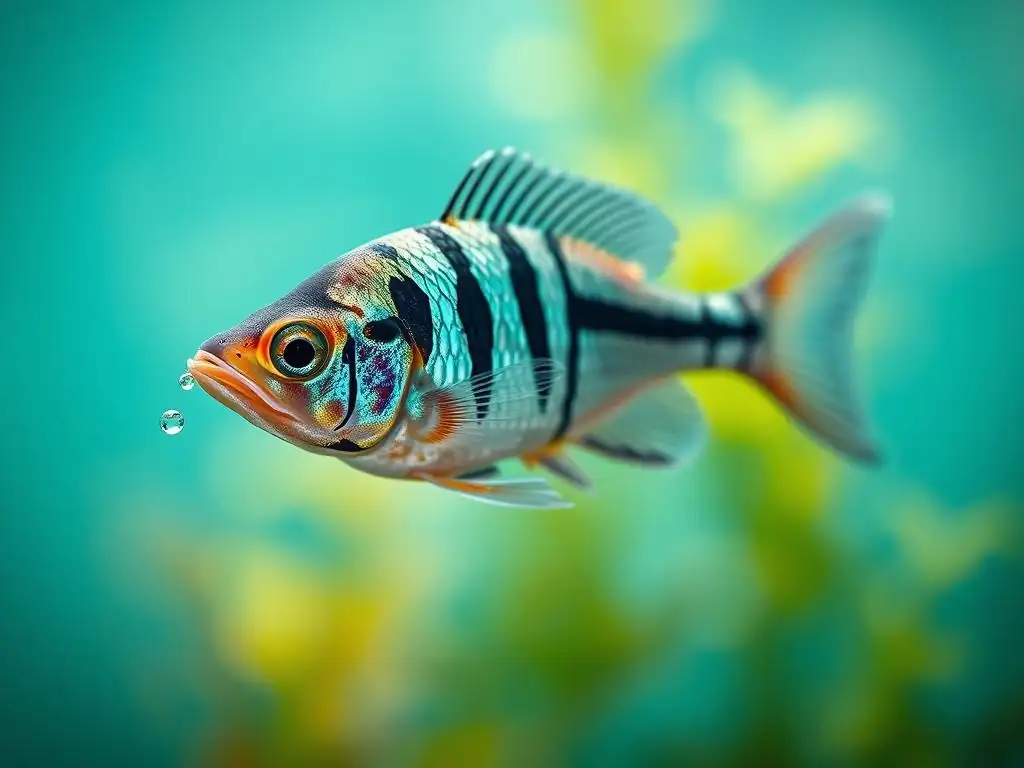
If your Zebra Danios are not spawning or if you're observing a high number of unfertilized (white, opaque) eggs, several factors could be at play. First, review your conditioning process. Ensure your fish have been fed a high-protein, varied diet for at least 1-2 weeks prior to attempting breeding. Insufficient nutrition is a common cause of poor egg production or sperm viability. Also, confirm the age of your breeding stock; very young or overly old fish may not be at their peak fertility.
Secondly, double-check your water parameters and temperature in the breeding tank. While Zebra Danios are adaptable, specific conditions (78-80°F, pH 6.5-7.5, soft to moderately hard water) are ideal for triggering spawning. Sometimes, a slight drop in temperature followed by a gradual rise, or a larger, cooler water change, can act as a crucial spawning trigger. If a particular fish consistently produces infertile eggs despite optimal conditions, consider replacing it with another healthy individual from your stock.
Preventing Fungus on Zebra Danio Eggs
Fungal infections are a common and frustrating problem in Zebra Danio egg incubation, often appearing as a white, fuzzy growth on the eggs. Fungus typically begins on unfertilized or dead eggs but can quickly spread to healthy, viable ones, leading to significant egg loss. The most effective preventative measure is the immediate removal of the breeding adults from the tank as soon as spawning is complete, eliminating the source of potential fungal spores and egg consumption.
In the incubation tank, good aeration is vital, as it ensures adequate oxygen circulation around the eggs and prevents stagnant water conditions that favor fungal growth. Additionally, many breeders use a mild antifungal agent, such as methylene blue, added to the incubation water according to product instructions. Crucially, regularly inspect the eggs and promptly remove any that appear white, opaque, or fuzzy with a pipette. This quick removal of infected eggs prevents the fungus from spreading and protects the healthy clutch.
Minimizing Fry Mortality Rates
High mortality rates among Zebra Danio fry are often attributable to two primary factors: poor water quality and insufficient or inappropriate food. To combat water quality issues, rigorously adhere to daily or every-other-day small water changes (10-20%) using temperature-matched, dechlorinated water. This prevents the buildup of toxic ammonia and nitrite, which are lethal to delicate fry. Overfeeding can quickly foul the water, so feed sparingly but frequently, ensuring all food is consumed within minutes.
Regarding food, ensure the fry are receiving food particles that are appropriately sized for their tiny mouths. Newly hatched fry require infusoria or liquid fry food, transitioning to newly hatched brine shrimp as they grow. Fry will starve if the food is too large for them to consume. Other factors contributing to mortality include extreme temperature fluctuations, lack of adequate oxygenation, or, if not in a dedicated fry tank, predation by larger tank inhabitants or even larger, more developed fry within the same batch. Maintaining stable conditions and providing the correct food are paramount for high survival rates.
Conclusion: Mastering Zebra Danio Breeding
Enjoying the Rewards of Breeding Zebra Danios
Mastering Zebra Danio breeding is an incredibly fulfilling aspect of the aquarium hobby. It offers a unique opportunity to witness the complete life cycle of these fascinating fish, from tiny, translucent eggs to vibrant, free-swimming adults. The satisfaction derived from successfully nurturing hundreds of tiny fry, seeing them grow and develop under your care, is immense and deeply rewarding. This process not only enhances your understanding of fish biology and aquarium husbandry but also strengthens your connection to the aquatic world.
Beyond personal enjoyment, successful breeding contributes to the sustainable keeping of popular aquarium species, reducing reliance on wild-caught fish. It also provides an excellent pathway for aquarists to share their passion and knowledge with others, potentially supplying local fish stores or fellow hobbyists with healthy, home-bred specimens. The journey of following a comprehensive Zebra danio breeding guide is a testament to patience, observation, and diligent care, culminating in the joy of a thriving new generation.
Further Resources for Zebra Danio Care and Breeding
To further enhance your expertise in Zebra Danio care and breeding, explore the wealth of information available on Aquarium Mastery. Our platform offers detailed articles on general Zebra Danio care, including optimal tank setups, compatible tank mates, and common health management strategies. A strong foundation in the overall needs of the species will undoubtedly complement and improve your breeding efforts, ensuring the health and vitality of both your breeding stock and their offspring.
Continuously learning and experimenting with different techniques, such as varying conditioning diets or spawning triggers, can further refine your breeding success. Engaging with reputable online aquarist forums and communities can provide invaluable insights from experienced breeders, offering advanced tips and real-world solutions to common challenges. Consulting scientific publications on Danio rerio can also offer a deeper understanding of their biology and reproductive mechanisms, enriching your Zebra danio breeding guide journey.
Frequently Asked Questions
How difficult is it to breed Zebra Danios?
Zebra Danios are considered one of the easiest fish to breed in the aquarium hobby. Their willingness to spawn and simple requirements make them ideal for beginners. Success relies on providing the correct environment and conditions.
What size tank is needed for breeding Zebra Danios?
A small, dedicated breeding tank is recommended. A 5-10 gallon tank is sufficient for a small group of Danios. This allows for easy monitoring and egg collection.
What water parameters are ideal for Zebra Danio breeding?
Zebra Danios prefer slightly cooler water for breeding. Aim for a temperature between 72-78°F (22-26°C). Maintaining pristine water quality with frequent water changes is also crucial.
How do I protect the Zebra Danio eggs from being eaten?
Zebra Danios are notorious for eating their own eggs. Use a spawning mop, marbles, or a mesh bottom to allow eggs to fall out of reach. This separates the eggs from the adult danios.
How long does it take for Zebra Danio eggs to hatch?
Zebra Danio eggs typically hatch within 24-72 hours after spawning. The fry are very small and require infusoria or liquid fry food to survive.
Final Reflection: The Enduring Dance of Life
The intricacies of breeding Zebra Danios, as detailed in this guide, might seem like a niche pursuit, but it underscores a far broader truth: the profound beauty and resilience of life's cycles, even within the confines of a humble aquarium. This guide, while practical, serves as a reminder of the delicate balance and inherent drive for continuation that permeates all living things, a principle that resonates deeply in our increasingly complex world.
This journey into Zebra Danio breeding has not only provided a practical skillset but also fostered a deeper appreciation for the interconnectedness of life. Witnessing the tiny eggs transform into vibrant, active fish is a humbling experience, a microcosm of the larger processes shaping our planet. The best and most beautiful things in the world cannot be seen or even touched - they must be felt with the heart.
- Helen Keller. This quote perfectly captures the quiet wonder of nurturing life, a feeling that extends far beyond the glass walls of a fish tank.
Now, as you embark on your own Zebra Danio breeding adventure, remember that you are not just raising fish; you are participating in a timeless dance. Embrace the challenges, celebrate the successes, and allow the experience to deepen your understanding of the delicate and precious nature of life itself. Let this guide be your starting point, and may your aquarium teem with the vibrant energy of these prolific spawners, a testament to your dedication and a reminder of the enduring power of life.
Unleash Your Inner Fish Breeder!
Thanks for diving into the world of Zebra Danio breeding! We hope you've gained a clearer understanding of how to successfully spawn these prolific little fish. Now, let's put that knowledge into action and witness the miracle of life firsthand!
- Start your own Zebra Danio breeding project: Dedicate a small tank specifically for breeding and carefully follow the steps outlined in the guide. Document your progress and share your experiences!
- Explore the fascinating genetics of Zebra Danios: Research different color morphs and patterns to understand the potential variations you could achieve in your breeding program.
- Share your newfound knowledge with other aquarists: Spread the word and help others successfully breed these delightful fish. Consider creating a short tutorial video or writing a blog post about your experience.
What unique breeding setup will you create to maximize the spawning success of your Zebra Danios?