
Identifying Stress & Aggression Cues in Rift Lake Cichlids

Welcome to Aquarium Mastery!
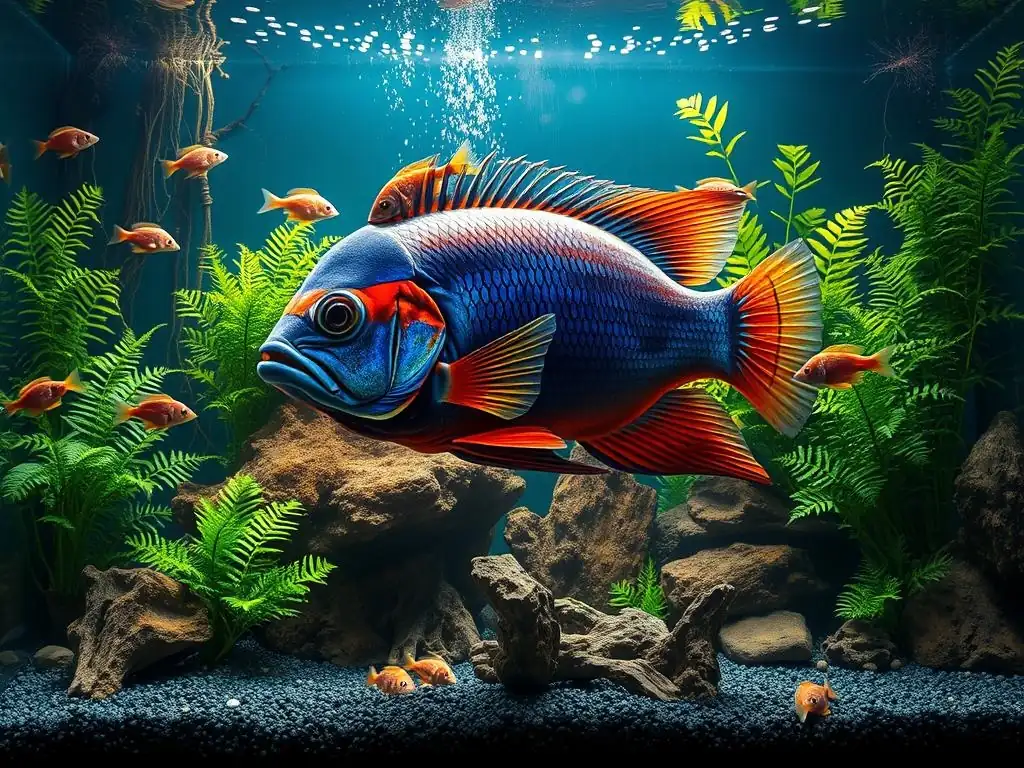
Ever wondered why your vibrant Rift Lake Cichlids are suddenly acting out? Unraveling the mysteries of their behavior starts here. Dive into our guide on "Identifying Stress & Aggression Cues in Rift Lake Cichlids" and learn to decode their subtle signals, creating a more harmonious and thriving freshwater aquarium. Discover practical tips and insights to ensure your Cichlids live their best lives. Ready to become a true Aquarium Master?
- Understanding Rift Lake Cichlid Behavior: An Overview
- Why Rift Lake Cichlids Exhibit Aggression: Rift Lake Cichlid aggression causes
- Stress Signals in Rift Lake Cichlids: Early Warning Signs
- Aggression Cues in Rift Lake Cichlids: Recognizing the Signs of Conflict
- Specific Aggression Triggers in Rift Lake Cichlids
- Differentiating Between Play and Aggression in Cichlids
- Mitigation Strategies for Cichlid Aggression: Reducing Stress and Conflict
- Preventing Rift Lake Cichlid Aggression: Long-Term Solutions
- Advanced Techniques for Managing Aggression in Cichlids
-
Frequently Asked Questions
- What are the primary behavioral indicators of aggression in Rift Lake Cichlids?
- How does tank size impact aggression levels among Rift Lake Cichlids?
- What role does aquarium decor play in mitigating Rift Lake Cichlid aggression?
- How does water chemistry affect the stress levels and aggressive tendencies of Rift Lake Cichlids?
- What feeding strategies can help reduce aggression related to food competition in Rift Lake Cichlid tanks?
- Final Reflection: Understanding the Language of the Lake
- Unveil Your Cichlids' Hidden Signals!
Understanding Rift Lake Cichlid Behavior: An Overview
Rift Lake cichlids, primarily hailing from the Great Rift Valley lakes of Africa such as Malawi, Tanganyika, and Victoria, exhibit complex social dynamics deeply rooted in their natural habitats. Mbuna cichlids, meaning "rock-dwellers," are famously territorial, establishing hierarchies around rocky outcrops and caves. Peacock cichlids ( Aulonocara species), on the other hand, typically inhabit open, sandy areas or intermediate zones, displaying a less intense form of territoriality focused more on sand-sifting and less on rock defense. Understanding these inherent behaviors is crucial for appreciating the underlying Rift Lake Cichlid aggression causes.
These cichlids naturally form intricate social structures within their groups, ranging from strictly hierarchical dominance in male-dominated Mbuna tanks to more fluid pecking orders among Peacocks. The establishment and maintenance of these social hierarchies involve a continuous series of displays, chases, and occasional physical confrontations. This constant negotiation for status and territory is a fundamental aspect of their existence, influencing everything from feeding patterns to breeding success within the aquarium environment.
Recognizing Normal Behavior Patterns in Rift Lake Cichlids
Healthy Rift Lake cichlids typically display vibrant coloration, active swimming, and curious exploration of their environment. Mbuna species can often be observed grazing on algae from rocks or sifting through substrate, while Peacock cichlids might be seen sifting sand for food particles or cruising gracefully in the open water. A fish that is consistently out and about, interacting with its environment and tank mates (without causing or receiving undue harm), is generally a sign of well-being.
Normal interactions within a cichlid tank also include brief chases or minor displays that quickly dissipate without injury. These are often part of the ongoing process of maintaining the social hierarchy and asserting dominance. For instance, a dominant male might briefly flare at a subordinate to reinforce its position, or a quick chase might occur over a preferred hiding spot. These short, non-damaging interactions are distinct from prolonged harassment or aggressive attacks and do not indicate significant Rift Lake Cichlid aggression causes.
Why Rift Lake Cichlids Exhibit Aggression: Rift Lake Cichlid aggression causes
Territoriality and Dominance Hierarchies in Cichlids
Territoriality is arguably the most significant Rift Lake Cichlid aggression cause. In their natural environments, resources like food, breeding sites, and shelter are often limited, leading cichlids to fiercely defend prime areas. In an aquarium, this instinct remains powerful, with dominant males claiming specific rocks, caves, or sections of the tank as their own, often displaying intense aggression towards any fish that infringes upon their perceived boundaries.
The establishment of dominance hierarchies is another key Rift Lake Cichlid aggression cause. Within any group of cichlids, a pecking order will form, with one or more individuals asserting dominance over others. This hierarchy is maintained through various aggressive displays and, when necessary, physical altercations. The constant need for dominant fish to assert their authority, and for subordinate fish to navigate these dynamics, contributes significantly to the overall aggression observed in a cichlid aquarium.
Overcrowding and Its Impact on Cichlid Aggression
Overcrowding is a major Rift Lake Cichlid aggression cause in captive environments. When too many fish are housed in an insufficient volume of water, the limited space prevents the establishment of distinct territories, leading to constant skirmishes. For example, a 55-gallon tank, while seemingly large, can quickly become overcrowded if stocked with more than 10-12 adult Mbuna cichlids, leading to incessant conflict and stress.
While a strategy of "controlled overstocking" is sometimes employed with Mbuna to diffuse aggression by spreading it out among many fish, true overcrowding (e.g., trying to keep 20 adult Mbuna in a 30-gallon tank) severely exacerbates Rift Lake Cichlid aggression causes. In such conditions, fish are unable to escape aggression, leading to chronic stress, weakened immune systems, and often, fatalities.
Incompatible Tank Mates: A Recipe for Cichlid Conflict
Selecting incompatible tank mates is a primary Rift Lake Cichlid aggression cause. Mixing species with vastly different aggression levels, adult sizes, or dietary needs often leads to conflict. For instance, pairing a highly aggressive male Maylandia estherae (Red Zebra) with a docile Labidochromis caeruleus (Electric Yellow) in a tank without adequate space can result in the constant harassment and eventual demise of the more peaceful species.
Even within the same group, such as Mbuna or Peacock cichlids, certain species are known to be far more aggressive than others. For example, Melanochromis auratus (Auratus Cichlid) is notoriously aggressive and often not recommended for community tanks, whereas many Aulonocara (Peacock) species are relatively milder. Failing to research and select compatible species, considering their specific temperaments and adult sizes, is a common Rift Lake Cichlid aggression cause.
Stress Signals in Rift Lake Cichlids: Early Warning Signs
Changes in Coloration: Stress-Induced Color Fading or Darkening
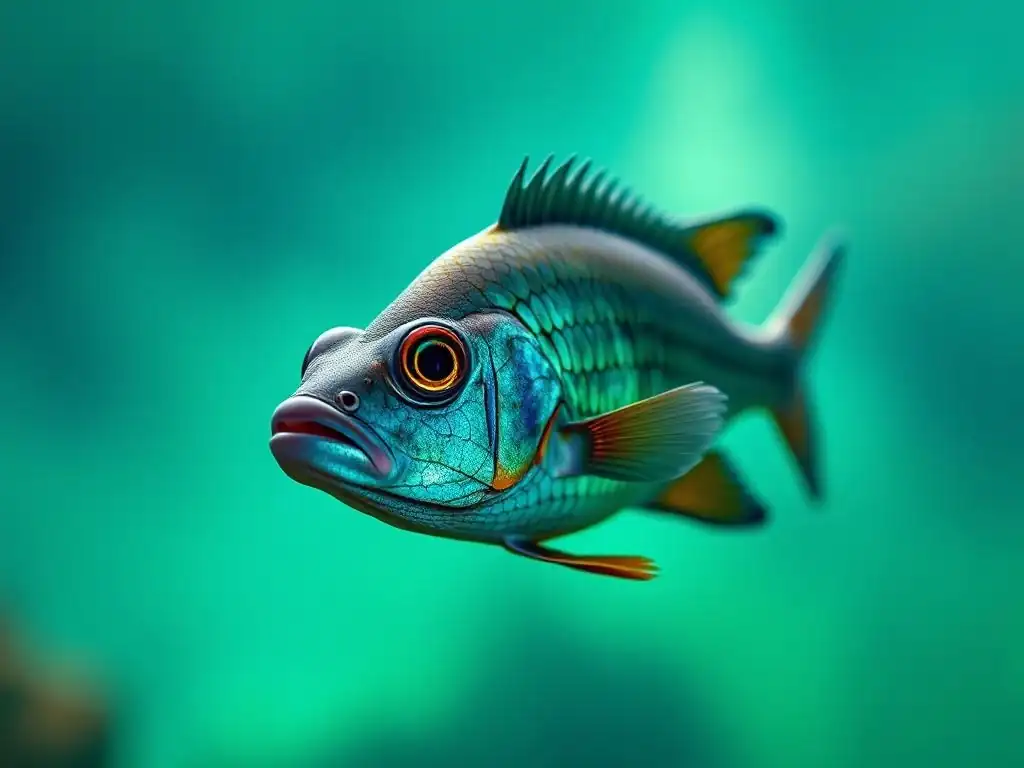
One of the most noticeable early warning signs of stress in Rift Lake cichlids is a change in coloration. Healthy, dominant cichlids typically display vibrant, intense colors that are characteristic of their species. Under stress, these colors can rapidly fade, appearing washed out or dull, as the fish attempts to blend into its surroundings or signal submission.
Conversely, some cichlids, particularly subordinate males or highly stressed individuals, may darken significantly. This darkening can be an attempt to camouflage or a direct physiological response to extreme duress. Observing a fish that consistently looks less vibrant than its healthy counterparts, or shows blotchy, inconsistent coloring, is a strong indicator of underlying stress.
Erratic Swimming Patterns: Darting, Hiding, and Flashing
Stressed cichlids often exhibit abnormal swimming patterns that deviate from their usual graceful movements. This can include rapid, jerky darting movements across the tank, often indicating fear or an attempt to escape perceived threats. Another common sign is "flashing," where the fish rapidly rubs its body against tank decor or substrate, often due to irritation from parasites or poor water quality, but also a sign of general discomfort.
Persistent hiding is a clear indicator of stress. A healthy cichlid should be actively exploring its environment and visible for most of the day. If a fish is constantly secluded behind rocks, plants, or filters, only emerging briefly for food, it suggests it is being harassed by tank mates or is severely stressed by its environment.
Reduced Appetite and Lethargy as Indicators of Stress
A significant and concerning sign of stress in Rift Lake cichlids is a noticeable reduction in appetite or complete refusal of food. Cichlids are generally eager eaters, and a sudden disinterest in food, or spitting out food that was taken in, points to a serious issue. Prolonged lack of eating can quickly lead to weight loss, weakened immunity, and susceptibility to disease.
Lethargy often accompanies a reduced appetite. A stressed cichlid may appear listless, spending excessive amounts of time at the bottom of the tank, or remaining motionless with clamped fins. Unlike normal resting behavior, lethargy indicates a profound lack of energy and engagement, signaling that the fish is under considerable duress and requires immediate attention to address the underlying Rift Lake Cichlid aggression causes or environmental issues.
Aggression Cues in Rift Lake Cichlids: Recognizing the Signs of Conflict
Fin Nipping and Chasing Behaviors in Cichlids
One of the most common and easily identifiable aggression cues in cichlids is fin nipping. This behavior involves one fish biting or tearing the fins of another, often resulting in ragged, frayed, or shortened fins. Fin nipping is a direct act of aggression, frequently observed when a dominant fish targets a weaker or submissive individual.
Persistent chasing is another clear sign of conflict. While brief, non-damaging chases can be part of normal social interaction, prolonged and relentless pursuit of one fish by another, especially if it prevents the chased fish from accessing food, hiding spots, or open swimming areas, indicates severe aggression and an imbalance in the tank's social dynamic. This type of chasing is a significant Rift Lake Cichlid aggression cause that can lead to chronic stress and injury.
Mouth Locking and Physical Confrontations
Mouth locking is an intense form of physical confrontation where two cichlids lock jaws and push against each other. This behavior is typically a direct challenge for dominance or territorial claim and can result in injuries to the mouth, jaws, and scales. It is a clear sign that two fish are engaged in a serious power struggle, often over a prime piece of territory.
Beyond mouth locking, full-body ramming, head-to-head collisions, and direct body slapping are severe physical confrontations. These acts are intended to inflict harm and assert dominance forcefully. Such aggressive encounters can cause significant internal injuries, scale damage, and torn fins, highlighting severe Rift Lake Cichlid aggression causes that need immediate intervention.
Display Behaviors: Flaring Gills and Body Posturing
Cichlids employ various display behaviors to intimidate rivals and assert dominance without immediate physical contact. Flaring gills is a common and unmistakable sign of aggression, making the fish appear larger and more formidable. This is often a warning signal that precedes a direct attack if the other fish does not retreat.
Other significant body posturing includes lateral displays, where a cichlid positions itself parallel to a rival and vibrates its body, or adopts a head-down/tail-up posture. These displays are clear communications of territorial or aggressive intent. They serve as a final warning before a physical confrontation and are vital cues to recognize when assessing Rift Lake Cichlid aggression causes in your aquarium.
Specific Aggression Triggers in Rift Lake Cichlids
Spawning Season Aggression: Territorial Defense and Mate Competition
During spawning seasons, Rift Lake cichlids, particularly males, exhibit a significant increase in aggression. This intensified aggression is driven by the innate instinct to defend breeding territories and secure mates. A male cichlid will become intensely territorial, often chasing away any fish, regardless of species, that approaches its chosen breeding site, such as a cave, a flat rock, or a section of the substrate. This natural drive is a major Rift Lake Cichlid aggression cause during reproductive periods.
Competition for mates also dramatically escalates aggression. Male cichlids will engage in fierce displays and chases to attract females, while simultaneously driving off rival males with extreme prejudice. In confined aquarium spaces, this heightened aggression can lead to severe stress or injury for both females being harassed for breeding and competing males, making it a critical factor to manage.
Food Competition and Resource Guarding
Limited or unevenly distributed food resources can be a significant Rift Lake Cichlid aggression cause. In an aquarium setting, if food is not spread widely or quickly enough, dominant fish will aggressively monopolize the feeding area, preventing submissive fish from accessing adequate nutrition. This resource guarding behavior ensures the dominant individuals thrive while others may become malnourished.
This competition is particularly evident in tanks where food is consistently dropped in one spot. The dominant cichlids quickly learn to stake out this area, leading to constant skirmishes during feeding times. This type of resource guarding is a common Rift Lake Cichlid aggression cause that can be mitigated with strategic feeding techniques.
Introduction of New Tank Mates: Establishing Dominance
The introduction of new tank mates invariably disrupts the existing social hierarchy within a cichlid aquarium, serving as a potent Rift Lake Cichlid aggression cause. Established residents, especially dominant males, perceive newcomers as threats to their territory, resources, and social standing. This often results in immediate and intense aggression towards the freshly introduced fish.
This period of re-establishing dominance can last from a few days to several weeks as the new fish attempts to find its place in the pecking order and carve out a territory. During this time, the new fish may be relentlessly chased, nipped, and prevented from feeding or finding shelter. Careful planning and monitoring are essential to minimize the stress and potential harm during this delicate phase.
Differentiating Between Play and Aggression in Cichlids
Observing the Context of the Interaction
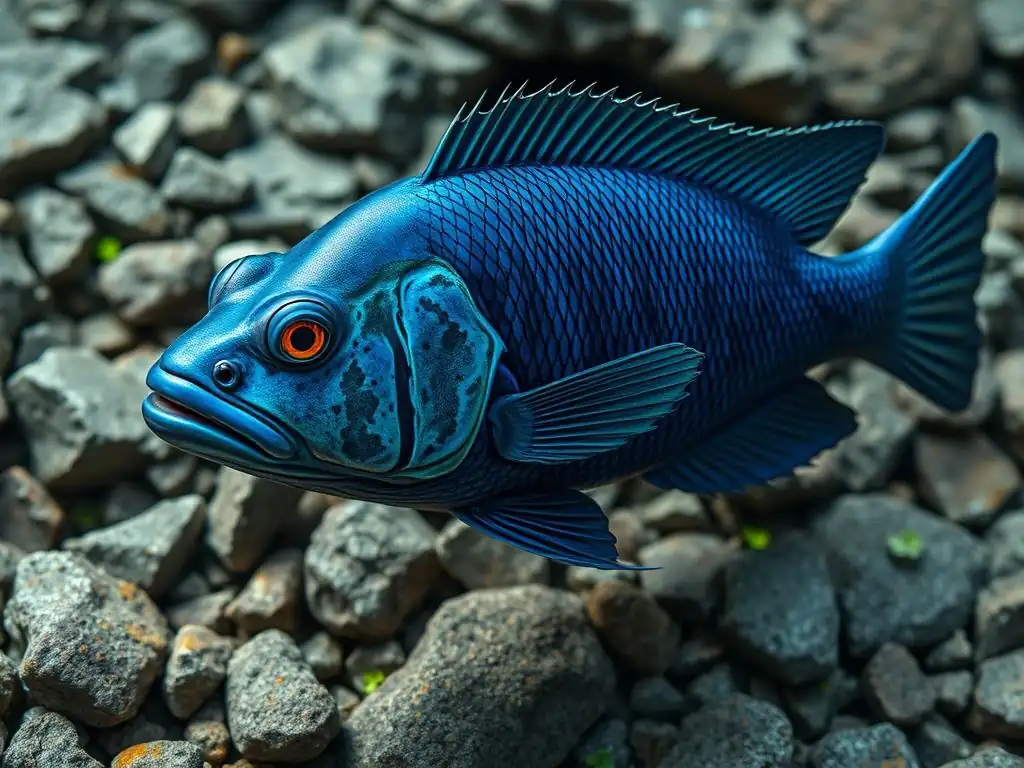
Differentiating between playful nips or chases and genuine aggression requires careful observation of the context. True aggression typically involves a clear intent to harm, dominate, or drive away another fish, often targeting a specific individual repeatedly. These encounters are usually sustained and result in the subordinate fish showing signs of stress or injury.
In contrast, playful interactions are generally less focused, less intense, and often involve multiple fish in short, non-damaging bursts. They are usually brief, with both fish returning to normal behavior quickly without any signs of stress or physical harm. If an interaction consistently ends with one fish retreating into hiding or displaying stress coloration, it is likely aggression, not play.
Analyzing Body Language and Intensity of the Behavior
Aggressive body language includes clear signals such as flared gills, darkened stress bars or blotches on the body, clamped fins (especially of the victim), and direct, sustained pursuit. The intensity of the behavior is key: aggressive encounters are typically forceful and relentless, aiming to establish dominance or cause harm.
Playful interactions might involve some nipping or chasing, but without the sustained intensity, physical posturing, or intent to injure seen in aggression. The level of force used is also a strong indicator; a playful nudge is distinct from a forceful ram or a sustained bite. If physical injury, such as torn fins or missing scales, is consistently observed after interactions, it is a definitive sign of aggression.
Recognizing the Difference Between Playful Nips and Aggressive Bites
Playful nips are typically quick, exploratory, and do not cause any visible damage. They are often seen between juvenile cichlids exploring their boundaries or as part of courtship rituals between potential mates. These nips are brief and lack the sustained force or intent to harm that characterizes aggressive acts.
Aggressive bites, however, are targeted, forceful, and designed to inflict damage or drive away a rival. They often result in visible injuries, such as torn or frayed fins, scale damage, or even puncture wounds. If you consistently observe physical harm to your fish, it is a clear indication that a Rift Lake Cichlid aggression cause is at play, and the interactions are indeed aggressive, not playful.
Mitigation Strategies for Cichlid Aggression: Reducing Stress and Conflict
Optimizing Tank Size and Aquascaping for Cichlids
Optimizing tank size is fundamental to mitigating Rift Lake Cichlid aggression causes. For Mbuna, a minimum of a 55-gallon tank is often recommended for a small, single-species group, but a 75-gallon or larger tank is ideal for a diverse community, providing ample space to dilute aggression and allow for the establishment of territories. Larger tanks offer more room for fish to escape aggression and reduce overall stress.
Strategic aquascaping with numerous rock formations, caves, and visual barriers is equally crucial. Creating intricate rockwork with multiple hiding spots and swim-throughs breaks up sightlines, preventing dominant fish from constantly seeing and harassing subordinates. Providing more hiding places than there are fish ensures every individual has a safe retreat, significantly reducing stress and conflict.
Implementing Proper Filtration and Water Quality Management
Pristine water quality is paramount for reducing stress and, consequently, Rift Lake Cichlid aggression causes. High levels of ammonia (>0 ppm), nitrite (>0 ppm), or elevated nitrates (>20-40 ppm) significantly stress fish, weakening their immune systems and making them more prone to aggressive behavior. A robust filtration system, often rated for 2-3 times the tank volume, is essential for maintaining water purity.
Regular water changes, typically 25-30% weekly, are vital to keep water parameters stable and dilute accumulated toxins. Maintaining consistent temperature (e.g., 76-82°F) and appropriate pH levels (e.g., 7.8-8.6 for Malawi/Tanganyika cichlids) minimizes environmental stressors. Stable, clean water contributes to overall fish health and reduces irritability that can fuel aggression.
Adjusting Stocking Levels to Minimize Overcrowding
While a controlled overstocking strategy can sometimes diffuse aggression in Mbuna by spreading it thinly among many fish, true overcrowding will exacerbate Rift Lake Cichlid aggression causes. It's important to find the right balance; for example, a 75-gallon tank might comfortably house 15-20 adult Mbuna of compatible species, but exceeding this can lead to constant conflict.
For Peacock cichlids, which are generally less aggressive, a more moderate stocking level is often preferred to allow them ample space for individual territories without excessive competition. Monitoring the behavior of your specific fish is key to determining the optimal stocking density for your setup, as every tank environment is unique.
Providing Adequate Hiding Places and Visual Barriers
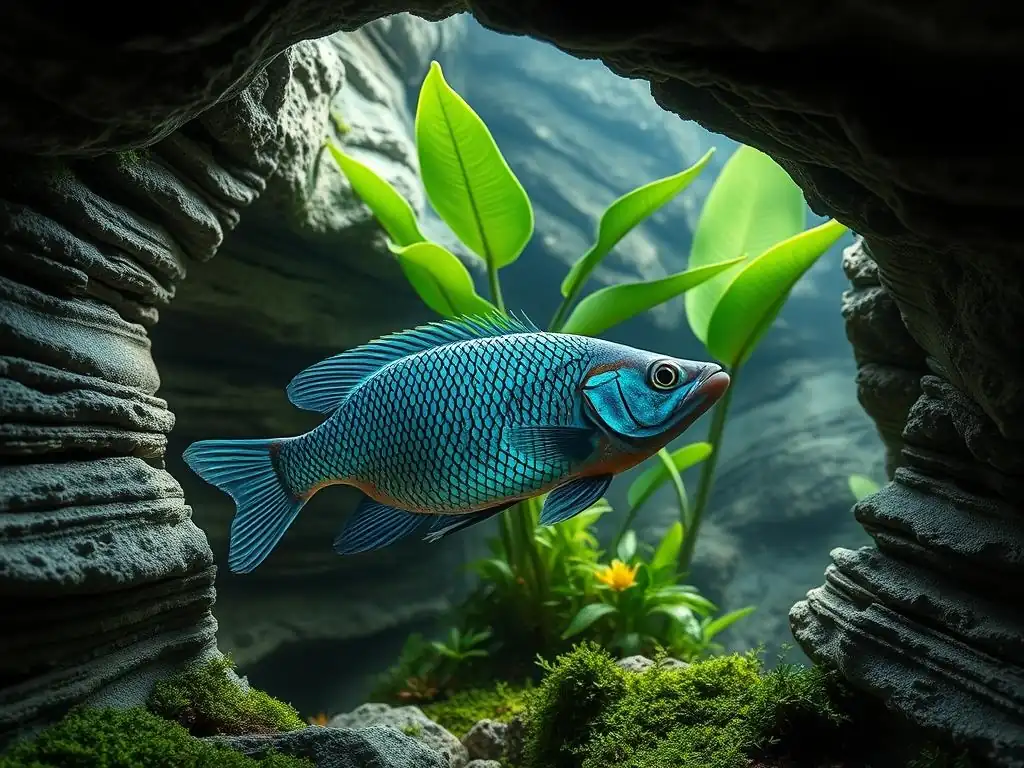
Ensuring that every fish in the tank has at least one designated hiding spot it can retreat to is critical for managing aggression. These hiding places reduce stress by allowing subordinate fish to escape the line of sight of dominant individuals, providing a sense of security. Without adequate cover, weaker fish are constantly exposed to harassment, leading to chronic stress and potential injury.
Utilizing tall rock structures that reach near the surface, strategically placed PVC pipes hidden within decor, or even robust, cichlid-compatible plants can create effective visual barriers. These barriers break up the line of sight across the tank, preventing dominant fish from surveying the entire territory and reducing the opportunities for prolonged chases and conflict.
Strategic Feeding Techniques to Reduce Competition
Food competition is a common Rift Lake Cichlid aggression cause. To mitigate this, distribute food widely across the tank surface rather than dropping it in one concentrated spot. This ensures that all fish, including the more timid or subordinate individuals, have an opportunity to eat without being monopolized by dominant tank mates.
Feeding multiple, smaller meals throughout the day can also reduce the intensity of competition at any single feeding time. Using multiple feeding points or even a feeding ring can help further spread out the food. These techniques reduce resource guarding and prevent dominant fish from overeating while others starve, leading to a more peaceful feeding environment.
Preventing Rift Lake Cichlid Aggression: Long-Term Solutions
Selecting Compatible Tank Mates for Cichlid Aquariums
The cornerstone of preventing Rift Lake Cichlid aggression causes is meticulous research and selection of compatible tank mates. Thoroughly investigate the adult size, aggression level, and specific care requirements of each cichlid species before purchase. Ideally, stick to species from the same lake (e.g., all Lake Malawi cichlids) and, crucially, those with similar aggression profiles, avoiding mixing highly aggressive Pseudotropheus species with more docile Aulonocara.
Furthermore, consider the male-to-female ratio. For many cichlid species, a ratio of one male to three or more females (1:3+) is highly recommended. This diffuses male aggression by spreading breeding attention among multiple females, preventing a single female from being relentlessly harassed during spawning cycles. This proactive approach significantly reduces potential Rift Lake Cichlid aggression causes.
Maintaining a Stable and Healthy Aquarium Environment
Consistency in water parameters (temperature, pH, and hardness) and diligent regular maintenance are foundational to preventing stress and subsequent aggression. Sudden fluctuations in temperature by more than 2-3 degrees Fahrenheit, or significant pH swings outside the species' preferred range, can induce immense stress, making fish more irritable and prone to aggressive outbursts.
A clean tank, free of excessive algae and detritus, combined with appropriate lighting cycles (e.g., 10-12 hours on, 12-14 hours off), contributes significantly to the overall well-being of your cichlids. A stable, healthy environment reduces environmental stressors that can manifest as Rift Lake Cichlid aggression causes, promoting a more peaceful community.
Regularly Monitoring Cichlid Behavior for Early Signs of Stress or Aggression
Daily observation of your cichlids is an indispensable long-term solution for preventing escalating aggression. Pay close attention to subtle changes in color, swimming patterns, feeding habits, or the appearance of new injuries on fins or bodies. Early detection allows for immediate intervention before minor squabbles escalate into serious conflicts.
Specifically, look for fish that are consistently being picked on, show signs of clamped fins, or are perpetually hiding. Identifying these early warning signs can prompt timely adjustments to the tank environment, such as adding more hiding spots or re-evaluating stocking levels, thereby addressing potential Rift Lake Cichlid aggression causes before they become critical.
Advanced Techniques for Managing Aggression in Cichlids
Using Dither Fish to Reduce Cichlid Aggression
Dither fish are fast-moving, non-aggressive species that can be introduced to a cichlid tank to help reduce aggression. These fish (e.g., Giant Danios, Rainbowfish, or certain larger, peaceful schooling tetras) swim in the open water, signaling to the cichlids that the environment is safe and there are no immediate threats. This can distract cichlids from focusing their aggression solely on each other.
For example, in a 75-gallon Peacock cichlid tank, a school of 6-8 Giant Danios can provide a sense of security, encouraging the cichlids to be more outgoing and less territorial, thereby diffusing internal Rift Lake Cichlid aggression causes. It's crucial to select dither fish that are too large to be eaten by the cichlids and can tolerate the same water parameters (e.g., high pH, hard water).
Implementing a "Time-Out" Tank for Aggressive Individuals
For persistently aggressive individuals that are causing significant harm or stress to other tank inhabitants, a temporary "time-out" tank can be an effective solution. This involves moving the aggressor to a separate, smaller hospital or quarantine tank for a few days to a week. The removal disrupts its established dominance in the main tank.
Upon reintroduction to the main aquarium, the aggressor may no longer be the undisputed dominant fish, or the hierarchy may have shifted, leading to a more peaceful environment. This "time-out" period can often reset the social dynamics and is a highly effective strategy for managing severe Rift Lake Cichlid aggression causes when other methods fail.
Considering Species-Specific Aggression Levels When Planning Your Tank
When planning a cichlid aquarium, it is vital to research and consider the species-specific aggression levels of each fish. For instance, Maylandia zebra (Mbuna) species are generally more aggressive and boisterous than Aulonocara (Peacock) species. Knowing these inherent aggression profiles beforehand allows for better planning of compatible groups and stocking densities.
Some cichlid groups, such as Tropheus cichlids from Lake Tanganyika, have unique social structures that require specific large group sizes (e.g., 12 or more individuals) to effectively diffuse aggression among themselves. Understanding these nuanced, species-specific requirements from the outset is paramount to preventing Rift Lake Cichlid aggression causes and fostering a thriving, harmonious cichlid community.
Frequently Asked Questions
What are the primary behavioral indicators of aggression in Rift Lake Cichlids?
The primary indicators include chasing, nipping, and mouth fighting. These are often the first signs of aggression before more serious injuries occur.
How does tank size impact aggression levels among Rift Lake Cichlids?
Smaller tanks significantly increase aggression due to limited space and increased competition for resources. A larger tank provides more territory for each fish.
What role does aquarium decor play in mitigating Rift Lake Cichlid aggression?
Introducing ample rockwork, caves, and visual barriers creates territories and reduces direct line of sight, minimizing confrontations. This helps break up aggression.
How does water chemistry affect the stress levels and aggressive tendencies of Rift Lake Cichlids?
Poor water quality, such as high ammonia or nitrite levels, induces stress, leading to increased aggression and weakened immune systems. Maintaining proper parameters is crucial.
Feeding multiple smaller meals throughout the day and scattering food across the tank minimizes competition for resources and reduces aggressive feeding behaviors.
Final Reflection: Understanding the Language of the Lake
The intricacies of Rift Lake Cichlid behavior, as explored in this article, are not merely academic observations; they are a window into a complex social dynamic mirrored in ecosystems and even human societies. Understanding the subtle cues of stress and aggression in these vibrant fish allows us to not only improve their welfare in captivity but also to gain a deeper appreciation for the delicate balance of power and communication that governs all social creatures. The ability to recognize these cues is crucial, especially given the increasing popularity of these fish and the potential for conflict within aquariums.
The study of Rift Lake Cichlid aggression, and its underlying causes, has profoundly impacted my understanding of animal behavior. It highlights the importance of careful observation and empathy in our interactions with all living beings. The greatness of a nation and its moral progress can be judged by the way its animals are treated.
- Mahatma Gandhi. This quote resonates deeply, reminding us that our responsibility extends beyond simply providing basic needs; it requires us to understand and respect the emotional and social complexities of the creatures in our care.
Now, consider the lessons learned from these vibrant fish. How can a deeper understanding of subtle cues, of the language of stress and aggression, improve your interactions, your relationships, and your ability to create harmonious environments, whether in your home aquarium or in the broader world around you? Let the insights gained from observing these fascinating Rift Lake Cichlids inspire you to become a more attentive, empathetic, and understanding observer of the world, fostering peace and well-being wherever you go.
Thanks for diving deep into the fascinating world of Rift Lake Cichlid behavior! Now that you're equipped to understand their stress and aggression cues, let's put that knowledge to practical use.
Here’s how you can make a real difference in your cichlid aquarium:
- Prioritize immediate observation: Spend 15 minutes tonight observing your cichlids and actively note any signs of stress or aggression outlined in this article.
- Consider introducing a new, unique decor item (a smooth rock formation or a novel plant species if applicable) to subtly disrupt existing territories and potentially ease aggression.
- Share your observations and setup details in the Aquarium Mastery community forum to exchange insights and learn from fellow cichlid enthusiasts.
What unexpected behavior changes have you already noticed in your cichlids, and what's one adjustment you plan to make to reduce their stress levels?