
Advanced Tips for ShowStopping Featherfin Displays

Welcome to Aquarium Mastery!
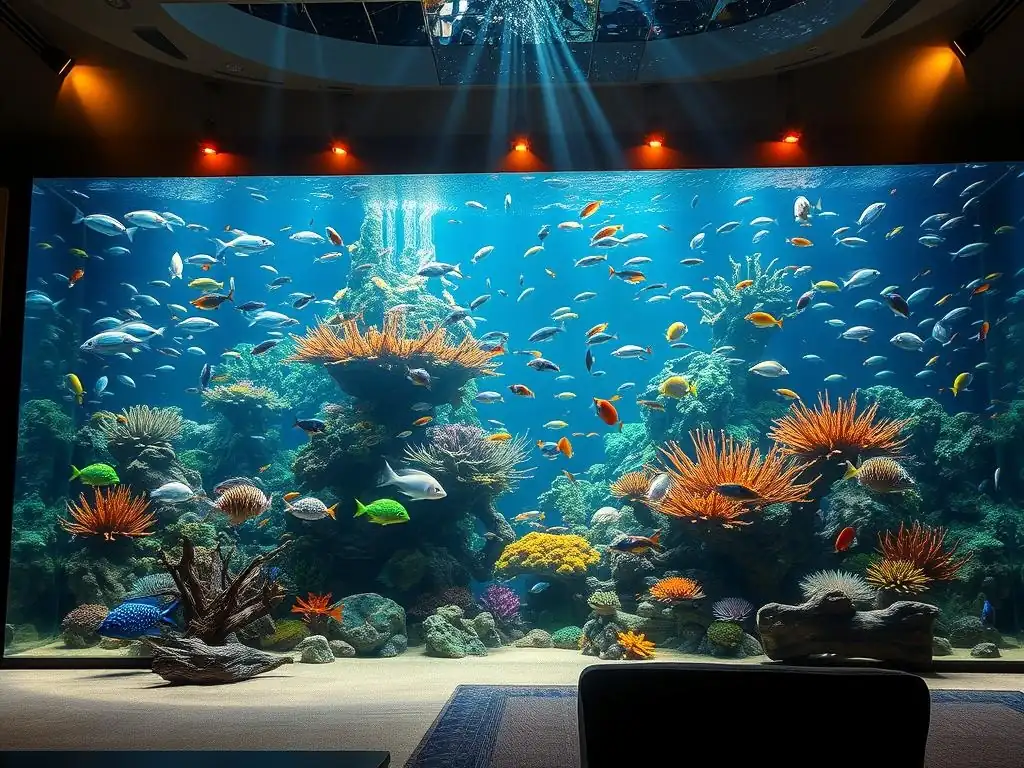
Ever dreamt of transforming your freshwater tank into a showstopping masterpiece? Then you've come to the right place! Dive in and discover our advanced tips for creating breathtaking featherfin aquarium displays. From selecting the perfect tank mates to mastering water parameters, we'll unlock the secrets to a thriving and visually stunning aquatic world. Intrigued? Let's get started!
- Advanced Tips for Showstopping Calvus and Compressiceps Displays
- Creating Mesmerizing Calvus and Compressiceps Aquarium Displays: An Introduction
- Understanding Calvus and Compressiceps Cichlids for a Thriving Tank
- Designing a Showstopping Calvus and Compressiceps Aquarium: Key Considerations
- Water Chemistry for Optimal Calvus and Compressiceps Health and Coloration
- Lighting for Showstopping Calvus and Compressiceps Displays
- Feeding Calvus and Compressiceps Cichlids for Vibrant Colors and Growth
- Maintaining a Pristine Calvus and Compressiceps Aquarium: Regular Cleaning and Maintenance
- Breeding Calvus and Compressiceps Cichlids: Creating the Ideal Conditions
- Troubleshooting Common Issues in Calvus and Compressiceps Aquariums
- Showstopping Calvus and Compressiceps Displays: A Summary of Key Takeaways
-
Frequently Asked Questions
- How do I create a showstopping featherfin display that captures attention?
- What are the ideal water parameters for maintaining a healthy featherfin in a display tank?
- What fish species are compatible with featherfins in a community aquarium display?
- How often should I perform water changes in a featherfin aquarium to maintain its showstopping quality?
- What type of lighting best showcases the featherfin's colors and contributes to a stunning aquarium display?
- Final Reflection: Cultivating Aquatic Artistry
- Ignite Your Featherfin's Majesty!
Advanced Tips for Showstopping Calvus and Compressiceps Displays
Creating Mesmerizing Calvus and Compressiceps Aquarium Displays: An Introduction
Creating a truly showstopping Calvus and Compressiceps aquarium display transcends mere fish keeping; it's an art form that replicates a slice of Lake Tanganyika's unique underwater world. These captivating cichlids, known for their distinctive body shapes and intriguing behaviors, offer aquarists a rewarding challenge. Achieving a display that not only thrives but also mesmerizes requires meticulous attention to their specific environmental, dietary, and social needs. The goal is to cultivate an environment where their natural beauty and fascinating interactions are prominently showcased, making your Calvus and Compressiceps setup a true focal point.
A well-executed Calvus and Compressiceps display is characterized by vibrant fish, crystal-clear water, and a meticulously designed hardscape that mimics their rocky native habitat. Success hinges on a deep understanding of these Tanganyikan cichlids, from their preferred water chemistry to their territorial instincts. By implementing advanced care techniques and thoughtful design principles, aquarists can transform a standard tank into a dynamic, living exhibit that highlights the unique charm of Altolamprologus calvus and Altolamprologus compressiceps, establishing them as truly showstopping featherfin aquarium displays within the cichlid community.
Understanding Calvus and Compressiceps Cichlids for a Thriving Tank
Species Spotlight: Key Calvus and Compressiceps Varieties for Aquarium Displays
Altolamprologus calvus and Altolamprologus compressiceps are prized for their unique, laterally compressed bodies and striking patterns, making them exceptional choices for showstopping featherfin aquarium displays. A. calvus is often recognized by its slightly more elongated body and distinct white or yellow spots against a dark background, with popular variants including the "Black Calvus" (from Kipili or Congo), "White Calvus" (from Chaitika), and "Yellow Calvus" (from Samazi).
These variants exhibit subtle differences in coloration and spotting patterns, each offering a distinct aesthetic appeal to the discerning aquarist. Their maximum size typically ranges from 4 to 6 inches (approximately 10-15 cm) for males, with females being slightly smaller.
A. compressiceps, on the other hand, is characterized by an even more extreme lateral compression, giving it a knife-like appearance, perfectly adapted for squeezing into tight rock crevices. Common varieties include the "Kipili Comp," "Golden Head Comp," and "Red Fin Comp," each showcasing variations in fin coloration or head markings. These fish generally reach a similar size to A. calvus, ranging from 3 to 5 inches (7.5-12.5 cm). Both species are relatively slow-growing, often taking 1.5 to 2 years to reach their full adult size, a factor that influences long-term tank planning for these captivating Tanganyikan cichlids.
Calvus and Compressiceps Cichlid Behavior: Replicating Their Natural Habitat
The behavior of Calvus and Compressiceps cichlids is deeply intertwined with their natural habitat in Lake Tanganyika, which consists of rocky, sediment-poor environments. These cichlids are known for their deliberate, almost stealthy movements, often observed hovering motionless before darting into rock crevices to hunt for small invertebrates and fry. Unlike some more boisterous cichlids, Altolamprologus species are relatively peaceful, though males can be territorial, especially during breeding. They typically establish small territories centered around a cave or rock crevice, which they will defend against conspecifics and other bottom-dwelling fish.
To create a showstopping featherfin aquarium display that encourages natural behavior, it's crucial to replicate these conditions. Providing ample rockwork with numerous caves, overhangs, and narrow passages allows them to exhibit their natural hiding, hunting, and territorial behaviors. Observing a pair of Calvus meticulously inspecting a crevice for a potential spawning site, or a Compressiceps skillfully navigating a tight space, adds immense depth and interest to the display. Understanding their relatively slow metabolism and deliberate hunting style also informs feeding strategies, ensuring they receive adequate nutrition without polluting the tank.
Designing a Showstopping Calvus and Compressiceps Aquarium: Key Considerations
Tank Size and Dimensions: Optimizing Space for Calvus and Compressiceps Cichlids
Optimizing tank size and dimensions is paramount for a truly showstopping Calvus and Compressiceps aquarium display. While these fish are not exceptionally large, their territorial nature and preference for vertical rock structures necessitate adequate space. For a single pair or a small group of 3-4 juveniles, a minimum tank size of 40 gallons (approximately 150 liters) is recommended.
However, to truly allow for natural behaviors, reduce aggression, and create a dynamic showstopping featherfin aquarium display, a 60-gallon (227-liter) or larger tank is ideal. Tanks with greater depth (front to back) are often more beneficial than simply longer tanks, as they provide more surface area for rockwork and territorial demarcation.
For example, a 75-gallon (284-liter) tank measuring 48" L x 18" W x 21" H offers significantly more internal volume and depth for rock formations compared to a standard 55-gallon tank (48" L x 13" W x 21" H), despite a similar length. This additional width allows for more complex rock arrangements and multiple potential territories, reducing the likelihood of conflict among tank inhabitants. Adequate space also contributes to water stability, as a larger volume buffers against rapid fluctuations in water parameters, which is crucial for the long-term health and vibrant coloration of your Calvus and Compressiceps cichlids.
Substrate Selection: Choosing the Right Bedding for Calvus and Compressiceps Health
Substrate selection plays a subtle yet significant role in creating a showstopping Calvus and Compressiceps aquarium display, influencing both aesthetics and water chemistry. While these fish spend most of their time amongst rocks, a suitable substrate is important for overall tank health and to mimic their natural environment. In Lake Tanganyika, their native habitats typically feature fine sand or very small gravel, often referred to as "shell grit" or "aragonite sand." This type of substrate helps maintain the high pH and hardness levels characteristic of Tanganyikan water.
Using a fine sand substrate, such as aragonite or crushed coral sand, is highly recommended. Not only does it contribute to the desired water parameters by slowly dissolving and releasing carbonates and calcium, but it also prevents the accumulation of detritus, which can be an issue with coarser gravels. A depth of 1-2 inches (2.5-5 cm) is generally sufficient.
While Calvus and Compressiceps are not avid diggers, a fine sand substrate allows for easy sifting by other potential tank mates (like Synodontis multipunctatus) and provides a natural look that enhances the overall aesthetic of a showstopping featherfin aquarium display. Avoid substrates that can lower pH, such as peat or certain types of inert gravels, which are unsuitable for these hard-water cichlids.
Rockwork and Decor: Building a Natural and Functional Calvus and Compressiceps Habitat
Rockwork is the cornerstone of any showstopping Calvus and Compressiceps aquarium display, as it directly replicates their natural rocky habitat in Lake Tanganyika. The primary goal is to create an intricate network of caves, crevices, and hiding spots that cater to their unique body shapes and behaviors. Use inert rocks such as limestone, Texas holey rock, lava rock, or slate. Avoid rocks that can leach harmful substances or alter water chemistry negatively. Arrange the rocks to form stable, multi-tiered structures that extend from the substrate to near the water surface, providing both horizontal and vertical territories.
Creating Caves and Territories: Minimizing Aggression in Calvus and Compressiceps Tanks
The strategic placement of caves and territories is critical for minimizing aggression and fostering a harmonious environment in Calvus and Compressiceps tanks. These cichlids are territorial, and while generally peaceful, males will defend their chosen breeding sites. Each adult male Calvus or Compressiceps should have at least one dedicated, secure cave or crevice that it can claim as its own.
These should be large enough for the fish to turn around in but narrow enough to provide a sense of security, mimicking the tight spaces they inhabit in the wild. For A. compressiceps, very narrow vertical slits are particularly appreciated.
To further reduce conflict in a showstopping featherfin aquarium display, ensure that caves are visually separated from each other, breaking lines of sight between competing individuals. This can be achieved by stacking rocks to create natural barriers or using larger, strategically placed rocks to block direct views.
For example, in a 60-gallon tank, you might create 3-4 distinct cave systems, even if you only plan for 2-3 adult fish, providing ample options and fallback territories. This thoughtful arrangement allows each fish to establish its own domain, minimizing stress and aggression, and promoting the vibrant health and natural behaviors that make for truly showstopping Calvus and Compressiceps displays.
Water Chemistry for Optimal Calvus and Compressiceps Health and Coloration
Maintaining Ideal Water Parameters for Calvus and Compressiceps Cichlids
Maintaining precise water parameters is non-negotiable for the health, vibrancy, and successful breeding of Calvus and Compressiceps cichlids, crucial for any showstopping featherfin aquarium display. These fish originate from Lake Tanganyika, which is characterized by very stable, hard, and alkaline water. The ideal pH range for Altolamprologus species is typically between 7.8 and 8.8, with a specific target around 8.2-8.5 being optimal. General Hardness (GH) should be high, ideally between 10-20 dGH (175-350 ppm), and Carbonate Hardness (KH) should also be elevated, ranging from 10-15 dKH (175-260 ppm), providing essential buffering capacity.
Temperature is another critical parameter, with a preferred range of 76-80°F (24-27°C). Fluctuations outside this range can stress the fish and weaken their immune systems. Regularly testing your water parameters using reliable liquid test kits is essential. If your tap water does not naturally meet these requirements, adjustments may be necessary. Methods to increase pH and hardness include using aragonite sand or crushed coral as substrate, adding Tanganyika buffer salts, or incorporating limestone rockwork. Consistency in these parameters is more important than absolute perfection, as sudden shifts can be highly detrimental to these sensitive fish.
The Importance of Water Changes for a Healthy Calvus and Compressiceps Aquarium
Regular and diligent water changes are perhaps the single most important maintenance activity for a healthy and showstopping Calvus and Compressiceps aquarium. Despite excellent filtration, nitrates and other dissolved organic compounds will accumulate over time, leading to deteriorating water quality. These compounds, even in seemingly low concentrations, can stress fish, suppress their immune systems, and dull their coloration. For a typical Calvus and Compressiceps setup, a weekly water change of 25-30% of the tank volume is highly recommended.
Performing consistent water changes helps to replenish essential minerals, remove pollutants, and maintain the stable water chemistry that these Tanganyikan cichlids require. For instance, in a 75-gallon tank, a 25% weekly water change involves removing and replacing approximately 18-19 gallons (68-72 liters) of water. Always use a dechlorinator or water conditioner to neutralize chlorine and chloramines in tap water, and ensure the replacement water is temperature-matched to avoid thermal shock. Consistency in water change routines contributes significantly to the overall vitality, disease resistance, and vibrant display of your Calvus and Compressiceps, making it a truly showstopping featherfin aquarium.
Filtration for Crystal Clear Water in Calvus and Compressiceps Tanks
Effective filtration is fundamental for achieving crystal clear water and maintaining the pristine conditions necessary for a showstopping Calvus and Compressiceps aquarium. Given their preference for clean, highly oxygenated water, a robust filtration system is essential. A combination of mechanical, biological, and chemical filtration is ideal. Mechanical filtration removes particulate matter, biological filtration converts harmful ammonia and nitrites into less toxic nitrates, and chemical filtration removes dissolved organics, odors, and discolouration.
Canister filters are often preferred for Calvus and Compressiceps tanks due to their large media capacity and efficient operation. For a 60-gallon tank, a canister filter rated for 90-120 gallons (340-450 liters) would provide ample filtration, ensuring a high turnover rate of at least 5-10 times the tank volume per hour. For example, a filter with a flow rate of 300 GPH (gallons per hour) would turn over a 60-gallon tank five times an hour.
Supplementing with powerheads can enhance water circulation, particularly in densely aquascaped tanks, ensuring no stagnant areas and promoting gas exchange. Regular maintenance of filter media, including rinsing mechanical sponges weekly and replacing chemical media monthly, is crucial for optimal performance and maintaining the clarity that defines a showstopping featherfin aquarium display.
Lighting for Showstopping Calvus and Compressiceps Displays
Choosing the Right Lighting Spectrum for Calvus and Compressiceps Color Enhancement
Choosing the right lighting spectrum is vital for enhancing the natural coloration of Calvus and Compressiceps cichlids, contributing significantly to a truly showstopping featherfin aquarium display. While these fish do not necessarily require intense lighting for their health, the quality of light can dramatically impact how their subtle patterns and vibrant hues are perceived. A full-spectrum light with a color temperature between 6,500 Kelvin (K) and 10,000 K is generally recommended. Lights in this range mimic natural daylight and effectively bring out the blues, yellows, and blacks in these fish.
For instance, a 6,700K LED fixture provides a crisp, natural white light that highlights the intricate spotting of a Black Calvus or the golden sheen of a Golden Head Compressiceps. Some aquarists also incorporate actinic or blue spectrum lights, typically around 10,000K to 20,000K, for short periods to emphasize the iridescent blues and purples present in some variants, creating a dramatic visual effect.
However, excessive blue light should be avoided as it can stress fish and promote algae growth. Experimentation with different light settings can help you discover the spectrum that best showcases the unique beauty of your Calvus and Compressiceps.
Lighting Schedules: Simulating Natural Day and Night Cycles
Establishing a consistent lighting schedule is crucial for the well-being of Calvus and Compressiceps cichlids and for maintaining a stable environment within your showstopping featherfin aquarium. Simulating natural day and night cycles helps regulate the fish's circadian rhythm, reducing stress and promoting natural behaviors such as feeding, territorial defense, and spawning. An average lighting period of 10-12 hours per day is generally appropriate for a cichlid setup.
For example, setting your lights to turn on at 8:00 AM and off at 8:00 PM provides a consistent 12-hour photoperiod. Using an automatic timer is highly recommended to ensure precise and consistent on/off times daily, preventing irregular light exposure that can disrupt the fish's natural cycles. Incorporating a gradual sunrise/sunset feature, if your lighting system supports it, can further enhance the natural feel of the display, gently waking and settling the fish. This consistent lighting regimen contributes to a healthy, active, and visually appealing showstopping Calvus and Compressiceps display.
Feeding Calvus and Compressiceps Cichlids for Vibrant Colors and Growth
Nutritional Requirements: A Balanced Diet for Calvus and Compressiceps Health
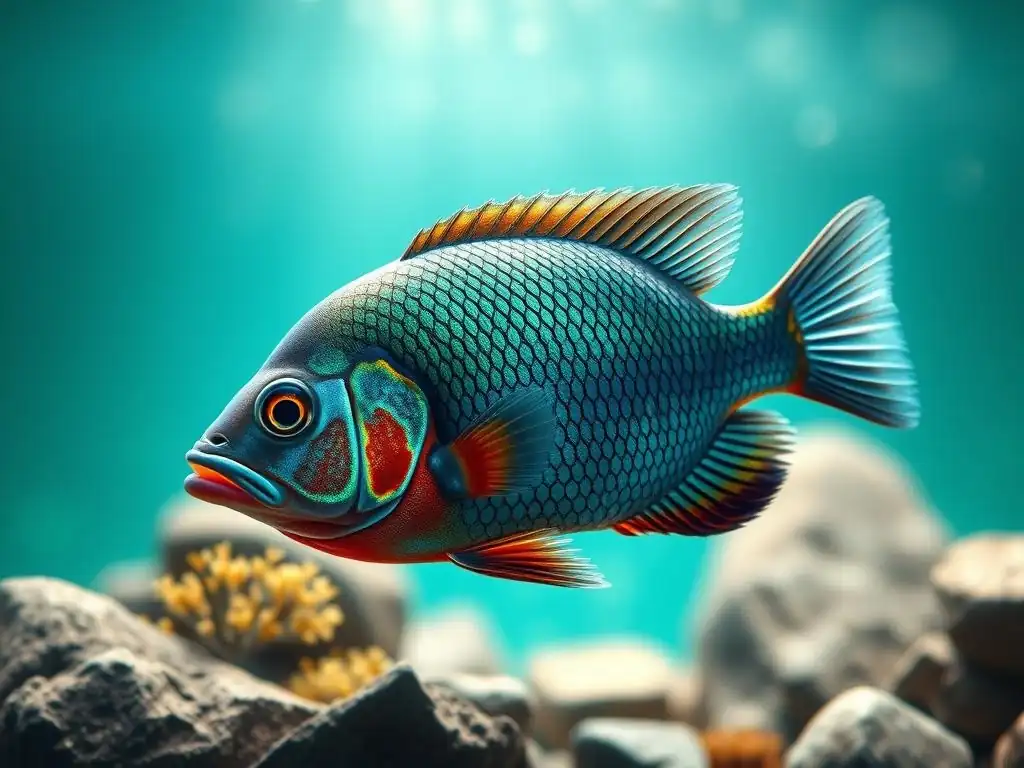
A balanced and varied diet is paramount for the health, vibrant coloration, and optimal growth of Calvus and Compressiceps cichlids, making your showstopping featherfin aquarium display truly stand out. In their natural habitat, these fish are primarily micropredators, feeding on small invertebrates, crustaceans, and fry that inhabit the rocky crevices. Therefore, their diet in the aquarium should reflect this carnivorous tendency, focusing on high-protein foods.
High-quality cichlid pellets or flakes specifically formulated for carnivorous or omnivorous cichlids should form the staple of their diet. Look for foods with a crude protein content of 40% or higher. Supplementing this with a variety of frozen and occasional live foods is essential for providing a full spectrum of nutrients and encouraging natural hunting behaviors. Examples include frozen mysis shrimp, brine shrimp, bloodworms, and krill. For instance, feeding a small pinch of high-quality pellet food once a day, supplemented with frozen mysis shrimp two to three times a week, can provide a robust nutritional foundation.
Live and Frozen Foods: Enhancing Calvus and Compressiceps Coloration and Breeding
Incorporating live and frozen foods into the diet of Calvus and Compressiceps cichlids is critical for enhancing their natural coloration, promoting robust growth, and stimulating breeding activity, which are all hallmarks of a showstopping featherfin aquarium display. Frozen foods like mysis shrimp and krill are particularly rich in carotenoids, natural pigments that intensify the reds, oranges, and yellows in fish coloration. Mysis shrimp, for example, are known to significantly improve the vibrancy of many cichlids.
Live foods, such as blackworms, brine shrimp, and small feeder guppies (used sparingly and from a trusted source to avoid disease), can trigger their natural predatory instincts and provide excellent conditioning for breeding. For instance, offering live brine shrimp once a week can stimulate a feeding frenzy and provide a burst of high-quality protein.
However, it's important to feed live foods in moderation to avoid overfeeding and ensure tank cleanliness. A varied diet of high-quality pellets, supplemented regularly with frozen mysis shrimp and occasionally with live treats, ensures your Calvus and Compressiceps receive all the necessary nutrients to display their most brilliant colors and active behaviors.
Avoiding Overfeeding: Maintaining Water Quality in Your Calvus and Compressiceps Tank
Avoiding overfeeding is one of the most crucial aspects of maintaining pristine water quality in your Calvus and Compressiceps tank, directly impacting the health of your fish and the clarity of your showstopping featherfin aquarium display. Overfeeding leads to uneaten food decaying in the substrate and filter, rapidly increasing ammonia, nitrite, and nitrate levels. This not only stresses the fish and makes them susceptible to disease but also contributes to unsightly algae blooms and cloudy water, detracting from the aesthetic appeal of your display.
Calvus and Compressiceps have relatively slow metabolisms compared to some other cichlids, and they are not voracious eaters. It is generally recommended to feed them small amounts, once or twice a day, only what they can consume within 2-3 minutes. For example, for a pair of adult Calvus, a pinch of flakes or 3-5 frozen mysis shrimp per feeding is often sufficient.
If you observe food settling on the bottom after a few minutes, you are likely overfeeding. Regularly observe your fish's appetite and adjust feeding amounts accordingly. This disciplined approach to feeding is vital for maintaining the stable, clean water conditions essential for these sensitive Tanganyikan cichlids and for preserving the pristine appearance of your showstopping Calvus and Compressiceps displays.
Maintaining a Pristine Calvus and Compressiceps Aquarium: Regular Cleaning and Maintenance
Gravel Vacuuming: Removing Debris and Maintaining Substrate Health
Regular gravel vacuuming is a fundamental component of maintaining a pristine Calvus and Compressiceps aquarium and is essential for the longevity of a showstopping featherfin aquarium display. Even with efficient filtration, uneaten food, fish waste, and plant debris can accumulate within the substrate, breaking down and releasing harmful compounds like ammonia and nitrates. While Calvus and Compressiceps are not typically substrate sifters, a clean substrate prevents the buildup of these pollutants.
During your weekly 25-30% water change, use an aquarium gravel vacuum to siphon out water while simultaneously stirring and cleaning the top layers of the substrate. Focus on areas where debris tends to accumulate, such as under rockwork or in corners. For instance, in a 75-gallon tank, you might spend 5-10 minutes methodically vacuuming different sections of the sandbed each week. This process effectively removes accumulated organic waste, directly contributing to superior water quality, reduced algae growth, and a healthier environment for your Calvus and Compressiceps, ensuring your display remains crystal clear and visually stunning.
Algae Control: Preventing Algae Blooms in Calvus and Compressiceps Aquariums
Effective algae control is crucial for maintaining the aesthetic appeal and overall health of a showstopping Calvus and Compressiceps aquarium display. While some minimal algae growth on rocks can look natural, excessive blooms detract from the beauty of the fish and can indicate underlying water quality issues. The primary culprits for algae growth are excess nutrients (nitrates and phosphates) and too much light.
To prevent algae blooms, focus on addressing these root causes. Implement a consistent weekly water change schedule (e.g., 25-30% of tank volume) to remove nitrates and phosphates. Avoid overfeeding, as uneaten food breaks down into nutrients that fuel algae. Maintain a consistent lighting schedule of 10-12 hours per day using a timer, avoiding direct sunlight on the tank.
Introducing algae-eating tank mates, such as certain species of Synodontis catfish (e.g., Synodontis lucipinnis or Synodontis petricola) or snails (like Nerite snails, ensuring they can survive in high pH/hard water), can also help manage minor algae growth. For example, two Nerite snails in a 60-gallon tank can effectively graze on surface algae without impacting the cichlids. Manual removal with an algae scraper during weekly maintenance is also effective for glass surfaces, ensuring your showstopping featherfin aquarium display remains pristine.
Monitoring Water Parameters: Ensuring a Stable and Healthy Environment
Consistent monitoring of water parameters is a non-negotiable practice for ensuring a stable and healthy environment in a Calvus and Compressiceps aquarium, vital for a showstopping featherfin aquarium display. These Tanganyikan cichlids are sensitive to fluctuations, and regular testing allows you to detect issues before they become critical. Key parameters to monitor include pH, ammonia, nitrite, and nitrate, along with GH and KH if you are adjusting water hardness.
Weekly testing for ammonia, nitrite, and nitrate is highly recommended. Ammonia and nitrite should always read 0 ppm. Any detectable levels indicate a problem with the nitrogen cycle or overfeeding. Nitrates should be kept below 20 ppm, ideally below 10 ppm, through regular water changes.
pH, GH, and KH should be tested bi-weekly or monthly, or whenever you notice unusual behavior in your fish. For instance, if your pH consistently drops below 7.8, it indicates insufficient buffering capacity, requiring intervention with appropriate buffers or crushed coral. Maintaining strict records of your water parameters over time can help you identify trends and proactively address potential issues, ensuring the long-term success and vibrancy of your showstopping Calvus and Compressiceps displays.
Breeding Calvus and Compressiceps Cichlids: Creating the Ideal Conditions
Setting Up a Breeding Tank for Calvus and Compressiceps Cichlids
Setting up a dedicated breeding tank can significantly increase your success in propagating Calvus and Compressiceps cichlids, ultimately contributing to the legacy of your showstopping featherfin aquarium displays. While these fish can sometimes breed in a well-maintained community tank, a separate breeding setup provides a controlled environment free from competition and predation. A 20-30 gallon (75-115 liter) tank is typically sufficient for a single breeding pair.
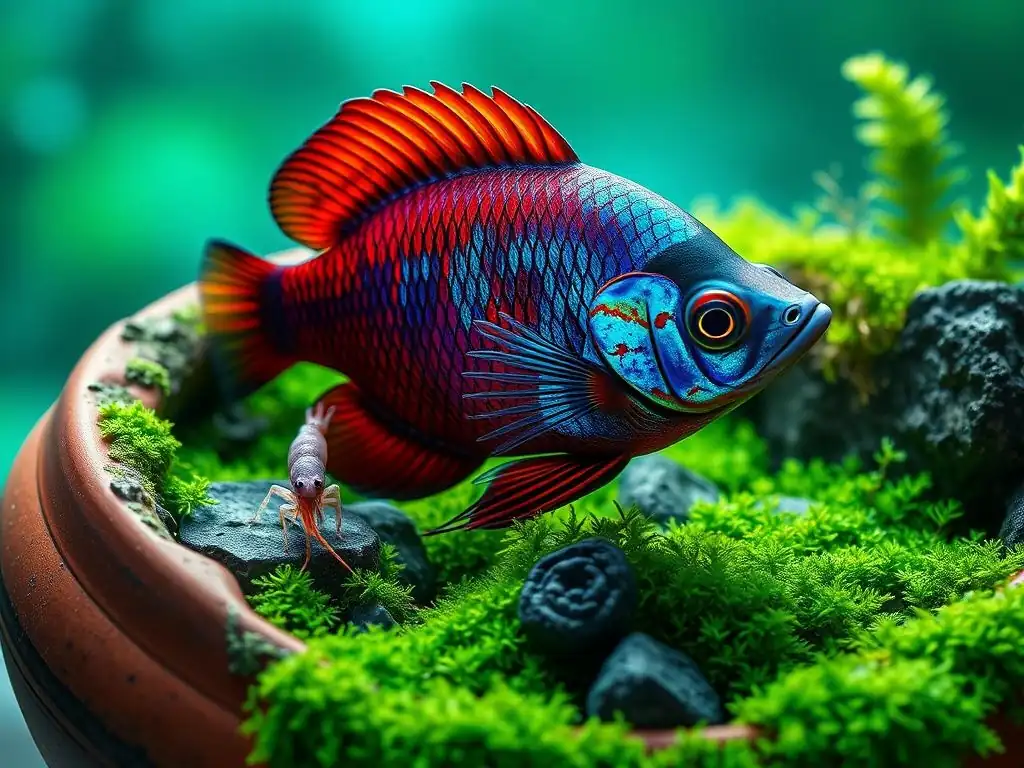
The breeding tank should replicate their natural environment, focusing on their specific needs. Provide several small, dark caves or overturned flowerpots with small entrance holes that only the female can comfortably enter. These serve as crucial spawning sites and safe havens for the female and eggs.
Maintain the same pristine water parameters as the main display tank: pH 8.0-8.5, GH 10-20 dGH, and a temperature of 78-80°F (25.5-27°C). A simple sponge filter or small hang-on-back filter provides adequate filtration without generating strong currents that could disturb fry. A bare bottom or a very thin layer of fine sand is often preferred to simplify cleaning and fry collection.
Identifying Breeding Pairs and Encouraging Spawning
Identifying a compatible breeding pair of Calvus or Compressiceps is the first step towards encouraging spawning and witnessing the miracle of life in your showstopping featherfin aquarium. While difficult to sex definitively when young, adult males are generally larger and may have slightly more elongated fins or a more pronounced nuchal hump (forehead bump) than females. Observing behavior is key: a male and female frequently interacting, defending a specific cave together, and displaying vibrant coloration are strong indicators of a pair bond.
To encourage spawning, ensure the breeding tank conditions are optimal and stable. A slight increase in temperature (e.g., from 78°F to 80°F) and an increase in the frequency of small, clean water changes (e.g., 10% daily for a few days) can often stimulate spawning. Conditioning the pair with a high-protein diet of live and frozen foods (e.g., daily feedings of frozen mysis shrimp or live blackworms) is also crucial.
Spawning usually occurs within a chosen cave; the female enters, lays eggs, and the male fertilizes them from outside. The female then guards the eggs and fry meticulously, often sealing the cave entrance with sand.
Raising Calvus and Compressiceps Fry: From Hatching to Independence
Raising Calvus and Compressiceps fry requires patience and meticulous care to ensure their survival and growth, ultimately contributing to future generations of showstopping featherfin aquarium displays. After spawning, the female will guard the eggs within the cave, which typically hatch in 3-4 days at 78-80°F. The fry will become free-swimming within another 7-10 days, emerging from the cave as miniature versions of their parents.
At this stage, feeding is critical. Newly hatched brine shrimp (Artemia nauplii) are an ideal first food due to their small size and high nutritional value. Feed small amounts multiple times a day (e.g., 3-4 times). As the fry grow (typically after 2-3 weeks), they can be gradually introduced to finely crushed flakes or micro-pellets.
Maintaining pristine water quality is paramount; daily small water changes (e.g., 10-15%) are often necessary, using an air line tubing to siphon out waste without sucking up fry. As they grow, separate them by size to prevent cannibalism. With diligent care, these fry will grow into healthy juveniles, ready to contribute to the next generation of showstopping Calvus and Compressiceps displays.
Troubleshooting Common Issues in Calvus and Compressiceps Aquariums
Disease Prevention and Treatment in Calvus and Compressiceps Cichlids
Disease prevention is paramount for maintaining healthy Calvus and Compressiceps cichlids and preserving the integrity of your showstopping featherfin aquarium display. These fish, like all aquarium inhabitants, are susceptible to various ailments, but most can be avoided through diligent husbandry. The primary preventative measures include maintaining stable, pristine water parameters, providing a balanced and nutritious diet, avoiding overstocking, and minimizing stress. Quarantine new fish for at least 3-4 weeks in a separate tank before introducing them to your main display to prevent the introduction of pathogens.
If disease does occur, early detection and prompt treatment are crucial. Common issues include Ich (white spot disease), which manifests as small white spots on the body and fins, and bacterial infections, often indicated by fin rot, cloudy eyes, or ulcers. For Ich, increasing the temperature slightly (e.g., to 82°F/28°C) and using an appropriate Ich medication, following manufacturer instructions, is typically effective.
Bacterial infections often require antibiotics, either medicated food or water treatments, again strictly adhering to dosage. Always diagnose carefully, as misdiagnosis can lead to ineffective or harmful treatments. Maintaining a clean, stress-free environment significantly reduces the likelihood of disease outbreaks, ensuring your showstopping Calvus and Compressiceps displays remain vibrant and healthy.
Dealing with Aggression and Territorial Disputes
While Calvus and Compressiceps cichlids are generally considered peaceful for Tanganyikan cichlids, aggression and territorial disputes can arise, especially between males or when tank space is inadequate. Such conflicts can lead to stress, fin nipping, and even fatalities, detracting from a showstopping featherfin aquarium display. The key to mitigating aggression lies in proper tank design and stocking.
Ensure your tank provides ample rockwork with numerous visually separated caves and crevices, allowing each fish to establish its own territory without constant visual contact with rivals. For instance, in a 60-gallon tank, aim for at least 4-5 distinct hiding spots even for 2-3 fish. Avoid keeping multiple males of the same species in tanks smaller than 75 gallons unless they are a bonded pair or part of a very large, heavily decorated tank that diffuses aggression.
If a specific fish becomes overly aggressive, consider temporary isolation in a breeder box or re-arranging the rockwork to reset territories. In severe cases, rehoming the aggressor may be necessary to maintain harmony and the peaceful beauty of your showstopping Calvus and Compressiceps display.
Maintaining a Stable Ecosystem for Long-Term Success
Maintaining a stable ecosystem is the overarching principle for the long-term success and enduring beauty of your showstopping Calvus and Compressiceps displays. A stable environment minimizes stress on the fish, promotes robust health, and allows them to exhibit their natural behaviors and vibrant coloration consistently. This stability is achieved through a combination of consistent practices rather than intermittent interventions.
Key elements of a stable ecosystem include unwavering water parameters (pH, GH, KH, temperature), achieved through regular, consistent water changes and appropriate substrate/rockwork. A robust and well-maintained filtration system ensures pristine water quality, while a consistent lighting schedule regulates the fish's natural rhythms. Avoiding sudden changes in tank conditions, such as large water changes with unmatched temperatures or sudden alterations in diet, is crucial.
Regularly observing your fish for any subtle changes in behavior, appetite, or appearance allows for early detection of potential issues. By meticulously adhering to these principles, you create a resilient and harmonious environment where your Calvus and Compressiceps can thrive for many years, making your showstopping featherfin aquarium a truly enduring masterpiece.
Showstopping Calvus and Compressiceps Displays: A Summary of Key Takeaways
Creating showstopping Calvus and Compressiceps aquarium displays hinges on a detailed understanding of their specific needs and a commitment to meticulous care. Key takeaways for success include providing a spacious tank (minimum 40-60 gallons) with ample, intricately arranged rockwork that offers numerous caves and visual breaks, replicating their natural, crevice-dwelling habitat. This thoughtful aquascaping is crucial for minimizing aggression and encouraging natural behaviors within your showstopping featherfin aquarium.
Maintaining pristine and stable water parameters is non-negotiable, specifically a high pH (7.8-8.8), high GH and KH, and a consistent temperature of 76-80°F. This stability is best achieved through robust filtration, regular 25-30% weekly water changes, and careful monitoring of water chemistry. A high-protein diet consisting of quality pellets, supplemented regularly with frozen mysis shrimp and krill, ensures vibrant coloration and optimal health. By adhering to these advanced tips, aquarists can cultivate breathtaking Calvus and Compressiceps displays that are not only aesthetically stunning but also provide a thriving, natural environment for these captivating Tanganyikan cichlids.
Frequently Asked Questions
How do I create a showstopping featherfin display that captures attention?
Focus on strategic placement and aquascaping. Use natural elements like driftwood and rocks to create depth and visual interest, highlighting the featherfin's unique features.
What are the ideal water parameters for maintaining a healthy featherfin in a display tank?
Featherfins require pristine water conditions. Maintain a stable pH, low ammonia and nitrite levels, and a consistent temperature within the species' recommended range.
What fish species are compatible with featherfins in a community aquarium display?
Select peaceful tankmates that won't compete for food or territory. Avoid aggressive or fin-nipping species to ensure the featherfin's well-being and visual appeal.
How often should I perform water changes in a featherfin aquarium to maintain its showstopping quality?
Regular partial water changes are crucial. Aim for 25-50% weekly to remove nitrates and maintain water clarity, enhancing the visual impact of the display.
What type of lighting best showcases the featherfin's colors and contributes to a stunning aquarium display?
Use full-spectrum lighting to enhance the featherfin's natural coloration and promote healthy plant growth. Adjust the intensity and duration to prevent algae blooms and optimize viewing.
Final Reflection: Cultivating Aquatic Artistry
The journey into crafting showstopping featherfin aquarium displays transcends mere fishkeeping; it's about transforming glass boxes into vibrant ecosystems, miniature underwater worlds teeming with life and beauty. The principles outlined in this article, from meticulous planning to nuanced execution, are not just techniques, but pathways to creating living art that captivates and inspires.
The impact of a well-designed aquarium extends far beyond its aesthetic appeal. It fosters a deeper appreciation for the delicate balance of nature and offers a tranquil escape from the everyday. As we strive to replicate natural habitats, we learn to observe, adapt, and respect the needs of our aquatic inhabitants. In nature, nothing is perfect and everything is perfect. Trees can be contorted, bent in weird ways, and they're still beautiful.
- Alice Walker. This quote reminds us that even in our aquascaping efforts, embracing the natural imperfections can lead to the most breathtaking results.
Now, consider the potential of your own aquatic canvas. What story will you tell? What emotions will you evoke? Let the knowledge gained here be a springboard for your creativity, a catalyst for crafting a featherfin display that not only showcases the beauty of these remarkable fish but also reflects your own unique artistic vision. Embrace the challenge, experiment with new techniques, and above all, cultivate a space where both fish and observer can find wonder and tranquility.
Ignite Your Featherfin's Majesty!
Thank you for diving into the world of spectacular Featherfin displays! We hope you’ve discovered new ways to enhance your aquarium and the lives of your fish. Now, let’s turn that knowledge into action!
Here are a few next steps to take:
- Redesign your aquarium scape specifically around your Featherfin's needs, focusing on rock structures and hiding places.
- Share your most creative Featherfin tank design ideas on aquarium forums to inspire other enthusiasts.
- Challenge yourself to document your Featherfin's growth and behavior changes over the next month – you might uncover new insights!
What unique element will you add to your Featherfin's environment to showcase its natural elegance?