
How to Safely Perform Tank Maintenance with a Venomous Lionfish

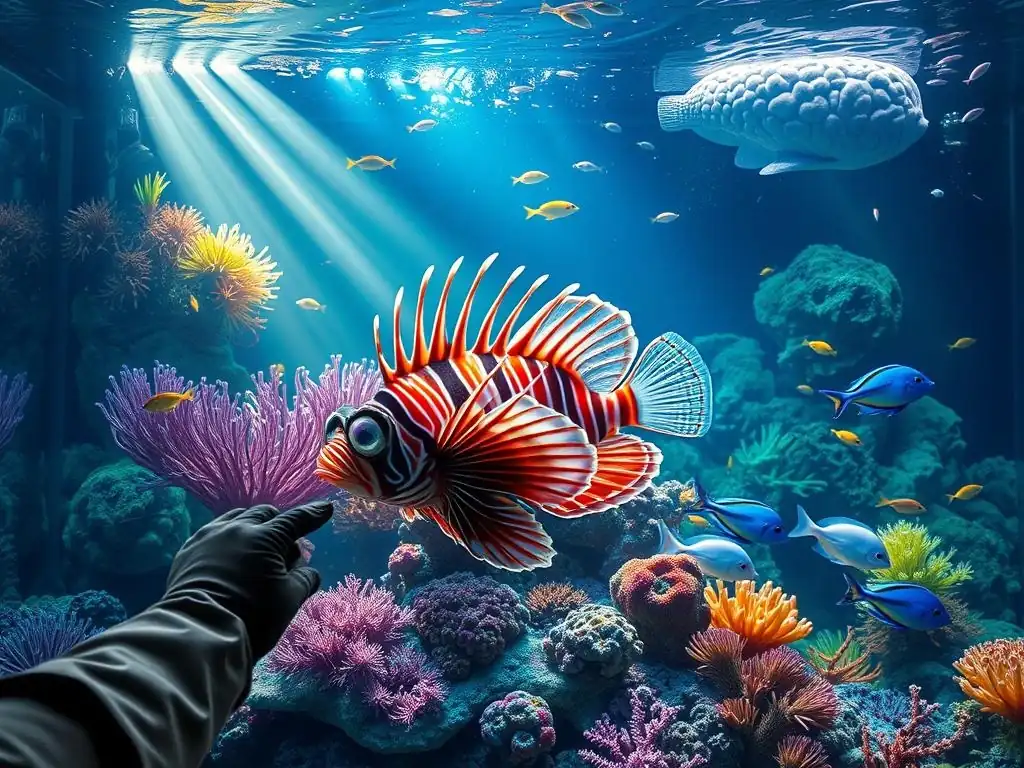
Welcome to Aquarium Mastery!
Ever wondered how the pros handle the mesmerizing, yet undeniably prickly, venomous lionfish? You've come to the right place! Diving into the captivating world of saltwater aquariums can be thrilling, but safety is paramount. This guide unveils essential venomous lionfish tank maintenance tips to ensure both your well-being and the health of your majestic, spiny friend. Ready to learn how to keep your slice of the ocean thriving without getting stung? Let's dive in!
- Understanding the Risks of Venomous Lionfish Tank Maintenance
- Preparing for Lionfish Tank Maintenance: Minimizing Risk
- Step-by-Step Guide to Safe Lionfish Tank Maintenance
- Lionfish Sting First Aid and Emergency Procedures
- Advanced Lionfish Tank Maintenance Techniques
- Lionfish Tank Care: Beyond Tank Maintenance
- Maintaining a Thriving and Safe Lionfish Aquarium: Key Takeaways
-
Frequently Asked Questions
- How dangerous is lionfish venom, and what are the potential consequences of a sting?
- What are the essential safety precautions I must take before performing any maintenance on a lionfish tank?
- What tools are recommended for maintaining a lionfish tank to minimize the risk of envenomation?
- How often should I perform water changes in a lionfish tank, and are there any specific water parameters I need to monitor closely?
- What should I do immediately if I am stung by a lionfish while performing tank maintenance?
- Final Reflection: Navigating the Prickly Path of Responsibility
- Unleash Your Inner Lionfish Guardian!
Understanding the Risks of Venomous Lionfish Tank Maintenance
Lionfish Envenomation: A Real Threat to Aquarists
Lionfish, captivating predators in marine aquariums, possess dorsal, anal, and pelvic fins equipped with sharp, venomous spines. These spines are primarily defensive, used to deter potential threats. When a spine penetrates the skin, venom is injected, leading to immediate and intense pain, swelling, and redness at the site of envenomation. While rarely fatal to humans, the pain can be excruciating, often described as far more severe than a bee sting, and can persist for several hours, sometimes accompanied by nausea, sweating, and respiratory distress in more severe cases.
The venom itself is a complex cocktail of proteins, including neurotoxins and cytotoxins, which can cause local tissue damage and systemic effects. An estimated 10-15% of aquarists who keep lionfish experience a sting at some point, often due to complacency or unexpected movements.
The severity of the reaction depends on factors such as the amount of venom injected, the individual's sensitivity, and the location of the sting. For instance, a sting to a finger might cause localized swelling, but a sting to a major joint could lead to temporary loss of function and prolonged discomfort, making careful handling and awareness paramount.
Identifying Lionfish Species and Their Venomous Spines
Several species of lionfish are commonly kept in home aquariums, including the Red Lionfish (Pterois volitans) and the Dwarf Lionfish (Dendrochirus brachypterus). Both species, despite their size differences—Red Lionfish can reach up to 15 inches, while Dwarf Lionfish typically stay under 7 inches—share the common characteristic of venomous spines. The Red Lionfish, with its dramatic, fan-like fins, has 13 dorsal spines, 3 anal spines, and 2 pelvic spines, all capable of delivering venom.
Distinguishing between species is less critical than understanding that all commonly available lionfish are venomous. The spines are typically rigid and sharp, often hidden among their elaborate finnage, making them difficult to spot without close inspection. Aquarists must recognize that even seemingly docile lionfish can react defensively and quickly, especially if they feel cornered or threatened during tank maintenance. Familiarity with the exact number and location of these spines on your specific lionfish is a fundamental aspect of safe venomous lionfish tank maintenance tips.
Essential Safety Gear for Lionfish Tank Care
Prioritizing safety is non-negotiable when performing tank maintenance with venomous lionfish. The primary goal is to create a physical barrier between your skin and the fish's spines. This starts with robust, puncture-resistant gloves. While standard dishwashing gloves offer some protection against water, they are entirely inadequate against lionfish spines. Instead, consider heavy-duty, elbow-length aquarium gloves made from materials like thick rubber or specialized synthetic polymers, often reinforced with Kevlar or similar puncture-resistant fabrics. These gloves should extend well past the wrist to protect the forearm, a common area for accidental contact.
Beyond gloves, eye protection in the form of safety glasses or goggles is advisable to prevent splashes of tank water or accidental contact with fins near the face. A long-sleeved shirt, even under gloves, can add another layer of protection. Furthermore, having a dedicated set of long-handled tools, such as algae scrapers, tongs, and gravel vacuums, reduces the need to place hands directly into the tank near the lionfish. These tools are crucial for maintaining distance and minimizing the risk of a sting, forming a critical part of effective venomous lionfish tank maintenance tips.
Preparing for Lionfish Tank Maintenance: Minimizing Risk
Observing Lionfish Behavior Before Maintenance
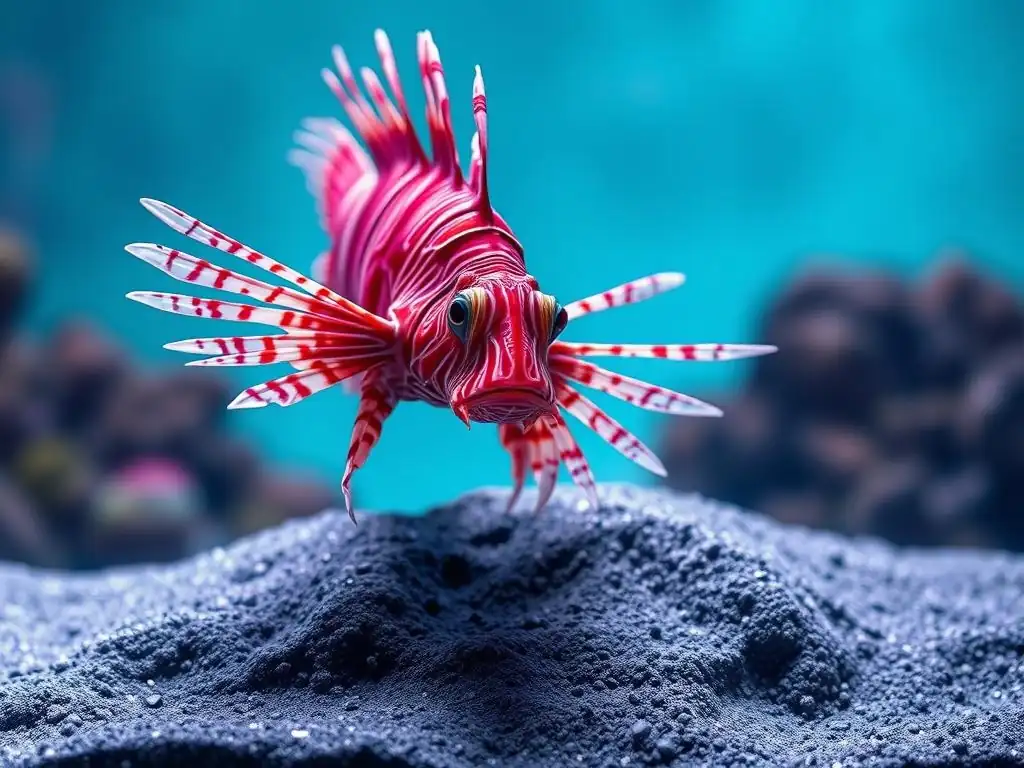
Before initiating any tank maintenance, dedicating a few minutes to observe your lionfish's behavior is a crucial safety step. Look for signs of stress, aggression, or unusual activity. A lionfish that is hiding more than usual, breathing rapidly, or exhibiting erratic swimming patterns might be stressed or ill, making it more unpredictable and potentially more prone to a defensive strike.
Conversely, a calm lionfish that is resting or slowly patrolling its territory might indicate a safer window for maintenance. Note its preferred hiding spots and common swimming routes to anticipate its movements and avoid corners or narrow spaces where it might feel trapped.
Understanding your lionfish's individual temperament is also key. Some lionfish are naturally bolder, while others are more reclusive. For instance, a larger, established Red Lionfish might be more territorial than a smaller Dwarf Lionfish. By observing these nuances, you can strategize your movements within the tank, deciding which areas to clean first and how to approach certain tasks to minimize disturbance. This proactive observation is a fundamental aspect of safe venomous lionfish tank maintenance tips, allowing you to tailor your approach to the specific fish.
Preparing Water for Changes and Supplements
Proper water preparation is essential for maintaining a stable and healthy environment for your lionfish and for efficient tank maintenance. For water changes, ensure that new saltwater is mixed and aerated for at least 24-48 hours prior to use, allowing for proper gas exchange and stabilization of parameters. The temperature, salinity, and pH of the new water must precisely match the existing tank water to prevent osmotic shock and stress to the lionfish. A deviation of even 1-2 degrees Fahrenheit or 0.001-0.002 in specific gravity can cause significant stress.
Furthermore, if you use water conditioners or dechlorinators, ensure they are added and fully dissolved according to manufacturer instructions. If you regularly dose supplements for trace elements or specific water parameters, have them measured and ready for post-maintenance addition. Having all prepared water and necessary supplements on hand before you begin ensures a smooth process, minimizing the time your hands are in the tank and reducing the overall stress on the lionfish during tank maintenance.
Gathering Necessary Tools and Safety Equipment
Before you even think about putting your hands in the tank, all necessary tools and safety equipment must be gathered and laid out within easy reach. This includes your heavy-duty, elbow-length gloves, safety glasses, a long-handled algae scraper, a gravel vacuum, buckets for old and new water, a siphon hose, and any specialized cleaning tools for filters or pumps. Having everything organized prevents fumbling around or needing to leave the tank area mid-task, which could prolong exposure time.
Additionally, prepare your first aid kit specifically for lionfish stings. This should include a source of hot water (ideally 110-115°F or 43-46°C, but never scalding) for pain management, antiseptic wipes, and bandages. A clear, designated area for tools helps maintain order and ensures you can quickly grab what you need without looking away from the tank. This meticulous preparation is a cornerstone of effective venomous lionfish tank maintenance tips, ensuring efficiency and immediate response capability.
Step-by-Step Guide to Safe Lionfish Tank Maintenance
Step 1: Powering Down and Preparing the Tank Environment
The first critical step in safe lionfish tank maintenance is to power down essential equipment. Turn off heaters, filters, powerheads, and protein skimmers. This not only prevents equipment damage (e.g., filters running dry during water changes) but also significantly reduces water movement, which can startle or disorient the lionfish and make it harder to predict its movements. A calm, still environment is safer for both you and the fish. Ensure all electrical cords are unplugged from the wall outlet to prevent any risk of electric shock.
Once the equipment is off, assess the lionfish's position. If it is in a tight spot or a high-traffic area where you need to work, you might gently guide it to a less intrusive part of the tank using a long-handled net or a rigid piece of PVC pipe. Never attempt to net or physically handle the lionfish with your hands. The goal is to encourage it to move to a safe, quiet corner where it can remain undisturbed during the maintenance process, minimizing its stress and your exposure to its venomous spines.
Step 2: Maintaining Water Chemistry
Maintaining stable water chemistry is paramount for the health of lionfish, which thrive in consistent marine conditions. Before performing water changes or adding supplements, it's essential to conduct thorough water tests.
Testing Salinity, pH, and Nitrates
Regular testing of key parameters is crucial for a healthy lionfish aquarium. Salinity, typically measured with a refractometer or hydrometer, should ideally be maintained between 1.023 and 1.025 specific gravity. Deviations outside this range can stress lionfish, leading to susceptibility to disease. pH levels for saltwater aquariums usually fall between 8.0 and 8.4; significant fluctuations can impair biological processes. Nitrate levels, indicative of accumulated waste, should be kept as low as possible, ideally below 20 ppm, as high levels can compromise fish health over time.
These tests should be performed weekly or bi-weekly, depending on tank maturity and bioload. Consistent monitoring allows aquarists to identify trends and address potential issues before they become critical. For instance, a steady increase in nitrates might signal the need for more frequent water changes or a review of feeding practices. Accurate readings are a cornerstone of effective venomous lionfish tank maintenance tips, ensuring a stable environment that reduces stress on the fish.
Adjusting Parameters with Supplements
Based on your water test results, you may need to adjust certain parameters using marine-grade supplements. If salinity is low, a measured amount of dissolved marine salt mix can be added slowly to the sump or a high-flow area, avoiding direct contact with the lionfish. For pH imbalances, buffer solutions specifically designed for saltwater aquariums can be used to gradually bring the pH into the optimal range. It's crucial to make these adjustments slowly over several hours or even days to prevent sudden shifts that could shock the lionfish.
Never attempt to correct large parameter deviations rapidly. For instance, if salinity drops significantly, it's better to perform a series of smaller water changes with accurately mixed new water rather than attempting a large, single adjustment. Always follow supplement manufacturer instructions precisely and dose in areas of high water flow to ensure rapid dispersion, minimizing localized concentrations that could harm the fish.
Step 3: Performing Necessary Tank Maintenance Tasks
With the tank prepared and water chemistry assessed, you can proceed with the physical maintenance tasks, always keeping the lionfish's location and your safety in mind.
Cleaning the Substrate and Removing Detritus
Cleaning the substrate is a vital part of maintaining water quality and preventing the buildup of harmful compounds. Using a long-handled gravel vacuum, gently siphon detritus and uneaten food from the substrate. Pay particular attention to areas where waste tends to accumulate, such as under decorations or in low-flow zones. When working near the lionfish's resting spot, move slowly and deliberately, keeping the gravel vacuum between your hand and the fish as a buffer.
For tanks with bare bottoms or very shallow sand beds, a siphon hose can be used to remove visible detritus. Aim to remove approximately 10-20% of the tank volume during this process, depending on your water change schedule. This mechanical removal of waste directly reduces the organic load on your filtration system, contributing to lower nitrate levels and a healthier environment for your venomous lionfish.
Water Changes and Salinity Adjustments
Following the removal of detritus, proceed with the water change. Using your siphon, remove the predetermined volume of old tank water into a dedicated bucket. Once the old water is out, slowly introduce the pre-mixed and temperature-matched new saltwater. Pouring new water into the sump or a low-flow area of the display tank helps to prevent disturbing the lionfish and ensures gradual mixing. Monitor the lionfish for any signs of stress during this process.
After the water change, re-test the salinity to ensure it matches the target range, typically 1.023-1.025. If minor adjustments are needed, add small amounts of salt mix (dissolved beforehand) or RO/DI water very gradually. Consistent salinity is paramount for lionfish, as they are sensitive to rapid osmotic changes. This step, when executed with precision, is a core component of effective venomous lionfish tank maintenance tips.
Algae Control
Algae control is a continuous task in any marine aquarium. Use a long-handled algae scraper or magnetic cleaner to remove algae from the tank glass. For stubborn patches, a blade scraper can be effective, but extreme caution is advised to avoid contact with the lionfish. When scraping, always keep the lionfish in your line of sight and work away from its position.
For algae on decorations or rocks, remove them from the tank if possible for manual cleaning, or use long-handled brushes. Biological controls, such as a robust cleanup crew (snails, hermit crabs), can also assist, but ensure they are compatible with lionfish and won't become a meal. Maintaining clear viewing panes not only enhances aesthetics but also allows for better observation of your lionfish's health and behavior.
Equipment Inspection and Maintenance
With the physical cleaning done, inspect and maintain your tank equipment. Clean filter media, protein skimmer cups, and powerhead impellers. Rinse filter sponges and mechanical media in old tank water to preserve beneficial bacteria. Ensure protein skimmers are producing stable foam and that powerheads are free of debris and spinning correctly. Check heaters for proper function and ensure they are fully submerged before turning them back on.
Inspect all hoses and connections for leaks or wear. A quick visual check of all components can prevent future equipment failures. Once all maintenance is complete, carefully replug and restart all equipment, ensuring they power on correctly. This thorough inspection ensures optimal system performance, which directly supports the long-term health and stability required for safely maintaining a lionfish aquarium.
Step 4: Monitoring Lionfish Health After Maintenance
Post-maintenance observation is just as crucial as the maintenance itself. After the water has settled and equipment is running, take time to carefully observe your lionfish for any signs of stress or unusual behavior.
Observing Lionfish Behavior and Appetite
Immediately following tank maintenance, observe your lionfish for signs of stress. This might include rapid breathing (gilling), hiding more than usual, swimming erratically, or a loss of appetite. A healthy lionfish should resume its normal behavior relatively quickly, such as slowly cruising its territory or resting calmly. Offer a small amount of its favorite food, like a silverside or shrimp, to check its feeding response. A strong appetite is a good indicator that the lionfish has handled the maintenance without undue stress.
If the lionfish appears stressed, ensure all equipment is functioning correctly and water parameters are stable. Minimize further disturbance for the next few hours. Persistent stress can weaken the fish's immune system, making it susceptible to disease. Regular observation helps you learn your lionfish's normal patterns, making it easier to spot deviations after maintenance, a key aspect of long-term venomous lionfish tank maintenance tips.
Checking for Signs of Stress or Disease
Beyond general behavior, specifically look for physical signs of stress or disease. Check its fins for clamping or fraying, its body for any lesions, spots (like ich or velvet), or discoloration. Its eyes should be clear and bright, not cloudy or sunken. Pay attention to its breathing rate; labored breathing can indicate poor water quality or gill parasites.
A lionfish that remains lethargic, refuses food for an extended period (more than 24-48 hours), or shows visible signs of infection warrants immediate investigation. Re-test water parameters, review recent changes, and consider a freshwater dip if parasites are suspected (after consulting a marine fish health guide). Early detection and intervention are critical for treating any issues that might arise, ensuring the long-term health and safety of your venomous lionfish.
Lionfish Sting First Aid and Emergency Procedures
Recognizing the Symptoms of a Lionfish Sting
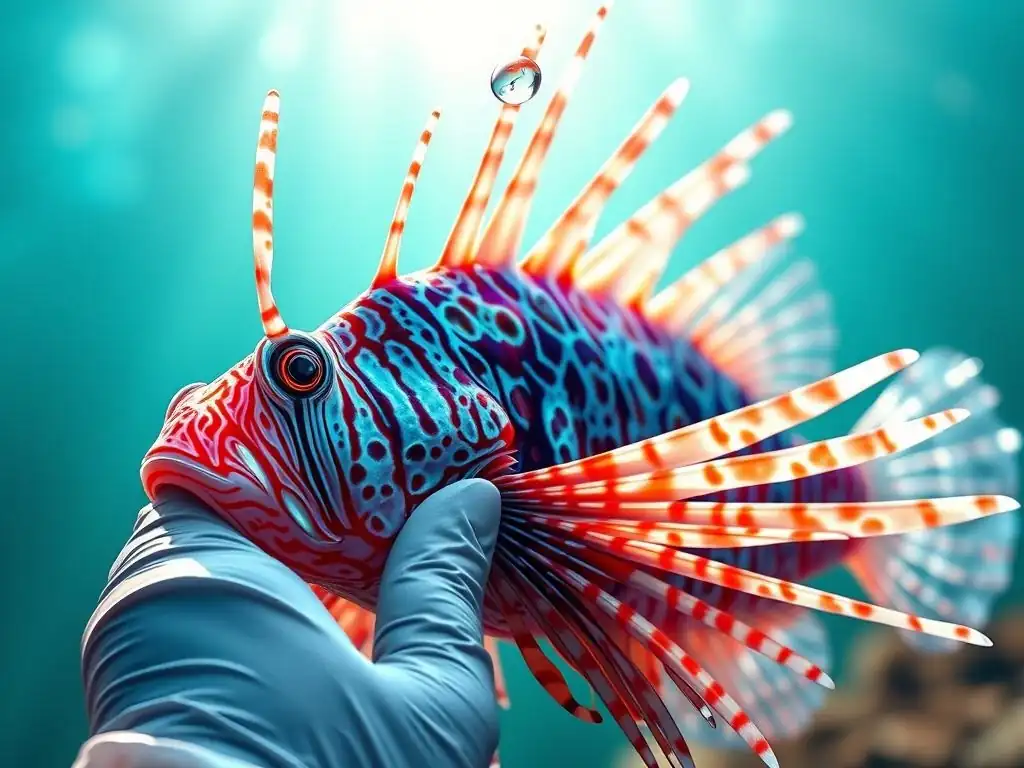
Recognizing the symptoms of a lionfish sting is crucial for prompt first aid. The immediate sensation is typically an intense, sharp, throbbing pain at the site of the sting, often described as disproportionately severe for the size of the wound. This pain usually peaks within 15-30 minutes and can last for several hours, sometimes up to a full day. The sting area will likely become red, swollen, and warm to the touch. In some cases, blistering or tissue discoloration (ranging from blue to purple) may occur around the wound.
Beyond localized symptoms, systemic reactions, though less common, can include nausea, vomiting, sweating, headache, abdominal pain, muscle weakness, and in rare instances, difficulty breathing or temporary paralysis of the affected limb. It's important to remember that individual reactions vary based on the amount of venom injected and the person's sensitivity. Any systemic symptoms, or severe localized pain that doesn't subside with first aid, warrant immediate medical attention.
Immediate First Aid Steps for a Lionfish Envenomation
The primary immediate first aid for a lionfish sting involves the application of heat to denature the protein-based venom. As soon as a sting occurs, immediately remove any remaining spine fragments from the wound using tweezers, taking care not to push them deeper. Then, immerse the affected area in hot water as quickly as possible. The water temperature should be as hot as the person can tolerate without scalding, ideally between 110-115°F (43-46°C). It is crucial to test the water temperature with a thermometer or a healthy part of your body first to avoid burns.
Maintain the affected limb in the hot water for at least 30-90 minutes, or until the pain significantly subsides. This heat helps break down the venom's proteins, reducing its potency. After soaking, clean the wound with soap and water to prevent secondary infection. Apply an antiseptic and a clean dressing. Over-the-counter pain relievers like ibuprofen can help manage residual pain. Elevating the affected limb can also help reduce swelling. These immediate steps are vital for managing a lionfish sting and are fundamental venomous lionfish tank maintenance tips.
When to Seek Professional Medical Attention
While most lionfish stings can be managed with immediate first aid, there are specific situations where professional medical attention is imperative. You should seek medical help if:
- The pain is excruciating and does not significantly subside after 90 minutes of hot water immersion.
- You experience systemic symptoms such as severe nausea, vomiting, dizziness, headache, abdominal cramps, muscle weakness, difficulty breathing, chest pain, or fainting.
- The sting site shows signs of severe infection, such as increasing redness, swelling, pus, or fever, in the days following the sting.
- You have a known allergy to insect stings or other venoms, or if you develop signs of an allergic reaction (e.g., hives, widespread rash, swelling of the face/throat).
- The sting occurred on a sensitive area like the face, neck, or joints, or if the wound is deep or large.
Always err on the side of caution. Inform medical personnel that you were stung by a venomous lionfish, as this will help them provide appropriate treatment. For severe reactions or prolonged symptoms, a visit to an emergency room or urgent care facility is recommended to ensure proper wound care, pain management, and monitoring for complications.
Advanced Lionfish Tank Maintenance Techniques
Optimizing Environment for Lionfish Well-being
Optimizing the tank environment goes beyond basic water parameters to create a truly thriving habitat for lionfish. While lighting is paramount for corals, for lionfish, it's about providing appropriate light cycles and sufficient dim, sheltered areas. Lionfish are primarily nocturnal or crepuscular hunters, preferring subdued lighting during the day. Consider using actinic blue lighting or lower intensity full-spectrum LEDs for part of the day, mimicking deeper reef conditions where they might naturally reside. A consistent 10-12 hour light cycle is generally recommended.
Furthermore, the physical layout of the tank should provide ample caves, overhangs, and rockwork for the lionfish to retreat and feel secure. This not only reduces stress but also mimics their natural hunting grounds where they ambush prey. Ensuring a stable temperature, typically between 76-80°F (24-27°C), is also critical, as fluctuations can compromise their immune system. A well-designed environment minimizes stress, leading to a healthier, more resilient lionfish, reducing potential defensive behaviors during tank maintenance.
Implementing a Regular Feeding Schedule
A consistent and appropriate feeding schedule is vital for the health and growth of your lionfish. Unlike coral dosing, which involves nutrient additions, lionfish feeding focuses on providing a balanced diet of meaty foods. Young lionfish may require feeding daily, while adults can thrive on 2-3 feedings per week. The amount should be enough for their belly to appear slightly distended but not overfed, as overfeeding leads to poor water quality.
Offer a varied diet of frozen foods such as silversides, krill, mysis shrimp, and chopped raw seafood (e.g., shrimp, squid). Ensure the food items are appropriately sized for your lionfish's mouth to prevent choking. Use long feeding tongs or a feeding stick to deliver food, keeping your hands well away from the lionfish.
This method not only ensures safety but also allows you to observe their feeding response and appetite, which are key indicators of health. A well-fed lionfish is generally less stressed and less likely to be aggressive during tank maintenance, making this a crucial aspect of venomous lionfish tank maintenance tips.
Maintaining Proper Water Flow
Proper water flow is essential in a lionfish aquarium to ensure oxygenation, distribute nutrients, and prevent detritus from settling in dead spots. While lionfish are not strong swimmers and prefer calmer areas, some gentle, indirect flow is beneficial. Powerheads should be positioned to create broad, laminar flow rather than turbulent, direct currents, which can stress the fish. Aim for a flow rate that gently stirs the surface and keeps detritus suspended for removal by the filtration system.
Too much flow can cause lionfish to expend unnecessary energy struggling against the current, leading to stress and reduced feeding. Conversely, too little flow can result in stagnant areas where waste accumulates, leading to poor water quality. Observing how your lionfish position themselves in the current can help you fine-tune powerhead placement. Adjusting flow patterns to create both calm resting spots and areas of gentle movement contributes significantly to the overall well-being of your lionfish, making future tank maintenance smoother.
Lionfish Tank Care: Beyond Tank Maintenance
Lionfish Nutrition and Feeding Strategies
Beyond simply feeding, understanding lionfish nutrition is key to their long-term health. Lionfish are carnivorous predators that require a diet rich in protein and essential fatty acids. While they may initially be hesitant to eat frozen foods, transitioning them from live feeder fish (which carry disease risks) to a varied frozen diet is crucial. Offer a mix of high-quality frozen silversides, krill, mysis shrimp, and pieces of squid or shrimp. Some aquarists also supplement with vitamin-enriched formulas or gut-loaded feeder shrimp to ensure a complete nutritional profile.
Feeding strategies should also account for safety. Always use long feeding tongs or sticks to deliver food directly to the lionfish, maintaining a safe distance from its venomous spines. Feed at consistent times to establish a routine. Avoid overfeeding, which can lead to obesity and poor water quality. A healthy, well-nourished lionfish is more resilient to stress and less prone to disease, reducing the overall need for extensive interventions that might increase sting risk during venomous lionfish tank maintenance.
Maintaining Optimal Water Quality for Lionfish Health
Optimal water quality is the cornerstone of a healthy lionfish aquarium. This goes beyond just regular water changes and encompasses robust filtration. A combination of mechanical filtration (filter socks, sponges), biological filtration (live rock, bio-balls), and chemical filtration (activated carbon, GFO) is ideal. Mechanical filtration physically removes particulate waste, biological filtration converts toxic ammonia and nitrite into less harmful nitrate, and chemical filtration removes dissolved organic compounds and phosphates.
Regular testing of ammonia, nitrite, nitrate, pH, and salinity should be a weekly ritual. Consistent parameters prevent stress and bolster the lionfish's immune system. Aim for ammonia and nitrite levels of 0 ppm, nitrates below 20 ppm, and stable pH (8.0-8.4) and salinity (1.023-1.025). Employing a reliable protein skimmer is also highly recommended, as it efficiently removes organic waste before it breaks down, significantly contributing to stable water quality and reducing the frequency of major tank interventions.
Recognizing and Treating Common Lionfish Diseases
Despite best efforts, lionfish can occasionally fall victim to common marine aquarium diseases. Recognizing early symptoms is crucial for effective treatment. Common ailments include marine ich (Cryptocaryon irritans), characterized by small white spots resembling salt grains on the fish's body and fins, and velvet disease (Amyloodinium ocellatum), which presents as a dusty, yellowish film. Bacterial infections can manifest as fin rot, cloudy eyes, or ulcers.
If a disease is suspected, prompt action is necessary. Quarantining new fish before introduction is the best preventative measure against introducing pathogens. For active infections, treatment options include copper-based medications for parasites (used with caution as copper can be toxic to invertebrates and some fish), or broad-spectrum antibiotics for bacterial issues. Always consult a reputable marine fish disease guide and follow medication instructions precisely. Early intervention, coupled with excellent water quality, significantly increases the chances of successful recovery, minimizing the need for stressful handling during treatment.
Maintaining a Thriving and Safe Lionfish Aquarium: Key Takeaways
Maintaining a venomous lionfish aquarium is a rewarding experience that demands respect for the animal's natural defenses and a commitment to meticulous safety protocols. The core of safe venomous lionfish tank maintenance tips lies in proactive preparation, consistent observation, and the diligent use of appropriate safety gear. Always prioritize robust, puncture-resistant gloves and long-handled tools to create a physical barrier, minimizing direct contact with the fish.
Beyond safety, the long-term health of your lionfish hinges on stable water parameters, a varied and nutritious diet, and a well-designed habitat that provides ample hiding spots and appropriate flow. Regular water testing, efficient filtration, and prompt attention to any signs of stress or disease are paramount. By combining rigorous safety practices with optimal husbandry, aquarists can enjoy the captivating beauty of their lionfish while ensuring a safe and thriving aquatic environment for both themselves and their unique predatory charge.
Frequently Asked Questions
How dangerous is lionfish venom, and what are the potential consequences of a sting?
Lionfish venom is highly dangerous and can cause intense pain, swelling, and nausea. In rare cases, it can even lead to respiratory distress.
What are the essential safety precautions I must take before performing any maintenance on a lionfish tank?
Before starting, always wear thick gloves, eye protection, and protective clothing. Ensure you have antivenin or a hot water immersion setup readily available in case of a sting.
What tools are recommended for maintaining a lionfish tank to minimize the risk of envenomation?
Use long-handled tools, such as aquarium tongs, gravel vacuums, and algae scrapers, to maintain a safe distance from the lionfish. Avoid using your bare hands at all costs.
How often should I perform water changes in a lionfish tank, and are there any specific water parameters I need to monitor closely?
Perform regular water changes (around 10-20% weekly) to maintain water quality. Monitor ammonia, nitrite, and nitrate levels closely, as lionfish are sensitive to poor water conditions.
What should I do immediately if I am stung by a lionfish while performing tank maintenance?
Immediately immerse the affected area in hot water (as hot as you can tolerate) for 30-90 minutes to denature the venom. Seek medical attention as soon as possible even if the pain subsides.
The preceding guide has hopefully illuminated the complexities of maintaining an aquarium housing venomous lionfish, emphasizing the critical importance of prioritizing safety and respect for these magnificent, yet potentially dangerous, creatures. The information presented isn't merely academic; it's a practical necessity for responsible aquarists who choose to keep these animals, ensuring both their well-being and the safety of those who care for them.
This journey into lionfish husbandry has underscored the delicate balance between admiration and caution. It's a constant reminder that our actions have direct consequences on the lives of the animals we choose to keep, and that knowledge is the most powerful tool we possess. The greatness of a nation and its moral progress can be judged by the way its animals are treated.
- Mahatma Gandhi. This quote resonates deeply when considering the ethical responsibility we bear when caring for any animal, especially those with the potential to inflict harm.
Now, armed with these venomous lionfish tank maintenance tips, I invite you to reflect on your own practices and commitment to responsible aquarium keeping. Are you truly prepared to provide a safe and enriching environment for these fascinating creatures? Let this knowledge empower you to approach tank maintenance with confidence, respect, and, above all, unwavering vigilance, ensuring a harmonious coexistence for both you and your lionfish.
Unleash Your Inner Lionfish Guardian!
Thanks for diving deep into the art of responsible lionfish care! Now that you’re armed with the knowledge to maintain your aquarium safely, it’s time to put those skills into action and ensure a thriving habitat for your spiky friend.
Here are a few ways to continue your journey:
- Prioritize Safety: Always, always use thick gloves and a dedicated container when working with your lionfish. Never underestimate their venom!
- Explore Advanced Techniques: Research specialized tools like lionfish catchers or sedation methods for particularly challenging maintenance tasks.
- Share Your Wisdom: Educate other aquarists about the importance of responsible lionfish care and tank maintenance – your experience can save lives!
What innovative safety tool or technique will you test out first to ensure the well-being of your lionfish and yourself?