
What "ReefSafe" Really Means: Unveiling the Secrets for a Thriving Coral Tank

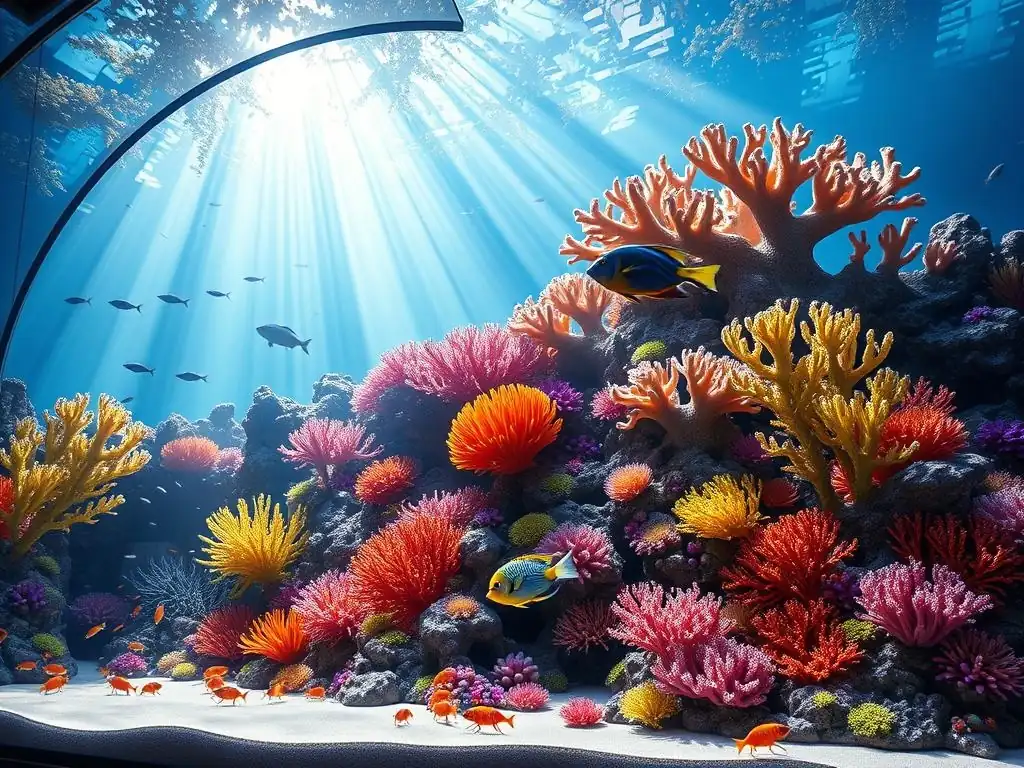
Welcome to Aquarium Mastery, fellow reef enthusiasts!
Ever wondered what it really takes to build a truly thriving reef aquarium? This isn't just about pretty fish; it's about creating a balanced ecosystem where coral flourishes. Dive in as we unravel the secrets to a reef safe aquarium setup, exploring everything from choosing the right equipment to understanding the delicate dance of water chemistry. Are you ready to unlock the full potential of your coral tank? Let's get started!
- Achieving Reef Tank Harmony: A Comprehensive Guide to Reef-Safe Practices
- Understanding the Reef Aquarium Ecosystem
- Selecting Fish for a Reef Environment
- Choosing Invertebrates for a Thriving Reef
- Essential Equipment for Reef Health
-
Maintaining a Flourishing Reef Aquarium
- Regular Water Changes: Replenishing Trace Elements
- Monitoring Water Quality: Ammonia, Nitrite, Nitrate, pH, Alkalinity, Calcium, Magnesium, and Phosphate
- Feeding Strategies: Coral Foods and Supplements
- Preventing and Treating Diseases: Quarantine and Medication
- Effective Algae Control: Manual Removal and Biological Solutions
- Troubleshooting Reef Tank Challenges
- Building a Balanced Reef Ecosystem
-
Frequently Asked Questions
- What does "Reef Safe" truly mean in the context of an aquarium?
- What are the most common mistakes beginners make when trying to create a reef safe aquarium setup?
- How is setting up a "Reef Safe" aquarium different from a typical fish-only tank?
- What are some essential pieces of equipment for a successful "Reef Safe" aquarium setup?
- How often should I test my water parameters in a "Reef Safe" aquarium, and what are the most critical parameters to monitor?
- Final Reflection: Nurturing Underwater Ecosystems
- Dive Deeper: Transform Your Reef Tank Today!
Achieving Reef Tank Harmony: A Comprehensive Guide to Reef-Safe Practices
Understanding the Reef Aquarium Ecosystem
Defining "Reef-Safe": Prioritizing Coral and Invertebrate Health
The term "reef-safe" in the context of a saltwater aquarium setup extends far beyond a fish simply not consuming coral polyps. It encompasses a complex set of behavioral traits and dietary preferences that ensure the well-being of all inhabitants within the delicate reef ecosystem. A truly reef-safe species will not only refrain from eating corals but also avoid nipping at their tissues, disturbing their attachment, or competing aggressively for food and space. This holistic definition is crucial because even seemingly minor disturbances can lead to stress, reduced growth, and ultimately, the decline of sensitive corals and invertebrates.
For instance, certain species might not actively prey on corals but could constantly harass them, leading to polyp retraction or tissue recession. This constant stress diverts energy from growth and health, making the coral vulnerable to disease or opportunistic algae overgrowth.
Similarly, a fish that habitually sifts large amounts of sand might bury slow-moving corals or invertebrates, depriving them of light and flow, which is detrimental to a thriving reef safe aquarium setup. Therefore, when evaluating a species for its "reef-safe" status, aquarists must consider its potential impact on the entire biotope, including its temperament, feeding habits, and activity levels.
Why Compatibility Matters: Preventing Predation and Competition
Compatibility is the cornerstone of a successful reef safe aquarium setup, directly impacting the prevention of predation and disruptive competition. Introducing incompatible species can lead to devastating consequences, from the outright consumption of expensive corals and invertebrates to chronic stress that weakens the immune systems of fish, making them susceptible to disease.
Predation is the most obvious threat; certain fish, like many large wrasses or triggerfish, naturally prey on crustaceans, mollusks, and small fish, which are often vital components of a reef clean-up crew or the reef itself. For example, a Clown Triggerfish (Balistoides conspicillum) is known to crush and consume snails, crabs, and even small fish, making it entirely unsuitable for a mixed reef tank.
Beyond direct predation, subtle forms of competition and aggression can also destabilize a reef environment. Fast-feeding fish might outcompete slower, shyer inhabitants for food, leading to malnutrition and stunted growth. Territorial disputes, even among seemingly peaceful species, can result in constant chasing and nipping, stressing both the aggressor and the victim.
For instance, a highly active Tang species in a tank that is too small might constantly chase a more sedentary Goby, impacting its ability to feed and thrive. Understanding these dynamics is critical for maintaining a harmonious and healthy reef ecosystem, ensuring that every inhabitant can flourish without detrimental interactions.
Debunking Reef-Keeping Myths: Separating Fact from Fiction
The world of reef keeping is often filled with anecdotal evidence and outdated information, leading to several persistent myths that can hinder a successful reef safe aquarium setup. One common misconception is that "all tangs are reef-safe."
While many popular tang species, like Yellow Tangs (Zebrasoma flavescens) or Blue Tangs (Paracanthurus hepatus), are primarily herbivorous and generally do not bother corals, they can be highly territorial and aggressive towards other tangs or fish of similar body shapes, especially in smaller tanks. Their constant grazing, while beneficial for algae control, can sometimes irritate delicate corals if they repeatedly brush against them.
Another prevalent myth is that "a fish is reef-safe if it doesn't eat coral." This oversimplification ignores crucial behavioral aspects like aggression, sand disturbance, and competition for resources. For example, a Diamond Watchman Goby (Valenciennea puellaris) is excellent for sand sifting, but its constant activity can bury small, slow-moving corals or cause detritus to settle on them, requiring vigilant maintenance.
Furthermore, the "it depends" factor is often overlooked: an individual fish's personality, the overall tank size, the stocking density, and the availability of alternative food sources can all influence behavior. A Copperband Butterflyfish (Chelmon rostratus), often introduced for Aiptasia control, is a prime example; while many individuals are model citizens, some will develop a taste for stony coral polyps, demonstrating that "reef-safe" isn't an absolute guarantee for every specimen.
Selecting Fish for a Reef Environment
Reef-Compatible Fish: Identifying Beneficial Traits
When selecting fish for a reef safe aquarium setup, identifying specific beneficial traits is paramount to ensuring harmonious coexistence with corals and invertebrates. Ideal reef-compatible fish typically exhibit small adult sizes, peaceful temperaments, and specialized diets that align with the reef ecosystem's needs without posing a threat to its delicate inhabitants.
For instance, many species that are primarily planktivores or herbivores make excellent choices, as their natural diet does not include coral polyps or sessile invertebrates. Fish that are non-territorial or exhibit minimal aggression are also preferred, as they reduce stress on other tank mates and prevent physical damage to corals.
Excellent examples of fish possessing these traits include various species of gobies and blennies. Many goby species, such as the Diamond Watchman Goby (Valenciennea puellaris), are known for their sand-sifting behavior, which helps to aerate the substrate and prevent detritus buildup, contributing positively to the tank's cleanliness. Blennies like the Tailor Blenny (Salarias fasciatus) are valued for their herbivorous diet, consuming nuisance algae from rockwork and glass, thus acting as a natural algae control. These fish not only avoid harming corals but actively contribute to the tank's health, making them invaluable additions to a well-balanced reef environment.
Beginner-Friendly Fish: Clownfish, Gobies, and Blennies
For those new to the complexities of a reef safe aquarium setup, starting with robust, adaptable, and truly reef-safe species is crucial. Clownfish, gobies, and blennies stand out as excellent choices for their hardiness, relatively small size, and generally peaceful dispositions. Ocellaris Clownfish (Amphiprion ocellaris) and Percula Clownfish (Amphiprion percula) are perhaps the most iconic beginner reef fish.
They typically reach an adult size of 3-4 inches and are known for their resilience, adapting well to aquarium life. While they are famous for their symbiotic relationship with anemones, they do not require an anemone to thrive and are entirely safe with all types of corals, making them a staple in most reef tanks. A pair of Ocellaris Clownfish can comfortably live in a 20-gallon long aquarium, making them suitable for smaller reef setups.
Gobies offer a diverse range of beneficial behaviors. Watchman Gobies (Cryptocentrus cinctus), often paired with Pistol Shrimp, are fascinating to observe as they maintain burrows, and their sand-sifting activities keep the substrate clean. Most gobies are small, typically ranging from 2 to 5 inches, and pose no threat to corals or invertebrates.
Blennies, such as the Lawnmower Blenny (Salarias fasciatus), are fantastic natural algae grazers, growing to about 4-5 inches. They spend their days perching on rocks and glass, diligently consuming film algae and diatoms, which helps maintain water clarity and reduces the need for manual algae removal. These species are not only safe but actively contribute to the stability and cleanliness of the reef tank.
Intermediate Reef Fish: Anthias, Wrasses, and Hawkfish
Once a reef aquarist has gained experience with a reef safe aquarium setup and has a larger, more established tank, intermediate reef fish can add significant beauty and dynamic behavior. Anthias, wrasses, and hawkfish offer a step up in terms of care requirements, tank size needs, and sometimes, specific feeding strategies. Anthias, such as the Lyretail Anthias (Pseudanthias squamipinnis), are renowned for their vibrant colors and schooling behavior.
They are planktivores and generally reef-safe, but they require frequent, small feedings throughout the day (often 3-5 times) to maintain their health due to their high metabolism. A group of 5-7 Lyretail Anthias thrives best in tanks 75 gallons or larger to provide ample swimming space and reduce aggression.
Wrasses are a vast and diverse family, with many species being excellent additions to a reef tank. Some, like the Melanurus Wrasse (Halichoeres melanurus), are prized for their ability to consume parasitic flatworms and other small pests, acting as natural biological controls. Most reef-safe wrasses reach adult sizes of 4-6 inches and require a sand bed to bury themselves in at night or when startled. Hawkfish, such as the Flame Hawkfish (Neocirrhites armatus), are charismatic fish known for their perching behavior on live rock.
They are generally reef-safe with corals but can occasionally be opportunistic and prey on very small ornamental shrimp or crabs, especially if not well-fed. Flame Hawkfish typically grow to about 4 inches and are suitable for tanks 30 gallons and up. These species introduce more complex behaviors and ecological roles, enriching the reef environment.
Fish to Avoid: Butterflyfish, Angelfish, and Triggerfish
While many fish are excellent additions to a reef safe aquarium setup, certain species are notorious for their detrimental impact on corals and invertebrates and should be avoided in a mixed reef tank. Butterflyfish, while beautiful, often have natural diets that include coral polyps. Species like the Copperband Butterflyfish (Chelmon rostratus) are sometimes attempted for Aiptasia control, but their success rate is inconsistent, and many individuals will eventually nip at stony or soft corals.
Other species, such as the Raccoon Butterflyfish (Chaetodon lunula), are almost guaranteed coral eaters and should never be placed in a reef environment. Their specialized mouths are perfectly adapted for extracting polyps, making them a direct threat to coral health.
Angelfish, particularly the larger species from the Pomacanthidae family, are another group to approach with extreme caution. While dwarf angelfish (Centropyge species) are often considered "reef-safe with caution" due to individual variations, larger angelfish like the Emperor Angelfish (Pomacanthus imperator) or Queen Angelfish (Holacanthus ciliaris) are notorious for nipping at both stony and soft corals.
Their diet in the wild often includes sponges and tunicates, which are structurally similar to corals, making them prone to sampling and damaging reef inhabitants. Finally, triggerfish are unequivocally not suitable for a reef tank.
These highly intelligent and aggressive predators possess powerful jaws capable of crushing the shells of crustaceans, mollusks, and even small fish. Species such as the Clown Triggerfish (Balistoides conspicillum) or Niger Triggerfish (Odonus niger) will systematically decimate a clean-up crew and any other invertebrate they can get their jaws on, making them a complete mismatch for a reef safe aquarium setup.
Choosing Invertebrates for a Thriving Reef
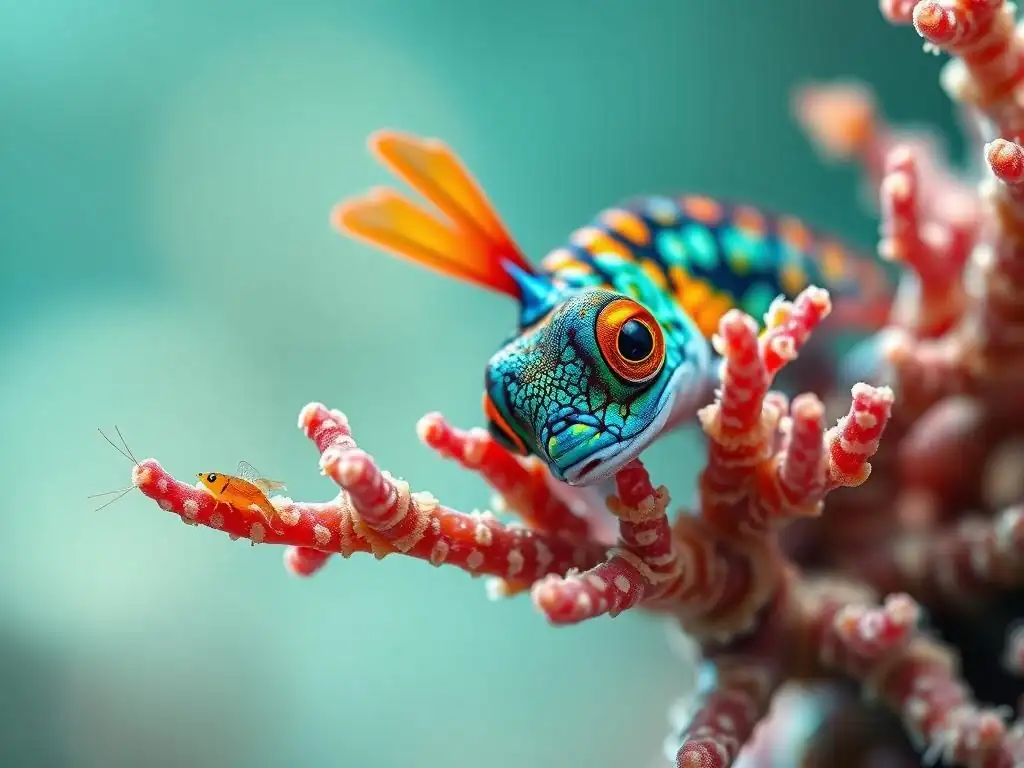
The Role of Invertebrates: Detritus Removal and Algae Control
Invertebrates play an indispensable role in maintaining a clean, balanced, and thriving reef safe aquarium setup, primarily through their functions in detritus removal and algae control. Often referred to as the "Clean-Up Crew" (CUC), these organisms are the unsung heroes of the reef tank, performing vital ecological services that mimic natural reef processes.
They consume leftover food, fish waste, and decaying organic matter, preventing the buildup of detritus that can lead to elevated nutrient levels (nitrates and phosphates) and subsequent nuisance algae blooms. Without an effective CUC, a reef tank would quickly become overwhelmed by waste, jeopardizing the health of corals and fish.
Beyond detritus removal, many invertebrates are highly effective at controlling various types of nuisance algae that commonly plague reef tanks. Snails graze on film algae, diatoms, and even some forms of hair algae from rockwork and glass surfaces. Crabs can target bubble algae or cyanobacteria, while certain shrimp species specialize in consuming pest anemones like Aiptasia.
For example, a well-stocked CUC for a 50-gallon reef tank might include 20-30 snails (Cerith, Nassarius, Trochus), 5-10 hermit crabs, and a few shrimp, collectively processing several grams of organic waste and algae daily. This continuous biological filtration and cleaning effort is crucial for maintaining pristine water quality and preventing unsightly algae outbreaks, ensuring the long-term success of the reef environment.
Essential Snails: Cerith, Nassarius, and Trochus
Among the myriad of invertebrate options, certain snail species are considered cornerstones of an effective clean-up crew in a reef safe aquarium setup due to their specific grazing habits and contributions to tank hygiene. Cerith Snails (Cerithium spp.) are highly valued for their ability to clean both rockwork and sand beds. They are voracious eaters of detritus, diatoms, and various film algae, actively burrowing into the sand to consume decaying matter and aerate the substrate. Their small size, typically under an inch, allows them to navigate tight spaces within the rockwork, ensuring comprehensive cleaning.
Nassarius Snails (Nassarius spp.) are another essential component, particularly for maintaining a healthy sand bed. These carnivorous scavengers typically bury themselves in the sand, emerging quickly when food is introduced or when they detect decaying organic matter. Their constant movement through the substrate helps to prevent anaerobic pockets and processes leftover food and detritus that settles on the sand.
Trochus Snails (Trochus spp. ), easily identifiable by their conical, pyramid-shaped shells, are excellent grazers on glass and rockwork, consuming film algae and diatoms. They are particularly effective at cleaning vertical surfaces and are known to be quite hardy. For a typical 50-gallon reef tank, a common recommendation is to stock 1-2 snails per gallon, ensuring a diverse mix of these essential species to cover all cleaning niches.
Beneficial Shrimp: Cleaner, Peppermint, and Fire Shrimp
Shrimp are not only visually appealing additions to a reef safe aquarium setup but also perform invaluable services, from parasite removal to pest control. Cleaner Shrimp (Lysmata amboinensis, also known as Pacific Cleaner Shrimp, or Lysmata debelius, the Blood Red Fire Shrimp) are perhaps the most popular for their symbiotic relationship with fish. They set up "cleaning stations" where fish will visit to have external parasites and dead skin removed.
This behavior is fascinating to observe and contributes significantly to fish health by reducing parasitic loads. They also act as general scavengers, consuming leftover food and detritus. A mature Cleaner Shrimp can grow up to 2.5 inches and lives for several years in stable conditions.
Peppermint Shrimp (Lysmata wurdemanni) are highly sought after for their specific ability to consume Aiptasia anemones, a common and persistent pest in reef tanks. While not every individual Peppermint Shrimp will actively target Aiptasia, many are very effective at eradicating these nuisance anemones, preventing them from stinging corals and multiplying rapidly.
Fire Shrimp (Lysmata debelius) are similar to Cleaner Shrimp in their scavenging habits but are particularly prized for their striking red coloration and white antennae, adding a vibrant splash of color to the reef. All these shrimp species are generally peaceful and will not harm corals or other invertebrates, making them ideal inhabitants for a thriving reef environment.
Responsible Crab Selection: Emerald and Porcelain Crabs
When considering crabs for a reef safe aquarium setup, responsible selection is crucial, as some species can be opportunistic or aggressive. Emerald Crabs (Mithraculus sculptus) are often introduced to reef tanks for their specific appetite for bubble algae (Valonia spp. ), a common and sometimes problematic nuisance algae.
These small, green crabs can be effective at controlling bubble algae outbreaks, making them a valuable asset in certain situations. However, it's important to note that individual Emerald Crabs can sometimes become opportunistic, especially if not well-fed, and may nip at soft corals, LPS corals, or even small fish. It is advisable to observe them closely for any signs of undesirable behavior.
Porcelain Crabs (Petrolisthes spp.) are another interesting group of invertebrates, known for their unique filter-feeding method. These small, flat crabs often perch in areas of high flow and use their specialized fan-like appendages to filter plankton and detritus from the water column.
They are generally considered completely reef-safe, posing no threat to corals or other tank inhabitants. Some species, like the Anemone Porcelain Crab (Neopetrolisthes ohshimai), can even form a symbiotic relationship with host anemones, similar to clownfish. While they are not active algae grazers or detritus removers in the same vein as snails, their filter-feeding contributes to water clarity, and their unique behavior adds diversity to the reef ecosystem.
Diverse Invertebrates: Starfish, Sea Cucumbers, and Feather Dusters
Beyond the core clean-up crew, a diverse array of other invertebrates can enrich a reef safe aquarium setup, contributing to its biodiversity and ecological balance. Starfish, for example, come in various forms with distinct roles. Sand-sifting starfish (Archaster typicus) are excellent for maintaining a healthy sand bed, constantly sifting through the substrate to consume detritus and aerate it, preventing anaerobic spots.
However, ornamental starfish like Linkia Starfish (Linckia laevigata) are highly sensitive to water quality fluctuations and require very stable, mature tanks with ample micro-fauna to graze upon, making them more suitable for advanced aquarists. Brittle stars and Serpent stars are hardy scavengers that are highly efficient at consuming leftover food and detritus that falls into crevices within the rockwork, typically growing to several inches across.
Sea Cucumbers, such as the Tiger Tail Cucumber (Colochirus robustus), are unique detritivores that contribute to nutrient export by processing large amounts of sand and detritus. They are generally reef-safe but can be sensitive to sudden changes in water parameters or rapid shifts in salinity. While beneficial for substrate cleaning, aquarists should be aware that some species, if stressed or dying, can release toxins that may harm other tank inhabitants. Feather Dusters (Sabellastarte spp.)
are beautiful filter feeders that extend a crown of feathery plumes to capture planktonic particles from the water column. They add aesthetic appeal and contribute to water clarity by consuming suspended particles. These diverse invertebrates, when chosen carefully, enhance the natural beauty and ecological functionality of a well-maintained reef aquarium.
Essential Equipment for Reef Health
Filtration Systems: Skimmers, Reactors, and Sumps
Effective filtration is the backbone of a successful reef safe aquarium setup, crucial for maintaining pristine water quality and preventing the accumulation of undesirable nutrients. Protein skimmers are arguably the most vital piece of equipment for a saltwater reef tank. They work by using a column of fine air bubbles to physically remove organic waste compounds from the water before they can break down into nitrates and phosphates.
This process significantly reduces the bioload and helps maintain the ultra-low nutrient environment essential for most corals. High-quality skimmers can remove up to 30-50% of dissolved organic compounds daily, depending on tank bioload.
Media reactors are another powerful tool in the reef aquarist's arsenal. They are designed to efficiently pass tank water through various chemical filtration media. Granular Ferric Oxide (GFO) is commonly used in reactors to bind and remove phosphates, a key nutrient that fuels nuisance algae growth if levels exceed 0.03 ppm.
Activated carbon is also frequently used in reactors to remove dissolved organic compounds that cause water discoloration and odors, enhancing water clarity. Sumps, external reservoirs typically placed beneath the display tank, serve as a centralized hub for housing all this essential equipment (skimmer, reactors, heaters, auto top-off units). They increase the total water volume of the system, which helps to dilute pollutants and stabilize water parameters, while also providing a convenient location for maintenance and water changes, all contributing to a more robust reef safe aquarium setup.
Lighting for Coral Growth: LEDs, Metal Halides, and T5s
Proper lighting is not just for aesthetics in a reef safe aquarium setup; it is a critical component for the photosynthesis of symbiotic zooxanthellae within corals, which provides the corals with up to 90% of their energy. The choice of lighting technology significantly impacts coral growth, coloration, and overall health. Light Emitting Diodes (LEDs) have become the dominant choice due to their energy efficiency, long lifespan (often 50,000+ hours), and customizable spectrums.
Modern LED fixtures allow aquarists to fine-tune color temperatures and intensity, mimicking natural sunlight cycles and providing specific wavelengths beneficial for coral pigments. For instance, SPS corals often thrive under PAR (Photosynthetically Active Radiation) values ranging from 200-400 µmol·m⁻²·s⁻¹, while LPS corals typically prefer 50-150 PAR.
Metal Halides, once the gold standard, offer incredible intensity and broad spectrum light, making them highly effective for demanding SPS corals. However, they generate significant heat, require frequent bulb replacement (every 6-12 months for optimal performance), and consume more energy. T5 Fluorescent bulbs provide excellent broad coverage and color rendition, often used in conjunction with LEDs to supplement specific spectrums or provide more even light distribution across the tank.
Many aquarists combine T5s with LEDs to achieve a "hybrid" system that leverages the strengths of both technologies, providing a balanced and effective lighting solution for a diverse reef. Regardless of the technology chosen, understanding the PAR requirements of your specific coral species and gradually acclimating them to new lighting is essential to prevent bleaching and ensure vigorous growth in a reef safe aquarium setup.
Water Chemistry: Maintaining Salinity, pH, and Alkalinity
Maintaining precise and stable water chemistry is non-negotiable for a thriving reef safe aquarium setup, as corals and invertebrates are highly sensitive to fluctuations in key parameters. Salinity, the measure of dissolved salts, is fundamental for osmotic balance in all marine life. The ideal specific gravity range for most reef tanks is between 1.024 and 1.026, or 33-35 parts per thousand (ppt).
Deviations outside this narrow range can cause severe stress, leading to dehydration or over-hydration of marine organisms. Regular monitoring with a calibrated refractometer is essential to ensure consistent salinity, especially when performing water changes or topping off evaporated water.
pH, a measure of acidity or alkalinity, is also critical, with a stable range of 8.0-8.4 being optimal for coral calcification and overall biological processes. Significant pH swings can inhibit coral growth and cause stress. Alkalinity, often measured in dKH (degrees of carbonate hardness), is arguably one of the most important parameters for stony corals, as it represents the concentration of carbonate and bicarbonate ions necessary for skeletal growth. An ideal alkalinity range for a mixed reef is typically 7-12 dKH, with many successful aquarists aiming for a consistent 8-9 dKH. If alkalinity drops too low, coral growth can stall, leading to "burnt tips" or tissue recession. Conversely, excessively high alkalinity can lead to precipitation issues. Alongside calcium (400-450 ppm) and magnesium (1250-1350 ppm), these parameters form the building blocks for coral skeletons and must be diligently monitored and supplemented to ensure a successful and stable reef safe aquarium setup.
Circulation and Flow: Powerheads and Wave Makers
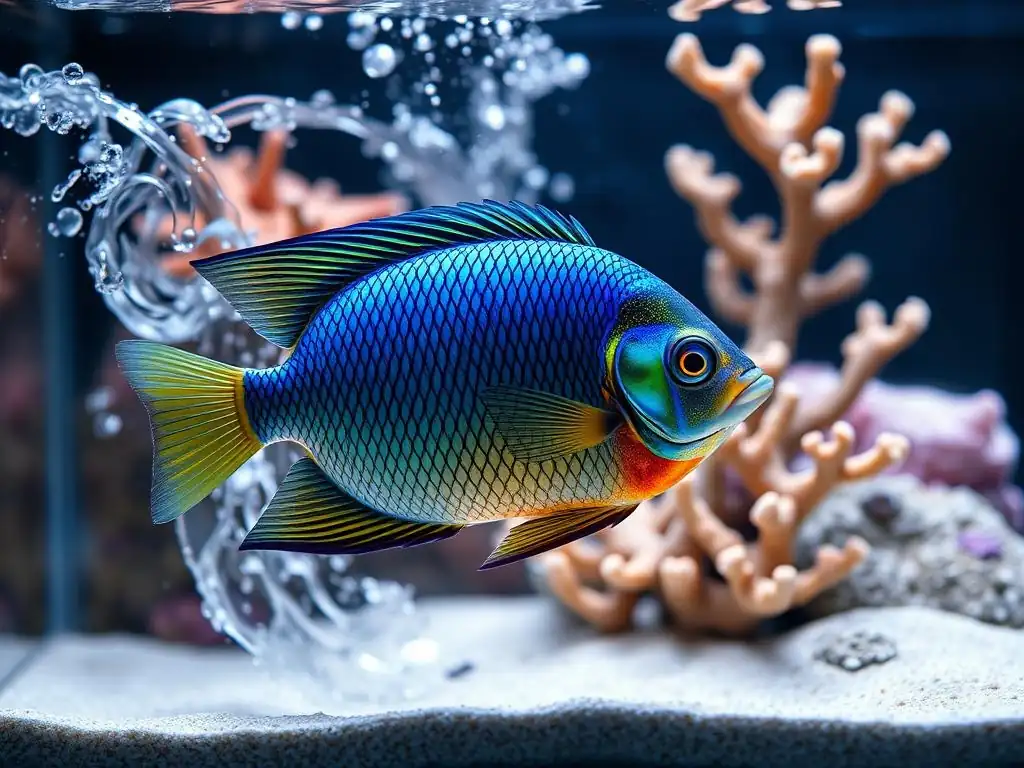
Adequate water circulation and flow are vital components of a successful reef safe aquarium setup, serving multiple critical functions beyond mere aesthetics. Proper flow ensures that essential nutrients, such as calcium, alkalinity, and trace elements, are delivered efficiently to corals throughout the tank, especially to their polyps where absorption occurs.
Simultaneously, it helps to remove metabolic waste products from the coral's surface, preventing localized areas of stagnant water that can lead to tissue necrosis or bacterial infections. Furthermore, robust flow prevents detritus from settling on corals or accumulating in dead spots within the live rock, which would otherwise break down and contribute to unwanted nutrient spikes.
The intensity and pattern of flow should be tailored to the specific coral inhabitants. Soft corals and LPS (Large Polyp Stony) corals generally prefer moderate, indirect flow, typically requiring 10-20 times the total tank volume per hour. SPS (Small Polyp Stony) corals, native to high-energy zones on natural reefs, demand much higher and turbulent flow, often needing 20-40 times the tank volume per hour or more.
Powerheads provide steady, directional flow, while modern wave makers and gyre pumps create oscillating or turbulent patterns that mimic natural ocean currents. These devices prevent a constant, unidirectional flow that can stress corals and promote healthier, more natural growth forms. Strategically placed powerheads and wave makers are essential for a dynamic and thriving reef environment, ensuring every corner of the tank receives optimal water movement.
Substrate Options: Aragonite Sand and Bare Bottom Tanks
The choice of substrate significantly impacts the aesthetics, water chemistry, and maintenance regimen of a reef safe aquarium setup. Aragonite sand is the most common substrate used in reef tanks, primarily due to its calcium carbonate composition.
This makes it an excellent natural buffer, helping to stabilize pH by slowly dissolving and releasing carbonates into the water, which is beneficial for alkalinity maintenance. Aragonite sand also provides a vast surface area for beneficial nitrifying and denitrifying bacteria to colonize, contributing to biological filtration.
Different grain sizes offer various benefits: fine sand (e.g., 0.5-1mm) is ideal for sand-sifting gobies and invertebrates, while coarser grains (e.g., 2-5mm) are less prone to being blown around by high flow. A typical sand bed depth ranges from 1-2 inches for a shallow bed to 4+ inches for a deep sand bed (DSB), which can facilitate anaerobic denitrification, though DSBs require careful maintenance to prevent hydrogen sulfide buildup.
Alternatively, some reef aquarists opt for bare bottom tanks, meaning no sand substrate is used. This approach has several advantages, particularly for SPS-dominant systems or frag tanks. Bare bottom tanks eliminate the problem of detritus accumulation within the sand bed, making cleaning much easier and preventing nutrient traps.
They also allow for maximum water flow across the tank floor, which is highly beneficial for SPS corals that thrive in turbulent conditions. While a bare bottom tank might lack the natural aesthetic of a sand bed, it simplifies maintenance, reduces the potential for phosphate leaching from accumulated detritus, and can be advantageous for maintaining ultra-low nutrient levels necessary for certain advanced reef safe aquarium setups.
Maintaining a Flourishing Reef Aquarium
Regular Water Changes: Replenishing Trace Elements
Regular water changes are a cornerstone of maintaining a flourishing reef safe aquarium setup, serving two primary critical functions: diluting accumulated pollutants and replenishing depleted trace elements. Even with robust filtration, organic waste products, nitrates, and phosphates can gradually build up in the aquarium water, potentially inhibiting coral growth and promoting nuisance algae.
A consistent water change schedule removes these undesirable compounds, preventing them from reaching problematic concentrations. For instance, in a well-stocked 100-gallon reef tank, a 10-15% weekly water change can effectively reduce nitrate levels by 1-2 ppm and phosphate levels by 0.01-0.02 ppm, depending on the initial concentrations.
Equally important, water changes replenish essential trace elements that are vital for coral health and growth, which are continuously consumed by corals and other invertebrates. Elements like iodine, strontium, molybdenum, and potassium are crucial for various biological processes, including calcification and coloration. While dosing systems can target specific elements, fresh saltwater provides a balanced replenishment of all necessary trace elements in their natural ratios.
A typical schedule involves changing 10-20% of the tank's water volume bi-weekly or 5-10% weekly, depending on the bioload and nutrient export methods employed. Using high-quality salt mix and RODI (Reverse Osmosis Deionized) water ensures that the replacement water is pure and contains all the necessary components for a thriving reef.
Monitoring Water Quality: Ammonia, Nitrite, Nitrate, pH, Alkalinity, Calcium, Magnesium, and Phosphate
Consistent and accurate monitoring of water quality parameters is absolutely essential for a successful reef safe aquarium setup, acting as the aquarist's primary diagnostic tool. Ammonia (NH3/NH4+) and Nitrite (NO2-) should always be undetectable (0 ppm) in a mature, cycled reef tank, as even low levels are highly toxic to fish and corals. Any presence indicates an issue with the biological filter or overstocking.
Nitrate (NO3-) and Phosphate (PO43-) are end products of the nitrogen cycle and organic decomposition. While some level of nitrate (e.g., 1-10 ppm) is acceptable for most corals, phosphates should be kept as low as possible, ideally below 0.03 ppm, to prevent nuisance algae blooms. Higher levels, such as 0.1 ppm, can significantly inhibit coral calcification.
Beyond the basic nitrogen cycle parameters, pH (8.0-8.4), Alkalinity (7-12 dKH), Calcium (400-450 ppm), and Magnesium (1250-1350 ppm) are the building blocks for coral skeletal growth and overall water stability. Regular testing, typically weekly or bi-weekly depending on tank stability and dosing methods, allows aquarists to identify and correct imbalances before they stress corals. For example, a drop in alkalinity from 9 dKH to 7 dKH in a few days can significantly slow coral growth and even lead to tissue recession.
Magnesium helps maintain calcium and alkalinity levels in solution, preventing precipitation. Consistent monitoring and immediate response to deviations are key to preventing catastrophic crashes and ensuring the long-term health of a reef environment.
Feeding Strategies: Coral Foods and Supplements
While many corals in a reef safe aquarium setup derive significant energy from the photosynthesis of their symbiotic zooxanthellae, providing supplemental feeding and targeted supplements can dramatically enhance their growth, coloration, and overall vitality. Not all corals are purely photosynthetic; many LPS (Large Polyp Stony) corals, non-photosynthetic gorgonians, and even some SPS (Small Polyp Stony) corals are facultative or obligate feeders that benefit immensely from direct feeding.
Zooplankton (e.g., copepods, rotifers), phytoplankton, and various liquid or powdered coral foods specifically designed for filter feeders provide essential proteins, fatty acids, and carbohydrates that photosynthesis alone may not supply in sufficient quantities. For instance, target feeding LPS corals like Euphyllia or Acanthastrea 2-3 times a week with a meaty food like mysis shrimp or specialized coral pellets can result in noticeable polyp extension and accelerated growth within weeks.
In addition to direct feeding, regular supplementation of key elements is crucial, especially in tanks with a high coral bioload. Calcium, alkalinity (carbonate hardness), and magnesium are continuously consumed by calcifying corals to build their skeletons. Dosing systems, kalkwasser, or calcium reactors are often employed to maintain these parameters within their optimal ranges (e.g., Calcium 400-450 ppm, Alkalinity 8-9 dKH).
Trace elements, such as iodine, strontium, and potassium, are also depleted over time and can be replenished through balanced trace element solutions or regular water changes. A comprehensive feeding and supplementation strategy ensures that corals receive all the necessary nutrients for robust health, vibrant coloration, and sustained growth, contributing to a thriving reef safe aquarium setup.
Preventing and Treating Diseases: Quarantine and Medication
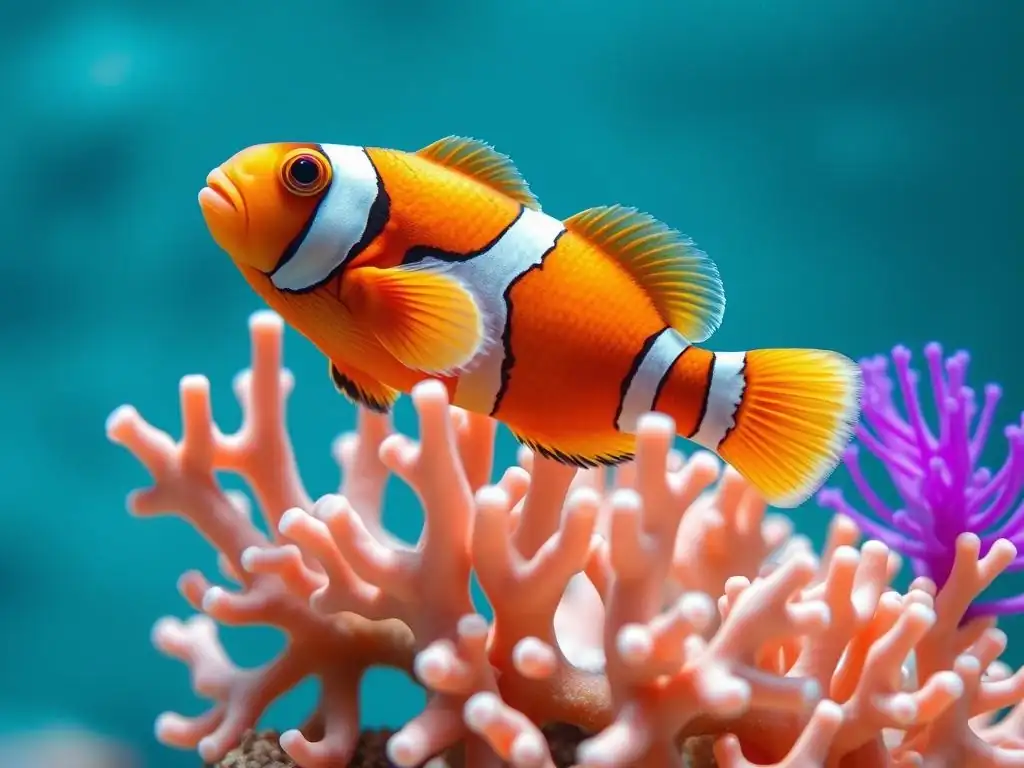
Effective disease prevention and treatment are paramount for maintaining a healthy reef safe aquarium setup, given that introducing new inhabitants can inadvertently bring pathogens into the established ecosystem. The most critical preventive measure is the use of a dedicated Quarantine (QT) Tank for all new fish and, ideally, invertebrates and corals. A QT tank, typically 10-20 gallons, allows aquarists to observe new arrivals for signs of disease (e.g., Ich, marine velvet, bacterial infections) for a period of 4-6 weeks before introducing them to the main display tank.
During this time, treatments can be administered without risking the sensitive corals and invertebrates in the main tank, as many fish medications are toxic to reef inhabitants. For example, copper-based medications, highly effective against marine Ich, are lethal to all invertebrates and can bind to live rock, making a display tank unsuitable for future invertebrate stocking.
Should disease break out in the main display tank, treatment becomes significantly more challenging. Many common fish medications are not "reef-safe" and will harm or kill corals and invertebrates. Therefore, prevention through strict quarantine protocols is always the preferred approach.
If a fish in the main tank shows signs of disease, it should ideally be removed to a hospital tank for treatment. For coral diseases, which are often stress-induced (e.g., brown jelly disease), improving water parameters, increasing flow, and sometimes fragging the affected coral can be effective. Understanding the life cycles of common marine diseases, their symptoms, and the limitations of "reef-safe" medications is crucial for any reef aquarist, emphasizing that a proactive approach is the best defense against pathogens in a reef safe aquarium setup.
Effective Algae Control: Manual Removal and Biological Solutions
Nuisance algae are a common challenge in reef safe aquarium setups, often signaling an underlying imbalance in nutrient levels. Effective algae control involves a multi-pronged approach combining manual removal, biological solutions, and addressing the root causes of nutrient accumulation. Manual removal is the most immediate solution: scraping algae from the glass with a magnetic cleaner or scraper, siphoning detritus from the sand bed, and scrubbing algae from live rock surfaces during water changes. This physically removes algae and the nutrients it has absorbed, providing immediate visual improvement.
Biological solutions leverage the natural grazing habits of certain reef inhabitants. A robust clean-up crew (CUC) composed of diverse snail species (e.g., Trochus, Cerith, Nassarius) and hermit crabs (e.g., Dwarf Blue Leg, Dwarf Red Tip) will constantly graze on film algae, diatoms, and detritus, significantly reducing the growth of nuisance algae. Herbivorous fish like Tangs (e.g., Yellow Tang, Kole Tang) and Blennies (e.g., Lawnmower Blenny) are excellent for consuming various types of hair algae from rockwork.
The most crucial aspect of long-term algae control, however, is nutrient management. High levels of nitrates (above 10 ppm) and phosphates (above 0.03 ppm) are the primary fuel for algae blooms. Implementing effective filtration (protein skimmer, GFO reactor), performing regular water changes, and avoiding overfeeding are essential to keep nutrient levels low, thus starving nuisance algae and promoting a clean, vibrant reef safe aquarium setup.
Troubleshooting Reef Tank Challenges
Understanding Coral Bleaching: Causes and Prevention
Coral bleaching is a critical concern in reef safe aquarium setups, characterized by the expulsion of symbiotic zooxanthellae from coral tissues, leading to a loss of color and, if prolonged, coral death. This phenomenon is primarily a stress response to adverse environmental conditions. The most common cause in home aquariums is elevated water temperature; sustained temperatures above 82-84°F (28-29°C) can cause corals to bleach within days.
Other significant stressors include sudden and drastic changes in salinity, extreme light intensity (too much or too little PAR), prolonged poor water quality (high nitrates/phosphates), and certain diseases or chemical exposures. For example, a rapid temperature spike of just 2-3°F over a few hours can initiate a bleaching response, even if the absolute temperature isn't excessively high.
Prevention is paramount, as once bleaching is severe, recovery is uncertain. Maintaining stable water parameters is key. This involves using reliable heaters and, if necessary, chillers to keep water temperature within the ideal range (typically 76-79°F or 24.5-26°C). Implementing an auto top-off (ATO) system ensures consistent salinity by replacing evaporated water with RODI water.
Proper lighting acclimation is also crucial; new corals should be slowly introduced to high-intensity lighting. Regular water testing and effective nutrient export (skimming, GFO, water changes) prevent the buildup of pollutants. By mitigating these stressors, aquarists can significantly reduce the risk of coral bleaching and ensure the long-term health and vibrancy of their reef safe aquarium setup.
Addressing Algae Blooms: Nutrient Control and Water Quality
Algae blooms are a common and often frustrating challenge in reef safe aquarium setups, typically indicating an imbalance in nutrient levels, primarily elevated nitrates and phosphates. Identifying the type of algae (e.g., diatoms, cyanobacteria, dinoflagellates, hair algae) can offer clues to the underlying cause. Diatoms, for instance, often appear as brown dusting and are common in new tanks due to silicates.
Hair algae and cyano (red slime algae) are strong indicators of high phosphates (often above 0.05 ppm) and/or nitrates (above 10-20 ppm). A sudden spike in phosphate from a healthy 0.03 ppm to 0.1 ppm due to overfeeding or inadequate filtration can trigger a noticeable algae bloom within a week.
Addressing algae blooms requires a multi-faceted approach focused on nutrient control and improving water quality. Firstly, reduce the source of nutrients: decrease feeding amounts, ensure all food is consumed, and remove any decaying organic matter. Secondly, enhance nutrient export: increase the frequency and volume of water changes (e.g., 20% weekly), ensure the protein skimmer is operating efficiently, and consider using GFO (Granular Ferric Oxide) in a media reactor to actively remove phosphates.
Introducing a refugium with macroalgae like Chaetomorpha can also effectively absorb nitrates and phosphates. Improving water circulation to eliminate dead spots where detritus accumulates, along with a robust clean-up crew, will also help. Consistent monitoring of nitrate and phosphate levels and a proactive approach to keeping them low are essential for preventing and resolving stubborn algae blooms in a reef safe aquarium setup.
Managing Pests: Aiptasia, Flatworms, and Red Bugs
Pests are an unfortunate reality in reef safe aquarium setups, often hitchhiking on live rock or coral frags and, if left unchecked, can quickly proliferate and harm desirable inhabitants. Effective management requires early detection and targeted intervention. Aiptasia anemones are one of the most common and persistent pests, characterized by their clear, stinging tentacles.
While some aquarists try manual removal or kalkwasser paste injection, these methods can sometimes cause the anemone to release spores, leading to more outbreaks. Peppermint Shrimp (Lysmata wurdemanni) are a popular biological control, with many individuals effectively consuming Aiptasia. For severe infestations, proprietary Aiptasia-killing solutions like Aiptasia X can be used, carefully applied to prevent harming corals.
Flatworms, particularly red planaria (Convolutriloba retrogemma), are another common nuisance that can smother corals. They often appear as reddish-brown mats on sand and rockwork. Manual siphoning during water changes is effective for small populations. For larger infestations, specific flatworm exit treatments are available; however, extreme caution must be exercised as the dying flatworms can release toxins, requiring significant water changes and carbon filtration immediately after treatment.
Red Bugs (Tegastes acroporae) are tiny, reddish copepods that parasitize Acropora corals, causing tissue recession and inhibiting growth. They are notoriously difficult to eradicate without specific medications like Interceptor (milbemycin oxime), which is highly effective but should only be used after careful research and consideration of its potential impact on other crustaceans in the tank. Vigilant quarantine of new corals and diligent observation are the best defenses against these persistent pests in a reef safe aquarium setup.
Stabilizing Water Parameters: Preventing Swings and Imbalances
The delicate nature of corals and invertebrates in a reef safe aquarium setup means that stability in water parameters is often more critical than achieving perfect target numbers. Rapid or significant swings in salinity, pH, temperature, alkalinity, or calcium can induce severe stress, leading to coral recession, bleaching, or even death.
For instance, a pH swing of 0.2 units or more within a 24-hour period can significantly impact coral calcification rates and overall health, even if the average pH is within the acceptable range. Similarly, a sudden drop in salinity from 1.025 to 1.022 due to a large freshwater top-off can shock marine organisms.
Preventing these swings requires consistent daily and weekly habits, along with the right equipment. An Auto Top-Off (ATO) system is essential for maintaining stable salinity and water volume by automatically replacing evaporated freshwater. Dosing pumps or a calcium reactor are crucial for maintaining consistent levels of calcium, alkalinity, and magnesium, as these elements are continuously consumed by corals.
Regular, consistent water changes, rather than infrequent large ones, also contribute to stability. Implementing a robust testing routine allows aquarists to detect subtle trends and make small, corrective adjustments before parameters deviate significantly. By prioritizing stability over chasing "perfect" numbers, aquarists can create a resilient and thriving reef environment, minimizing stress on their valuable inhabitants.
Building a Balanced Reef Ecosystem
The Importance of Biodiversity: Creating a Resilient System
Building a truly balanced reef safe aquarium setup extends beyond simply adding fish and corals; it involves cultivating a rich biodiversity that creates a resilient and self-sustaining ecosystem. A diverse community of fish, invertebrates, and corals contributes to a healthier tank by filling various ecological niches, promoting natural processes, and enhancing the system's ability to cope with stressors.
For example, a varied clean-up crew composed of different snail species (e.g., Cerith, Nassarius, Trochus), hermit crabs, and possibly sea cucumbers will collectively manage detritus and algae more effectively than a single species, ensuring all areas of the tank are cleaned. This multifaceted approach to waste management reduces the burden on mechanical and chemical filtration.
Furthermore, biodiversity in a reef tank can provide natural pest control and disease resistance. Certain wrasse species (e.g., Melanurus Wrasse) can help control flatworms, while peppermint shrimp target Aiptasia. A healthy population of copepods and other micro-fauna, often supported by a refugium, provides a continuous food source for many fish and corals, reducing reliance on external feeding and mimicking natural food webs.
A tank with a wide array of life forms is generally more robust and adaptable to minor fluctuations or unexpected challenges, as the failure of one species' role can often be compensated for by another. This intricate web of interactions fosters a more stable and aesthetically pleasing reef environment, reflecting the complex beauty of a natural coral reef.
Gradual Stocking: Minimizing Stress on Existing Inhabitants
Gradual stocking is a fundamental principle for establishing a healthy and stable reef safe aquarium setup, crucial for minimizing stress on both existing inhabitants and new additions. Introducing too many fish or corals at once can overwhelm the nascent biological filter, leading to dangerous spikes in ammonia and nitrite, which are highly toxic to all marine life.
For instance, adding three medium-sized fish to a newly cycled 50-gallon tank in one go can increase the bioload by 30-40%, far exceeding the capacity of a developing bacterial colony to process waste efficiently. This can result in a mini-cycle, stressing all inhabitants and making them susceptible to disease.
Beyond biological filtration, gradual stocking also helps manage aggression and territorial disputes. New fish can be intimidated by established tank mates, leading to stress and refusal to eat. Conversely, established fish may view new additions as intruders, leading to aggressive encounters.
By introducing one or two new fish or a small group of corals at a time, and waiting several weeks (e.g., 2-4 weeks) between additions, the existing inhabitants have time to adjust, and the biological filter can adapt to the increased bioload. This measured approach allows for observation of compatibility, ensures the tank's ecosystem remains stable, and significantly increases the chances of long-term success for all inhabitants in your reef safe aquarium setup.
Observing and Responding: Early Detection of Potential Issues
Consistent and diligent observation is one of the most powerful tools an aquarist possesses for maintaining a healthy reef safe aquarium setup. Daily observation of all tank inhabitants allows for the early detection of potential issues, enabling prompt intervention before minor problems escalate into major crises. Pay close attention to changes in fish behavior (e.g., lethargy, rapid breathing, clamped fins, refusal to eat), physical signs of disease (e.g., spots, lesions, fin rot), or unusual aggression.
For corals, look for signs of stress such as polyp retraction, tissue recession, bleaching, or changes in coloration. For instance, a coral beginning to brown out might indicate insufficient light or elevated nutrients, while a rapid loss of color could signal too much light or temperature stress.
Early detection allows for timely responses. If a fish shows signs of illness, immediate removal to a quarantine/hospital tank for treatment can prevent the spread of disease to the entire system. If a coral begins to recede, checking water parameters (alkalinity, calcium, magnesium, nitrates, phosphates) immediately can often pinpoint the cause, allowing for quick correction.
For example, a sudden drop in alkalinity from 9 dKH to 7 dKH can cause visible coral stress within 24-48 hours. Addressing such issues swiftly, rather than waiting, can mean the difference between a minor setback and a complete system crash. This proactive approach based on keen observation is a hallmark of successful long-term reef keeping.
Long-Term Reef Keeping: Continuous Learning and Adaptation
Long-term reef keeping is not a static endeavor but a dynamic journey of continuous learning and adaptation. A successful reef safe aquarium setup for many years relies heavily on the aquarist's willingness to research, experiment, and evolve their practices as new information, technologies, and challenges emerge. The marine aquarium hobby is constantly advancing, with new equipment, understanding of coral biology, and methods for nutrient control being developed regularly. For example, the shift from traditional metal halide lighting to energy-efficient, spectrum-tunable LEDs revolutionized coral growth and coloration capabilities in home aquariums over the last decade.
Aquarists must remain open to refining their techniques, whether it's adjusting feeding strategies, optimizing filtration, or fine-tuning dosing regimens based on the evolving needs of their specific reef. Joining online forums, attending local club meetings, and reading scientific articles are invaluable resources for staying informed and troubleshooting complex issues.
A well-maintained reef tank can thrive for 10-15 years or even longer, a testament to the cumulative knowledge and adaptive skills of the aquarist. This commitment to ongoing education and flexibility in approach ensures that the reef ecosystem remains vibrant, healthy, and resilient through various challenges and changes, fostering a truly flourishing reef safe aquarium setup for the long haul.
Frequently Asked Questions
What does "Reef Safe" truly mean in the context of an aquarium?
"Reef safe" refers to products, practices, and livestock that won't harm or negatively impact the delicate ecosystem of a reef aquarium. It ensures the health and survival of corals and invertebrates. Avoiding toxins and maintaining stable water parameters are crucial.
What are the most common mistakes beginners make when trying to create a reef safe aquarium setup?
Common mistakes include using incompatible fish species, neglecting proper water parameter testing, and introducing chemicals that damage coral health. Overstocking the tank and insufficient filtration are also frequent issues.
How is setting up a "Reef Safe" aquarium different from a typical fish-only tank?
A reef safe setup requires stricter attention to water quality, lighting, and flow. Specialized equipment like protein skimmers and reef-specific lighting are generally necessary. A fish-only tank is more forgiving of parameter fluctuations.
What are some essential pieces of equipment for a successful "Reef Safe" aquarium setup?
Essential equipment includes a powerful protein skimmer to remove organic waste, appropriate reef-grade lighting for coral photosynthesis, and a reliable filtration system (mechanical, chemical, and biological). A wave maker for water circulation is also important.
How often should I test my water parameters in a "Reef Safe" aquarium, and what are the most critical parameters to monitor?
Water parameters should be tested at least weekly, especially in the beginning. Critical parameters include alkalinity, calcium, magnesium, pH, nitrates, and phosphates. Maintaining stable levels is crucial for coral health and growth.
Final Reflection: Nurturing Underwater Ecosystems
The journey to establishing a thriving reef safe aquarium setup extends far beyond simply purchasing products labeled " Reef Safe." It demands a conscious commitment to understanding the intricate balance of a delicate ecosystem and actively participating in its preservation. The choices we make, from the equipment we select to the additives we introduce, directly impact the health and vitality of the coral and its inhabitants, mirroring the broader responsibility we hold towards our planet's oceans.
This exploration into reef safe practices has underscored the profound influence our actions have on the underwater world. It's a humbling realization that even within the confines of a glass tank, we wield the power to either nurture or disrupt life. We are tied to the ocean. And when we go back to the sea, whether it is to sail or to watch it, we are going back from whence we came.
- John F. Kennedy. This quote reminds us of our intrinsic connection to the ocean and the imperative to protect its fragile beauty, starting with the microcosm we create in our own homes.
As you embark on, or continue, your reef keeping journey, I encourage you to view your aquarium not just as a decorative piece, but as a living, breathing ecosystem deserving of your utmost care and respect. Let the knowledge gained here inspire you to make informed decisions, to prioritize sustainability, and to become a steward of the reef, contributing to the preservation of these vital ecosystems, one coral at a time.
Dive Deeper: Transform Your Reef Tank Today!
Thanks for exploring the world of reef-safe products and their impact on your coral tank! Now that you're equipped with the knowledge, it's time to put it into action and create a thriving underwater ecosystem.
Here are some steps you can take right now:
- Immediately review the ingredients of your current aquarium additives, seeking out potential harmful compounds or heavy metals. Make a switch today!
- Share this article with fellow reef-keeping enthusiasts to spread awareness about reef-safe practices.
- Contribute to our forum with your experiences and insights about reef-safe products and their impact on your tanks. Let’s learn together!
What surprising ingredient did you discover in your tank's products today, and how will you improve your reef environment?