
Emergency Water Changes: Your Lifesaving Protocol for Aquarium Crises

Welcome to Aquarium Mastery!
Is your freshwater aquarium facing an unexpected crisis? Don't panic! Discover the secrets to performing effective emergency water changes and learn how to quickly restore balance to your aquatic ecosystem. Dive into our comprehensive guide and unlock the knowledge you need to navigate even the most challenging situations, ensuring the health and vitality of your finned friends. Ready to take control?
- Understanding the Need for Aquarium Emergency Water Changes
-
Common Aquarium Emergencies Requiring Immediate Water Changes
- Ammonia Spikes: The Silent Killer in Freshwater Tanks
- Nitrite Poisoning: Understanding the Danger
- Nitrate Overload: Long-Term Effects and Immediate Solutions
- pH Swings: Identifying and Correcting Instability
- Temperature Fluctuations: How to Stabilize Your Aquarium Environment
- Introduction of Toxins or Contaminants to the Aquarium
-
The Emergency Water Change Protocol: A Step-by-Step Guide
- Step 1: Assessing the Severity of the Situation
- Step 2: Gathering Necessary Supplies for a Freshwater Emergency Water Change
- Step 3: Preparing the Replacement Water: Dechlorination and Temperature Matching
- Step 4: Performing the Water Change: Gradual and Controlled
- Step 5: Monitoring Water Parameters Post-Water Change
- How Much Water Should You Change in an Emergency?
- Long-Term Prevention: Minimizing the Risk of Future Aquarium Emergencies
- Choosing the Right Water Source for Emergency Water Changes
- Specific Scenarios and Emergency Water Change Protocols
- The Importance of Observation After an Emergency Water Change
- Advanced Techniques for Handling Aquarium Emergencies
- Emergency Water Change Troubleshooting: Common Mistakes to Avoid
- The Role of Beneficial Bacteria in Emergency Water Changes
- Beyond Water Changes: Complementary Emergency Measures
- Conclusion: Mastering Emergency Water Changes for a Healthy Aquarium
-
Frequently Asked Questions
- How often should I perform an emergency water change in my freshwater aquarium?
- What percentage of water should I change during an emergency water change?
- What kind of water should I use for an emergency water change?
- What are some common signs that indicate I need to perform an emergency water change?
- Can emergency water changes fix all aquarium problems?
- Final Reflection: The Unseen Current of Resilience
- Unleash Your Inner Aquarium Hero!
Understanding the Need for Aquarium Emergency Water Changes
Recognizing the Signs of an Aquarium Emergency
Identifying an aquarium emergency promptly is paramount for the survival of your aquatic inhabitants. Fish often display clear distress signals when water quality deteriorates rapidly. Common indicators include gasping at the surface, which suggests a lack of oxygen or the presence of gill-irritating toxins like ammonia.
Other signs are erratic swimming, clamped fins, lethargy, refusal to eat, or unusual discoloration. For instance, fish suffering from nitrite poisoning might develop a brownish tint to their gills due to methemoglobinemia, a condition where oxygen transport is impaired. Observing these behavioral changes and physical symptoms is the first critical step in recognizing a crisis that may necessitate immediate freshwater aquarium emergency water changes.
Beyond the fish themselves, the water in your aquarium can also provide clues. A sudden onset of cloudiness, a strong foul odor emanating from the tank, or an unusual green or brown tint could all signify a serious problem, such as a bacterial bloom, excessive organic decay, or an algal explosion.
Furthermore, a quick test of your water parameters – specifically ammonia, nitrite, nitrate, and pH – will definitively confirm if the chemical balance has been severely disrupted. For example, any detectable ammonia (above 0 ppm) or nitrite (above 0 ppm) in an established freshwater aquarium is an immediate red flag, indicating a breakdown in the nitrogen cycle and a critical need for intervention.
Why Prompt Action is Crucial for Fish Survival
In an aquatic environment, even minor changes in water chemistry can quickly escalate into life-threatening conditions for fish. Unlike terrestrial animals, fish are entirely dependent on the surrounding water for respiration, waste elimination, and maintaining their internal osmotic balance. When toxic compounds like ammonia or nitrite accumulate, they begin to damage gill tissues, impair organ function, and suppress the immune system.
For instance, a sudden ammonia spike can burn a fish's gills within hours, making it impossible for them to absorb oxygen, leading to suffocation. A swift response, often in the form of a significant freshwater aquarium emergency water change, can dilute these toxins to safer levels, buying crucial time for the fish to recover and for the aquarium's biological filtration to stabilize.
Delaying action in an aquarium crisis can have irreversible consequences. The longer fish are exposed to harmful water conditions, the greater the likelihood of permanent organ damage, chronic stress, increased susceptibility to disease, and ultimately, death. For example, prolonged exposure to high nitrate levels, even if not immediately fatal, can lead to stunted growth, fin rot, and a general decline in health over weeks or months.
In acute emergencies, such as a sudden chemical spill into the tank, every minute counts. Performing an emergency water change immediately can be the difference between losing a single fish and losing your entire aquatic community. This proactive and rapid intervention underscores the importance of having a prepared emergency protocol.
Common Aquarium Emergencies Requiring Immediate Water Changes
Ammonia Spikes: The Silent Killer in Freshwater Tanks
Ammonia (NH3/NH4+) is one of the most toxic compounds in a freshwater aquarium, primarily produced from fish waste, uneaten food, and decaying plant matter. In a healthy, cycled tank, beneficial bacteria convert ammonia into less harmful nitrites, and then nitrates. However, an ammonia spike occurs when this delicate balance is disrupted, often in new tanks ("new tank syndrome"), after a power outage that kills beneficial bacteria, or due to overfeeding or overstocking.
Ammonia directly burns fish gills, preventing them from absorbing oxygen and leading to severe respiratory distress. Levels as low as 0.25 ppm can be stressful, while 0.5 ppm or higher are considered critically dangerous and require immediate intervention. A large freshwater aquarium emergency water change is often the most effective first line of defense to dilute these lethal levels.
The symptoms of ammonia poisoning in fish include gasping at the water surface, lethargy, red or inflamed gills, clamped fins, and loss of appetite. In severe cases, fish may appear to have hemorrhages on their body or fins. For example, a common scenario involves a new aquarist adding too many fish at once to an uncycled tank, resulting in a rapid accumulation of ammonia that overwhelms the nascent bacterial colony.
In such a situation, a 50% or even 75% emergency water change, combined with adding a robust water conditioner that detoxifies ammonia, is crucial. Without prompt action, ammonia poisoning can lead to widespread fish fatalities within hours or days, making swift freshwater aquarium emergency water changes an indispensable tool.
Nitrite Poisoning: Understanding the Danger
Nitrite (NO2-) is the second step in the nitrogen cycle, produced by beneficial bacteria that convert ammonia. While less acutely toxic than ammonia, nitrite is still highly dangerous to fish. It enters the fish's bloodstream through the gills and binds to hemoglobin, the protein responsible for carrying oxygen, forming methemoglobin.
This renders the blood unable to transport oxygen effectively, leading to "brown blood disease" where the fish essentially suffocates from within, even in oxygen-rich water. Symptoms include rapid gill movement, gasping, lethargy, and a brownish discoloration of the gills. Like ammonia, any detectable level of nitrite (above 0 ppm) in an established tank indicates a problem, with levels exceeding 0.5 ppm being particularly alarming.
Nitrite spikes typically follow ammonia spikes, occurring when the nitrifying bacteria responsible for converting nitrite to nitrate are not yet established or have been compromised. This is a common issue in cycling tanks or after a filter crash. For instance, if a power outage lasting several hours causes the filter to stop running, the oxygen-dependent nitrifying bacteria can die off, leading to a subsequent surge in ammonia and then nitrite when the filter restarts.
Performing a significant freshwater aquarium emergency water change, often 30-50%, can immediately reduce nitrite concentrations, providing relief to distressed fish. Supplementing with aquarium salt (sodium chloride) can also help by reducing nitrite uptake through the gills, offering an additional layer of protection during this critical period.
Nitrate Overload: Long-Term Effects and Immediate Solutions
Nitrate (NO3-) is the final product of the nitrogen cycle, generally considered the least toxic of the three nitrogenous compounds. In a healthy, mature aquarium, nitrates accumulate over time and are typically removed through regular partial water changes. However, if water changes are neglected, or if the tank is severely overstocked or overfed, nitrate levels can climb to dangerous concentrations, often exceeding 80-100 ppm.
While not as immediately lethal as ammonia or nitrite, chronically high nitrate levels lead to chronic stress, suppressed immune systems, stunted growth, dull coloration, and increased susceptibility to diseases like fin rot and ich. It also heavily contributes to persistent algae blooms, which can further degrade water quality.
For example, a freshwater aquarium that has gone several weeks without a proper water change might see nitrate levels soar to 150 ppm or higher. While this might not cause immediate fish death, it creates a highly stressful environment. In such cases, an emergency water change of 30-50% is advisable to bring levels down quickly.
However, it's crucial to avoid reducing nitrate levels too rapidly, as this can also shock fish. For extremely high levels (e.g., over 200 ppm), it's better to perform several smaller water changes (e.g., 25% daily) over a few days rather than one massive change. This gradual reduction minimizes stress on the fish and allows them to acclimate to the improved water quality.
pH Swings: Identifying and Correcting Instability
pH is a measure of the acidity or alkalinity of the water, and its stability is vital for the health of freshwater fish. Each fish species has a preferred pH range, and rapid or drastic pH swings can cause severe stress, damage to gills and mucous membranes, and even death. A pH swing of 0.5 units or more within a short period (e.g., a few hours) is considered an emergency.
For instance, if your tank typically runs at pH 7.0 and suddenly drops to 6.0, your fish will experience significant osmotic stress as their bodies struggle to adapt. Symptoms of pH shock include darting, erratic swimming, gasping, lethargy, loss of color, and excessive slime coat production.
Common causes of pH swings include adding new decor that leaches minerals, large water changes with water of a significantly different pH, the use of chemical buffers, or a sudden change in CO2 levels (if injecting CO2 for plants). For example, adding unrinsed driftwood can cause a rapid pH drop, especially in soft water. If a severe pH swing is detected, a gradual freshwater aquarium emergency water change of 25-30% with pH-matched water can help stabilize the environment.
It is critical to adjust the pH of the replacement water to match the tank's current pH as closely as possible to avoid further shock. For ongoing stability, addressing the root cause, such as using appropriate buffering agents or pre-treating tap water, is essential.
Temperature Fluctuations: How to Stabilize Your Aquarium Environment
Stable water temperature is crucial for the metabolic processes and immune system function of freshwater fish. Each species has an optimal temperature range, and rapid fluctuations outside this range can cause severe stress, shock, and increased susceptibility to disease. For instance, a sudden drop of 5-10 degrees Fahrenheit due to a heater malfunction or a prolonged power outage can send tropical fish into thermal shock, leading to lethargy, loss of coordination, and eventually death. Conversely, an overheating heater can rapidly raise temperatures to lethal levels, causing rapid breathing, erratic swimming, and organ damage.
While a water change itself isn't the primary solution for temperature control, it becomes necessary if the water introduced during a regular change is too cold or hot, causing the tank temperature to swing. In an emergency, if the tank temperature has dropped significantly, a small, gradual water change with precisely temperature-matched water (within 1-2°F of the current tank temperature, even if it's too low) can help stabilize it while you address the heater issue.
For overheating, a small, very gradual water change with slightly cooler water can help, but extreme caution is needed to avoid shocking the fish. The priority is to restore the heater's function or insulate the tank, then make very slow, incremental adjustments to bring the temperature back to the ideal range over several hours.
Introduction of Toxins or Contaminants to the Aquarium
Accidental introduction of toxins or contaminants into a freshwater aquarium is a dire emergency requiring immediate and aggressive action. This can occur in various ways, such as residual cleaning product vapors or sprays entering the tank, accidental spills of household chemicals (e.g., bleach, pesticides, air fresheners), or even heavy metals leached from corroded equipment or contaminated tap water.
Symptoms are often rapid and severe, including sudden fish death, erratic swimming, violent spasms, discoloration, or a strange odor emanating from the water. For example, if a household cleaning spray is used near the tank, aerosolized chemicals can quickly settle on the water surface and poison the fish.
In such a scenario, time is of the essence. The most critical step is to perform a massive freshwater aquarium emergency water change – as much as 75-90% – as quickly as possible to dilute the contaminants. If the source of contamination is external (e.g., spray), ensure no more can enter.
If the contamination is from within (e.g., decaying animal, faulty equipment), remove the source immediately. For instance, if a child accidentally dumps a foreign substance into the tank, a rapid, large-volume water change is the only way to save the fish. Repeat large water changes over the next few hours may be necessary, along with the addition of activated carbon to the filter to absorb residual toxins.
The Emergency Water Change Protocol: A Step-by-Step Guide
Step 1: Assessing the Severity of the Situation
Before initiating any freshwater aquarium emergency water changes, a rapid but thorough assessment of the situation is crucial. Begin by observing your fish for specific symptoms: are they gasping, lethargic, darting erratically, or showing physical signs of distress like clamped fins or discolored gills? Next, immediately test your water parameters using a reliable liquid test kit.
Focus on ammonia, nitrite, nitrate, and pH. For example, if your ammonia test reads 1.0 ppm and your fish are gasping, you know you have a severe, acute crisis. Understanding the magnitude of the problem will dictate the percentage of water to change and the urgency of your actions.
Concurrently, try to identify the potential cause of the emergency. Did you recently add new fish, overfeed, or perhaps forget a regular water change? Is there a strange odor or unusual cloudiness?
For instance, a sudden filter malfunction could lead to an ammonia spike, while a prolonged power outage might cause temperature instability. Pinpointing the cause, even approximately, helps you not only address the immediate crisis but also prevent future occurrences. This initial assessment provides the critical data needed to formulate an effective emergency response plan, ensuring that your emergency water change is targeted and appropriate for the specific crisis at hand.
Step 2: Gathering Necessary Supplies for a Freshwater Emergency Water Change
Once you've assessed the situation, quickly gather all necessary supplies before you begin the water change. Having everything on hand minimizes delays and reduces stress during the process. Essential items for a freshwater aquarium emergency water change include: a clean, dedicated aquarium siphon or gravel vacuum; several clean buckets or containers (never used for household chemicals); a high-quality water conditioner/dechlorinator that neutralizes chlorine, chloramines, and ideally, heavy metals; and a reliable aquarium thermometer. It's advisable to have these items readily accessible in an "aquarium emergency kit."
Additionally, ensure you have your liquid water test kit within reach to re-test parameters after the change. Depending on the emergency, you might also need an aquarium heater to pre-warm replacement water, or a large net if you need to temporarily move severely distressed fish.
For example, if you're dealing with a massive ammonia spike, you'll need enough buckets to hold a significant volume of replacement water and sufficient dechlorinator to treat it all. Preparing your workspace by laying down towels around the tank can also help manage potential spills, making the entire process smoother and more efficient during a stressful time.
Step 3: Preparing the Replacement Water: Dechlorination and Temperature Matching
The preparation of replacement water is a critical step in any freshwater aquarium emergency water change, especially when dealing with stressed fish. The two most vital aspects are proper dechlorination and precise temperature matching. Tap water almost universally contains chlorine or chloramines, which are highly toxic to fish and beneficial bacteria.
Always use a high-quality water conditioner/dechlorinator to neutralize these chemicals before adding the water to your tank. For instance, a product like Seachem Prime or API Stress Coat will instantly make tap water safe for your fish. It’s better to slightly overdose the dechlorinator in an emergency than to underdose.
Equally important is matching the temperature of the replacement water to the current tank water. A sudden temperature difference of even a few degrees Fahrenheit can shock and severely stress fish, potentially leading to illness or death, especially when they are already weakened by poor water quality. Use your aquarium thermometer to check both the tank temperature and the temperature of your prepared replacement water.
Aim for a difference of no more than 1-2°F. If your tap water is too cold, you may need to slowly add warmer water or use a small submersible heater in your buckets to bring it up to temperature. For example, if your tank is at 78°F, your replacement water should ideally be between 77°F and 79°F.
Step 4: Performing the Water Change: Gradual and Controlled
Once your replacement water is prepared, it's time to perform the freshwater aquarium emergency water change. The key here is "gradual and controlled" to minimize further stress on your fish. First, use your siphon or gravel vacuum to remove the appropriate percentage of water from the aquarium. For severe emergencies like ammonia or nitrite spikes, a 50% or even 75% water change might be necessary. While siphoning, you can lightly vacuum the substrate to remove accumulated detritus, but avoid overly disturbing the beneficial bacteria bed, especially if your biological filter is already compromised.
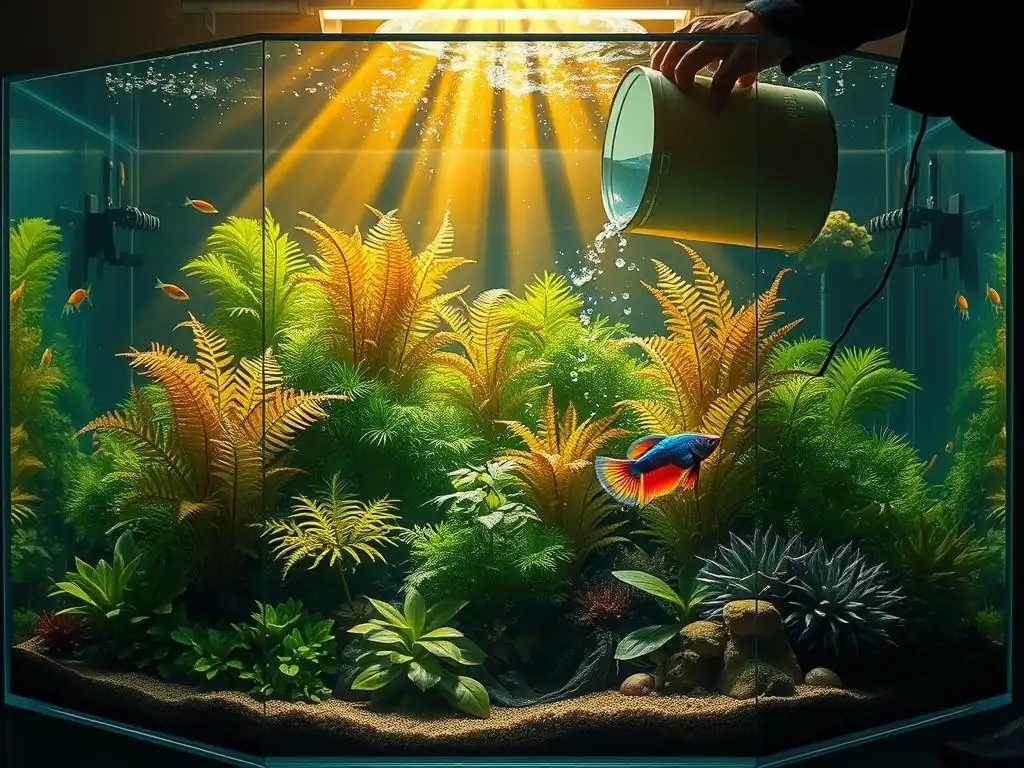
After removing the old water, begin slowly adding the prepared, dechlorinated, and temperature-matched replacement water back into the tank. Do not simply dump it in. Pouring it gently onto a decoration, a rock, or even your hand can help disperse the water and prevent a strong current that could startle or stress the fish. For very large water changes, consider adding the water in two or three stages over 15-30 minutes rather than all at once.
This allows the fish more time to acclimate to the new conditions. For example, if performing a 75% change, you might remove 75% of the water, then add back 25%, wait 15 minutes, add another 25%, wait, and then the final 25%. This gradual approach significantly reduces the risk of osmotic shock to your already vulnerable fish.
Step 5: Monitoring Water Parameters Post-Water Change
After completing the emergency water change, the critical next step is continuous monitoring of your aquarium's water parameters and the behavior of your fish. Immediately after the change, wait about 30-60 minutes for the water to fully mix, then re-test the critical parameters: ammonia, nitrite, nitrate, and pH. This will confirm the effectiveness of your freshwater aquarium emergency water change in reducing the harmful compounds.
For instance, if you changed 50% of the water due to a 1.0 ppm ammonia reading, your post-change reading should ideally be around 0.5 ppm or lower, indicating a successful dilution. Record these results to track the improvement and guide further actions.
Depending on the severity of the initial emergency, a single water change may not be sufficient to completely resolve the issue. For persistent high ammonia or nitrite levels, you may need to perform multiple smaller water changes (e.g., 25% every 4-6 hours) over the next 24-48 hours.
Continuously observe your fish for signs of recovery, such as improved swimming, reduced gasping, and more active behavior. If they remain distressed, or if water parameters begin to climb again, it indicates that the underlying problem (e.g., filter crash, overfeeding) has not been fully resolved, and further intervention, including more freshwater aquarium emergency water changes, may be required.
How Much Water Should You Change in an Emergency?
Determining the Appropriate Water Change Percentage for Different Emergency Scenarios
The percentage of water to change in an emergency depends directly on the severity and nature of the crisis. For mild issues, such as slightly elevated nitrates (e.g., 60-80 ppm) in an otherwise stable tank, a 25-30% freshwater aquarium emergency water change may suffice. However, for acute, life-threatening situations like detectable ammonia or nitrite (anything above 0 ppm), or the accidental introduction of toxins, a much larger change is necessary. In these critical scenarios, a 50% to 75% water change is often recommended as an immediate first response to rapidly dilute the harmful compounds.
For extremely severe cases, such as a major chemical spill or a sudden, massive fish die-off indicating overwhelming toxicity, a 90% or even 95% emergency water change might be warranted. In such extreme instances, the goal is to remove as much contaminated water as possible. However, it's crucial to replace the water very slowly and with precise temperature and pH matching to avoid shocking the fish further.
For example, if you discover your ammonia is at 2.0 ppm and your fish are dying, a 75% freshwater aquarium emergency water change is the minimum required to bring ammonia down to a more manageable 0.5 ppm. Always prioritize rapid dilution for acute toxins while being mindful of the fish's tolerance for sudden environmental shifts.
Avoiding Over-Correction: The Risks of Excessive Water Changes
While large water changes are often necessary in emergencies, there is a point of "over-correction" that can be detrimental to fish health. Performing an excessively large water change (e.g., 90% or more) when not absolutely necessary, or doing it too quickly, can lead to what is known as "new water shock" or "osmotic shock." Fish are highly sensitive to rapid changes in water chemistry, including pH, hardness, and mineral content. A sudden, drastic shift can overwhelm their osmoregulation system, causing severe stress, organ damage, and even death, even if the "new" water is perfectly clean.
For instance, if your tank has slowly accumulated high nitrates over time, and you suddenly perform a 90% freshwater aquarium emergency water change, the fish might struggle to adapt to the drastically different water parameters, even if the nitrates are now low. This is why for chronic issues like persistently high nitrates, it's often better to perform several smaller, successive water changes (e.g., 25-30% daily for a few days) rather than one massive change.
This gradual approach allows fish to acclimate more slowly to the improved conditions, minimizing stress and preventing secondary complications. Always balance the need for rapid dilution of toxins with the physiological tolerance of your fish.
Long-Term Prevention: Minimizing the Risk of Future Aquarium Emergencies
Regular Water Testing: A Proactive Approach to Aquarium Health
Regular water testing is the cornerstone of proactive aquarium management and the most effective way to prevent the need for freshwater aquarium emergency water changes. By consistently monitoring key parameters like ammonia, nitrite, nitrate, and pH, you can detect subtle shifts in water chemistry before they escalate into full-blown emergencies.
For instance, weekly testing of an established freshwater tank might reveal a gradual increase in nitrates from 20 ppm to 40 ppm over a few weeks. This indicates that your regular water changes might not be sufficient or that your bioload has increased, allowing you to adjust your maintenance schedule before nitrates reach dangerous levels.
Moreover, routine testing helps you understand the natural fluctuations and baseline parameters of your specific aquarium. If you know your tank consistently runs at pH 7.2, a sudden drop to 6.5 during a routine test would immediately flag a potential issue, prompting investigation rather than waiting for fish to show distress.
Investing in a reliable liquid test kit is highly recommended over test strips, as liquid kits provide more accurate readings. By making water testing a consistent habit, you gain an early warning system, allowing you to make minor adjustments to your maintenance routine and avoid the stress and danger of an emergency.
Maintaining a Stable Biological Filter: The Key to a Healthy Ecosystem
A robust and stable biological filter is the backbone of any healthy freshwater aquarium and the primary defense against ammonia and nitrite spikes. The biological filter, composed of beneficial nitrifying bacteria (Nitrosomonas and Nitrobacter), converts highly toxic ammonia into less toxic nitrite, and then into relatively harmless nitrate. When this filter is compromised, whether by power outages, aggressive cleaning, or medication use, the nitrogen cycle breaks down, leading to rapid accumulation of toxins and necessitating freshwater aquarium emergency water changes.
To maintain a stable biological filter, avoid over-cleaning filter media with chlorinated tap water; instead, rinse it gently in old tank water removed during a water change. Ensure consistent water flow through the filter, and do not replace all filter media at once, as this removes too many beneficial bacteria. For example, if your filter uses multiple sponges, clean one at a time over several weeks.
If you must medicate, choose medications that are "invert safe" or "filter safe" if possible, or be prepared for potential impacts on your bacterial colony. A thriving biological filter ensures that the aquarium can efficiently process waste, significantly reducing the likelihood of acute ammonia or nitrite poisoning.
Avoiding Overfeeding: Preventing Ammonia and Nitrite Spikes
Overfeeding is one of the most common and easily preventable causes of water quality deterioration in freshwater aquariums, directly leading to ammonia and nitrite spikes. When fish are fed more food than they can consume within a few minutes, the excess food sinks to the bottom, decomposes, and rapidly releases ammonia into the water. This sudden influx of organic waste can overwhelm the biological filter, which is designed to handle a steady, predictable amount of waste, not large, sudden loads.
A simple rule of thumb is to feed your fish only what they can consume in 2-3 minutes, once or twice a day, depending on the species and size. For instance, if you have small tetras, a tiny pinch of flake food might be sufficient. If you observe food remaining on the substrate after a few minutes, you are overfeeding.
Reducing feeding frequency or portion sizes immediately lessens the organic load on your system. This simple adjustment significantly reduces the risk of ammonia and nitrite buildup, thereby minimizing the need for stressful freshwater aquarium emergency water changes and contributing to a more stable and healthy aquatic environment.
Proper Aquarium Maintenance Schedule: Keeping Your Tank in Top Condition
Establishing and adhering to a consistent aquarium maintenance schedule is fundamental to preventing emergencies and ensuring long-term fish health. Regular maintenance tasks, when performed diligently, keep water parameters stable and prevent the accumulation of harmful substances. This schedule should typically include weekly water changes, regular gravel vacuuming, and routine filter maintenance. For example, a common recommendation for a moderately stocked freshwater tank is a 25% water change every week or two. This routinely removes accumulated nitrates and other dissolved organic compounds before they become problematic.
Beyond water changes, gravel vacuuming removes uneaten food, fish waste, and decaying plant matter from the substrate, which are all sources of ammonia. Filter maintenance involves rinsing filter media in old tank water to remove detritus without destroying beneficial bacteria. Regularly checking and cleaning heaters, air pumps, and lighting also ensures all equipment is functioning correctly, preventing issues like temperature fluctuations or inadequate oxygenation. By consistently following a well-planned maintenance routine, aquarists can proactively address potential issues, maintain pristine water quality, and drastically reduce the likelihood of encountering a situation that demands a freshwater aquarium emergency water change.
Choosing the Right Water Source for Emergency Water Changes
Tap Water Considerations: Dechlorination and Water Quality
For most freshwater aquarium emergency water changes, tap water is the most readily available and practical source. However, it comes with crucial considerations, primarily the presence of chlorine or chloramines and varying water quality parameters. City tap water is treated with chlorine or chloramines to make it safe for human consumption, but these chemicals are highly toxic to fish and beneficial bacteria.
Therefore, it is absolutely essential to use a high-quality water conditioner or dechlorinator that specifically neutralizes both chlorine and chloramines before adding tap water to your aquarium. Products like Seachem Prime or API Stress Coat are widely used and effective.
Beyond chemical treatment, the inherent quality of your tap water (pH, hardness, presence of heavy metals) can vary significantly by location. While in an emergency, immediate dilution of toxins takes precedence, it's beneficial to be aware of your tap water's typical parameters. For instance, if your tap water is significantly harder or has a drastically different pH than your tank water, even after dechlorination, a large, rapid water change could still cause osmotic or pH shock.
In such cases, preparing the replacement water in advance and carefully matching its parameters becomes even more critical. While tap water is convenient, never compromise on proper chemical treatment and temperature matching for freshwater aquarium emergency water changes.
Using Bottled Water in Emergency Situations: Pros and Cons
In certain dire freshwater aquarium emergency water changes, particularly if your tap water supply is compromised or known to be highly unsuitable, bottled water might seem like a viable alternative. Spring water or purified drinking water (not distilled) can be used. The main advantage is that it is free of chlorine and chloramines, eliminating the need for a dechlorinator. This can be beneficial in situations where rapid action is needed and dechlorinator is unavailable, or if your tap water contains unusually high levels of heavy metals.
However, bottled water has significant drawbacks. Firstly, it is expensive, making large-volume emergency changes impractical for most. Secondly, the mineral content (and thus pH and hardness) of bottled water varies wildly between brands and types (e.g., spring water vs. purified water).
This inconsistency can lead to unexpected pH or hardness swings in your tank, potentially stressing already vulnerable fish. For example, using "purified" water, which is often very soft and acidic, could drastically drop the pH of a tank accustomed to harder tap water. Therefore, while it can be a last resort for small-scale emergency dilutions, it's generally not recommended as a primary solution for large freshwater aquarium emergency water changes due to cost, inconsistency, and the potential for creating new water parameter issues.
Understanding the Risks of Well Water for Aquariums
For aquarists who rely on well water, there are unique considerations and potential risks when using it for freshwater aquarium emergency water changes. Unlike municipal tap water, well water is typically not treated with chlorine or chloramines, which is an advantage. However, its chemical composition can be highly variable and unpredictable, depending on the local geology and agricultural runoff. Well water can contain elevated levels of nitrates, phosphates, iron, copper, or other heavy metals, particularly if the well is shallow or near agricultural areas. It can also have wildly fluctuating pH and hardness.
For example, a well near a farm might have persistently high nitrate levels due to fertilizer runoff, or a well in an area with old pipes might introduce copper. Using such water for an emergency change, especially a large one, could inadvertently introduce new toxins or drastically alter water parameters, exacerbating the problem rather than solving it.
Therefore, if you use well water for your aquarium, it is absolutely critical to have it thoroughly tested regularly for a comprehensive range of parameters, including heavy metals and nitrates, before relying on it for any freshwater aquarium emergency water changes. Filtration systems for well water may also be necessary to ensure its safety for aquatic life.
Specific Scenarios and Emergency Water Change Protocols
Treating Ammonia Poisoning with Emergency Water Changes
When faced with ammonia poisoning in a freshwater aquarium, immediate and aggressive freshwater aquarium emergency water changes are the most effective intervention. Ammonia is highly toxic, causing rapid gill damage and suffocation. If your test kit shows any detectable ammonia (e.g., 0.25 ppm or higher) and your fish are showing signs of distress like gasping or lethargy, a significant water change is warranted.
For moderate levels (0.5-1.0 ppm), a 50% water change is a good starting point to dilute the toxin. For higher, more critical levels (above 1.0 ppm), a 75% or even 80% water change may be necessary as the first step.
The protocol involves siphoning out the contaminated water, ensuring you use a high-quality water conditioner that also detoxifies ammonia (e.g., Seachem Prime) in the replacement water. After the initial large change, re-test ammonia levels after 30-60 minutes. If ammonia is still present, consider performing another 25-50% water change within the next 4-6 hours. It's crucial to continue monitoring and performing smaller daily water changes (25-30%) until ammonia consistently reads 0 ppm. Addressing the root cause, such as overfeeding or filter issues, is also vital to prevent recurrence and avoid further freshwater aquarium emergency water changes.
Addressing High Nitrite Levels with Water Changes
High nitrite levels in a freshwater aquarium are also a serious threat, impairing oxygen transport in fish. Similar to ammonia, any detectable nitrite (above 0 ppm) warrants attention, and levels exceeding 0.5 ppm are considered an emergency. The immediate protocol for addressing high nitrites involves performing a substantial freshwater aquarium emergency water change. A 30-50% water change is typically effective in reducing nitrite concentrations to safer levels. Like ammonia, it's essential to use a water conditioner that neutralizes chlorine and chloramines in the replacement water.
In addition to the water change, adding aquarium salt (non-iodized sodium chloride) can provide a crucial protective measure against nitrite poisoning. A concentration of 1-2 teaspoons of salt per 10 gallons of water can help block the uptake of nitrite through the fish's gills. For example, if you have a 50-gallon tank with high nitrite, a 30% water change (15 gallons) combined with 5-10 teaspoons of aquarium salt can significantly aid fish recovery.
Continue to monitor nitrite levels daily and perform smaller (20-25%) water changes as needed until nitrite consistently reads 0 ppm. Identifying and resolving the cause of the nitrite spike (e.g., struggling biological filter) is key to long-term stability and avoiding future freshwater aquarium emergency water changes.
Correcting pH Imbalances with Water Changes
Correcting pH imbalances with freshwater aquarium emergency water changes requires a very cautious and gradual approach to avoid shocking the fish further. Rapid pH swings, especially drops, can be highly stressful and lethal. If your pH has suddenly crashed (e.g., a drop of 0.5 units or more within hours), the goal of the water change is to gently nudge the pH back towards its stable range, not to instantly fix it.
Start by testing the pH of your source water. If it's significantly different from your tank's current pH, you will need to buffer it or mix it to match the tank's pH as closely as possible before adding.
For instance, if your tank's pH has crashed from 7.0 to 6.0, and your tap water is 7.5, you shouldn't just dump in 50% tap water. Instead, prepare 25-30% of replacement water and adjust its pH to be only 0.2-0.3 units higher than your tank's current pH (e.g., 6.2-6.3). Add this water very slowly.
Repeat this smaller water change (20-25%) with slightly adjusted water every few hours until the tank's pH gradually rises back to its stable range. Avoid using harsh chemical pH adjusters in an emergency, as they can cause even more rapid and dangerous swings. The key is extreme patience and gradualism when using freshwater aquarium emergency water changes for pH correction.
Managing Post-Medication Water Quality with Emergency Water Changes
After treating a freshwater aquarium for a fish disease with medication, managing post-medication water quality often necessitates emergency water changes. Many aquarium medications, while effective against pathogens, can have adverse effects on water parameters or the biological filter. For instance, some medications can kill beneficial nitrifying bacteria, leading to ammonia or nitrite spikes. Others might leave behind residues that can affect water clarity or fish health over time. Once the medication course is complete and the fish are recovering, it's crucial to remove the medication from the water.
The protocol typically involves a significant freshwater aquarium emergency water change – often 30-50% – to dilute the remaining medication. This is usually followed by the addition of fresh activated carbon to the filter, which will absorb residual medication compounds. For example, if you've just finished a 7-day course of an antibiotic that can impact the biological filter, performing a 50% water change and adding fresh carbon will help remove the drug and reduce its impact.
However, continue to monitor ammonia and nitrite levels closely for several days after the water change, as the biological filter may still be recovering. Further smaller water changes (e.g., 20% daily) might be needed if these toxic compounds begin to rise, ensuring the water quality remains pristine during the fish's recovery period.
The Importance of Observation After an Emergency Water Change
Monitoring Fish Behavior for Signs of Stress or Improvement
The period immediately following a freshwater aquarium emergency water change is just as crucial as the intervention itself. Close observation of your fish's behavior is paramount to gauge the effectiveness of your actions and identify any lingering issues or new stresses. Look for signs of improvement: are the fish less lethargic? Is their breathing less labored? Are they swimming more naturally and showing interest in food? For instance, if fish were gasping at the surface due to ammonia, you should see a noticeable reduction in this behavior within hours if the water change was successful.
Conversely, also watch for any new or persistent signs of stress. If fish continue to show clamped fins, darting, or unusual coloration, it indicates that the underlying problem may not be fully resolved or that the fish are still suffering from the previous conditions.
For example, if you performed a large freshwater aquarium emergency water change for high nitrates, but the fish still appear dull and listless, it might suggest chronic stress that will take longer to alleviate, or perhaps another, undetected issue. Your detailed observations will guide your next steps, whether it's another smaller water change, further testing, or considering other treatments.
Continuing to Test Water Parameters Regularly
After performing a freshwater aquarium emergency water change, it is absolutely critical to continue testing water parameters regularly, not just immediately after the change, but for several days to a week following the incident. An emergency water change provides immediate relief by diluting toxins, but it doesn't always resolve the root cause of the problem. For instance, if an ammonia spike was caused by a compromised biological filter, diluting the ammonia doesn't magically restore the bacteria. Ammonia and nitrite levels could begin to climb again within 24-48 hours as the fish continue to produce waste.
Therefore, for at least the next 3-5 days, test your ammonia and nitrite levels daily, and nitrates every other day. If you see any signs of these parameters rising again, be prepared to perform another smaller (20-30%) freshwater aquarium emergency water change. This continuous monitoring allows you to catch any re-emergence of the problem early and address it before it becomes critical again. It also helps confirm that your biological filter is recovering and that the aquarium is returning to a stable, healthy state. Consistent testing is your best tool for ensuring long-term recovery and preventing future crises.
Advanced Techniques for Handling Aquarium Emergencies
Using Chemical Filtration to Supplement Water Changes
While freshwater aquarium emergency water changes are the primary method for diluting toxins, chemical filtration can be a powerful supplementary tool, especially for lingering issues or to absorb specific contaminants. Activated carbon is a widely used chemical filter media that effectively removes dissolved organic compounds, medications, odors, and some heavy metals from the water. For instance, after a medication treatment, performing a water change and then adding fresh activated carbon to your filter will help remove residual medication more quickly than water changes alone.
Other chemical filtration media include ammonia-absorbing resins (like zeolite) and nitrate-removing resins. These can be particularly useful in cases where the biological filter is severely compromised, or if you have persistently high ammonia or nitrate levels that are difficult to manage with water changes alone.
For example, if you're dealing with "new tank syndrome" and an ongoing ammonia spike, adding an ammonia-absorbing pad to your filter after a large freshwater aquarium emergency water change can help keep ammonia levels down while your biological filter establishes itself. It's important to note that chemical media have a finite absorption capacity and must be replaced regularly to remain effective, and they should not be considered a permanent substitute for regular water changes and a healthy biological filter.
Implementing a Quarantine Tank for Sick Fish
While not directly a water change technique, implementing a quarantine tank is an advanced, proactive measure that can significantly reduce the likelihood of widespread emergencies in your main freshwater aquarium. A quarantine tank is a separate, smaller tank used to isolate new fish before introducing them to your main display tank, or to house sick or injured fish for observation and treatment. This isolation prevents the introduction of diseases, parasites, and potentially harmful bacteria into your established ecosystem.
For instance, if you purchase a new fish that appears healthy but is carrying a dormant parasite, placing it in a quarantine tank for 2-4 weeks allows you to observe it for signs of illness. If the fish develops symptoms, you can treat it in the quarantine tank without exposing your main tank inhabitants or harming your beneficial bacteria.
This prevents an entire tank outbreak that might necessitate widespread medication and subsequent freshwater aquarium emergency water changes to remove medication residues and deal with potential ammonia spikes from a damaged filter. A quarantine tank is an invaluable tool for maintaining the overall health and stability of your primary aquarium, reducing the frequency and severity of emergencies.
Emergency Water Change Troubleshooting: Common Mistakes to Avoid
Over-Changing the Water: The Risks of Shocking Your Fish
One of the most common pitfalls during freshwater aquarium emergency water changes is the mistake of over-changing the water, especially when not absolutely necessary, or doing it too rapidly. While dilution is key for toxins, performing an excessively large water change (e.g., 90% in a non-toxic emergency) or replacing water too quickly can induce severe "new water shock" in fish.
Fish are highly sensitive to rapid shifts in water parameters such as pH, hardness, and temperature. A sudden, drastic change can overwhelm their osmoregulation system, leading to acute stress, organ damage, and even death, even if the "new" water is chemically pristine.
For example, if your tank has slowly drifted to a slightly higher nitrate level (e.g., 60 ppm) but fish show no acute distress, a 75% or 90% water change is an over-correction. A more appropriate approach would be a 30-50% change, possibly repeated over a few days. The rapid change in mineral content and pH can be more detrimental than the slightly elevated nitrates. Always assess the severity of the emergency to determine the appropriate water change percentage, prioritizing gradual changes for chronic issues and reserving massive changes only for acute, life-threatening toxic events.
Neglecting to Dechlorinate the Water: A Fatal Error
Perhaps the most fatal error an aquarist can make during a freshwater aquarium emergency water change is neglecting to properly dechlorinate the replacement water. Municipal tap water contains chlorine or chloramines, which are potent disinfectants. While harmless to humans in drinking water, these chemicals are highly toxic to fish, burning their gills, damaging their slime coat, and destroying the beneficial nitrifying bacteria essential for the nitrogen cycle. Even a small amount of untreated tap water can cause immediate and severe distress, leading to rapid fish death.
For instance, adding 20 gallons of untreated tap water to a 50-gallon tank during an emergency will introduce enough chlorine to potentially wipe out your entire fish population and crash your biological filter. Always use a high-quality water conditioner that neutralizes both chlorine and chloramines. It is safer to slightly overdose the dechlorinator in an emergency than to underdose. This step is non-negotiable for any freshwater aquarium emergency water change using tap water; failure to do so will inevitably turn a manageable crisis into a catastrophe.
Introducing Untreated Water: Potential Dangers
Introducing untreated water into a freshwater aquarium during an emergency goes beyond just neglecting dechlorination; it encompasses a broader range of potential dangers that can exacerbate the crisis. Untreated water, whether from a tap, well, or even certain bottled sources, can harbor a variety of hidden threats. This includes:
- Heavy Metals: Old plumbing or certain geological areas can leach heavy metals like copper, lead, or zinc into tap or well water, which are highly toxic to fish and invertebrates.
- Temperature Discrepancies: Adding water that is significantly colder or hotter than the tank water can induce thermal shock, leading to stress, weakened immune systems, or death.
- pH and Hardness Mismatches: Water from different sources can have vastly different pH and hardness (GH/KH) levels. A sudden introduction of water with wildly different parameters can cause severe osmotic shock.
- Pathogens/Parasites: While less common with municipal water, well water or spring water could potentially introduce unwanted bacteria, viruses, or parasites.
For example, if you rush to perform a freshwater aquarium emergency water change using cold tap water directly from the faucet without temperature matching, your fish, already stressed, could suffer severe thermal shock. Always use a thermometer to match temperatures within 1-2°F and a reliable water conditioner. If using well water, ensure it has been tested for heavy metals and other contaminants. The goal of an emergency water change is to alleviate stress, not to introduce new stressors from poorly prepared water.
The Role of Beneficial Bacteria in Emergency Water Changes
Understanding the Nitrogen Cycle and its Importance
The nitrogen cycle is the fundamental biological process that makes a freshwater aquarium habitable for fish, and understanding its importance is critical when performing freshwater aquarium emergency water changes. This cycle involves beneficial bacteria converting toxic ammonia (from fish waste and decaying matter) into less toxic nitrite, and then into relatively harmless nitrate. A healthy, established biological filter (comprising these bacteria in your filter media and substrate) continuously processes these waste products, maintaining stable and safe water parameters.
When an emergency occurs, such as an ammonia spike, it often signifies a disruption or overload of this vital cycle. For instance, a sudden increase in bioload from new fish, or the death of beneficial bacteria due to medication or power outages, can cause the cycle to falter. The emergency water change then acts as a temporary bypass, diluting the toxins that the compromised biological filter cannot handle. However, the long-term solution always relies on restoring and supporting the nitrogen cycle, as it is the natural, continuous detoxification system of the aquarium.
Preserving Beneficial Bacteria During Water Changes
While performing freshwater aquarium emergency water changes is crucial for diluting toxins, it's equally important to minimize harm to the beneficial bacteria that form your biological filter. These bacteria primarily colonize porous surfaces in your filter media, substrate, and to a lesser extent, on tank decorations. Overly aggressive cleaning during a water change can inadvertently remove or kill these vital microorganisms, prolonging the recovery of the nitrogen cycle.
When siphoning water, avoid excessively disturbing the main filter media. If you need to clean filter sponges, gently rinse them in the old tank water you've siphoned out, rather than in chlorinated tap water, which would kill the bacteria. For example, if you're performing a 50% water change, use some of the removed tank water to rinse your filter sponges in a separate bucket.
Avoid replacing all filter media at once; instead, stagger media replacement over several weeks if necessary. By taking these precautions during freshwater aquarium emergency water changes, you help preserve your bacterial colony, allowing your aquarium to recover its natural filtration capabilities more quickly after a crisis.
Beyond Water Changes: Complementary Emergency Measures
Aeration: Increasing Oxygen Levels in the Aquarium
While freshwater aquarium emergency water changes are critical for diluting toxins, increasing aeration is a vital complementary measure, especially in situations involving high ammonia or nitrite, or elevated temperatures. Fish suffering from these conditions often exhibit labored breathing or gasping at the surface because their ability to absorb oxygen is compromised, even if the water itself has sufficient dissolved oxygen. Adding an air stone connected to an air pump significantly increases surface agitation, which promotes gas exchange and raises the dissolved oxygen levels in the water.
For instance, if your fish are gasping due to an ammonia spike, an emergency water change will dilute the ammonia, but adding an air stone will immediately provide more oxygen, easing their respiratory distress while the water change takes effect. Similarly, during a heatwave or heater malfunction, higher temperatures reduce the water's capacity to hold oxygen. Boosting aeration in such scenarios can prevent oxygen deprivation. An air stone is an inexpensive, effective tool that provides immediate relief to stressed fish during various aquarium emergencies, working hand-in-hand with freshwater aquarium emergency water changes.
Temperature Control: Maintaining a Stable Environment
Maintaining stable temperature control is paramount for fish health and a key complementary measure during or after a freshwater aquarium emergency water change. Fish are cold-blooded, and their metabolic rates, immune systems, and overall well-being are highly dependent on a consistent temperature within their optimal range. Rapid or extreme temperature fluctuations, whether too hot or too cold, can cause severe stress, shock, and make fish highly susceptible to disease.
In an emergency, if your tank temperature has crashed due to a heater malfunction or power outage, while you address the heater, a small, very gradual water change with precisely temperature-matched water (within 1-2°F of the current tank water) can help prevent further drop. Conversely, if the tank is overheating, a small, very gradual water change with slightly cooler (but not cold) water can help, but the priority is to cool the room or insulate the tank.
Always ensure your heater is functioning correctly, and have a reliable thermometer. Properly managing temperature during freshwater aquarium emergency water changes ensures that fish are not subjected to additional thermal stress while their water quality is being corrected.
Using Aquarium Salt to Treat Specific Fish Diseases
While not a universal panacea, aquarium salt (non-iodized sodium chloride) can be a valuable complementary emergency measure for specific fish diseases or conditions, often used in conjunction with freshwater aquarium emergency water changes. Its primary benefits include reducing nitrite toxicity and helping fish recover from osmotic stress. For instance, in cases of nitrite poisoning, adding 1-2 teaspoons of aquarium salt per 10 gallons of water can help block the uptake of nitrite through the fish's gills, providing a crucial protective layer while water changes reduce the nitrite concentration.
Aquarium salt can also aid in treating certain external parasitic infections, like Ich (white spot disease), or bacterial infections that cause fin rot or open sores, by acting as a mild antiseptic and helping to restore the fish's slime coat. For example, a 1-3 tablespoon per 5-gallon dosage can be used as a short-term bath for treating severe Ich.
However, it's crucial to research the specific needs of your fish species, as some (like scaleless fish or certain catfish) are highly sensitive to salt. Always dissolve the salt completely before adding it to the tank, and use it judiciously as a supportive therapy, not a replacement for proper water quality management and freshwater aquarium emergency water changes.
Conclusion: Mastering Emergency Water Changes for a Healthy Aquarium
Frequently Asked Questions
How often should I perform an emergency water change in my freshwater aquarium?
Emergency water changes are not routine! They're only needed when there's a sudden, dangerous shift in water parameters, like a toxic ammonia spike or extreme temperature change.
What percentage of water should I change during an emergency water change?
Typically, a 50% water change is recommended as a first step. Severely compromised tanks may need a series of smaller changes (25-30%) over a few hours to avoid shocking the fish.
What kind of water should I use for an emergency water change?
Always use dechlorinated water that is the same temperature as the aquarium water. Matching parameters helps minimize stress on your fish during this crucial time.
What are some common signs that indicate I need to perform an emergency water change?
Look for signs like fish gasping at the surface, erratic swimming, or a sudden, unexplained increase in fish deaths. Also, test your water parameters immediately.
Can emergency water changes fix all aquarium problems?
No, emergency water changes are a temporary fix. They address the immediate crisis but don't solve the underlying cause of the problem. You'll need to identify and correct the root issue.
Final Reflection: The Unseen Current of Resilience
The principles of proactive preparedness and decisive action, so crucial in executing freshwater aquarium emergency water changes, extend far beyond the glass walls of our tanks. Just as a sudden shift in water parameters can threaten an aquatic ecosystem, unexpected challenges can disrupt the delicate balance of our own lives. Understanding the importance of swift intervention, informed by knowledge and guided by a commitment to preservation, is a lesson that resonates deeply in a world constantly in flux.
This understanding of aquatic resilience has profoundly shaped my perspective on problem-solving, highlighting the interconnectedness of actions and consequences. Witnessing the immediate positive impact of a well-executed water change underscores the power of direct intervention and the potential for recovery even in seemingly dire situations. The best time to plant a tree was 20 years ago. The second best time is now.
This ancient proverb reminds us that proactive measures, even when delayed, can still yield significant benefits, a truth mirrored in the life-saving potential of emergency water changes.
Now, consider the lessons learned from navigating these aquatic crises. How can you apply the same principles of observation, assessment, and decisive action to the challenges you face in your own life? Embrace the power of preparedness, cultivate a deep understanding of the systems around you, and remember that even in the face of adversity, swift and informed action can restore balance and foster renewed growth. Let the resilience of your aquarium inspire you to cultivate your own inner strength and navigate the currents of life with confidence and grace.
Unleash Your Inner Aquarium Hero!
Thanks for diving into the world of emergency water changes! We hope you’re now feeling empowered to tackle those unexpected aquarium emergencies. Ready to put that knowledge into action?
Here are a few things you can do right now:
- Immediately prepare a batch of dechlorinated water, even if your aquarium is currently stable. Being prepared is half the battle!
- Share this article with fellow aquarium enthusiasts. Help them become aquarium heroes too!
- Explore different dechlorination methods to find the best and most reliable option for your needs.
What's one thing you'll do today to be more prepared for an aquarium emergency?