
Integrating InLine Heaters: A Clean Look for Your Canister Filter Setup (HowTo)

Welcome to Aquarium Mastery!
Ever dreamt of a pristine aquarium, free from unsightly equipment? Dive into our guide on integrating inline heater canister filters and discover how to achieve a sleek, professional look for your setup. Curious how to maintain the perfect temperature while keeping your tank visually stunning? Let's explore the secrets of this game-changing aquarium equipment!
- Integrating Hydor ETH Inline Heaters: A Clean Look for Your Canister Filter Setup (HowTo)
- Introduction: The Benefits of a Hydor ETH Inline Heater with Your Canister Filter
- Understanding Hydor ETH Inline Heaters: How They Work with Canister Filters
-
Step-by-Step Guide: Installing a Hydor ETH Inline Heater with a Canister Filter
- Step 1: Gathering the Necessary Equipment and Materials
- Step 2: Planning Your Hydor ETH Inline Heater Placement (Before Canister Filter or After?)
- Step 3: Connecting the Hydor ETH Inline Heater to Your Canister Filter Tubing
- Step 4: Priming the Canister Filter and Checking for Leaks
- Step 5: Setting the Desired Temperature and Monitoring Performance
- Optimizing Hydor ETH Inline Heater Performance and Efficiency
- Alternative Inline Heater Options and Brands
- Safety Precautions When Using Inline Heaters
- Conclusion: Enjoy a Clean and Efficient Aquarium Heating Solution
-
Frequently Asked Questions
- How does an inline heater work with a canister filter?
- What are the benefits of using an inline heater versus a traditional submersible heater?
- Are inline heaters compatible with all canister filters?
- Can an inline heater be used in both freshwater and saltwater aquariums?
- What happens if the canister filter stops working while an inline heater is running?
- Final Reflection: Embracing Seamless Integration
- Revolutionize Your Aquarium's Clarity
Integrating Hydor ETH Inline Heaters: A Clean Look for Your Canister Filter Setup (HowTo)
Introduction: The Benefits of a Hydor ETH Inline Heater with Your Canister Filter
Why Choose a Hydor ETH Inline Heater for Your Aquarium?
Choosing a Hydor ETH inline heater for your aquarium offers a sophisticated approach to temperature control, setting it apart from traditional submersible units. These heaters are renowned for their precision thermostat, which typically maintains water temperature within a narrow range of ±0.5°F (±0.3°C), crucial for sensitive aquatic species. Their robust construction and advanced safety features, such as a thermal cut-off that prevents overheating in case of low flow, make them a reliable component of any modern inline heater canister filter setup.
Beyond their technical prowess, Hydor ETH inline heaters are designed for energy efficiency. By heating water as it circulates through the canister filter's return line, they ensure uniform heat distribution throughout the entire aquarium volume. This method minimizes temperature stratification and hot spots often associated with internal heaters, contributing to a more stable and healthier environment for your fish and plants.
Achieving a Clutter-Free Aquarium with Hydor ETH Inline Heating
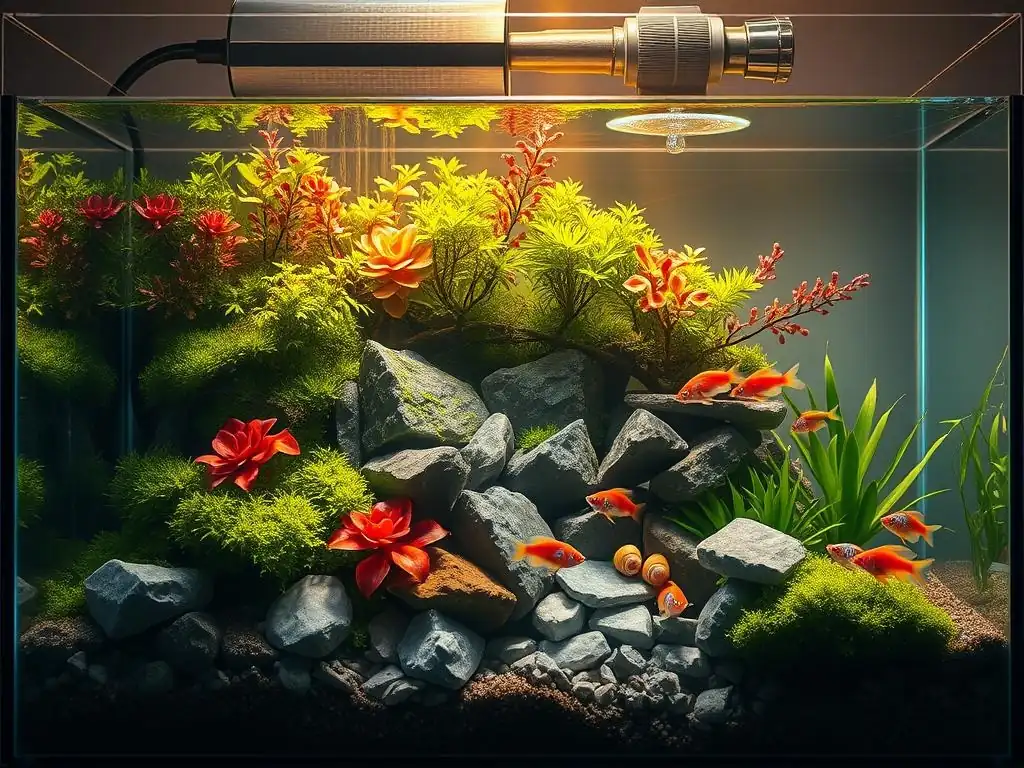
One of the most compelling reasons to integrate a Hydor ETH inline heater is its ability to create a visually clutter-free aquarium. Unlike traditional submersible heaters that occupy valuable space within the tank and detract from the aquascape, an inline heater is installed externally, hidden away with your canister filter. This allows for an unobstructed view of your aquatic display, enhancing its aesthetic appeal significantly.
The absence of equipment inside the tank also offers practical advantages. It simplifies routine maintenance tasks like gravel vacuuming or algae scraping, as there are fewer obstacles to navigate. Furthermore, by removing potential hot spots or physical obstructions, an inline heater canister filter setup contributes to a less stressful environment for your aquarium inhabitants, allowing them to utilize the entire tank volume freely.
Understanding Hydor ETH Inline Heaters: How They Work with Canister Filters
Hydor ETH Inline Heater Components and Functionality
A Hydor ETH inline heater consists of a durable, water-tight housing typically made from high-quality, heat-resistant plastic, containing a ceramic heating element, an integrated temperature sensor, and a precise electronic thermostat. Water from the canister filter's return line flows directly through the heater's chamber. As the water passes over the heating element, it is warmed to the desired temperature set by the user via an external dial.
The integrated temperature sensor continuously monitors the water temperature, relaying data to the electronic thermostat. When the water temperature drops below the set point, the thermostat activates the heating element. Once the desired temperature is reached, the element automatically switches off, maintaining consistent warmth. This continuous monitoring and precise control ensure stable thermal conditions, critical for the health and well-being of most aquarium species, particularly those from tropical climates.
Compatibility: Matching Your Hydor ETH Inline Heater to Your Canister Filter and Tank Size
Selecting the correct Hydor ETH inline heater involves matching its wattage to your aquarium's volume and ensuring compatibility with your canister filter's tubing. A general guideline for tropical aquariums is to provide 3 to 5 watts per gallon (or approximately 1 watt per liter) of water. For instance, a 55-gallon (approx. 208-liter) tank typically benefits from a 150-200W heater, while a larger 125-gallon (approx. 473-liter) setup might require a 300W unit. Considering ambient room temperature and desired tank temperature will help fine-tune this wattage requirement.
Crucially, the Hydor ETH inline heater must be compatible with your canister filter's hose diameter. Hydor offers models designed for common tubing sizes, such as 12/16mm (approx. 1/2 inch) and 16/22mm (approx. 5/8 inch). The effectiveness of an inline heater canister filter system also depends on adequate water flow; the canister filter must provide sufficient GPH (gallons per hour) to circulate the heated water efficiently throughout the tank. Most standard canister filters, with flow rates ranging from 150 to 500 GPH, are well-suited to work with Hydor ETH heaters, ensuring even heat distribution and optimal performance.
Step-by-Step Guide: Installing a Hydor ETH Inline Heater with a Canister Filter
Step 1: Gathering the Necessary Equipment and Materials
Before beginning the installation, ensure you have all the required components ready. You will need your Hydor ETH inline heater (confirming the correct wattage and hose diameter for your tank and filter), your canister filter, and the existing aquarium tubing that connects your filter to the tank. Additionally, it is highly recommended to have a pair of sharp utility scissors or a tubing cutter for clean cuts, a bucket for any potential water spills, and a few towels. Optional but recommended items include hose clamps for extra security at the connection points.
Prior to installation, always unplug your canister filter and any other electrical equipment connected to the aquarium. It's also a good practice to have your canister filter's manual handy, especially if you need to re-prime it after the installation. Ensuring a clean work area and having everything within reach will make the installation process smoother and more efficient.
Step 2: Planning Your Hydor ETH Inline Heater Placement (Before Canister Filter or After?)
The optimal placement for your Hydor ETH inline heater is on the return line of your canister filter, after the water has passed through the filter media and is on its way back into the aquarium. This configuration ensures that the heater warms already filtered water, preventing any particulate matter from entering the heater unit itself, which could potentially reduce its efficiency or longevity. Furthermore, placing it on the return line means the heated water is immediately dispersed into the tank, promoting uniform temperature distribution.
While theoretically possible to place it on the intake line (before the filter), this is generally not recommended. Water entering the filter can contain debris, which could accumulate inside the heater, affecting its performance or requiring more frequent cleaning. For the most efficient and reliable inline heater canister filter setup, the return line placement is the industry standard and best practice.
Step 3: Connecting the Hydor ETH Inline Heater to Your Canister Filter Tubing
With your canister filter unplugged and your placement decided, carefully cut the return line tubing at the desired point. Ensure the cut is clean and straight for a secure connection. The Hydor ETH heater has two hose barbs; pay attention to the flow arrow on the heater's body, ensuring it aligns with the direction of water flow from your filter back to the tank. Firmly push one end of the cut tubing onto one of the heater's hose barbs until it is fully seated.
Repeat the process for the other end of the tubing, connecting it to the remaining hose barb. It's crucial that these connections are snug and secure to prevent leaks. If using hose clamps, slide them over the tubing before attaching it to the heater, then tighten them securely over the barbs once the tubing is in place. A slight twisting motion while pushing the tubing onto the barbs can help achieve a tighter seal, minimizing the risk of water seepage in your inline heater canister filter system.
Step 4: Priming the Canister Filter and Checking for Leaks
Once the Hydor ETH inline heater is securely installed in your canister filter's return line, it's time to re-prime your canister filter. Follow your specific canister filter's instructions for priming, which typically involves filling the filter with water and initiating the flow. As the water begins to circulate through the system, carefully and thoroughly inspect all connections, especially those made to the inline heater, for any signs of drips, moisture, or leaks.
Allow the system to run for several minutes, continuously monitoring the connections. Even a small drip can lead to significant water damage over time. If you observe any leaks, immediately unplug the filter, address the loose connection, and re-prime. This meticulous leak check is a vital step to ensure the safety and long-term reliability of your inline heater canister filter setup.
Step 5: Setting the Desired Temperature and Monitoring Performance
With the system running and leak-free, you can now plug in your Hydor ETH inline heater. Use the temperature dial on the heater to set your desired aquarium temperature. For most tropical freshwater aquariums, a temperature of 78°F (approximately 25.5°C) is a common and safe starting point. It is absolutely essential to use a separate, reliable aquarium thermometer (preferably a digital one for accuracy) placed in the tank to verify the actual water temperature. Do not rely solely on the heater's dial, as calibration can vary.
Over the next 24 to 48 hours, closely monitor the tank's temperature using your independent thermometer. The Hydor ETH heater will work to reach and maintain the set temperature. You may need to make small, incremental adjustments to the heater's dial to achieve and stabilize the exact desired temperature in your aquarium. This monitoring period ensures the inline heater canister filter system is functioning optimally and providing stable thermal conditions for your aquatic inhabitants.
Optimizing Hydor ETH Inline Heater Performance and Efficiency
Flow Rate Considerations for Optimal Heating
Optimal performance of a Hydor ETH inline heater is highly dependent on the consistent and adequate flow rate from your canister filter. The heater is designed to warm water as it passes through, and if the flow is too low, the water inside the heater can become excessively hot, potentially triggering its internal safety shut-off or causing the heater to cycle on and off more frequently than necessary. This rapid cycling reduces efficiency and can shorten the heater's lifespan.
Conversely, while rare, an extremely high flow rate combined with an undersized heater for a large tank might make it challenging for the heater to reach and maintain the set temperature efficiently. For most common Hydor ETH models (e.g., 100W to 300W), a canister filter providing a net flow rate of 150-400 GPH through the inline heater canister filter setup is generally ideal. Regularly clean your canister filter media to prevent clogs that can reduce flow, ensuring consistent heater performance.
Maintaining Your Hydor ETH Inline Heater for Longevity
Regular maintenance is crucial for ensuring the longevity and efficient operation of your Hydor ETH inline heater. During your routine canister filter cleaning, which is often recommended every 2-4 weeks depending on bio-load, disconnect the inline heater and inspect it. Use a soft brush or cloth to gently clean any algae or mineral deposits that may have accumulated on the hose barbs or the exterior housing. For internal cleaning, if accessible, ensure no debris is trapped within the heating chamber.
Annually, perform a more thorough inspection: check the power cord for any signs of fraying, cuts, or damage, and examine the heater's housing for cracks or signs of wear. While Hydor ETH heaters are built to last, all aquarium equipment has a lifespan. Considering replacement every 3 to 5 years, especially if you notice inconsistencies in temperature control or performance, is a good preventative measure to maintain the safety and stability of your inline heater canister filter system.
Troubleshooting Common Issues with Hydor ETH Inline Heaters
If your Hydor ETH inline heater isn't performing as expected, several common issues can be easily troubleshot.
- Heater not turning on: First, check if the heater is securely plugged into a live GFCI outlet. Ensure the thermostat dial is set higher than the current water temperature in the tank, as the heater won't activate if the water is already warm enough. Verify that there is sufficient water flow through the unit; low or no flow will prevent the heater from operating safely.
- Temperature fluctuations or not reaching set temperature: This could indicate inadequate wattage for your tank size, especially if your room temperature is very low, or if you've recently performed a large, cold water change. Inconsistent flow from your
canister filterdue to clogged media or an aging impeller can also cause erratic heating. Additionally, ensure your separate aquarium thermometer is accurate, as an inaccurate reading can lead to misdiagnosis. Trapped air bubbles within the heater's chamber can sometimes impede efficiency; gently tilting the heater during operation can help dislodge them.
Alternative Inline Heater Options and Brands
Fluval Inline Heater Review and Features
While Hydor ETH heaters are highly regarded, Fluval also offers excellent inline heating solutions, particularly integrated with their FX series external filters. Fluval inline heaters are designed for seamless integration into their high-capacity filter systems, providing a streamlined heating solution that eliminates in-tank equipment. These heaters are known for their robust construction and often feature advanced thermal protection systems that prevent overheating and dry running, similar to the Hydor ETH.
Fluval's approach emphasizes durability and user-friendliness, ensuring easy installation within the filter's plumbing. While they might be more specifically tailored to Fluval's own canister filters in terms of hose compatibility, they offer a compelling alternative for those seeking a reliable inline heater canister filter setup with a strong brand reputation for quality and performance.
Aqueon Pro Adjustable Heater Review and Features
It's important to clarify that the Aqueon Pro Adjustable Heater is primarily a submersible heater, designed for direct placement inside the aquarium, rather than an inline heater. However, it is a highly popular and well-regarded alternative for aquarists who prefer an in-tank heating solution or do not use a canister filter. Aqueon Pro heaters are known for their shatter-resistant design, making them exceptionally durable against accidental impact.
These heaters feature an adjustable thermostat for precise temperature control and an automatic safety shut-off if removed from water, preventing dry-running. While they do occupy space within the aquarium, their compact size allows for discreet placement behind decor. For those prioritizing simplicity and direct in-tank heating without the complexity of an inline heater canister filter setup, the Aqueon Pro Adjustable Heater remains a top choice due to its reliability and safety features.
Comparing Different Types of Inline Heaters for Various Aquarium Setups
When comparing inline heaters like the Hydor ETH and Fluval options, the primary advantages lie in their external placement, contributing to a clean, uncluttered aquarium aesthetic and simplifying in-tank maintenance. Both brands offer precise temperature control and integrated safety features, making them excellent choices for sophisticated aquarium setups that utilize canister filtration. Differences often come down to specific wattage ranges, hose compatibility (e.g., 12/16mm vs. 16/22mm), and brand preference.
In contrast, submersible heaters, such as the Aqueon Pro Adjustable, are simpler to install and generally more affordable. They are ideal for smaller tanks, setups without canister filters, or for aquarists who don't mind equipment inside the tank. However, they occupy tank space, can be visually intrusive, and may create localized hot spots if not properly positioned. The choice between an inline heater canister filter system and a traditional submersible heater ultimately depends on the aquarist's priorities regarding aesthetics, convenience, and the complexity of their specific aquarium setup.
Safety Precautions When Using Inline Heaters
Electrical Safety and Grounding
Electrical safety is paramount when operating any aquarium equipment, especially heaters. Always plug your Hydor ETH inline heater into a Ground Fault Circuit Interrupter (GFCI) outlet. A GFCI outlet provides an essential layer of protection by instantly cutting power if it detects a ground fault, significantly reducing the risk of electric shock. Furthermore, ensure that all power cords, including that of your inline heater canister filter setup, incorporate a drip loop. A drip loop is a segment of the cord that hangs below the level of the outlet, preventing any water that might run down the cord from reaching the electrical receptacle.
Never handle electrical plugs or outlets with wet hands. Before performing any maintenance on your aquarium or its filtration system, always unplug all electrical components, including the heater and canister filter. This simple step prevents accidental electrocution and ensures a safe working environment around your aquatic setup.
Preventing Overheating and Ensuring Proper Function
To prevent overheating and ensure the proper function of your Hydor ETH inline heater, consistent monitoring and adherence to operational guidelines are crucial. Always use a separate, reliable aquarium thermometer to verify the tank's temperature, rather than solely relying on the heater's dial. While Hydor ETH heaters have built-in thermal cut-off switches to prevent dry-running or extreme overheating, consistent external monitoring provides an additional layer of safety.
Ensure that there is always adequate water flow through the inline heater canister filter system. Blocked tubing, clogged filter media, or a malfunctioning canister filter pump can reduce flow, leading to water stagnation inside the heater unit. This can cause the heater to become excessively hot, potentially triggering its safety features or, in extreme cases, damaging the unit. Regular maintenance of your canister filter and tubing is key to maintaining proper flow and heater efficiency.
Conclusion: Enjoy a Clean and Efficient Aquarium Heating Solution
The Advantages of a Hydor ETH Inline Heater for Aquarium Aesthetics and Functionality
Integrating a Hydor ETH inline heater into your aquarium setup offers a multitude of advantages that significantly enhance both the aesthetics and functionality of your aquatic display. By eliminating the need for bulky submersible heaters inside the tank, it creates an unparalleled clean and uncluttered look, allowing your aquascape and its inhabitants to be the sole focal point. This external placement not only improves visual appeal but also frees up valuable internal space for more intricate decorations or additional swimming room for your fish.
Beyond aesthetics, the Hydor ETH inline heater provides precise and consistent temperature control, typically maintaining water within a tight range of ±0.5°F. This stability is critical for the health and well-being of sensitive aquatic species. Coupled with the efficiency of an inline heater canister filter system that ensures even heat distribution throughout the entire tank volume, it represents a superior solution for maintaining optimal thermal conditions with enhanced safety features.
Further Resources for Aquarium Heating and Filtration
For aquarists looking to further optimize their aquarium setup, exploring additional resources on heating and filtration is highly recommended. Detailed guides on specific canister filter maintenance schedules, including impeller cleaning and media replacement, can ensure your inline heater receives consistent water flow for peak performance. Understanding water chemistry parameters and how stable temperatures influence them is also vital for the long-term health of your aquatic ecosystem.
Furthermore, delving into species-specific temperature requirements can help you fine-tune your heater settings for optimal comfort and breeding success for your particular fish. Consulting reputable aquarium forums, engaging with experienced aquarists, or visiting your local fish store can provide personalized advice and insights tailored to your unique aquarium setup and heating needs.
Frequently Asked Questions
How does an inline heater work with a canister filter?
An inline heater is installed in the outflow tubing of your canister filter. As the water leaves the filter, it passes through the inline heater, which raises the temperature before returning to the aquarium. This keeps the heater hidden.
What are the benefits of using an inline heater versus a traditional submersible heater?
Inline heaters offer a cleaner aesthetic by hiding the heater outside the tank. They also provide more even heat distribution compared to submersible heaters, as heated water is circulated throughout the aquarium by the canister filter.
Are inline heaters compatible with all canister filters?
Generally, yes, but it's crucial to check the tubing diameter of your canister filter. The inline heater's inlet and outlet must match the tubing size to ensure proper connection and water flow.
Can an inline heater be used in both freshwater and saltwater aquariums?
Yes, most inline heaters are suitable for both freshwater and saltwater aquariums. However, it's essential to verify the manufacturer's specifications to ensure the heater is rated for saltwater use, which can be more corrosive.
What happens if the canister filter stops working while an inline heater is running?
Most inline heaters have built-in safety mechanisms, such as thermal cutoffs, to prevent overheating if water flow stops. Regularly inspecting and maintaining both the heater and canister filter is crucial for preventing potential issues.
Final Reflection: Embracing Seamless Integration
The journey towards a cleaner, more efficient aquarium setup culminates in the integration of inline heaters, a testament to how innovative solutions can revolutionize even the most established practices. By eliminating the visual clutter of traditional heaters, we not only enhance the aesthetic appeal of our aquariums but also optimize the functionality of our canister filters, paving the way for a more harmonious aquatic environment.
This pursuit of seamless integration reflects a broader desire for elegance and efficiency in all aspects of our lives. The beauty of an unobtrusive solution lies in its ability to enhance functionality without sacrificing aesthetics, a principle that resonates deeply with our desire for a balanced and harmonious existence. Simplicity is the ultimate sophistication.
- Leonardo da Vinci. This quote perfectly encapsulates the essence of inline heaters; they offer a sophisticated solution to a common problem, all while maintaining a clean and uncluttered aesthetic.
As you consider the possibilities of integrating inline heaters into your own aquarium setup, I encourage you to reflect on the power of thoughtful design and the transformative potential of embracing innovation. Let the pursuit of a cleaner, more efficient aquarium inspire you to seek out similar opportunities for improvement and integration in all areas of your life. Embrace the challenge, and discover the beauty of seamless solutions.
Revolutionize Your Aquarium's Clarity
Thank you for diving into the world of inline heaters and canister filters! We hope you found some inspiration and valuable insights to enhance your aquarium setup. Now, let's take your understanding and your aquarium to the next level with some practical steps.
Here are a few things you can do right now:
- Plan Your Upgrade: Map out your current canister filter setup and identify where an inline heater would best integrate for optimal performance and aesthetics.
- Explore Different Inline Heater Models: Research various brands and sizes of inline heaters to find the perfect fit for your tank volume and heating needs.
- Share Your Setup: Post a picture of your current aquarium setup on social media, tagging Aquarium Mastery, and ask for advice on integrating an inline heater.
Ready to achieve a cleaner, more efficient aquarium heating system? Share in the comments which canister filter you're currently using and if you've considered an inline heater before!