
Moonlight for Your Aquarium: Unveiling the Benefits and How to Implement It

Welcome to Aquarium Mastery!
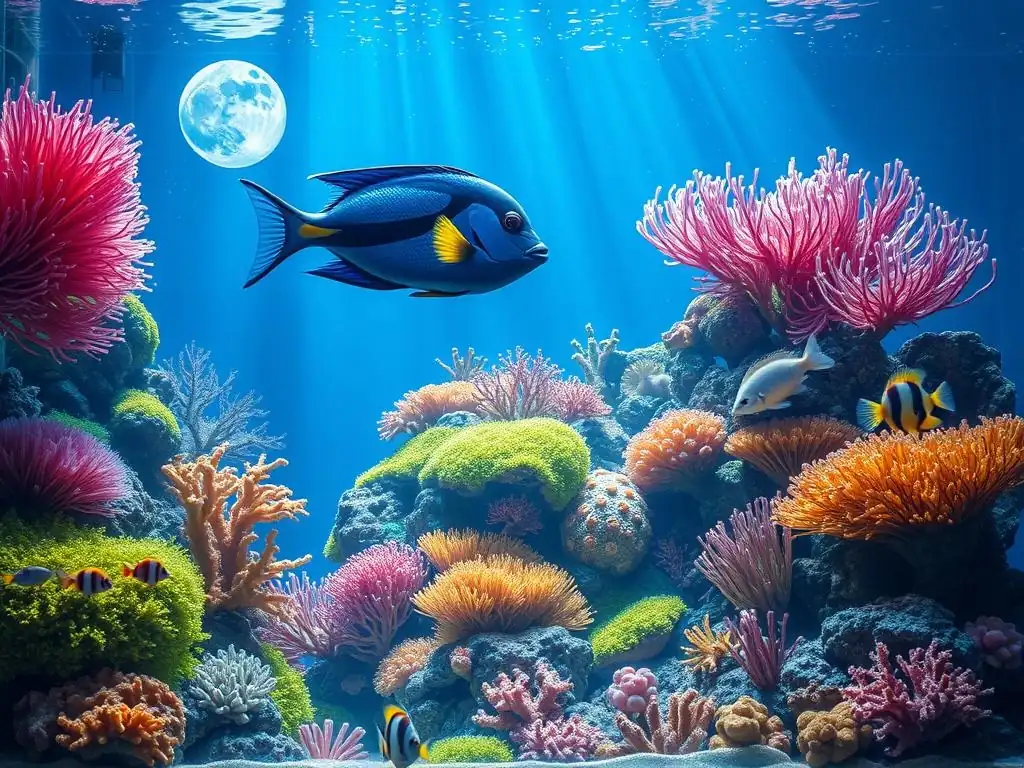
Ever wondered how to bring the serene beauty of a moonlit ocean to your own aquarium? This guide dives deep into the world of moonlight aquarium lighting benefits, revealing how this simple addition can transform your tank and the lives of its inhabitants. Intrigued? Let's explore the secrets and discover how to implement this stunning effect!
- Enhancing Your Reef Aquarium with Moonlight: Benefits and Implementation
- Understanding Moonlight in Reef Aquariums
- The Benefits of Moonlight in Reef Aquariums
- Choosing the Right Moonlight System for Your Reef
- Implementing Moonlight in Your Reef Tank Setup
- Troubleshooting Common Reef Aquarium Moonlight Issues
- Alternative Nighttime Viewing Options for Reef Aquariums
- Conclusion: Optimizing Reef Health and Aesthetics with Moonlight
-
Frequently Asked Questions
- What are the primary benefits of using moonlight aquarium lighting?
- How does moonlight aquarium lighting affect fish behavior?
- What type of lighting is best for achieving a moonlight effect in my aquarium?
- How do I properly implement moonlight aquarium lighting in my tank?
- Are there any drawbacks to using moonlight aquarium lighting in my aquarium?
- Final Reflection: Embracing the Subtleties of Night
- Illuminate Your Aquarium's Nightlife!
Enhancing Your Reef Aquarium with Moonlight: Benefits and Implementation
Understanding Moonlight in Reef Aquariums
What is Moonlight for Reef Aquariums? Simulating Lunar Cycles for Corals
Moonlight in the context of reef aquariums refers to a specialized, low-intensity lighting system designed to replicate the natural light conditions of the moon over a coral reef at night. Unlike the high-intensity main lighting used during the day to support photosynthesis in corals and plants, moonlight systems emit a very dim, often blue or actinic spectrum light. This subtle illumination is intended to mimic the ambient light levels that nocturnal marine life and corals experience in their natural habitat, providing a gentle transition from day to night and allowing for nighttime observation of the tank.
The primary purpose of implementing moonlight in a reef aquarium is not to provide photosynthetic energy but rather to simulate natural environmental cues. In the wild, lunar cycles play a significant role in the behavior and biological processes of many marine organisms, including corals. By extending a very low level of light into the dark cycle, aquarists aim to reduce the abrupt transition to complete darkness, potentially mitigating stress on inhabitants and fostering more natural nocturnal behaviors.
The Science Behind Reef Aquarium Moonlight: Spectrum and Photosynthesis
The typical spectrum for reef aquarium moonlight systems is predominantly in the blue to royal blue range, often between 450 and 470 nanometers (nm). Some systems also incorporate actinic blue (around 420-440 nm) to enhance the visual effect of coral fluorescence.
This specific wavelength range is chosen because it penetrates water effectively and is known to excite fluorescent proteins within corals, making them glow vibrantly in the dim light. It's crucial to understand that the light intensity, measured in Photosynthetically Active Radiation (PAR) or Photosynthetically Usable Radiation (PUR), from moonlight systems is exceedingly low – often less than 1 PAR at the coral level.
This minimal PAR output means that moonlight does not contribute meaningfully to the photosynthesis carried out by the zooxanthellae algae living symbiotically within corals. The energy required for coral growth and health is provided by the much higher intensity daytime lighting. Instead, the scientific basis for moonlight in reef tanks leans more towards behavioral and environmental synchronization. Many marine organisms possess photoreceptors sensitive to these blue wavelengths, which can influence circadian rhythms, spawning cycles, and general activity patterns, even without significant photosynthetic input.
Why Add Moonlight to Your Reef Tank?
Adding moonlight to your reef tank offers a multifaceted approach to improving both the health of your inhabitants and the aesthetic appeal of your aquatic display. One of the most compelling reasons is the ability to observe the fascinating nocturnal world that emerges once the main lights dim. Many fish, invertebrates, and even corals exhibit different behaviors under the cover of darkness, and a gentle moonlight illumination allows aquarists to witness these otherwise hidden activities without disturbing the tank.
Beyond observation, the moonlight aquarium lighting benefits extend to creating a more natural and less stressful environment for your reef inhabitants. The gradual transition from day to night, facilitated by moonlight, mimics the natural ebb and flow of light in the ocean, potentially reducing stress from sudden darkness. This natural cue can be particularly beneficial for light-sensitive species and can play a subtle, yet important, role in maintaining the overall well-being and natural rhythms of your delicate reef ecosystem.
The Benefits of Moonlight in Reef Aquariums
Promoting Coral Spawning with Moonlight
Triggering Reproductive Cycles through Lunar Simulation
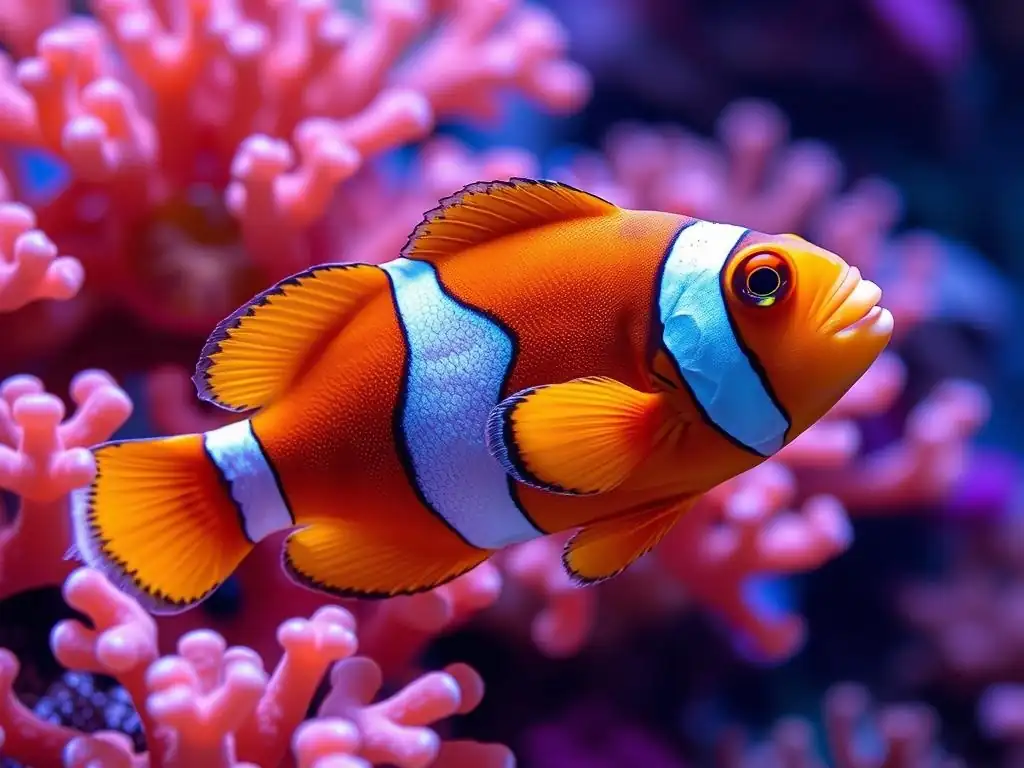
One of the most profound moonlight aquarium lighting benefits is its potential role in promoting coral spawning, particularly for species that rely on lunar cues in their natural environment. Many broadcast-spawning corals, such as various Acropora, Montipora, and Pocillopora species, synchronize their reproductive cycles with specific phases of the moon, often around the full moon.
This synchronization is believed to be triggered by changes in light intensity and duration, acting as an environmental cue for the release of gametes. By accurately simulating these lunar phases – including the waxing and waning of light intensity – aquarists can provide the necessary environmental signals to encourage synchronous spawning events in a captive reef system.
The precise mechanism involves photoreceptors within the coral polyps that detect subtle changes in light. While the exact light intensity threshold varies by species, even the very low PAR levels provided by moonlight can be sufficient to influence hormonal responses that lead to gamete maturation and release. Successful captive coral spawning has been achieved in research facilities and by advanced hobbyists who meticulously replicate natural lunar cycles, demonstrating the direct impact of this environmental factor.
Optimizing Water Parameters for Successful Spawning
While moonlight acts as a crucial trigger for coral spawning, its effectiveness is intrinsically linked to the overall health and stability of the reef tank's water parameters. Optimal water quality is paramount for corals to even reach a reproductive state and for successful fertilization and larval development. Key parameters include stable temperature (typically 76-79°F or 24-26°C), consistent salinity (1.025-1.026 specific gravity), and appropriate levels of calcium (400-450 ppm), alkalinity (7-11 dKH), and magnesium (1300-1400 ppm). Furthermore, low nitrate and phosphate levels are essential to prevent algae outbreaks that could smother coral gametes or larvae.
Therefore, the moonlight aquarium lighting benefits for spawning are maximized when combined with pristine water conditions. Moonlight provides the "when" for spawning, but excellent water parameters provide the "health" and "environment" for it to occur and succeed. Aquarists aiming for coral reproduction must ensure their system is not only simulating lunar cycles but also providing a nutrient-poor, stable, and chemically balanced environment that mirrors the conditions of a thriving natural reef during reproductive periods.
Enhancing the Aesthetic Appeal of Your Reef at Night
Creating a Visually Striking Nighttime Display of Coral Fluorescence
One of the most immediately appreciated moonlight aquarium lighting benefits is the stunning visual transformation of the reef tank at night. Under the predominantly blue or actinic spectrum of moonlight, many corals, anemones, and other invertebrates exhibit a phenomenon known as fluorescence. This occurs when the specific wavelengths of light emitted by the moonlight system excite naturally occurring fluorescent proteins within the organisms, causing them to re-emit light at longer, often more vibrant wavelengths. The result is a breathtaking display of glowing greens, reds, oranges, and yellows that are typically muted or invisible under daytime lighting.
This unique nighttime glow highlights the intricate structures and vibrant colors of the corals in a completely different way, offering a new perspective on the reef. It allows aquarists to appreciate the hidden beauty of their tank, transforming it into a living, glowing art piece. The subtle illumination also adds depth and mystery, creating a serene and captivating ambiance that enhances the overall appeal of the aquarium as a decorative element in a home or office.
Showcasing Nocturnal Reef Inhabitants
Beyond the fluorescent glow of corals, moonlight provides an invaluable opportunity to observe the fascinating activities of the reef's nocturnal inhabitants. Many fish species, crustaceans like crabs and shrimp, and various invertebrates such as brittle stars, sea cucumbers, and certain snails are primarily active after the main lights turn off. During the day, these creatures often hide in crevices, under rocks, or remain largely motionless to avoid predators or bright light.
With the gentle illumination of moonlight, these shy residents emerge from their daytime retreats, engaging in foraging, mating, or territorial behaviors that are rarely seen otherwise. For instance, a cleaner shrimp might be seen meticulously cleaning a sleeping fish, or a serpent star might extend its arms across the sandbed in search of detritus. This allows aquarists to gain a more complete understanding of their tank's ecosystem and the natural rhythms of its diverse population, adding another layer of engagement and discovery to the hobby.
Supporting Coral Health (Indirectly) with Moonlight
Encouraging Zooxanthellae Activity
While moonlight does not provide significant PAR for photosynthesis, its role in supporting coral health can be understood indirectly, particularly concerning the symbiotic zooxanthellae algae within corals. The abrupt transition from high-intensity daytime lighting to complete darkness can be a stressor for corals. Maintaining a very low level of light during the night, mimicking natural lunar cycles, can help to smooth this transition. This gradual change in light intensity may reduce the physiological shock that corals experience, potentially contributing to a more stable environment for their symbiotic algae.
A less stressed coral is better equipped to maintain its symbiotic relationship with zooxanthellae. While zooxanthellae primarily photosynthesize during the day, a consistent and natural light cycle, even with minimal nocturnal light, contributes to the coral's overall circadian rhythm. This rhythm influences various metabolic processes within the coral and its symbionts, indirectly supporting their vitality and resilience. By reducing potential stress from sudden darkness, moonlight helps to maintain the coral's general well-being, which in turn supports the health and efficiency of its zooxanthellae population, ultimately contributing to the long-term health of the coral itself.
Choosing the Right Moonlight System for Your Reef
Types of Reef Aquarium Moonlight: LED Strips vs. Dedicated Fixtures
When considering moonlight for your reef aquarium, aquarists typically encounter two main types of systems: simple LED strips and more advanced, dedicated moonlight fixtures. LED strips are often the most straightforward and cost-effective option. These usually consist of a series of blue or royal blue LEDs mounted on a thin, waterproof strip, designed to be adhered to the underside of the aquarium hood or rim.
They are typically low power, provide basic on/off functionality, and offer a general blue glow. While they are excellent for basic nighttime viewing and providing a subtle light, they often lack advanced features like dimming or lunar cycle simulation.
Dedicated moonlight fixtures, on the other hand, are designed specifically for the purpose of simulating lunar cycles and often come with more sophisticated features. These can range from small, compact puck-style lights to integrated components within larger, full-spectrum LED units. Dedicated fixtures frequently offer precise control over intensity, spectrum (sometimes incorporating different shades of blue or even UV), and programming capabilities to simulate realistic lunar phases. While more expensive, they provide greater flexibility and often integrate seamlessly with existing lighting controllers, offering a more refined and biologically accurate moonlight experience.
Factors to Consider When Selecting Moonlight for Your Tank
Selecting the ideal moonlight system requires careful consideration of several factors to ensure it meets both aesthetic desires and the subtle biological needs of your reef inhabitants. The size and depth of your aquarium will influence the required light spread and intensity. For larger tanks, multiple smaller units or a more powerful dedicated fixture might be necessary to achieve uniform coverage. The type of corals you keep can also be a factor; while moonlight isn't for photosynthesis, some very light-sensitive species might benefit from even lower intensities.
Budget is always a practical consideration, with simple LED strips offering an affordable entry point, while advanced controllers and dedicated fixtures represent a greater investment. Ultimately, the best choice balances cost with the desired level of control, realism, and aesthetic impact.
PAR and PUR Output for Coral Health
When evaluating moonlight systems, it's important to understand the concept of PAR (Photosynthetically Active Radiation) and PUR (Photosynthetically Usable Radiation). For moonlight, the PAR and PUR output should be extremely low. Unlike daytime lighting, where high PAR is crucial for coral photosynthesis and growth, moonlight provides negligible photosynthetic energy. A typical moonlight system might register less than 1 PAR at the coral level, sometimes even fractions of a PAR. The purpose here is not to fuel growth but to provide a subtle visual cue and a gentle ambient light.
Excessive PAR from a "moonlight" system can be detrimental, potentially leading to algae growth or even stress on corals if it's too bright for extended periods during the dark cycle. Therefore, when selecting a system, ensure it is specifically designed for very low light output appropriate for nighttime simulation. Some advanced systems allow for precise dimming down to very low percentages, ensuring the light intensity is truly lunar-like and not a faint daytime light.
Controllability and Dimming Features
The level of control offered by a moonlight system significantly impacts its effectiveness and realism. Basic LED strips often have a simple on/off switch, which provides a static "moonlight" effect. However, more advanced systems, especially dedicated fixtures or those integrated with smart controllers, offer extensive dimming capabilities. This allows aquarists to precisely adjust the intensity from 0% to 100%, enabling a gradual fade-in and fade-out transition between day and night lighting.
Beyond simple dimming, the ability to program realistic lunar cycles is a significant advantage. Top-tier controllers can simulate the waxing and waning of the moon over a 28-day cycle, varying the intensity of the moonlight to mimic natural conditions. This dynamic control provides the most accurate environmental cues for corals and other marine life, potentially enhancing their natural behaviors and reproductive cycles. Systems with app control or built-in timers offer convenience and precision in programming these complex schedules.
Color Spectrum for Optimal Fluorescence
The color spectrum of a moonlight system is crucial for achieving the desired aesthetic effect, particularly the vibrant fluorescence of corals. The most effective spectrum for exciting coral fluorescent proteins is typically in the blue range, specifically royal blue (450-470 nm) and actinic blue (420-440 nm). Royal blue LEDs are excellent for making corals pop with their inherent glow, while actinic blue can enhance deeper blues and purples, often making certain pigments fluoresce that might not under pure royal blue.
Some moonlight systems may also incorporate a small number of UV (ultraviolet) LEDs, which can further enhance fluorescence in certain corals. However, UV should be used very sparingly and at extremely low intensities, as excessive UV can be harmful. The ideal moonlight system will focus on a clean, deep blue output that maximizes the visual impact of coral fluorescence without introducing unnecessary or potentially harmful wavelengths at high intensities. Aquarists often experiment with slight variations in the blue spectrum to find the most visually appealing and biologically appropriate glow for their specific tank.
Popular Reef Aquarium Moonlight Brands and Models
Many reputable aquarium lighting manufacturers offer excellent moonlight solutions, ranging from simple add-ons to integrated features within their flagship full-spectrum LED systems. While specific models vary, popular choices often include dedicated moonlight bars or puck lights that can be added to existing setups, providing focused illumination. These standalone units are favored for their ease of installation and ability to be positioned precisely for optimal effect.
Another common approach is the use of high-quality full-spectrum LED fixtures that incorporate dedicated blue or royal blue channels with extensive dimming capabilities. These integrated solutions allow for seamless transitions from daytime lighting to moonlight, often controlled via advanced programming interfaces or smartphone apps. Such systems provide the most comprehensive control over the entire light cycle, including the simulation of realistic lunar phases. Aquarists often look for systems known for their robust build quality, precise dimming, and user-friendly programming interfaces to ensure reliable and aesthetically pleasing moonlight for their reef tanks.
Implementing Moonlight in Your Reef Tank Setup
Step-by-Step Guide to Installing Reef Aquarium Moonlight
Implementing moonlight into your reef tank setup is typically a straightforward process, especially with standalone LED strips or dedicated puck lights. Here’s a basic guide:
- Unpack and Inspect: Carefully unbox your moonlight system. Check for any damage or missing components. Read the manufacturer's instructions thoroughly before proceeding.
- Determine Placement: For LED strips, decide where to mount them. Common locations include the underside of the aquarium hood, along the front rim of the tank, or even along the back wall, depending on the desired effect. For dedicated puck lights, they are often mounted above the water surface, similar to main lighting.
- Secure the System:
- LED Strips: Most come with adhesive backing or mounting clips. Ensure the surface is clean and dry before applying adhesive. If using clips, screw them into place.
- Puck Lights/Fixtures: These usually come with mounting brackets or arms that attach to the tank rim or stand. Securely fasten them according to instructions, ensuring they are stable and won't fall into the water.
- Connect Power: Plug the moonlight system into its power supply. Ensure the power supply is rated for your local voltage.
- Integrate with Controller (if applicable): If your system has a dedicated controller or integrates with your main lighting controller, follow the specific instructions for connection. This often involves plugging the moonlight into a specific port on the controller.
- Test Functionality: Turn on the moonlight system to ensure it's working correctly. Check for even light distribution and proper color.
- Cable Management: Neatly route and secure all cables to prevent hazards and maintain a clean appearance. Use cable ties or clips to keep wires tidy and out of the way.
Programming Controllers for Realistic Lunar Cycles
Programming your moonlight controller for realistic lunar cycles is key to maximizing the moonlight aquarium lighting benefits for your reef inhabitants. Most advanced controllers offer a "lunar cycle" or "moon phase" setting. This feature typically allows you to input the current date, and the controller then automatically adjusts the moonlight intensity over a 28-day period to mimic the waxing (increasing light) and waning (decreasing light) phases of the moon.
To program this, access your controller's interface (often via a built-in screen, a mobile app, or desktop software). Navigate to the moonlight or lunar cycle settings. You'll usually set a start time for the moonlight (e.g., 30 minutes after main lights turn off) and an end time (e.g., 30 minutes before main lights turn on).
The controller then calculates the appropriate intensity for each night based on the lunar calendar. For example, during a full moon, the intensity will be at its peak (e.g., 5-10% of total moonlight power), while during a new moon, it will be at its lowest or off entirely. This dynamic approach provides the most natural environmental cues for your corals and nocturnal creatures.
Adjusting Intensity for Coral Acclimation
When first introducing moonlight to your reef tank, it's crucial to adjust the intensity carefully to allow your corals and other inhabitants to acclimate. Even though moonlight is very low intensity, any new light source can cause a subtle shift in the environment. Start with a very low intensity setting, perhaps 1-2% of the moonlight system's maximum output, especially if you have light-sensitive corals or if your tank was previously in complete darkness at night.
Observe your corals closely over the next few nights. Look for any signs of stress, such as retracted polyps or unusual coloration. If all seems well after a few days, you can gradually increase the intensity by 1% increments every few nights until you reach your desired level for viewing or your programmed lunar cycle's peak.
For most reef tanks, the maximum moonlight intensity, even at the "full moon" phase, should be subtle enough to allow for easy viewing without being overtly bright. The goal is a gentle glow that enhances fluorescence and allows for nocturnal observation, not a dim version of daytime lighting. Patience during this acclimation phase helps ensure the well-being of your delicate reef ecosystem.
Troubleshooting Common Reef Aquarium Moonlight Issues
Addressing Algae Growth and Cyanobacteria
While moonlight is designed to be low intensity, improper use or excessive brightness can inadvertently contribute to algae growth and the proliferation of cyanobacteria (often called red slime algae). If your moonlight system is too powerful or left on for too many hours at an intensity higher than truly lunar levels, it can provide enough PAR to fuel photosynthetic nuisance organisms, especially if there are elevated nutrient levels (nitrates and phosphates) in the water. This is a common issue when generic blue LEDs are used without proper dimming control.
To address this, first, ensure your tank's water parameters, particularly nitrates (ideally <5 ppm) and phosphates (ideally <0.03 ppm), are in check. Then, evaluate your moonlight system's intensity and duration. Dim the moonlight down to the lowest possible effective level for viewing – often just 1-3% of its maximum output.
Shorten the duration it's on; typically, 6-8 hours after the main lights turn off is sufficient. Consider if your "moonlight" is truly low-PAR; if it's too bright for comfortable direct viewing, it's likely too strong. Implementing a true lunar cycle with varying intensity can also help, as it ensures periods of very low or no light.
Preventing Coral Bleaching from Excessive Light
The concept of coral bleaching due to moonlight is relatively rare, as true moonlight systems are designed for extremely low PAR output. However, if a "moonlight" system is actually a powerful blue LED fixture mistakenly used at too high an intensity during the dark period, it could potentially contribute to coral stress or even bleaching, especially in light-sensitive corals. Bleaching occurs when corals expel their symbiotic zooxanthellae algae, often due to environmental stressors like excessive light or temperature fluctuations.
To prevent any risk, always ensure your moonlight system's intensity is genuinely low. A good rule of thumb is that the light should be barely perceptible in a fully dark room, just enough to make corals fluoresce and allow for subtle viewing of nocturnal activity. If you can clearly see details or the light feels bright to your eyes, it's likely too intense for a "moonlight" application.
Use a PAR meter if available to confirm readings are well below 1 PAR. Maintain stable water parameters and temperature, as these are primary factors in preventing coral stress, which can be exacerbated by any additional environmental pressure, even from subtle light.
Maintaining Your Moonlight System for Longevity
Proper maintenance is key to ensuring the longevity and consistent performance of your moonlight aquarium lighting benefits. Like all aquarium equipment, moonlight systems are exposed to a humid, potentially corrosive environment. Regularly inspect the fixture, wires, and connections for any signs of wear, corrosion, or damage. Pay particular attention to waterproof seals if the unit is rated for splash zones.
Periodically, gently wipe down the light fixture and any lenses with a soft, damp cloth to remove salt creep, dust, or algae buildup. Salt creep can block light output and corrode electrical contacts over time. Ensure that the power supply is kept in a dry, well-ventilated area away from splashes.
If your system has a cooling fan, ensure it's free of dust and debris to prevent overheating. For systems with controllers, occasionally check for firmware updates, which can improve performance or add new features. By dedicating a few minutes to maintenance every few weeks, you can significantly extend the lifespan of your moonlight system and ensure it continues to provide its aesthetic and subtle biological advantages.
Alternative Nighttime Viewing Options for Reef Aquariums
UV Lighting for Enhanced Coral Fluorescence
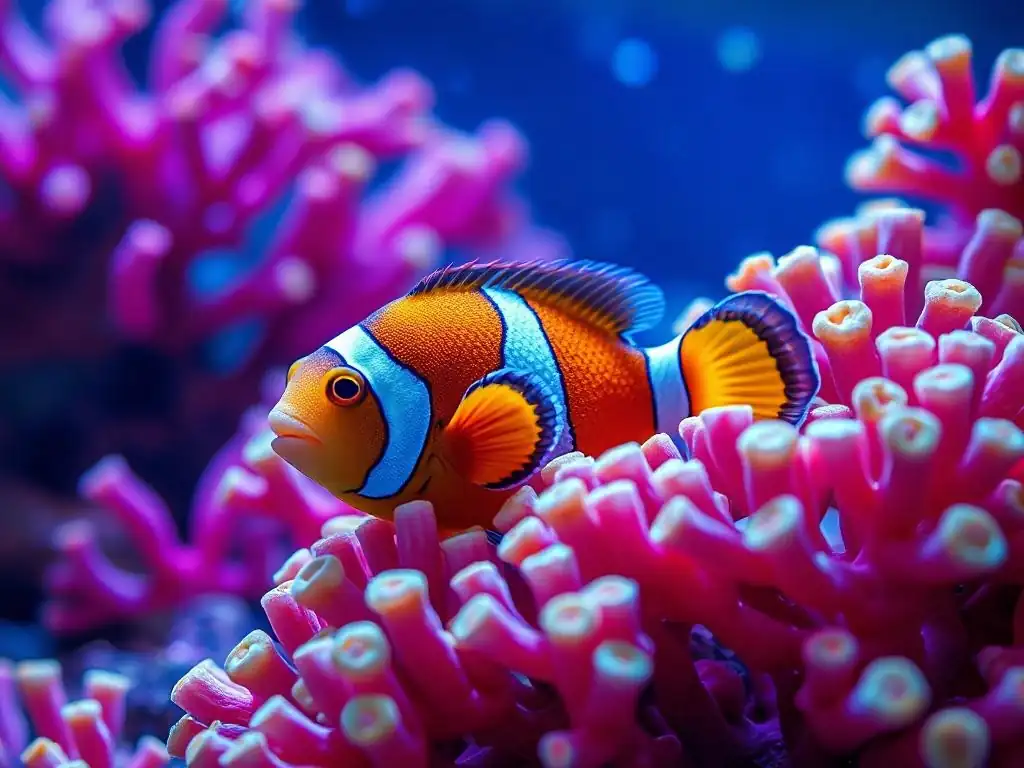
While traditional moonlight typically employs blue or royal blue LEDs, another alternative for enhancing coral fluorescence at night is the use of UV (ultraviolet) lighting. UV-A light, specifically wavelengths around 400-420 nm, is highly effective at exciting fluorescent proteins in certain corals, often producing even more vivid and unique glows than standard blue light. Some advanced reef lighting systems integrate dedicated UV channels that can be controlled independently, allowing aquarists to experiment with different spectral mixes for nighttime viewing.
However, UV lighting must be used with extreme caution and at very low intensities. Prolonged or excessive exposure to high-intensity UV can be detrimental to corals and other tank inhabitants, potentially leading to tissue damage or bleaching. It's often used in conjunction with blue light, where the UV component is a small percentage of the total output, primarily to amplify specific fluorescent pigments. Aquarists interested in exploring UV for fluorescence should opt for fixtures with precise dimming control and start with very short durations and minimal intensity, closely observing their corals for any signs of stress.
Considerations for Different Lighting Options in a Reef Environment
When considering any form of nighttime lighting for a reef environment, the primary consideration should always be the well-being of the inhabitants. While moonlight aims to replicate natural conditions, other "nighttime viewing" options might prioritize visual effect over biological relevance. For instance, a simple white LED flashlight might be used for quick spot checks at night, but it wouldn't be suitable for prolonged viewing or as a regular nighttime light, as its spectrum and intensity would be disruptive.
The choice between traditional blue moonlight, UV-enhanced options, or even just a very dim white light for emergency checks depends on the aquarist's goals. If the aim is to simulate natural lunar cycles for biological benefits like spawning and reduced stress, a dedicated, dimmable blue/actinic moonlight system is ideal.
If the primary goal is to maximize coral fluorescence for aesthetic display, a system with a carefully balanced blue and UV spectrum might be preferred, used judiciously. Always remember that the reef ecosystem relies on distinct day-night cycles, and any nighttime illumination should respect this fundamental biological need, providing just enough light for observation without disrupting natural rhythms.
Conclusion: Optimizing Reef Health and Aesthetics with Moonlight
Implementing moonlight in your reef aquarium offers a unique blend of aesthetic enhancement and subtle biological advantages, truly unveiling the moonlight aquarium lighting benefits. By simulating the gentle, low-intensity light of the moon, aquarists gain the captivating ability to observe the hidden nocturnal world of their reef tank, witnessing the fascinating behaviors of fish and invertebrates that emerge after dark. The blue and actinic spectrum of moonlight also dramatically enhances the natural fluorescence of corals, transforming the tank into a mesmerizing, glowing spectacle.
Beyond the visual appeal, the more profound advantages lie in the biological cues that moonlight provides. Replicating natural lunar cycles can play a subtle yet significant role in triggering coral spawning events, offering a glimpse into the intricate reproductive processes of these marine organisms in a captive environment. Furthermore, the gradual transition from day to night, facilitated by moonlight, helps to reduce stress on corals and other inhabitants, promoting a more stable and natural rhythm for the entire ecosystem.
While not a direct contributor to coral photosynthesis, moonlight supports overall coral health indirectly by maintaining consistent environmental cues and minimizing abrupt changes. By carefully selecting and programming a suitable moonlight system, aquarists can elevate their reef tank experience, fostering both the well-being of their delicate ecosystem and an unparalleled visual display.
Frequently Asked Questions
What are the primary benefits of using moonlight aquarium lighting?
Moonlight aquarium lighting offers several key benefits, including mimicking a natural lunar cycle, encouraging nocturnal behaviors in certain fish species, and providing a visually appealing aesthetic for nighttime viewing.
How does moonlight aquarium lighting affect fish behavior?
Moonlight can stimulate breeding behaviors in some fish and allow you to observe nocturnal species that are otherwise hidden during the day. It also reduces stress by providing a subtle light source during the night.
What type of lighting is best for achieving a moonlight effect in my aquarium?
LED lights are generally preferred for creating a moonlight effect due to their low power consumption, long lifespan, and ability to produce a soft, blue light. Some lights are explicitly designed for moonlight simulation.
How do I properly implement moonlight aquarium lighting in my tank?
Install the moonlight LEDs in a way that provides gentle, diffused lighting across the tank. Use a timer to automatically turn the moonlight on after the main aquarium lights have turned off to simulate the natural lunar cycle.
Are there any drawbacks to using moonlight aquarium lighting in my aquarium?
Overuse or excessive brightness can disrupt the natural sleep cycles of your fish and potentially promote algae growth. Careful selection and proper adjustment are essential for optimal results.
Final Reflection: Embracing the Subtleties of Night
The exploration of moonlight aquarium lighting benefits reveals more than just aesthetic enhancements; it underscores the profound impact of mimicking natural environments within our enclosed aquatic ecosystems. Understanding the subtle cues of lunar cycles and their influence on fish behavior is not merely a hobbyist pursuit, but a recognition of the intricate interconnectedness of life, even within the confines of a glass tank. This awareness is particularly relevant today, as we increasingly strive to create more sustainable and ethical environments for the animals in our care.
This journey into the world of nocturnal aquarium illumination has deeply influenced my perspective on responsible aquascaping. It's a reminder that our role as caretakers extends beyond simply providing food and clean water; it involves understanding and respecting the natural rhythms that govern the lives of our aquatic companions. In nature, light creates the color. In the picture, color creates the light.
- Hans Hofmann. This quote perfectly encapsulates the power of subtle lighting to transform our aquariums into vibrant, living canvases that reflect the beauty and complexity of the natural world.
Now, as you consider the information presented, I invite you to reflect on how you can further enhance the well-being of your own aquatic inhabitants. Embrace the subtleties of moonlight aquarium lighting, not just as a technological advancement, but as an opportunity to deepen your understanding of the natural world and create a more harmonious and enriching environment for the creatures under your care. Let the gentle glow of the moon guide you towards a more compassionate and informed approach to aquascaping.
Illuminate Your Aquarium's Nightlife!
Thanks for diving into the world of aquarium moonlight! We hope you've discovered the exciting benefits of simulating a lunar cycle for your aquatic friends. Ready to take the plunge?
Here's how to get started:
- Install a dimmable LED moonlight system to replicate natural lunar cycles and observe your fish's fascinating nocturnal behavior.
- Share this article with fellow aquarium enthusiasts to spread the light and inspire others to create a balanced aquatic environment.
- Explore different moonlight colors (blue, red, green) to see how they impact your fish's activity and plant growth, documenting your observations.
What fascinating nocturnal behaviors will you discover in your aquarium under the moonlight?