
Power Up Your Planted Tank: Selecting the Perfect Grow Light for Lush Aquascapes

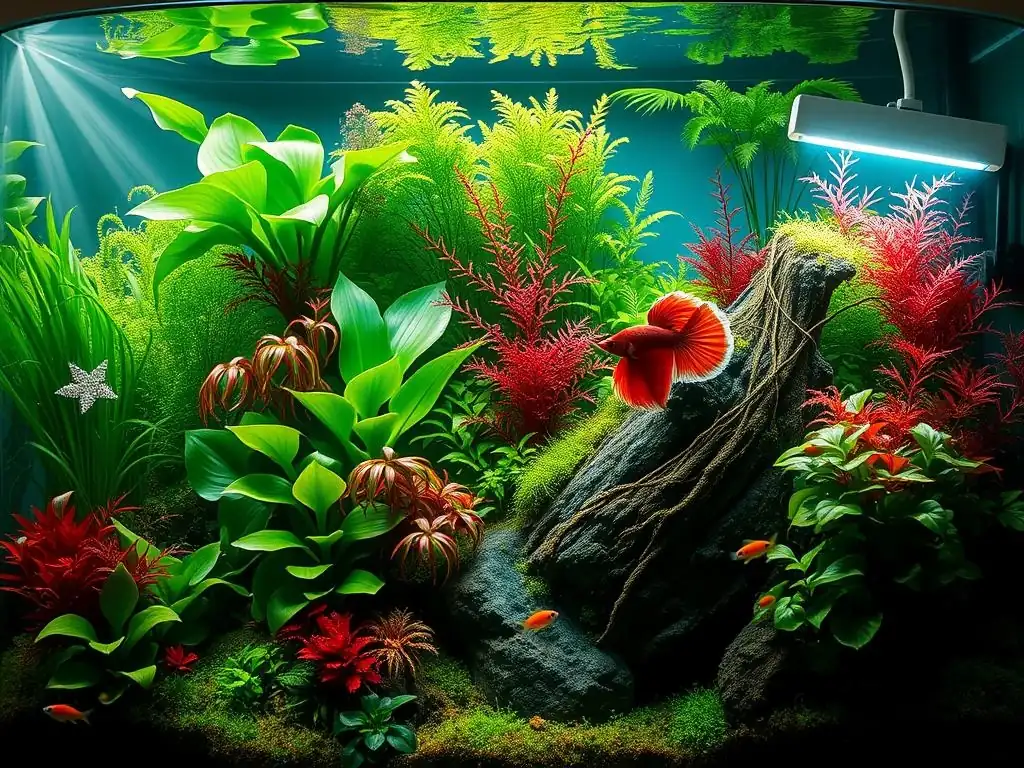
Welcome to Aquarium Mastery!
Ready to unlock the secret to thriving aquatic plants and a breathtaking planted aquarium? Choosing the right light is crucial, and our deep dive into the best grow lights for planted tanks is just the beginning. Discover how to select the perfect illumination to fuel vibrant growth and create a stunning underwater paradise. Intrigued? Let's shed some light on the subject!
- Understanding the Importance of Aquarium Lighting for Planted Tanks
- Choosing the Best Grow Light for Planted Aquariums: A Comprehensive Guide
- Factors to Consider When Selecting a Planted Tank Grow Light
- Grow Light Installation and Maintenance for Planted Tanks
- Troubleshooting Common Planted Tank Lighting Issues
- Optimizing Your Planted Tank Lighting for Stunning Results
-
Frequently Asked Questions
- How does a grow light benefit my planted aquarium?
- What factors should I consider when choosing a grow light for my planted tank?
- What are the different types of grow lights available for planted aquariums?
- How much light do my aquarium plants actually need?
- How long should I keep my grow light on each day?
- Final Reflection: Illuminating Growth and Connection
- Ignite Your Aquarium's Potential!
Understanding the Importance of Aquarium Lighting for Planted Tanks
Why Planted Tank Lighting Matters: Photosynthesis and Growth
Aquatic plants, much like their terrestrial counterparts, rely on a process called photosynthesis to thrive. This fundamental biological process converts light energy into chemical energy, allowing plants to synthesize sugars from carbon dioxide and water, ultimately fueling their growth. Without adequate and appropriate lighting, even the most nutrient-rich substrate and CO2 injection system will fail to produce lush, vibrant aquascapes, as light acts as the primary energy source for this vital process.
Insufficient or incorrect lighting directly impedes a plant's ability to photosynthesize efficiently, leading to stunted growth, pale coloration, and increased susceptibility to diseases or nutrient deficiencies. For instance, plants that are light-starved may exhibit elongated stems as they "reach" for light, a phenomenon known as etiolation. Conversely, providing the best grow light for planted tanks ensures that plants receive the necessary energy to grow robustly, outcompete algae for nutrients, and contribute significantly to the overall health and stability of the aquarium ecosystem by consuming nitrates and producing oxygen.
The Spectrum of Light: PAR, PUR, and Their Impact on Aquatic Plants
When discussing aquarium lighting for plants, two key metrics often arise: PAR and PUR. PAR, or Photosynthetically Active Radiation, refers to the portion of the light spectrum (wavelengths between 400 and 700 nanometers) that plants use for photosynthesis. While it provides a general measure of light intensity available to plants, it doesn't differentiate between wavelengths that are more or less efficiently absorbed by plant pigments like chlorophyll.
PUR, or Photosynthetically Usable Radiation, offers a more refined understanding by focusing on the specific wavelengths within the PAR range that plants absorb most efficiently. Chlorophyll, the primary pigment in plants, absorbs blue light (around 430-470 nm) and red light (around 620-670 nm) most effectively, with green light being largely reflected (which is why most plants appear green).
Providing a light source with a high PUR value, rich in these specific blue and red wavelengths, is crucial for optimal plant growth and coloration, making it a critical consideration when searching for the best grow light for planted aquariums. For example, low-light plants might thrive with 15-30 PAR, while high-light plants often demand 50-100+ PAR.
Light Intensity and Duration: Finding the Right Balance for Your Plants
Light intensity, often measured in PAR (Photosynthetically Active Radiation), is a critical factor that dictates the growth rate and health of aquatic plants. Too little intensity leads to slow growth, leggy plants, and a predisposition to algae as plants cannot outcompete these opportunistic organisms. Conversely, excessive intensity, especially without adequate CO2 and nutrient levels, can lead to rapid algae blooms, light burn on leaves (manifesting as bleached or transparent spots), and overall plant stress. The ideal intensity varies significantly based on the specific plant species and the depth of the aquarium.
In addition to intensity, the duration of light exposure is equally important. Most planted aquariums benefit from a consistent light cycle, typically ranging from 6 to 10 hours per day. A longer duration beyond this range often contributes to algae proliferation without offering significant benefits to plant growth, as plants have a saturation point for light absorption.
Some aquarists with high-tech setups even employ a "siesta" period, where lights are on for 4-5 hours, off for 2-3 hours, then on again for another 4-5 hours. This break can help replenish CO2 levels and reduce algae growth, optimizing the plant's photosynthetic efficiency and contributing to the overall success of the best grow light for planted tank setup.
Choosing the Best Grow Light for Planted Aquariums: A Comprehensive Guide
LED Grow Lights for Planted Tanks: Efficiency and Customization
Benefits of LED Lighting for Aquatic Plants
LED (Light Emitting Diode) grow lights have become the most popular choice for planted aquariums due to their remarkable energy efficiency. They consume significantly less power compared to traditional fluorescent or metal halide lamps, translating into lower electricity bills for aquarists. Furthermore, LEDs generate considerably less heat, which is a major advantage in maintaining stable water temperatures and reducing the need for additional cooling equipment, making them an excellent contender for the best grow light for planted tanks.
Beyond efficiency, LEDs boast an impressively long lifespan, often rated for 50,000 hours or more of operation, which far surpasses the typical 6-12 month replacement cycle of fluorescent bulbs. This longevity significantly reduces maintenance and replacement costs over time. Many high-quality LED fixtures also offer advanced customization options, including full spectrum control, dimming capabilities, and even programmable sunrise/sunset simulations, allowing aquarists to precisely tailor the lighting to their plants' specific needs and create dynamic visual effects.
Considerations When Selecting LED Fixtures for Planted Tanks: Programmability, Spectrum Control, and Cooling Systems
When choosing an LED fixture, programmability is a key feature to evaluate. High-end units often come with built-in timers, multiple independent light channels (e.g., white, red, green, blue LEDs), and even Wi-Fi or Bluetooth connectivity for smartphone app control. This allows for precise scheduling, gradual intensity changes throughout the day, and fine-tuning of the light spectrum to optimize growth for diverse plant species and manage algae effectively. The ability to customize the light schedule is a hallmark of the best grow light for planted setups.
Equally important is spectrum control. Look for fixtures that offer a broad spectrum with strong peaks in the blue (around 450-470nm) and red (around 620-660nm) wavelengths, which are most crucial for photosynthesis. Some LEDs include additional green or UV diodes for aesthetic enhancement or specific plant responses. Lastly, proper cooling systems are vital for LED longevity and performance. While LEDs generate less heat than other types, they still produce some. Quality fixtures incorporate efficient passive cooling (large heatsinks) or active cooling (small fans) to prevent overheating, which can degrade LED performance and shorten their lifespan.
Fluorescent Grow Lights: T5 and Compact Fluorescent Options
Advantages and Disadvantages of Fluorescent Lighting in Planted Aquariums
Fluorescent lighting, particularly T5 High Output (HO) bulbs, has historically been a staple in planted aquariums and still offers several advantages. Their initial purchase cost is typically lower than high-end LED fixtures, making them a more budget-friendly entry point for many aquarists. T5 HO bulbs also provide excellent light spread across the aquarium, ensuring uniform coverage without significant hot spots or shaded areas, which can be beneficial for densely planted tanks. They have a proven track record of supporting robust plant growth when properly selected.
However, fluorescent lights come with notable disadvantages. Their lifespan is considerably shorter than LEDs, with optimal performance often lasting only 6 to 12 months before significant PAR degradation occurs, necessitating regular and costly bulb replacements. They are also less energy-efficient, consuming more power than comparable LED setups, leading to higher operating costs over time. Furthermore, fluorescent fixtures generate more heat, which can contribute to higher tank temperatures, and offer limited spectrum customization, usually requiring bulb changes to alter the light quality, making them less versatile than the best grow light for planted tanks that are LED-based.
Selecting the Right Fluorescent Bulb for Your Planted Tank: 6500K Daylight and Pink/Red Enhancing Bulbs
When selecting fluorescent bulbs for a planted tank, the color temperature, measured in Kelvin (K), is a crucial factor. A color temperature of 6500K, often labeled as "daylight" or "full spectrum," is widely recommended as the primary light source. This spectrum closely mimics natural sunlight and provides a balanced range of wavelengths essential for healthy plant growth while also rendering the tank's colors naturally appealing. Many aquarists use multiple 6500K bulbs in their fixtures.
To further enhance plant growth and coloration, particularly for red-pigmented plants, aquarists often supplement or combine 6500K bulbs with "pink" or "red enhancing" bulbs. These bulbs typically have color temperatures around 8000K or higher, or are specifically designed with a spectrum that emphasizes the red and blue wavelengths crucial for chlorophyll production and anthocyanin development (which gives plants their red hues).
Examples include specialized plant growth bulbs that boost the red and blue ends of the spectrum, providing the targeted light needed to achieve vibrant, lush growth and beautiful coloration, optimizing the setup to be the best grow light for planted tanks using fluorescents.
Metal Halide Grow Lights: High Intensity for Demanding Plants
When to Choose Metal Halide for Your Planted Aquarium
Metal halide lights represent the pinnacle of intensity in aquarium lighting and are primarily chosen for very deep planted tanks, typically 24 inches or more, or for aquariums housing the most demanding, high-light plant species. Plants like Hemianthus callitrichoides 'Cuba' (Dwarf Baby Tears) or various red stem plants that require extremely high PAR values to carpet or achieve vibrant coloration often thrive under metal halide illumination. Their powerful light penetration ensures that even plants at the substrate level in deep tanks receive ample light for photosynthesis.
These lights are best suited for experienced aquarists who operate high-tech planted tank setups, which typically include robust CO2 injection systems, precise nutrient dosing, and often, active cooling solutions. The immense light intensity provided by metal halides, while beneficial for demanding plants, can quickly lead to rampant algae growth if not perfectly balanced with CO2 and nutrient availability. For a truly high-intensity, professional-grade setup aiming for the absolute best grow light for planted tanks with the most challenging species, metal halide remains a viable, albeit complex, option.
Considerations for Metal Halide Lighting: Heat and Energy Consumption
One of the most significant considerations when using metal halide lights is the substantial amount of heat they generate. Unlike LEDs, metal halides produce a considerable amount of thermal energy, which can quickly raise the water temperature in the aquarium to undesirable levels. This often necessitates the use of active cooling solutions such as powerful cooling fans directed at the water surface or even aquarium chillers, adding to the overall cost and complexity of the setup. Proper ventilation around the fixture itself is also crucial to prevent overheating of the unit.
In addition to heat, metal halide lights are known for their high energy consumption. They draw significantly more power than LED fixtures of comparable PAR output, leading to higher electricity bills. Furthermore, metal halide bulbs have a limited lifespan, typically requiring replacement every 9 to 12 months, even if they still "work."
Over time, their spectrum shifts and PAR output degrades, making timely replacement essential for consistent plant growth. These operational costs, combined with the initial investment, make metal halides a more expensive long-term lighting solution compared to modern LEDs, despite their capability to be the best grow light for planted tanks requiring extreme intensity.
Factors to Consider When Selecting a Planted Tank Grow Light
Tank Size and Depth: Matching Light Penetration to Your Aquarium
The physical dimensions of your aquarium, particularly its depth, are paramount when selecting a grow light. Light intensity diminishes significantly as it penetrates water, meaning a light fixture adequate for a 12-inch deep tank will likely be insufficient for a 24-inch deep tank, even if both tanks house the same plant species.
Deeper tanks necessitate more powerful light sources with higher PAR output and better light penetration to ensure that plants at the substrate level receive sufficient energy for healthy growth. For example, a low-profile LED might provide 40-50 PAR at 12 inches, but only 15-20 PAR at 24 inches, making it unsuitable for high-light plants in deeper setups.
Beyond depth, the length and width of your tank also dictate the appropriate size of the light fixture. The light should ideally span the entire length of the aquarium to provide uniform coverage and prevent shaded areas, which can lead to uneven plant growth and algae issues. Many fixtures are designed for standard tank lengths (e.g., 24-inch, 36-inch, 48-inch). Selecting a light that matches your tank's footprint ensures even light distribution, minimizing shadows and maximizing the effectiveness of the best grow light for planted aquarium setup.
Plant Species: Light Requirements for Different Aquatic Plants
Low-Light Plant Species and Lighting Recommendations
Low-light plant species are ideal for beginners or those seeking a low-maintenance planted aquarium. These plants, such as Anubias barteri, Microsorum pteropus (Java Fern), Bucephalandra species, and many Cryptocoryne varieties, naturally thrive in lower light conditions, typically requiring a PAR value ranging from 15 to 30 µmol/m²/s at the substrate level. Their slower growth rates and adaptability make them forgiving of less intense lighting setups and often do not necessitate CO2 injection.
For these resilient plants, simple LED strip lights or lower-wattage fluorescent bulbs (e.g., a single T8 or T5 HO bulb over a standard 10-20 gallon tank) are generally sufficient. Overlighting these species can paradoxically lead to issues like algae growth on their leaves or even light stress, manifesting as yellowing or transparent patches. The best grow light for planted tanks featuring only low-light species is often less powerful and more energy-efficient, prioritizing spectrum quality over sheer intensity.
High-Light Plant Species and Lighting Requirements
High-light plant species are typically vibrant, fast-growing, and often red-pigmented, demanding significant light intensity to thrive and display their full potential. Examples include carpeting plants like Hemianthus callitrichoides 'Cuba', various Rotala species (e.g., Rotala macrandra, Rotala rotundifolia 'Colorata'), and many demanding stem plants. These species generally require PAR values upwards of 50 µmol/m²/s, often ranging from 70-100+ µmol/m²/s, and their successful cultivation almost invariably requires supplemental CO2 injection and a comprehensive fertilization regimen.
To meet these high demands, powerful LED fixtures with high PAR output or metal halide lights are typically necessary. These lights provide the intense energy required for rapid photosynthesis, which in turn supports vigorous growth and vibrant coloration. Without sufficient light, these plants will often become leggy, lose their vibrant hues, or even melt away. Selecting the appropriate high-intensity fixture is crucial for achieving a stunning, high-tech aquascape, making it the focus when seeking the best grow light for planted tanks with these demanding species.
Budget Considerations: Balancing Cost and Performance
The initial cost of a planted tank grow light can vary significantly, ranging from under $50 for basic LED strips to several hundred dollars for high-end, feature-rich LED fixtures or metal halide setups. It's crucial to consider not just the upfront price but also the long-term operating costs and expected lifespan. While LED lights often have a higher initial investment, their superior energy efficiency and extremely long lifespan (50,000+ hours) typically result in lower electricity bills and minimal replacement costs over several years, making them a cost-effective choice in the long run.
In contrast, fluorescent fixtures are generally more affordable upfront but incur higher running costs due to greater energy consumption and the necessity of replacing bulbs every 6-12 months. Metal halides, while powerful, combine high initial costs with high energy consumption and frequent, expensive bulb replacements. The "best" light isn't always the most expensive; it's about finding the best grow light for planted tanks that effectively meets the specific needs of your tank size and plant selection while aligning with your overall budget, providing a balance between performance, features, and operational expenses.
Grow Light Installation and Maintenance for Planted Tanks
Proper Placement and Mounting Techniques for Optimal Light Distribution
Proper placement of your grow light is crucial for ensuring even light distribution across your entire planted tank. The fixture should be centered both front-to-back and side-to-side over the aquarium to minimize shaded areas and promote uniform plant growth. For rimless tanks, common mounting options include adjustable leg mounts that sit on the tank's edges or suspension kits that allow the light to be hung from the ceiling or a mounting arm. Tanks with hoods typically have integrated lighting or require fixtures designed to sit directly on the glass canopy.
The height of the light fixture above the water surface also significantly impacts light intensity and spread. Raising the light reduces intensity but broadens the light's footprint, which can be useful for wider tanks or when trying to reduce PAR for sensitive plants. Conversely, lowering the light increases intensity but narrows the spread, beneficial for deeper tanks or very high-light demanding plants. For example, moving a fixture up by just 4-6 inches can decrease the PAR reaching the substrate by 10-20%, requiring careful adjustment to achieve the best grow light for planted results.
Light Timer Setup: Automating Your Lighting Schedule
Automating your aquarium lighting schedule with a reliable timer is one of the most critical steps for maintaining a healthy planted tank. Manual control often leads to inconsistent on/off times, which can stress plants and encourage algae growth due to unpredictable light exposure. Digital timers offer precise control, allowing you to set specific start and end times, often down to the minute, ensuring your plants receive a consistent photoperiod every day.
Most planted tanks thrive on a daily light duration between 6 to 10 hours. For high-tech setups with CO2 injection, some aquarists opt for a "siesta" period, where the lights are on for 4-5 hours, off for 2-3 hours, and then on again for another 4-5 hours. This break allows CO2 levels to replenish, which can help prevent algae blooms and optimize plant growth. Consistency in the lighting schedule is paramount for plant health and stability, making a dependable timer an essential component of managing the best grow light for planted aquarium setup.
Grow Light Maintenance: Cleaning and Bulb Replacement
Regular maintenance of your grow light is essential to ensure its continued performance and longevity. Over time, mineral deposits from splashing water, dust, and even algae film can accumulate on the light fixture, especially on any acrylic splash guards or glass covers. These accumulations can significantly reduce the amount of light penetrating the water, sometimes by as much as 10-20%. It is recommended to gently wipe down the light and its cover with a damp cloth (and a mild vinegar solution for stubborn mineral deposits) at least once a month, ensuring the fixture is unplugged during cleaning.
For fluorescent and metal halide bulbs, timely replacement is crucial for maintaining optimal PAR output and spectrum quality. Fluorescent bulbs typically need replacing every 6 to 12 months, and metal halide bulbs every 9 to 12 months, even if they still appear to be working.
Their light output degrades over time, and spectrum shifts can occur, negatively impacting plant growth. While LEDs have a much longer lifespan, their cooling systems (fans and vents) should be kept free of dust and debris to prevent overheating and maintain peak performance, ensuring your investment in the best grow light for planted tank continues to pay off.
Troubleshooting Common Planted Tank Lighting Issues
Algae Blooms: How to Control Algae with Proper Lighting
Algae blooms are one of the most frustrating issues for planted tank enthusiasts, and often, excessive light intensity or duration is a primary culprit. When plants cannot fully utilize the available light due to insufficient CO2, nutrients, or simply a lack of plant mass, opportunistic algae seize the excess energy and nutrients, leading to rapid proliferation of various forms like green spot algae, hair algae, or even black beard algae. This imbalance highlights that even the best grow light for planted tanks can cause problems if not properly managed.
To control algae related to lighting, several adjustments can be made. First, reduce the light intensity by dimming the fixture or raising it further from the water surface. Second, shorten the light duration; for example, if running lights for 10 hours, reduce it to 7 or 8 hours. Third, consider implementing a siesta period if you have a high-tech setup. Finally, ensure that CO2 and essential nutrient levels are balanced with the light intensity, allowing your plants to outcompete the algae for resources. Regular observation and gradual adjustments are key to finding the right balance.
Stunted Plant Growth: Diagnosing and Correcting Light Deficiencies
Stunted plant growth is a clear indicator that something in your planted tank setup is amiss, and light deficiency is a common cause. Symptoms include plants growing very slowly, leaves appearing pale, yellowing, or becoming transparent (especially older leaves), and plants exhibiting "etiolation," where stems become elongated and leaves are sparse as the plant stretches desperately towards the light source. Lower leaves may also melt or rot as the plant prioritizes energy for newer growth closer to the light.
To correct light deficiencies, the most direct approach is to increase the light intensity. This can involve lowering your light fixture closer to the water surface, upgrading to a more powerful fixture, or replacing old, degraded fluorescent or metal halide bulbs. It's also crucial to ensure the light spectrum is appropriate, with sufficient red and blue wavelengths vital for photosynthesis. Using a PAR meter can provide precise measurements to confirm that the light intensity at the substrate level meets the requirements of your specific plant species, ensuring you have the best grow light for planted tank for your flora.
Light Burn: Identifying and Preventing Light Stress in Aquatic Plants
While insufficient light leads to stunted growth, excessive light can cause "light burn" or light stress in aquatic plants. This manifests as bleached spots, transparent patches, or a browning/crisping of leaves, particularly on newer growth or leaves directly exposed to the most intense light. This often occurs when light intensity is too high relative to the available CO2 and nutrients, meaning the plants are receiving more energy than they can process, leading to damage to their photosynthetic machinery.
Preventing light burn involves reducing the light intensity. This can be achieved by dimming your LED fixture, raising the light further from the water surface, or shortening the daily light duration. For tanks with very high-powered lights, ensuring robust CO2 injection and adequate nutrient dosing is critical, as these allow plants to efficiently utilize the intense light. Providing some shade for particularly sensitive plants, perhaps by strategically placing taller, more tolerant plants, can also help. A balanced approach ensures that even with the best grow light for planted aquariums, plants remain healthy and vibrant without succumbing to stress.
Optimizing Your Planted Tank Lighting for Stunning Results
Combining Different Light Types for Enhanced Plant Growth
For aquarists seeking to achieve truly stunning results, combining different light types can offer a level of customization and effectiveness that a single fixture might not provide. For example, a primary full-spectrum LED fixture can provide the foundational light for overall plant growth and aesthetic appeal, while supplemental fluorescent T5 HO bulbs, specifically chosen for their red or blue enhancing spectrums, can be added to boost coloration in red plants or promote denser growth. This layering approach allows for a more comprehensive and targeted light delivery.
The benefit of combining light types lies in its ability to overcome the limitations of individual light sources. LEDs excel in energy efficiency and programmability, while T5s offer broad, even coverage and specific color temperatures. By integrating them, you can fine-tune the light spectrum and intensity to meet the precise needs of diverse plant species within the same aquascape, encourage specific growth patterns, and enhance vibrant hues. This advanced strategy can significantly elevate the health and visual appeal of your tank, pushing the boundaries of what the best grow light for planted setups can achieve.
Using Reflectors to Maximize Light Efficiency
For light fixtures that utilize fluorescent or metal halide bulbs, incorporating high-quality reflectors is a simple yet incredibly effective way to maximize light efficiency and direct more usable light into your planted aquarium. Without reflectors, a significant portion of the light emitted by the bulb radiates upwards and outwards, away from the tank, becoming wasted energy. Reflectors, typically made of highly polished aluminum or specialized reflective materials, are designed to bounce this otherwise lost light downwards into the water column.
The impact of good reflectors can be substantial. Studies and practical observations indicate that a high-quality reflector can increase the amount of PAR reaching your plants by 30-50% compared to bulbs without them. This means a lower-wattage fixture with efficient reflectors can often perform comparably to a higher-wattage fixture lacking them, leading to better plant growth with less energy consumption. This optimization transforms a standard setup into a more efficient system, contributing to the overall effectiveness of the best grow light for planted tanks.
Monitoring Plant Health and Adjusting Lighting as Needed
Achieving an optimal planted tank environment is an ongoing process, and lighting is not a "set and forget" parameter. Continuous monitoring of your plants' health and appearance is paramount for success. Observe signs such as new growth rate, leaf coloration (e.g., vibrant greens, reds, or yellows versus pale or faded hues), the presence of algae on leaves or substrate, and any signs of stress like melting, stunted growth, or elongation. Your plants are the most reliable indicators of whether your lighting setup is appropriate.
Based on these observations, be prepared to make small, incremental adjustments to your lighting parameters. If red plants aren't coloring up, a slight increase in red spectrum or intensity might be needed. If algae begins to appear, reducing light duration or intensity can often help. Conversely, if plants seem to be struggling to grow, a modest increase in light may be warranted. This adaptive management approach, where you constantly assess and fine-tune your best grow light for planted setup based on real-time plant responses, is key to cultivating a thriving and aesthetically pleasing aquascape.
Frequently Asked Questions
How does a grow light benefit my planted aquarium?
A grow light provides the necessary spectrum and intensity of light for aquatic plants to perform photosynthesis, promoting healthy growth and vibrant colors. Without sufficient light, plants will struggle and may even die.
What factors should I consider when choosing a grow light for my planted tank?
Consider the size of your tank, the specific needs of your plants, and the light spectrum offered by the grow light. Other factors include light intensity (PAR/PUR) and energy efficiency.
What are the different types of grow lights available for planted aquariums?
Common types include LED, fluorescent (T5/T8), and metal halide grow lights. LEDs are generally preferred due to their energy efficiency and long lifespan.
How much light do my aquarium plants actually need?
Light requirements vary depending on the plant species. Generally, "low-light" plants require less intense lighting, while "high-light" plants need more. Research your plant's specific needs for optimal growth.
How long should I keep my grow light on each day?
A photoperiod of 8-10 hours per day is generally recommended for most planted aquariums. Using a timer can help maintain a consistent schedule and prevent algae blooms.
Final Reflection: Illuminating Growth and Connection
The journey to a thriving planted aquarium, as we've explored, hinges significantly on selecting the best grow light for planted environments. This isn't merely about illumination; it's about fostering a vibrant ecosystem, a miniature underwater world where flora and fauna flourish in harmonious balance. The right light unlocks the potential for breathtaking aquascapes, transforming a simple tank into a living work of art, a testament to the power of informed choices and dedicated care.
This pursuit of the perfect light source reflects a deeper human desire: to nurture, to create beauty, and to connect with nature, even within the confines of our homes. The dedication aquascapers pour into their tanks speaks volumes about the therapeutic and rewarding nature of this hobby. The best time to plant a tree was 20 years ago. The second best time is now.
This ancient proverb resonates deeply with the patience and long-term vision required to cultivate a flourishing planted aquarium, a microcosm of the natural world demanding our attention and respect.
Now, armed with the knowledge of PAR, spectrum, and various lighting technologies, I invite you to reflect on your own aspirations for your planted tank. Consider not just the technical specifications, but the emotional connection you seek to forge with your underwater garden. Choose a light that not only fuels growth but also ignites your passion, transforming your aquarium into a source of endless wonder and tranquility. Let your aquascape be a beacon, illuminating the beauty and resilience of life, both within the tank and within yourself.
Ignite Your Aquarium's Potential!
Thanks for diving into the world of planted tanks! We hope you've gained a clear understanding of how to choose the best grow light for a thriving aquascape. Now, let's bring that knowledge to life!
Here are some actionable steps to take your planted tank to the next level:
- Begin by assessing your current tank: Make a list of your plants, their light requirements, and your tank's dimensions. This will be your roadmap.
- Share your newfound knowledge! Reach out to a fellow aquarist who's struggling with their plants and offer your advice and insights.
- Experiment! Try supplementing your main light with a small, inexpensive LED spotlight to target specific areas and observe the results.
What unexpected challenge did you encounter when setting up your planted tank, and how did you overcome it?