
Sexing Pearl Gouramis: Distinguishing Features of Males and Females


Welcome to Aquarium Mastery!
Ever wondered how to tell the difference between a male and female Pearl Gourami? Unlocking the secrets of Pearl Gourami sexing techniques can be easier than you think! Dive in to discover the subtle clues and key visual differences that will help you identify your fish, and embark on a journey to mastering the art of freshwater aquarium keeping. Ready to become a Pearl Gourami pro? Let's get started!
- Introduction to Pearl Gourami Sexing
- Key Physical Differences Between Male and Female Pearl Gouramis
- Behavioral Cues for Identifying Pearl Gourami Gender
- Pearl Gourami Sexing During Different Life Stages
- Practical Tips and Techniques for Pearl Gourami Sex Identification
- Common Mistakes in Pearl Gourami Sexing
- Conclusion: Mastering Pearl Gourami Sexing Techniques
-
Frequently Asked Questions
- How can I tell the difference between male and female Pearl Gouramis?
- Is it possible to sex Pearl Gouramis when they are still young?
- Do male and female Pearl Gouramis behave differently?
- What are the key physical differences to look for during breeding season?
- Are there any other subtle differences besides fin shape and coloration?
- Final Reflection: Unveiling the Secrets of Pearl Gourami
- Unveil the Secrets: Become a Pearl Gourami Sexing Pro!
Introduction to Pearl Gourami Sexing
Why Accurate Pearl Gourami Sex Identification Matters
Accurate identification of a pearl gourami's sex is fundamental for several reasons, particularly for aquarists interested in breeding or maintaining a harmonious community tank. For breeding purposes, knowing the sex of your fish is paramount for successful pairing and subsequent fry production. Without correctly identifying a male and female, attempts to breed these beautiful anabantoids will likely prove futile, impacting breeding projects and the ability to propagate the species within the hobby.
Furthermore, understanding the sex of your pearl gouramis is crucial for managing tank dynamics and preventing potential aggression. Male pearl gouramis, while generally peaceful, can exhibit territorial behavior, especially towards other males or similar-looking fish, particularly when establishing a territory or during breeding periods. Correct pearl gourami sexing allows aquarists to make informed stocking decisions, such as avoiding multiple males in smaller tanks to mitigate conflict and ensure a stress-free environment for all inhabitants.
Understanding Pearl Gourami Biology for Sex Determination
Pearl gouramis, scientifically known as Trichopodus leerii, exhibit clear sexual dimorphism once they reach maturity, meaning males and females develop distinct physical characteristics that allow for their differentiation. These distinguishing features typically begin to become apparent as the fish mature, usually after they reach approximately 3 to 4 months of age and attain a size of around 2 inches (5 cm). Prior to this stage, sexing can be considerably more challenging due to the lack of developed secondary sexual characteristics.
It is important to note that environmental factors, such as diet, water quality, and overall tank conditions, can influence the growth rate and the development of these sex-specific traits. A well-fed pearl gourami in pristine water conditions will likely develop its mature characteristics more quickly and prominently than one kept in suboptimal conditions. Therefore, providing excellent care is an indirect yet crucial aspect of facilitating reliable pearl gourami sexing techniques.
Key Physical Differences Between Male and Female Pearl Gouramis
Dorsal Fin Shape: A Primary Indicator of Sex
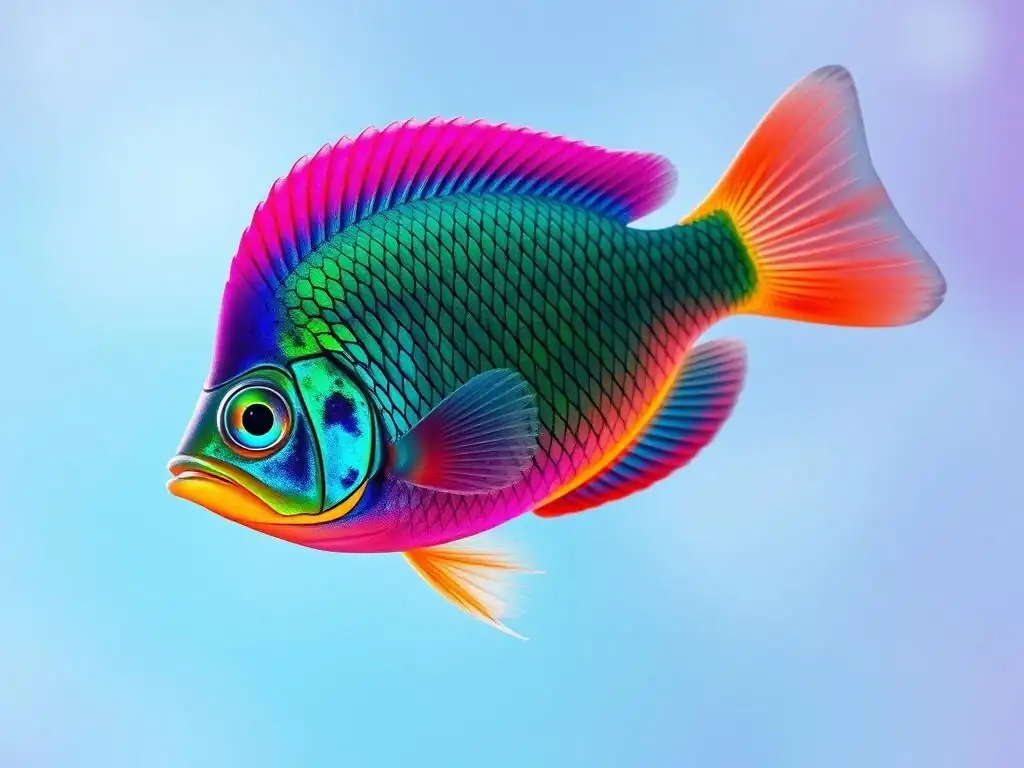
The dorsal fin is arguably the most reliable and easily observable feature for distinguishing between male and female pearl gouramis, especially in mature specimens. Its shape and length offer immediate visual cues that are central to effective pearl gourami sexing techniques.
Male Pearl Gourami Dorsal Fin Characteristics
The dorsal fin of a male pearl gourami is notably longer and more pointed than that of a female. In mature males, this fin typically extends significantly, often reaching beyond the caudal peduncle (the narrow part of the body connecting to the tail fin), giving it an elongated, almost sword-like appearance. The fin rays themselves are often more extended and filamentous, adding to its elaborate look, which becomes increasingly pronounced as the male ages and matures.
This distinctive dorsal fin serves not only as a primary identifier but also plays a role in courtship displays, where the male will flare his fins to attract a mate. The development of this prominent, pointed dorsal fin is a consistent and highly reliable indicator for pearl gourami sexing, making it one of the first features aquarists should examine.
Female Pearl Gourami Dorsal Fin Characteristics
In stark contrast, the dorsal fin of a female pearl gourami is consistently shorter and much more rounded. It typically does not extend past the base of the caudal fin and lacks the prominent elongation and pointed tip seen in males. The fin rays are generally shorter and less pronounced, contributing to a more compact and subdued overall appearance.
When performing pearl gourami sexing, comparing the dorsal fin of a suspected female directly against that of a male or a known male makes this distinction immediately clear. Even in cases where a female's dorsal fin might appear slightly pointed, it will never exhibit the significant length and sharp angle characteristic of a mature male, solidifying its role as a key identifier.
Anal Fin Distinctions in Pearl Gouramis
While less pronounced than the dorsal fin, differences in the anal fin can also contribute to accurate pearl gourami sexing, especially when combined with other physical indicators. The morphology of this fin can provide supporting evidence for gender identification.
Identifying Sex Through Anal Fin Morphology
The anal fin of a male pearl gourami tends to be longer and more pointed, often appearing more flowing and extensive than that of a female. In some mature specimens, the posterior rays of the anal fin may even show a slight extension or a more pronounced, somewhat serrated edge. This elongated appearance contributes to the male's overall more streamlined and elegant profile.
Conversely, the anal fin of a female pearl gourami is typically shorter and more rounded, lacking the distinct pointed extension seen in males. While this difference can be subtle, especially in younger fish, it becomes more apparent when observing mature individuals side-by-side. Integrating anal fin observation into your pearl gourami sexing techniques provides an additional layer of confirmation.
Body Shape Variations: Male vs. Female Pearl Gouramis
The overall body shape and profile of pearl gouramis also present noticeable differences between the sexes, particularly as they mature and especially when females are gravid. These variations are important considerations when applying pearl gourami sexing techniques.
Male Pearl Gourami Body Profile
Male pearl gouramis generally exhibit a more slender and torpedo-shaped body profile. They tend to be more elongated and streamlined compared to females, particularly when not actively engaged in breeding or territorial displays. While they can appear robust due to muscle development related to courtship, their fundamental shape remains more elongated. Mature males can reach an average length of up to 4.5 inches (11 cm).
This more graceful and less bulky appearance is a consistent characteristic. Observing the overall sleekness of the male's body, in conjunction with his distinct finnage, contributes significantly to accurate pearl gourami sexing.
Female Pearl Gourami Body Profile
Female pearl gouramis typically possess a rounder and plumper body shape, especially in the abdominal region. This roundness becomes particularly pronounced when the female is gravid (carrying eggs), as her belly will appear noticeably fuller and more distended. Even when not gravid, females generally maintain a slightly more robust and less streamlined profile than males. Mature females usually reach about 3.5 inches (9 cm).
This consistent rounder body shape, coupled with the distinctive fin characteristics, provides a reliable indicator for pearl gourami sexing. The difference in overall girth is often one of the easier distinctions to spot, especially when comparing a male and female side-by-side.
Coloration Differences: Spotting the Sex Through Pigmentation
Coloration is another significant indicator for pearl gourami sexing, with males displaying more intense and vibrant hues, particularly during breeding periods. These pigment differences are crucial for distinguishing genders.
Male Pearl Gourami Breeding Colors
Male pearl gouramis exhibit much more intense and vibrant coloration, especially when they are mature and in breeding condition. The characteristic orange-red color on their throat and belly intensifies significantly, often extending up towards the pectoral fins and becoming a deep, fiery hue. The iridescent "pearl" spotting across their body also becomes more pronounced and shimmering, contributing to a truly striking appearance.
This heightened coloration serves as a visual display to attract females and assert dominance. While the vibrancy can fluctuate with mood, health, and tank conditions, a healthy, mature male will consistently show a richer and deeper coloration than a female, making it a key aspect of pearl gourami sexing techniques.
Female Pearl Gourami Color Patterns
In contrast, female pearl gouramis generally retain a more subdued coloration. While they possess the same beautiful pearl spotting, the orange-red pigmentation on their throat and belly is considerably less intense, often appearing as a faint orange, pale yellow, or even just a light brownish tint. This lack of vibrant color is consistent even when females are healthy and mature.
Their overall body color tends to be a more uniform silvery-brown with the distinct pearl spots. The absence of the male's intense breeding colors is a reliable indicator for pearl gourami sexing, especially when directly comparing a male and female. This subdued pigmentation is a consistent trait that helps differentiate them from their more flamboyant male counterparts.
Behavioral Cues for Identifying Pearl Gourami Gender
Beyond physical characteristics, observing the behavior of pearl gouramis can provide valuable clues for sex identification, particularly concerning breeding and social interactions.
Breeding Behavior: Observing Courtship Displays
The most definitive behavioral cue for pearl gourami sexing is the observation of breeding activities. These intricate rituals are almost exclusively performed by males and responded to by females.
Male Pearl Gourami Courtship Rituals
Male pearl gouramis are known for their elaborate bubble nest construction. They build a frothy nest of bubbles, often incorporating small pieces of floating plant material, at the water surface. This nest serves as a safe haven for eggs and fry. Once the nest is built, the male will actively guard it and engage in courtship displays to attract a female, which includes flaring his fins, intensifying his colors, and performing a "dance" to entice her towards the nest.
During this period, the male will gently nudge or "herd" the female towards his meticulously constructed nest. If the female is receptive, they will engage in a characteristic "embrace" beneath the nest, where the male wraps his body around the female to facilitate the release and fertilization of eggs. Observing these specific actions is a conclusive pearl gourami sexing technique.
Female Pearl Gourami Response to Courtship
When a female pearl gourami is ready to breed and receptive to a male's advances, she will approach and inspect the bubble nest. Her response to the male's courtship displays will be either receptive, allowing him to guide her towards and eventually under the nest, or dismissive, by swimming away. A gravid female will appear noticeably swollen with eggs, and her willingness to engage with the male's overtures confirms her sex and readiness to spawn.
Once under the nest, a receptive female will position herself to allow the male to wrap around her, leading to the release of eggs. Her participation in this spawning embrace provides clear behavioral evidence of her gender and reproductive state. These interactions are vital behavioral pearl gourami sexing cues.
General Temperament and Activity Levels
While less definitive than breeding behaviors, general temperament and activity levels can offer supporting observations for pearl gourami sexing.
Male Pearl Gourami Aggression Levels
Male pearl gouramis, while generally considered peaceful, can exhibit mild territoriality, especially towards other males or fish with similar body shapes and colors, particularly in smaller aquariums or during breeding periods. They might engage in short chases or fin-nipping to assert dominance over rivals. This behavior is primarily driven by competition for territory or mates and is rarely observed in females.
However, it is important to note that this aggression is typically mild and rarely results in significant harm. Observing these subtle dominance displays can be an additional, though less conclusive, indicator for pearl gourami sexing, particularly when other physical traits are ambiguous.
Female Pearl Gourami Social Interactions
Female pearl gouramis are generally more peaceful and less territorial than males. They tend to be more social and are usually content to coexist peacefully with other tank mates, including other pearl gouramis, provided there is adequate space and suitable hiding spots. They rarely initiate aggressive interactions or chase other fish within the aquarium.
Their calmer demeanor and lack of territorial displays, in contrast to the occasional assertive behavior of males, contribute to the overall picture when applying various pearl gourami sexing techniques. This difference in social interaction can serve as a subtle supporting clue, especially in a well-established community tank.
Pearl Gourami Sexing During Different Life Stages
The ease and accuracy of pearl gourami sexing can vary significantly depending on the fish's age and maturity. Understanding these stages is crucial for successful identification.
Identifying Sex in Juvenile Pearl Gouramis
Identifying the sex of juvenile pearl gouramis, typically those under 3 months of age or less than 2 inches (5 cm) in length, is notoriously difficult. At this stage, secondary sexual characteristics such as the distinct dorsal fin shape and intense male coloration are not yet fully developed. Both sexes will appear quite similar in terms of finnage and body profile, and color differences will be minimal or non-existent.
For this reason, aquarists often purchase a group of 4-6 juvenile pearl gouramis if they intend to breed or ensure a specific male-to-female ratio. This approach increases the likelihood of acquiring at least one male and one female, allowing for accurate pearl gourami sexing once they mature, at which point any excess fish can be rehomed. Patience is undoubtedly a virtue when attempting to sex young pearl gouramis.
Pearl Gourami Sex Determination in Mature Adults
Sexing becomes significantly easier and much more reliable once pearl gouramis reach sexual maturity, typically around 5 to 6 months of age and a size of 3 inches (7.5 cm) or more. At this stage, all the distinct physical differences—the male's elongated dorsal fin, the female's rounder body, and the male's vibrant throat coloration—are fully apparent and pronounced.
Observing mature adults allows for the most accurate application of all pearl gourami sexing techniques, as both physical and behavioral cues are present and clearly distinguishable. This is the ideal life stage for definitive identification, enabling aquarists to confidently select breeding pairs or manage their tank population.
Practical Tips and Techniques for Pearl Gourami Sex Identification
Employing specific observational strategies can greatly enhance the accuracy of pearl gourami sexing. These practical tips help aquarists make more confident identifications.
Observing Multiple Gouramis for Comparison
One of the most effective methods for accurate pearl gourami sexing is to observe several fish simultaneously. Placing two or more pearl gouramis side-by-side, even temporarily in a breeder box or a separate observation container, allows for direct and immediate comparison of their key distinguishing features. This comparative approach makes subtle differences in fin shape, body profile, and color intensity much more obvious than trying to sex a single fish in isolation.
For instance, while a female's dorsal fin might seem somewhat pointed on its own, it will appear clearly rounder when contrasted directly with the significantly elongated and pointed dorsal fin of a male. This method highlights the relative differences that are crucial for precise pearl gourami sexing.
Using a Magnifying Glass for Closer Inspection
For very subtle distinctions, especially in fish that are not yet fully mature or those that may be stressed and not displaying their full characteristics, a magnifying glass can be an invaluable tool. It allows for a detailed and close-up examination of fin rays, the precise curve or extension of the dorsal fin, and the subtle pigmentation patterns on the throat and belly.
This tool can help differentiate between a slightly pointed female dorsal fin and a truly elongated male fin, or to confirm the presence of faint breeding coloration that might otherwise be missed. Utilizing a magnifying glass significantly enhances the precision of pearl gourami sexing techniques, particularly when dealing with ambiguous cases.
Considering Environmental Factors Affecting Appearance
It is crucial to consider that environmental factors such as stress, poor water quality, or an inadequate diet can significantly suppress a pearl gourami's natural coloration and fin development, making sexing more challenging. A stressed fish may not display its vibrant breeding colors, and its fins might not be fully extended or developed, potentially leading to misidentification.
Therefore, ensuring that the fish are in optimal conditions—stable water parameters, a balanced and nutritious diet, and a peaceful, low-stress environment—before attempting definitive identification is essential. A healthy, comfortable fish will exhibit its true colors and fin shapes more readily, making pearl gourami sexing much more accurate and reliable.
Common Mistakes in Pearl Gourami Sexing
Even with clear guidelines, aquarists can sometimes make mistakes when attempting pearl gourami sexing. Being aware of these common pitfalls can help improve accuracy.
Misinterpreting Stress Coloration
A common mistake in pearl gourami sexing is misinterpreting stress coloration. When pearl gouramis are under stress—whether due to transport, acclimatization to a new tank, or poor water conditions—their vibrant colors can become dull or muted. A male's characteristic intense orange-red throat, which is a primary indicator, might fade significantly, making him appear much more like a female and leading to misidentification.
It is crucial to avoid attempting definitive sexing immediately after a fish has been introduced to a new environment or if it shows any signs of stress. Allow the fish ample time, typically several days to a week, to settle into its new surroundings and regain its natural vibrancy before applying pearl gourami sexing techniques that rely heavily on coloration.
Confusing Similar Gourami Species
Another frequent error is confusing pearl gouramis with other similar gourami species, especially when the fish are juvenile or not fully developed. For instance, young three-spot gouramis ( Trichopodus trichopterus) or blue gouramis can sometimes be mistaken for pearl gouramis due to general body shape similarities. However, their fin structures, overall patterns, and adult coloration differ significantly upon closer inspection.
Always confirm the species of your fish before attempting to apply pearl gourami sexing techniques. Familiarize yourself with the unique black lateral line and the distinctive iridescent pearl-like spots that are characteristic of Trichopodus leerii to ensure you are indeed sexing a pearl gourami and not another species.
Conclusion: Mastering Pearl Gourami Sexing Techniques
Recap of Key Distinguishing Features
Mastering pearl gourami sexing techniques relies on a combination of observing distinct physical characteristics and, to a lesser extent, behavioral cues. The most reliable primary indicators are the male's significantly longer, more pointed dorsal fin and his intense, vibrant orange-red coloration on the throat and belly. These stand in stark contrast to the female's shorter, rounded dorsal fin and her consistently subdued, pale orange or yellow throat coloration.
Secondary indicators further aid in accurate identification, including the male's slightly more pointed anal fin and more streamlined body profile, versus the female's shorter, rounder anal fin and generally plumper body shape, especially when gravid. Behavioral cues, such as the male's bubble nest building and courtship rituals, alongside the female's egg-swollen appearance and receptive responses, provide conclusive evidence. Combining these various pearl gourami sexing techniques leads to the most accurate results for hobbyists.
Further Resources for Pearl Gourami Care and Identification
For those seeking to deepen their understanding of pearl gouramis, including advanced pearl gourami sexing techniques, care, and breeding, further resources are readily available. Detailed species profiles on Aquarium Mastery, particularly within the "Gouramis (Dwarf, Pearl, Kissing): Anabantoid Behavior & Care" subcategory, offer in-depth information on their natural habitat, specific dietary requirements, optimal water parameters, and general husbandry.
Additionally, engaging with experienced aquarists in reputable online forums or local aquarium clubs can provide valuable insights and practical advice for both sexing and overall care. Continuous learning and observation are key to successfully keeping and breeding these captivating fish, ensuring their health and well-being in your aquarium.
Frequently Asked Questions
How can I tell the difference between male and female Pearl Gouramis?
The most reliable method is observing their dorsal fin shape: males have a longer, more pointed dorsal fin, while females have a shorter, rounder one. Also, during breeding season, males develop a deeper orange color on their throat and chest.
Is it possible to sex Pearl Gouramis when they are still young?
Sexing young Pearl Gouramis can be tricky. Coloration and fin shape are not as pronounced in juveniles. It's usually more accurate to wait until they are closer to maturity.
Do male and female Pearl Gouramis behave differently?
Yes, male Pearl Gouramis, especially during breeding, can become more territorial and active. They might display more prominently to attract females. Females tend to be more docile.
What are the key physical differences to look for during breeding season?
During breeding season, male Pearl Gouramis will display a vibrant orange coloration on their throat and chest. The female's abdomen will also appear fuller as she fills with eggs.
Are there any other subtle differences besides fin shape and coloration?
While less reliable, some aquarists suggest observing the body shape, with females potentially appearing slightly rounder overall. However, fin shape and breeding coloration are the most definitive indicators.
Final Reflection: Unveiling the Secrets of Pearl Gourami
The ability to accurately identify the sex of Pearl Gouramis, as explored in this article, transcends mere curiosity; it's fundamental to responsible fishkeeping and successful breeding programs. Understanding these subtle differences empowers aquarists to create harmonious environments and contribute to the preservation of this beautiful species.
This journey into the world of Pearl Gourami sexing has highlighted the intricate details that often go unnoticed. It's a reminder that even in the seemingly simple act of observing fish, there's a profound depth of knowledge to be uncovered. The devil is in the details,
as they say, and in the case of Pearl Gouramis, those details are the key to unlocking a deeper understanding of their behavior and needs.
As you continue your journey in the aquarium hobby, remember that observation and knowledge are your greatest tools. Let the insights gained from this exploration of Pearl Gourami sexing techniques inspire you to look closer, learn more, and cultivate a deeper appreciation for the wonders of the aquatic world. Embrace the challenge of understanding these subtle nuances, and you'll find yourself not only a more skilled aquarist, but also a more connected observer of the natural world around you.
Unveil the Secrets: Become a Pearl Gourami Sexing Pro!
Thanks for diving into the fascinating world of Pearl Gourami! Now that you're equipped with the knowledge to distinguish males from females, let's put that understanding into action. Ready to take your aquarium hobby to the next level?
Here's what you can do next:
- Start observing your Pearl Gouramis more closely! Pay attention to the subtle differences in their dorsal fins and throat coloration.
- Share this article with fellow aquarium enthusiasts! Help them unravel the mysteries of Pearl Gourami sexing.
- Consider adding a carefully selected mate to your Pearl Gourami's aquarium. Remember to research compatibility and tank size requirements first!
What intriguing differences have you observed in your own Pearl Gouramis? Share your experiences in the comments below!