
Denison Barb Reproduction: Insights into Their Difficult Captive Breeding

Welcome to Aquarium Mastery!
Ever wondered why the vibrant and elusive Denison barb remains such a prized, yet rarely bred, gem in the aquarium world? Unlocking the secrets to their reproduction is a challenge many aquarists face. Dive into our comprehensive guide – " Denison Barb Reproduction: Insights into Their Difficult Captive Breeding" – and discover essential Denison barb breeding success tips that could help you crack the code. Ready to unravel the mysteries of breeding these stunning fish? Let's begin!
- Cherry Barb Reproduction: A Guide to Successful Captive Breeding
- Understanding the Relative Ease of Cherry Barb Breeding in Captivity
- Creating the Ideal Environment for Cherry Barb Breeding Success
- Triggering Spawning Behavior in Cherry Barbs: Proven Techniques
- Detailed Guide to Cherry Barb Breeding Success Tips: A Step-by-Step Approach
- Raising Cherry Barb Fry: Maximizing Survival Rates
- Common Mistakes to Avoid When Breeding Cherry Barbs
- The Role of Captive Breeding: Maintaining Healthy Bloodlines
- Achieving Cherry Barb Breeding Success: A Summary of Key Recommendations
-
Frequently Asked Questions
- What are the main challenges in breeding Denison barbs in captivity?
- What water parameters are ideal for encouraging Denison barb spawning?
- What type of current is recommended to simulate their natural breeding habitat?
- What triggers can be used to initiate spawning in Denison barbs?
- How long does it typically take for Denison barbs to reach sexual maturity for breeding?
- Final Reflection: Cultivating Denison Barb Breeding Success
- Unleash Your Inner Breeder: Take the Next Step!
Cherry Barb Reproduction: A Guide to Successful Captive Breeding
Understanding the Relative Ease of Cherry Barb Breeding in Captivity
Why Cherry Barbs are Easier to Breed Than Some Other Species: Exploring Key Factors
Cherry Barbs (Puntius titteya) are renowned among aquarists for their relatively straightforward breeding process compared to many other freshwater species. A primary factor contributing to this ease is their nature as prolific egg scatterers, requiring minimal parental intervention or complex courtship rituals.
Unlike cichlids that demand specific pair bonding or elaborate substrate preparation, Cherry Barbs simply scatter their adhesive eggs over fine-leaved plants or spawning mops, making collection and subsequent fry rearing more manageable for the hobbyist. A healthy, conditioned female can lay between 200 to 300 eggs per spawn, a considerably higher yield than many other ornamental fish, increasing the odds of successful hatching.
Furthermore, their tolerance for a range of water parameters, while still preferring specific conditions for optimal spawning, makes them less finicky than highly specialized species like Discus or certain wild-caught tetras. They do not exhibit complex parental care, meaning the adults will consume their own eggs and fry if not separated, which simplifies the breeding strategy by eliminating the need to monitor and manage parental aggression or neglect.
This characteristic allows breeders to focus solely on optimizing the spawning environment and subsequent fry care, streamlining the entire reproduction process and increasing the overall Cherry barb breeding success tips for enthusiasts.
The Popularity of Cherry Barb Breeding for Beginner Aquarists
The accessibility and high success rate associated with breeding Cherry Barbs make them an excellent choice for novice aquarists looking to delve into fish reproduction. Their small size, generally peaceful temperament, and vibrant coloration add to their appeal, making them a popular addition to community tanks even outside of breeding efforts. For beginners, the experience of witnessing spawning behavior, collecting eggs, and raising fry from microscopic specks to free-swimming juveniles provides invaluable hands-on learning without the steep challenges often associated with more demanding species.
Many beginner aquarists report their first successful fish breeding experience involved Cherry Barbs, often with minimal specialized equipment beyond a dedicated breeding tank and some spawning media. This low barrier to entry, coupled with the educational reward of observing the life cycle of an aquatic creature, solidifies Cherry Barbs as a foundational species for those aspiring to master Cherry barb breeding success tips and techniques. The knowledge gained from breeding these barbs can then be confidently applied to more complex breeding projects in the future.
Creating the Ideal Environment for Cherry Barb Breeding Success
Mimicking Their Natural Habitat: Key Water Parameters for Breeding
To optimize for Cherry barb breeding success tips, replicating their native Sri Lankan habitat is paramount. Cherry Barbs originate from slow-moving streams and shaded waters, which are typically soft and slightly acidic. For breeding, target a pH range of 6.0 to 7.0, with a general hardness (GH) between 4 to 8 dGH (70-140 ppm) and carbonate hardness (KH) between 2 to 4 dKH (35-70 ppm). Maintaining a stable water temperature between 75°F and 80°F (24°C-27°C) is crucial, as this range signals to the fish that conditions are favorable for reproduction.
Consistency in these parameters is often more important than hitting exact numbers, as fluctuating conditions can stress the fish and inhibit spawning. Regular water testing with reliable kits (e.g., API Freshwater Master Test Kit) is essential to monitor pH, GH, KH, ammonia, nitrite, and nitrate levels. Ammonia and nitrite should always be at 0 ppm, and nitrates kept below 20 ppm through diligent water changes. Providing soft, slightly acidic water mimics the conditions where they thrive and naturally reproduce in the wild, significantly enhancing the likelihood of a successful spawn.
Optimizing Tank Size and Setup for Cherry Barb Spawning
A dedicated breeding tank, typically 5 to 10 gallons in size, is ideal for Cherry Barb spawning. This smaller volume allows for easier monitoring of the eggs and fry and prevents the parents from consuming their offspring. The setup should be relatively simple: a bare bottom or a very fine mesh covering the bottom (such as plastic egg crate light diffuser) to allow eggs to fall through, inaccessible to the adults. This mesh can be elevated slightly to create a gap where eggs can safely settle.
Crucially, the tank must include ample spawning media. Fine-leaved plants like Java moss ( Taxiphyllum barbieri), spawning mops made from nylon yarn, or even synthetic grass mats provide the ideal substrate for eggs to adhere to. Placing several clumps of Java moss or a few spawning mops throughout the tank offers multiple sites for the female to scatter her eggs.
A gentle air stone or a small sponge filter is recommended for aeration and filtration, ensuring water quality without creating strong currents that could damage delicate eggs or fry. Dim lighting, or even placing the tank in a dimly lit area, can also help encourage spawning and protect light-sensitive eggs.
The Role of Diet in Promoting Cherry Barb Breeding
A high-quality, varied diet is fundamental for conditioning Cherry Barbs for breeding and is a key component of effective Cherry barb breeding success tips. Prior to attempting to breed, both males and females should be fed a protein-rich diet for at least one to two weeks. This "conditioning" phase ensures they are in peak physical condition, which directly correlates with egg production and sperm viability.
Live foods are particularly effective in stimulating spawning. Excellent choices include:
- Brine shrimp (Artemia): Highly nutritious and readily accepted.
- Bloodworms (Chironomid larvae): A good source of protein and fat.
- Daphnia: Excellent for gut loading and natural foraging behavior.
- Microworms: Small and wriggly, great for conditioning smaller fish.
Supplement these live foods with high-quality flake or pellet foods specifically formulated for tropical fish, ensuring they contain a minimum of 40-45% protein. Feeding small amounts two to three times a day, rather than one large meal, helps maintain consistent nutrient levels and encourages regular feeding behavior. A well-fed fish is a healthy fish, and healthy fish are more likely to breed successfully, producing more viable eggs and stronger fry.
Triggering Spawning Behavior in Cherry Barbs: Proven Techniques
Simulating Natural Conditions to Encourage Breeding
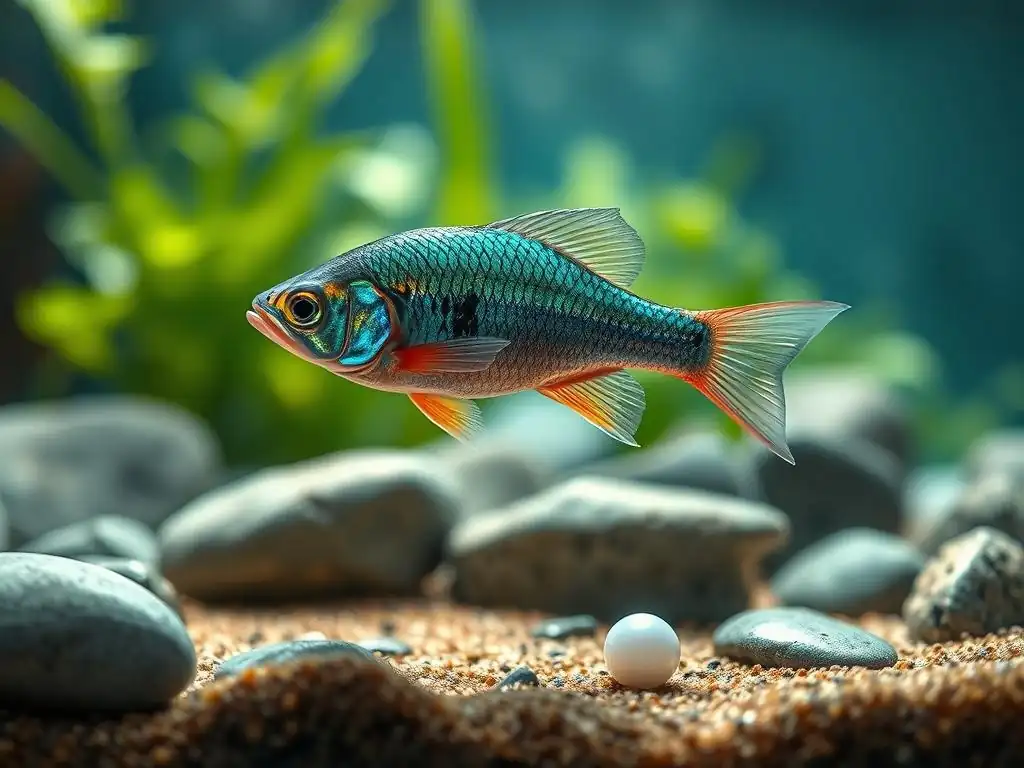
To effectively trigger spawning in Cherry Barbs, it's essential to simulate the environmental cues they would experience in their natural habitat signaling favorable breeding conditions. One of the most effective techniques is a gradual reduction in water hardness and pH, followed by a slow increase in temperature. For instance, after conditioning the fish for a week or two with a protein-rich diet, perform a 25-30% water change using water that is slightly softer and more acidic than the current tank water. Repeat this every 1-2 days, gradually lowering the GH to 4-6 dGH and pH to 6.0-6.5.
Simultaneously, slowly raise the water temperature by 1-2°F per day until it reaches the upper end of their breeding range, typically 78-80°F (25.5-27°C). This combination of softer, slightly warmer water often mimics the onset of rainy seasons in their native Sri Lanka, which naturally triggers spawning. Dimming the lighting or ensuring the breeding tank is in a subdued area also contributes to a more natural, secure environment, encouraging the fish to feel comfortable enough to reproduce.
Using Live Foods and Conditioning for Optimal Reproduction
The importance of a robust conditioning diet, particularly with live foods, cannot be overstated when aiming for Cherry barb breeding success tips. A week or two prior to attempting to breed, feed your chosen breeding pair or group a generous diet of high-quality live or frozen foods. Newly hatched brine shrimp are excellent, as are bloodworms, daphnia, and microworms. These foods are rich in protein and essential fatty acids, which are vital for egg development in females and sperm production in males.
For example, a typical conditioning regimen might involve feeding live brine shrimp in the morning, followed by frozen bloodworms in the afternoon, and a high-quality flake food in the evening. This varied and nutrient-dense diet not only brings the fish into prime breeding condition but also signals an abundance of resources, further encouraging spawning. Observing the fish for signs of readiness, such as the female becoming noticeably plumper with eggs and the male displaying more vibrant coloration and chasing behavior, indicates that the conditioning has been successful and spawning is imminent.
The Importance of Water Changes in Stimulating Spawning
Regular and strategic water changes are a cornerstone technique for stimulating spawning in Cherry Barbs. Beyond maintaining pristine water quality, a carefully executed water change can mimic the influx of fresh, soft rainwater that often triggers breeding in their natural environment. After conditioning your fish, perform a significant water change, typically 50-70%, using dechlorinated water that is slightly cooler (by 2-3°F or 1-2°C) and softer than the current tank water.
This sudden drop in temperature and change in water chemistry can often act as the final trigger for spawning. The fresh water also dilutes any accumulated hormones or waste products that might inhibit breeding. Many experienced breeders report that spawning often occurs within 24-48 hours after such a substantial water change. Following the initial large water change, maintain daily small water changes (10-20%) with slightly cooler, soft water to keep conditions optimal and encourage continued spawning activity over several days, maximizing the yield of eggs.
Detailed Guide to Cherry Barb Breeding Success Tips: A Step-by-Step Approach
Step 1: Selecting Healthy and Mature Cherry Barb Breeding Stock
The foundation of any Cherry barb breeding success tips strategy lies in selecting robust, healthy, and mature breeding stock. Choose fish that are at least 6 to 8 months old, as they will have reached sexual maturity and their full size, typically around 1.5 to 2 inches (3.8-5 cm) for females and slightly smaller for males. Look for individuals with vibrant coloration; males should display intense red hues, especially during conditioning, and females should have a noticeably rounder, fuller belly, indicative of carrying eggs.
Observe their behavior: active, alert fish with no signs of disease (e.g., clamped fins, white spots, frayed fins, or abnormal swimming) are ideal. Select at least one plump female and two or three brightly colored males. A ratio of 2-3 males per female is often recommended as it spreads the male's attention, reducing stress on a single female and increasing the likelihood of successful fertilization. Isolate these chosen individuals in a separate conditioning tank for 1-2 weeks, providing them with the high-protein diet discussed previously to bring them into prime breeding condition.
Step 2: Preparing the Breeding Tank: Essential Considerations
Once your breeding stock is conditioned, the next crucial step in achieving Cherry barb breeding success tips is to prepare the dedicated breeding tank. A 5-10 gallon aquarium is sufficient. Ensure the tank is thoroughly cleaned and disinfected, then filled with aged, dechlorinated water that matches the target breeding parameters: pH 6.0-7.0, GH 4-8 dGH, KH 2-4 dKH, and temperature 75-80°F (24-27°C).
The most vital element of the breeding tank setup is the spawning media. Provide ample amounts of fine-leaved plants like Java moss, or use several synthetic spawning mops. These should be weighed down so they cover a significant portion of the tank bottom.
Consider placing a fine mesh or egg crate above a bare bottom to create a space where eggs can fall, safe from the adults. A gentle air stone or a small sponge filter will provide necessary aeration and biological filtration without creating strong currents. Dim lighting is also beneficial, as it can make the fish feel more secure and encourage spawning.
Step 3: Initiating the Spawning Process: Techniques and Observations
With the breeding tank prepared and the fish conditioned, it's time to initiate the spawning process. Introduce the conditioned Cherry Barbs (e.g., one female and two males) into the breeding tank, ideally in the late afternoon or evening. The gentle introduction to the new environment and the established breeding parameters will encourage them to settle. The most common trigger for spawning is a slight drop in temperature overnight, followed by a gradual increase the next morning, or a significant water change with slightly cooler, softer water, as mentioned previously.
Spawning typically occurs in the early morning, often at dawn. Observe the fish closely for characteristic breeding behavior: the males will become intensely colored and actively chase the female, nudging her side and fins. The female will release small, clear, adhesive eggs, usually in batches, scattering them among the spawning media. The males will follow closely behind, fertilizing the eggs. This process can last for several hours. Once spawning is complete, the female's belly will appear noticeably deflated. At this point, carefully remove the adult fish from the breeding tank to prevent them from consuming the eggs.
Step 4: Caring for Cherry Barb Eggs and Fry: A Critical Stage
The period immediately following spawning is critical for Cherry barb breeding success tips. Cherry Barb eggs are small, clear, and adhesive, typically hatching within 24 to 48 hours depending on water temperature (warmer temperatures accelerate hatching). During this incubation period, maintain stable water parameters and ensure good aeration with a gentle air stone. Some breeders add a small amount of methylene blue to the water to prevent fungal growth on unfertilized eggs, though this is optional if water quality is pristine.
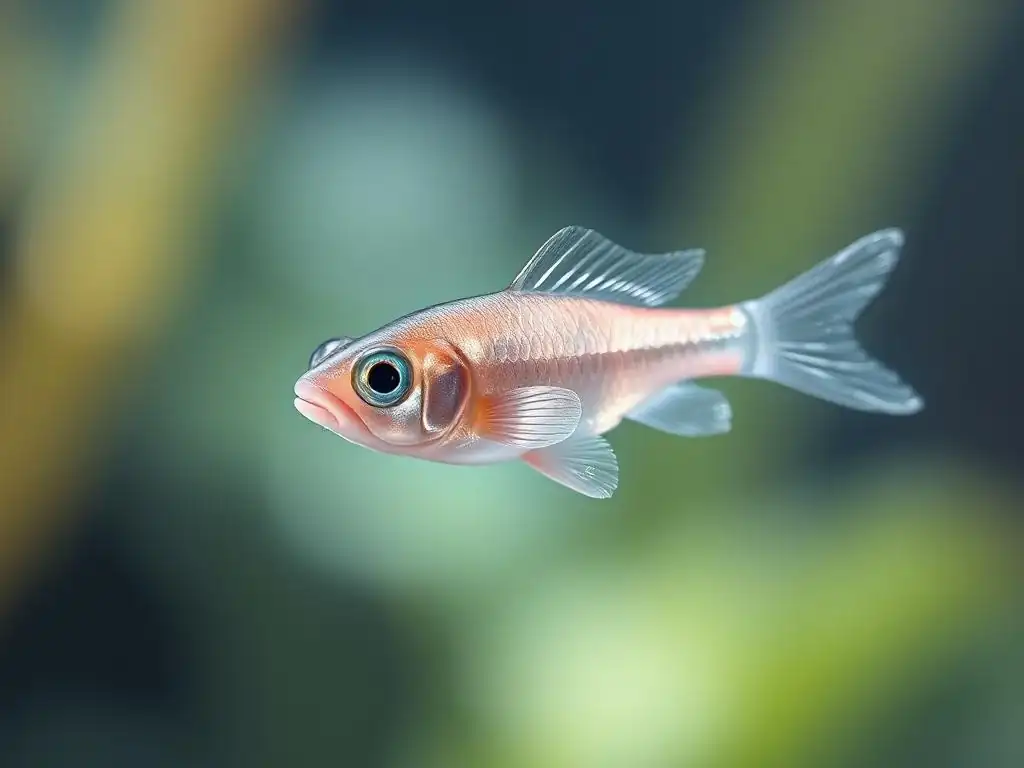
Once hatched, the fry will appear as tiny, almost transparent specks, often clinging to tank surfaces or plants. They will absorb their yolk sac for the first 2-3 days and do not require feeding during this time. After the yolk sac is absorbed, they will become free-swimming. This is the crucial moment to begin feeding.
Initial foods must be microscopic, such as infusoria, liquid fry food, or green water. As they grow (typically within a week), they can be transitioned to newly hatched brine shrimp or microworms. Maintaining impeccable water quality through small, frequent water changes (10-15% daily) using aged, temperature-matched water is paramount to prevent disease and maximize fry survival.
Raising Cherry Barb Fry: Maximizing Survival Rates
The First Foods for Cherry Barb Fry: Nutritional Needs
The initial feeding phase for Cherry Barb fry is arguably the most challenging aspect of their rearing and a critical factor in maximizing Cherry barb breeding success tips. For the first 2-3 days post-hatching, the fry will consume their yolk sac and require no external food. Once they become free-swimming (typically on day 3-5), their mouths are incredibly tiny, necessitating microscopic food sources.
Excellent first food options include:
- Infusoria: Microscopic organisms that can be cultured at home or purchased. This is often the best initial food.
- Liquid fry food: Commercially available products designed for egg-laying fish fry. Follow dosage instructions carefully.
- Green water: Water rich in single-celled algae, providing a natural food source.
After approximately one week, as the fry grow slightly, they can be transitioned to larger, still small, live foods. Newly hatched brine shrimp nauplii are an ideal next step due to their high nutritional value and ease of hatching. Microworms are another excellent option. Feed small amounts multiple times a day (4-6 times) to ensure a constant supply of food, as fry have high metabolic rates and small stomachs. Overfeeding should be avoided, as it quickly fouls the water.
Maintaining Optimal Water Quality for Fry Development
Pristine water quality is absolutely non-negotiable for the successful development and survival of Cherry Barb fry. Their delicate systems are highly susceptible to even minute amounts of ammonia, nitrite, and nitrate. Regular, small water changes are far superior to infrequent large ones. Aim for daily water changes of 10-15% using aged, dechlorinated water that is precisely temperature-matched to the fry tank. Using a fine air line tubing for siphoning helps control the flow and prevents accidental removal of fry.
A small sponge filter, gently bubbling, is the best choice for filtration in a fry tank. It provides biological filtration without creating strong currents that could stress or injure the tiny fry, and it won't suction them up like power filters. Regularly cleaning the sponge filter by gently squeezing it in discarded tank water prevents the buildup of detritus and maintains its efficiency.
Monitoring water parameters daily with a reliable test kit is crucial to ensure ammonia and nitrite remain at 0 ppm and nitrates are kept below 5-10 ppm. Cleanliness directly correlates with Cherry barb breeding success tips and high fry survival rates.
Preventing Diseases in Young Cherry Barbs
Young Cherry Barbs, like all fry, are particularly vulnerable to diseases due to their undeveloped immune systems and small size. The cornerstone of disease prevention is maintaining impeccable water quality, as discussed above. Poor water conditions are the leading cause of fry mortality. Any deviation from optimal parameters can stress the fry, making them susceptible to bacterial infections, fungal issues, or parasitic infestations.
Beyond water quality, proper nutrition plays a significant role. A varied and nutrient-rich diet strengthens their immune systems. Avoid overfeeding, as uneaten food quickly decays, leading to bacterial blooms and increased ammonia. Introducing new fish or plants to the fry tank should be done with extreme caution, ideally after a quarantine period, to prevent the introduction of pathogens.
If a disease outbreak occurs, treatment can be challenging due to the fry's fragility. Often, the best course of action is to correct environmental issues and ensure optimal feeding, as many fry will recover once conditions improve. Prevention, through diligent care and cleanliness, is always the most effective strategy for Cherry barb breeding success tips in raising healthy fry.
Common Mistakes to Avoid When Breeding Cherry Barbs
Overlooking Water Quality: A Major Breeding Blocker
One of the most frequently made mistakes when attempting Cherry Barb breeding is underestimating the critical role of pristine water quality, both for conditioning adults and rearing fry. Many hobbyists focus solely on temperature or specific pH numbers, neglecting the broader spectrum of water parameters. High levels of ammonia, nitrite, or even elevated nitrates can severely stress adult fish, inhibiting spawning, or, more commonly, lead to high mortality rates in delicate fry. For example, even 0.25 ppm of ammonia can be lethal to young fry over a short period.
Failing to perform consistent, small water changes, especially in the fry tank, allows pollutants to accumulate rapidly. This creates an environment where diseases thrive and development is stunted. An often-overlooked aspect is the source water itself; using tap water without proper dechlorination or testing can introduce harmful chemicals or fluctuating parameters. Always age and treat tap water, and conduct regular tests for pH, GH, KH, ammonia, nitrite, and nitrate. Neglecting these fundamental aspects of water management will significantly undermine any Cherry barb breeding success tips efforts.
Inadequate Diet: Impact on Spawning and Fry Health
Another common pitfall is providing an inadequate or unvaried diet, both for the breeding adults and the subsequent fry. Adult Cherry Barbs, when not properly conditioned with high-protein live or frozen foods, may not produce viable eggs or sperm, or the female may not develop eggs at all. A diet consisting solely of dry flake food, while sufficient for maintenance, often lacks the specific nutrients and stimulants needed for optimal reproductive health. A female Cherry Barb that is not adequately fed may produce fewer eggs (e.g., 50-100 instead of 200-300) or eggs with lower fertility rates.
For fry, the mistake is often feeding food that is too large or not providing sufficient quantities. Newly hatched fry, with their microscopic mouths, cannot consume flake food or even newly hatched brine shrimp immediately. Attempting to feed inappropriate foods leads to starvation and rapid mortality. Conversely, overfeeding, while seemingly beneficial, pollutes the water and can lead to bacterial infections. A precise feeding regimen with appropriate-sized, nutrient-dense foods is crucial for the survival and robust growth of fry, directly contributing to overall Cherry barb breeding success tips.
Poor Tank Setup: Hindering Natural Breeding Behaviors
An improperly set up breeding tank can be a significant deterrent to successful Cherry Barb reproduction. One common error is using a tank that is too large or too small. While a 5-10 gallon tank is ideal for control, a very large community tank makes egg collection almost impossible, as eggs will be scattered widely and quickly consumed by adults or other tank inhabitants. Conversely, an overcrowded or excessively small tank can stress the breeding pair, inhibiting natural spawning behavior.
The absence of adequate spawning media is another frequent mistake. Without fine-leaved plants like Java moss or spawning mops, the female has nowhere to scatter her adhesive eggs securely, leading to them falling to the bare bottom where they are easily eaten or damaged. Similarly, a strong filter current can dislodge eggs, making collection difficult and reducing hatch rates.
Proper lighting (dim) and hiding places for the female to escape overly zealous males are also often overlooked. A well-designed breeding tank setup, tailored to the Cherry Barb's natural behaviors, is a fundamental aspect of maximizing Cherry barb breeding success tips.
The Role of Captive Breeding: Maintaining Healthy Bloodlines
Preventing Inbreeding and Genetic Issues
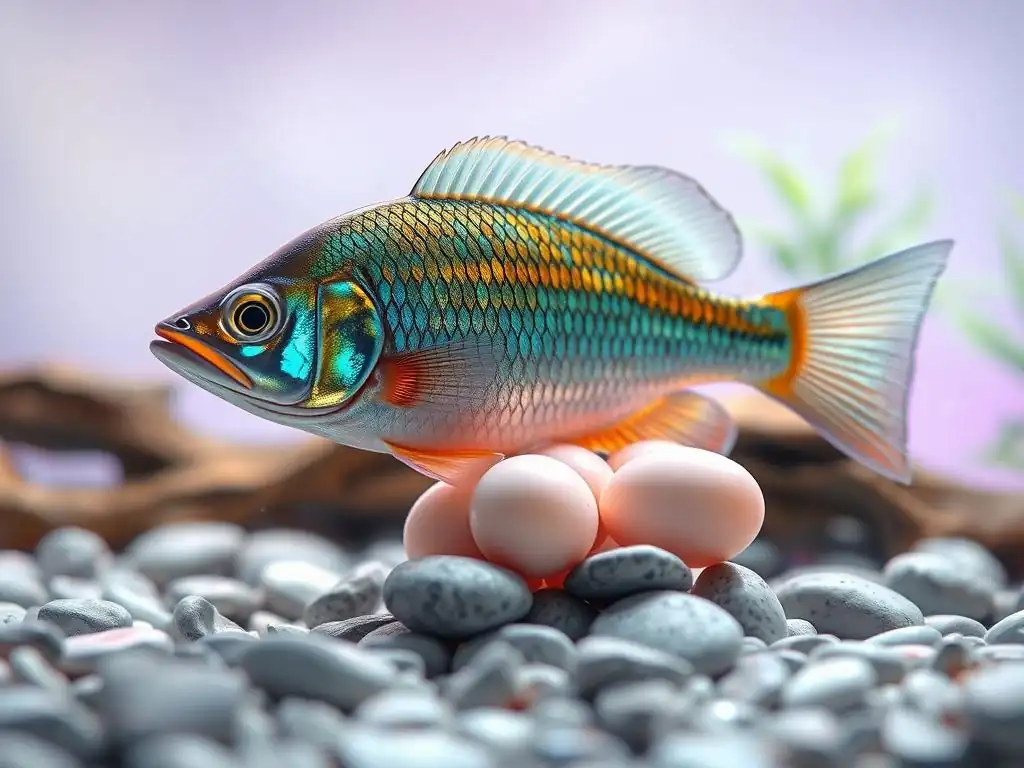
Responsible captive breeding of Cherry Barbs plays a crucial role in maintaining healthy and genetically diverse bloodlines within the hobby. A significant concern in any closed breeding population is inbreeding, which occurs when closely related individuals (e.g., siblings or parent-offspring) are repeatedly bred. Inbreeding can lead to a phenomenon known as "inbreeding depression," where the genetic diversity of the population decreases, resulting in a reduction in vigor, fertility, and overall health. For instance, fish may exhibit slower growth rates, increased susceptibility to disease, reduced lifespan, or physical deformities (e.g., spinal deformities, gill plate issues).
To prevent this, experienced breeders adhere to practices such as maintaining detailed breeding records to track lineage and avoid pairing siblings. Introducing new, unrelated breeding stock from different sources periodically (e.g., every 2-3 generations) is also vital to inject fresh genetic material into the population. By diversifying the gene pool, breeders contribute to the long-term health and resilience of captive-bred Cherry Barbs, ensuring that future generations remain robust and viable. This foresight is a key component of ethical Cherry barb breeding success tips.
Selecting for Desirable Traits in Cherry Barbs
Beyond preventing negative genetic consequences, captive breeding allows aquarists to actively select for desirable traits in Cherry Barbs, enhancing their aesthetic appeal and hardiness. Over generations, breeders can selectively pair fish that exhibit the most vibrant coloration, the most pronounced finnage, or particularly robust health. For example, if a male displays an exceptionally deep red hue or a female consistently produces a large clutch of healthy eggs, these individuals might be chosen as prime breeding stock for the next generation.
This selective breeding process has been instrumental in developing the various color forms and fin types seen in many popular aquarium fish today. While Cherry Barbs are primarily bred for their classic red coloration, subtle variations in intensity and pattern can be enhanced. This meticulous selection not only creates more visually appealing fish for hobbyists but also inadvertently contributes to the overall fitness of the captive population by favoring strong, healthy individuals. This deliberate effort to improve the species through breeding is a sophisticated aspect of advanced Cherry barb breeding success tips.
Responsible Breeding Practices for Cherry Barbs
Responsible breeding extends beyond genetics to encompass the overall welfare of the fish and the sustainability of the hobby. It involves a commitment to providing optimal conditions for all stages of the breeding process, from conditioning adults to raising fry. This includes maintaining pristine water quality, offering a high-quality and varied diet, and ensuring appropriate tank sizes and setups. A responsible breeder understands the time and resources required to successfully raise a batch of fry and does not undertake breeding lightly.
Furthermore, responsible breeding means having a plan for the offspring. Overpopulation is a common issue in home breeding, and simply allowing fish to breed without considering where the hundreds of fry will go is irresponsible. Breeders should have connections with local fish stores, other hobbyists, or be prepared to house the fish themselves. Contributing healthy, well-raised fish to the hobby, rather than simply mass-producing, ensures that the practice remains ethical and beneficial. Adhering to these principles is the hallmark of truly effective and sustainable Cherry barb breeding success tips.
Achieving Cherry Barb Breeding Success: A Summary of Key Recommendations
Implementing a Comprehensive Breeding Strategy for Cherry Barbs
Achieving consistent Cherry barb breeding success tips requires a holistic and systematic approach rather than relying on chance. It begins long before the actual spawning, with the careful selection of healthy, mature breeding stock, ideally from diverse genetic backgrounds to prevent inbreeding. This is followed by a dedicated conditioning phase of 1-2 weeks, during which the chosen adults are fed a rich, varied diet of live and high-protein foods to bring them into prime reproductive condition.
The breeding tank setup is equally critical: a dedicated 5-10 gallon aquarium with appropriate spawning media (Java moss, spawning mops), gentle filtration, and dim lighting. Water parameters must be meticulously managed to mimic their natural soft, slightly acidic, and warm conditions (pH 6.0-7.0, GH 4-8 dGH, Temp 75-80°F). The final trigger for spawning often involves a significant, temperature-matched water change. Post-spawning, the immediate removal of adults and the careful rearing of fry with microscopic first foods and impeccable water quality are paramount for high survival rates. Each step is interconnected, and neglecting one can jeopardize the entire breeding effort.
The Rewards of Cherry Barb Reproduction
The successful reproduction of Cherry Barbs offers numerous rewards to the dedicated aquarist. Beyond the sheer satisfaction of witnessing the miracle of life unfold in your own aquarium, raising fish from egg to adult provides an unparalleled educational experience. It deepens one's understanding of fish biology, water chemistry, and ecosystem dynamics. For many, it cultivates a profound connection to the aquatic world.
Economically, successful breeding can offset the cost of purchasing new fish, and surplus healthy fry can often be sold or traded with local fish stores or other hobbyists. More importantly, it fosters a sense of accomplishment and pride. The vibrant colors and active schooling behavior of a tank full of your own healthy, home-bred Cherry Barbs is a testament to your skill and dedication. This personal gratification is often the most significant reward, driving hobbyists to continue refining their Cherry barb breeding success tips.
Contributing to the Hobby Through Successful Breeding
Successful captive breeding of Cherry Barbs contributes significantly to the broader aquarium hobby. By providing a steady supply of healthy, domestically raised fish, breeders help reduce the reliance on wild-caught specimens, which can impact wild populations and often arrive stressed or diseased. Home-bred fish are generally hardier and better adapted to aquarium conditions, having never experienced the rigors of wild capture and international shipping.
Furthermore, sharing Cherry barb breeding success tips and experiences with other aquarists helps to educate and inspire new generations of hobbyists. It fosters a community of knowledgeable and responsible fish keepers who prioritize the welfare of their aquatic charges. Through careful selection and responsible practices, breeders can also help maintain and improve the genetic health and diversity of captive Cherry Barb populations, ensuring that this beautiful and engaging species remains a vibrant part of the freshwater aquarium landscape for years to come.
Frequently Asked Questions
What are the main challenges in breeding Denison barbs in captivity?
The main challenges lie in replicating their natural breeding environment, which requires specific water parameters and strong currents, and providing the appropriate trigger for spawning. They also take a long time to mature.
What water parameters are ideal for encouraging Denison barb spawning?
Denison barbs prefer slightly acidic to neutral water, ideally with a pH between 6.5 and 7.0, and a temperature between 73°F and 79°F (23°C and 26°C). Soft water is also crucial for breeding success.
What type of current is recommended to simulate their natural breeding habitat?
Denison barbs thrive in environments with strong currents, mimicking the fast-flowing rivers they originate from. Utilizing powerheads or wave makers can help replicate these essential conditions.
What triggers can be used to initiate spawning in Denison barbs?
A significant water change with slightly cooler, softer water can simulate seasonal changes that trigger spawning. Additionally, providing a nutrient-rich diet can contribute to their readiness to reproduce.
How long does it typically take for Denison barbs to reach sexual maturity for breeding?
Denison barbs are known to be slow growers and typically take around 2-3 years to reach sexual maturity. Patience and consistent care are key to successful breeding attempts.
Final Reflection: Cultivating Denison Barb Breeding Success
The challenges highlighted throughout this article underscore the intricate dance required for successful Denison barb breeding in captivity, a pursuit that remains elusive for many aquarists. Understanding the specific needs of these magnificent fish is not merely about achieving reproduction; it's about ensuring their continued presence in our aquariums and, more importantly, contributing to their conservation in the face of habitat loss. The delicate balance of water parameters, diet, and social dynamics is paramount, and ignoring these factors inevitably leads to frustration and failure.
The journey to unlock the secrets of Denison barb breeding has been a testament to patience and dedication, a reminder that success often lies in meticulous observation and adaptation. My own fascination with these fish stems from their vibrant beauty and the inherent challenge they present, a challenge that pushes us to become better aquarists and more responsible stewards of the aquatic world. The greatest reward in life is not what you are paid for it but what you become by it.
This quote perfectly encapsulates the spirit of Denison barb breeding; the true reward lies not just in spawning success, but in the knowledge and understanding gained along the way.
Now, armed with these insights and "Denison barb breeding success tips," I invite you to reflect on your own approach to fishkeeping. Are you truly meeting the needs of your aquatic companions? Are you contributing to their well-being and the sustainability of the hobby? Let the lessons learned from the Denison barb inspire you to delve deeper, to experiment thoughtfully, and to share your knowledge with others. By working together, we can unlock the remaining mysteries of these captivating creatures and ensure their future for generations to come.
Unleash Your Inner Breeder: Take the Next Step!
Thanks for diving into the fascinating world of Denison barb reproduction! We hope this article has illuminated the challenges and nuances of breeding these beauties in captivity. Now, let's put that knowledge into action!
- Commit to a Test Spawn: Dedicate a separate, well-prepared breeding tank and attempt a controlled spawning with a carefully selected pair. Document your observations meticulously.
- Delve deeper into niche forums dedicated to barb breeding to exchange invaluable insights.
- Share this article with other aquarium enthusiasts and spark a discussion about innovative breeding strategies!
What specific environmental factor will you prioritize when setting up your Denison barb breeding tank, and why?