
The Elusive Green Neon Tetra: Aquarium Mastery Unveils Advanced Breeding Strategies

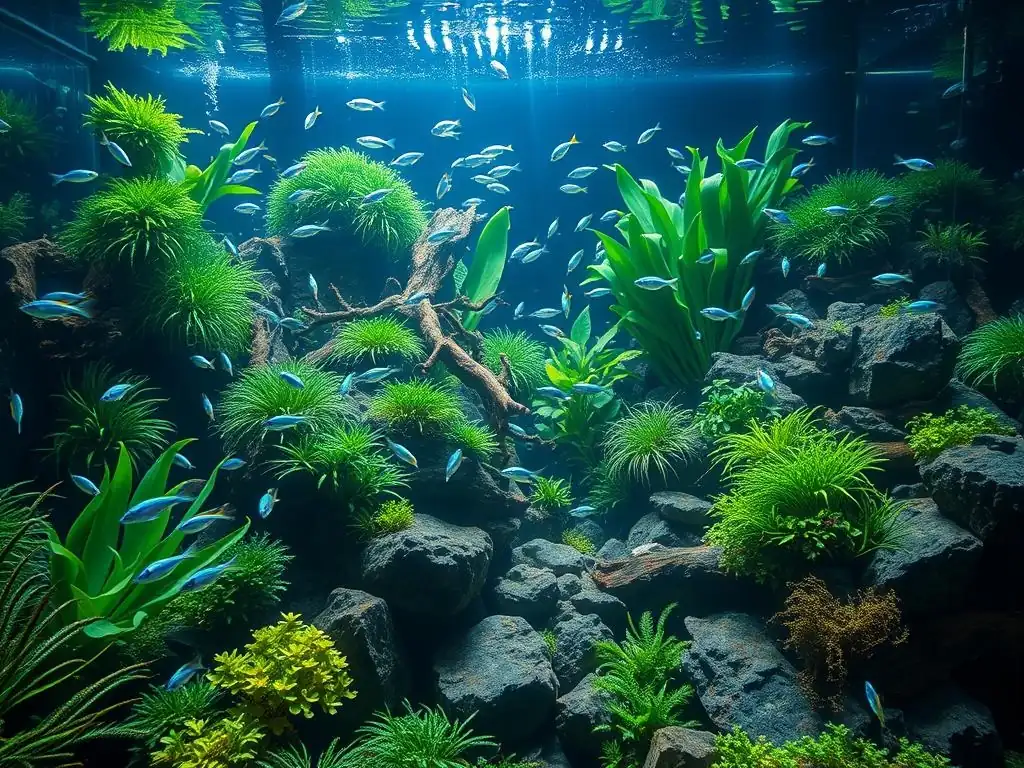
Welcome to Aquarium Mastery! Ever dreamt of witnessing the shimmering spectacle of Green Neon Tetra breeding in your own aquarium? Unravel the secrets behind successfully raising these elusive jewels with our expert insights. Dive in and discover advanced strategies that will transform your tank into a thriving haven for these vibrant fish!
- Breeding Green Neon Tetras: Advanced Strategies for Aquarium Success
- Understanding Green Neon Tetras: A Prerequisite to Breeding Success
- Advanced Techniques for Green Neon Tetra Breeding in Captivity
- Raising Green Neon Tetra Fry: A Delicate Art
- Troubleshooting Green Neon Tetra Breeding Challenges
- Achieving Consistent Green Neon Tetra Breeding: Long-Term Strategies
-
Frequently Asked Questions
- What are the key challenges in breeding Green Neon Tetras?
- What water parameters are crucial for Green Neon Tetra breeding?
- How do I induce spawning in Green Neon Tetras?
- What do Green Neon Tetra eggs and fry need to survive?
- How long does it take for Green Neon Tetra eggs to hatch and for fry to become free-swimming?
- Final Reflection: Illuminating the Future of Green Neon Tetra Breeding
- Unleash Your Inner Breeder: Embark on Your Green Neon Tetra Breeding Journey!
Breeding Green Neon Tetras: Advanced Strategies for Aquarium Success
Understanding Green Neon Tetras: A Prerequisite to Breeding Success
Identifying Paracheirodon simulans: Key Characteristics
The Green Neon Tetra, scientifically known as Paracheirodon simulans, is a diminutive and captivating freshwater fish often mistaken for its more common cousins, the Neon and Cardinal Tetras. Its distinguishing feature is a prominent iridescent blue-green stripe that runs horizontally along its slender body, typically extending from the snout to the caudal fin.
Unlike the Cardinal Tetra, its red stripe is either absent or very faint, appearing only as a subtle blush on the lower half of its body. Adult Green Neon Tetras rarely exceed 1.2 inches (approximately 3 cm) in length, making them significantly smaller than Cardinal Tetras, which can reach up to 2 inches.
Their smaller size and more subdued coloration contribute to their elusive reputation, as they are less frequently seen in the aquarium trade compared to other Paracheirodon species. Successful green neon tetra breeding hinges on accurately identifying healthy specimens, characterized by vibrant coloration, active swimming, and full, well-rounded bodies. Observing their behavior for signs of stress or disease, such as clamped fins or faded colors, is crucial before introducing them to a dedicated breeding setup.
Natural Habitat and Water Parameters for Optimal Breeding Conditions
Green Neon Tetras originate from the blackwater rivers of the Rio Negro and Orinoco basins in South America, primarily found in Brazil, Colombia, and Venezuela. These environments are characterized by extremely soft, acidic water, often stained brown by tannins from decaying leaf litter. The dense vegetation and submerged roots provide ample hiding spots and a stable, low-light environment, which is vital for their well-being and successful reproduction. Replicating these specific conditions is paramount for encouraging green neon tetra breeding in captivity.
In their natural range, water temperatures typically range from 75°F to 82°F (24°C to 28°C), with a pH as low as 4.0 and general hardness (GH) often undetectable, close to 0-1 dGH. For optimal green neon tetra breeding, aquarists must strive to mimic these parameters as closely as possible.
This involves using reverse osmosis (RO) water or deionized (DI) water, buffered with appropriate acids or blackwater extracts to achieve a pH between 5.0 and 5.5 and a GH of 0-2 dGH. The presence of leaf litter, such as dried Indian almond leaves, can further help in conditioning the water and providing a natural feel, releasing beneficial tannins and humic acids.
Dietary Needs for Healthy Green Neon Tetra Breeding Stock
A robust and varied diet is fundamental to conditioning Green Neon Tetras for successful breeding. In their wild habitat, Paracheirodon simulans are micro-predators, feeding on tiny invertebrates, insect larvae, and zooplankton. To replicate this in captivity, a diverse diet rich in live and frozen foods is essential, significantly more so than relying solely on dry flakes. High-quality micro-pellets or flakes can form a base, but they should be supplemented extensively.
For optimal green neon tetra breeding conditioning, focus on feeding small live foods such as newly hatched brine shrimp nauplii, daphnia, and cyclops several times a day. Frozen alternatives like bloodworms (chopped finely), daphnia, and brine shrimp are also excellent choices. This high-protein, nutrient-dense diet helps the fish build up energy reserves and promotes gonadal development in both males and females. Overfeeding should be avoided, as it can quickly degrade water quality, but frequent, small feedings are ideal to ensure the breeding stock is in peak condition for spawning.
Advanced Techniques for Green Neon Tetra Breeding in Captivity
Setting Up a Dedicated Breeding Tank for Green Neon Tetras
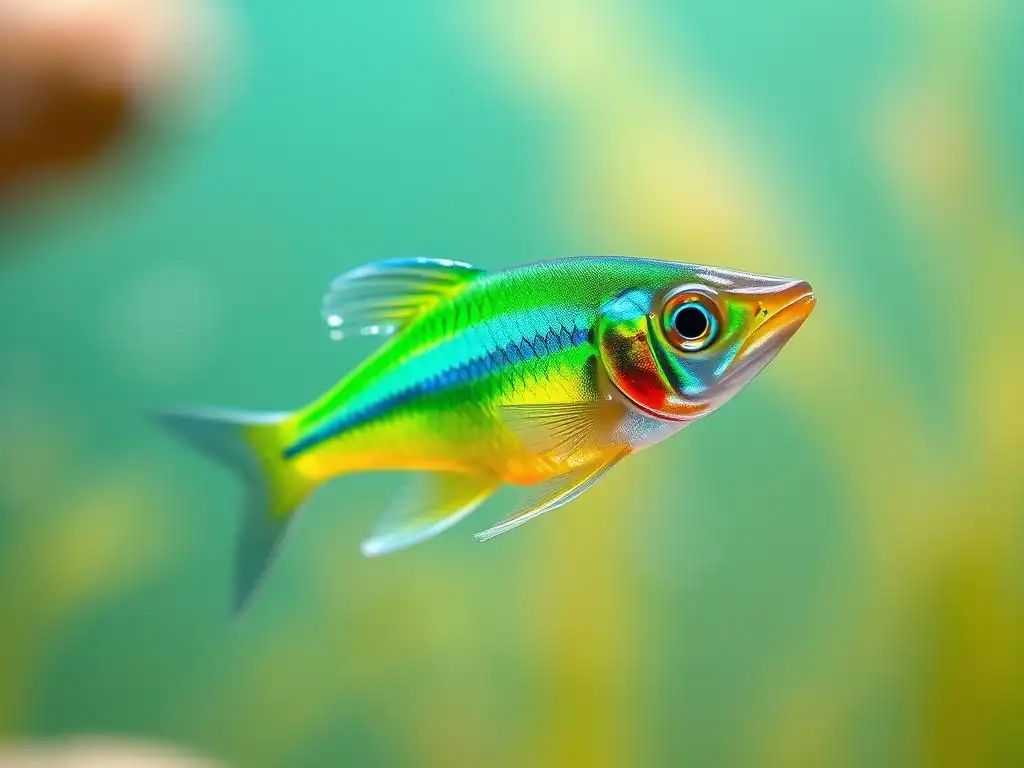
Establishing a specialized breeding tank is a critical step for successful green neon tetra breeding. A small, dedicated tank, typically 5 to 10 gallons (19-38 liters), is sufficient, as it allows for precise control over water parameters and simplifies the management of delicate eggs and fry. The tank should be bare-bottomed or have a thin layer of marbles or a spawning grid to protect the eggs from being consumed by the parents after spawning. Green Neon Tetras are notorious egg-eaters, so providing a safe haven for the eggs is paramount.
For spawning media, fine-leaved plants like Java Moss ( Taxiphyllum barbieri), Hornwort ( Ceratophyllum demersum), or artificial spawning mops made from nylon yarn are ideal. These provide a textured surface for the adhesive eggs to attach to. Lighting should be dim to very dim, as Green Neon Tetra eggs are highly sensitive to light.
A small, sponge filter providing gentle filtration is preferred over hang-on-back or power filters, which can create too much current and potentially harm delicate eggs or fry. An air stone on a very low setting can also be used to ensure adequate oxygenation without strong currents.
Water Chemistry Mastery: Replicating Ideal Breeding Parameters
Achieving the exact water chemistry is perhaps the most challenging yet crucial aspect of green neon tetra breeding. These fish require extremely soft, acidic water to trigger spawning and ensure egg viability. Tap water is rarely suitable without significant modification. Reverse osmosis (RO) water or deionized (DI) water is the foundation, as it allows for complete control over mineral content.
Achieving Optimal pH Levels for Green Neon Tetra Spawning
For successful green neon tetra breeding, the pH level should be precisely maintained between 5.0 and 5.5. This low pH range is essential for simulating their natural blackwater habitats and creating an environment conducive to spawning. To achieve and stabilize this pH, aquarists can use a combination of methods.
Peat filtration is highly effective, as peat naturally releases humic acids that lower pH and soften water. Indian almond leaves (catappa leaves) or alder cones can also be added, which not only contribute to pH reduction but also release beneficial tannins that have antifungal and antibacterial properties, crucial for egg health.
Careful monitoring with a reliable pH meter is necessary, as sudden fluctuations can stress the fish and inhibit spawning. It's advisable to prepare the breeding water in a separate container days in advance, allowing it to stabilize before being transferred to the breeding tank. Gradual adjustments are key, as rapid changes in pH can be detrimental to the delicate breeding pair.
Maintaining Soft Water Conditions for Successful Fertilization
Beyond pH, maintaining incredibly soft water is non-negotiable for viable green neon tetra breeding. The general hardness (GH) should ideally be between 0 and 2 dGH (0-35.7 ppm), and the carbonate hardness (KH) should be virtually undetectable, often 0 dKH. Hardness minerals, particularly calcium, can prevent the delicate egg membranes from properly hardening after fertilization, leading to infertile eggs or difficulty in hatching.
Using RO or DI water is the primary method to achieve this extreme softness. A small amount of commercially available mineralizing salts designed for soft water fish can be added to the RO water to provide essential trace elements without increasing hardness significantly. Regular testing with a GH and KH test kit is vital to ensure these parameters remain consistently low. The soft water not only encourages spawning but also plays a critical role in the successful development of the tiny, sensitive eggs.
Simulating Natural Spawning Triggers for Green Neon Tetras
Once the breeding tank is set up and the water parameters are perfected, the next step in green neon tetra breeding is to simulate the environmental cues that trigger spawning in their natural habitat. These typically involve changes in temperature and light cycles, mimicking seasonal shifts that signal optimal breeding conditions.
Temperature Manipulation for Inducing Spawning
Temperature plays a significant role in inducing green neon tetra breeding. While their regular tank temperature might be around 75-78°F (24-25.5°C), a slight increase to 78-82°F (25.5-28°C) can often act as a spawning trigger. This mimics the warmer, rainy season in their native environment, which corresponds to increased food availability and optimal conditions for fry survival.
The temperature increase should be gradual, typically over 24-48 hours, to avoid shocking the fish. A reliable heater with precise temperature control is essential for this process. Once the desired temperature is reached, maintaining it consistently is important. Combining this temperature rise with a rich diet of live foods often provides the final impetus for the conditioned breeding pair to begin spawning.
Light Control: Mimicking Dawn and Dusk Cycles
Green Neon Tetras are accustomed to dim, shaded environments in the wild. For successful green neon tetra breeding, controlling the light cycle is crucial. Eggs are particularly light-sensitive, and too much light can damage them or prevent them from hatching. The breeding tank should be kept in near darkness or very dim light for most of the day, with only a few hours of very low-intensity light.
Mimicking dawn and dusk cycles can be achieved by using a timer on a very low-wattage light source, or simply by placing the tank in a dimly lit room and covering it with a dark cloth for significant portions of the day. Some breeders even opt for complete darkness after the fish are introduced to the breeding tank, checking only briefly with a flashlight for eggs. This low-light environment reduces stress on the fish and provides the optimal conditions for egg development, significantly improving the yield of viable eggs during green neon tetra breeding attempts.
The Spawning Process: What to Expect
The actual spawning process in green neon tetra breeding typically occurs in the early morning, often shortly after the lights come on or after a period of darkness. The male will actively pursue the female, nudging her towards the spawning media. The female, if ready, will begin to release tiny, translucent eggs, often in batches of 1-3 at a time, which the male will then fertilize immediately.
Spawning can last for several hours, with a single pair potentially laying anywhere from 50 to 150 eggs, though smaller numbers are more common in initial attempts. The eggs are typically adhesive or semi-adhesive, sticking to the fine leaves of plants or spawning mops. Once spawning is complete, it is crucial to remove the adult fish promptly, as they will readily consume their own eggs. The eggs are extremely delicate and light-sensitive, so handling the spawning media and eggs with utmost care, and keeping them in darkness, is vital for successful hatching in your green neon tetra breeding efforts.
Raising Green Neon Tetra Fry: A Delicate Art
Post-Spawning Care: Protecting Eggs from Predation
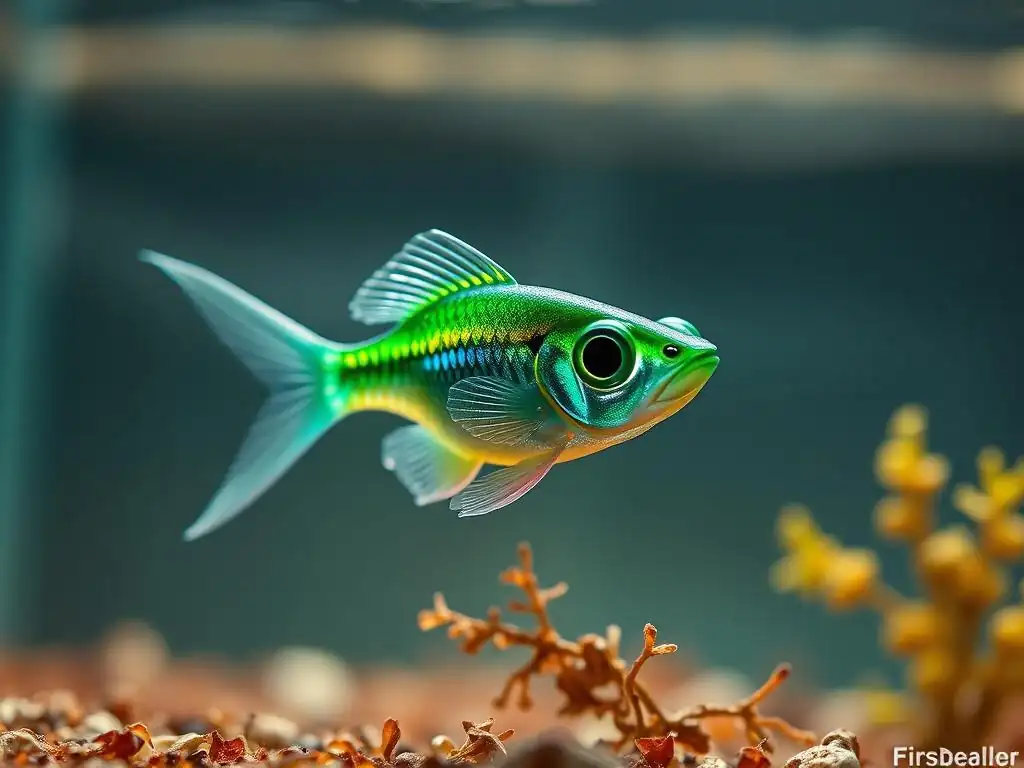
After the painstaking process of green neon tetra breeding and successful egg deposition, the immediate post-spawning care is critical. As mentioned, adult Green Neon Tetras are opportunistic egg-eaters, so the first and most important step is to carefully remove the parent fish from the breeding tank as soon as spawning is observed to be complete. This prevents them from consuming the newly laid eggs.
The eggs themselves are tiny, typically less than 1 mm in diameter, and highly transparent. They are also extremely sensitive to light and fungal infections. It is advisable to keep the breeding tank in complete darkness or very dim light for the first 24-48 hours post-spawning. Some breeders also add a very small amount of methylene blue to the water as an antifungal agent, though this should be used cautiously as it can stain the tank. Maintaining pristine water quality with stable, soft, and acidic parameters is paramount during this fragile stage of green neon tetra breeding.
Hatching and First Feeding: Infusoria and Beyond
Green Neon Tetra eggs typically hatch within 24 to 36 hours at a temperature of 78-82°F (25.5-28°C). The newly hatched fry are minuscule, often described as "eyelashes with eyes," and will remain motionless, absorbing their yolk sacs for the first 3-5 days. During this period, they do not require external feeding. However, once their yolk sacs are absorbed and they become free-swimming, typically around day 3-5, the challenge of first feeding begins.
Due to their incredibly small size, Green Neon Tetra fry require microscopic food. Infusoria, which are microscopic protozoa, are the ideal first food. Infusoria cultures can be easily started at home using decaying vegetable matter (e.g., banana peels, lettuce leaves) in aged tank water.
Liquid fry foods specifically designed for egg-laying fish are also suitable alternatives. After about 5-7 days, once the fry have grown slightly, they can be transitioned to larger foods like newly hatched brine shrimp nauplii, microworms, or vinegar eels. Providing a continuous supply of appropriate-sized food throughout the day is essential for successful green neon tetra breeding and fry survival.
Growing Out Green Neon Tetra Fry: Maintaining Water Quality and Providing Adequate Nutrition
As Green Neon Tetra fry grow, their metabolic rate increases, making water quality management even more critical. Daily small water changes (10-20%) using carefully prepared, soft, acidic water are essential to remove waste products and maintain optimal conditions. A gentle sponge filter is usually sufficient for filtration, ensuring no fry are sucked into the filter. Any strong currents must be avoided, as they can exhaust the delicate fry.
Nutrition remains paramount for healthy growth. Once the fry are large enough to consume newly hatched brine shrimp nauplii, this should become their primary food source for several weeks. Brine shrimp are highly nutritious and stimulate rapid growth. As the fry continue to grow, typically after 3-4 weeks, they can gradually be introduced to other small live or frozen foods, such as crushed high-quality flakes or micro-pellets, finely chopped daphnia, or cyclops. Consistent, small, and frequent feedings (3-5 times a day) are key to robust growth and development, leading to successful green neon tetra breeding outcomes.
Preventing Common Fry Diseases in Green Neon Tetras
Green Neon Tetra fry are highly susceptible to diseases, primarily due to their delicate nature and sensitivity to water quality fluctuations. The most common issues encountered during the fry rearing stage of green neon tetra breeding include bacterial infections and protozoan infestations, often exacerbated by poor water conditions or overfeeding. Symptoms can include lethargy, clamped fins, white spots, or visible lesions.
Prevention is the best strategy. Strict adherence to regular, small water changes with pristine, conditioned water is crucial to minimize the accumulation of nitrates and other waste products. Avoiding overfeeding helps prevent bacterial blooms that can deplete oxygen and introduce pathogens.
Ensuring proper aeration with a gentle air stone helps maintain dissolved oxygen levels. If disease does occur, identifying it quickly and administering appropriate, fry-safe medications is vital, though general treatments should be approached with caution due to the fry's sensitivity. Maintaining a clean environment and a stable diet significantly reduces the risk of disease, ensuring higher survival rates in your green neon tetra breeding efforts.
Troubleshooting Green Neon Tetra Breeding Challenges
Identifying and Addressing Infertile Eggs
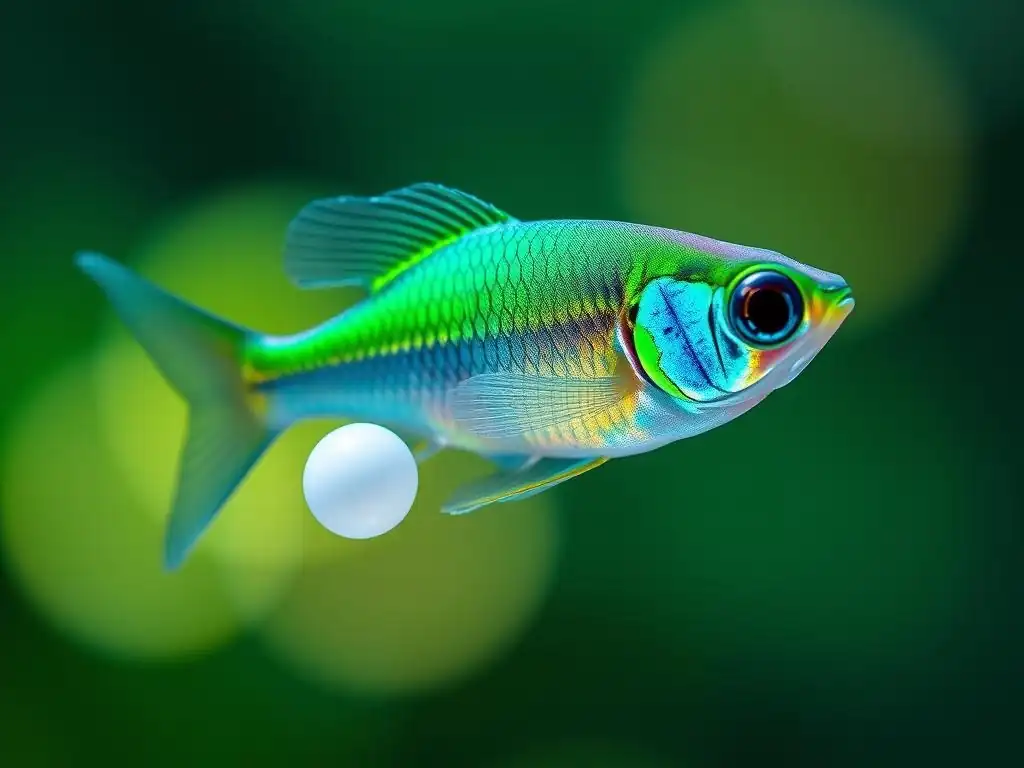
One of the most common frustrations in green neon tetra breeding is the presence of infertile eggs. These typically appear opaque white or cloudy within 24-48 hours after spawning, in contrast to healthy eggs which remain clear and translucent. The primary cause of infertility is often unsuitable water parameters, particularly water that is too hard or not acidic enough. Green Neon Tetras require very soft (0-2 dGH) and acidic (pH 5.0-5.5) water for successful fertilization and egg development.
To address this, re-evaluate and refine your water preparation process. Ensure you are using 100% RO or DI water and buffering it precisely to the target parameters. Another factor can be the conditioning of the breeding pair; underfed or stressed fish may produce non-viable eggs. Increasing the frequency and quality of live food feedings (e.g., brine shrimp, daphnia) for several weeks prior to attempting green neon tetra breeding can significantly improve egg fertility. Lastly, ensuring the male and female are mature and healthy is critical. Young or old fish may have reduced fertility rates.
Combating Fungal Infections in the Breeding Tank
Fungal infections, often appearing as a fuzzy white growth on eggs, are a significant threat during green neon tetra breeding. Fungi thrive on dead organic matter, including infertile eggs or decaying debris. If left unchecked, the fungus can spread rapidly to healthy eggs, leading to devastating losses.
To combat this, prompt removal of any infertile or fungused eggs is essential. A small pipette or turkey baster can be used to carefully siphon them out without disturbing healthy eggs. Maintaining impeccable water quality through daily small water changes is crucial, as clean water inhibits fungal growth.
Some aquarists use a very dilute solution of methylene blue as a prophylactic measure, adding a few drops to the breeding tank water after spawning. This helps prevent fungal spores from germinating on the eggs. Ensuring the breeding tank is kept in complete darkness for the first 24-48 hours after spawning also helps, as light can encourage fungal growth and stress eggs.
Resolving Issues with Fry Mortality
High fry mortality rates are a disheartening challenge in green neon tetra breeding. This can stem from a multitude of factors, including poor water quality, insufficient or inappropriate food, or sudden environmental changes. The tiny size and delicate nature of Green Neon Tetra fry make them highly susceptible to even minor deviations from optimal conditions.
To resolve fry mortality issues, meticulously review your fry rearing protocol. First, ensure water parameters (pH, GH, KH, temperature) remain stable and within the ideal range, performing daily small water changes with aged, properly conditioned water. Second, confirm that the fry are receiving adequate nutrition. If they are not growing or appear lethargic, their food source may be too large or insufficient.
Infusoria or liquid fry food for the first few days, followed by newly hatched brine shrimp nauplii, are critical. Third, avoid sudden changes in light, temperature, or water chemistry. Finally, ensure there is no strong current in the tank, which can exhaust the fry. Addressing these factors systematically can significantly improve fry survival rates in your green neon tetra breeding efforts.
Achieving Consistent Green Neon Tetra Breeding: Long-Term Strategies
Maintaining Genetic Diversity in Your Breeding Stock
For consistent and sustainable green neon tetra breeding, maintaining genetic diversity within your breeding stock is paramount. Repeatedly breeding from a limited number of individuals or closely related fish can lead to inbreeding depression, resulting in weaker offspring, reduced fertility, increased susceptibility to disease, and deformities. Over time, this can severely hinder your breeding success and the overall health of your line.
To prevent inbreeding, it is advisable to introduce new, unrelated breeding stock periodically, perhaps every 1-2 generations. This can involve purchasing fish from different reputable sources or swapping fish with other dedicated green neon tetra breeders. When selecting new stock, prioritize healthy, vibrant individuals with no signs of deformities or disease. Keeping detailed records of your breeding pairs and their offspring can help you track lineages and plan outcrosses effectively. By diversifying the gene pool, you enhance the vigor, resilience, and long-term viability of your green neon tetra breeding program.
Optimizing Breeding Conditions for Continuous Success
Achieving continuous success in green neon tetra breeding requires more than just occasional spawning; it demands ongoing optimization of all breeding parameters. This involves a commitment to consistently replicating the ideal conditions that trigger spawning and support fry development. Regular monitoring of water parameters (pH, GH, KH, temperature) is crucial, not just before spawning, but throughout the entire breeding cycle. Any deviation can stress the fish or harm eggs and fry.
Refining your feeding regimen is also key. Continuously providing a varied, high-quality diet, rich in live and frozen foods, ensures that your breeding stock remains in peak condition, ready to spawn regularly. Experiment with different spawning media or tank setups to see what yields the best results for your specific fish.
Keeping a detailed log of spawning dates, egg counts, hatch rates, and fry survival can provide invaluable insights into what works best and highlight areas for improvement. By meticulously observing your fish and fine-tuning every aspect of their environment and care, you can establish a robust and consistently successful green neon tetra breeding operation.
Frequently Asked Questions
What are the key challenges in breeding Green Neon Tetras?
The primary challenge is replicating their natural environment, requiring extremely soft, acidic water and dim lighting. Successfully breeding them often involves inducing spawning with specific water parameters and careful fry rearing.
What water parameters are crucial for Green Neon Tetra breeding?
To successfully breed Green Neon Tetras, you need very soft water (GH < 4) and acidic conditions (pH 5.5 - 6.5). Maintaining a stable temperature around 75-78°F (24-26°C) is also essential.
How do I induce spawning in Green Neon Tetras?
Simulate a rainy season by gradually lowering the water temperature and increasing water changes with soft, acidic water. Provide dense vegetation or spawning mops for the tetras to deposit their eggs.
What do Green Neon Tetra eggs and fry need to survive?
Green Neon Tetra eggs are light-sensitive, so keep the breeding tank dark. The fry require infusoria or liquid fry food initially, followed by baby brine shrimp as they grow.
How long does it take for Green Neon Tetra eggs to hatch and for fry to become free-swimming?
Green Neon Tetra eggs typically hatch within 24-36 hours. The fry become free-swimming after about 3-5 days and will require constant attention and feeding.
Final Reflection: Illuminating the Future of Green Neon Tetra Breeding
The journey into the world of Paracheirodon simulans, the elusive Green Neon Tetra, has revealed not only the complexities of its breeding but also the dedication required to preserve and propagate this delicate species. The advanced strategies explored highlight the ongoing pursuit of knowledge within the aquarium hobby, demonstrating a commitment to responsible fishkeeping and conservation.
This dedication extends beyond the individual aquarist, influencing the broader understanding and appreciation of aquatic biodiversity. The success of Green Neon Tetra breeding programs underscores the power of informed action and the potential for hobbyists to contribute meaningfully to species preservation. In the end, we will conserve only what we love; we will love only what we understand; and we will understand only what we are taught.
- Baba Dioum's words resonate deeply, reminding us that education and hands-on experience are crucial for fostering a genuine connection with the natural world.
As we conclude this exploration of Green Neon Tetra breeding, consider the profound impact even small actions can have on the future of this captivating species. Let the challenges overcome and the strategies unveiled inspire you to embrace the pursuit of knowledge and responsible practices in your own aquarium endeavors. By sharing your experiences and continuing to refine breeding techniques, you contribute to a brighter future for the Green Neon Tetra and the aquatic ecosystems it represents.
Unleash Your Inner Breeder: Embark on Your Green Neon Tetra Breeding Journey!
Thank you for diving into the fascinating world of Green Neon Tetras! We hope you’ve gained valuable insights into the advanced breeding techniques. Now, it's time to turn knowledge into action and witness the magic firsthand.
Here are a few ways you can continue your adventure:
- Take the plunge and set up your dedicated breeding tank! Remember to meticulously control water parameters and simulate the natural environment.
- Explore the Aquarium Mastery forums and share your experiences, challenges, and triumphs with fellow enthusiasts. Your insights could be invaluable to someone else!
- Try an unorthodox approach:experiment with introducing a small amount of blackwater extract to mimic the natural acidic conditions of their native habitat.
What surprising element will you introduce to elevate your Green Neon Tetra breeding game?