
Indian Triggerfish/Starry Trigger (Abalistes stellatus): Large, Active, and In Charge

Welcome to Aquarium Mastery!
Ever wondered if you could handle the vibrant personality and unique needs of a truly standout saltwater fish? The Indian Triggerfish, also known as the Starry Trigger, is a captivating species, but requires a dedicated aquarist. Dive into our comprehensive Starry Triggerfish care guide and discover if you have what it takes to provide the perfect home for this impressive creature. Are you ready to unlock the secrets to successfully keeping this beauty thriving? Let's find out!
- Starry Triggerfish (Abalistes stellatus): A Comprehensive Care Guide
- Introduction to Starry Triggerfish Care
- Identifying and Understanding the Starry Triggerfish
- Creating the Ideal Tank Environment
- Diet and Feeding
- Tank Mate Compatibility
- Maintaining Health and Preventing Disease
- Breeding in Captivity
- Advanced Care Techniques
- Is a Starry Triggerfish Right for You?
-
Frequently Asked Questions
- How large do Starry Triggerfish (Indian Triggerfish) typically grow in captivity?
- What type of aquarium setup is best suited for a Starry Triggerfish?
- What is the typical diet for a Starry Triggerfish, and how often should they be fed?
- Are Starry Triggerfish reef safe, and what tank mates are suitable?
- What are some common health issues to watch out for with Starry Triggerfish?
- Final Reflection: Embracing the Starry Triggerfish's Majesty
- Unleash Your Aquarium's Potential!
Starry Triggerfish (Abalistes stellatus): A Comprehensive Care Guide
Introduction to Starry Triggerfish Care
The Starry Triggerfish, scientifically known as Abalistes stellatus, is a captivating and robust marine species highly sought after by experienced aquarists. Renowned for its striking appearance and intelligent, albeit assertive, personality, this fish can be a magnificent centerpiece in a large, well-maintained saltwater aquarium. However, the unique demands of Starry Triggerfish care mean it is not suitable for novice hobbyists or smaller setups.
Successfully keeping a Starry Triggerfish requires a deep understanding of its specific environmental, dietary, and social needs. Its potential for significant size and its naturally dominant temperament necessitate careful planning and a considerable commitment to providing an appropriate habitat. This comprehensive Starry Triggerfish care guide aims to equip dedicated aquarists with the knowledge required to ensure the health and longevity of this remarkable species.
Identifying and Understanding the Starry Triggerfish
Distinguishing Physical Characteristics
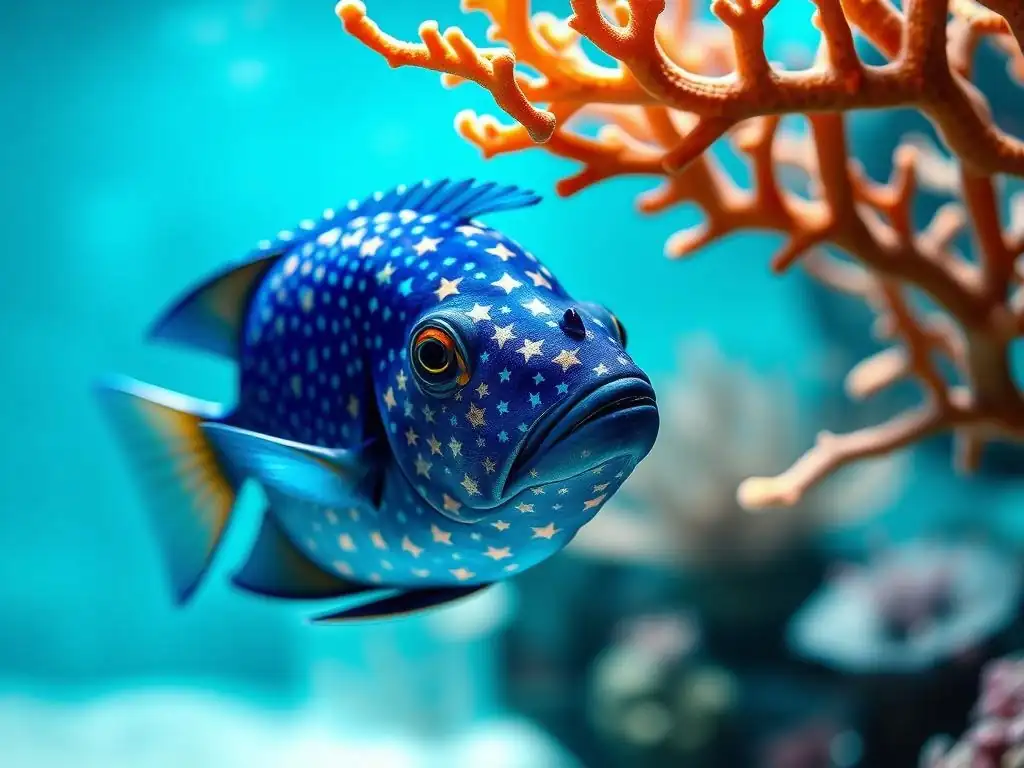
The Starry Triggerfish boasts a distinctive appearance that makes it easily recognizable. Its body is typically a drab olive-brown to grey, adorned with numerous small, bright blue or white spots, reminiscent of stars scattered across the night sky – hence its common name. These spots are particularly prominent on its dorsal and anal fins. A key feature shared with all triggerfish is the prominent first dorsal spine, which can be locked upright, acting as a defensive mechanism or a wedge in rock crevices.
This species has a laterally compressed, oval-shaped body with a small, powerful mouth containing strong teeth designed for crushing shells and coral. Its eyes are set high on its head, giving it an excellent field of vision. The caudal fin is often crescent-shaped in adults, contributing to its powerful swimming ability. Juveniles may display more pronounced patterning and a slightly different body shape, evolving as they mature.
Size and Lifespan
The Starry Triggerfish is one of the larger triggerfish species, reaching an impressive size. In their natural habitat, adults can grow up to 24 inches (approximately 60 cm) in length, though they typically max out around 18-20 inches (45-50 cm) in captivity with proper Starry Triggerfish care. This substantial size requires an equally substantial aquarium, a critical consideration for any potential owner.
With optimal conditions, including a meticulously maintained environment and a balanced diet, a Starry Triggerfish can live for a significant period. Their average lifespan in a well-managed home aquarium ranges from 10 to 15 years, with some individuals potentially living even longer. This longevity underscores the long-term commitment required to provide appropriate Starry Triggerfish care throughout its life.
Temperament and Natural Behavior
The temperament of the Starry Triggerfish is best described as highly intelligent, curious, and assertive, often displaying a dominant personality within the aquarium. They are naturally predatory, using their strong jaws to feed on crustaceans and mollusks in the wild. This predatory instinct translates into a need for a carnivorous diet and careful consideration of tank mates.
In their natural coral reef and rocky bottom habitats, Starry Triggerfish are primarily solitary, though they may occasionally be seen in pairs. They are known for their ability to rearrange aquarium decor, often moving rocks or sand to create their preferred territories or sleeping spots. Their "trigger" mechanism, which allows them to lock themselves into crevices, is a unique behavioral adaptation that can sometimes be observed in captivity, particularly if they feel threatened or are settling into a new space. Understanding these natural behaviors is fundamental to successful Starry Triggerfish care.
Creating the Ideal Tank Environment
Minimum Tank Size Requirements
Given the significant adult size and active nature of the Starry Triggerfish, providing an adequately sized aquarium is paramount for their well-being. A minimum tank size of 250 gallons (approximately 945 liters) is recommended for a single adult specimen. However, a 300-gallon (approximately 1135 liters) or larger system is even more ideal, allowing ample swimming space and reducing stress.
The large volume of water not only accommodates the fish's physical size but also helps dilute the substantial bioload produced by such a large, predatory species. Inadequate tank size can lead to stunted growth, increased aggression, and a compromised immune system, significantly shortening the lifespan of the Starry Triggerfish. Therefore, investing in a sufficiently large tank is the cornerstone of effective Starry Triggerfish care.
Essential Water Parameters
Maintaining stable and appropriate water parameters is critical for the health and vitality of the Starry Triggerfish. The ideal temperature range is between 75°F and 82°F (24°C to 28°C). Salinity should be kept stable at a specific gravity (SG) of 1.020 to 1.025. The pH level should consistently fall within the range of 8.1 to 8.4, typical for marine environments.
Furthermore, alkalinity (dKH) should be maintained between 8 and 12, and ammonia, nitrite, and nitrate levels must be kept as close to zero as possible, especially ammonia and nitrite. Regular testing of these parameters, at least once a week, is essential to detect and correct any fluctuations promptly. Consistent Starry Triggerfish care hinges on the stability of these water chemistry values.
Substrate and Aquascaping Considerations
When setting up the aquarium for a Starry Triggerfish, the choice of substrate and aquascaping elements plays a significant role in their comfort and behavior. A sand bed, approximately 2-4 inches deep, can be beneficial as these fish enjoy sifting through sand and may even attempt to burrow or excavate. However, some aquarists opt for a bare bottom tank to simplify cleaning and reduce detritus accumulation, which is also acceptable.
Aquascaping should provide ample rockwork with secure caves and crevices for the triggerfish to retreat into, fulfilling their natural instinct for shelter. However, it is crucial to ensure that the rock structures are extremely stable and cannot be toppled, as Starry Triggerfish are known for their strength and tendency to rearrange decor. Leaving plenty of open swimming space is equally important, as they are active swimmers. Avoid sharp or abrasive decorations that could injure their skin or fins.
Filtration and Water Quality Management
Due to their large size and carnivorous diet, Starry Triggerfish produce a significant amount of waste, necessitating robust and efficient filtration systems. A combination of mechanical, biological, and chemical filtration is highly recommended. A large sump with a powerful protein skimmer is essential for removing organic waste before it breaks down into harmful compounds. The skimmer should be oversized for the tank volume to handle the bioload effectively.
Biological filtration, such as live rock and bio-media, is crucial for converting ammonia and nitrite into less toxic nitrates. Regular partial water changes are indispensable for maintaining pristine water quality and replenishing essential trace elements. A general guideline is to perform a 20-25% water change bi-weekly, or 10% weekly, depending on the bioload and nitrate levels. Consistent monitoring of water parameters and adherence to a strict maintenance schedule are vital components of successful Starry Triggerfish care.
Diet and Feeding
Nutritional Requirements
The Starry Triggerfish is a carnivore with a robust appetite, and a varied, high-quality diet is fundamental to its long-term health and vibrant coloration. Their natural diet consists of crustaceans, mollusks, and small fish. In captivity, their diet should mimic this as closely as possible. Frozen foods are a staple and should include a wide array of marine proteins such as shrimp (mysis, brine, krill), squid, silversides, clams, mussels, and various types of marine-based frozen formulas.
It is crucial to offer a diverse diet to ensure they receive all necessary vitamins and minerals. Supplementing frozen foods with vitamin enrichments, especially those containing Vitamin C, can help boost their immune system and prevent nutritional deficiencies. Avoid over-reliance on a single food item, as this can lead to an imbalanced diet and health issues over time.
Feeding Schedule and Portion Control
For adult Starry Triggerfish, feeding once or twice daily is generally sufficient. Juvenile triggerfish, which are growing rapidly, may benefit from slightly more frequent feedings, perhaps two to three times a day. The key is to provide enough food that can be consumed within a few minutes, typically 2-3 minutes, to prevent overfeeding and subsequent water quality degradation.
Portion control is vital. Overfeeding not only pollifies the water, leading to elevated nitrates and phosphates, but can also contribute to obesity and other health problems in the fish. Observe your fish's body condition; a healthy Starry Triggerfish should have a full, but not distended, belly. Adjust the amount fed based on their size, activity level, and the overall cleanliness of the aquarium.
Preventing Dietary Issues
One of the most common dietary pitfalls in Starry Triggerfish care is the reliance on feeder fish. While they might readily consume them, feeder fish often carry diseases and parasites that can be detrimental to the triggerfish's health. Furthermore, they typically lack the diverse nutritional profile required for long-term health. It is strongly advised to avoid using live feeder fish.
Instead, focus on a varied diet of high-quality frozen and prepared marine foods. Regularly inspect the food for freshness and proper storage. Thawing frozen foods before feeding is recommended, and any uneaten food should be promptly removed from the tank to prevent decomposition and maintain water quality. A consistent and varied feeding regimen is a cornerstone of preventing dietary issues and ensuring robust health for your Starry Triggerfish.
Tank Mate Compatibility
Suitable Tank Companions
Selecting appropriate tank mates for a Starry Triggerfish is one of the most challenging aspects of Starry Triggerfish care due to their aggressive and predatory nature. They are best housed in a species-only tank or with very large, robust, and equally assertive fish that can hold their own. Suitable companions might include other large triggerfish species (in very spacious aquariums, with caution), large groupers, snappers, lionfish (with careful consideration of size differences), and large angelfish (e.g., Emperor Angelfish, Queen Angelfish).
It is crucial that any potential tank mate is significantly larger than the Starry Triggerfish's mouth and can tolerate its boisterous behavior. The tank must also be large enough to provide ample individual territories for all inhabitants, reducing direct conflict. Even with seemingly suitable tank mates, constant vigilance is required, especially during feeding times.
Incompatible Species
The list of incompatible species for a Starry Triggerfish is extensive. Any small fish, regardless of their temperament, will be viewed as potential prey. This includes popular aquarium fish like damselfish, clownfish, gobies, and most wrasses. Similarly, all invertebrates – including crabs, shrimp, snails, and even large cleaner shrimp – are highly likely to be consumed or harassed.
Corals and other sessile invertebrates are also generally incompatible. Starry Triggerfish are known to nip at corals, rearrange rockwork, and consume beneficial invertebrates that are essential for a healthy reef environment. Therefore, they are not suitable for reef tanks. Peaceful or docile large fish, even if not prey, may be subjected to constant harassment and stress, leading to health decline.
Managing Aggression
Managing aggression in a Starry Triggerfish tank requires proactive strategies. Providing ample space is the primary method; overcrowding exacerbates territorial disputes. Strategic aquascaping with multiple caves, overhangs, and visual barriers can help break up lines of sight and establish distinct territories for each fish. Introducing less aggressive tank mates first, allowing them to establish themselves before the triggerfish, can sometimes mitigate initial aggression, but this is not guaranteed.
Observation is key. Monitor interactions closely, especially during feeding. If one fish is consistently harassed or shows signs of stress (e.g., clamped fins, hiding, refusing food), it may need to be removed for its safety. In some cases, rearranging the rockwork can disrupt established territories and temporarily reset the pecking order, offering a brief respite from aggression. Understanding and managing aggression is a critical component of successful Starry Triggerfish care.
Maintaining Health and Preventing Disease
Recognizing Common Diseases
Despite their robust nature, Starry Triggerfish are susceptible to common marine fish diseases, particularly if stressed by poor water quality, inadequate diet, or incompatible tank mates. Common ailments include Marine Ich (Cryptocaryon irritans), characterized by white spots resembling salt grains on the body and fins, and Marine Velvet (Amyloodinium ocellatum), which appears as a dusty, yellowish film. Bacterial infections can manifest as fin rot, cloudy eyes, or open sores.
Other issues might include internal parasites, often indicated by lethargy, weight loss despite eating, or stringy white feces. Nutritional deficiencies, usually from a lack of dietary variety, can lead to faded colors, stunted growth, or specific organ issues. Early detection is crucial for successful treatment; regularly observe your Starry Triggerfish for any changes in behavior, appetite, coloration, or physical appearance.
Quarantine Procedures
Implementing a strict quarantine procedure for all new arrivals is arguably the most effective measure in preventing disease introduction into your main display tank. A separate quarantine tank (QT) of at least 50-75 gallons for a juvenile Starry Triggerfish, equipped with basic filtration and heating, should be set up. New fish should spend a minimum of 4-6 weeks in the QT.
During this quarantine period, observe the fish closely for any signs of disease, ensure it is eating well, and gradually acclimate it to your aquarium's water parameters. This allows time for any latent diseases to manifest and be treated without risking the health of existing inhabitants. Prophylactic treatments can also be administered during this time if deemed necessary. This proactive approach significantly reduces the risk of widespread disease outbreaks in your main system, making it an indispensable part of comprehensive Starry Triggerfish care.
Proactive Health Management
Beyond quarantine, proactive health management is central to long-term Starry Triggerfish care. This involves maintaining consistently stable and pristine water parameters through regular water changes, efficient filtration, and routine testing. A high-quality, varied diet, as previously discussed, is essential for a strong immune system.
Minimize stress factors by providing an adequately sized tank, appropriate tank mates, and plenty of hiding spots. Avoid sudden changes in water parameters or environment. Regular observation of your fish's behavior and physical condition allows for early intervention should any issues arise. By focusing on prevention and providing an optimal environment, you can significantly reduce the likelihood of your Starry Triggerfish succumbing to illness and ensure its vibrant health for many years.
Breeding in Captivity
Challenges of Breeding
Breeding Starry Triggerfish ( Abalistes stellatus) in captivity, particularly in home aquaria, is exceptionally challenging and rarely, if ever, documented as successful. These large, aggressive, and long-lived fish have complex reproductive behaviors that are difficult to replicate outside their natural environment. In the wild, they are pelagic spawners, meaning they release eggs and sperm into the open water, where fertilization occurs, and the eggs float freely before hatching.
The sheer size requirements for a breeding pair, the need for precise environmental cues to induce spawning, and the difficulty of raising the microscopic larval stages all contribute to the rarity of captive breeding. Furthermore, their aggressive nature can make pairing a challenge, as male and female interactions can quickly escalate to injury without vast space and careful management. For the vast majority of aquarists, successful breeding of the Starry Triggerfish remains an unattainable goal, and individuals are almost exclusively wild-caught.
Advanced Care Techniques
Maintaining Optimal Water Quality
For a large, high-bioload fish like the Starry Triggerfish, advanced water quality management goes beyond basic filtration. Utilizing an oversized protein skimmer, designed for a tank volume significantly larger than your actual tank, is highly recommended to efficiently remove organic waste. Implementing a refugium can also be beneficial, providing a space for macroalgae to consume nitrates and phosphates, further stabilizing water chemistry.
Consider advanced chemical filtration methods such as granular ferric oxide (GFO) for phosphate removal or activated carbon to polish water and remove dissolved organic compounds. Regular use of high-quality, precise test kits for ammonia, nitrite, nitrate, phosphate, pH, alkalinity, and calcium is essential. Automated dosing systems can also be employed for precise control of alkalinity and calcium, ensuring stability, which is paramount for the long-term health of your Starry Triggerfish.
Managing Aggression and Territoriality
Advanced strategies for managing the inherent aggression and territoriality of the Starry Triggerfish include meticulous tank design. When aquascaping, create multiple distinct territories and visual breaks using live rock or artificial structures. This can help prevent any single fish from dominating the entire tank and reduce line-of-sight aggression. Ensure there are more hiding spots than fish, allowing all inhabitants to retreat when stressed.
Careful observation of the fish's hierarchy and behavior is crucial. If aggression becomes problematic, consider rearranging the rockwork; this can sometimes "reset" territories and alleviate conflict temporarily. In multi-fish setups, introducing a new fish can sometimes redistribute aggression, but this is a high-risk strategy that should only be attempted by very experienced aquarists with backup plans for removal. Understanding and proactively addressing aggression is a cornerstone of advanced Starry Triggerfish care.
Acclimation Strategies
Proper acclimation is a critical, yet often overlooked, advanced care technique that significantly impacts the long-term health and stress levels of a new Starry Triggerfish. Rather than simply floating the bag and releasing, a slow drip acclimation method is highly recommended. This involves slowly dripping tank water into the bag or a separate container with the new fish over a period of 1 to 2 hours, gradually adjusting the fish to your tank's specific temperature, pH, and salinity.
Once acclimated, introduce the fish with the main tank lights off or dimmed to reduce stress and allow it to explore its new environment without immediate harassment from existing inhabitants. Monitor the fish closely for the first few hours and days, ensuring it finds hiding spots and begins to explore. A less stressful acclimation process directly contributes to a stronger immune system and better long-term outcomes, making it a vital part of comprehensive Starry Triggerfish care.
Is a Starry Triggerfish Right for You?
Assessing Experience and Tank Capacity
Acquiring a Starry Triggerfish is a significant commitment that requires a realistic assessment of your experience level and tank capacity. This species is unequivocally not suitable for beginners. Their large size, aggressive tendencies, specific dietary needs, and considerable bioload demand a level of expertise typically found in seasoned marine aquarists. You should be comfortable with advanced filtration, water chemistry management, and the nuances of aggressive fish behavior.
Beyond experience, the physical capacity of your setup is paramount. As previously mentioned, a minimum of 250-300 gallons is required for a single adult Starry Triggerfish. This translates to substantial space, weight, and financial investment in the tank itself, along with the necessary filtration and equipment. If you cannot provide a tank of this size or larger, a Starry Triggerfish is simply not an appropriate choice, regardless of your experience.
Commitment to Care
Owning a Starry Triggerfish entails a long-term commitment, potentially spanning 10 to 15 years or more. This means being prepared for daily feeding, consistent water quality monitoring, and regular, often extensive, tank maintenance. Their powerful jaws and tendency to rearrange decor mean that equipment must be robust and secured, and you must be prepared for the occasional shift in your aquascape.
The financial commitment also extends beyond the initial purchase. Power consumption for large pumps and chillers, ongoing costs for high-quality frozen foods, and the potential need for medications or specialized equipment can add up. A Starry Triggerfish is a demanding but incredibly rewarding species for those willing and able to provide the dedicated Starry Triggerfish care it requires throughout its extended lifespan.
Selecting a Reputable Supplier
When you decide that a Starry Triggerfish is indeed the right addition to your advanced marine aquarium, selecting a reputable supplier is crucial. Look for local fish stores or online vendors with a strong track record of ethical sourcing and excellent animal husbandry. A good supplier will have healthy, active fish in clean, well-maintained systems.
Observe the fish before purchasing: it should be alert, free of visible spots or blemishes, and actively swimming. Ask questions about its feeding habits, how long it has been at the facility, and its original source. A reputable dealer will be transparent and able to provide this information. Avoiding stressed or unhealthy specimens from questionable sources is a vital step in ensuring a successful and healthy start to your Starry Triggerfish care journey.
Frequently Asked Questions
How large do Starry Triggerfish (Indian Triggerfish) typically grow in captivity?
Starry Triggerfish are large fish, reaching up to 20 inches in the aquarium. Therefore, a very large tank is required to accommodate their adult size.
What type of aquarium setup is best suited for a Starry Triggerfish?
They need a large saltwater aquarium with plenty of swimming space and robust filtration. The tank should have plenty of rock work and hiding places, but also open areas.
What is the typical diet for a Starry Triggerfish, and how often should they be fed?
They have a varied diet including meaty foods like shrimp, squid, and fish. Feed them 2-3 times a day in smaller portions.
Are Starry Triggerfish reef safe, and what tank mates are suitable?
No, Starry Triggerfish are not reef safe as they will eat invertebrates. Suitable tank mates include larger, aggressive fish that can hold their own.
What are some common health issues to watch out for with Starry Triggerfish?
Common issues include ich (white spot disease) and other parasitic infections. Maintaining proper water parameters is crucial for preventing illness.
Final Reflection: Embracing the Starry Triggerfish's Majesty
The preceding exploration of the Abalistes stellatus, or Starry Triggerfish, underscores a critical point: even within the seemingly well-trodden paths of aquarium keeping, there remains a vast ocean of knowledge to be discovered and responsibly shared. Understanding the specific needs of this magnificent creature is not just about successful fishkeeping; it's about contributing to a more informed and ethical approach to the hobby as a whole.
The allure of the Starry Triggerfish lies not only in its striking appearance but also in the responsibility it demands. This journey into its care requirements has personally reinforced the importance of thorough research and a commitment to providing the best possible environment for any animal under our care. We are tied to the ocean. And when we go back to the sea, whether it is to sail or to watch - we are going back from whence we came.
- John F. Kennedy. This quote resonates deeply, reminding us of our inherent connection to the marine world and the obligation to protect its inhabitants, even within the confines of our aquariums.
Now, as you consider adding a Starry Triggerfish to your aquatic family, or simply reflect on the information presented, I urge you to embrace the spirit of continuous learning and responsible stewardship. Let this "Starry Triggerfish care guide" be more than just a set of instructions; let it be a catalyst for deeper understanding, a commitment to ethical practices, and a celebration of the incredible biodiversity our planet offers. Dive deeper, learn more, and ensure that your passion for marine life translates into a brighter future for these magnificent creatures.
Unleash Your Aquarium's Potential!
Thank you for diving into the fascinating world of the Starry Triggerfish! Now that you're equipped with the knowledge to appreciate these magnificent creatures, let's put that understanding into action.
Here's how you can take the next step:
- Consider if your current or future setup can truly provide the space and environment needed to thrive before acquiring a Starry Triggerfish. Remember, responsible fish keeping always comes first!
- Explore other fascinating large fish species suitable for advanced aquarists. Expand your knowledge and discover more of the ocean's incredible biodiversity.
- Share this article with fellow aquarium enthusiasts! Spread the word about the importance of responsible Triggerfish ownership and help others appreciate these amazing animals.
What are the most challenging aspects you anticipate when caring for a large, active fish like the Starry Triggerfish, and how would you address them in your aquarium?