
Anemone Splitting: Propagation and Its Impact on Your Clownfish's Symbiosis

Welcome to Aquarium Mastery!
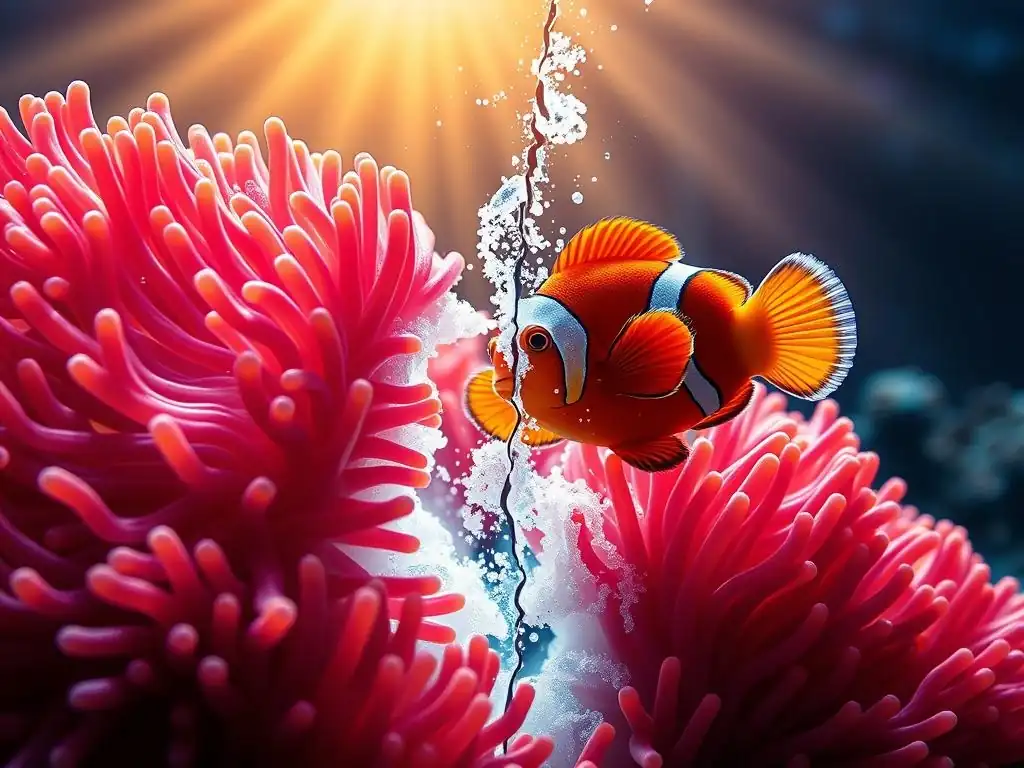
Ever wondered about the fascinating process of anemone splitting and how it affects your clownfish's cozy home? Dive in! Our comprehensive guide to Clownfish anemone splitting care unravels the mysteries of this natural propagation method and its impact on the delicate symbiosis within your saltwater aquarium. Get ready to explore the ins and outs of anemone propagation and learn how to best support your clownfish's well-being. Let's get started!
- Understanding Anemone Splitting for Clownfish Keepers
- Factors Influencing Anemone Division
- Identifying and Preparing for Anemone Splitting
- The Anemone Splitting Process: A Step-by-Step Guide
- Clownfish Behavior After Anemone Division
- Common Challenges and Troubleshooting Anemone Splitting
- Benefits of Anemone Splitting for Clownfish and Your Aquarium
- Advanced Techniques for Anemone Propagation
- Long-Term Anemone and Clownfish Care After Splitting
- Ethical Considerations for Anemone Propagation
- Conclusion: Mastering Clownfish Anemone Splitting Care
- Frequently Asked Questions
- Final Reflection: Nurturing Symbiosis Through Understanding
- Cultivate New Life: Propagate Your Anemone and Strengthen the Bond!
Understanding Anemone Splitting for Clownfish Keepers
What is Anemone Splitting? A Natural Form of Propagation
Anemone splitting, also known as fission or clonal propagation, is a natural asexual reproductive process where a single anemone divides into two or more genetically identical individuals. This typically occurs through longitudinal fission, where the anemone tears itself in half, starting from the mouth and extending down to the pedal disc. Less common methods include pedal laceration, where small pieces of the anemone's foot detach and develop into new, miniature anemones, though this is more often associated with stress or injury than a planned reproductive strategy for large host anemones.
This remarkable process is often a strong indicator of a thriving and healthy anemone within a stable aquarium environment. While stress can sometimes induce splitting as a survival mechanism, a healthy split typically signifies that the anemone has accumulated sufficient energy reserves and is responding positively to optimal conditions. Understanding this fundamental biological process is crucial for aquarists aiming for successful Clownfish anemone splitting care, as it directly impacts tank dynamics and the well-being of their symbiotic partners.
Why Anemone Splitting Matters for Clownfish Symbiosis
The phenomenon of anemone splitting holds significant implications for clownfish keepers, as anemones are the indispensable hosts for these popular marine fish. When an anemone successfully divides, it effectively doubles the available host real estate within the aquarium. This can be particularly beneficial in setups housing multiple clownfish, offering each pair or individual a dedicated host, or for aquarists hoping to provide future breeding pairs with ample space and options. This expansion directly influences the strategic approach to Clownfish anemone splitting care.
However, the impact isn't always immediately straightforward. A newly split anemone will typically be smaller and potentially weaker than its parent, requiring time to grow and fully recover. Clownfish, known for their strong host preferences, might initially show hesitation or even aggression towards the smaller, new host. In some instances, multiple clownfish may attempt to occupy the same newly formed anemone, leading to competition. Therefore, careful observation and proactive Clownfish anemone splitting care are essential to ensure a smooth transition and re-establishment of the symbiotic relationship.
Factors Influencing Anemone Division
Species of Anemone Prone to Splitting: A Detailed Look
Not all anemone species are equally prone to spontaneous splitting in a home aquarium setting; some are far more common propagators than others. The Bubble Tip Anemone (Entacmaea quadricolor), especially the rose and green varieties, is by far the most frequently observed species to undergo fission. Other species like the Sebae Anemone (Heteractis crispa) and Long Tentacle Anemone (Macrodactyla doreensis) can also split, though less commonly and often under specific, sometimes stressful, conditions. Species such as the Magnificent Anemone (Heteractis magnifica) or Carpet Anemones (Stichodactyla gigantea) are generally very reluctant to split naturally in captivity.
Even within a single species like the Bubble Tip Anemone, there can be significant variability in splitting propensity. Certain genetic strains or individual specimens may be more predisposed to dividing, often influenced by their age and maturity. For example, a mature Bubble Tip Anemone, typically aged 1.5 to 3 years and having reached a diameter of 7 to 10 inches, is statistically much more likely to split than a younger, smaller specimen. This inherent genetic and developmental predisposition is a key consideration when planning for or observing Clownfish anemone splitting care.
Optimal Water Parameters for Healthy Anemone Growth and Splitting
Maintaining stable and optimal water parameters is paramount for encouraging healthy anemone growth and, subsequently, natural splitting. Temperature should be consistently maintained within a narrow range, ideally between 75-78°F (24-25.5°C), as fluctuations can induce stress. Salinity is equally critical, with a specific gravity of 1.025-1.026 being ideal. Moreover, trace elements and major ions must be stable: alkalinity (dKH) should be kept between 8-12 dKH, calcium levels around 400-450 ppm, and magnesium between 1250-1350 ppm. Significant deviations or rapid swings in these parameters can either inhibit a healthy split or trigger a stress-induced, potentially detrimental division.
Beyond these core parameters, nutrient control plays a vital role. While anemones require some nutrients, elevated levels of nitrates (ideally below 10-20 ppm) and phosphates (below 0.03 ppm) can impede their overall health and reduce their capacity for successful propagation. Regular water changes, typically 10-20% every two to four weeks, are essential for replenishing trace elements and removing accumulated waste products. A robust filtration system, including protein skimming and potentially refugiums, helps maintain the pristine water quality necessary for an anemone to have the energy reserves required for the demanding process of fission, directly impacting the success of Clownfish anemone splitting care.
Lighting and Feeding: Essential Elements for Anemone Propagation
Adequate and appropriate lighting is a cornerstone for the health and propagation of photosynthetic anemones, which host zooxanthellae algae within their tissues. These symbiotic algae convert light energy into food for the anemone, providing a significant portion of its nutritional needs—often up to 70-80%. Strong, full-spectrum lighting, such as high-quality LED or T5HO fixtures, with PAR (Photosynthetically Active Radiation) values typically ranging from 150-350 at the anemone's location, depending on the species and its acclimatization, is crucial. A consistent photoperiod, usually 10-12 hours daily, helps regulate the anemone's biological rhythms and energy production, making healthy splitting more likely.
While light provides the bulk of their energy, supplemental feeding is equally vital for robust growth and the energy-intensive process of splitting. Anemones are carnivorous and benefit significantly from meaty foods. Offering items such as mysis shrimp, chopped silversides, krill, or even small pieces of squid 2-3 times per week, depending on the anemone's size and species, ensures they receive essential proteins and fats. A well-fed anemone accumulates the necessary energy reserves to undergo division successfully, recover quickly, and continue to thrive. Therefore, a comprehensive strategy for Clownfish anemone splitting care must include both optimal lighting and consistent, nutritious feeding.
Identifying and Preparing for Anemone Splitting
Recognizing the Signs of an Anemone About to Divide
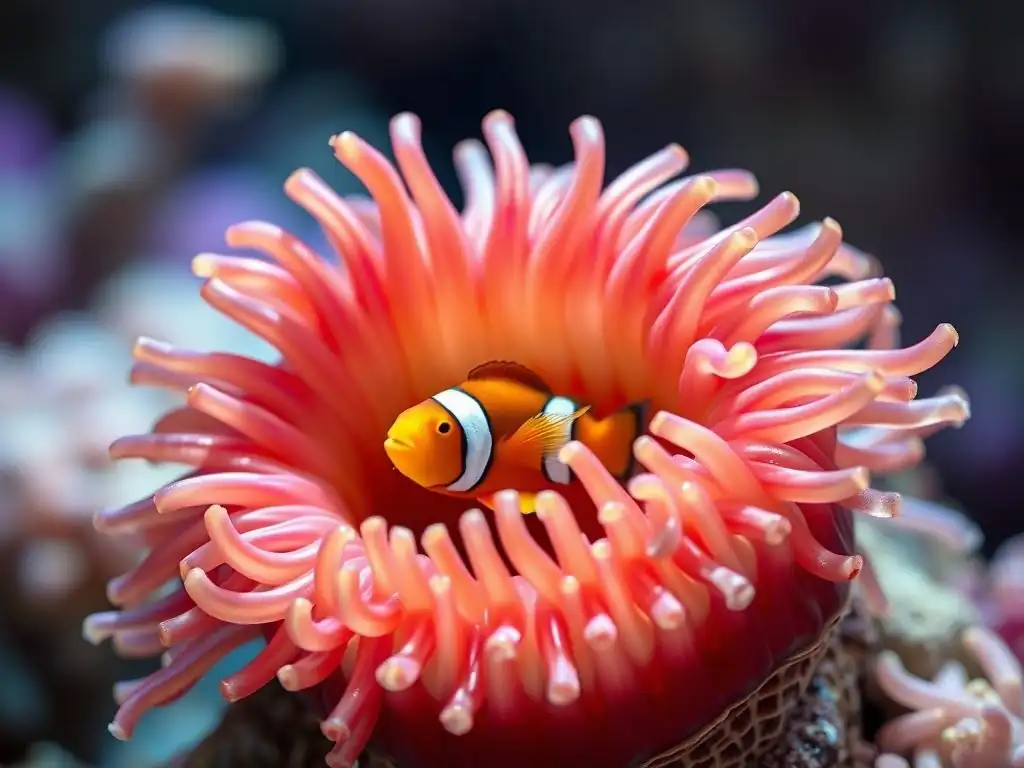
Observing the subtle cues an anemone displays before splitting can give aquarists a crucial head start in preparing for the event. One of the most common early signs is a significant elongation of the anemone's body, often stretching vertically or horizontally across the substrate. The oral disc may also become unusually stretched or distorted, sometimes taking on an hourglass or figure-eight shape as the two halves begin to pull apart. In some cases, the mouth may appear to duplicate or become elongated before the full division commences.
Another key indicator is a period of prolonged retraction or "shrinking," often lasting several days to over a week, followed by a re-inflation that appears slightly off-kilter or asymmetrical. The anemone might also detach from its usual anchor point and move to a new location, often a less exposed area, before initiating the split. While these signs are strong indicators, it's important to note that not every stretched or retracted anemone is about to split; however, when several of these behaviors are observed concurrently, it’s a strong signal to begin preparing for Clownfish anemone splitting care.
Preparing Your Aquarium for New Anemones
Once signs of impending division are noted, preparing the aquarium environment becomes critical for the success of Clownfish anemone splitting care. The primary goal is to ensure that both the parent and newly formed anemones have suitable, stable locations to anchor and thrive. If the anemone is splitting on a rock, consider if there's enough space for two distinct individuals; if not, you might need to gently re-scape or ensure adjacent rocks are stable enough for migration. Ensure there are no strong, direct powerhead currents that could dislodge a newly split, vulnerable anemone, as they will be less capable of holding on.
It is also advisable to perform a small water change (e.g., 10%) to ensure pristine water quality, minimizing any potential stressors during the division process. Test all critical water parameters (temperature, salinity, alkalinity, calcium, magnesium, nitrates, phosphates) to confirm they are within optimal ranges. Having a separate, smaller quarantine or acclimation tank ready with established water parameters and minimal flow can also be beneficial if you plan to isolate one of the new anemones, especially if you have multiple clownfish or other aggressive tank mates. This proactive preparation significantly increases the chances of a successful split and recovery.
Essential Equipment for Anemone Splitting Success
While anemone splitting is a natural process, having certain essential equipment on hand can greatly aid in successful Clownfish anemone splitting care and ensure the well-being of the newly formed individuals. A high-quality water testing kit is indispensable for monitoring parameters like alkalinity, calcium, magnesium, nitrates, and phosphates, allowing for quick adjustments if levels deviate. A reliable refractometer for salinity checks and a consistent thermometer are also crucial for maintaining the stable environment that is key to healthy division and recovery.
Furthermore, a gentle, controllable powerhead or wavemaker can be useful for directing flow around the newly split anemones, ensuring they receive adequate water movement without being blasted by strong currents. A small, soft net or a dedicated anemone-safe container might be beneficial if one of the new anemones detaches and begins to float around the tank, allowing for safe retrieval and re-homing. Lastly, having a supply of high-quality, meaty foods (like frozen mysis or krill) is important for post-splitting nourishment, as the anemones will require extra energy for recovery and growth.
The Anemone Splitting Process: A Step-by-Step Guide
Monitoring the Anemone During the Splitting Process
Once an anemone begins to show definitive signs of splitting, continuous and careful monitoring becomes paramount for effective Clownfish anemone splitting care. The actual division can take anywhere from a few hours to several days, depending on the species, the anemone's health, and tank conditions. During this period, observe for any signs of extreme distress, such as significant tissue loss, deflated appearance for prolonged periods (more than 24-48 hours without re-inflation), or the expulsion of zooxanthellae (bleaching). While some retraction and distortion are normal, excessive bleaching can indicate a problem.
Pay close attention to the clownfish's behavior as well. They may continue to host the splitting anemone, or they might temporarily abandon it if it becomes too distorted or unstable. Ensure the anemone remains securely attached to its substrate throughout the process. If it detaches and begins to float around the tank, gently guide it to a safe, low-flow area where it can re-attach, or consider temporarily placing it in a small, weighted container within the tank to prevent it from entering powerheads or overflow boxes.
Providing Support and Maintaining Water Quality
During the active splitting phase, the anemone is under significant physiological stress, making consistent environmental support crucial for successful Clownfish anemone splitting care. Maintain pristine water quality by ensuring all parameters (temperature, salinity, alkalinity, calcium, magnesium, nitrates, phosphates) remain stable and optimal. Avoid large water changes or significant tank disturbances during this sensitive period, as sudden shifts can exacerbate stress. If water parameters are slightly off, make very gradual adjustments over several days.
Reduce strong water flow directly on the splitting anemone, as excessive turbulence can hinder the delicate process of tissue separation and re-attachment. If the anemone is in a high-flow area, consider temporarily redirecting powerheads or placing a small piece of live rock to create a more sheltered zone.
While feeding the anemone is generally beneficial, during the most active phase of splitting (when it's highly distorted), it might be best to pause feeding for a day or two to avoid uneaten food decaying in the water column and adding to the bioload. Resume light feeding once the split is complete and the new anemones begin to show signs of recovery.
Post-Splitting Care: Ensuring the Health of Both Anemones
After the successful division, the focus of Clownfish anemone splitting care shifts to ensuring the health and recovery of both new anemones. Initially, the newly formed individuals will likely be smaller, potentially paler, and may appear somewhat deflated. This is normal as they recover from the energy-intensive process. Provide them with a stable environment with consistent water parameters and appropriate lighting. Avoid moving them unless absolutely necessary, allowing them to firmly re-attach to their chosen spots.
Begin offering small, high-quality meaty foods (e.g., finely chopped mysis shrimp or krill) to each new anemone every 2-3 days. This supplemental feeding is critical for replenishing their energy reserves and promoting rapid growth and color recovery. Monitor for signs of full recovery, such as full inflation, vibrant color, and strong tentacle response to food. It may take several weeks to a few months for the new anemones to fully mature and regain their original size and vigor, and consistent Clownfish anemone splitting care during this period is vital.
Clownfish Behavior After Anemone Division
Re-establishing the Symbiotic Relationship: Clownfish and New Anemones
Following an anemone split, the established clownfish in your aquarium will need to adapt to the new configuration of their host. Initially, they may continue to host the larger or more familiar of the two newly formed anemones. However, it is common for clownfish to eventually explore and potentially host the second, newly independent anemone. This re-establishment of the symbiotic relationship can take time, ranging from a few hours to several days, as the clownfish investigate the new host's suitability and stability.
In tanks with a single pair of clownfish, one fish might host one anemone while the other hosts the second, or they might alternate between both. For aquarists practicing Clownfish anemone splitting care with multiple clownfish (e.g., a bonded pair and their offspring, or two distinct pairs in a large tank), the split provides a valuable opportunity to potentially distribute hosting duties, reducing competition for a single host. Patience is key, as the clownfish's natural instincts will guide them in finding suitable shelter, and they typically re-establish their symbiotic bond once the new anemones settle and stabilize.
Potential Changes in Clownfish Behavior: What to Expect
The splitting of their host anemone can induce various behavioral changes in clownfish, and understanding these is part of effective Clownfish anemone splitting care. Initially, clownfish may appear confused, darting between the two new anemones or exhibiting increased activity as they assess the altered landscape. They might temporarily abandon the anemone entirely if it is severely deflated or unstable during the splitting process, seeking refuge in live rock or other tank features. This temporary displacement is generally not a cause for alarm, provided they return to a host once it stabilizes.
In some cases, particularly if the newly split anemones are small or weak, clownfish might become more territorial over the preferred host, potentially nipping at tank mates or even their own partners if they feel their space is encroached upon. Observing these changes allows aquarists to intervene if necessary, such as by providing additional hiding spots or, in extreme cases, temporarily separating the more aggressive fish. Generally, these behavioral shifts are temporary, and the clownfish will revert to their normal patterns once the new anemones settle and grow.
Managing Aggression and Territory Disputes After Splitting
While anemone splitting can ultimately provide more host options, the immediate aftermath may sometimes trigger aggression or territory disputes among clownfish, especially in multi-clownfish setups. If a dominant clownfish or pair claims both new anemones, or if the new anemones are too close together, submissive or younger clownfish may be prevented from hosting. This can manifest as chasing, fin nipping, or even physical altercations. Effective Clownfish anemone splitting care includes strategies to mitigate such conflicts.
One approach is to ensure adequate space between the newly split anemones. If they settle too close, and aggression becomes a persistent issue, carefully and gently moving one anemone to a more distant part of the tank (if it has not fully anchored yet) can help establish separate territories.
Providing additional hiding spots in the rockwork can also offer refuge for less dominant fish. In rare, severe cases where aggression poses a threat to the health of the fish, temporary separation of the aggressor into a quarantine tank may be necessary until the new anemones are larger and the tank dynamics stabilize.
Common Challenges and Troubleshooting Anemone Splitting
Anemone Splitting Failure: Causes and Solutions
While anemone splitting is a natural process, it doesn't always go perfectly, and understanding potential failures is crucial for Clownfish anemone splitting care. One common issue is an incomplete split, where the anemone begins to divide but then stops, leaving two partially separated individuals or a malformed single anemone. This often results from insufficient energy reserves, fluctuating water parameters during the process, or underlying health issues in the anemone. If this occurs, focus on providing pristine water quality, optimal lighting, and increased, high-quality feeding to boost the anemone's health.
Another failure scenario involves the anemone dying during or immediately after the split. This is usually due to severe stress, disease, or critically poor water conditions. If an anemone begins to decay, it's vital to remove it promptly to prevent ammonia spikes and the spread of pathogens. To prevent future failures, consistently maintain stable parameters, ensure robust filtration, and provide a varied, nutritious diet. If a split fails, allow the remaining anemone ample time to recover before considering any further interventions or expecting another natural division.
Dealing with Anemone Stress After Splitting
Anemone splitting is an incredibly energy-intensive and stressful event for the organism, and post-splitting stress is a common challenge in Clownfish anemone splitting care. Signs of stress in newly split anemones include prolonged deflation, pale coloration (due to zooxanthellae expulsion), shrunken tentacles, and a lack of response to food. While some initial paleness and shrinkage are normal, if these symptoms persist for more than a few days to a week, it indicates significant stress.
To mitigate post-splitting stress, ensure all water parameters are perfectly stable and within optimal ranges; even minor fluctuations can hinder recovery. Reduce strong direct flow on the anemones, as they are weaker and more vulnerable to being dislodged. Offer small, frequent feedings of highly nutritious, easily digestible foods like finely chopped mysis shrimp or plankton. Avoid adding new fish or corals to the tank immediately after a split, as any additional stress or competition can delay recovery. Consistent, gentle care and patience are the best remedies for post-splitting stress.
Preventing Diseases and Infections in Newly Split Anemones
Newly split anemones are particularly vulnerable to diseases and infections due to the physical trauma of division and the energy expended during the process. Their tissues are more susceptible to bacterial infections, and their immune systems may be temporarily compromised. Therefore, a proactive approach to preventing diseases is a critical aspect of Clownfish anemone splitting care.
Maintaining impeccable water quality is the most effective preventative measure. Low nitrates (below 5-10 ppm) and undetectable phosphates are crucial, as high nutrient levels can foster bacterial growth. Ensure excellent water circulation to prevent dead spots where pathogens can accumulate.
Avoid introducing new livestock to the tank immediately after a split, as new additions can bring in new pathogens. If you observe any unusual lesions, discoloration, or a slimy appearance on the anemones, it could indicate a bacterial infection. In such cases, ensure water quality is perfect and consider a broad-spectrum antibiotic dip in a separate container if the situation is severe, though this should be a last resort and only done by experienced aquarists.
Benefits of Anemone Splitting for Clownfish and Your Aquarium
Increased Host Options for Your Clownfish
One of the most immediate and tangible benefits of successful anemone splitting, particularly for Clownfish anemone splitting care, is the doubling of host options for your clownfish. In a tank with a single pair of clownfish, this can provide each fish with its own preferred host, potentially reducing competition for prime real estate. For aquarists housing multiple clownfish, such as a bonded pair and their offspring, or attempting to house two distinct pairs in a sufficiently large system, having two or more host anemones can significantly alleviate territorial disputes and provide ample shelter for all.
This increased availability of hosts contributes to the overall well-being and reduced stress levels of the clownfish. Instead of one anemone being constantly "over-hosted" or potentially stressed by multiple inhabitants, the burden is shared. This can lead to more natural clownfish behavior, including less aggression and more opportunities for breeding. Ultimately, more host options translate to a more harmonious and stable environment for your captive-bred clownfish.
Expanding Your Anemone Population Naturally
Beyond the benefits for clownfish, anemone splitting offers a fantastic opportunity to naturally expand your anemone population without purchasing additional specimens. This is particularly appealing for aquarists who appreciate the aesthetic and ecological value of these captivating invertebrates. A successful split means you now have two genetically identical anemones, effectively doubling your investment and the visual impact within your reef tank.
This natural propagation method is also more sustainable than continuously sourcing wild-caught anemones, promoting responsible aquarium practices. It allows aquarists to share or trade their excess anemones with other hobbyists, fostering a community of sustainable reef keeping. The ability to grow your own anemones from a single healthy specimen is a testament to successful Clownfish anemone splitting care and a rewarding aspect of the hobby.
Promoting a Healthier and More Diverse Aquarium Ecosystem
The presence of healthy, thriving anemones, and the successful propagation through splitting, contributes significantly to a healthier and more diverse aquarium ecosystem. Anemones, as active predators and hosts for symbiotic algae, play a vital role in nutrient cycling and energy transfer within the reef tank. Their health indicates a balanced and stable environment, which benefits all other inhabitants.
When anemones split and thrive, it signifies that the water quality, lighting, and feeding regimens are optimal, creating a robust foundation for other corals and invertebrates. The addition of new anemones also increases the overall biodiversity, providing more complex habitats and interactions within the tank. This natural expansion, driven by effective Clownfish anemone splitting care, enhances the aesthetic appeal of the aquarium and supports a more resilient and vibrant captive reef environment.
Advanced Techniques for Anemone Propagation
Controlled Splitting Methods: Fragging
While natural splitting is ideal, advanced aquarists sometimes employ controlled splitting methods, often referred to as "fragging," to propagate anemones intentionally. This technique, predominantly used for species like Bubble Tip Anemones, involves physically dividing the anemone using a sharp, sterile blade. The anemone is typically removed from the tank, placed in a container with tank water, and carefully cut into two or more pieces, ensuring each piece contains a portion of the oral disc and pedal disc. This method requires a thorough understanding of anemone anatomy and sterile procedures to minimize stress and infection.
Post-fragging Clownfish anemone splitting care for these artificially divided specimens is even more critical than for naturally split ones. The cut pieces are highly vulnerable to infection and stress. They must be placed in a low-flow, stable environment with pristine water parameters and offered small, frequent feedings to aid recovery. While effective for rapid propagation, fragging carries a higher risk of mortality compared to natural division and should only be attempted by experienced hobbyists who are prepared for potential complications and rigorous aftercare.
Enhancing Growth and Coloration After Splitting
Once an anemone has split, whether naturally or through fragging, aquarists can employ specific strategies to enhance the growth and coloration of the new individuals. Consistent, high-quality lighting is paramount; ensuring the new anemones receive adequate PAR levels (e.g., 200-300 PAR for Bubble Tips) will maximize their zooxanthellae's photosynthetic activity, leading to faster growth and more vibrant colors. Providing a stable photoperiod of 10-12 hours daily is also beneficial.
Supplemental feeding is equally crucial for robust recovery and growth. Offer a varied diet of meaty foods such as mysis shrimp, chopped silversides, krill, and enriched brine shrimp 3-4 times a week. These foods provide essential proteins, fats, and trace elements that accelerate tissue regeneration and overall development. Maintaining impeccable water quality, with undetectable nitrates and phosphates, also minimizes stress and allows the anemones to direct more energy towards growth and pigmentation, showcasing the effectiveness of your Clownfish anemone splitting care.
Combining Anemone Splitting with Other Propagation Methods
For ambitious aquarists looking to maximize their anemone propagation efforts, combining natural splitting with other methods can be an effective strategy. For instance, allowing an anemone to naturally split and then, once the new individuals have recovered and grown, considering controlled fragging of one of the healthy offspring can further accelerate population growth. This hybrid approach leverages the natural resilience of spontaneous division while introducing the control of manual propagation.
Another synergistic approach involves optimizing tank conditions to encourage both natural splitting and the success of fragging efforts. By consistently providing ideal water parameters, strong lighting, and a nutrient-rich feeding regimen, you create an environment where anemones are not only more likely to split on their own but also more resilient and likely to survive manual fragging procedures. This integrated approach to Clownfish anemone splitting care can lead to a thriving and rapidly expanding anemone collection within a sustainable home aquarium setting.
Long-Term Anemone and Clownfish Care After Splitting
Maintaining Stable Water Parameters for Optimal Health
Long-term success in Clownfish anemone splitting care hinges on the unwavering maintenance of stable water parameters. Once anemones have split and recovered, their continued health, growth, and potential for future propagation depend on consistency. Temperature should remain steady, ideally within a 1-2°F window (e.g., 75-78°F / 24-25.5°C), as even minor daily fluctuations can cause chronic stress. Salinity must be precisely maintained at 1.025-1.026 specific gravity, with a high-quality refractometer calibrated regularly.
Crucially, alkalinity (8-12 dKH), calcium (400-450 ppm), and magnesium (1250-1350 ppm) levels must be kept consistent, as these are vital for calcification and overall physiological function. Regular testing (e.g., weekly) and precise dosing are essential. Furthermore, keeping nitrates below 5-10 ppm and phosphates below 0.03 ppm prevents algae outbreaks and maintains a clean environment conducive to long-term anemone health. Consistent water changes, typically 10-15% bi-weekly, help replenish trace elements and dilute accumulating waste products, providing the foundation for a thriving host-clownfish relationship.
Providing a Balanced Diet for Anemones and Clownfish
A balanced and consistent feeding regimen is fundamental for the long-term health of both anemones and their clownfish hosts, especially after the energetic demands of splitting. For anemones, while their symbiotic zooxanthellae provide much of their nutrition, supplemental feeding is crucial for robust growth and vibrant coloration. Offer a variety of meaty foods such as mysis shrimp, krill, chopped silversides, and enriched brine shrimp 2-3 times per week, ensuring the food pieces are appropriately sized for the anemone's mouth. Observing the anemone's feeding response is key to adjusting portion sizes and frequency.
For clownfish, a diverse diet contributes to their health, color, and breeding potential. Feed high-quality flake or pellet foods daily, supplemented with frozen foods like mysis shrimp, brine shrimp, and spirulina-enriched formulas several times a week. Ensure the food is small enough for the clownfish to easily consume. A well-fed clownfish is more vibrant, active, and resilient, and less likely to stress its host anemone. This holistic approach to nutrition is a cornerstone of effective Clownfish anemone splitting care.
Regular Observation and Early Detection of Potential Problems
Consistent and meticulous observation is arguably the most powerful tool in long-term Clownfish anemone splitting care. Daily visual inspections of both the anemones and clownfish can provide early warnings of potential problems, allowing for timely intervention. Look for changes in anemone behavior, such as prolonged deflation, unusual color changes (bleaching or darkening), tissue recession, or a lack of tentacle response. Note any signs of aggression between clownfish or stress from the clownfish on the anemone (e.g., excessive rubbing causing tissue damage).
Early detection of issues like declining water parameters, the onset of disease, or even subtle changes in lighting or flow can prevent minor problems from escalating into major crises. For instance, if an anemone begins to move frequently, it might indicate sub-optimal flow or lighting in its current location. If clownfish appear listless or develop unusual spots, it could signal disease. Promptly addressing these observations through water testing, adjustments to equipment, or appropriate treatments ensures the continued health and stability of your anemones and their clownfish inhabitants for years to come.
Ethical Considerations for Anemone Propagation
Sourcing Anemones Responsibly
Ethical Clownfish anemone splitting care begins long before the anemone divides; it starts with responsible sourcing. The marine aquarium hobby has historically faced criticism for its impact on wild coral reefs, including the collection of anemones. When acquiring new anemones, prioritize those that are aqua-cultured (tank-raised) or maricultured (grown in ocean farms). These specimens put no additional pressure on wild populations and are often more robust and acclimated to aquarium conditions, making them more likely to thrive and eventually split.
If wild-caught specimens are the only option, choose reputable dealers who can verify the collection methods are sustainable and adhere to ethical guidelines, minimizing damage to the reef ecosystem. Avoid supporting unsustainable practices or illegal trade. By making informed choices about where your anemones come from, you contribute to the conservation of marine environments and promote a more responsible hobby.
Avoiding Over-Collection from the Wild
The practice of over-collection from wild reefs poses a significant threat to anemone populations and the delicate ecosystems they inhabit. Anemones, particularly host species for clownfish, play a crucial role in the reef's biodiversity and health. Removing large numbers of these animals can disrupt local ecological balances and diminish the natural resources that sustain wild clownfish populations. Ethical Clownfish anemone splitting care advocates for minimizing this impact.
By focusing on propagating anemones in captivity through natural splitting or controlled fragging, aquarists reduce the demand for wild-caught specimens. Every successful split in a home aquarium means one less anemone needs to be harvested from the ocean. This shift towards captive breeding and propagation helps alleviate pressure on wild reefs, allowing natural populations to recover and thrive without human intervention.
Promoting Sustainable Aquarium Practices
Anemone splitting and other forms of captive propagation are cornerstones of promoting sustainable aquarium practices within the hobby. Beyond just anemones, extending this philosophy to other marine life, such as corals and fish, is vital. By sharing knowledge and encouraging fellow hobbyists to propagate their own livestock, the community can collectively reduce its reliance on wild collection. This fosters a more environmentally conscious approach to reef keeping.
Sustainable Clownfish anemone splitting care also involves educating others about the benefits of captive-bred organisms, the importance of stable ecosystems, and the long-term rewards of patience and responsible husbandry. Supporting businesses that specialize in aquaculture and mariculture further strengthens the sustainable supply chain. Ultimately, by embracing and promoting these practices, aquarists can enjoy the beauty of marine life while actively contributing to the conservation of our precious ocean environments.
Conclusion: Mastering Clownfish Anemone Splitting Care
Key Takeaways for Successful Anemone Propagation
Mastering Clownfish anemone splitting care involves a comprehensive understanding of anemone biology, meticulous attention to water parameters, and proactive observation. Key takeaways include recognizing that splitting is a natural, energy-intensive process often indicative of a healthy anemone in a stable environment. Providing optimal and consistent water parameters—temperature, salinity, alkalinity, calcium, and magnesium—is paramount, as are high-quality lighting and a consistent, nutritious feeding regimen. Early identification of splitting signs allows for crucial preparation, ensuring the new anemones have stable anchoring points and reduced flow during recovery.
Post-splitting care is equally vital, focusing on continued pristine water quality, gentle handling, and consistent feeding to aid recovery and growth. Understanding and managing clownfish behavior during this transition, including potential temporary displacement or aggression, ensures a smooth re-establishment of symbiosis. Finally, embracing ethical sourcing and promoting captive propagation are essential contributions to the sustainability of the marine aquarium hobby.
The Future of Anemone Keeping and Clownfish Symbiosis
The future of anemone keeping and clownfish symbiosis in the aquarium hobby is increasingly shifting towards sustainable and ethical practices, with anemone splitting playing a pivotal role. As aquarists gain more knowledge and experience in providing optimal conditions, the natural propagation of host anemones in home aquariums will become even more common. This reduces the demand for wild-caught specimens, alleviating pressure on delicate reef ecosystems and contributing to marine conservation efforts.
Furthermore, successful Clownfish anemone splitting care allows for the broader availability of captive-bred host anemones, fostering a more robust and resilient hobby. It also encourages a deeper appreciation for the complex biological processes occurring within our tanks, transforming aquarists from mere observers to active participants in the life cycles of these fascinating creatures. This continuous learning and responsible stewardship will ensure that the captivating partnership between clownfish and their anemone hosts can be enjoyed by generations of aquarists to come, all while supporting the health of our oceans.
Frequently Asked Questions
What is anemone splitting and why does it occur?
Anemone splitting is a form of asexual reproduction where an anemone divides into two or more genetically identical individuals. This typically happens when the anemone is stressed or in ideal conditions with abundant resources.
How does anemone splitting affect my clownfish?
The impact depends on the situation. A sudden split can temporarily displace the clownfish, requiring them to re-establish their symbiotic relationship with one of the new anemones. If there are already multiple clownfish, it may lead to aggression as they compete for the available hosts.
What steps should I take if my anemone splits?
Monitor the new anemones for health and stability. Ensure adequate water parameters and provide sufficient lighting to support both. If the clownfish are fighting, consider re-arranging the rockwork to create more territories.
Does splitting affect the health of the anemone?
Splitting can be stressful for the anemone. Providing optimal water conditions, proper lighting, and appropriate feeding can aid in their recovery and promote healthy growth after the split.
How can I prevent unwanted anemone splitting?
Maintaining stable and ideal tank conditions is the best preventative measure. Avoid sudden changes in water parameters and provide consistent feeding to minimize stress on the anemone.
Final Reflection: Nurturing Symbiosis Through Understanding
The intricacies of clownfish anemone splitting care extend far beyond simple propagation techniques; they represent a deeper understanding of the delicate symbiotic relationship at the heart of the reef aquarium. The ability to responsibly split anemones, ensuring the continued health and well-being of both the anemone and its clownfish inhabitants, is a testament to our commitment as aquarists to replicate and preserve the beauty and balance of the natural world.
This practice has profoundly influenced the aquascaping landscape, allowing for the creation of more dynamic and naturalistic reef environments. Witnessing the bond between a clownfish and its anemone is a truly captivating experience, and understanding how to propagate anemones responsibly ensures that future generations can appreciate this wonder. In the end, we will conserve only what we love; we will love only what we understand; and we will understand only what we are taught.
- Baba Dioum. This quote perfectly encapsulates the responsibility we bear to educate ourselves and others about the intricacies of reef ecosystems.
As you reflect on the knowledge shared, consider how you can apply these principles of responsible anemone propagation to your own aquariums and beyond. Let us all strive to be conscientious stewards of these delicate ecosystems, ensuring that the captivating dance of the clownfish and anemone continues to thrive for years to come.
Cultivate New Life: Propagate Your Anemone and Strengthen the Bond!
Thank you for diving into the fascinating world of anemone propagation and its profound impact on your clownfish. Now that you understand the intricacies of anemone splitting, it's time to put your knowledge into action and foster even greater symbiosis in your reef tank.
Here’s how you can take the next step:
- Master the Art: Dedicate this weekend to carefully assessing your anemone's health and readiness for splitting. Research specific techniques for your species, preparing your tools and a separate grow-out tank to ensure a successful transition.
- Share Your Success: Document your anemone splitting journey with photos or videos and share your experience with the Aquarium Mastery community. Your insights could inspire and guide other hobbyists!
- Embrace the Unexpected: Once your anemone has successfully split, consider donating a healthy division to a local aquarium society or reef club. Help spread the beauty and benefits of anemone symbiosis.
What innovative approach will you take to ensure the perfect environment for your newly propagated anemone to thrive, and how will you measure its success in supporting your clownfish?