
Columnaris (Mouth Fungus/Cotton Wool) in Show Fish: Identification & Treatment

Welcome to Aquarium Mastery!
Ever noticed a cotton-like growth on your prized show fish? Or perhaps a subtle, but worrying, fraying of their fins? Columnaris can be a devastating disease for any aquarist, especially those dedicated to showcasing their beautiful fish. But don't panic! This comprehensive guide dives deep into show fish columnaris treatment, offering practical advice and proven methods to identify, treat, and prevent this common ailment. Ready to safeguard your aquatic champions and keep them thriving? Let's get started!
- Columnaris (Flexibacter columnaris) in Ornamental Fish: Identification & Treatment
- Understanding Columnaris Disease in Ornamental Fish
- Recognizing the Symptoms of Columnaris in Ornamental Fish
- Diagnosing Columnaris: A Step-by-Step Guide
- Ornamental Fish Columnaris Treatment Options
- Step-by-Step Guide: Treating Columnaris in Ornamental Fish
- Preventing Columnaris Outbreaks in Ornamental Fish Aquariums
- Ornamental Fish Columnaris Treatment: Medication Dosage Guide
- Post-Treatment Care for Ornamental Fish Recovering from Columnaris
- Case Studies: Successful Ornamental Fish Columnaris Treatment
- Ornamental Fish Columnaris: Frequently Asked Questions
- Advanced Columnaris Treatment for Ornamental Fish: When to Seek Expert Help
-
Frequently Asked Questions
- What is Columnaris and how does it affect show fish?
- How can I identify Columnaris in my show fish?
- What are the primary causes of Columnaris outbreaks in aquariums?
- What are some effective treatments for Columnaris in show fish?
- How can I prevent Columnaris from affecting my show fish in the future?
- Final Reflection: Navigating the Waters of Show Fish Health
- Transform Your Aquarium: Take Action Now!
Columnaris (Flexibacter columnaris) in Ornamental Fish: Identification & Treatment
Understanding Columnaris Disease in Ornamental Fish
What is Columnaris and How Does it Affect Ornamental Fish?
Columnaris, caused by the gram-negative bacterium Flavobacterium columnare (formerly Flexibacter columnaris), is a highly virulent and common disease in freshwater aquariums. This opportunistic pathogen thrives in suboptimal water conditions, particularly elevated temperatures (above 78°F or 25.5°C) and high organic loads. It primarily affects the gills, skin, fins, and mouth of fish, leading to rapid tissue necrosis and systemic infection if left untreated. For valuable show fish, the disease can cause devastating cosmetic damage, such as eroded fins and mouth lesions, significantly impacting their aesthetic appeal and overall health.
The bacterium can manifest in various forms, from acute, rapidly fatal infections to chronic, slow-progressing lesions. It often presents as white or grayish patches that resemble fungal growth, leading to its common misnomer "mouth fungus" or "cotton wool disease." However, unlike true fungi, F. columnare causes rapid tissue breakdown, often progressing from a small lesion to extensive damage within 24 to 48 hours. This aggressive nature makes prompt identification and effective show fish columnaris treatment absolutely critical to prevent widespread mortality in a display tank.
Distinguishing Columnaris from Other Fish Diseases
Differentiating Columnaris from other common fish ailments is crucial for effective show fish columnaris treatment. True fungal infections, typically caused by Saprolegnia or Achlya species, appear as fluffy, cotton-like tufts that adhere to the fish's body, often following an injury or existing lesion. While visually similar to early Columnaris, fungal infections usually lack the rapid tissue erosion and distinct "saddleback" lesions characteristic of F. columnare. Fungi also do not typically cause the rapid gill necrosis seen in severe Columnaris cases.
Other bacterial infections, such as those causing generalized fin rot or hemorrhagic septicemia, might share some symptoms like fin erosion or redness. However, Columnaris often presents with more specific patterns, including distinct white or grayish patches on the mouth, gills, or a "saddleback" lesion on the back. Parasitic infections like Ich (Ichthyophthirius multifiliis) produce small, salt-grain-like white spots that are raised and distributed over the body and fins, clearly distinct from the flat or slightly raised lesions of Columnaris. A microscopic examination, as discussed later, is the most definitive way to differentiate F. columnare from these other pathogens.
Identifying Ornamental Fish Species Susceptible to Columnaris
While any freshwater fish can contract Columnaris, certain ornamental fish species are notoriously more susceptible, especially those kept as show fish due to their delicate nature or specific breeding for aesthetic traits. High-value species such as Discus ( Symphysodon spp. ), Angelfish ( Pterophyllum spp. ), and Koi ( Cyprinus rubrofuscus) are frequently affected. These species often experience higher stress levels due to their specific water parameter requirements, social structures, or the intensive breeding practices they undergo, which can compromise their immune systems.
Livebearers like Guppies ( Poecilia reticulata) and Mollies ( Poecilia sphenops), as well as Labyrinth fish such as Bettas ( Betta splendens), are also highly prone to Columnaris, particularly in crowded or less-than-pristine conditions. For example, a Discus kept in water with fluctuating pH or elevated nitrates (e.g., above 20 ppm) is significantly more vulnerable than one in stable, pristine conditions. Show fish, in particular, are often kept in high-density environments or transported frequently, both of which are major stressors that can trigger an outbreak, making proactive show fish columnaris treatment knowledge essential for their caretakers.
Recognizing the Symptoms of Columnaris in Ornamental Fish
Early Signs of Columnaris: Spotting the Infection Early
Early detection is paramount for successful show fish columnaris treatment. Initial signs of Columnaris can be subtle and easily overlooked. Aquarists should look for slight discoloration or pale patches on the skin, fins, or around the mouth that may appear grayish or white. These spots might initially be very small, perhaps only 1-2 mm in diameter. Affected fish may exhibit increased respiration, indicated by rapid gill movements (e.g., 80-100 gill beats per minute compared to a normal 40-60 for a healthy Discus), or slight lethargy, spending more time at the bottom of the tank or in corners.
Another early indicator is clamped fins, where the fish holds its fins close to its body instead of spread out. For show fish, which are frequently observed and handled, any deviation from their normal vibrant coloration or active swimming pattern warrants immediate investigation. Catching these initial symptoms, such as a faint white line appearing on the edge of an Angelfish's fin or a slight dullness around a Koi's mouth, can mean the difference between a minor localized infection and a rapidly spreading, fatal outbreak requiring extensive show fish columnaris treatment.
Visible Symptoms: Saddleback Lesions, Fin Rot, and Mouth Rot
As Columnaris progresses, the symptoms become more pronounced and easier to identify. The classic "saddleback" lesion is a hallmark sign, appearing as a distinct white or grayish patch on the dorsal area, often just behind the head, resembling a saddle on a horse. This lesion can rapidly expand and deepen, leading to tissue necrosis and exposing underlying muscle. Simultaneously, fin rot is a common manifestation, where the fins (caudal, pectoral, dorsal, anal) begin to fray, disintegrate, and develop white edges, sometimes shrinking significantly within days. A show-grade Betta, for instance, might lose significant portions of its flowing fins.
Mouth rot, another common symptom, presents as a white, cottony growth around the mouth, which can erode the lips and jaw, making it difficult or impossible for the fish to eat. This can lead to rapid weight loss and starvation.
Gills may also become pale, brown, or necrotic, leading to severe respiratory distress. For example, a show Goldfish might develop a prominent cottony growth on its mouth, rendering it unable to pick up food, while a large Koi could exhibit a substantial saddleback lesion exceeding 2-3 cm in length, indicating a severe and rapidly progressing infection that demands prompt show fish columnaris treatment.
Behavioral Changes in Infected Ornamental Fish: Flashing, Isolation, and Anorexia
Beyond physical signs, infected ornamental fish often exhibit significant behavioral changes indicative of their distress and deteriorating health. "Flashing," where the fish rapidly scrapes or rubs its body against tank decorations, substrate, or even other fish, is a common response to skin irritation caused by the bacterial infection. This behavior is an attempt to dislodge the irritating pathogens. A fish might flash several times an hour, a marked increase from its normal behavior.
As the disease progresses, infected fish tend to become increasingly lethargic and may isolate themselves from the rest of the group, hiding in corners, behind decorations, or remaining motionless near the bottom of the tank. For schooling fish like Discus, this isolation is a clear red flag. Anorexia, or refusal to eat, is also a critical symptom.
Even if food is offered directly, the fish may ignore it or attempt to eat but fail due to mouth lesions. This lack of appetite, especially in otherwise vigorous eaters, contributes to rapid emaciation and weakens the fish further, making a swift and effective show fish columnaris treatment even more urgent.
Diagnosing Columnaris: A Step-by-Step Guide
Observing Physical Symptoms for Accurate Diagnosis
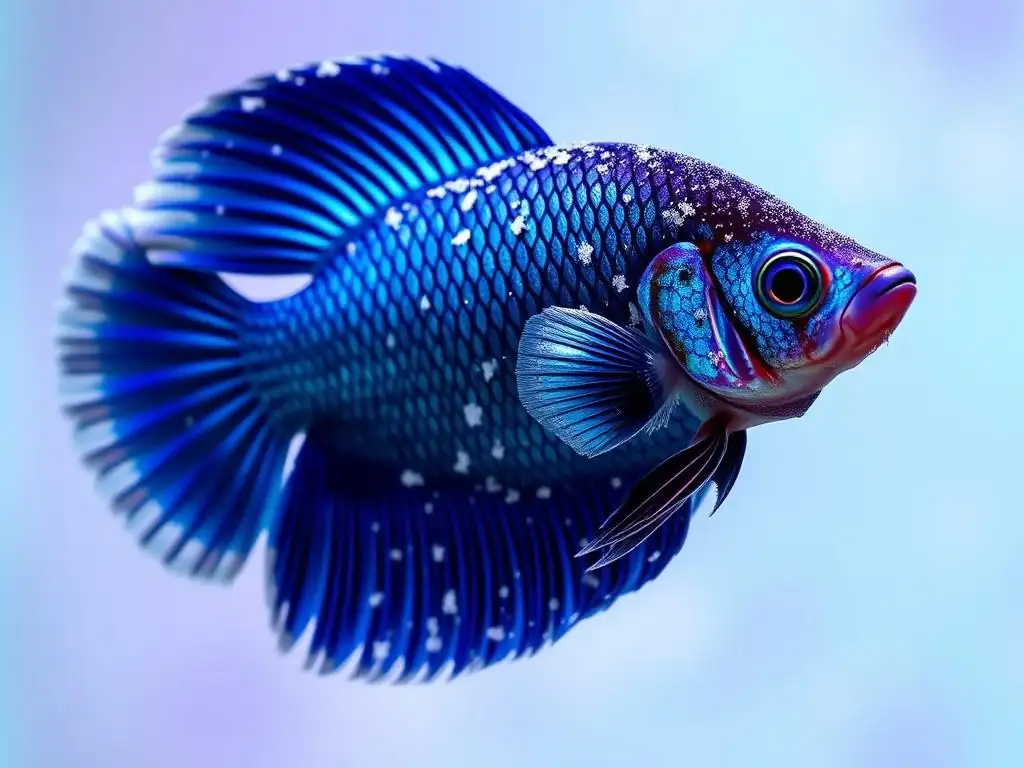
The initial step in diagnosing Columnaris involves a thorough visual inspection of the affected fish and the entire aquarium. Carefully observe all fish for the characteristic white or grayish lesions on the mouth, fins, gills, or body, specifically looking for the "saddleback" pattern on the dorsal area. Note any signs of fin erosion, frayed edges, or cottony growths around the mouth. Pay close attention to the gills; healthy gills are typically bright red, whereas Columnaris often causes them to appear pale, brown, or necrotic.
Using a flashlight and a magnifying glass can help in identifying subtle lesions or early signs of tissue damage. For instance, a 10x magnifying glass can reveal the fine, necrotic edges of a Columnaris lesion that might be missed with the naked eye. Document the progression of symptoms over a 24-hour period, as Columnaris can advance rapidly. This detailed observation is crucial for an initial presumptive diagnosis and guides the decision to proceed with more definitive diagnostic methods or immediate show fish columnaris treatment.
Microscopic Examination: Confirming F. columnaris Infection
For a definitive diagnosis of Columnaris and to differentiate it from fungal infections, a microscopic examination is highly recommended. This involves gently taking a fin or skin scrape from an affected area of the fish. Using a clean cotton swab or the edge of a credit card, lightly scrape a visible lesion or an affected fin. Place the sample onto a clean microscope slide with a drop of tank water, cover with a coverslip, and observe under a microscope at 100x to 400x magnification.
Under the microscope, F. columnare bacteria typically appear as slender, rod-shaped organisms, often exhibiting a characteristic "gliding" or "flexing" motility. They may also arrange themselves in distinctive "haystack" or "column" formations, which are strong indicators of Columnaris. In contrast, fungal hyphae would appear as much larger, branching, thread-like structures. Observing these specific bacterial characteristics provides a conclusive diagnosis, enabling targeted and effective show fish columnaris treatment.
Ruling Out Other Potential Diseases
Accurately ruling out other diseases is essential to avoid misdiagnosis and ineffective treatment. For example, Saprolegnia (true fungus) presents with a more uniform, fluffy, cotton-like appearance without the distinct tissue erosion or specific bacterial columns seen under the microscope. If the fish exhibits red streaks or ulcers without the typical white patches, it might indicate a different bacterial septicemia, which may require a different antibiotic.
Similarly, external parasites like Chilodonella or Costia can cause excessive slime coat production and flashing, but a microscopic examination of a skin scrape would reveal the presence of the parasites themselves, not the rod-shaped bacteria of Columnaris. By systematically comparing observed symptoms and, if possible, microscopic findings against the known characteristics of various fish diseases, aquarists can confirm Columnaris and proceed with the most appropriate and effective show fish columnaris treatment rather than relying on guesswork.
Ornamental Fish Columnaris Treatment Options
Immediate Actions: Isolating Infected Fish
Upon suspecting Columnaris, the immediate and most critical action is to isolate the infected fish in a dedicated quarantine tank. This step serves multiple vital purposes: it prevents the rapid spread of the highly contagious F. columnare bacteria to healthy tank mates, especially in a valuable show fish display. Furthermore, it allows for precise medication dosage, as the volume of a quarantine tank (e.g., 10-20 gallons for a medium-sized show fish) is much easier to calculate accurately than a large display tank.
A typical quarantine setup should be bare-bottomed for easy cleaning and observation, equipped with a heater to maintain a stable temperature (e.g., 78-80°F or 25.5-27°C, which can aid in medication efficacy), an air stone for increased oxygenation, and a sponge filter that can be easily removed during medication. Avoid using activated carbon in the filter during treatment, as it will absorb the medication. This controlled environment reduces stress on the infected fish and allows for focused show fish columnaris treatment without impacting the main aquarium's biological filtration.
Medicated Treatment for Columnaris: Antibiotics
Antibiotics are the primary and most effective form of show fish columnaris treatment, as the disease is caused by bacteria. Several broad-spectrum antibiotics are commonly used in aquaculture to combat F. columnare infections. These include Kanamycin, Nitrofurazone (often found in products like Furan-2), Erythromycin, and Oxytetracycline. The choice of antibiotic can sometimes depend on the specific strain of F. columnare present, as resistance to certain medications has been observed.
For instance, some strains may be highly susceptible to Nitrofurazone but resistant to Erythromycin. Given the rapid progression of Columnaris, a swift response with an appropriate antibiotic is crucial. These medications work by inhibiting bacterial growth or directly killing the bacteria, allowing the fish's immune system to recover and heal. Always ensure that the chosen antibiotic is formulated for aquarium use and follow the manufacturer's instructions precisely for optimal results in show fish columnaris treatment.
Choosing the Right Antibiotic for Columnaris Treatment
Selecting the most effective antibiotic for show fish columnaris treatment depends on several factors, including the severity of the infection, the susceptibility of the fish species, and the availability of medications. Kanamycin and Nitrofurazone are often considered highly effective against F. columnare. Kanamycin, for example, is a broad-spectrum aminoglycoside antibiotic known for its efficacy against gram-negative bacteria, while Nitrofurazone is a synthetic nitrofuran derivative with strong antibacterial properties.
In cases of severe or persistent infections, some aquarists and veterinarians may recommend a combination therapy, such as Kanamycin paired with Nitrofurazone. This synergistic approach can be more effective against resistant strains and helps ensure a broader spectrum of coverage. For example, a common approach for severe cases might involve dosing Kanamycin at 2.5 mg/liter (approximately 9.5 mg/gallon) daily alongside Nitrofurazone at 250 mg per 10 gallons daily, following a partial water change each day. Always consult the product's specific instructions, as concentrations can vary between brands, to ensure accurate and safe show fish columnaris treatment.
Alternative Treatments for Columnaris in Ornamental Fish
While antibiotics are the cornerstone of show fish columnaris treatment, certain alternative or supplementary methods can be considered, especially for very mild cases or as supportive therapy.
Salt Baths for Columnaris Treatment: Dosage and Duration
Salt baths can be a beneficial supportive treatment for Columnaris, particularly for external lesions and to aid in osmoregulation, reducing stress on the fish. Non-iodized aquarium salt (sodium chloride) can create an osmotic imbalance that is detrimental to many external bacteria and parasites, while also promoting the healing of the fish's slime coat. For short-term dips, a common dosage is 1-3 tablespoons of aquarium salt per 5 gallons of water, with the fish immersed for 15-30 minutes, carefully monitoring for signs of distress.
For a longer-term bath in a quarantine tank, a lower concentration of 1 tablespoon per 10 gallons can be maintained for up to 7-10 days, provided the fish tolerates it well. It is crucial to monitor sensitive species, such as scaleless fish or certain tetras, as they may be intolerant to higher salt concentrations. While salt can help, it is rarely sufficient as a standalone show fish columnaris treatment for moderate to severe infections, which require targeted antibiotics.
Temperature Adjustments: Cautious Use of Heat
The role of temperature adjustment in show fish columnaris treatment is complex and often debated. F. columnare is known to proliferate more rapidly in warmer water, typically above 80°F (27°C). Traditionally, some aquarists advocated lowering the water temperature to 75-78°F (24-25.5°C) to slow the bacterial growth. However, this approach has significant drawbacks. Lower temperatures also slow the fish's metabolism and, crucially, their immune response, potentially hindering their ability to fight off the infection.
Furthermore, many effective antibiotics work optimally at slightly warmer temperatures, and a cooler environment can reduce their efficacy. Therefore, current best practices often advise maintaining a stable, slightly elevated temperature (e.g., 78-80°F or 25.5-27°C) during antibiotic treatment to support the fish's immune system and medication absorption. Lowering the temperature is generally not recommended as a primary show fish columnaris treatment strategy and should be approached with extreme caution, if at all, especially when administering antibiotics.
Step-by-Step Guide: Treating Columnaris in Ornamental Fish
Step 1: Quarantine and Observation
The first crucial step in show fish columnaris treatment is to immediately transfer the affected fish to a dedicated quarantine tank. This tank should be appropriately sized for the fish (e.g., a 10-gallon tank for a single Angelfish or a 20-gallon for a larger Discus), bare-bottomed, and equipped with a reliable heater to maintain a stable temperature (e.g., 78-80°F or 25.5-27°C) and an air stone for robust aeration. Ensure the quarantine tank's water parameters (pH, ammonia, nitrite, nitrate) are stable and optimal for the species to minimize additional stress.
Before administering medication, observe the fish closely for 12-24 hours. Confirm the diagnosis by noting the progression of symptoms and, if possible, performing a microscopic examination. This initial observation period allows the fish to acclimate to the new environment and helps in assessing the severity and specific manifestations of the Columnaris, which can guide the choice of medication for effective show fish columnaris treatment.
Step 2: Choosing and Administering Medication
Based on the diagnosis, select the appropriate antibiotic for show fish columnaris treatment. Common effective choices include Kanamycin (e.g., Seachem Kanaplex) or Nitrofurazone (e.g., API Furan-2). Carefully read and follow the manufacturer's instructions for dosage and duration. For example, a typical dosage for Kanamycin might be 1 scoop per 5 gallons every 48 hours for 3 doses, or for Nitrofurazone, 1 packet per 10 gallons every 24 hours for 4-7 days. Remove any activated carbon or chemical filtration media from the quarantine tank, as they will absorb the medication.
Administer the medication directly into the water, ensuring it disperses evenly. If the fish is still eating, consider using medicated food (e.g., soaking freeze-dried food in liquid medication) as this can deliver the antibiotic internally, potentially increasing efficacy, especially for systemic infections. Complete the full course of treatment as recommended by the medication's instructions, even if symptoms appear to improve early, to prevent relapse and the development of antibiotic-resistant strains.
Step 3: Monitoring Water Parameters During Treatment
During show fish columnaris treatment, it is imperative to meticulously monitor water parameters in the quarantine tank daily. Medications can sometimes impact the beneficial bacteria in the biological filter, potentially leading to dangerous spikes in ammonia and nitrite. Use a liquid test kit to check ammonia and nitrite levels (aim for 0 ppm) and nitrate levels (aim for below 20 ppm). If ammonia or nitrite levels rise, perform a partial water change immediately.
Perform a partial water change (e.g., 25-50% of the tank volume) before each new dose of medication. This removes accumulated waste products and residual medication, ensuring the water quality remains high and the fish is not exposed to excessive levels of the drug or its byproducts. Replenish the medication based on the volume of water changed, not the original tank volume. Maintaining stable and pristine water quality is crucial for supporting the fish's recovery during show fish columnaris treatment.
Step 4: Post-Treatment Care and Prevention
Once the full course of show fish columnaris treatment is completed and all visible symptoms have receded, continue to observe the fish closely for an additional 7-10 days in the quarantine tank. This post-treatment observation period is vital to ensure no relapse occurs. Gradually reintroduce activated carbon or other chemical filtration to the quarantine tank to remove any remaining medication from the water.
During this phase, focus on providing high-quality, nutritious food to support the fish's recovery and immune system. Before considering reintroduction to the main display tank, ensure the fish is active, eating well, and entirely free of any signs of disease. Simultaneously, review and reinforce prevention strategies in the main tank, such as maintaining optimal water quality, avoiding overcrowding, and quarantining all new fish, to minimize the risk of future Columnaris outbreaks.
Preventing Columnaris Outbreaks in Ornamental Fish Aquariums
Maintaining Optimal Water Quality: A Key to Prevention
Maintaining impeccable water quality is the single most effective strategy for preventing Columnaris outbreaks in ornamental fish aquariums, especially for sensitive show fish. F. columnare thrives in environments with high organic loads and fluctuating water parameters. Ideal water parameters for most show fish include stable pH (e.g., 6.5-7.5 for Angelfish and Discus), zero ammonia (0 ppm), zero nitrite (0 ppm), and nitrates consistently below 20 ppm. Regular testing with a reliable liquid test kit (e.g., weekly) is essential to monitor these parameters accurately.
Any deviation from these optimal levels, particularly rising ammonia or nitrite, stresses fish and compromises their immune systems, making them highly susceptible to bacterial infections like Columnaris. For instance, a nitrate level consistently above 40 ppm can significantly weaken a fish's natural defenses, even if other parameters seem stable. By diligently maintaining pristine water conditions, aquarists create an environment where F. columnare struggles to proliferate, thereby reducing the need for show fish columnaris treatment.
Proper Filtration and Water Changes
Effective filtration and consistent water change routines are integral components of maintaining optimal water quality and preventing Columnaris. A robust filtration system should incorporate mechanical filtration (e.g., filter floss, sponges) to remove physical debris, biological filtration (e.g., ceramic rings, bio-balls) to process ammonia and nitrite, and chemical filtration (e.g., activated carbon, Purigen) to remove dissolved organic compounds and toxins. Ensuring filters are adequately sized for the tank and regularly cleaned (rinsed in tank water, not tap water) is crucial.
Regular partial water changes are equally important. For most well-stocked aquariums, a 25-30% weekly water change is a good starting point. For tanks with large show fish or high bioloads, more frequent or larger water changes (e.g., 50% bi-weekly) may be necessary. Water changes dilute accumulated nitrates, phosphates, and other dissolved organic waste that can fuel bacterial growth and stress fish. For example, a 30% weekly water change in a 100-gallon tank removes 30 gallons of aged water and replaces it with fresh, conditioned water, significantly reducing the bacterial load and the likelihood of needing show fish columnaris treatment.
Avoiding Overcrowding and Stress in the Aquarium
Overcrowding is a major stressor for aquarium fish and a leading cause of compromised immune systems, making them highly vulnerable to diseases like Columnaris. While general guidelines suggest one inch of fish per gallon for small species, large show fish like Discus or Koi require significantly more space. A single adult Discus, for instance, thrives in at least 10-15 gallons of water, and a group of 6-8 requires a tank of 75 gallons or more. Overstocking leads to increased waste production, rapid deterioration of water quality, and heightened aggression among tank mates.
Beyond density, other stressors include incompatible tank mates (e.g., aggressive fish harassing peaceful ones), sudden fluctuations in water parameters (e.g., rapid temperature drops or pH swings), and rough handling during maintenance. A stressed fish's immune system is weakened, providing an opportunistic pathogen like F. columnare an easy target. By providing ample space, compatible tank mates, and a stable environment, aquarists can significantly reduce stress levels, bolster fish immunity, and minimize the risk of requiring show fish columnaris treatment.
Quarantine New Fish Before Introduction
One of the most critical preventative measures against Columnaris and other diseases is to rigorously quarantine all new fish, plants, and even invertebrates before introducing them to the main display tank. A dedicated quarantine tank, separate from the main system, allows for observation and, if necessary, prophylactic treatment without endangering existing healthy fish. A standard quarantine period is typically 4-6 weeks.
During quarantine, new fish can be observed for signs of disease, such as lethargy, clamped fins, or suspicious spots. Prophylactic treatments for common issues like external parasites or internal worms can be administered. For example, a new Angelfish should be quarantined for at least 4 weeks and ideally undergo a broad-spectrum deworming and anti-parasitic treatment. This practice acts as a vital buffer, preventing the introduction of pathogens like F. columnare into a meticulously maintained show fish aquarium, thus safeguarding valuable specimens from needing emergency show fish columnaris treatment.
Ornamental Fish Columnaris Treatment: Medication Dosage Guide
Recommended Dosage for Common Columnaris Medications
Accurate medication dosage is paramount for effective show fish columnaris treatment and to avoid harm to the fish. Always refer to the specific product's instructions, as concentrations vary widely between brands. However, here are general guidelines for common antibiotics used against Columnaris:
- Kanamycin (e.g., Seachem Kanaplex): Typically dosed at 2.5 mg per liter (approximately 9.5 mg per gallon) of water. Many products recommend 1 scoop (approximately 150 mg) per 5 gallons every 48 hours for a total of 3 doses. This provides a strong concentration against gram-negative bacteria.
- Nitrofurazone (e.g., API Furan-2): Often dosed at 250 mg per 10 gallons of water every 24 hours for 4-7 days. Some formulations may recommend 1 packet per 10 gallons. It's crucial to perform a partial water change (25-50%) before each new dose.
- Erythromycin: A less common choice for Columnaris due to higher resistance rates but sometimes used. Typical dosage is 200 mg per 10 gallons every 24 hours for 5 days.
- Oxytetracycline: Can be effective, especially for internal manifestations. Dosage commonly ranges from 250 mg per 10 gallons every 24 hours for 7-10 days. This antibiotic is light-sensitive, so dimming tank lights during treatment is advisable.
Calculating Medication Dosage Based on Tank Volume
Precise calculation of tank volume is critical for accurate medication dosage, preventing both underdosing (ineffective treatment) and overdosing (toxic to fish). The formula for calculating tank volume in US gallons is: Length (inches) x Width (inches) x Height (inches) / 231. For example, a tank measuring 24 inches long, 12 inches wide, and 16 inches high holds approximately (24 * 12 * 16) / 231 = 19.9 gallons.
However, remember to account for the displacement of water by substrate, decorations, and equipment. A tank filled with 2 inches of substrate and various rocks might hold 10-15% less water than its stated capacity. For a 20-gallon tank with 2 inches of substrate, the actual water volume might be closer to 17-18 gallons. Always calculate based on the actual water volume to ensure the correct concentration for effective show fish columnaris treatment. If in doubt, slightly underdose and observe rather than risk an overdose.
Important Considerations When Using Medications
When administering any medication for show fish columnaris treatment, several important considerations must be observed to ensure efficacy and safety. Firstly, always remove activated carbon, Purigen, or any other chemical filtration media from the filter system before adding medication, as these will rapidly absorb the active ingredients, rendering the treatment ineffective. Secondly, increase aeration in the tank (e.g., by adding an air stone) as some medications can reduce dissolved oxygen levels, and sick fish already have compromised respiratory systems.
Thirdly, perform a partial water change (typically 25-50%) before each subsequent dose of medication. This removes accumulated waste products, detoxifies the water, and ensures that the new dose is added to a relatively clean environment, maintaining consistent medication levels.
Fourthly, monitor the fish closely for any adverse reactions to the medication, such as increased stress, erratic swimming, or worsening symptoms; if observed, discontinue treatment and perform a large water change. Finally, always complete the full recommended course of treatment, even if symptoms disappear early, to ensure all bacteria are eradicated and to prevent the development of antibiotic-resistant strains, which could complicate future show fish columnaris treatment.
Post-Treatment Care for Ornamental Fish Recovering from Columnaris
Monitoring for Relapse: Early Detection is Crucial
Even after a successful course of show fish columnaris treatment, diligent post-treatment care is essential to ensure a full recovery and prevent relapse. F. columnare can be persistent, and residual bacteria might remain, especially if the treatment course was not fully completed or if the fish's immune system is still weak. Continue to observe the recovered fish daily for at least 2-3 weeks in the quarantine tank. Look for any subtle return of symptoms, such as slight lethargy, clamped fins, or the re-emergence of small white patches or frayed fin edges.
A slight decrease in appetite or a change in swimming behavior can also be early indicators of a relapse. If any of these signs are noted, prompt re-treatment may be necessary, potentially with a different antibiotic if the initial one did not provide a lasting cure. For instance, if an Angelfish showed initial improvement but then developed a small white spot on its mouth 10 days post-treatment, immediate re-quarantine and a new course of show fish columnaris treatment would be warranted.
Supporting the Immune System: Vitamin Supplements and Diet
To aid in the recovery process and strengthen the fish's natural defenses against future infections, supporting its immune system is crucial. This is primarily achieved through a high-quality, varied diet and the judicious use of vitamin supplements. Feed premium foods (e.g., high-protein pellets, flakes, frozen foods like bloodworms or brine shrimp) that are specifically formulated for the fish's nutritional needs. Avoid overfeeding, which can lead to poor water quality.
Supplementing the diet with vitamins, particularly Vitamin C and B-complex vitamins, can significantly boost a fish's immune response. These can be added to the fish's food (e.g., soaking dry food in a liquid vitamin supplement like Selcon or Garlic Guard for 15-20 minutes before feeding) or, in some cases, directly to the water.
For example, a recovering Discus could benefit from daily feedings of Vitamin C-enriched frozen brine shrimp for two weeks post-treatment. A robust immune system helps the fish fight off any lingering bacteria and promotes faster tissue regeneration, reducing the likelihood of needing further show fish columnaris treatment.
Gradual Reintroduction to the Main Tank [After Quarantine]
The final step in post-treatment care is the gradual reintroduction of the recovered show fish to the main display tank. This should only occur after the fish has been symptom-free for at least 2-3 weeks in the quarantine tank and has completed its full recovery period. Before transfer, perform a final large water change (e.g., 50-75%) in the quarantine tank to ensure all residual medication is removed.
It is advisable to perform a final prophylactic salt dip (1 tablespoon per gallon for 15 minutes, if the species tolerates it) just before transfer to further reduce any surface bacteria. When moving the fish, acclimate it slowly to the main tank's water parameters (temperature, pH, hardness) using a drip acclimation method over 30-60 minutes to minimize shock. Observe the fish closely in the main tank for the next few days to ensure it integrates well with tank mates and shows no signs of stress or relapse, confirming the success of the show fish columnaris treatment.
Case Studies: Successful Ornamental Fish Columnaris Treatment
Case Study 1: Treating Columnaris in Goldfish
A valuable show-grade Oranda Goldfish, approximately 6 inches in length, developed distinct white, cottony patches around its mouth and frayed edges on its caudal fin. The owner noticed the symptoms after introducing a new plant to the main 50-gallon display tank without proper quarantine. Within 24 hours, the mouth lesion had expanded significantly, and the fish became lethargic and refused food. A microscopic examination of a mouth swab confirmed the presence of Flavobacterium columnare.
The Goldfish was immediately moved to a 10-gallon bare-bottom quarantine tank with stable water parameters (pH 7.2, 78°F/25.5°C). Treatment commenced with a combination of Seachem Kanaplex (Kanamycin) and API Furan-2 (Nitrofurazone). Kanaplex was dosed at 1 scoop per 5 gallons every 48 hours, and Furan-2 at 1 packet per 10 gallons every 24 hours. A 30% water change was performed before each subsequent Furan-2 dose.
Within 3 days, the cottony growth on the mouth began to recede, and the fin fraying stabilized. By day 7, the mouth was clear, and fin regeneration was evident. The fish remained in quarantine for another two weeks, receiving vitamin-enriched food, before being successfully reintroduced to the main tank, showcasing an effective show fish columnaris treatment.
Case Study 2: Overcoming Columnaris in Koi
A prized 18-inch show Koi in a 1000-gallon outdoor pond exhibited a prominent "saddleback" lesion, about 2 inches in diameter, near its dorsal fin, accompanied by severe fin rot on its pectoral and caudal fins. The outbreak occurred following a period of high stress due to a pond pump failure and subsequent power outage that led to a significant temperature fluctuation and ammonia spike. The Koi also displayed flashing behavior and isolated itself from other pond inhabitants.
Given the Koi's size and value, it was carefully moved to a large indoor quarantine tub (200 gallons) with robust aeration and filtration. Treatment was initiated with Oxytetracycline at a dosage of 250 mg per 10 gallons, administered daily for 10 days. Before each daily dose, a 25% water change was performed to maintain water quality and ensure medication efficacy. The water temperature was kept stable at 75°F (24°C).
Within 5 days, the saddleback lesion began to shrink, and the fin rot showed signs of healing. By day 10, the lesion was significantly reduced, and the fish's activity levels improved. Complete healing and fin regrowth took approximately 4 weeks, after which the Koi was gradually reintroduced to the main pond. This comprehensive approach demonstrated successful show fish columnaris treatment for a large, valuable specimen.
Ornamental Fish Columnaris: Frequently Asked Questions
How Contagious is Columnaris?
Columnaris is considered highly contagious, particularly in stressed aquatic environments with poor water quality. The causative bacterium, Flavobacterium columnare, can rapidly spread through direct contact between fish, contaminated water, and shared equipment (e.g., nets, siphons, buckets) that has not been properly disinfected. An outbreak can quickly escalate from affecting a single fish to widespread infection among the entire tank population within days, especially in densely populated aquariums or systems with high bioloads.
The rapid spread is a key reason why immediate isolation of infected fish is critical upon the first sign of symptoms. For instance, if one show Discus develops Columnaris, its tank mates are at extremely high risk of infection within 24-48 hours if preventative measures are not taken. This high transmissibility underscores the importance of stringent quarantine protocols for all new aquatic life and dedicated equipment for hospital tanks to prevent the introduction and spread of this virulent pathogen.
Can Columnaris Affect Other Aquarium Inhabitants?
Yes, Columnaris can affect nearly all freshwater fish species, though some are more susceptible than others. Its opportunistic nature means it can infect a wide range of hosts when conditions are favorable for the bacteria (e.g., warm, dirty water) or when fish are stressed. While fish are the primary hosts for severe infections, the bacterium itself can persist in the water column and on surfaces.
Generally, Columnaris does not directly infect invertebrates such as snails or shrimp in the same way it affects fish, as they lack the same physiological systems. However, invertebrates can potentially act as mechanical carriers of the bacteria on their shells or bodies, indirectly contributing to its spread within the aquarium. Moreover, some medications used for show fish columnaris treatment might be harmful to certain invertebrate species, necessitating their temporary removal from the treatment tank. It is always wise to research the compatibility of any medication with all aquarium inhabitants.
How Long Does it Take to Treat Columnaris?
The duration required to treat Columnaris effectively can vary depending on the severity of the infection, the specific antibiotic used, and the fish's overall health and immune response. Typically, a course of antibiotic treatment for Columnaris lasts between 5 and 10 days. For example, a Nitrofurazone treatment might be 4-7 days, while Oxytetracycline often requires 7-10 days.
However, visible symptoms may begin to recede within 2-3 days of starting an effective show fish columnaris treatment. It is crucial to complete the entire recommended course of medication, even if the fish appears to have recovered, to ensure all bacteria are eradicated and to prevent a relapse or the development of antibiotic resistance. Full recovery, including tissue regeneration (e.g., fin regrowth or healing of mouth lesions), can take several weeks to a few months after the completion of medication, especially for severe damage. Continuous post-treatment observation for 2-3 weeks is also vital to confirm complete recovery.
Advanced Columnaris Treatment for Ornamental Fish: When to Seek Expert Help
Recognizing Severe Cases of Columnaris
Recognizing severe cases of Columnaris is crucial for determining when standard show fish columnaris treatment may be insufficient and expert intervention is needed. A severe case often manifests as rapid deterioration despite initial treatment attempts, extensive and deep ulcerations on the body, significant gill damage leading to severe respiratory distress (e.g., gasping at the surface, extremely rapid gill movements), or widespread infection affecting multiple fish simultaneously and rapidly.
If the fish shows no improvement after 2-3 days of appropriate antibiotic treatment, or if symptoms worsen, it indicates a highly virulent or resistant strain of F. columnare, or a systemic infection beyond the scope of typical external treatment. For example, a show Koi developing a deep, spreading lesion that penetrates muscle tissue or a Discus exhibiting complete gill necrosis within 24 hours would constitute a severe case requiring immediate specialized attention.
Consulting with a Veterinarian or Aquatic Pathologist
For highly valuable show fish, or when standard show fish columnaris treatment protocols fail, consulting with a qualified aquatic veterinarian or an aquatic pathologist is strongly recommended. These professionals possess specialized knowledge and diagnostic tools beyond the typical aquarist's reach. They can perform precise diagnostic tests, such as bacterial cultures and antibiotic sensitivity testing.
A bacterial culture identifies the exact species of bacteria causing the infection, while sensitivity testing determines which specific antibiotics will be most effective against that particular strain. This targeted approach significantly increases the chances of successful treatment, especially against antibiotic-resistant strains of F. columnare, saving valuable specimens and preventing further losses in a show tank. This specialized guidance is invaluable for optimizing show fish columnaris treatment.
Surgical Intervention: Debridement of Necrotic Tissue.
In very severe and localized cases of Columnaris, particularly when deep necrotic tissue has formed on the body or around the mouth, surgical intervention in the form of debridement may be considered. This procedure involves the careful and sterile removal of dead or decaying tissue to promote healing and prevent the further spread of the infection. It is typically performed by a qualified aquatic veterinarian under light anesthesia to minimize stress and pain to the fish.
For instance, a large show Goldfish with a significant, localized necrotic lesion on its peduncle (tail base) that is not responding well to antibiotics might benefit from debridement to remove the dead tissue and allow healthy tissue to regenerate. This is a highly specialized procedure and is not something an average aquarist should attempt. It is usually reserved for valuable specimens where conventional show fish columnaris treatment has proven insufficient and the prognosis without intervention is poor.
Frequently Asked Questions
What is Columnaris and how does it affect show fish?
Columnaris, often mistaken for a fungus, is a bacterial infection caused by Flavobacterium columnare. It manifests as cotton-like growths, sores, or fin rot, severely impacting the appearance and health of show fish.
How can I identify Columnaris in my show fish?
Look for symptoms like white or gray patches resembling cotton wool, especially around the mouth (mouth fungus), fins, or body. Other signs include lethargy, clamped fins, and difficulty breathing.
What are the primary causes of Columnaris outbreaks in aquariums?
Columnaris thrives in poor water conditions, such as high ammonia or nitrite levels, and can be triggered by stressful environments or injuries to the fish. Overcrowding can also contribute.
What are some effective treatments for Columnaris in show fish?
Treatment typically involves antibiotics like kanamycin or nitrofurazone, along with improving water quality through frequent water changes. Isolate infected fish to prevent further spread.
How can I prevent Columnaris from affecting my show fish in the future?
Maintain optimal water parameters, provide a stress-free environment, and quarantine new fish before introducing them to the main tank. Regular observation for early signs is crucial for preventative care.
The information presented throughout this article underscores the critical importance of proactive care and informed intervention when dealing with Columnaris in show fish. The prevalence of this disease, coupled with its rapid progression, necessitates a deep understanding of its identification and treatment, not just for the well-being of individual fish, but for the preservation of entire show populations and the hobby itself.
The fight against Columnaris is more than just administering medication; it's about fostering a culture of vigilance and responsible fishkeeping. My own experiences in the show fish community have highlighted the devastating impact this disease can have, not just on the fish, but on the dedicated keepers who pour their heart and soul into their care. Prevention is better than cure,
a timeless adage that rings especially true in the delicate world of show fish, where even minor imbalances can have catastrophic consequences.
As you navigate the waters of show fish keeping, remember that knowledge is your most powerful tool. Let the insights shared here empower you to observe, diagnose, and treat Columnaris effectively, ensuring the health and longevity of your prized specimens. Embrace a proactive approach, share your knowledge with fellow enthusiasts, and together, let's cultivate a thriving and sustainable future for the show fish hobby.
Transform Your Aquarium: Take Action Now!
Thanks for diving deep into the world of Columnaris! We hope this guide has empowered you with the knowledge to identify and combat this common fish disease, creating a healthier environment for your aquatic friends. Now, let's put that knowledge into action.
Here are some immediate steps you can take:
- Act immediately if you see symptoms. Isolate affected fish into a quarantine tank before it's too late.
- Spread the word, not the disease! Share this article with fellow aquarium enthusiasts to help them protect their own fish.
- Inspect your aquarium and equipment: Is your filter clogged? Is the water temperature too high? Are fish exhibiting any other illness symptoms?
What preventative measure will you implement today to safeguard your aquarium from Columnaris?