
Navigating Discus Show Standards: A Guide for Competitors

Welcome to Aquarium Mastery!
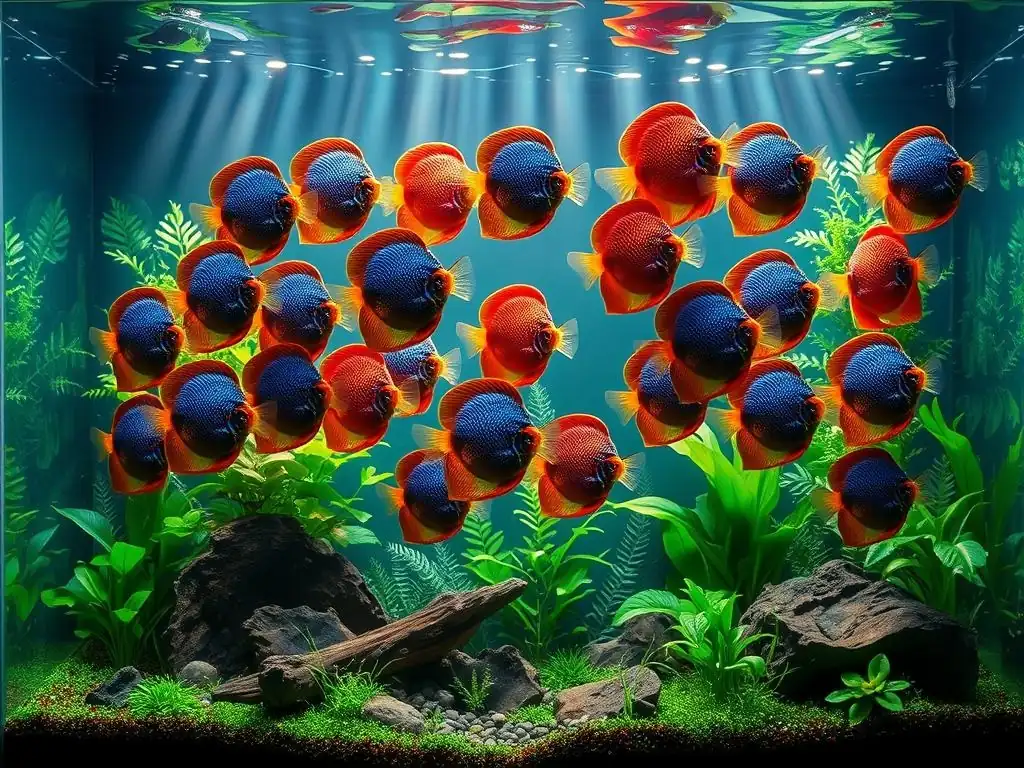
Ever wondered if your Discus fish has what it takes to win the big prize? Dive into our comprehensive guide on Discus fish show standards and unlock the secrets to breeding and raising champion-worthy specimens. What are the judges really looking for? Let's explore the fascinating world of competitive Discus and discover how you can elevate your fishkeeping skills!
- Understanding Discus Fish Show Standards
- Essential Discus Conformation Standards
- Discus Color Pattern Evaluation in Shows
- Discus Health and Condition at Shows
- Preparing Your Discus for Competition
- Showmanship: Presenting Your Discus Effectively
- Understanding Disqualifications in Discus Shows
- Advanced Discus Show Strategies
- Resources for Discus Show Competitors
-
Frequently Asked Questions
- What are the primary judging criteria used in Discus fish shows?
- What constitutes an ideal body shape for a show-quality Discus?
- How important is color intensity and pattern in Discus show standards?
- What are some common disqualifications in Discus fish shows?
- Where can I find a detailed breakdown of specific Discus show standards guidelines?
- Final Reflection: Appreciating the Art of Discus Perfection
- Unleash Your Discus Potential: Start Competing Today!
Understanding Discus Fish Show Standards
What are Discus Show Standards and Why Do They Matter?
Discus show standards refer to the established criteria used by judges to evaluate the quality and characteristics of Discus fish in competitive exhibitions. These standards are crucial for several reasons: they ensure fair and consistent judging across different shows, promote the breeding of Discus with desirable genetic traits, and educate hobbyists on the ideal physical and behavioral attributes of a truly show-quality fish. Understanding these benchmarks helps aquarists and breeders alike to refine their husbandry practices and breeding programs.
Moreover, these standards serve as a guiding light for the entire Discus community, influencing everything from tank setup to feeding regimens. Organizations like the North American Discus Association (NADA) and the International Discus Competition (IDC) often publish comprehensive guidelines that detail everything from body shape to finnage and coloration. Adhering to these "Discus fish show standards" is paramount for anyone aspiring to compete, as it directly impacts a fish's potential to win accolades and recognition within the hobby.
The Purpose of Discus Competitions
The primary purpose of Discus competitions is to showcase the pinnacle of Discus breeding and husbandry, allowing breeders to demonstrate their skill in producing exceptional specimens. These events serve as a platform for breeders to gain recognition for their hard work, potentially increasing the market value of their lines. For instance, a Grand Champion Discus from a major international show might command a price upwards of $2,000 to $5,000, depending on its rarity and genetic lineage, reflecting its adherence to stringent "Discus fish show standards."
Beyond individual accolades, Discus competitions foster a vibrant community among enthusiasts, encouraging the exchange of knowledge and best practices. They also play a vital role in educating the public about the beauty and complex care requirements of Discus fish, thereby expanding the hobby. By bringing together the best examples, these shows also drive innovation in breeding new color morphs, patterns, and forms, continually elevating the overall quality of Discus available to hobbyists worldwide.
Key Judging Criteria for Discus Fish Shows
Judging criteria for Discus fish shows are typically comprehensive, covering a range of physical attributes and overall condition. Judges often employ a point-based system, assigning scores for specific aspects such as body shape, finnage, coloration, eye quality, and the fish's general health and presentation. While the exact weighting may vary slightly between organizations, body shape and overall health often account for a significant portion of the total score, sometimes as much as 30-40%.
For example, a typical judging rubric might allocate 30% for body conformation, 25% for color intensity and pattern, 20% for finnage, 15% for eye quality, and 10% for overall health and vitality. This detailed breakdown ensures that "Discus fish show standards" are evaluated holistically, rewarding fish that excel in all areas rather than just one. Competitors must understand each criterion thoroughly to prepare their fish effectively and maximize their chances of success.
Essential Discus Conformation Standards
Body Shape: Ideal Discus Body Structure and Proportions
The ideal Discus body shape is perfectly round or disc-shaped, presenting a smooth, continuous curve from the tip of the dorsal fin to the end of the anal fin. This circularity is a hallmark of a healthy, well-developed Discus and is a primary focus of "Discus fish show standards." Any deviation, such as an elongated or overly compressed body, can lead to significant point deductions.
Proportionally, the height of the Discus (excluding fins) should be approximately equal to its length (excluding fins). A common guideline is a height-to-length ratio as close to 1:1 as possible, indicating a balanced and symmetrical structure. For a mature show-quality Discus, this means maintaining a near-perfect circular diameter, often measuring between 6 to 8 inches (15 to 20 cm), with no noticeable indentations or bulges that would detract from its ideal form.
Finnage: Evaluating Discus Fins - Shape, Size, and Condition
Discus fins are critical indicators of health and genetic quality, and their evaluation is a major component of "Discus fish show standards." All fins—dorsal, anal, caudal (tail), and pectoral—should be fully extended, symmetrical, and free from any nips, tears, deformities, or signs of disease. The dorsal and anal fins, in particular, should be broad and long, flowing gracefully from the body without any breaks or irregularities.
The caudal fin should be full and fan-shaped, while the pectoral fins should be proportionate and constantly fanning to aid in movement. Judges meticulously examine the fin rays and membrane for any imperfections, as pristine finnage reflects not only good genetics but also excellent water quality and overall husbandry. Fused, clamped, or ragged fins are considered significant faults and can lead to substantial score reductions.
Coloration: Assessing Discus Color - Intensity, Pattern, and Clarity
Coloration is arguably one of the most striking features of a Discus and is heavily scrutinized under "Discus fish show standards." The intensity of the color should be vibrant, deep, and consistent across the entire body, without any faded areas, blotches, or dullness. For patterned varieties, the patterns should be distinct, well-defined, and evenly distributed, showing no signs of fading or blurring.
Clarity of color is equally important; hues should be clean and bright, not muddy or hazy. For instance, a top-tier Red Turquoise Discus should exhibit a rich, deep red base color with sharply defined blue striations, while a Cobalt Blue should display a brilliant, iridescent blue covering the majority of its body. Any signs of stress-induced darkening or fading, often referred to as "stress bars," can negatively impact a fish's score.
Eye Quality: Importance of Eye Size, Shape, and Color in Discus
The eyes of a Discus are a key indicator of its health, age, and genetic quality, making their assessment an important part of "Discus fish show standards." Ideally, the eyes should be proportionate to the head, perfectly round, and clear, without any cloudiness or signs of irritation. They should be bright and alert, reflecting the fish's overall vitality.
The color of the eye, typically a vibrant red or orange, should be intense and consistent, matching the overall vibrancy of the fish's body color. Dull or cloudy eyes can suggest stress, poor water quality, or underlying health issues. Furthermore, eyes that appear disproportionately large can indicate stunted growth, while eyes that are too small might suggest genetic defects, both of which are considered faults in competition.
Discus Color Pattern Evaluation in Shows
Solid Color Discus Varieties: Judging Criteria
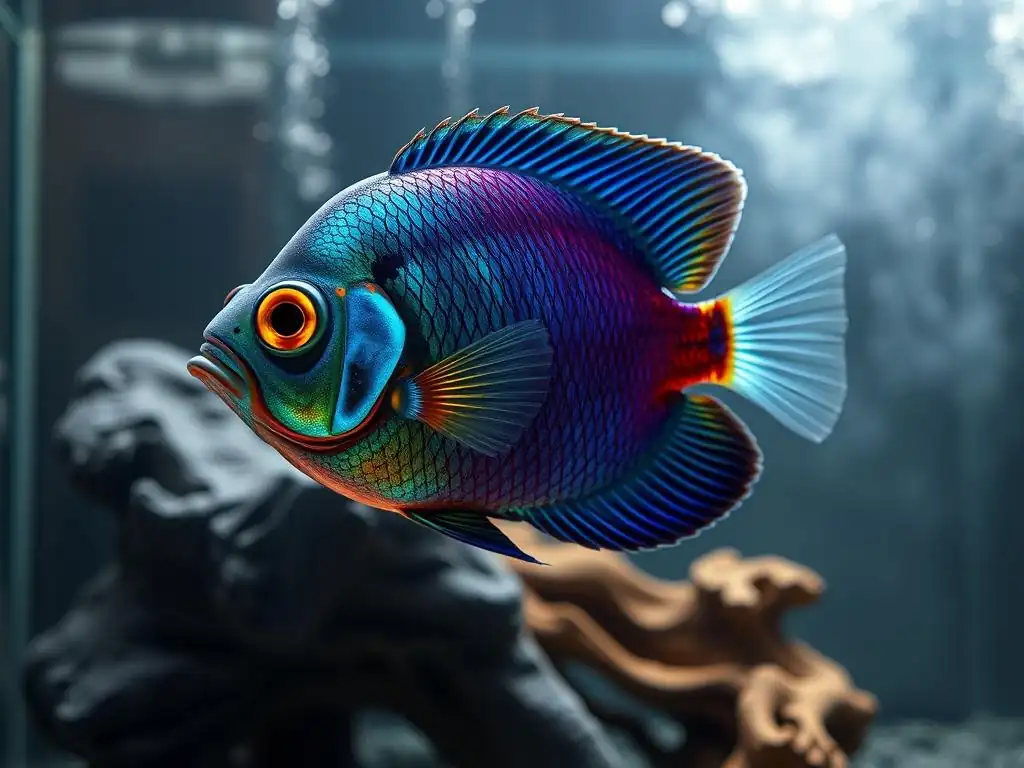
For solid color Discus varieties, such as Solid Red, Solid Blue, or Golden, the primary judging criterion is the absolute uniformity and consistency of the color across the entire body. The hue should be deep, rich, and brilliant, extending seamlessly from the head to the tail, including the fins. Any significant patches of lighter or darker coloration, or areas of fading, are considered undesirable.
A key aspect of "Discus fish show standards" for solid colors is the absence of peppering, which refers to small black spots, unless it is a characteristic of the specific strain (e.g., some Pigeon Blood varieties, where minimal peppering is preferred). For example, a champion Solid Red Discus should display a consistent, deep crimson tone over more than 95% of its body, with no visible stress bars or blotches.
Patterned Discus Varieties: Evaluating Stripes, Spots, and Markings
Patterned Discus varieties, including Snakeskin, Leopard, and Striated Turquoises, are judged on the definition, distribution, and overall aesthetic appeal of their markings. The patterns, whether stripes, spots, or intricate marbling, must be sharp, well-defined, and evenly distributed across the body and into the fins. Fuzzy, broken, or irregular patterns are generally penalized.
Symmetry, while not always perfect, is highly valued, with judges looking for a balanced and harmonious design. For a Snakeskin Discus, for instance, the fine, labyrinthine lines should cover a significant portion of the body, often 80% or more, creating a dense and intricate network. The clarity and contrast between the pattern and the base color are also crucial, ensuring the markings stand out vibrantly according to "Discus fish show standards."
Pigeon Blood Discus Standards and Judging
Pigeon Blood Discus varieties are renowned for their bright orange-red base color, often accompanied by varying degrees of black peppering. Show standards for Pigeon Bloods generally favor a clean, intense base color with minimal peppering, particularly on the face and fins. While some peppering is inherent to the strain, excessive or unsightly black spots can lead to deductions.
The ideal Pigeon Blood Discus should exhibit a brilliant, uniform orange-red hue. Judges look for a well-rounded body shape and full finnage, consistent with general "Discus fish show standards." A top-tier Pigeon Blood might display only a handful of tiny specks of peppering, perhaps 5-10 small spots, primarily confined to the finnage rather than the main body, showcasing the breeder's success in minimizing this trait.
Turquoise Discus Standards and Judging
Turquoise Discus varieties are celebrated for their striking blue and red striations or solid blue coloration, depending on the specific strain (e.g., Blue Turquoise, Red Turquoise, Cobalt Blue). For patterned Turquoises, the intensity, contrast, and definition of the striations are paramount. These lines should be numerous, fine, and extend well into the dorsal and anal fins, creating a mesmerizing effect.
For solid Turquoise varieties like Cobalt Blue, the color should be a vibrant, iridescent blue covering almost the entire body, with minimal or no red patterning. A high-quality Blue Turquoise might display a brilliant blue that covers 70-90% of its body, with well-defined red lines interspersed, fulfilling the "Discus fish show standards" for this popular and visually stunning variety. Any fading or dullness in color would be a significant fault.
Albino Discus Standards and Judging
Albino Discus varieties are distinct due to their lack of pigmentation, which is a defining characteristic in "Discus fish show standards." The most crucial criterion for Albinos is the presence of a clear, unpigmented iris and a distinct red pupil. Any dark pigmentation in the eye is an immediate and automatic disqualification, regardless of the fish's other qualities, as it indicates a genetic impurity.
The body color of Albino Discus is typically a light base color, ranging from pearlescent white to pale yellow or a very light orange, completely devoid of any dark spots or peppering. While their coloration is less complex than other varieties, Albinos are still judged rigorously on their body shape, finnage, and overall health, ensuring they meet the high structural and vitality benchmarks of "Discus fish show standards." A perfectly bred Albino will exhibit a pure, unblemished body with brilliant, unclouded red eyes.
Discus Health and Condition at Shows
Assessing Overall Health: Signs of a Healthy Discus
Assessing the overall health of a Discus is paramount in competitions, as a healthy fish naturally displays its best attributes. A healthy Discus should be active, alert, and responsive to its environment, swimming smoothly and maintaining an upright, confident posture. Lethargy, clamped fins, or erratic swimming patterns are immediate red flags.
Physically, signs of excellent health include clear, bright, and alert eyes; smooth, intact scales without any signs of lesions or missing patches; and full, extended fins free from nips or tears. A healthy Discus also exhibits a good appetite and a steady, calm respiration rate, typically around 30-40 gill movements per minute. These indicators are crucial for meeting "Discus fish show standards" for vitality and vigor.
Avoiding Common Discus Diseases Before and During Shows
Preventing common Discus diseases is critical for any show competitor, as even minor ailments can lead to disqualification or significant point deductions. A rigorous preventative approach includes implementing strict quarantine procedures for new fish, maintaining pristine water quality through consistent parameters and frequent water changes, and providing a balanced, nutritious diet. Common issues like Hexapita (Hole-in-the-Head), Fin Rot, or Ich (white spot disease) can quickly compromise a fish's condition.
Daily observation for any subtle behavioral changes or physical symptoms is essential for early detection. Many experienced competitors begin their intensive disease prevention protocols at least 2 to 3 months prior to a major show, focusing on gut health, immune system boosting, and stress reduction. Proactive treatment of any suspected issues ensures the fish remains in peak condition for show day, adhering to stringent "Discus fish show standards."
Quarantine Procedures for Show Discus
Implementing strict quarantine procedures is non-negotiable for show Discus, especially when introducing new fish or returning them from shows. New fish should be isolated in a separate, dedicated quarantine tank for at least 4 to 6 weeks to prevent the introduction of pathogens to your existing show stock. This isolation period allows for close observation and proactive treatment if any signs of illness emerge.
During quarantine, maintain optimal water parameters and observe the fish daily for changes in behavior, appetite, or physical appearance. Many aquarists opt for prophylactic treatments for common parasites during this phase. A dedicated 20-gallon (approximately 75-liter) bare-bottom tank with its own filtration system is often recommended for a single show Discus, allowing for precise control over the environment and any necessary medication, which is vital for upholding "Discus fish show standards" for health.
Preparing Your Discus for Competition
Conditioning Discus for Optimal Appearance
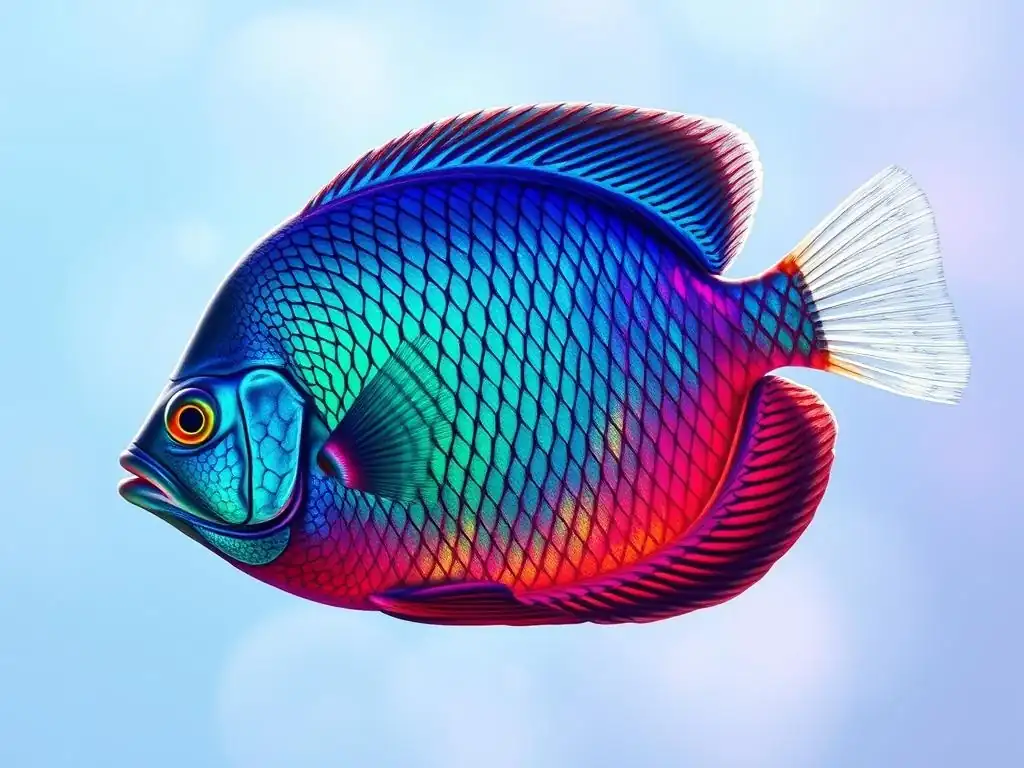
Conditioning Discus for optimal appearance involves a multi-faceted approach focused on diet, environment, and stress reduction. A high-quality, varied diet rich in protein and color-enhancing ingredients is fundamental. Many breeders feed their show fish 3-5 times daily with a mix of beef heart, spirulina flakes, high-protein pellets, and occasional live or frozen foods like blackworms, starting 2-3 months before the show. This intensive feeding regimen maximizes growth, muscle development, and color vibrancy.
Equally important is providing a stable, stress-free environment with consistent, pristine water parameters. Regular, large water changes are crucial to remove nitrates and other pollutants, ensuring crystal-clear water that allows the fish to display its best colors. Conditioning ensures the fish is robust, healthy, and displays its full genetic potential, meeting the rigorous "Discus fish show standards" for presentation.
Optimizing Water Parameters for Show Discus
Optimizing water parameters is paramount for Discus health and coloration, directly impacting their show readiness. Discus thrive in soft, acidic water, with ideal parameters typically falling within a pH range of 6.0-6.8, and a general hardness (GH) of 1-5 dGH (18-90 ppm). Carbonate hardness (KH) should also be low, generally between 1-4 dKH (18-70 ppm), to maintain stability.
Purity is non-negotiable: ammonia and nitrites must be zero, and nitrates should be kept extremely low, ideally below 10 ppm. To achieve this, regular, large water changes (often 50-80% daily or every other day) are common practice for show fish. Consistent water temperature, usually between 82-86°F (28-30°C), also helps reduce stress and promotes a healthy metabolism, ensuring the fish can fully express its "Discus fish show standards" potential.
Feeding Strategies for Show-Quality Discus
Feeding strategies for show-quality Discus are designed to promote rapid, healthy growth, vibrant coloration, and robust health. Small, frequent feedings (3-5 times per day) are preferred over large, infrequent ones, as this optimizes nutrient absorption and minimizes waste. The diet should be highly varied and rich in protein.
Specific foods often include a high-quality beef heart mix, premium Discus pellets, and color-enhancing flakes or granules that contain ingredients like astaxanthin to boost reds and oranges. Live or frozen foods such as bloodworms, blackworms, and brine shrimp can also be incorporated as treats and to stimulate appetite. Some breeders also add liquid vitamin supplements to their feeding regimen once or twice a week to ensure complete nutrition and peak condition, vital for meeting stringent "Discus fish show standards."
Showmanship: Presenting Your Discus Effectively
Choosing the Right Show Tank
Choosing the right show tank is a crucial aspect of showmanship, as it directly impacts how judges perceive your Discus. For individual display, standard 10-gallon (approximately 38-liter) or 20-gallon (approximately 75-liter) bare-bottom tanks are commonly used. The size should be adequate to allow the fish to swim comfortably and turn around, but not so large that the fish appears lost within it.
The tank must be spotlessly clean, with no algae, water marks, or debris that could distract from the fish. Crystal-clear water is essential for maximum visibility. The "Discus fish show standards" for presentation often emphasize a minimalistic display to keep the focus entirely on the fish's form, color, and behavior, without any visual clutter.
Tank Setup and Aesthetics for Discus Presentation
The tank setup for Discus presentation in a show is typically minimalist, designed to highlight the fish itself. Bare-bottom tanks are almost universally preferred as they prevent substrate from trapping waste and allow for easy cleaning, ensuring pristine water clarity. Minimal or no decor is used; sometimes a single, simple piece of driftwood or a dark background (e.g., black or blue) is employed to enhance the fish's colors without distraction.
Lighting is another critical element. High-quality, full-spectrum LED lighting is often chosen to accurately and vibrantly display the Discus's natural colors. The intensity and color temperature of the light can significantly impact how well the fish's coloration is perceived against "Discus fish show standards." Proper tank setup ensures the fish is the undisputed star of the exhibit.
Transporting Discus Safely to the Show
Safe transportation of your Discus to the show is paramount to ensure they arrive in peak condition and are not stressed, which could negatively impact their performance. Begin by fasting the fish for 24-48 hours before transport to reduce waste production during transit. Use sturdy, insulated containers (like Styrofoam boxes) to maintain stable temperatures.
The fish should be double-bagged in clean, conditioned water with adequate oxygen. For longer journeys, pure oxygen is often injected into the bags to ensure sufficient supply. Maintaining a stable water temperature within the bags, typically between 78-82°F (25.5-28°C), is critical to minimize stress and prevent health issues. Proper transport ensures the fish arrives calm, healthy, and ready to meet "Discus fish show standards" for vitality.
Understanding Disqualifications in Discus Shows
Common Reasons for Disqualification
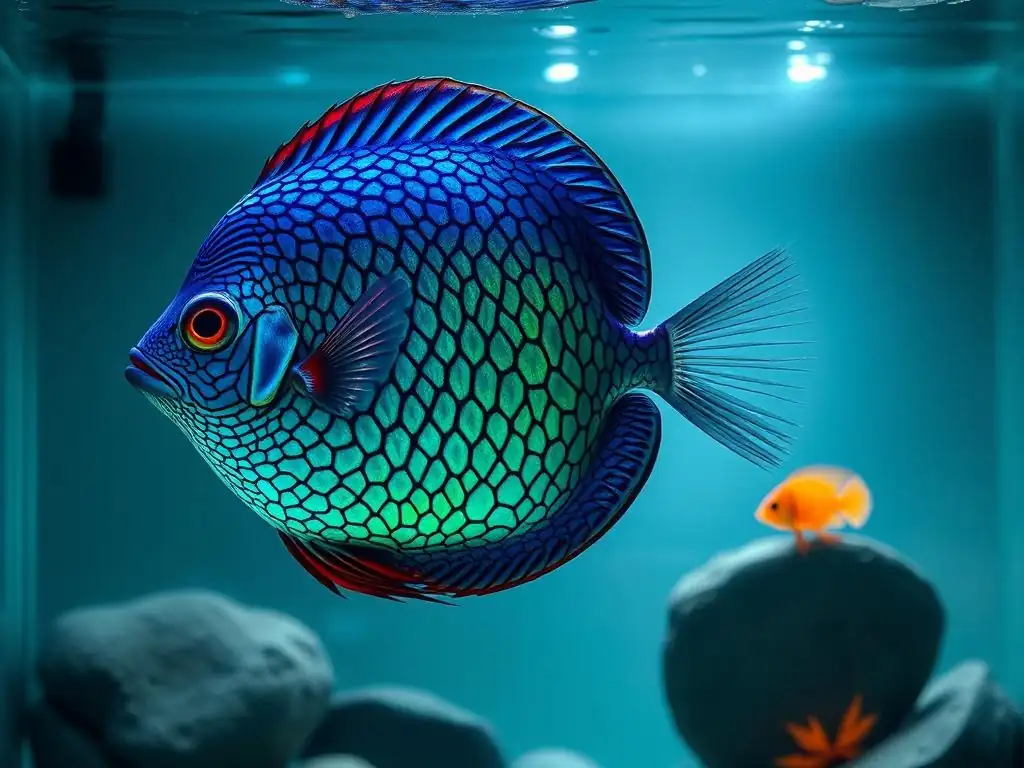
Discus shows have strict rules regarding disqualifications to maintain the integrity of the competition and uphold high breeding standards. Common reasons for immediate disqualification include visible signs of disease such as severe fin rot, Ich, or significant bacterial infections. Physical injuries, severe deformities not characteristic of the strain (e.g., spinal deformities, missing fins), or clear signs of stunting or emaciation are also grounds for disqualification.
Another critical disqualifier relates to specific genetic faults, especially in specialized strains. For instance, an Albino Discus with any dark pigmentation in its eye, rather than the characteristic red pupil, would be immediately disqualified, regardless of its other qualities. These stringent "Discus fish show standards" ensure that only truly healthy and genetically sound specimens are considered for awards.
Avoiding Pitfalls and Maintaining Show Eligibility
To avoid pitfalls and maintain show eligibility, proactive health management and careful selection are essential. Competitors must adhere to rigorous preventative care, including strict quarantine protocols for new fish and consistent maintenance of optimal water parameters. Any sign of illness or stress must be addressed immediately, well in advance of the show.
Furthermore, selecting fish with strong genetics and no inherent physical flaws is crucial from the outset. Breeders often implement a strict culling process, removing any fish that do not meet high "Discus fish show standards" for health, growth, or conformation. Many experienced competitors will not even consider entering a fish with a single clamped fin, a noticeable scratch, or any sign of dullness, as these small imperfections can easily lead to a judge dismissing an entry.
Advanced Discus Show Strategies
Selective Breeding for Show-Quality Discus
Selective breeding is the cornerstone of producing show-quality Discus. This advanced strategy involves meticulously choosing parent stock based on their adherence to "Discus fish show standards" for body shape, finnage, coloration, and overall health. Breeders often research bloodlines extensively, seeking fish with proven genetic traits that are consistently passed down to offspring.
The goal is to enhance specific desirable characteristics over generations. For example, a breeder might focus on intensifying the red pigmentation in a particular strain, carefully selecting only the most vibrantly colored offspring for future breeding. This long-term commitment to genetic refinement, often spanning several years, is what ultimately yields champion-level Discus capable of dominating the competition.
Understanding Genetics in Discus Color and Form
A deep understanding of Discus genetics is crucial for advanced show strategies, particularly in predicting and controlling inherited traits in offspring. Knowledge of dominant and recessive genes, and how they influence specific color patterns, body forms, and fin structures, allows breeders to make informed pairing decisions. This genetic insight is vital for consistently producing fish that meet stringent "Discus fish show standards."
Breeders employ techniques like line breeding to fix desirable traits within a strain or outcrossing to introduce new genetic diversity and improve vigor. For example, understanding that certain blue colorations are linked to specific gene expressions enables a breeder to strategically cross different strains to achieve a desired blue hue or pattern, ensuring the resulting fish aligns perfectly with the aesthetic and genetic requirements of a show.
Implementing a Strict Culling Process
Implementing a strict culling process is a fundamental, albeit challenging, advanced strategy for any serious Discus show competitor. Culling involves the systematic removal of fish that do not meet the desired "Discus fish show standards" for health, growth, conformation, or color. This process is critical for improving the overall quality of a breeding line and ensuring that only the most promising individuals are reared.
Culling typically begins early, often from the fry stage, where stunted, deformed, or poorly colored individuals are identified and removed. Many professional breeders report culling rates as high as 50-70% from a batch of fry, keeping only the strongest and most genetically sound fish to grow out for potential show quality. This rigorous selection ensures that resources are concentrated on individuals with the highest potential for competition.
Utilizing Specialized Lighting for Optimal Color Display
Utilizing specialized lighting is an advanced technique employed by show competitors to ensure their Discus display their colors optimally under competition conditions. The spectrum and intensity of the lighting can significantly influence how vibrant and true-to-type a fish's colors appear. Full-spectrum LED lights with adjustable color temperatures are often preferred, allowing breeders to fine-tune the illumination to best enhance specific hues.
For instance, a light with a color temperature ranging from 6500K to 8000K can dramatically bring out the blues and reds in a Discus, making them appear more vibrant and striking under show conditions. Competitors often acclimate their show fish to this specialized lighting in the weeks leading up to the event, ensuring they are comfortable and display their best colors when judged against "Discus fish show standards."
Resources for Discus Show Competitors
Discus Show Organizations and Clubs
For aspiring and experienced Discus show competitors, joining relevant organizations and clubs is an invaluable resource. These groups, such as the North American Discus Association (NADA) or various regional Discus clubs, provide excellent opportunities to network with other enthusiasts, learn from seasoned breeders, and participate in local or international shows. They often host educational seminars, workshops, and publish detailed judging criteria guidelines, offering deep insights into "Discus fish show standards."
International organizations like the International Discus Competition (IDC) also set global benchmarks and organize prestigious events that attract top breeders worldwide. Membership often grants access to exclusive forums, newsletters, and early announcements about show schedules and rules, keeping competitors well-informed and connected within the global Discus community.
Reputable Discus Breeders and Suppliers
Sourcing fish from reputable Discus breeders and suppliers is paramount for anyone serious about competing. A reputable breeder will have a proven track record of producing healthy, high-quality Discus that consistently meet or exceed show standards. They are often transparent about their breeding practices, provide comprehensive customer support, and have a strong reputation within the Discus community.
Researching and establishing relationships with such breeders can provide access to superior genetic lines, which is crucial for developing show-quality fish. Many champion Discus originate from a handful of highly respected breeders globally, who meticulously adhere to stringent "Discus fish show standards" in their breeding programs, offering the best foundation for a competitive entry.
Further Reading on Discus Show Standards and Judging
To truly excel in Discus competitions, continuous learning is essential. Competitors should delve into specialized literature, including books and articles dedicated to Discus husbandry, genetics, and competition guidelines. Comprehensive guides on specific "Discus fish show standards" and judging methodologies can provide a nuanced understanding of what judges look for.
Engaging with online forums and communities, such as SimplyDiscus.com or DiscusFish.com, can also provide invaluable insights. These platforms offer opportunities to interact with experienced hobbyists, breeders, and even judges, gaining practical advice, staying updated on evolving "Discus fish show standards," and learning from the collective knowledge of the Discus community.
Frequently Asked Questions
What are the primary judging criteria used in Discus fish shows?
Judges typically evaluate Discus based on body shape, coloration, and fin perfection. These three factors contribute significantly to the overall score.
What constitutes an ideal body shape for a show-quality Discus?
The ideal body shape is generally described as round or disc-shaped, with a smooth, symmetrical outline. Deviations from this shape can negatively impact the score.
How important is color intensity and pattern in Discus show standards?
Color is extremely important. Judges look for vibrant, even color distribution and distinct, well-defined patterns. Faded or uneven coloration is a major drawback.
What are some common disqualifications in Discus fish shows?
Common disqualifications include physical deformities, evidence of disease, and severe fin damage. Discus must be healthy and without major flaws to compete effectively.
Where can I find a detailed breakdown of specific Discus show standards guidelines?
While specific guidelines may vary by show, organizations like the International Discus Society (IDS) often publish detailed criteria. Researching these organizations is crucial for competitors.
Final Reflection: Appreciating the Art of Discus Perfection
The journey through Discus show standards, as we've explored, isn't merely about adhering to a checklist; it's about cultivating a deeper appreciation for the artistry and dedication involved in breeding these magnificent fish. The pursuit of perfection in form, color, and health, while demanding, ultimately elevates the entire Discus hobby, pushing breeders and enthusiasts alike to strive for excellence.
This dedication resonates far beyond the show tank. The meticulous care and understanding required to meet these standards translate into a profound respect for the natural world and the delicate balance of aquatic ecosystems. The beauty of the Discus lies not just in its appearance, but in the story of its creation – a testament to the breeder's skill and the fish's resilience.
This pursuit fosters a community bound by a shared passion, where knowledge is freely exchanged and the boundaries of what's possible are constantly being redefined.
Now, consider how you can apply this pursuit of excellence to your own endeavors. Whether you're a seasoned breeder, a budding enthusiast, or simply someone captivated by the beauty of the Discus, let the principles of dedication, observation, and continuous learning guide your path. Embrace the challenge, celebrate the small victories, and never stop striving to unlock the full potential of these aquatic jewels. Let the pursuit of Discus perfection inspire you to cultivate excellence in all aspects of your life.
Unleash Your Discus Potential: Start Competing Today!
Thanks for diving deep into the world of discus show standards! We hope this guide has given you a clearer understanding of what judges are looking for and how to prepare your fish for competition. Now, let's turn that knowledge into action.
- Start Preparing Your Prize-Winning Discus: Begin meticulously refining your husbandry practices focusing on water quality, diet, and environment to meet show standards.
- Explore local aquarium clubs or online forums to connect with experienced discus breeders and competitors for valuable tips and support.
- Share this article with fellow aquarists to spread knowledge and encourage more hobbyists to participate in discus shows!
What specific aspect of discus show preparation will you focus on first to elevate your fish to competition level?