
The Colorful World of Variatus: Exploring Different Strains and Patterns

Welcome to Aquarium Mastery!
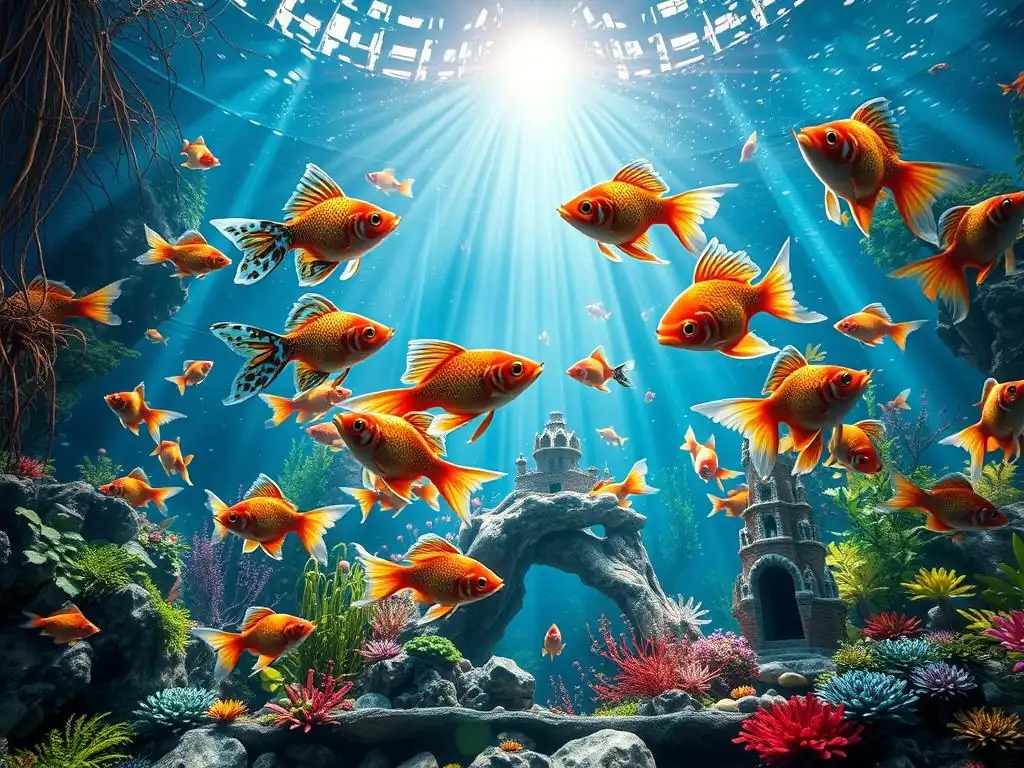
Dive into the vibrant world of freshwater aquariums, starting with the dazzling Variatus goldfish. Curious about the secrets to keeping these colorful creatures thriving? We'll unravel the mysteries of their care, from optimal tank conditions to recognizing different strains and patterns. Get ready to discover essential Variatus goldfish care tips and unlock a deeper appreciation for these finned jewels. Let's explore!
- Understanding Variatus: A Guide to Xiphophorus variatus
- Variatus Care Tips: A Comprehensive Guide
- Exploring Variatus Strains: A Visual Feast
- Variatus Breeding: A Rewarding Experience
- Common Variatus Health Issues and Treatments
- Choosing Tank Mates for Variatus: Creating a Harmonious Community
- Advanced Variatus Care: Selective Breeding for Specific Traits
-
Frequently Asked Questions
- What are the key characteristics of Variatus goldfish that make them unique?
- What specific water parameters are crucial for successful Variatus goldfish care?
- What are some common health problems that Variatus goldfish are susceptible to, and how can they be prevented?
- What is the ideal diet for Variatus goldfish to ensure vibrant coloration and optimal health?
- How frequently should water changes be performed in a Variatus goldfish tank, and what percentage of the water should be replaced?
- Final Reflection: Embracing the Spectrum of Variatus Beauty
- Unveil Your Perfect Variatus!
Understanding Variatus: A Guide to Xiphophorus variatus
What are Variatus? Introducing the Variable Platy
Xiphophorus variatus, commonly known as the Variable Platy, is a vibrant and peaceful freshwater fish highly prized in the aquarium hobby. Originating from specific river systems in Central America, notably Mexico and Guatemala, this species thrives in slow-moving waters and vegetated areas. Its natural habitat includes ditches, canals, and ponds, where it feeds on small invertebrates and plant matter. The Variatus is celebrated for its remarkable genetic diversity, which allows for an astonishing array of color patterns and fin variations, making each individual a unique spectacle.
Adult Variatus platies typically reach a size of 2 to 2.5 inches (approximately 5-6.5 cm), making them an excellent choice for smaller community aquariums. Their hardiness and adaptable nature contribute significantly to their popularity among both beginner and experienced aquarists. Beyond their aesthetic appeal, Variatus are known for their calm temperament, making them ideal tank mates for a wide variety of other peaceful fish. Their active swimming patterns and social interactions add dynamic movement and interest to any freshwater setup.
Variatus vs. Platy: Key Differences Explained
It's important to clarify that the Variatus ( Xiphophorus variatus) is, in fact, a type of platy. The term "platy" broadly refers to several species within the Xiphophorus genus, most commonly the Common Platy ( Xiphophorus maculatus) and the Variatus Platy ( Xiphophorus variatus). While both are popular livebearers and share many similarities in care requirements and temperament, subtle distinctions exist. The Variatus Platy generally exhibits a more elongated body shape compared to the Common Platy, which tends to be stockier and rounder.
Another notable difference lies in their caudal fin (tail fin) morphology. While neither species possesses the prominent "sword" extension characteristic of their close relatives, the swordtails ( Xiphophorus hellerii), Variatus platies can sometimes develop a slightly more pointed or elongated caudal fin, particularly in selectively bred strains like the Comet Variatus. Furthermore, the Variatus is renowned for its incredibly diverse natural color palette, which has been extensively enhanced through selective breeding to produce the myriad of intense hues and intricate patterns seen in the hobby today, often surpassing the initial wild-type variations of the Common Platy.
Variatus Care Tips: A Comprehensive Guide
Optimal Tank Conditions for Variatus
Providing optimal tank conditions is fundamental for the health and vibrancy of your Variatus platies. For a small group of 5-6 Variatus, a minimum 10-gallon aquarium is recommended, though a 20-gallon tank or larger is ideal for a thriving community setup, allowing ample swimming space and reducing stress. The water temperature should be maintained consistently between 72-79°F (22-26°C), simulating their tropical natural habitat. A reliable heater with a thermostat is essential to prevent temperature fluctuations.
The substrate can be fine gravel or sand, which is gentle on their barbels if they forage at the bottom. Decorating the tank with a mix of dense live plants (such as Anubias, Java Fern, Hornwort, or Water Sprite) and open swimming areas is crucial. Variatus appreciate the cover and security that plants offer, especially for fry if breeding occurs.
Additionally, providing hiding spots like small caves, driftwood, or rock formations enhances their sense of security and reduces stress. Moderate lighting suitable for plant growth is generally sufficient, and a gentle filtration system, such as a sponge filter or a hang-on-back filter with a baffled output, is recommended to avoid strong currents that can stress these small fish.
Maintaining Water Quality for Healthy Variatus
Maintaining pristine water quality is paramount for the long-term health and vivid coloration of your Variatus. These fish thrive in slightly alkaline to neutral water with a pH range of 7.0-8.0. The water hardness (dGH) should be moderate to hard, ideally between 10-25 dGH, reflecting their natural environments which often have mineral-rich waters.
Consistent monitoring of water parameters using a reliable test kit is a crucial Variatus care tip. Ammonia and nitrite levels must always be at 0 ppm, as even trace amounts can be highly toxic. Nitrate levels should be kept below 20 ppm to ensure a healthy environment.
Regular partial water changes are the most effective method for maintaining water quality and preventing the buildup of harmful nitrates and other dissolved organic compounds. A 25-30% water change weekly is generally recommended for a well-established tank. When performing water changes, always use a good quality water conditioner to neutralize chlorine and chloramines from tap water. Establishing and maintaining a healthy nitrogen cycle in your aquarium is vital before introducing Variatus, as this biological process converts toxic ammonia and nitrite into less harmful nitrates, ensuring a stable and safe environment for your fish.
Variatus Feeding Guide: Diet and Nutrition
Variatus platies are omnivores, and providing a varied and balanced diet is crucial for their overall health, vibrant coloration, and breeding success. In their natural habitat, they consume a mix of plant matter, algae, and small invertebrates. Replicating this diversity in the aquarium ensures they receive all necessary nutrients. A high-quality flake food can serve as a staple, but it should always be supplemented with other nutritious options.
Recommended Foods for Variatus
For optimal Variatus care, incorporate a variety of foods into their diet. High-quality flake or micro-pellet food specifically formulated for small omnivorous fish should form the base. Supplement this with frozen or freeze-dried foods such as bloodworms, brine shrimp, and daphnia, which provide essential proteins and fats.
Vegetable matter is equally important; blanched spinach, zucchini slices, or spirulina flakes are excellent choices. Live foods like newly hatched brine shrimp or daphnia, when sourced safely, offer superior nutritional value and stimulate natural foraging behaviors. Always ensure food items are appropriately sized for their small mouths to prevent choking or digestive issues.
Feeding Schedule and Portion Control
A consistent feeding schedule and proper portion control are vital for preventing overfeeding, which can lead to digestive problems in the fish and poor water quality in the tank. Variatus should be fed 2-3 times daily, offering small amounts that they can consume entirely within 2-3 minutes. Any uneaten food should be promptly removed from the tank to prevent it from decaying and polluting the water.
Overfeeding is a common mistake in aquarium keeping and can significantly contribute to elevated ammonia and nitrate levels, leading to stress and disease in your Variatus. Observing your fish during feeding will help you fine-tune the portions to their specific needs.
Exploring Variatus Strains: A Visual Feast
Red Variatus: Intense Hues and Variations
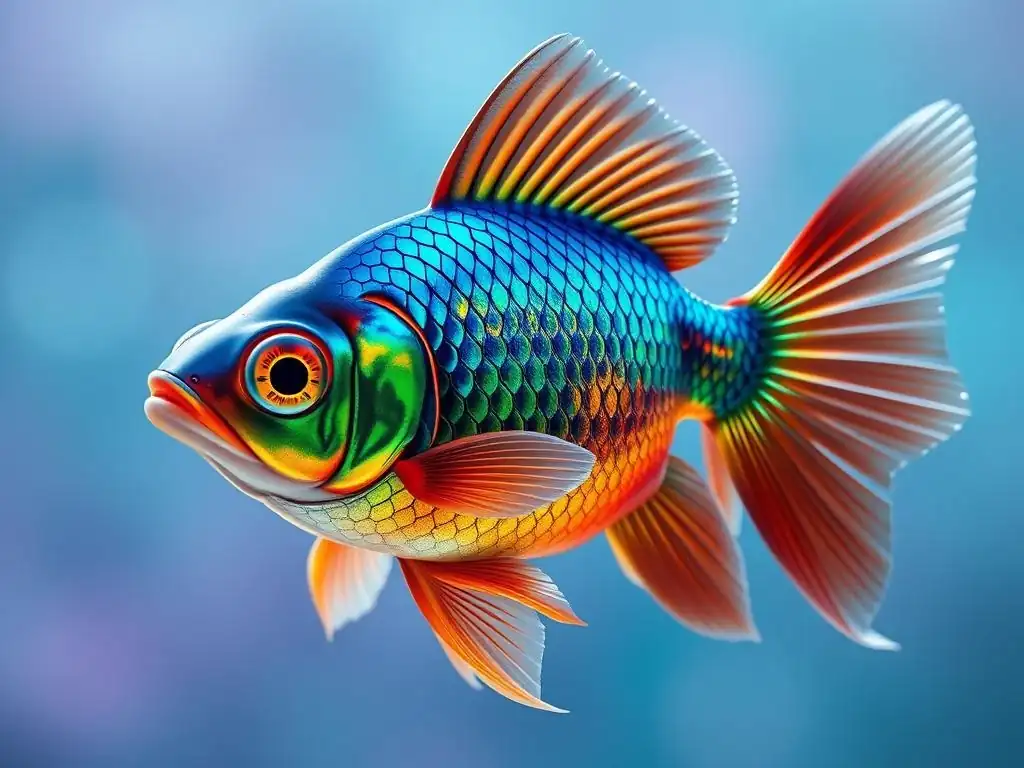
The Red Variatus is one of the most striking and popular color strains, prized for its intense and captivating hues. Through years of selective breeding, aquarists have developed Variatus platies with a spectrum of red variations, ranging from a deep, fiery crimson to a lighter, more orange-red. Examples include the "Blood Red Variatus," which boasts a solid, uniform red body, and the "Fire Red Variatus," often exhibiting an even more vivid, almost glowing red.
Some strains may feature black finnage contrasting sharply with the red body, further enhancing their visual appeal. These intense hues are a testament to dedicated breeding efforts aimed at maximizing the expression of red pigments, making them a focal point in any community aquarium.
Gold Variatus: The Shimmering Beauty
Gold Variatus platies bring a shimmering elegance to the aquarium with their radiant golden-yellow coloration. This strain often displays an iridescent quality, with their scales catching and reflecting light beautifully, creating a luminous effect. Variations within the Gold Variatus include the "Pineapple Variatus," which typically features a golden body combined with vibrant red or orange fins, reminiscent of the tropical fruit.
Another popular variant is the "Sunburst Variatus," known for its bright yellow-orange body that often deepens in color towards the tail. The shimmering beauty of Gold Variatus adds warmth and brightness to any tank, making them a favorite among those who appreciate subtle yet captivating coloration.
Rainbow Variatus: A Spectrum of Colors
The Rainbow Variatus is a truly spectacular strain, showcasing a dazzling array of colors on a single fish. Unlike solid-colored strains, Rainbow Variatus exhibit a patchwork of hues, often including vibrant reds, oranges, yellows, and blacks, sometimes with hints of blue or green. This "spectrum of colors" is often the result of crossing different established color strains, leading to unpredictable yet stunning combinations.
Each Rainbow Variatus can be unique, with patterns varying from mottled to blotchy, ensuring no two fish are exactly alike. Their vibrant and dynamic appearance makes them a highlight in any community tank, constantly offering new visual interest as they swim and interact.
Marbled Variatus: Unique Patterns and Designs
Marbled Variatus platies are distinguished by their intricate and unique patterns, which resemble irregular patches or streaks of contrasting colors on a lighter base. These patterns often consist of black, red, orange, or yellow markings on a silver, gold, or white background, creating a "marbled" or "Dalmatian" effect. The genetic complexity behind these designs means that each Marbled Variatus possesses a truly one-of-a-kind appearance, with no two patterns being identical.
This makes them highly sought after by aquarists who appreciate distinctive and artistic fish. The Marbled Variatus offers a fascinating visual experience, as their patterns can sometimes appear to shift or deepen with age and mood.
Comet Variatus: Distinctive Tail Markings
The Comet Variatus is recognized by its distinctive caudal fin (tail) markings and shape, which set it apart from other Variatus strains. While not possessing a true "sword" like the Swordtail, the Comet Variatus exhibits an elongated or pointed extension on its caudal fin, giving it a more elegant and streamlined appearance. This tail extension is often accentuated by black markings, creating a "comet" or "brushstroke" effect.
This unique finnage adds a touch of sophistication to the Variatus's natural charm. The Comet Variatus showcases how selective breeding can enhance specific morphological traits, leading to new and visually appealing variations that appeal to collectors and enthusiasts alike.
Variatus Breeding: A Rewarding Experience
Setting Up a Breeding Tank for Variatus
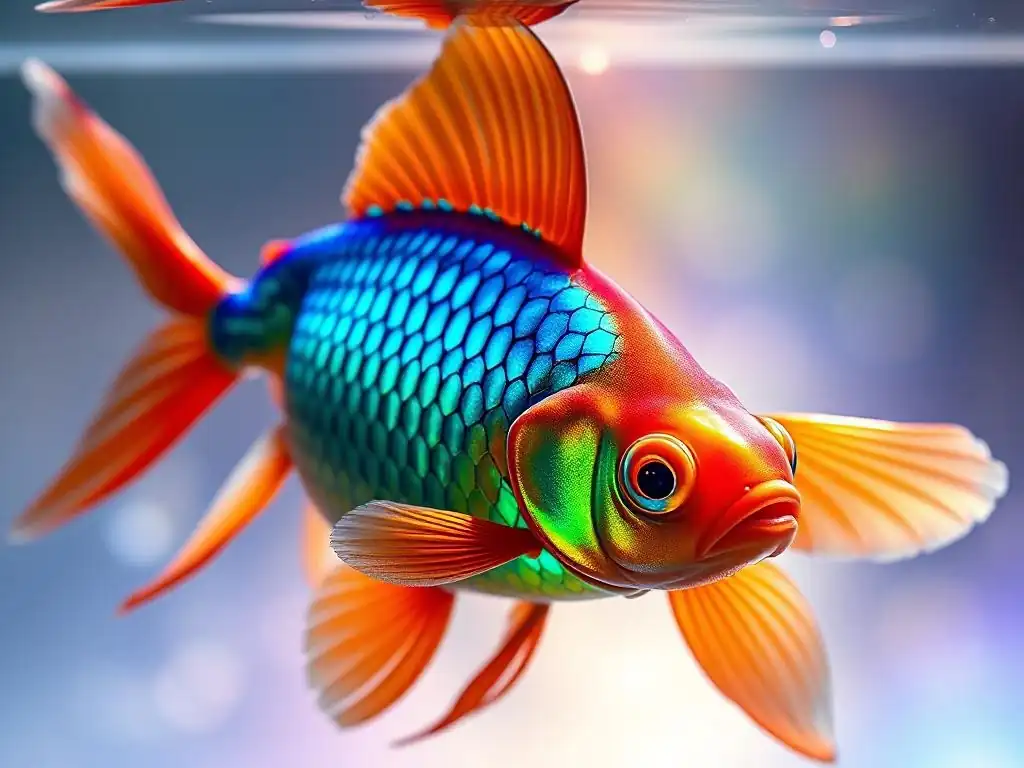
Variatus platies are livebearers, meaning they give birth to live, free-swimming fry, making them relatively easy to breed in a home aquarium. To maximize fry survival, setting up a dedicated breeding tank is highly recommended. A 5-gallon tank can suffice for a single gravid female, but a 10-gallon tank provides more stability and space. The breeding tank should be densely planted with fine-leaved plants like Java Moss, Hornwort, or Anacharis, as these provide crucial hiding spots for the newborn fry from their parents, who may predate on them.
A gentle filtration system, such as a sponge filter, is essential, as it provides biological filtration without creating strong currents that could harm delicate fry. Maintain the water parameters consistent with optimal Variatus care: temperature 75-78°F (24-26°C), pH 7.0-8.0, and moderate hardness. While breeding boxes or nets can be used, they often stress the female and provide less natural cover for the fry. A well-planted tank allows the female to give birth naturally and the fry to seek immediate refuge, leading to healthier fish.
Identifying Male and Female Variatus
Distinguishing between male and female Variatus is relatively straightforward, especially once they reach maturity. This identification is crucial for successful breeding and managing tank populations. Male Variatus are generally smaller and more slender in body shape compared to females. The most definitive characteristic of a male is the gonopodium, a modified, rod-shaped anal fin used for internal fertilization. This fin is distinctively pointed and elongated, differing significantly from the fan-shaped anal fin of the female.
Female Variatus are typically larger and have a rounder, fuller body, particularly when gravid (pregnant). Their anal fin remains fan-shaped. Additionally, mature females may develop a "gravid spot," a dark area near the anal fin that becomes more pronounced as the pregnancy progresses due to the developing embryos inside. While males might sometimes display slightly more vibrant colors or elaborate finnage, the gonopodium and body shape are the most reliable indicators for sexing Variatus.
Caring for Variatus Fry: From Birth to Adulthood
Caring for Variatus fry requires specific attention to diet and water quality to ensure their survival and healthy growth. Newborn Variatus fry are tiny but self-sufficient, immediately swimming and seeking food. Their initial diet should consist of very fine foods. Good options include finely crushed high-quality flake food, spirulina powder, liquid fry food, or ideally, newly hatched brine shrimp, which are highly nutritious and stimulate their natural feeding instincts. Feed small amounts several times a day to support their rapid growth.
Maintaining pristine water quality is critical for fry. Perform small, frequent water changes (10-15% daily or every other day) using dechlorinated water to prevent the buildup of nitrates and other pollutants, which can be particularly harmful to developing fish. Ensure the water temperature remains stable and within the optimal range for Variatus care.
As the fry grow, gradually transition them to larger food particles. Once they reach about 1 inch (2.5 cm) in size, they can usually be moved to a larger grow-out tank or, if the community tank is peaceful and well-planted, introduced there, provided they are large enough to avoid predation by adult fish.
Preventing Overpopulation in Your Variatus Tank
Given their prolific breeding nature, preventing overpopulation is an important aspect of Variatus care. An overcrowded tank can lead to increased stress, poor water quality, stunted growth, and a higher susceptibility to diseases. One natural method of population control, though often resulting in significant fry loss, is allowing adults to remain in the same tank as their offspring. Adult Variatus, like many livebearers, will predate on their own fry, especially if the tank lacks sufficient hiding spots.
For more controlled population management, consider introducing a few carefully selected, peaceful, small-to-medium sized fish that might predate on some of the fry without harming the adults. Examples include Dwarf Gouramis or specific types of small tetras, though this requires careful consideration of compatibility and tank size. Alternatively, if you wish to avoid any predation, the most effective method is to separate males and females into different tanks. For hobbyists with a surplus of fish, options include donating them to local fish stores, selling them to other enthusiasts, or offering them to school programs.
Common Variatus Health Issues and Treatments
Recognizing Symptoms of Illness in Variatus
Early recognition of illness symptoms is crucial for effective Variatus care and treatment, significantly improving the chances of recovery. Healthy Variatus are active, have vibrant coloration, and display a good appetite. Any deviation from these norms can indicate a health issue. Common symptoms of illness include lethargy or unusual inactivity, clamped fins (held close to the body), loss of appetite, and changes in coloration such as fading or darkening.
Physical signs might include white spots resembling salt grains (Ich), fuzzy growths (fungus), red streaks or ragged fins (fin rot), bloating, or emaciation. Variatus might also exhibit abnormal swimming patterns, such as darting, rubbing against tank decorations ("flashing"), or gasping at the water surface. Observing your fish daily for these subtle changes allows for prompt intervention, often preventing the spread of disease and ensuring the well-being of your entire aquatic community.
Fin Rot in Variatus: Causes and Treatment
Fin rot is a common bacterial infection that affects the fins of Variatus, often caused by poor water quality, overcrowding, stress, or injury. Symptoms include the fins appearing frayed, ragged, or disintegrating, sometimes with a white or reddish edge. If left untreated, the infection can progress to the body, potentially leading to more severe health complications. Maintaining excellent water quality is the primary defense against fin rot.
Treatment for fin rot typically involves several steps. Begin by performing daily partial water changes (25-30%) to improve water conditions and remove bacterial load. Adding aquarium salt (1 teaspoon per 5 gallons, dissolved first) can help in mild cases and reduce stress.
For more advanced infections, broad-spectrum antibacterial medications such as Furan-2 or Maracyn can be effective. Always follow the medication instructions carefully. Isolating affected fish in a separate hospital tank can prevent the spread of the disease and allow for more targeted treatment, though it's important to treat the main tank for underlying causes if the entire population is affected.
Ich (White Spot Disease) in Variatus: Identification and Cure
Ich, caused by the parasite Ichthyophthirius multifiliis, is one of the most common and recognizable diseases in freshwater aquariums, including those housing Variatus. It typically manifests as small, white spots resembling grains of salt scattered across the fish's body and fins. Other symptoms include rapid gill movement (indicating difficulty breathing), flashing (rubbing against tank objects), and lethargy. Ich is often introduced by new, untreated fish or plants and can be triggered by stress, sudden temperature fluctuations, or poor Variatus care.
Treatment for Ich is generally effective if caught early. A common approach involves slowly raising the aquarium temperature to 82-84°F (28-29°C) over 24-48 hours, as this accelerates the parasite's life cycle, making it more vulnerable to treatment. Simultaneously, increase aeration to compensate for reduced oxygen levels at higher temperatures. Use an Ich medication containing ingredients like malachite green or formalin, following the manufacturer's instructions precisely. Adding aquarium salt (1 tablespoon per 5 gallons) can also aid in treatment by irritating the parasite. Continue treatment for at least 7-10 days, even after spots disappear, to ensure all parasites are eradicated.
Preventing Common Diseases in Variatus
Preventing diseases is far more effective and less stressful than treating them, especially for the hardy Variatus. The cornerstone of disease prevention is maintaining consistently pristine water quality. Regular partial water changes (25-30% weekly) and diligent monitoring of ammonia, nitrite, and nitrate levels are essential. Overcrowding significantly stresses fish and compromises water quality, so ensure your Variatus tank is appropriately stocked. A balanced and varied diet, as outlined in the Variatus feeding guide, strengthens their immune system.
Quarantining all new fish for 2-4 weeks in a separate tank before introducing them to your main aquarium is a critical preventive measure. This allows you to observe them for any signs of illness and treat them if necessary, preventing the introduction of pathogens to your established community. Minimizing stress factors, such as sudden temperature changes, aggressive tank mates, or insufficient hiding spots, also plays a vital role in keeping your Variatus healthy and resilient against common diseases.
Choosing Tank Mates for Variatus: Creating a Harmonious Community
Compatible Fish Species for Variatus Aquariums
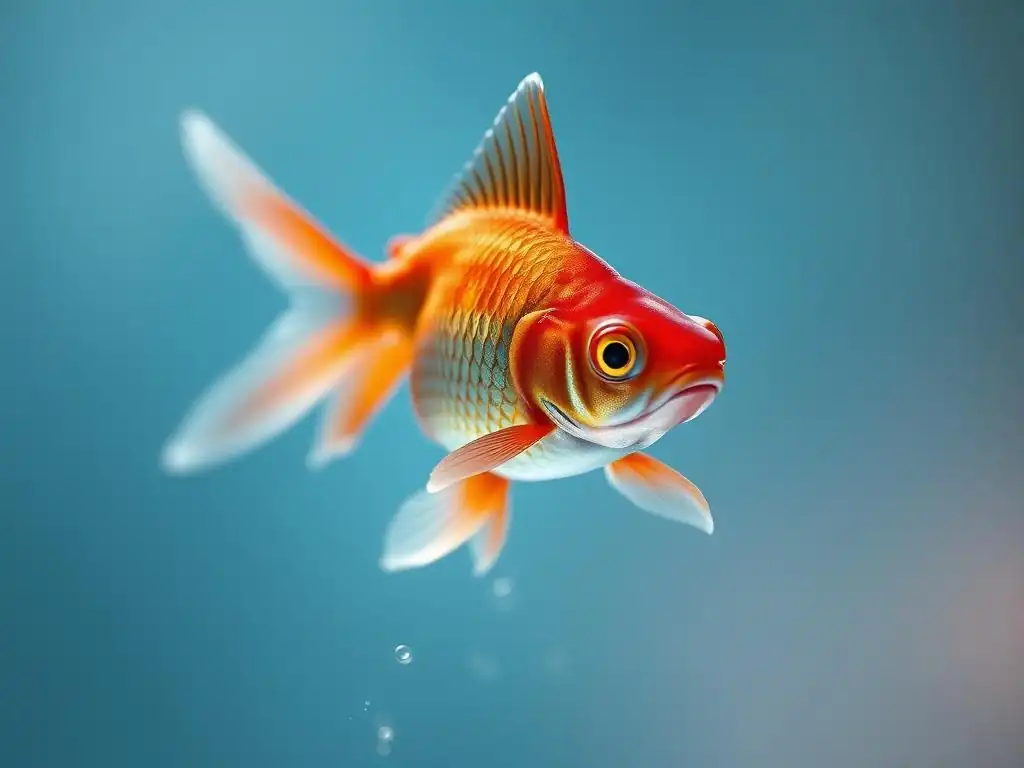
Variatus platies are peaceful and adaptable fish, making them excellent candidates for a community aquarium. When choosing tank mates, select species that share similar water parameter requirements and a calm temperament to ensure a harmonious environment. Other livebearers like Guppies, Mollies, and other Platy species are generally compatible, provided the tank is large enough to accommodate their combined bioload.
Small, peaceful schooling fish such as Neon Tetras, Cardinal Tetras, Rummy Nose Tetras, and Harlequin Rasboras make excellent companions, adding dynamic movement to the mid-water column. Bottom-dwelling fish like Corydoras catfish are also suitable, as they occupy a different part of the tank and are non-aggressive. Peaceful gouramis, such as Dwarf Gouramis or Honey Gouramis, can also coexist well. Additionally, certain snails (e.g., Nerite snails, Mystery snails) and dwarf shrimp (e.g., Amano shrimp) can be good tank mates, though very small shrimp fry might be seen as food by adult Variatus.
Avoiding Aggressive Tank Mates
To ensure the well-being of your Variatus and maintain a peaceful community tank, it is crucial to avoid aggressive or fin-nipping fish species. Large, predatory fish, such as most Cichlids (e.g., Oscars, Jack Dempseys), will view Variatus as food and are entirely unsuitable. Even seemingly small fin-nippers like Tiger Barbs can harass Variatus, especially if not kept in large schools themselves, leading to stress, injury, and increased susceptibility to disease.
Fish that require significantly different water parameters (e.g., very soft, acidic water) should also be avoided, as maintaining optimal Variatus care conditions would be detrimental to them, and vice-versa. Always research the temperament and specific needs of any potential tank mate before introducing them to your Variatus aquarium. A mismatched community can lead to constant stress, fin damage, and a generally unhealthy environment for all inhabitants.
Maintaining a Balanced Ecosystem with Variatus
Creating and maintaining a balanced ecosystem with Variatus involves more than just selecting compatible tank mates; it requires careful planning of the overall tank environment. Consider the total bioload (the amount of waste produced by all fish) when adding new inhabitants to avoid overcrowding, which directly impacts water quality and stress levels. A general rule of thumb is 1 inch of fish per gallon for smaller fish, though this can vary.
Ensure there are adequate hiding spots and territories for all fish, even peaceful ones, to reduce potential stress or minor squabbles. Dense planting, caves, and driftwood can help achieve this. Regularly observe the behavior of all fish in the tank for any signs of stress, aggression, or illness. A balanced ecosystem provides a stable environment where all inhabitants can thrive, exhibiting their natural behaviors and vibrant colors, making your Variatus care efforts truly rewarding.
Advanced Variatus Care: Selective Breeding for Specific Traits
Techniques for Enhancing Red Coloration
For dedicated hobbyists, advanced Variatus care extends to selective breeding to enhance specific traits, such as intense red coloration. One primary technique is line breeding, which involves carefully selecting Variatus with the most vibrant and uniform red hues and breeding them together. By consistently choosing the offspring that exhibit the desired level of redness in successive generations, the concentration of genes responsible for red pigmentation can be increased.
Culling is another essential aspect of selective breeding. This involves removing fish from the breeding pool that do not meet the desired color standards or exhibit undesirable traits. This ensures that only the best examples of red coloration are passed on.
Beyond genetic selection, diet plays a significant role; feeding Variatus foods rich in carotenoids, such as astaxanthin or spirulina, can naturally enhance and deepen their red pigments, allowing the full genetic potential for coloration to be expressed. Consistent optimal Variatus care, including pristine water quality and a stress-free environment, also ensures the fish are healthy enough to display their best colors.
Methods for Stabilizing Marbled Patterns
Stabilizing complex genetic traits like marbled patterns in Variatus requires patience, meticulous record-keeping, and strategic breeding methods. Marbled patterns, characterized by irregular patches of contrasting colors, can be genetically complex and sometimes unstable, meaning they might not consistently pass down to offspring. The primary method for stabilization is careful selection of breeding pairs that exhibit the most desirable and consistent marbled patterns.
Breeders often employ a combination of inbreeding (breeding closely related individuals) to fix desired traits and outcrossing (breeding with unrelated fish, often solid-colored ones) to introduce genetic diversity and vigor, followed by backcrossing to the marbled line. Detailed records of parentage and offspring patterns are crucial to track inheritance and identify lines that consistently produce the desired marbled effect. This process can take many generations, as it involves understanding the expression of multiple genes. Maintaining excellent Variatus care conditions, including a high-quality diet, also contributes to the full and clear expression of these intricate patterns.
Frequently Asked Questions
What are the key characteristics of Variatus goldfish that make them unique?
Variatus goldfish are known for their vibrant colors and unique patterns, setting them apart from common goldfish. They also display smaller sizes and distinctive fin shapes.
What specific water parameters are crucial for successful Variatus goldfish care?
Maintaining stable water parameters is essential. This includes a temperature range of 65-75°F (18-24°C), a pH level between 6.5 and 7.5, and regular water changes to remove toxins.
What are some common health problems that Variatus goldfish are susceptible to, and how can they be prevented?
Variatus goldfish are prone to issues like ich (white spot disease) and swim bladder disorder. Prevention involves maintaining clean water, providing a balanced diet, and quarantining new fish.
What is the ideal diet for Variatus goldfish to ensure vibrant coloration and optimal health?
A varied diet is best, consisting of high-quality goldfish flakes or pellets, supplemented with live or frozen foods like brine shrimp and daphnia. Ensure the food contains color-enhancing ingredients.
How frequently should water changes be performed in a Variatus goldfish tank, and what percentage of the water should be replaced?
Regular water changes are crucial. Aim for 25-50% water changes every week or two, depending on the tank size and bioload, to maintain optimal water quality.
Final Reflection: Embracing the Spectrum of Variatus Beauty
The journey through the vibrant world of Variatus goldfish, as we've explored, highlights the sheer diversity and captivating beauty hidden within a single species. Understanding the nuances of each strain and pattern is not just about aesthetics; it's about appreciating the intricate tapestry of life and the dedication of breeders who cultivate these living jewels. This knowledge empowers us to provide the best possible care, ensuring these colorful companions thrive and continue to brighten our aquariums.
The allure of the Variatus extends beyond the aquarium glass; it reflects a broader appreciation for the beauty of variation and the importance of responsible pet ownership. My own fascination with these fish stems from their ability to constantly surprise and delight, reminding me that even within seemingly defined categories, there's always room for unique expression. The beauty of the natural world lies in the details, and the Variatus goldfish is a testament to this truth.
This quote encapsulates the ongoing influence of these fish, inspiring us to look closer and appreciate the subtle wonders that surround us.
Now, as you embark on your own Variatus adventure, remember that knowledge is the key to responsible care and lasting enjoyment. Take the insights you've gained from this exploration and apply them to your own aquariums. Observe, learn, and adapt your care routines to meet the specific needs of your fish. By embracing the spectrum of Variatus beauty and committing to their well-being, you'll not only create a thriving aquatic ecosystem but also contribute to the preservation of these remarkable creatures for generations to come.
Unveil Your Perfect Variatus!
Thanks for diving into the vibrant world of Variatus! Now that you're equipped with a better understanding of their diverse strains and patterns, let's bring that knowledge to life. Ready to take the next step?
Here's how:
- Start by identifying one specific Variatus strain that captivates you the most, then research local breeders or trusted online sources to begin your search.
- Share your favorite Variatus pattern on social media using #AquariumMasteryVariatus to connect with other enthusiasts and showcase your unique taste.
- Consider creating a dedicated photo journal documenting the growth and color changes of your Variatus fish – a fascinating record to share and inspire others.
Which unique Variatus strain will you choose to start your colorful aquarium journey?