
First Feasts: A Comprehensive Guide to Feeding Your Newborn Fish Fry for Optimal Growth

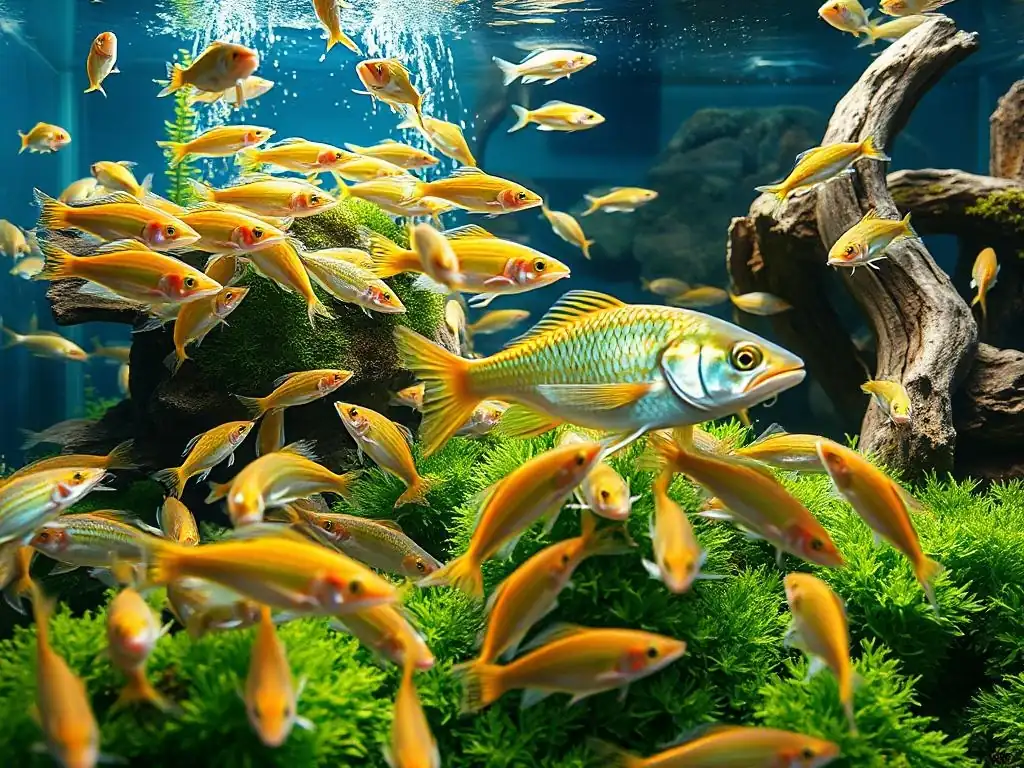
Welcome to Aquarium Mastery, where your underwater dreams come to life!
Ever watched tiny fish fry emerge and wondered exactly what to feed these delicate newborns? Our latest guide, " First Feasts: A Comprehensive Guide to Feeding Your Newborn Fish Fry for Optimal Growth," dives deep into the world of newborn fish fry feeding, revealing the secrets to ensuring their survival and vibrant growth. Ready to unlock the secrets of raising healthy fry? Let's get started!
- Raising Healthy Betta Fry: A Comprehensive Guide to First Foods and Care
- Understanding Betta Fry Nutritional Needs
- Selecting the Right First Foods for Betta Fry
- Feeding Techniques for Betta Fry
- Maintaining Water Quality During Fry Rearing
- Advanced Betta Fry Feeding Strategies
- Monitoring Fry Growth and Health
- Conclusion: Mastering Betta Fry Feeding for Aquarium Success
- Frequently Asked Questions
- Final Reflection: Nurturing New Beginnings
- Unleash the Growth Potential of Your Fry!
Raising Healthy Betta Fry: A Comprehensive Guide to First Foods and Care
Understanding Betta Fry Nutritional Needs
Why Proper Fry Feeding is Crucial for Betta Development
Proper newborn fish fry feeding is absolutely paramount for the successful development and survival of Betta fry. In their initial weeks, Betta fry undergo an incredibly rapid growth phase, often doubling their size within just a few days. During this critical period, their metabolic rates are exceptionally high, demanding a constant and readily available supply of high-quality nutrients.
Inadequate or improper feeding during the first 2-3 weeks post-hatching can lead to severe consequences, including stunted growth, skeletal deformities, weakened immune systems, and significantly elevated mortality rates. Without the right "first feasts," many fry simply won't make it past the vulnerable early stages.
Furthermore, the nutritional foundation laid during the early Betta fry feeding stages has a profound long-term impact on the adult fish. Fry that receive a consistent, nutrient-rich diet tend to develop into larger, more vibrant, and healthier adult Bettas with well-formed fins and robust immune responses.
Conversely, fry that experience nutritional deficiencies early on may exhibit permanent stunting, dull coloration, susceptibility to common diseases like velvet or fin rot, and even reduced reproductive capabilities in adulthood. Therefore, mastering the art of feeding newborn fish fry is not just about survival; it's about ensuring the optimal health and genetic potential of your entire Betta generation.
Key Nutrients for Healthy Betta Fry Growth: A Nutritional Breakdown
For healthy Betta fry growth, a balanced intake of macronutrients—proteins, fats, and carbohydrates—is essential, with a strong emphasis on protein. Proteins are the building blocks for rapid tissue development, crucial for the formation of muscle, fins, and internal organs. Diets for Betta fry should ideally contain a high protein content, often ranging from 40% to 55%, to support their accelerated growth rates. Live foods like newly hatched brine shrimp or micro worms are particularly rich in high-quality, easily digestible proteins, making them superior choices for early Betta fry feeding.
Beyond proteins, fats provide a concentrated energy source vital for the fry's high metabolism and continuous activity. Essential fatty acids, such as Omega-3 and Omega-6, are crucial for proper brain and nervous system development, as well as maintaining cell membrane integrity. While carbohydrates play a lesser role compared to proteins and fats, they still contribute to the overall energy supply.
Furthermore, a comprehensive range of micronutrients, including various vitamins (e.g., Vitamin A for vision, Vitamin D for bone development, Vitamin C for immune function) and minerals (e.g., calcium for skeletal structure, phosphorus for energy transfer), are indispensable. Deficiencies in these micronutrients can lead to specific developmental issues, such as skeletal deformities from insufficient calcium or compromised immunity from lack of Vitamin C, highlighting the need for diverse and nutrient-dense food sources when feeding newborn fish fry.
Distinguishing Between Different Stages and Their Dietary Requirements
Betta fry have distinct dietary requirements that evolve rapidly as they grow, necessitating a staged approach to newborn fish fry feeding. Immediately after hatching, for the first 2-3 days, Betta fry primarily rely on their yolk sac for nourishment. During this period, they are incredibly tiny, often less than 2 millimeters in length, and their mouths are too small to consume anything but the most microscopic particles.
Once the yolk sac is absorbed, typically around day 3-4, they become free-swimming and actively seek food. At this initial free-swimming stage, their mouth gape is still miniscule, requiring microscopic live foods such as infusoria, paramecium, or specialized liquid fry foods. Attempting to feed larger particles will simply result in starvation.
As the Betta fry progress into their first week and beyond, reaching approximately 3-5 millimeters in length, their mouths become large enough to handle slightly bigger live foods. This is the ideal time to introduce live micro worms or newly hatched baby brine shrimp (Artemia nauplii), which are highly nutritious and stimulate the fry's natural hunting instincts. By week three, many fry will have grown considerably, often reaching 1-2 centimeters.
At this point, their feeding capabilities expand significantly, allowing them to consume larger live foods like grindal worms, small daphnia, or finely crushed high-protein flake foods specifically formulated for fry. Adapting the food size and type to the fry's developmental stage is a critical aspect of successful Betta fry feeding, ensuring they receive appropriate nourishment without waste or difficulty.
Selecting the Right First Foods for Betta Fry
Live Foods for Betta Fry: A Natural and Nutritious Option
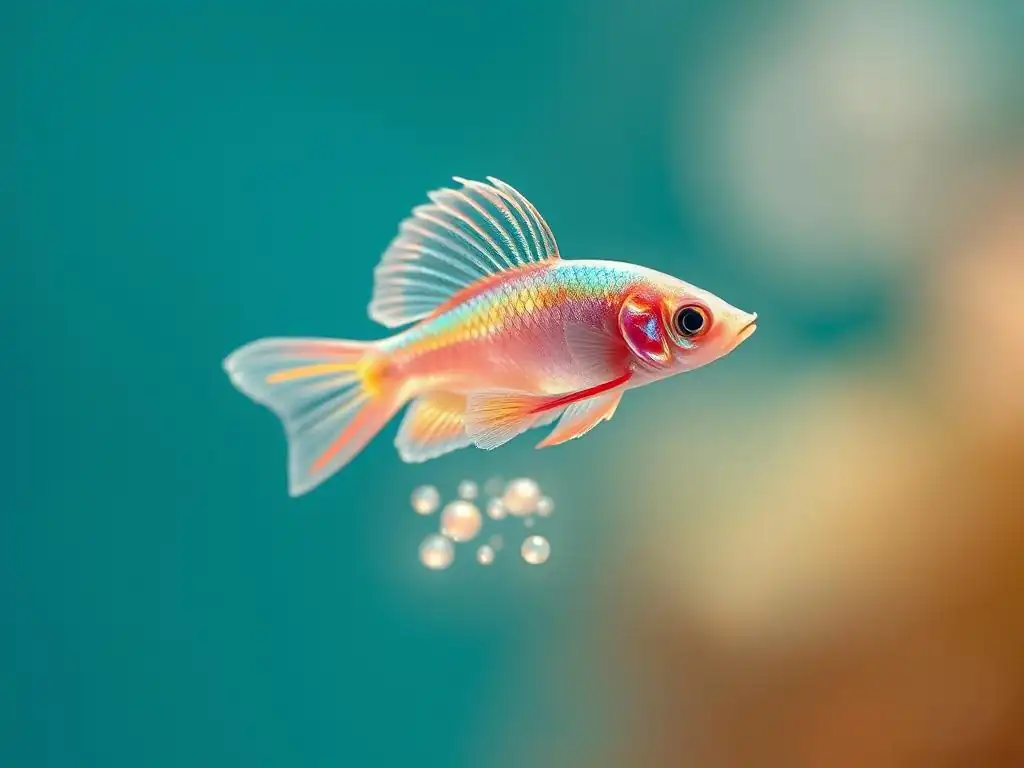
Live foods are widely considered the gold standard for feeding newborn fish fry, particularly Betta fry, due to their superior nutritional profile, high digestibility, and the natural hunting instinct they stimulate. Unlike processed foods, live organisms retain all their vital nutrients, including essential amino acids, fatty acids, and a broad spectrum of vitamins and minerals that can be degraded during manufacturing.
Their jerky, natural movements also entice the fry to actively pursue their meals, which can be crucial for hesitant eaters. The high moisture content and soft exoskeletons of live foods make them easily digestible for the delicate digestive systems of young fry, minimizing the risk of internal blockages or digestive upset.
Moreover, the act of hunting live food encourages natural behaviors and can contribute to the overall vitality and alertness of the fry. For instance, a batch of Betta fry fed exclusively on live infusoria and later baby brine shrimp often exhibits more robust growth and brighter coloration compared to those fed solely on powdered alternatives.
While culturing live foods requires some effort and planning, the benefits in terms of fry health and survival rates are substantial. Many experienced breeders report significantly higher survival rates, sometimes exceeding 80-90% for a healthy batch of fry, when a consistent supply of varied live foods is provided from the earliest stages of newborn fish fry feeding.
Infusoria: Culturing and Feeding Infusoria to Tiny Fry
Infusoria are microscopic aquatic organisms, primarily ciliates, that are an absolutely essential first food for Betta fry during their initial free-swimming days (typically days 3-7). These organisms are so tiny—often measuring less than 0.1 millimeters—that they are perfectly sized for the miniscule mouths of newly hatched Betta fry. Without infusoria, many fry will simply starve, as they cannot consume larger food particles.
Culturing infusoria is relatively simple: fill a clear container (e.g., a glass jar or plastic bottle) with aged aquarium water, add a substrate for bacterial growth (such as a few dried banana peels, a small piece of lettuce, or a few grains of rice), and expose it to indirect light. Within 3-7 days, the water will appear cloudy, indicating a bloom of infusoria.
To feed, use a clean pipette or dropper to extract the clear water from the top of the infusoria culture and gently dispense small amounts directly into the Betta fry tank. It's crucial to feed small quantities frequently, perhaps 3-5 times a day, to ensure a constant supply without polluting the water. Overfeeding infusoria can lead to bacterial blooms in the fry tank, consuming oxygen and harming the delicate fry.
A common practice is to have multiple infusoria cultures running concurrently, ensuring a continuous supply. For example, if you start a new culture every 2-3 days, you will always have a mature culture ready for feeding, which is vital for consistent newborn fish fry feeding during this critical period.
Micro Worms: A Beginner-Friendly Live Food for Growing Fry
Micro worms (Panagrellus redivivus) are another excellent live food option, particularly suitable for Betta fry once they are a few days older and slightly larger, typically from day 5-7 onwards, when they can comfortably consume particles larger than infusoria. These tiny nematodes usually measure between 0.5 to 2 millimeters in length, making them an ideal transitional food before the fry are large enough for newly hatched brine shrimp.
Micro worms are relatively easy to culture and maintain, making them a popular choice for beginner breeders. A typical culture medium consists of oatmeal mixed with water to a thick consistency in a shallow container, inoculated with a starter culture of micro worms.
Micro worms will crawl up the sides of the container, making them easy to harvest. Simply use a clean finger or a small spatula to wipe them off the sides and rinse them into a small amount of tank water before gently adding them to the fry tank. Feed 2-3 times daily, providing only what the fry can consume within a few minutes to prevent water fouling.
A well-maintained micro worm culture can produce thousands of worms daily, providing a consistent and nutritious food source. Many breeders find micro worms to be a reliable staple for Betta fry for about 1-2 weeks, significantly contributing to their initial growth and providing a bridge until they can handle the slightly larger baby brine shrimp, making them an invaluable part of the newborn fish fry feeding regimen.
Baby Brine Shrimp (BBS): Hatching and Delivering Nutritious Meals
Newly hatched baby brine shrimp (Artemia nauplii) are arguably one of the most nutritious and widely used live foods for growing Betta fry, typically introduced when the fry are about 7-10 days old and approximately 4-5 millimeters in length. These tiny crustaceans are packed with protein (around 60% dry weight) and essential fatty acids, providing an incredible boost to fry growth and vitality.
Hatching brine shrimp requires a simple setup: a conical container (like a 2-liter soda bottle with the bottom cut off), an air stone for aeration, and a saltwater solution (about 2 tablespoons of non-iodized salt per liter of water). Brine shrimp eggs hatch within 24-48 hours at temperatures between 26-28°C (79-82°F).
Once hatched, the nauplii are attracted to light. Turn off the air stone, allow the shells and unhatched cysts to settle, and then siphon the orange nauplii from the bottom into a fine mesh brine shrimp net. Rinse them thoroughly under fresh water to remove any salt, then gently introduce them to the fry tank.
Feed small amounts 2-3 times daily, ensuring all are consumed within 15-20 minutes, as uneaten brine shrimp will die and foul the water. Many breeders have multiple hatching setups on rotation to ensure a continuous supply. For instance, setting up a new hatch every 12-24 hours can ensure a steady stream of fresh, highly nutritious baby brine shrimp, making them a cornerstone of effective newborn fish fry feeding.
Powdered and Liquid Fry Foods: Convenient Alternatives
While live foods are generally preferred for their nutritional benefits and ability to stimulate natural hunting instincts, powdered and liquid fry foods offer convenient and often necessary alternatives, especially for hobbyists unable to consistently culture live options. These commercial products are formulated to provide essential nutrients for developing fry, offering a ready-to-use solution. They are particularly useful as supplementary foods or as primary sustenance when live food sources are scarce. However, it's crucial to select high-quality products, as their nutritional value can vary significantly.
The primary advantage of these prepared foods lies in their ease of use and long shelf life, making them a practical choice for maintaining a consistent feeding schedule. They often come in very fine particle sizes, suitable for even the smallest fry, and some liquid formulations are designed to disperse widely, ensuring all fry have access. Despite their convenience, careful attention must be paid to portion control, as these foods can quickly foul the water if overfed. Integrating them into a newborn fish fry feeding regimen requires understanding their specific applications and limitations to prevent water quality issues.
Commercial Fry Food: Selecting High-Quality Options
When opting for commercial fry foods, selecting high-quality options is paramount to ensure optimal Betta fry development. Look for products specifically labeled for "fry" or "newborn fish," as these are designed with the appropriate particle size and nutritional profile for young fish. A key indicator of quality is a high protein content, ideally above 45-50%, derived from easily digestible sources like fish meal, spirulina, or krill.
Avoid products with excessive fillers or artificial colors. Reputable brands often list a detailed nutritional breakdown, including essential vitamins and minerals. For example, Hikari First Bites or Sera Micron are popular choices known for their fine consistency and balanced nutrition, often containing beneficial probiotics to aid digestion.
To feed, sprinkle a tiny amount onto the water surface. For very small fry, it may be beneficial to mix a small pinch with a few drops of tank water to create a slurry, then gently introduce it with a pipette, ensuring better dispersion and reducing the risk of large clumps. Feed very small amounts, 3-5 times a day, only what the fry can consume within 5-10 minutes.
Any uneaten food should be carefully siphoned out to prevent water pollution, which is a common challenge when feeding newborn fish fry with powdered diets. Maintaining strict portion control and regular water changes is essential to mitigate the risk of ammonia spikes from decaying food.
Liquid Fry Food: When and How to Use It
Liquid fry food is particularly useful for the initial stages of Betta fry development, especially for newly hatched fry that are too small even for newly hatched brine shrimp or fine powders. These formulations contain suspended microscopic particles, often a blend of single-celled organisms, egg products, and vitamins, designed to mimic the size of infusoria.
They are an excellent choice for the first 3-7 days after the yolk sac is absorbed, providing immediate nourishment without the need for culturing live foods. Brands like Ocean Nutrition Instant Baby Brine Shrimp or API Liquid Fry Food are examples of products that aim to provide a ready-to-use solution for the tiniest mouths.
To use liquid fry food, shake the bottle well to ensure the particles are evenly suspended. Add a few drops directly into the fry tank, observing how quickly the fry consume it. The liquid disperses widely, increasing the chances that all fry, even the weaker ones, will encounter food. However, because it's dispersed throughout the water column, it's very easy to overfeed and quickly foul the water.
Start with 1-2 drops for a small batch of fry and adjust as needed, feeding 2-4 times a day. Monitor water clarity closely and perform small, frequent water changes to remove any unconsumed food. While convenient, liquid fry foods are best used as a temporary solution or supplement during the earliest stages of newborn fish fry feeding, before transitioning to more substantial live foods.
Feeding Techniques for Betta Fry
Frequency of Feeding: Establishing a Feeding Schedule for Optimal Fry Growth
Establishing a consistent and frequent feeding schedule is paramount for optimal Betta fry growth and survival. Unlike adult fish, Betta fry have incredibly high metabolic rates and very small digestive systems that process food quickly. This means they require a near-constant supply of nutrients to fuel their rapid development.
Feeding Betta fry only once or twice a day will inevitably lead to stunted growth, weakness, and increased mortality. For the first 2-3 weeks, it is recommended to feed Betta fry at least 3-5 times per day, and ideally even more frequently, perhaps every 2-3 hours during daylight hours, for the fastest growth.
For example, a typical schedule might involve feeding infusoria or liquid fry food at 8 AM, 11 AM, 2 PM, 5 PM, and 8 PM. As they grow and transition to baby brine shrimp or micro worms, the frequency can sometimes be slightly reduced, but 3-4 times daily is still advisable.
The goal is to ensure food is almost always available in small quantities, preventing the fry from expending too much energy searching for meals. This constant availability of nourishment directly translates to accelerated growth rates, with some breeders observing fry doubling in size within a week when consistently provided with frequent, high-quality "first feasts."
Portion Control: Avoiding Overfeeding and Maintaining Water Quality
While frequent feeding is essential, meticulous portion control is equally critical to avoid overfeeding and maintain pristine water quality in the fry tank. Betta fry tanks are typically small, and their delicate inhabitants are highly sensitive to fluctuations in water parameters. Overfeeding leads to uneaten food decaying rapidly, which in turn causes dangerous spikes in ammonia and nitrite – substances highly toxic to fry. Even a small amount of uneaten food can quickly turn the water cloudy, deplete oxygen levels, and create a breeding ground for harmful bacteria and parasites, leading to widespread fry deaths.
The golden rule for newborn fish fry feeding is to feed only what the fry can consume within 5-10 minutes. For infusoria or liquid foods, this might mean just a few drops at a time. For baby brine shrimp or micro worms, it's often a pinch or a small pipette full. Observe the fry closely during and after feeding; if food remains visible on the bottom or floating after 10-15 minutes, you've fed too much.
It's always better to underfeed slightly and feed more frequently than to overfeed. A good practice is to perform a small, targeted siphon to remove any uneaten food after each feeding session, using a small air line tubing or pipette. This diligent approach to portion control is fundamental to preventing water quality issues and ensuring the long-term success of your Betta fry rearing efforts.
Delivering Food Effectively: Ensuring Fry Access to Nourishment
Effective food delivery is crucial to ensure that all Betta fry, especially the smaller or weaker ones, have access to nourishment. Simply dumping food into the tank may result in uneven distribution, with larger, more aggressive fry monopolizing the food source while others starve. For microscopic foods like infusoria or liquid fry food, use a clean pipette or dropper to gently disperse the food throughout the tank, particularly in areas where fry are congregating. Avoid dropping large blobs of food in one spot, as this can lead to rapid decay if not immediately consumed.
When feeding live foods like baby brine shrimp or micro worms, which are naturally motile, they will distribute themselves to some extent. However, it's still beneficial to introduce them in a few different spots around the tank. For example, squirt small amounts of rinsed baby brine shrimp into different corners of the fry tank rather than just one central location.
This encourages the fry to spread out and reduces competition. If using powdered foods, gently sprinkle them over a wider surface area of the water. Some breeders even use a small, battery-operated air stone in the fry tank during feeding to create a gentle current that helps distribute the food more evenly, ensuring that every little Betta fry gets its share of the "first feasts."
Maintaining Water Quality During Fry Rearing
The Importance of Regular Water Changes in Fry Tanks
Maintaining pristine water quality is arguably the most critical factor for successful Betta fry rearing, and regular water changes are the cornerstone of this effort. Unlike adult fish, fry are extremely sensitive to even minute amounts of ammonia, nitrite, and nitrate. Their high metabolic rate, combined with frequent, nutrient-rich feeding, means waste products accumulate rapidly. Without diligent water changes, these toxins will quickly build up, leading to stress, disease, stunted growth, and high mortality rates. Many breeders perform daily water changes, sometimes twice a day, especially during the initial weeks of intensive newborn fish fry feeding.
The key is to perform small, frequent water changes rather than large, infrequent ones, which can shock the delicate fry. For a 5-10 gallon fry tank, a 10-20% daily water change is a common practice. This removes accumulating toxins and uneaten food particles while minimizing stress on the fry.
When performing water changes, always use dechlorinated water that is temperature-matched to the tank water to prevent thermal shock. A small air line tubing or a turkey baster can be used to gently siphon water from the bottom, simultaneously removing any debris or uneaten food. This consistent removal of pollutants is non-negotiable for ensuring a healthy environment where Betta fry can thrive.
Filtration for Fry Tanks: Balancing Cleanliness and Fry Safety
While water changes are primary, appropriate filtration can supplement water quality maintenance in Betta fry tanks, though it must be chosen carefully to avoid harming the tiny fry. Traditional power filters with strong intakes can easily suck up and injure or kill delicate fry. Therefore, sponge filters are the preferred and safest option for fry tanks.
A well-cycled sponge filter provides gentle mechanical filtration, removing particulate matter, and more importantly, offers substantial biological filtration, converting toxic ammonia and nitrite into less harmful nitrate. The slow, gentle flow produced by an air pump connected to a sponge filter is ideal for fry, as it doesn't create strong currents that can exhaust them.
For the first few days to a week, when fry are at their most vulnerable and often still rely on infusoria, some breeders opt for no filtration at all, relying solely on daily water changes. However, as the fry grow and feeding becomes more intensive (e.g., with baby brine shrimp), a small, air-driven sponge filter becomes invaluable. Ensure the sponge filter is mature and cycled before introducing fry, if possible, to prevent an ammonia spike.
If a new sponge filter must be used, monitor water parameters exceptionally closely and continue daily water changes. The balance lies in providing adequate filtration to manage waste from intensive newborn fish fry feeding without creating hazardous conditions for the delicate fry.
Avoiding Ammonia and Nitrite Spikes: A Guide to Water Chemistry
Avoiding ammonia and nitrite spikes is critical for Betta fry survival, as these compounds are highly toxic and can cause irreversible damage or death even at low concentrations. Ammonia (NH3) is produced from fish waste and decaying food, and nitrite (NO2-) is an intermediate product in the nitrogen cycle. Both are lethal to fry.
The primary strategies for prevention revolve around diligent husbandry: meticulous portion control during newborn fish fry feeding, prompt removal of uneaten food, and frequent water changes. For instance, if you're feeding baby brine shrimp five times a day, siphoning out any uneaten shrimp after each feeding is crucial.
Regular testing of water parameters using a liquid test kit (not test strips, which can be less accurate) is highly recommended. Test for ammonia and nitrite daily, especially during the first 3-4 weeks. If ammonia or nitrite levels are detected (even at 0.25 ppm), immediate action is required.
Perform a significant water change (e.g., 50%) using temperature-matched, dechlorinated water. Adding a beneficial bacteria supplement can also help to boost the biological filter's capacity to process these toxins. Maintaining a stable pH (typically between 6.5-7.5 for Betta fry) and consistent temperature (around 26-28°C or 79-82°F) also supports the health of the beneficial bacteria that process these compounds, further safeguarding your fry from dangerous chemical imbalances.
Advanced Betta Fry Feeding Strategies
Supplementing Diets with Egg Yolk and Vinegar Eels
Beyond standard live and commercial fry foods, experienced breeders sometimes supplement Betta fry diets with alternatives like egg yolk or vinegar eels, especially for very small or struggling batches. Hard-boiled egg yolk, finely sieved through a cloth, can provide a highly concentrated source of protein and fat. A tiny amount, the size of a pinhead, can be mixed with a few drops of tank water to create a milky suspension, then added to the fry tank.
However, egg yolk fouls water extremely quickly, so it should be used very sparingly and only if you can commit to immediate and thorough water changes after each feeding. It's often used as an emergency food or for fry that are failing to thrive on other options.
Vinegar eels (Turbatrix aceti) are another excellent, easy-to-culture live food, particularly for very tiny fry that might even struggle with infusoria due to their smaller size (around 0.5-1.5 mm). They thrive in a culture of apple cider vinegar and water (typically 50/50 mix) with a small apple slice as a food source. Unlike micro worms, they are obligate aerobes, meaning they live in the water column and are easily harvested by siphoning off the top layer of the culture, which contains a higher concentration of eels.
While not as nutritionally complete as baby brine shrimp, they offer continuous movement that stimulates feeding and can be a life-saver for the smallest fry. These supplementary foods can broaden the nutritional spectrum and provide a lifeline when traditional newborn fish fry feeding methods aren't quite enough.
Weaning Fry onto Larger Foods: A Gradual Transition to Grindal Worms
As Betta fry grow, typically around 3-4 weeks of age, they become large enough to transition from microscopic or very small live foods to larger, more substantial meals. This weaning process is crucial for continued rapid growth and prepares them for an adult diet. Grindal worms (Enchytraeus buchholzi) are an ideal transitional food at this stage.
These small, white segmented worms are larger than micro worms (typically 5-10 mm long) but still small enough for juvenile Bettas to consume, and they are highly nutritious, packed with protein and fat. Culturing grindal worms is similar to micro worms, using an oatmeal or bread-based substrate in a plastic container.
To introduce grindal worms, harvest a small clump from the culture, rinse them thoroughly, and gently place them in the fry tank. The fry will enthusiastically pursue and consume them. This transition should be gradual; continue feeding baby brine shrimp or micro worms alongside grindal worms for a few days, slowly increasing the proportion of grindal worms.
This ensures the fry adapt to the new food source without experiencing nutritional gaps. Once they are readily consuming grindal worms, you can begin to introduce finely crushed high-quality flakes or small pellets designed for juvenile fish, marking another step in their dietary progression and solidifying their robust newborn fish fry feeding regimen.
Addressing Common Betta Fry Feeding Challenges
Fry Refusing to Eat: Troubleshooting Appetite Issues
When Betta fry refuse to eat, it's a critical issue that requires immediate troubleshooting, as starvation can occur rapidly. The most common reason for refusal is incorrect food size; if the food is too large, the fry simply cannot fit it into their mouths. Always start with the smallest possible food, like infusoria or liquid fry food, especially for new hatches. Another significant factor is water quality: elevated ammonia or nitrite levels, or even drastic temperature swings, can stress fry to the point where they lose their appetite. Test water parameters immediately and perform a water change if necessary.
Lack of proper lighting can also be an issue, as Betta fry are visual feeders. Ensure the tank has consistent, gentle lighting during feeding hours. Sometimes, a lack of food density can be a problem; if there aren't enough food particles concentrated in one area, the fry may not perceive enough food to bother hunting. Increase the density slightly, but be mindful of overfeeding.
Lastly, disease or genetic weakness can lead to a lack of appetite. Observe fry for any physical deformities, lethargy, or signs of illness. Addressing these factors quickly is vital to prevent widespread starvation in your Betta fry population.
Fry Growth Stunted: Identifying and Correcting Nutritional Deficiencies
Stunted growth in Betta fry is a clear indicator of nutritional deficiencies or inadequate feeding practices. If some or all of your fry are not growing at the expected rate (e.g., reaching 1 cm by 3-4 weeks), it's time to re-evaluate your newborn fish fry feeding strategy. The primary cause is often insufficient quantity of food or infrequent feeding; the fry are simply not getting enough calories and protein to fuel their rapid development. Increase both the frequency and the total amount of food offered daily, ensuring food is available almost constantly during daylight hours.
Another common reason for stunting is poor food quality or a lack of variety. Relying solely on one type of food, especially commercial powders, may lead to deficiencies in essential amino acids, fatty acids, or micronutrients. Introduce a diverse range of high-quality live foods like baby brine shrimp, micro worms, and eventually grindal worms, as these offer a more complete nutritional profile.
Water quality issues can also contribute to stunting, as chronic exposure to low levels of toxins or suboptimal parameters stresses the fry and diverts energy from growth. Ensure pristine water through regular water changes and appropriate filtration. By addressing these factors, you can often reverse stunting and promote healthy, robust growth in your Betta fry.
Monitoring Fry Growth and Health
Observing Fry Behavior: Identifying Signs of Health and Distress
Diligent observation of Betta fry behavior is a crucial aspect of successful rearing, providing early indicators of their health and well-being. Healthy Betta fry are typically active, constantly swimming around the tank, either exploring or actively hunting for food. They will exhibit strong schooling behavior in the early stages, moving together in a cohesive group. Their bodies should appear plump, and their fins should be held erect, not clamped. When food is introduced, healthy fry will immediately respond with enthusiastic feeding frenzies, darting to consume particles.
Conversely, signs of distress or illness require immediate attention. Lethargic fry that hover motionless at the bottom or surface for extended periods, or those that isolate themselves from the group, are often indicative of a problem. Fry with clamped fins, visible deformities, emaciated bodies, or erratic swimming patterns (e.g., spinning, listing) are likely experiencing stress, nutritional deficiencies, or disease.
Gasping at the surface despite adequate aeration suggests poor water quality or oxygen deprivation. Regular, close observation during newborn fish fry feeding times allows you to quickly identify these subtle behavioral cues, enabling prompt intervention before issues escalate and impact the entire batch.
Tracking Growth Rates: Measuring Success and Adjusting Feeding Strategies
Tracking growth rates is an objective way to measure the success of your Betta fry feeding strategy and make necessary adjustments. While it's impractical to measure individual fry daily, observing their general size progression provides valuable insights. For example, healthy Betta fry should typically reach 3-5mm by day 7-10, and approximately 1-1.5 cm by 3-4 weeks. If your fry are consistently falling behind these benchmarks, it suggests that your feeding regimen may be insufficient in terms of quantity, frequency, or nutritional quality.
To track, take mental notes or even occasional photos of a representative sample of fry against a ruler placed outside the tank. If you notice a significant number of fry are stunted or not growing uniformly, consider increasing the feeding frequency, offering larger portions, or diversifying their diet with more nutrient-dense live foods like baby brine shrimp or grindal worms.
Conversely, if you observe excessive uneaten food or rapid water quality degradation despite regular changes, you might need to slightly reduce portion sizes while maintaining frequency. This systematic approach to monitoring and adjusting your newborn fish fry feeding protocol ensures that all fry receive optimal nourishment for their developmental stage.
Poor nutrition is a significant predisposing factor for disease in Betta fry, as it compromises their immune systems, making them highly susceptible to bacterial, fungal, and parasitic infections. Preventing these diseases primarily revolves around providing a high-quality, varied diet and maintaining impeccable water quality. Fry suffering from nutritional deficiencies, such as a lack of essential vitamins or proteins, often exhibit weakened immune responses, making them easy targets for common fry ailments like velvet (Oodinium), fin rot, or columnaris.
To prevent such outbreaks, ensure your newborn fish fry feeding plan incorporates a diverse range of live foods, which naturally contain a broader spectrum of essential nutrients than processed alternatives. Supplementing with high-quality commercial fry foods can also fill nutritional gaps. Beyond diet, pristine water conditions are paramount; frequent water changes remove pathogens and prevent stress, which further weakens immunity.
Any uneaten food should be promptly removed to prevent bacterial blooms. Maintaining stable water parameters (temperature, pH) and avoiding sudden fluctuations also reduces stress. By prioritizing optimal nutrition and a clean environment, you significantly strengthen the fry's natural defenses, drastically reducing the incidence of disease and ensuring a higher survival rate for your Betta fry.
Conclusion: Mastering Betta Fry Feeding for Aquarium Success
Frequently Asked Questions
What is the most important thing to consider when choosing food for newborn fish fry?
The most important factor is food size. Fry need food small enough to fit in their tiny mouths. Consider nutritional content as well, as they need a diet rich in protein for optimal growth.
How often should I feed my newborn fish fry?
Fry require frequent feedings due to their rapid growth. Generally, you should feed them small amounts several times a day, typically 3-5 times daily. Avoid overfeeding to prevent water quality issues.
What are some suitable first foods for newborn fish fry?
Excellent first foods include liquid fry food, infusoria, newly hatched brine shrimp, and commercially available fry food. These provide essential nutrients in a readily digestible form.
How do I prepare infusoria for feeding my fry?
Infusoria can be cultured at home using decaying plant matter. Once ready, use a pipette to collect the infusoria-rich water and add it directly to the fry tank. Be careful not to add too much at once.
How can I tell if I am feeding my newborn fish fry enough?
Observe the fry's bellies; they should appear slightly rounded after feeding. If they look thin or emaciated, increase the feeding frequency or amount. Monitor water quality closely for signs of overfeeding.
Final Reflection: Nurturing New Beginnings
The journey from a tiny egg to a thriving fish is a delicate dance, and as we've explored in this guide, proper newborn fish fry feeding is absolutely paramount to their survival and optimal growth. The methods and insights shared are not just about keeping fish alive; they're about fostering a healthy ecosystem, even within the confines of our aquariums, and understanding the profound impact of early nutrition on the entire lifespan of these miniature creatures.
This understanding extends beyond the hobbyist realm. The principles of providing optimal nutrition during the earliest stages of life resonate deeply with broader themes of nurturing potential and fostering healthy development, whether in fish, animals, or even ourselves. The greatest gift you can give another is the purity of your attention.
- Richard Moss. This quote reminds us that attentive care, especially in the beginning, sets the stage for a future filled with vitality and resilience.
As you embark on the rewarding journey of raising newborn fish fry, remember that your dedication and informed choices directly shape their future. Take the lessons learned here, experiment with different feeding strategies, and observe the incredible transformation that unfolds before your eyes. Let the experience inspire you to appreciate the delicate balance of life and the profound impact of nurturing new beginnings, not just in your aquarium, but in all aspects of your world.
Unleash the Growth Potential of Your Fry!
Thank you for diving into the world of newborn fish care! We hope this guide has empowered you with the knowledge to nurture your tiny fry. Now, it's time to take action and witness their incredible development.
Here are a few things you can do right now:
- Immediately optimize your feeding schedule with the methods we covered – consistent feeding makes all the difference.
- Explore creating a DIY infusoria culture; it's easier than you think and a fantastic natural food source.
- Share your fry feeding successes (or challenges!) with fellow aquarists on our forum – let's learn together.
What innovative feeding technique will you experiment with first to maximize your fry's growth?