
Will My Flame Angelfish Eat My Zoanthids? A Common Concern Addressed

Welcome to Aquarium Mastery!
Curious about keeping a Flame Angelfish and vibrant Zoanthids in the same saltwater haven? You're not alone! Many aquarists wonder about the compatibility of these stunning reef inhabitants. Dive into our in-depth exploration of Flame Angelfish zoanthid compatibility to uncover the truth and discover how to create a thriving, harmonious aquarium. Is it possible? Let's find out!
- Understanding Flame Angelfish and Reef Compatibility
- The Central Question: Flame Angelfish and Zoanthid Interactions
- Evaluating the Risk: Factors Influencing Flame Angelfish Behavior Towards Zoanthids
- Strategies for Reducing Flame Angelfish Predation on Zoanthids
- Observation and Assessment: Essential for Success
- Case Studies: Practical Experiences with Flame Angelfish and Zoanthids
- Alternative Reef-Safe Angelfish Choices
- Conclusion: Informed Decisions Regarding Flame Angelfish and Zoanthids
-
Frequently Asked Questions
- Will a Flame Angelfish definitely eat my zoanthids?
- What can I do to reduce the chances of my Flame Angelfish eating my zoanthids?
- Are certain types of zoanthids more susceptible to being eaten by Flame Angelfish?
- How can I tell if my Flame Angelfish is eating my zoanthids?
- Is it possible to keep Flame Angelfish and zoanthids together successfully?
- Final Reflection: Navigating the Reef's Delicate Balance
- Ignite Your Reef Tank Journey!
Understanding Flame Angelfish and Reef Compatibility
Flame Angelfish (Centropyge loricula): An Overview
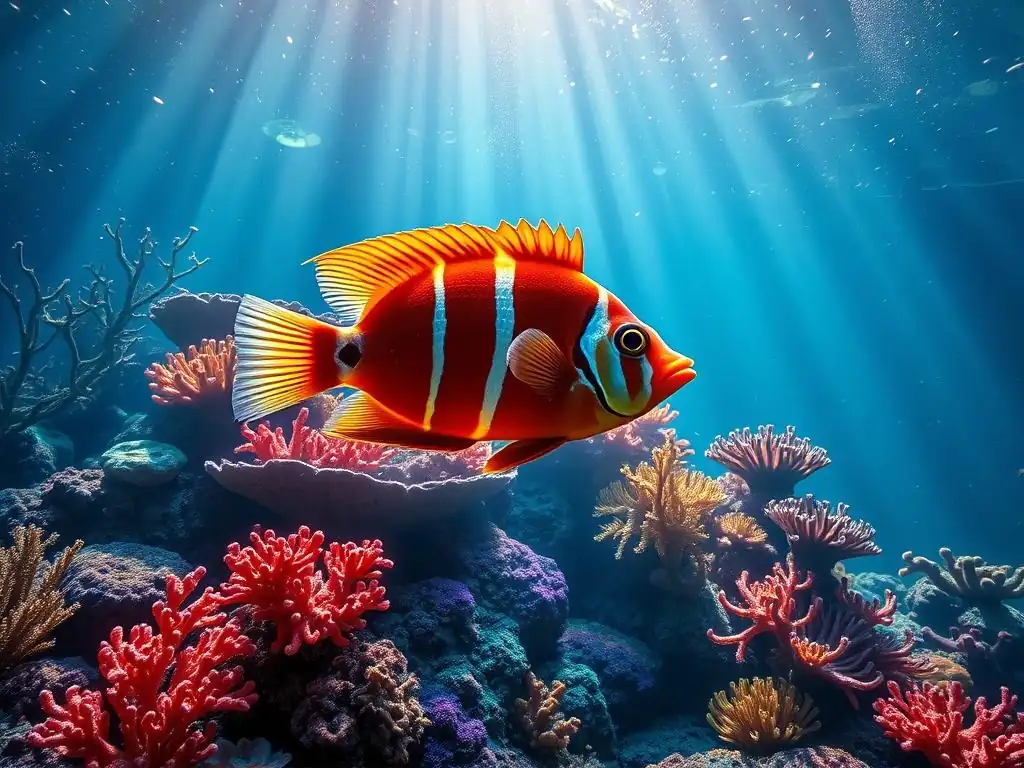
The Flame Angelfish, Centropyge loricula, is one of the most sought-after dwarf angelfish in the marine aquarium hobby, celebrated for its striking, fiery orange-red coloration contrasted with vertical black bars and iridescent blue highlights on its dorsal and anal fins. Originating from the clear waters of the Pacific Ocean, notably around Hawaii, Christmas Island, and the Marshall Islands, these captivating fish typically reach an adult size of about 3 to 4 inches (7.5-10 cm).
Their relatively small size and vibrant appearance make them a popular choice for home aquariums, including many reef setups, though their compatibility with certain corals, particularly zoanthids, often sparks debate among aquarists.
In their natural habitat, Flame Angelfish are omnivores, primarily grazing on various types of algae and detritus, but also consuming small invertebrates. This natural dietary inclination is precisely why their presence in a reef tank alongside sessile invertebrates like corals becomes a point of concern. While often labeled "reef-safe with caution," their propensity to nip at corals, especially those with fleshy polyps or a resemblance to algal growth, is a widely acknowledged risk. Understanding their natural behavior and dietary needs is crucial for assessing their potential impact on a reef environment and managing Flame angelfish zoanthid compatibility.
The Appeal of Zoanthids: A Reef Keeper's Perspective
Zoanthids, encompassing species from genera such as Zoanthus and Palythoa, are among the most popular and widely kept soft corals in the reef aquarium hobby. Their appeal stems from their incredible diversity in color, pattern, and form, ranging from vibrant greens and blues to intricate "rainbow" variations.
These colonial polyps are relatively easy to care for, tolerant of a wider range of water parameters compared to many stony corals, and can propagate quite rapidly under good conditions, making them an excellent choice for both beginner and experienced reef keepers looking to add significant visual impact and dynamic growth to their tanks.
Beyond their aesthetic appeal, zoanthids offer a degree of hardiness that makes them resilient to minor fluctuations in tank conditions. They are often used to populate live rock, creating colorful carpets across the aquascape. However, their sessile nature and the fleshy, exposed polyps make them potentially vulnerable targets for fish that exhibit grazing or nipping behaviors. The concern regarding Flame angelfish zoanthid compatibility is particularly prevalent because zoanthids are so common and often represent a significant investment of time and money for reef aquarists.
The Central Question: Flame Angelfish and Zoanthid Interactions
Reasons Why Flame Angelfish Might Nip at Zoanthids
The primary reason a Flame Angelfish might nip at zoanthids often stems from its natural grazing instincts. In the wild, Centropyge loricula spends a significant portion of its day picking at live rock, consuming microalgae, detritus, and tiny invertebrates. In a captive environment, especially if the tank is sterile, undersized, or the fish is underfed, these natural behaviors can redirect towards corals. Zoanthids, with their often fleshy polyps and tendency to grow in colonies on rockwork, can be mistaken for a food source, such as algal film or small organisms dwelling within the colony.
Beyond mistaken identity, boredom and curiosity can also play a role. A Flame Angelfish in a tank lacking sufficient space, environmental enrichment (like varied rockwork with plenty of hiding spots), or a diverse diet might resort to exploratory nipping. Stress, poor water quality, or competition for food can also exacerbate this behavior. It's important to differentiate between occasional, exploratory nipping that causes no harm and persistent, damaging predation, which is the core concern when evaluating Flame angelfish zoanthid compatibility.
Zoanthid Palytoxin: Does it Deter Flame Angels?
Zoanthids, particularly species within the Palythoa genus, are well-known for producing palytoxin, one of the most potent non-protein toxins known. This potent neurotoxin serves as a chemical defense mechanism, designed to deter predators in their natural environment. The question often arises whether this inherent toxicity provides protection against nipping angelfish. Logically, one might assume a fish would avoid something harmful.
However, the reality in a captive aquarium is more nuanced. While palytoxin is indeed dangerous to humans upon exposure, its deterrent effect on fish, especially angelfish, is not always absolute. Some angelfish might be immune or tolerant to lower concentrations, or their initial nipping is purely exploratory rather than an attempt to consume the entire polyp.
Anecdotal evidence suggests that while some Flame Angelfish might nip a zoanthid once and then leave it alone due to an unpleasant taste or sensation, others seem to be entirely unfazed and will continue to graze, causing significant damage. Therefore, relying solely on palytoxin as a deterrent for Flame angelfish zoanthid compatibility is not a reliable strategy.
Evaluating the Risk: Factors Influencing Flame Angelfish Behavior Towards Zoanthids
Individual Flame Angelfish Temperament and Grazing Preferences
Perhaps the most significant factor influencing Flame angelfish zoanthid compatibility is the individual temperament of the fish itself. Unlike some fish species where behavior is highly predictable, Flame Angelfish exhibit considerable individual variation. One Flame Angelfish might be a model citizen in a reef tank, completely ignoring all corals, while another, even from the same batch, might develop a notorious reputation for nipping at polyps, including zoanthids, LPS (Large Polyp Stony) corals, and even clam mantles. This unpredictability means that no absolute guarantee of reef-safeness can be given for any single specimen.
A fish's grazing preferences can also evolve over time. A young, newly introduced Flame Angelfish might initially show no interest in corals, but as it matures or if its dietary needs are not fully met, it might begin to explore and nip at zoanthids. Observing the fish's behavior in the fish store, if possible, for any signs of curiosity towards corals in their display tanks can offer a slight clue, but ultimately, the true test occurs once the fish is introduced into your specific reef environment.
Aquarium Size and Dietary Options
The size of the aquarium plays a critical role in managing Flame angelfish zoanthid compatibility. In a spacious tank, generally 50 gallons or larger, a Flame Angelfish has more room to establish a territory, more live rock surface for natural grazing on algae and detritus, and less likelihood of becoming bored or stressed due to confinement. A cramped environment, such as a nano tank under 30 gallons, significantly increases stress levels for the fish and can lead to undesirable behaviors, including increased nipping at corals out of boredom or territorial aggression.
Furthermore, the availability and diversity of dietary options are paramount. A well-fed Flame Angelfish, receiving a consistent and varied diet rich in both animal and vegetable matter, is far less likely to seek out zoanthids as a food source. If their nutritional requirements, particularly their need for algal grazing, are not adequately met, they are more inclined to experiment with other available "food" items in the tank, including your prized coral colonies.
Water Parameters and Environmental Stressors
Stable and optimal water parameters are crucial for the overall health of both fish and corals, and indirectly influence Flame angelfish zoanthid compatibility. A healthy, unstressed Flame Angelfish is generally less prone to developing problematic behaviors like persistent coral nipping. Maintaining consistent temperature (ideally 76-82°F or 24.5-27.8°C), stable salinity (1.023-1.026 specific gravity), and appropriate levels of pH (8.1-8.4), alkalinity (8-12 dKH), and calcium (400-450 ppm) minimizes stress on the fish.
Conversely, fluctuating or suboptimal water quality can induce stress in the Flame Angelfish, potentially leading to anxiety-driven behaviors, including increased exploration and nipping of corals. Additionally, poor water parameters can stress zoanthids themselves, making them more vulnerable to damage from nipping. A stressed zoanthid may retract, become discolored, or even melt, further compounding the problem if a Flame Angelfish is actively picking at it.
Introducing New Flame Angelfish into Established Zoanthid Tanks
The method and timing of introducing a new Flame Angelfish into an existing reef tank with established zoanthid colonies can significantly influence the outcome of Flame angelfish zoanthid compatibility. Introducing a stressed fish directly into a tank with readily available and appealing zoanthids can set the stage for immediate problems. Proper acclimation procedures are essential to minimize the shock of a new environment.
It is highly recommended to quarantine a new Flame Angelfish in a separate tank for several weeks before introducing it to the main display. This allows for observation of its health and behavior, ensuring it is eating well and not exhibiting any immediate signs of coral nipping. During this period, you can also gradually introduce various foods to ensure it accepts a diverse diet. Placing a new, naive angelfish into a tank where zoanthids are already thriving and widely available could inadvertently teach it that these corals are a potential food source.
Strategies for Reducing Flame Angelfish Predation on Zoanthids
Gradual Acclimation Procedures for New Flame Angels
Proper acclimation is a critical first step in promoting Flame angelfish zoanthid compatibility. When introducing a new Flame Angelfish, dimming the aquarium lights and performing a slow drip acclimation is highly recommended. This process, typically lasting 60 to 90 minutes with a drip rate of about 1-2 drops per second, gradually equalizes temperature and water chemistry parameters between the shipping bag and the display tank. This minimizes osmotic shock and reduces the overall stress on the fish.
Once acclimated, gently release the angelfish into the tank, ensuring there are plenty of hiding spots available. A calmer, less stressed introduction reduces the likelihood of the fish exhibiting exploratory or stress-induced nipping behavior. Observing the angelfish closely for the first few hours and days, especially during feeding times, will provide early insights into its temperament and potential interest in your zoanthid colonies.
Ensuring a Diverse and Adequate Diet for Flame Angelfish
A well-fed Flame Angelfish is far less likely to resort to nipping corals out of hunger or nutritional deficiency. Providing a diverse and frequent feeding regimen is paramount for successful Flame angelfish zoanthid compatibility. This should include a mix of high-quality frozen foods such as mysis shrimp, brine shrimp (enriched), and finely chopped seafood, alongside premium flake and pellet foods designed for marine omnivores or angelfish. Feeding 2-3 times daily in small portions is often more effective than one large feeding, as it keeps the fish satiated throughout the day.
The variety in their diet not only meets their nutritional needs but also keeps them engaged and less prone to boredom, which can sometimes manifest as coral nipping. Introducing new food types gradually can help ensure the angelfish accepts a broad spectrum of sustenance, reducing their reliance on opportunistic grazing within the aquarium.
The Role of Algae and Vegetable Matter in Their Diet
Flame Angelfish are omnivores with a significant herbivorous component to their natural diet, making the inclusion of ample algae and vegetable matter crucial for their health and for deterring coral nipping. Providing sheets of dried marine algae (nori or spirulina) clipped to the side of the tank is an excellent way to allow them to graze naturally throughout the day. This mimics their wild behavior of picking at algal films on rocks.
Other vegetable-based foods such as spirulina flakes, specialized veggie pellets, or even blanched broccoli (in very small, occasional amounts) can supplement their diet. Satisfying their natural urge to graze on plant material can significantly reduce their inclination to pick at zoanthids, which might otherwise appear as an alternative source of green matter in the absence of sufficient algae.
Supplementing with Premium Angelfish Food Formulations
Beyond general marine foods, supplementing with premium angelfish-specific food formulations can further enhance Flame angelfish zoanthid compatibility. Many reputable brands offer specialized pellets and flakes that are formulated to meet the unique dietary requirements of dwarf angelfish, often containing higher levels of spirulina, marine algae, and other plant-based ingredients, alongside essential proteins and vitamins.
Examples include Hikari Marine A, Rod's Food (various formulas), or New Life Spectrum Thera-A pellets. These foods are designed to boost coloration, promote vitality, and provide a balanced diet that closely matches their natural intake, thereby reducing the likelihood of them seeking out living corals as a supplementary food source.
Implementing Targeted Feeding Strategies
Strategic feeding can help direct your Flame Angelfish's attention away from zoanthids. Feeding the angelfish at consistent times each day, especially when they are most active or when you notice them beginning to explore rockwork, can help. Ensure that the food reaches the angelfish directly and isn't immediately consumed by faster, more aggressive tank mates. This ensures the angelfish gets its fill and doesn't feel the need to seek out other food sources.
For instance, if you notice your Flame Angelfish eyeing a zoanthid colony, consider offering a small pinch of food or a piece of nori at that moment to redirect its attention. Using a feeding clip for nori can also be effective, as it provides a dedicated grazing spot, encouraging the angelfish to focus its efforts there rather than on your corals.
Establishing a Mature and Varied Reef Ecosystem
A mature and well-established reef ecosystem generally offers more natural foraging opportunities than a newly set up tank. Live rock that has been curing and cycling for several months (e.g., 6 months to a year) will develop a rich biofilm of microalgae, copepods, and other tiny invertebrates that a Flame Angelfish can graze upon. This provides a constant, natural food source, reducing the incentive to pick at corals.
A varied aquascape with ample live rock, crevices, and caves provides both hiding spots and diverse surfaces for algae growth. This allows the Flame Angelfish to engage in its natural grazing behaviors without constantly encountering zoanthid colonies. The presence of a healthy clean-up crew (CUC) can also help manage nuisance algae, ensuring the angelfish has access to desirable algal growth rather than being forced to seek it elsewhere.
Employing "Distraction" Corals or Algae
In some cases, aquarists have found success by introducing "distraction" corals or algae into the tank. These are typically fast-growing, less desirable soft corals or macroalgae that the angelfish can nip at without causing significant financial or aesthetic loss to the main display. For example, species like Xenia or various types of macroalgae (e.g., Chaetomorpha or Caulerpa) can be placed in less prominent areas.
The idea is that if the Flame Angelfish has an outlet for its grazing behavior, it might leave more valuable zoanthid colonies untouched. Some aquarists even experiment with placing a small, inexpensive zoanthid frag in an isolated area as a "sacrifice" to gauge the angelfish's interest and potentially divert its attention from larger, more prized colonies.
Observation and Assessment: Essential for Success
Monitoring New Flame Angelfish Behavior Patterns
Diligent observation is perhaps the most critical component in ensuring successful Flame angelfish zoanthid compatibility. Upon introducing a new Flame Angelfish, or even an established one, daily monitoring of its behavior is essential, especially during the first few weeks. Watch for any signs of nipping or picking at your zoanthid colonies. This might manifest as the fish swimming unusually close to the zoanthids, making rapid darting motions towards them, or exhibiting a "pecking" motion.
Pay close attention to its feeding habits. Is it readily accepting prepared foods? Does it seem constantly hungry or agitated? Early detection of problematic behavior allows for intervention, such as increasing feeding frequency or diversifying the diet, before significant damage occurs. A single, occasional nip might be exploratory, but consistent, repeated attempts are a clear warning sign.
Recognizing Indicators of Zoanthid Stress or Injury
The zoanthids themselves will often provide the first clear indicators if they are being bothered by a Flame Angelfish. Healthy zoanthids typically extend their polyps fully during daylight hours, creating a vibrant carpet of color. If you observe zoanthid polyps consistently retracted, shrunken, or failing to open for extended periods, it's a strong sign of stress or irritation.
Look for visible signs of tissue damage, such as torn polyps, white patches on the colony (indicating tissue recession), or a general paling of color. If multiple polyps within a colony are affected, or if the damage appears to be progressing, it's a strong indication that the Flame Angelfish (or another tank inhabitant) is causing problems. Documenting these observations can help determine the severity and progression of the issue, aiding in decisions regarding Flame angelfish zoanthid compatibility.
Quarantine and Rehoming Options
If, despite all preventative measures, your Flame Angelfish develops a consistent pattern of nipping and causing damage to your zoanthids, you may need to consider more drastic measures. The first step might be to move the angelfish to a dedicated quarantine or "time-out" tank for a few weeks. This allows the zoanthids to recover and gives you an opportunity to re-evaluate the angelfish's behavior in isolation, ensuring it's not simply stressed by other tank mates.
If, after a period of isolation and dietary adjustment, the angelfish still exhibits problematic behavior upon reintroduction, or if the damage to your zoanthids is severe and ongoing, rehoming the angelfish might be the only viable option to protect your valuable coral collection and maintain the overall health and stability of your reef system. While rehoming can be a difficult decision, it is sometimes necessary to ensure the long-term success of the entire aquarium.
Case Studies: Practical Experiences with Flame Angelfish and Zoanthids
Successful Coexistence: Flame Angelfish Living Harmoniously with Zoanthids
Many aquarists have successfully maintained Flame Angelfish in reef tanks alongside thriving zoanthid colonies. For example, Aquarist A introduced a healthy, 3-inch Flame Angelfish into a well-established 75-gallon reef tank that had been running for over two years. The tank featured abundant live rock, a deep sand bed, and numerous zoanthid colonies of various species, including a large "Eagle Eye" colony and several "Rasta" frags. The angelfish was fed a varied diet 2-3 times daily, consisting of frozen mysis shrimp, spirulina-enriched brine shrimp, and a daily clip of nori.
Over an 18-month period, this particular Flame Angelfish showed no interest in any of the zoanthids or other corals in the tank, focusing instead on its prepared foods and grazing on the natural algal film on the live rock.
The success in this case was attributed to several factors: the tank's generous size providing ample foraging space, a consistent and highly varied feeding regimen that satisfied the angelfish's dietary needs, the established maturity of the tank offering natural microfauna, and likely the individual temperament of that specific angelfish, which proved to be a "model citizen" regarding Flame angelfish zoanthid compatibility.
Problematic Scenarios: Flame Angels Damaging Zoanthid Colonies
Conversely, there are numerous accounts of Flame Angelfish becoming notorious coral nippers, often targeting zoanthids. Consider Aquarist B, who added a 2.5-inch Flame Angelfish to a 40-gallon breeder tank that contained several small zoanthid frags, including "Blue Hornet" and "God of War" varieties. The angelfish was fed once daily with a standard marine flake food. Within a week of introduction, Aquarist B noticed several zoanthid polyps consistently closed, and upon closer inspection, visible nips and tears were apparent on the polyps.
The angelfish was frequently observed hovering over the zoanthid colonies, picking at them vigorously, even ignoring prepared food when offered. The zoanthids began to show signs of severe stress, with tissue recession on several polyps. This problematic scenario was likely due to a combination of factors: the smaller tank size (which limited natural foraging and increased boredom), an insufficient and unvaried diet (leading to hunger and opportunistic feeding), and potentially an individual angelfish with a stronger inherent nipping tendency. The lack of proper Flame angelfish zoanthid compatibility in this instance led to significant damage to the zoanthid collection.
Alternative Reef-Safe Angelfish Choices
Exploring Other Dwarf Angelfish Species
While the Flame Angelfish is undeniably beautiful, its "reef-safe with caution" status often leads aquarists to explore other dwarf angelfish species that may pose less risk to corals, particularly zoanthids. The Coral Beauty Angelfish ( Centropyge bispinosa) is another popular choice, often regarded as slightly less prone to nipping than the Flame Angelfish, though still not entirely risk-free. Similarly, the Lemonpeel Angelfish ( Centropyge flavissima) is aesthetically appealing but can be equally, if not more, prone to nipping than Flames, depending on the individual.
It's important to remember that the "reef-safe with caution" label applies to nearly all Centropyge species. However, some dwarf angelfish, such as the Genicanthus genus (e.g., Swallowtail Angelfish), are generally considered much safer for reef tanks. These species are primarily planktivores, meaning they feed on zooplankton in the water column and rarely show interest in picking at corals, making them excellent candidates for a dedicated reef setup where Flame angelfish zoanthid compatibility is a significant concern.
Potentially Reef-Safe Angelfish: A Comparison
When considering angelfish for a reef tank with zoanthids, it's helpful to compare the general tendencies of various species, though individual temperament always plays a role.
- Flame Angelfish (Centropyge loricula): Considered "semi-reef safe." Approximately 50-70% chance of being a model citizen. Prone to nipping Zoanthids, LPS corals, and clam mantles, especially if underfed or bored.
- Coral Beauty Angelfish (Centropyge bispinosa): Also "semi-reef safe." Often slightly better odds than Flames, perhaps 70-80% reef-safe. Less prone to nipping Zoanthids, but can still target LPS or soft corals.
- Lemonpeel Angelfish (Centropyge flavissima): "Semi-reef safe." Similar to Flame Angelfish in terms of risk, sometimes even bolder nippers. Can be very destructive to corals if they develop the habit.
- Pygmy/Cherub Angelfish (Centropyge argi): Generally considered one of the safer Centropyge species. Small size and often less prone to nipping, but still "with caution."
- Swallowtail Angelfish (Genicanthus spp.): "Generally reef safe." These are planktivores and rarely bother corals, making them one of the safest angelfish choices for a reef tank, offering excellent Flame angelfish zoanthid compatibility alternatives.
While these comparisons offer a general guideline, the ultimate success of any angelfish in a reef tank comes down to the individual fish's personality and the specific conditions of the aquarium. Thorough research and careful observation remain paramount.
Conclusion: Informed Decisions Regarding Flame Angelfish and Zoanthids
Balancing Flame Angel Aesthetics with Reef System Stability
The decision to introduce a Flame Angelfish into a reef tank containing zoanthids involves a careful balancing act between the fish's undeniable aesthetic appeal and the paramount need for reef system stability. Flame Angelfish are captivating and add a vibrant splash of color to any marine aquarium.
However, their known propensity for coral nipping, particularly towards fleshy polyps like zoanthids, means that their inclusion is never a guaranteed success story. Aquarists must weigh the desire for this stunning fish against the potential risk of damage to their valuable and often beloved zoanthid colonies, which are the cornerstone of many reef displays.
While the risk is real, it is not insurmountable. Many aquarists have successfully maintained Flame Angelfish alongside thriving zoanthids for years. The key lies in understanding the factors that influence their behavior and implementing proactive strategies to mitigate potential issues. The ultimate goal is to create a harmonious environment where both the fish and the corals can flourish, making Flame angelfish zoanthid compatibility a manageable, albeit challenging, endeavor.
Key Considerations for Successful Flame Angelfish and Zoanthid Husbandry
Achieving successful Flame angelfish zoanthid compatibility hinges on a combination of thoughtful planning and diligent husbandry. Several key considerations stand out as critical for minimizing the risk of predation and fostering a peaceful coexistence. Firstly, providing a spacious aquarium, ideally 50 gallons or larger, offers ample room for the angelfish to graze naturally and reduces stress. Secondly, ensuring a highly diverse and frequent feeding regimen, rich in both meaty foods and a significant amount of vegetable matter (like nori), is paramount to keeping the angelfish satiated and less inclined to seek out corals as a food source.
Thirdly, maintaining stable and pristine water parameters minimizes stress on both the fish and the corals, making the angelfish less prone to undesirable behaviors and the zoanthids more resilient to any potential nipping. Fourthly, continuous and close observation of the angelfish's behavior, especially after its introduction, allows for early detection of any problematic tendencies.
Finally, being prepared with alternative solutions, such as dietary adjustments, distraction corals, or even rehoming options if issues persist, is crucial for responsible reef keeping. By adhering to these considerations, dedicated aquarists can significantly increase their chances of enjoying the beauty of a Flame Angelfish within a thriving zoanthid-rich reef environment.
Frequently Asked Questions
Will a Flame Angelfish definitely eat my zoanthids?
No, not definitely. While Flame Angelfish are known to nip at corals, including zoanthids, the likelihood depends on the individual fish and the availability of other food sources. Some Flame Angels will completely ignore zoanthids, while others will find them irresistibly tasty.
What can I do to reduce the chances of my Flame Angelfish eating my zoanthids?
Several strategies can help. Ensure your Flame Angelfish is well-fed with a varied diet, including algae and meaty foods. Introducing the Flame Angel after the zoanthids are established can also help, and providing plenty of hiding places may reduce stress-related nipping.
Are certain types of zoanthids more susceptible to being eaten by Flame Angelfish?
Generally, more vibrant and colorful zoanthids seem to be more appealing to Flame Angelfish. However, there's no definitive list of "safe" vs. "unsafe" zoanthids. It's more about the individual fish's preferences and the overall tank environment.
How can I tell if my Flame Angelfish is eating my zoanthids?
Look for signs of damage to the zoanthids, such as missing polyps or retracted tentacles. You might also observe the Flame Angel actively nipping at the zoanthids. Regular monitoring of your tank is crucial.
Is it possible to keep Flame Angelfish and zoanthids together successfully?
Yes, it is! Many aquarists successfully keep Flame Angelfish and zoanthids in the same tank. It often requires careful observation, a well-maintained tank, and potentially moving the zoanthids if the Flame Angel shows persistent interest in eating them.
The question of Flame Angelfish zoanthid compatibility isn't just about keeping a beautiful reef tank; it's a microcosm of the broader challenge of understanding and respecting the delicate ecosystems we bring into our homes. The information presented highlights the inherent risks and potential rewards of keeping these captivating creatures together, emphasizing the importance of informed decision-making and responsible reef keeping.
This topic resonates deeply because it underscores the ongoing responsibility we assume when we introduce any organism into a closed environment. The success of a reef tank, and indeed the well-being of its inhabitants, hinges on our understanding of their needs and behaviors. In the end, we will conserve only what we love; we will love only what we understand; and we will understand only what we are taught.
- Baba Dioum. This quote serves as a constant reminder that education and empathy are the cornerstones of successful reef keeping and environmental stewardship.
As you consider adding a Flame Angelfish to your reef, or perhaps already grapple with this very question, I urge you to reflect on the commitment you're making. Beyond the aesthetic appeal, consider the ethical implications. Will you dedicate the time and effort to observe, adapt, and ensure the well-being of all your reef inhabitants? The beauty of a thriving reef is a testament to the dedication of its keeper, and the harmony achieved is a reward worth striving for.
Ignite Your Reef Tank Journey!
Thank you for diving into the world of Flame Angelfish and Zoanthids with us! Now that you're equipped with the knowledge to make informed decisions, let's turn that information into action.
Here are a few ways you can take your reef tank to the next level:
- Actively monitor your Flame Angelfish's interactions with your Zoanthids, documenting any nipping behavior in a log for the first few weeks. This will give you concrete evidence to base your decisions on.
- Explore alternative coral options that are less palatable to Flame Angelfish, like Euphyllia or Goniopora, and share your experiences with other reef keepers.
- Surprise your Flame Angel with new and varied food sources, such as frozen mysis shrimp soaked in garlic extract, to see if satiating its appetite reduces its interest in your corals.
Ready to take the plunge and introduce a Flame Angel to your reef tank, or will you stick to corals that are more resilient to potential nipping?