
Pygmy Angelfish/Cherubfish (Centropyge argi): Tiny Treasure for Nano Reefs?

Welcome to Aquarium Mastery!
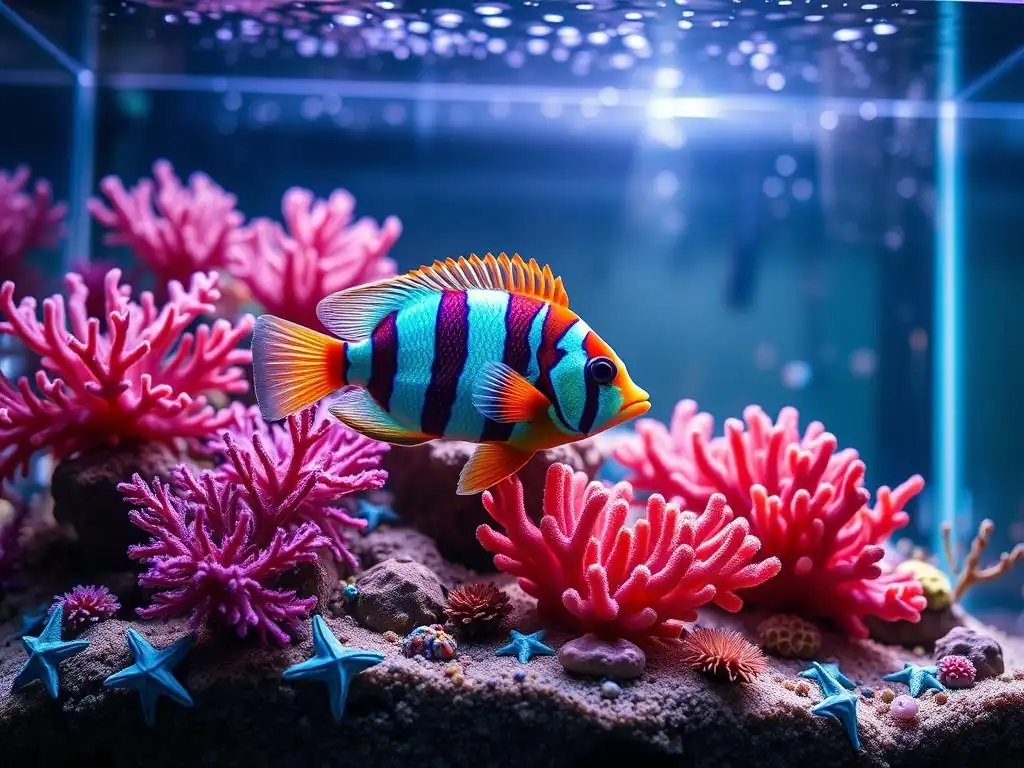
Dive into the enchanting world of saltwater aquariums! Are you ready to unlock the secrets to keeping these miniature marvels thriving? This Pygmy Angelfish Care Guide is your passport to successfully housing these captivating fish. But beyond the basics, we'll explore the nuances of their care, their unique needs, and whether they're truly the perfect fit for your nano reef. Ready to discover if a Pygmy Angelfish is the tiny treasure your tank is missing? Let's begin!
- Cherub Angelfish (Centropyge argi): A Nano Reef Gem
- Introduction to Cherub Angelfish: A Comprehensive Care Guide
- Identifying the Cherub Angelfish: Distinguishing Features and Characteristics
- Cherub Angelfish Habitat and Tank Setup: Creating the Ideal Environment
- Cherub Angelfish Diet and Feeding: Ensuring Optimal Nutrition
- Cherub Angelfish Compatibility and Tank Mates: Choosing the Right Companions
- Cherub Angelfish Health and Disease: Prevention and Treatment
- Breeding Cherub Angelfish: Challenges and Possibilities
- Is the Cherub Angelfish Reef Safe? Considerations for Reef Aquariums
- Purchasing Cherub Angelfish: Selecting a Healthy Specimen
- Cherub Angelfish: Pros and Cons of Keeping Centropyge argi
- Conclusion: The Cherub Angelfish - A Rewarding Addition to the Nano Reef
- Frequently Asked Questions
- Final Reflection: The Enduring Allure of Miniature Majesty
- Dive Deeper: Claim Your Nano Reef Adventure!
Cherub Angelfish (Centropyge argi): A Nano Reef Gem
Introduction to Cherub Angelfish: A Comprehensive Care Guide
Why Choose a Cherub Angelfish for Your Nano Reef Tank?
The Cherub Angelfish, or Pygmy Angelfish ( Centropyge argi), stands out as a highly sought-after inhabitant for nano reef aquariums due to its striking coloration and relatively diminutive size. Typically reaching a maximum length of about 2.5 to 3 inches (6-7.5 cm), this species is an ideal candidate for smaller reef setups, often considered suitable for tanks ranging from 20 to 30 gallons for a single specimen.
Its vibrant blue body contrasting sharply with a bright orange to yellow face and pectoral fins adds an undeniable splash of color and activity without overwhelming the limited space of a nano environment.
Beyond its aesthetic appeal, the Cherub Angelfish is generally regarded as one of the hardier dwarf angelfish species, making it a more forgiving choice for dedicated aquarists navigating the intricacies of a comprehensive Pygmy angelfish care guide. Their active swimming patterns and constant grazing on live rock provide dynamic visual interest, mimicking natural foraging behaviors within the confines of a home aquarium. This combination of manageable size, robust nature, and captivating appearance makes the Centropyge argi a compelling choice for those looking to add a true centerpiece to their miniature marine ecosystem.
Understanding the Appeal of Centropyge argi
The allure of the Centropyge argi extends beyond its small stature and vivid hues; its temperament plays a crucial role in its popularity. Compared to some larger angelfish species, the Cherub Angelfish is typically less aggressive, allowing it to coexist peacefully with a variety of smaller, non-aggressive tank mates often found in nano reefs. While individual personalities can vary, they tend to be curious and inquisitive, constantly exploring their environment and picking at algae and detritus on live rock.
This species' appeal is further cemented by its relative hardiness once properly acclimated to a stable aquarium environment. They adapt well to captive diets and, with consistent water quality, can thrive for many years. The Pygmy angelfish care guide emphasizes the importance of providing a well-established tank, as this fish benefits from mature live rock offering both food sources and ample hiding spots. Their active yet generally non-destructive nature (though with a caveat regarding corals, discussed later) makes them a rewarding addition for aquarists seeking a vibrant, long-lived, and manageable dwarf angelfish for their reef aquarium.
Identifying the Cherub Angelfish: Distinguishing Features and Characteristics
Visual Identification: Recognizing Centropyge argi
The Cherub Angelfish, Centropyge argi, is unmistakable once its key visual characteristics are noted. Its most prominent feature is the striking bicolored body: a deep, iridescent blue covers the majority of its body, transitioning sharply into a brilliant orange or yellow on its head, extending through its pectoral fins and sometimes subtly outlining the dorsal and anal fins.
This vibrant head coloration gives rise to its alternative common name, "Cherubfish." A distinguishing dark spot or blotch is typically absent on its flanks, differentiating it from similar-looking dwarf angels like the African Flameback Angelfish ( Centropyge acanthops), which possesses a more pronounced dark area.
Furthermore, the Cherub Angelfish exhibits the classic angelfish body shape – laterally compressed with a small mouth and relatively large, rounded fins. Its eyes are typically large and prominent, adding to its cherubic appearance. While juveniles might display slightly less intense coloration, their fundamental bicoloration remains consistent. Observing these specific color patterns and the absence of certain markings is crucial for accurate identification, ensuring that a prospective owner is indeed acquiring a true Centropyge argi for their Pygmy angelfish care guide journey.
Size and Lifespan of the Cherub Angelfish
As one of the smallest members of the Centropyge genus, the Cherub Angelfish rarely exceeds 3 inches (approximately 7.5 cm) in total length when fully grown in an aquarium setting. Most specimens will mature to a size between 2.5 and 3 inches (6-7.5 cm), making them genuinely "pygmy" in stature. This compact size is a primary reason for their suitability in nano reef systems, where larger angelfish would quickly outgrow their environment.
With optimal Pygmy angelfish care guide adherence, a healthy Cherub Angelfish can enjoy a considerable lifespan in captivity. While a typical lifespan often falls within the 5 to 7-year range, well-maintained individuals in stable, mature aquariums have been known to live for 10 years or even longer. Factors contributing to a longer lifespan include consistent water parameters, a varied and nutritious diet, low stress levels, and the absence of aggressive tank mates or persistent disease outbreaks.
Cherub Angelfish Habitat and Tank Setup: Creating the Ideal Environment
Minimum Tank Size for Cherub Angelfish: Nano Reef Considerations
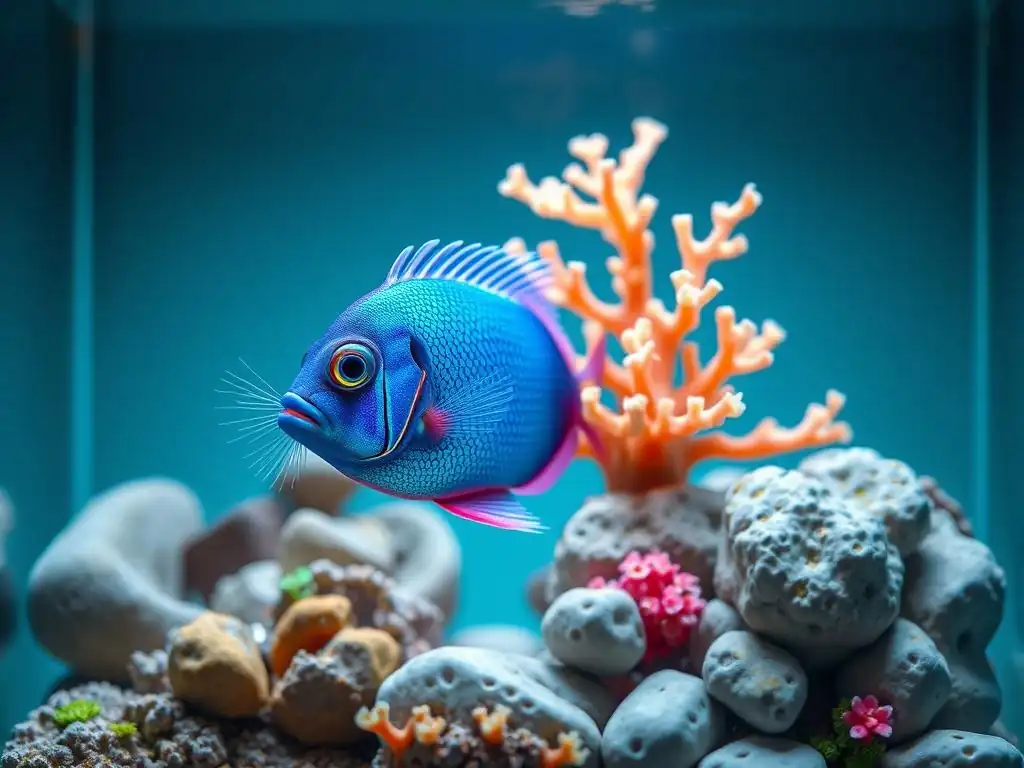
For a single Cherub Angelfish, a minimum tank size of 20 gallons (approximately 75 liters) is generally recommended. While some aquarists might attempt to house them in slightly smaller tanks (e.g., 15 gallons), a 20-gallon or 30-gallon tank provides more stable water parameters, greater swimming space, and increased surface area for live rock, which is crucial for their well-being. The compact size of the Cherub Angelfish makes it one of the few angelfish truly suitable for nano reef environments, a key aspect highlighted in any Pygmy angelfish care guide.
If considering keeping a pair or attempting to house a Cherub Angelfish with other dwarf angelfish (which is generally advised against due to territoriality), a significantly larger tank of 50 gallons (approximately 190 liters) or more would be necessary to mitigate aggression and provide adequate territories. However, for the typical home aquarium, especially a nano reef, a 20-30 gallon setup for a single specimen is the standard recommendation, allowing the fish ample room to explore and establish its territory without undue stress.
Essential Water Parameters for Cherub Angelfish Health
Maintaining stable and appropriate water parameters is paramount for the health and longevity of the Cherub Angelfish. As a marine species, they require specific conditions that mimic their natural reef habitat. The ideal salinity range should be between 1.023 and 1.026 specific gravity (SG), with a temperature maintained consistently between 74-80°F (23-27°C). Fluctuations in temperature should be avoided, ideally staying within a 2°F range daily.
The pH level is crucial and should be kept within 8.1-8.4, with alkalinity (dKH) between 8-12. Calcium levels should be maintained at 400-450 ppm, and magnesium at 1200-1350 ppm, particularly if the tank is a mixed reef with corals. Regular testing of these parameters – at least weekly for pH, salinity, and temperature, and bi-weekly for alkalinity, calcium, and magnesium – is vital to ensure a thriving environment as part of a robust Pygmy angelfish care guide. High water quality, including undetectable levels of ammonia and nitrite, and very low nitrates (below 10-20 ppm), is also critical.
Aquascaping for Centropyge argi: Providing Hiding Places and Grazing Areas
Effective aquascaping is essential for the Cherub Angelfish, as it directly impacts their comfort, security, and access to natural food sources. These fish are known to be active foragers, constantly picking at live rock for microalgae and small invertebrates. Therefore, the tank should be generously adorned with live rock, creating numerous caves, crevices, and overhangs. These structures serve multiple purposes: they provide crucial hiding spots when the fish feels threatened or needs to rest, reduce stress, and establish clear territories.
Beyond hiding places, the live rock also acts as a primary grazing area. A mature tank with established live rock will naturally develop a biofilm and microalgae growth that the Cherub Angelfish will constantly graze upon, supplementing their prepared diet. It is important to arrange the rockwork to also allow for open swimming spaces, enabling the fish to dart around and display its natural behaviors. A well-designed aquascape, thoughtfully integrating both shelter and foraging opportunities, significantly contributes to the overall well-being and vibrant display of the Centropyge argi in any Pygmy angelfish care guide.
Cherub Angelfish Diet and Feeding: Ensuring Optimal Nutrition
What Do Cherub Angelfish Eat? Natural Diet and Aquarium Supplements
In their natural habitat, Cherub Angelfish are primarily omnivores, with a significant portion of their diet consisting of filamentous algae, diatoms, and various forms of detritus found on rocky substrates. They also consume small benthic invertebrates and crustaceans. In the home aquarium, replicating this varied diet is crucial for their long-term health and vibrant coloration, forming a cornerstone of effective Pygmy angelfish care guide practices.
To meet their nutritional needs, a diverse diet should be offered. High-quality marine angelfish pellets or flakes, ideally those fortified with spirulina or other algal content, should form the basis. This should be supplemented with a variety of frozen foods such as mysis shrimp, enriched brine shrimp, spirulina flakes, and finely chopped marine algae (like nori, clipped to a veggie clip). Offering foods rich in vegetable matter is particularly important to prevent health issues like head and lateral line erosion (HLLE).
Feeding Frequency and Methods for Cherub Angelfish
To ensure optimal nutrition and minimize waste, Cherub Angelfish should be fed small amounts 2 to 3 times per day. This frequency allows them to graze throughout the day, mimicking their natural foraging behavior, rather than consuming a large meal all at once. Overfeeding should be strictly avoided, as it can quickly degrade water quality, especially in smaller nano reef tanks, and lead to digestive issues for the fish.
When feeding, distribute the food evenly or target feed if other tank inhabitants are overly competitive. Observing the fish during feeding will help determine the appropriate quantity; all food should be consumed within a few minutes. If uneaten food remains, reduce the portion size for subsequent feedings. Consistency in feeding times can also help reduce stress and encourage the fish to readily accept prepared foods, contributing to a successful Pygmy angelfish care guide.
Preventing Nutritional Deficiencies in Centropyge argi
Preventing nutritional deficiencies is vital for the long-term health and vivid appearance of the Cherub Angelfish. A diet lacking in variety or essential nutrients can lead to a range of problems, including faded coloration, fin erosion, stunted growth, a weakened immune system, and susceptibility to diseases such as HLLE. The key to prevention lies in offering a broad spectrum of high-quality foods.
Regularly rotate between different brands of pellets/flakes and various frozen foods. Incorporating vitamin supplements, such as Selcon or garlic guard, soaked into frozen foods a few times a week, can significantly boost their nutritional intake. Ensuring ample live rock in the aquarium also provides continuous opportunities for the fish to graze on naturally occurring algae and microfauna, which are rich in essential trace elements and vitamins. This comprehensive approach to diet is a critical component of any effective Pygmy angelfish care guide.
Cherub Angelfish Compatibility and Tank Mates: Choosing the Right Companions
Best Tank Mates for Cherub Angelfish in a Reef Environment
The Cherub Angelfish is generally considered peaceful, making it a suitable inhabitant for many community reef tanks, particularly nano setups. Ideal tank mates are small, non-aggressive species that won't compete excessively for food or territory. Good choices often include various species of small gobies (e.g., Clown Gobies, Yellow Watchman Gobies), blennies (e.g., Lawnmower Blennies, Starry Blennies), cardinalfish (e.g., Pajama Cardinalfish), and certain peaceful clownfish species (e.g., Ocellaris Clownfish).
Small, peaceful wrasses, such as Possum Wrasses or Flasher Wrasses, can also coexist well, provided the tank is sufficiently large to accommodate their activity levels. The success of cohabitation largely depends on the specific temperament of the individual Cherub Angelfish, as well as the size and layout of the tank. A well-designed aquascape with plenty of hiding spots can help minimize potential territorial disputes, an important consideration in any Pygmy angelfish care guide.
Fish to Avoid Keeping with Cherub Angelfish
While generally peaceful, there are certain fish species that should be avoided as tank mates for the Cherub Angelfish. Large, predatory fish such as Lionfish, large Groupers, or aggressive Moray Eels pose an obvious threat, as they may view the small Cherub Angelfish as prey. Similarly, very boisterous or highly competitive feeders can stress the Cherub Angelfish and prevent it from getting adequate food, leading to malnutrition and weakened health.
More importantly, extreme caution should be exercised when considering other dwarf angelfish species. While some aquarists attempt to keep multiple Centropyge species in very large tanks (e.g., 100+ gallons) with ample rockwork, the Cherub Angelfish can become highly territorial towards other dwarf angels, especially those of similar size or coloration. This can lead to persistent aggression, fin nipping, and severe stress for one or both fish. It is generally safest to keep only one dwarf angelfish per tank, especially in nano reef setups, to ensure the peaceful coexistence outlined in a robust Pygmy angelfish care guide.
Understanding Cherub Angelfish Temperament and Behavior
The Cherub Angelfish displays a fascinating blend of active exploration and occasional shyness. They are typically seen darting among the live rock, constantly picking at surfaces for food, and occasionally venturing into open water. When first introduced to a new environment, they may be quite timid, spending much of their time hidden. However, once acclimated and feeling secure, they become much bolder and more visible, adding significant life to the aquarium.
Their temperament, while generally peaceful towards dissimilar species, can become territorial towards conspecifics (other Cherub Angelfish) or other dwarf angelfish. If a pair is desired, it's best to introduce them simultaneously or add a smaller individual to a larger, established one, as Centropyge species are protogynous hermaphrodites, meaning they can change sex from female to male. The dominant individual will typically become male. Understanding these behavioral nuances is key to successful Pygmy angelfish care guide implementation and ensuring a harmonious aquarium environment.
Cherub Angelfish Health and Disease: Prevention and Treatment
Common Diseases Affecting Cherub Angelfish and How to Identify Them
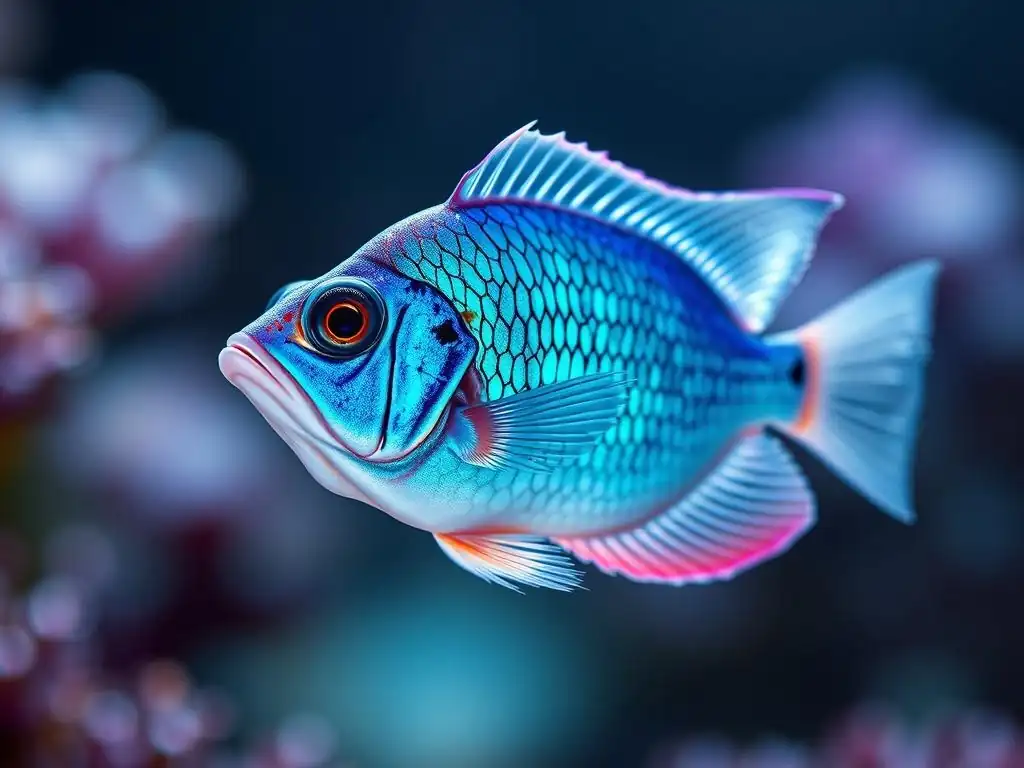
Like all marine fish, Cherub Angelfish are susceptible to common saltwater aquarium diseases, particularly if stressed or if water quality is poor. Among the most prevalent are Marine Ich ( Cryptocaryon irritans), characterized by tiny white spots resembling salt grains on the body and fins, and Marine Velvet ( Amyloodinium ocellatum), which appears as a fine, dusty, yellowish-brown coating, often accompanied by rapid breathing and lethargy. Fin rot, manifesting as frayed or deteriorating fins, can also occur, often due to bacterial infections in subpar water conditions.
Another concern, particularly for angelfish, is Head and Lateral Line Erosion (HLLE), which presents as pitting, lesions, or erosion along the head and lateral line. While its exact causes are debated, poor nutrition (especially vitamin C deficiency), inadequate water quality (high nitrates, activated carbon overuse), and stray voltage are commonly implicated. Early identification of these symptoms is crucial for prompt treatment and improving the fish's prognosis, a vital aspect of comprehensive Pygmy angelfish care guide practices.
Quarantine Procedures for New Cherub Angelfish
Implementing a strict quarantine procedure for all new Cherub Angelfish arrivals is arguably the most critical step in preventing the introduction and spread of diseases in your main display tank. A dedicated quarantine tank (QT) of at least 10-20 gallons, equipped with a heater, filter, and PVC pipes or non-porous decorations for hiding, is essential. The new fish should be acclimated to the QT and observed for a minimum of 4 to 6 weeks.
During this period, monitor closely for any signs of disease, parasites, or unusual behavior. Prophylactic treatment for common parasites like Ich and Marine Velvet (e.g., with copper-based medications) or internal parasites (e.g., with praziquantel) may be considered, depending on the source and known risks. Feeding a high-quality, varied diet during quarantine will help boost the fish's immune system. Only after the quarantine period is complete and the fish shows no signs of illness should it be introduced to the main display tank, safeguarding the health of your existing aquatic community, a cornerstone of any responsible Pygmy angelfish care guide.
Maintaining Optimal Water Quality to Prevent Disease
The cornerstone of disease prevention for Cherub Angelfish, and indeed any marine inhabitant, is the consistent maintenance of optimal water quality. Poor water parameters, such as elevated ammonia, nitrite, or nitrate levels, fluctuating salinity, or incorrect pH, directly stress fish, suppress their immune systems, and make them highly susceptible to pathogens. Regular water changes are fundamental: a bi-weekly change of 10-20% of the tank's volume helps dilute pollutants and replenish essential trace elements.
Effective filtration is equally important. A robust protein skimmer is highly recommended for removing organic waste before it breaks down into harmful compounds. Sufficient live rock (1-1.5 lbs per gallon) provides biological filtration and denitrification. Regular testing of water parameters (ammonia, nitrite, nitrate, pH, salinity, alkalinity, calcium, magnesium) allows for prompt corrective action if levels deviate from ideal ranges. By adhering strictly to these water quality management principles, aquarists can significantly reduce the risk of disease outbreaks and ensure the long-term health outlined in a detailed Pygmy angelfish care guide.
Breeding Cherub Angelfish: Challenges and Possibilities
Understanding the Breeding Behavior of Centropyge argi
Breeding Cherub Angelfish ( Centropyge argi) in a home aquarium is considered highly challenging, primarily due to the pelagic nature of their eggs and the microscopic size and specialized feeding requirements of their larval stage. In their natural environment, these angelfish are protogynous hermaphrodites, meaning they begin as females and can transition to males.
They typically form pairs or small harems, with a dominant male overseeing several females. Spawning usually occurs at dusk, with the pair engaging in a "spawning rush" where they ascend rapidly into the water column, releasing eggs and milt simultaneously before quickly returning to the safety of the reef.
The eggs are buoyant and disperse into the open water, becoming part of the zooplankton. This pelagic larval stage is exceptionally delicate and requires very specific environmental conditions and an immediate, continuous supply of highly specialized, microscopic live foods. While adult Cherub Angelfish may exhibit spawning behavior in a well-established home aquarium, successfully raising the resulting fry to maturity is a feat rarely achieved outside of dedicated aquaculture facilities.
Setting Up a Breeding Tank for Cherub Angelfish
For aquarists ambitious enough to attempt breeding Cherub Angelfish, a dedicated breeding tank is essential. This tank should be at least 50 gallons (approximately 190 liters) to provide ample space for a pair to establish territory and engage in spawning rituals without undue stress. The setup should prioritize stability and cleanliness, with gentle water flow to prevent eggs from being swept away or damaged. Dim lighting, especially during spawning periods, can also encourage natural behavior.
The tank should include ample live rock or PVC structures to provide numerous hiding spots for the female, particularly if the male becomes overly aggressive. Filtration should be robust but designed to avoid siphoning out eggs or newly hatched fry; sponge filters or air-driven box filters are often preferred. Once spawning occurs, the eggs would need to be carefully collected and transferred to a larval rearing tank, a completely separate system with even more stringent controls on water quality, flow, and lighting, highlighting the advanced nature of this Pygmy angelfish care guide aspect.
Raising Cherub Angelfish Fry: Rotifers, Copepods, and Specialized Care
The most significant hurdle in breeding Cherub Angelfish is raising their incredibly tiny fry. Upon hatching, the larvae are minuscule, often less than 2mm, and possess very small mouths, making them incapable of consuming standard fry foods like newly hatched brine shrimp. Their initial diet must consist of even smaller, highly nutritious live feeds, such as specific strains of rotifers (e.g., Brachionus plicatilis), which must be cultured continuously to ensure a constant supply.
As the fry grow, their diet must transition to larger live foods, such as copepod nauplii and then newly hatched brine shrimp. This sequential feeding strategy is critical and demands meticulous attention to detail, including maintaining high densities of live food in the larval rearing tank, precise water parameters, and extremely gentle water movement. The mortality rate for Cherub Angelfish fry is exceptionally high, and successful rearing typically requires advanced aquaculture experience, specialized equipment, and a significant time commitment, making it a challenge for even the most experienced hobbyists.
Is the Cherub Angelfish Reef Safe? Considerations for Reef Aquariums
Cherub Angelfish and Coral: Understanding Potential Risks
The question of whether the Cherub Angelfish is "reef safe" is nuanced, often leading to varied experiences among aquarists. Generally, Centropyge argi is considered one of the more "reef-safe" dwarf angelfish, particularly compared to larger or more notorious coral-nipping species. However, it is important to understand that no angelfish can be guaranteed 100% reef safe. Cherub Angelfish are omnivores with a natural inclination to graze on algae and detritus from live rock, but they may occasionally nip at stony coral polyps (both SPS and LPS), soft corals (such as zoanthids, palythoa, or discosoma mushrooms), and even clam mantles.
The risk of coral nipping often increases if the fish is underfed, lacking sufficient natural grazing opportunities (i.e., not enough live rock with algae growth), or if its diet is not sufficiently varied or algae-rich. A well-fed Centropyge argi with a thriving live rock environment is less likely to resort to nipping. Therefore, while many aquarists successfully keep Cherub Angelfish in mixed reef tanks without issues, potential owners should be aware of this inherent risk, a crucial part of a comprehensive Pygmy angelfish care guide.
Strategies for Minimizing Coral Nipping by Cherub Angelfish
While complete elimination of coral nipping risk is impossible with any angelfish, several strategies can significantly minimize the likelihood of a Cherub Angelfish damaging corals. Foremost among these is maintaining a consistently varied and nutrient-rich diet. Ensure the fish is offered high-quality marine angelfish pellets/flakes, frozen mysis shrimp, and crucially, ample amounts of spirulina-based foods and marine algae (like nori) several times a day. A well-fed fish is less likely to seek supplementary food from corals.
Secondly, provide an abundance of mature live rock with established algae growth. This allows the Cherub Angelfish to engage in its natural grazing behavior on appropriate surfaces, diverting its attention from corals. Introducing the angelfish to a well-established, mature reef tank, rather than a newly set up one, can also help, as the existing ecosystem provides more natural food sources.
Finally, close observation is key; if nipping is observed, increasing feeding frequency or supplementing with more algae-based foods might deter the behavior. If the nipping persists and causes significant damage, removing the fish may become the only recourse, a difficult but sometimes necessary decision for any Pygmy angelfish care guide.
Alternatives for Reef Aquariums
For aquarists with highly valuable or particularly sensitive corals who wish to avoid any risk of coral nipping, even from a generally "reef-safe" dwarf angelfish like the Cherub Angelfish, there are numerous truly reef-safe fish alternatives. These include many species of gobies (e.g., watchman gobies, clown gobies, shrimp gobies), blennies (e.g., scooter blennies, starry blennies), cardinalfish (e.g., pajama cardinalfish, banggai cardinalfish), and certain types of wrasses (e.g., flasher wrasses, fairy wrasses).
These species offer a wide array of colors, sizes, and behaviors, providing excellent visual interest and utility (e.g., sand sifting, algae grazing) without posing any threat to corals. While the Cherub Angelfish is often a desired addition for its unique charm and active presence, understanding these truly reef-safe alternatives provides options for aquarists prioritizing coral integrity above all else in their Pygmy angelfish care guide journey.
Purchasing Cherub Angelfish: Selecting a Healthy Specimen
Where to Buy Cherub Angelfish: Reputable Sources and Online Retailers
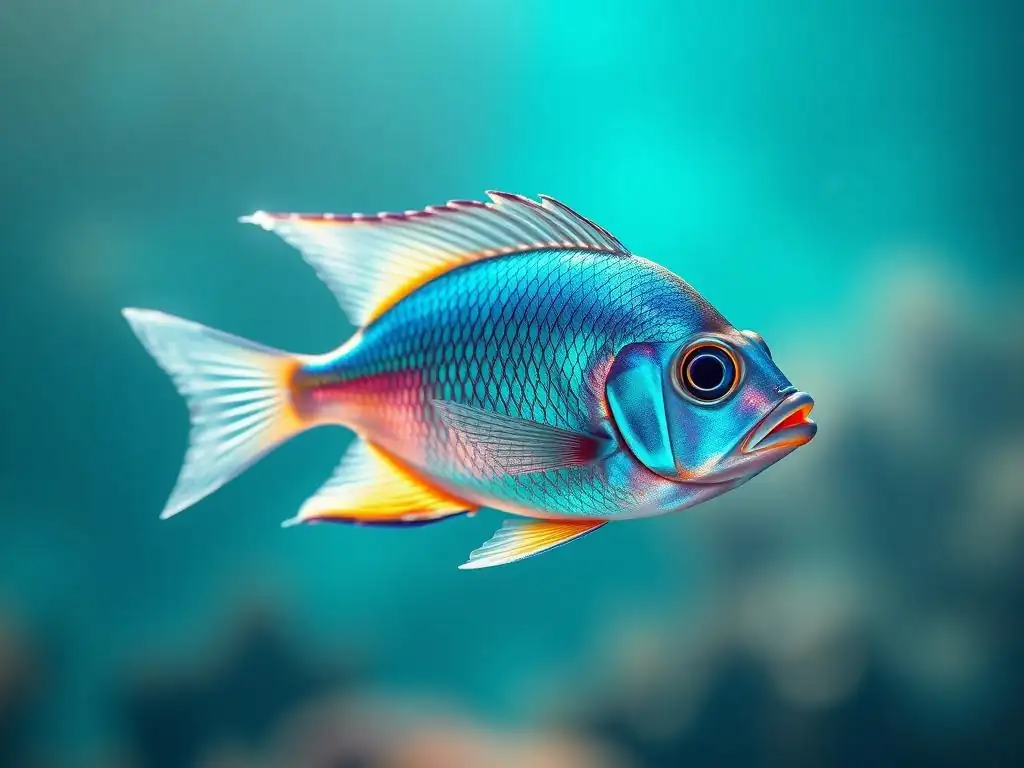
When acquiring a Cherub Angelfish, choosing a reputable source is paramount to ensuring you bring home a healthy specimen. Local fish stores (LFS) that specialize in marine fish and have a clean, well-maintained livestock section are often a good starting point. Observe their tanks for signs of disease, dead fish, or poor water quality. Ask staff about their quarantine procedures and the origin of their fish.
Online retailers specializing in marine livestock have also become a popular option, offering a wider selection and often captive-bred specimens (though Centropyge argi are rarely captive-bred for commercial sale). When purchasing online, research the retailer's reputation thoroughly, read reviews, and understand their live arrival guarantee and shipping policies. A reputable online vendor will prioritize proper packing and shipping to minimize stress on the fish. Regardless of the source, a responsible Pygmy angelfish care guide always emphasizes sourcing from ethical and reliable suppliers.
Identifying Signs of a Healthy Cherub Angelfish
Upon inspection, several key indicators can help you identify a healthy Cherub Angelfish. The fish should be active and alert, swimming freely and exhibiting natural behaviors. Its coloration should be vibrant and intense, without any dullness, faded patches, or abnormal blotches. The fins should be intact, erect, and free from any tears, fraying, or white spots. The eyes should be clear and bright, not cloudy or sunken.
Observe its breathing: gills should move rhythmically and without excessive rapidity. The fish should not appear bloated or emaciated, and there should be no visible parasites (like Ich spots or velvet dust) on its body. Crucially, try to observe the fish eating. A healthy Cherub Angelfish will readily accept food offered, demonstrating a good appetite. Avoid any fish that is lethargic, hiding excessively, breathing heavily, or showing any visible signs of disease, as these are red flags that could lead to significant problems in your aquarium, underscoring the importance of this step in any Pygmy angelfish care guide.
Acclimation Procedures for New Cherub Angelfish Arrivals
Proper acclimation is a critical step in introducing a new Cherub Angelfish to your aquarium, minimizing stress and preventing shock from changes in water parameters. The drip acclimation method is highly recommended for marine fish due to its slow and gradual adjustment of salinity and pH. Begin by floating the sealed bag in your quarantine tank (or display tank, if skipping QT) for 15-20 minutes to equalize temperature.
Then, open the bag, roll down the edges, and secure it. Using airline tubing, start a slow drip of water from your aquarium into the bag, aiming for about 1-2 drips per second. Allow the volume of water in the bag to slowly triple or quadruple over a period of 1 to 2 hours.
Once acclimation is complete, gently net the fish and transfer it to the tank, discarding the bag water (never add it to your aquarium). Dim the tank lights for the first few hours to help reduce stress and allow the new Cherub Angelfish to calmly explore its new environment, a crucial step in a successful Pygmy angelfish care guide.
Cherub Angelfish: Pros and Cons of Keeping Centropyge argi
Advantages of Adding a Cherub Angelfish to Your Aquarium
The Cherub Angelfish offers numerous compelling advantages that make it a highly desirable addition to many marine aquariums, particularly nano reef setups. Its primary appeal lies in its compact size, typically reaching only 2.5-3 inches, which allows it to thrive in smaller tanks (20+ gallons) where larger angelfish would be unsuitable. This makes it an accessible option for aquarists with limited space.
Furthermore, its vibrant coloration – a striking deep blue body contrasted with a brilliant orange-yellow face and fins – provides an exceptional visual highlight, adding a dynamic splash of color and activity to the reef. Cherub Angelfish are also generally hardy once acclimated, adaptable to a variety of prepared foods, and tend to be less aggressive than many other angelfish species, making them suitable for peaceful community tanks.
Their continuous grazing on live rock also offers a natural behavior that is both engaging to observe and beneficial for the tank's micro-ecosystem, aligning perfectly with the goals of a thorough Pygmy angelfish care guide.
Disadvantages and Potential Challenges of Cherub Angelfish Care
Despite its many advantages, keeping a Cherub Angelfish does come with certain potential disadvantages and challenges that aquarists should be aware of. The most significant concern, particularly for reef keepers, is their "reef-safe with caution" status. While generally less prone to coral nipping than other angels, individual specimens can develop a taste for stony coral polyps, soft corals, or clam mantles, especially if underfed or lacking sufficient grazing opportunities on live rock. This unpredictable behavior can be a major drawback for those with high-value or sensitive coral collections.
Another challenge lies in their potential territoriality. While peaceful towards dissimilar species, Cherub Angelfish can be aggressive towards other dwarf angelfish, including conspecifics, in smaller tanks. This typically means only one Centropyge species should be kept per tank unless it's a very large system. Finally, like all marine fish, they require stable and pristine water parameters, which can be more challenging to maintain in smaller nano reef tanks where fluctuations are more pronounced. Adhering to a detailed Pygmy angelfish care guide is essential to mitigate these potential issues and ensure the fish thrives.
Conclusion: The Cherub Angelfish - A Rewarding Addition to the Nano Reef
Final Thoughts on Cherub Angelfish Care and Suitability
The Cherub Angelfish ( Centropyge argi) truly is a tiny treasure for the nano reef aquarium. Its vibrant colors, manageable size, and generally peaceful demeanor make it an outstanding choice for aquarists seeking to add a captivating centerpiece to their smaller marine setups.
While its "reef-safe" status comes with a caveat, proper feeding, ample live rock, and careful observation can significantly mitigate the risk of coral nipping. Adherence to a comprehensive Pygmy angelfish care guide that emphasizes stable water parameters, a varied and nutritious diet, and appropriate tank mates is paramount to ensuring the long-term health and vitality of this charming dwarf angelfish.
For those willing to provide the necessary care and attention, the Cherub Angelfish offers a rewarding experience, bringing dynamic activity and brilliant color to the home aquarium. Its hardiness, once established, combined with its inquisitive nature, ensures it will be a constant source of fascination. Ultimately, the Centropyge argi stands as a testament to the beauty and diversity that can be housed even in a compact reef system, provided the aquarist commits to its specific needs.
Resources for Further Learning About Centropyge argi
To deepen your understanding of the Cherub Angelfish and refine your Pygmy angelfish care guide practices, consider exploring additional resources. Reputable online forums dedicated to marine aquaria offer a wealth of collective experience and problem-solving discussions from hobbyists worldwide. Comprehensive reference books on marine fish and reef keeping provide detailed species profiles and general husbandry advice.
Furthermore, academic papers and scientific databases can offer insights into the natural history, behavior, and specific physiological needs of Centropyge argi. Continuously seeking knowledge and engaging with the broader aquarist community will undoubtedly enhance your success and enjoyment in keeping this magnificent dwarf angelfish.
Frequently Asked Questions
What are the key considerations for keeping Pygmy Angelfish in a nano reef aquarium?
The most important considerations are tank size (at least 30 gallons is recommended), stable water parameters, and providing plenty of hiding places among the rockwork.
What type of diet is best suited for Pygmy Angelfish?
Pygmy Angelfish require a varied diet including high-quality flake or pellet food, frozen foods such as mysis shrimp, and ample algae to graze on.
How do I ensure proper water chemistry for Pygmy Angelfish?
Regular water testing is crucial to maintain optimal conditions. Keep nitrates low and ensure stable pH, alkalinity, and salinity levels through regular water changes.
Are Pygmy Angelfish reef safe?
While generally considered reef safe, some individual Pygmy Angelfish may nip at certain corals, particularly LPS corals. Careful observation is necessary.
What are some common health issues that affect Pygmy Angelfish?
Common issues include marine ich (white spot disease) and other parasitic infections, often triggered by stress or poor water quality. Quarantine new fish before introducing them to the main tank.
Final Reflection: The Enduring Allure of Miniature Majesty
The journey through the world of Centropyge argi reveals more than just the specifics of pygmy angelfish care; it underscores the enduring appeal of bringing a slice of the ocean's beauty into our homes. The intricate details of their habitat, diet, and compatibility, when understood and respected, allow us to not only keep these tiny treasures alive but to truly appreciate the delicate balance of the reef ecosystem they represent.
The impact of responsible reef keeping extends far beyond the confines of our aquariums. It fosters a deeper understanding of marine conservation and the interconnectedness of life on our planet. The cherubfish, in its miniature splendor, serves as a constant reminder of the fragility and beauty we must strive to protect. In the end, we will conserve only what we love; we will love only what we understand; and we will understand only what we are taught.
- Baba Dioum, a Senegalese conservationist. This quote perfectly encapsulates the responsibility we bear as aquarists.
Now, as you close this guide, consider the power you hold to contribute to the well-being of these magnificent creatures. Let the knowledge you've gained inspire you to create not just a thriving nano reef, but a microcosm of responsible stewardship. Embrace the challenge, celebrate the beauty, and remember that even the smallest actions can have a profound impact on the future of our oceans.
Dive Deeper: Claim Your Nano Reef Adventure!
Thank you for exploring the captivating world of the Pygmy Angelfish with us! We hope you're inspired by their vibrant beauty and suitability for nano reefs. Now, it's time to bring that inspiration to life.
Here are a few ways to continue your journey:
- Start Planning Your Nano Reef Today: Research tank sizes, equipment, and compatible tank mates to create the perfect haven for a Cherubfish. This is your primary action!
- Explore other nano-friendly species to create a truly unique and balanced ecosystem. Consider invertebrates or smaller fish that complement the Cherubfish's personality.
- Share this article with fellow reefing enthusiasts! Help spread the word about these incredible miniature marvels and inspire others to embrace nano reefs.
What fascinating nano reef inhabitants have you discovered that would thrive alongside a Cherubfish?