
The Importance of Water Changes in Shrimp Aquariums: How Often and How Much?

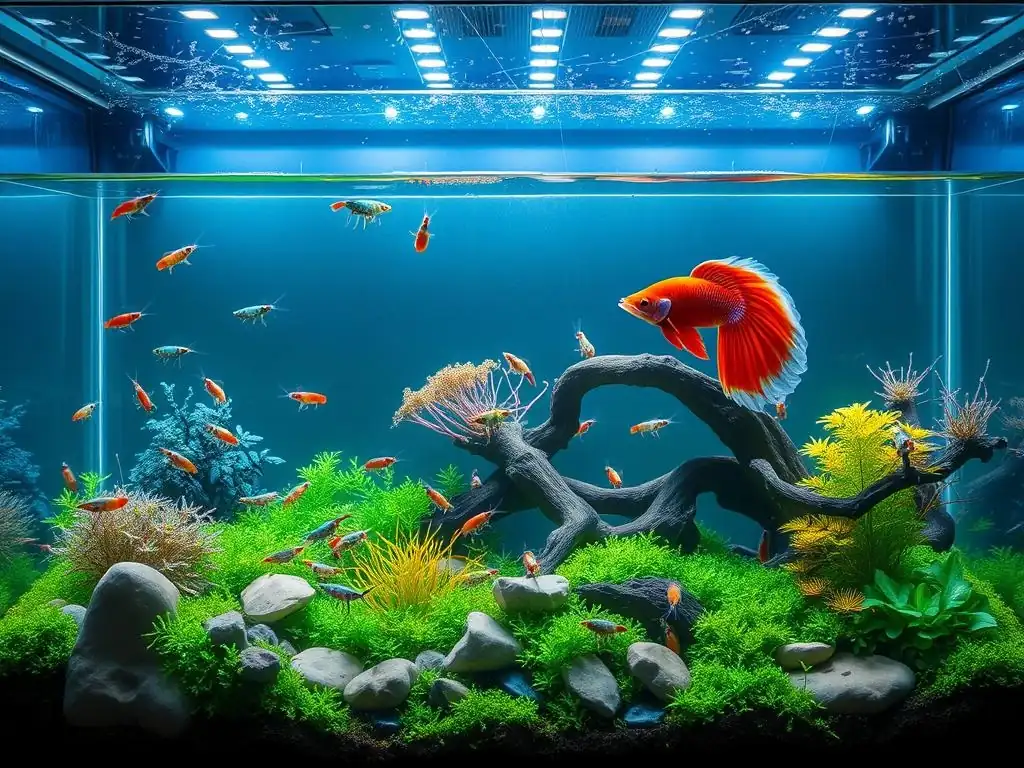
Welcome to Aquarium Mastery!
Ever wondered if you're really giving your shrimp the pristine environment they deserve? You're in the right place! We're diving deep into the often-misunderstood art of shrimp keeping. This article specifically addresses the crucial topic of Shrimp Water Changes Frequency, unlocking the secrets to a thriving shrimp aquarium. But how often is often enough? Let's explore the factors influencing your water change schedule and ensure your delicate invertebrates flourish. Read on to discover the optimal routine for your shrimp paradise!
- Understanding the Critical Role of Water Changes for Shrimp Health
- Determining the Ideal Shrimp Water Changes Frequency
- How Much Water to Change in a Shrimp Tank
- Step-by-Step Guide to Performing a Shrimp Tank Water Change
- Common Mistakes to Avoid During Shrimp Water Changes
- Advanced Considerations for Shrimp Tank Water Changes
- Maintaining Optimal Water Quality for a Healthy Shrimp Aquarium
- Troubleshooting Common Water Quality Issues in Shrimp Tanks
- Conclusion: Mastering Shrimp Water Changes for a Flourishing Aquarium
- Frequently Asked Questions
- Final Reflection: The Lifeblood of a Thriving Shrimp Colony
- Transform Your Shrimp Tank Today!
Understanding the Critical Role of Water Changes for Shrimp Health
Why Regular Water Changes Are Essential for Thriving Shrimp
Regular water changes are paramount for maintaining a healthy and thriving shrimp aquarium. Over time, shrimp waste, uneaten food, and decaying plant matter break down, releasing harmful compounds such as ammonia, nitrite, and ultimately, nitrates into the water. While a properly cycled aquarium's biological filter converts ammonia and nitrite to nitrates, nitrates accumulate and can become toxic at elevated levels. Water changes effectively dilute and remove these accumulated toxins, preventing them from reaching dangerous concentrations that could stress or harm your delicate shrimp.
Beyond toxin removal, water changes also serve to replenish essential minerals and trace elements that are naturally depleted by shrimp and aquatic plants. Shrimp require specific minerals, particularly calcium and magnesium, for successful molting and shell formation. As shrimp grow and molt, they absorb these minerals from the water.
Plants, too, consume various micronutrients. Without regular replenishment through fresh water, these vital elements can become scarce, leading to molting failures, weakened exoskeletons, and overall poor health. For instance, a common issue known as "ring of death" in shrimp is often attributed to insufficient mineral content, making consistent shrimp water changes frequency crucial.
The Impact of Poor Water Quality on Shrimp Health and Survival
Poor water quality poses a significant threat to the health and survival of freshwater shrimp. Chronic exposure to high levels of nitrates, for example, can lead to prolonged stress, which weakens a shrimp's immune system, making it highly susceptible to diseases and infections. Elevated ammonia and nitrite, even in small amounts, are acutely toxic and can cause immediate respiratory distress, gill damage, and rapid death. Unlike fish, shrimp are particularly sensitive to sudden shifts or prolonged exposure to suboptimal parameters, often showing signs of distress like lethargy, erratic swimming, or loss of appetite.
Furthermore, inadequate water quality directly impacts a shrimp colony's ability to thrive and reproduce. High levels of pollutants can inhibit breeding, reduce fertility, and lead to high mortality rates among shrimplets. For example, a study might show that Neocaridina shrimp colonies kept with nitrate levels consistently above 40 ppm exhibit significantly lower breeding success compared to those maintained below 15 ppm. Over time, neglecting consistent shrimp water changes frequency can lead to a gradual decline in the colony's population, ultimately resulting in its collapse, as the shrimp struggle to survive and reproduce in a toxic environment.
Determining the Ideal Shrimp Water Changes Frequency
Factors Influencing Water Change Frequency for Shrimp Tanks
The ideal shrimp water changes frequency is not a one-size-fits-all answer; it depends on a multitude of factors unique to each aquarium setup. Key considerations include the tank's size, the density of the shrimp population, the efficiency of the filtration system, the amount of live plants, and your feeding habits. A heavily stocked, small tank with minimal plant life will accumulate waste much faster than a sparsely populated, heavily planted large tank, thus requiring more frequent intervention. Understanding these variables is essential for tailoring a water change schedule that genuinely meets your shrimp's needs.
For instance, a 5-gallon nano tank housing 30 Neocaridina shrimp with a simple sponge filter will likely need more frequent and potentially larger percentage water changes than a 20-gallon long tank with only 15 shrimp and robust external filtration. Similarly, an aquarist who tends to overfeed will see a more rapid buildup of nitrates and other pollutants, necessitating more diligent shrimp water changes. The presence of fast-growing live plants also plays a role, as they absorb nitrates, potentially allowing for slightly less frequent water changes, though this should not replace them entirely.
Shrimp Species and Water Change Needs: Neocaridina vs. Caridina
The specific species of shrimp you keep significantly influences their water change requirements. Neocaridina shrimp, such as Red Cherry, Blue Dream, and Sunkist shrimp, are generally hardier and more adaptable to a wider range of water parameters. They can often tolerate slightly less stringent water change schedules, typically benefiting from small, weekly or bi-weekly water changes. Their robust nature makes them more forgiving of minor fluctuations in water chemistry.
In contrast, Caridina shrimp species, including Crystal Red, Black King Kong, and Taiwan Bee shrimp, are notoriously more sensitive and demand highly stable and specific water parameters. These shrimp often thrive in softer, more acidic water with lower Total Dissolved Solids (TDS).
For Caridina, more frequent, very small water changes (e.g., 5-10% twice a week) are often preferred over larger, less frequent ones to prevent any drastic shifts in pH, GH, or KH that could induce stress or molting issues. Maintaining consistent water quality is paramount for their delicate systems, making the precise shrimp water changes frequency a critical aspect of their care.
The Role of Tank Size and Shrimp Stocking Density
Tank size directly impacts the stability of water parameters and, consequently, the required shrimp water changes frequency. Smaller aquariums, such as 2.5 or 5-gallon nano tanks, have a much smaller water volume, meaning that waste products accumulate and parameters fluctuate more rapidly compared to larger tanks like 10 or 20 gallons. This reduced stability necessitates more frequent water changes to dilute pollutants and maintain consistency. A 5-gallon tank might require 10-15% water changes twice a week, whereas a 20-gallon tank with similar stocking might only need 10-15% weekly.
Shrimp stocking density is another critical factor. A tank housing a small, healthy colony of 10-20 shrimp will produce significantly less bioload than a tank teeming with 50-100 shrimp. Higher stocking densities invariably lead to a faster buildup of nitrates and other dissolved organic compounds, even with efficient filtration. Therefore, a densely populated tank will demand more frequent and possibly larger percentage shrimp water changes to keep nitrate levels in check and prevent the accumulation of harmful substances that can stress the colony and lead to health issues.
Monitoring Water Parameters: A Key to Determining Water Change Needs
Regular monitoring of key water parameters is the most reliable method for determining when and how much water to change in your shrimp tank. Relying solely on a fixed schedule without testing can lead to either unnecessary changes or, more dangerously, insufficient maintenance. A comprehensive liquid test kit is an indispensable tool for any shrimp keeper, providing accurate readings of critical parameters that directly indicate water quality and the need for intervention.
By consistently testing, you gain insight into your tank's specific needs, allowing you to fine-tune your shrimp water changes frequency. For instance, if your nitrates consistently rise rapidly between scheduled changes, it's a clear signal to either increase the frequency or the volume of your water changes. Conversely, if parameters remain stable and ideal, you might be able to slightly reduce the frequency, though consistency is generally preferred for shrimp.
Testing for Ammonia, Nitrite, and Nitrate in Shrimp Tanks
Testing for ammonia, nitrite, and nitrate is fundamental to assessing your shrimp tank's health. Ammonia and nitrite should always read 0 ppm in a cycled aquarium; any detectable levels indicate a problem with the biological filter or overstocking, demanding immediate and often daily water changes until resolved. These compounds are highly toxic to shrimp and can cause rapid death.
Nitrates, the end product of the nitrogen cycle, are less acutely toxic but can still cause stress and health issues at high concentrations. For most freshwater shrimp, keeping nitrate levels below 20 ppm is recommended, with sensitive Caridina species thriving best when levels are kept below 10 ppm. Regular weekly testing will show you the rate at which nitrates accumulate.
If your nitrates climb from 5 ppm to 20 ppm in a week, a 10-15% weekly water change might be sufficient. If they jump to 40 ppm, you'll need to increase your shrimp water changes frequency or volume to bring levels down and maintain a healthier environment.
Understanding TDS (Total Dissolved Solids) and Its Impact on Water Change Decisions
Total Dissolved Solids (TDS) is a measure of all inorganic and organic substances dissolved in water, expressed in parts per million (ppm). For shrimp keepers, especially those with Caridina species, a TDS meter is an invaluable tool. While it doesn't tell you what is dissolved, it gives an overall indication of the water's "stuff" content, which includes accumulated waste products, consumed minerals, and any additives.
Optimal TDS ranges vary by shrimp species: Neocaridina typically thrive in 150-250 ppm, while Caridina prefer 90-150 ppm. A rising TDS reading in your tank, even if nitrates are within acceptable limits, often signals the accumulation of other undesirable dissolved organics and depleted essential minerals. This indicates a need for a water change to "reset" the water's composition. For example, if your Caridina tank's TDS consistently creeps up from 120 ppm to 160 ppm between weekly water changes, it suggests your shrimp water changes frequency or volume needs adjustment to maintain that crucial stability for your sensitive shrimp.
How Much Water to Change in a Shrimp Tank
The "Less is More" Approach to Shrimp Tank Water Changes
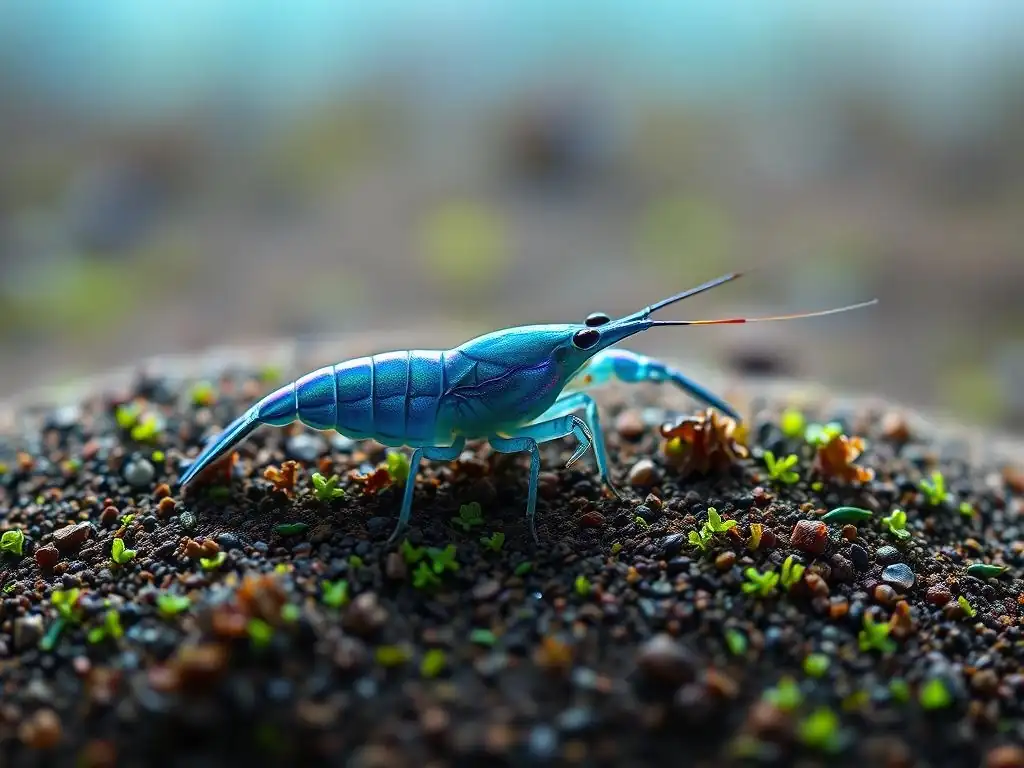
When it comes to shrimp aquariums, the philosophy of "less is more" holds significant weight regarding water change volume. Unlike some fish tanks that can tolerate large, infrequent water changes, shrimp are highly sensitive to sudden and drastic shifts in water parameters such as temperature, pH, GH, and KH. A substantial water change (e.g., 30-50% or more) can lead to osmotic shock, where the shrimp's internal body fluids struggle to adapt to the sudden change in their external environment.
This shock can result in immediate stress, lethargy, or more severe issues like molting failure (the infamous "ring of death"), and even death. Instead, smaller, more frequent shrimp water changes minimize these parameter fluctuations, allowing the shrimp to acclimate gradually and reducing stress. This consistent, gentle approach is key to maintaining a stable environment that promotes long-term health and successful breeding.
Recommended Water Change Percentage for Shrimp
For most freshwater shrimp tanks, a recommended water change percentage falls within the range of 10-20% of the total tank volume. This small percentage is generally sufficient to dilute accumulated nitrates and replenish essential minerals without causing significant parameter swings. For example, a 10-gallon shrimp tank would benefit from a 1 to 2-gallon water change weekly.
For highly sensitive Caridina species or very small nano tanks (e.g., 2.5 gallons), even smaller changes of 5-10% performed more frequently (e.g., twice a week) might be more beneficial. The key is consistency. Establishing a regular schedule of these smaller changes is far more effective and safer for your shrimp than performing a large, infrequent water change. This consistent shrimp water changes frequency maintains stability, which is paramount for these delicate invertebrates.
Avoiding Drastic Water Parameter Fluctuations During Water Changes
Preventing drastic water parameter fluctuations is critical during shrimp water changes. The primary parameters to match are temperature, pH, GH (General Hardness), and KH (Carbonate Hardness). A temperature difference of more than 1-2°F (0.5-1°C) between the tank water and the new water can cause temperature shock, leading to stress and potentially molting issues. Always use a reliable aquarium thermometer to ensure the new water matches the tank's temperature as closely as possible before adding it.
Beyond temperature, matching pH, GH, and KH is equally important, especially for sensitive Caridina shrimp. If you use RO/DI water, remineralize it to match your tank's target parameters precisely. If using treated tap water, ensure its parameters are similar to your tank's aged water. Introducing new water slowly, perhaps even via a drip acclimation method for very sensitive setups, allows shrimp ample time to adjust to any subtle differences, significantly reducing stress and the risk of adverse reactions during shrimp water changes.
Step-by-Step Guide to Performing a Shrimp Tank Water Change
Preparing for a Shrimp Tank Water Change: Essential Supplies
Before initiating a shrimp tank water change, gather all necessary supplies to ensure a smooth and safe process. You will need a clean, food-grade bucket (never used for household chemicals or soaps), a small-diameter aquarium siphon (often called a gravel vacuum, but used gently for shrimp tanks), a high-quality dechlorinator (if using tap water), an aquarium thermometer, and your water test kit. For those using RO/DI water, a remineralizer specific to your shrimp species (e.g., Salty Shrimp GH/KH+ or GH+) will also be essential.
Cleanliness is paramount when dealing with shrimp; even trace amounts of contaminants can be lethal. Ensure all equipment is dedicated solely to aquarium use and rinsed thoroughly before and after each water change. Having everything prepared beforehand minimizes the time your shrimp are exposed to potentially fluctuating conditions and ensures you can perform the shrimp water changes efficiently and safely.
Safely Removing Water from the Shrimp Tank
Safely removing water from a shrimp tank requires a gentle approach to avoid disturbing the shrimp and their environment. Use a small-diameter siphon to control the flow and prevent accidental suction of shrimplets or adult shrimp. Slowly lower the siphon into the tank, aiming for the water column rather than directly into the substrate, unless you are targeting specific detritus. Avoid deep gravel vacuuming, as this can release trapped gases and disturb beneficial bacterial colonies residing in the substrate, which are crucial for the nitrogen cycle.
If you have a heavily planted tank or a very active shrimp colony, consider placing a fine mesh or sponge over the siphon intake to further prevent shrimp from being drawn in. Gently siphon out the desired percentage of water (e.g., 10-20%), paying attention to the water level. This careful method ensures minimal stress on your shrimp during the removal phase of your shrimp water changes.
Preparing New Water for the Shrimp Tank: Dechlorination and Temperature Matching
Preparing new water correctly is a critical step in any shrimp water change. If you are using tap water, it is absolutely essential to treat it with a quality dechlorinator (such as Seachem Prime or API Tap Water Conditioner) to neutralize chlorine and chloramines, which are highly toxic to shrimp and beneficial bacteria. Follow the product instructions for dosing accurately based on the volume of water you are preparing.
Next, ensure the new water's temperature closely matches that of your aquarium water. Fill your clean bucket with the treated water and use an aquarium thermometer to check its temperature against the tank's. Aim for a difference of no more than 1-2°F (0.5-1°C).
You can achieve this by letting the water sit at room temperature for several hours or by carefully adding a small amount of warmer or cooler treated water until the temperatures align. For those using RO/DI water, this is also the stage where you will remineralize it to your target GH/KH and TDS levels before checking the temperature.
Gently Adding New Water to the Shrimp Tank
Once the new water is prepared and its temperature matched, the final step is to gently reintroduce it into the shrimp tank. Avoid pouring the water directly onto the substrate or over your shrimp, as this can cause significant disturbance and stress. Instead, pour the new water slowly onto a hard surface within the tank, such as a piece of driftwood, a large rock, or even your hand, to diffuse the flow and prevent substrate upheaval.
For highly sensitive shrimp or very small tanks, consider using a drip acclimation method. This involves setting up a small airline tube with an airline valve to slowly drip the new water into the tank over an extended period (e.g., 30-60 minutes). This gradual introduction minimizes any potential parameter shock and allows the shrimp ample time to adjust, making the shrimp water changes process as stress-free as possible for your delicate inhabitants.
Common Mistakes to Avoid During Shrimp Water Changes
Over-Changing the Water: The Risks of Large Water Changes
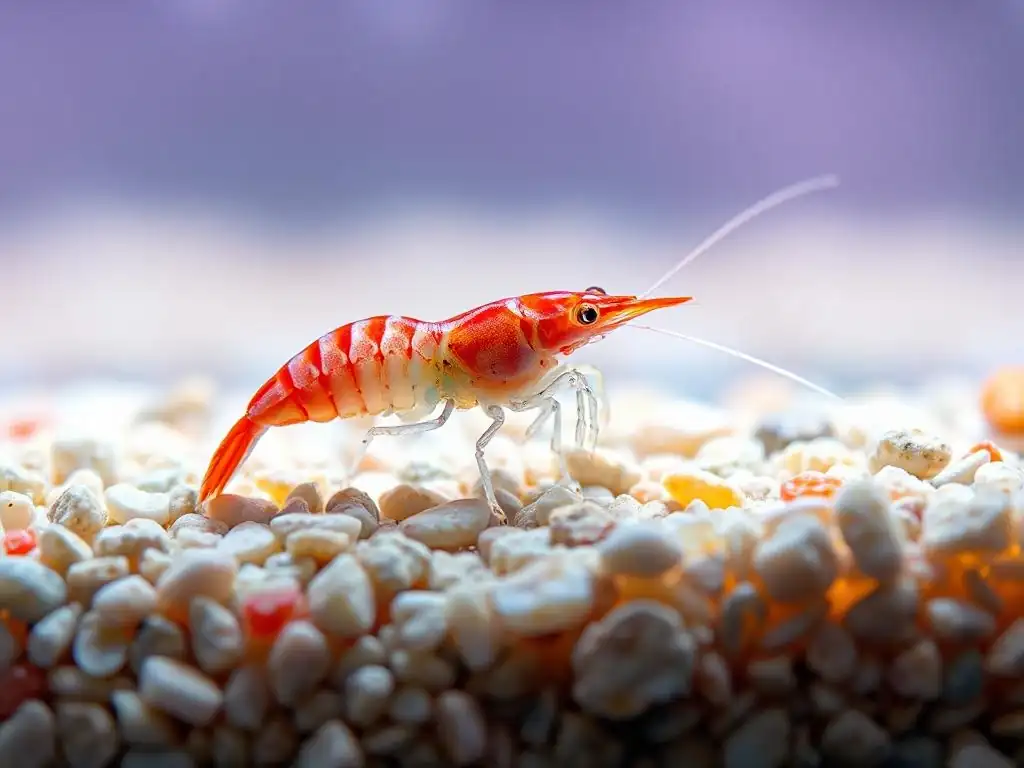
One of the most common and detrimental mistakes in shrimp keeping is performing excessively large water changes. While it might seem intuitive to change more water to "clean" the tank, changing 30%, 50%, or even more of the tank's volume at once can be catastrophic for shrimp. Such drastic changes lead to sudden and significant shifts in water parameters—including temperature, pH, GH, and KH—which shrimp are extremely sensitive to.
These abrupt changes create osmotic shock, where the shrimp's internal systems struggle to adapt to the new external environment. This can result in immediate stress, lethargy, molting failures (often appearing as the "ring of death"), and ultimately, mass die-offs within the colony. Consistent, small shrimp water changes (typically 10-20%) are far safer and more effective at maintaining the stable conditions that shrimp require to thrive.
Using Untreated Tap Water: The Importance of Dechlorination
A critical and potentially fatal mistake is using untreated tap water for shrimp water changes. Tap water in most municipal areas contains chlorine or chloramines, disinfectants added to make the water safe for human consumption. However, these chemicals are highly toxic to aquatic life, including shrimp and the beneficial bacteria that form the backbone of your aquarium's nitrogen cycle.
Even small, seemingly insignificant amounts of chlorine can cause cumulative damage to shrimp gills and overall health, leading to stress, illness, and eventual death. Chloramines are even more persistent and damaging. Therefore, it is absolutely non-negotiable to use a high-quality water conditioner or dechlorinator every single time you add tap water to your shrimp tank. This simple step is vital for the immediate and long-term health of your colony and ensures your shrimp water changes are safe.
Introducing Temperature Shock: Matching Water Temperatures
Introducing new water that is significantly different in temperature from the existing tank water is another common mistake that can lead to temperature shock in shrimp. Even a difference of a few degrees Fahrenheit (e.g., 5°F or 2.8°C) can be highly stressful, causing shrimp to become lethargic, dart around frantically, or even jump out of the water. This stress weakens their immune systems and can trigger molting issues.
To avoid this, always use an accurate aquarium thermometer to measure both the tank water and the newly prepared water. Aim to match the temperatures as closely as possible, ideally within 1-2°F (0.5-1°C). This can be achieved by letting the new water sit at room temperature for several hours or by carefully adjusting its temperature with a small, dedicated aquarium heater before adding it to the tank. Taking this extra step during your shrimp water changes significantly reduces stress on your delicate inhabitants.
Disturbing the Substrate Too Much: Minimizing Stress on Shrimp
Aggressive or excessive disturbance of the substrate during shrimp water changes is a mistake that can have several negative consequences. The substrate in a shrimp tank, especially if it's an active soil or contains beneficial bacteria, harbors a significant portion of the beneficial nitrifying bacteria that convert ammonia and nitrite into less harmful nitrates. Deep gravel vacuuming can disrupt or destroy these bacterial colonies, leading to mini-cycles and dangerous spikes in ammonia or nitrite.
Furthermore, vigorous substrate agitation can release trapped detritus, uneaten food, and even hydrogen sulfide gas (if anaerobic pockets exist), clouding the water and potentially irritating shrimp gills. It can also dislodge or bury shrimplets. Instead, opt for a gentle surface siphon to remove only loose debris and detritus without disturbing the main bacterial bed or stressing the shrimp. This careful approach to shrimp water changes helps maintain a stable and healthy environment.
Advanced Considerations for Shrimp Tank Water Changes
Using RO/DI Water for Shrimp Tanks
For serious shrimp keepers, particularly those focused on sensitive Caridina species like Crystal Red Shrimp or Taiwan Bees, using Reverse Osmosis/Deionized (RO/DI) water for shrimp water changes is often considered an advanced, yet highly beneficial, practice. RO/DI water is essentially purified water that has had almost all dissolved solids, minerals, and contaminants removed. This "blank slate" allows the aquarist complete control over the water parameters.
The primary benefit of RO/DI water is its consistency. Unlike tap water, which can vary in parameters and contain unpredictable impurities (e.g., nitrates, phosphates, heavy metals), RO/DI water provides a stable starting point. This enables the aquarist to precisely build the ideal water chemistry for specific shrimp species by adding only the necessary minerals, ensuring that every shrimp water change introduces known and controlled parameters, which is crucial for delicate and high-value shrimp.
Remineralizing RO/DI Water for Shrimp
While RO/DI water offers unparalleled purity, it is devoid of essential minerals and thus unsuitable for shrimp on its own. Shrimp require specific minerals, particularly calcium and magnesium, for successful molting and osmoregulation. Therefore, remineralizing RO/DI water is a critical step before adding it to a shrimp tank. This involves using specialized products designed to restore the necessary General Hardness (GH) and, for some species, Carbonate Hardness (KH).
Specific remineralizers are tailored for different shrimp needs. For Neocaridina shrimp (e.g., Cherry Shrimp), products like Salty Shrimp GH/KH+ are commonly used, as they replenish both GH (calcium/magnesium) and KH (buffering capacity) to target levels (e.g., TDS 180-250 ppm). For Caridina shrimp (e.g., Crystal Red Shrimp), which prefer very soft water with minimal KH, products like Salty Shrimp GH+ are used, which only add GH, keeping KH at or near zero (e.g., TDS 90-150 ppm). Proper remineralization ensures that your shrimp water changes provide the vital minerals needed for healthy growth and molting.
The Benefits of Drip Acclimation for Shrimp
Drip acclimation is an advanced technique particularly beneficial when introducing new shrimp to an aquarium or when performing shrimp water changes for highly sensitive species. This method involves slowly adding new water (or new tank water to a bag of incoming shrimp) drop by drop, using an airline tube and an airline valve to control the flow. The process typically takes several hours, allowing the shrimp to gradually adjust to minute changes in water parameters.
The primary benefit of drip acclimation is the extreme minimization of stress due to osmotic shock. Instead of a sudden shift in pH, GH, KH, or TDS, the parameters change imperceptibly over a long period. For instance, when performing a water change on a high-end Caridina tank, slowly dripping in the remineralized RO/DI water over 30-60 minutes can prevent molting issues or stress-related deaths that might occur with a faster pour. This meticulous approach to shrimp water changes is a hallmark of experienced aquarists.
Maintaining Optimal Water Quality for a Healthy Shrimp Aquarium
The Synergistic Effect of Water Changes, Filtration, and Substrate
Maintaining optimal water quality in a shrimp aquarium is a holistic endeavor, where water changes, filtration, and substrate work in synergy. Water changes are essential for removing accumulated nitrates and replenishing depleted minerals, acting as a direct intervention. However, they are most effective when supported by robust filtration that continuously processes nitrogenous waste and removes physical debris. The substrate, in turn, provides vast surface area for beneficial bacteria, contributing significantly to the biological filtration and overall water stability.
For example, a tank with efficient sponge filtration handles the majority of the ammonia and nitrite conversion, while a stable buffering substrate (for Caridina) helps maintain desired pH and KH levels. Water changes then complement these systems by exporting the final nitrate product and other dissolved organics that filtration cannot remove. Neglecting any one of these components places a greater burden on the others, potentially leading to water quality issues. This integrated approach ensures that your shrimp water changes are part of a larger, effective strategy for a thriving ecosystem.
Choosing the Right Filter for Your Shrimp Tank
Selecting the appropriate filter is crucial for maintaining water quality and ensuring the safety of your shrimp. For most shrimp tanks, sponge filters are highly recommended. They provide excellent biological filtration, are inexpensive, easy to maintain, and, most importantly, are shrimp-safe, as there's no risk of shrimplets being sucked into an impeller. They also create a gentle current, which shrimp prefer.
Other viable options include small hang-on-back (HOB) filters, provided they are equipped with a pre-filter sponge over the intake to prevent shrimplets from being drawn in. Canister filters can also be used for larger shrimp tanks, again with a sponge pre-filter on the intake. Strong currents are generally disliked by shrimp, so choose filters that allow for gentle flow. A good filter reduces the bioload and the accumulation of waste, thereby supporting the effectiveness of your shrimp water changes.
Substrate Options for Shrimp Tanks and Their Impact on Water Quality
The choice of substrate significantly impacts water quality and, consequently, the needs for shrimp water changes. For Neocaridina shrimp, inert substrates like fine gravel or sand are commonly used. These substrates do not alter water parameters, meaning the aquarist relies on their source water and any added remineralizers to establish and maintain desired GH, KH, and pH. They are easy to clean and provide a stable base for plants and beneficial bacteria.
For Caridina shrimp, active buffering substrates (often referred to as "aquasoil" or "shrimp soil") are highly popular and often essential. Brands like ADA Aqua Soil, Fluval Stratum, and Brightwell Aquatics FlorinGravel are designed to actively lower and stabilize pH and KH, creating the soft, acidic water conditions these shrimp prefer. While these soils are beneficial, they have a finite buffering capacity and can eventually "exhaust" themselves, requiring careful monitoring of parameters and potentially influencing the frequency or type of shrimp water changes needed over time.
Troubleshooting Common Water Quality Issues in Shrimp Tanks
Dealing with Algae Blooms in Shrimp Tanks
Algae blooms are a common water quality issue in shrimp tanks, often signaling an imbalance in nutrients, light, or both. While water changes help by reducing excess nitrates and phosphates, they are usually a symptom rather than the root cause. Common triggers include excessive lighting duration (e.g., more than 8 hours a day), overfeeding, and insufficient nutrient uptake by live plants.
Effective solutions involve a multi-pronged approach: reducing lighting periods to 6-8 hours daily, meticulously removing uneaten food to prevent nutrient buildup, and performing more frequent, small shrimp water changes to export nitrates and phosphates. Introducing a cleanup crew like Nerite snails can also help control algae. Additionally, adding fast-growing live plants can outcompete algae for available nutrients, restoring balance and reducing the likelihood of future blooms.
Addressing High Nitrate Levels in Shrimp Tanks
High nitrate levels (above 20 ppm for Neocaridina, above 10 ppm for Caridina) are a primary indicator that your current shrimp water changes frequency or volume is insufficient. Nitrates are the end product of the nitrogen cycle and, while less toxic than ammonia or nitrite, can cause chronic stress, suppress breeding, and lead to health issues if allowed to accumulate.
To address persistently high nitrates, several actions can be taken:
- Increase Shrimp Water Changes Frequency/Volume: Perform smaller changes more often (e.g., 10-15% twice a week instead of once) or slightly increase the percentage changed.
- Reduce Bioload: If overstocked, consider reducing the shrimp population.
- Reduce Feeding: Overfeeding is a major contributor to nitrate buildup; feed only what shrimp can consume in a few hours.
- Add Fast-Growing Plants: Live plants, especially stem plants like Hornwort or floating plants, are excellent nitrate sponges.
- Remove Uneaten Food: Promptly remove any uneaten food after feeding time.
Managing pH Fluctuations in Shrimp Tanks
Unstable pH levels can be extremely detrimental to shrimp, especially during molting, as it impacts their osmoregulation. Frequent or drastic pH fluctuations can be caused by insufficient buffering capacity (low KH), large, infrequent water changes with differing pH, or the introduction of pH-altering decor.
To manage pH fluctuations:
- Maintain Adequate KH: For Neocaridina, ensure your KH is stable (e.g., 2-4 dKH) through proper remineralization of RO/DI water or by using a consistent treated tap water source. Low KH means less buffering capacity, making pH more prone to swings.
- Use Buffering Substrates: For Caridina, active buffering substrates naturally lower and stabilize pH and KH to their preferred acidic range.
- Consistent Shrimp Water Changes: Perform small, frequent water changes with properly matched and prepared water to prevent drastic shifts.
- Avoid pH-Altering Decor: Be cautious with driftwood or other decor that can significantly lower pH if your shrimp prefer a higher pH, or ensure it's fully leached.
Conclusion: Mastering Shrimp Water Changes for a Flourishing Aquarium
Mastering shrimp water changes is undeniably one of the most critical aspects of keeping a healthy and flourishing shrimp aquarium. These regular interventions are not merely about cleaning the tank; they are vital for removing harmful accumulated waste products like nitrates, replenishing essential minerals crucial for molting and overall vitality, and maintaining the stable water parameters that delicate shrimp species absolutely require to thrive.
The "ideal" frequency and volume of shrimp water changes are not fixed, but rather dynamic, depending heavily on specific factors such as tank size, shrimp species (Neocaridina vs. Caridina), stocking density, filtration efficiency, and even your feeding habits.
Ultimately, consistent, thoughtful shrimp water changes, combined with diligent water parameter testing, form the cornerstone of successful shrimp keeping. Prioritizing small, frequent water changes (typically 10-20%), ensuring precise temperature and parameter matching, meticulously dechlorinating all new tap water, and gently introducing fresh water are practices that minimize stress and prevent common issues like molting failures or mass die-offs.
By adhering to these principles and adapting your routine to your tank's unique needs, you will cultivate a stable and pristine environment, ensuring your shrimp colony not only survives but truly flourishes, exhibiting vibrant colors and robust breeding success for years to come.
Frequently Asked Questions
How often should I perform water changes in my shrimp aquarium?
The ideal frequency depends on your tank size and shrimp bioload, but a general guideline is to perform water changes of 10-20% weekly. Adjust based on water parameter monitoring.
Why are water changes so crucial for shrimp?
Shrimp are sensitive to changes in water chemistry. Regular water changes help remove harmful nitrates and replenish essential minerals, creating a stable and healthy environment.
What type of water should I use for water changes in my shrimp tank?
Always use dechlorinated water that matches the temperature and parameters of your aquarium water. RO/DI water is often recommended for the purest water quality.
How much water should I change at a time?
Generally, 10-20% of the tank volume is sufficient. Larger changes can stress shrimp. Monitor your shrimp for signs of stress after a water change.
What happens if I don't perform water changes regularly in my shrimp aquarium?
Neglecting water changes can lead to a build-up of harmful nitrates, ammonia, and other toxins. This can stress your shrimp, making them susceptible to disease and even causing shrimp death.
Final Reflection: The Lifeblood of a Thriving Shrimp Colony
The principles outlined in this article, detailing the crucial role of consistent shrimp water changes, are more relevant than ever in today's world where the popularity of keeping these fascinating creatures continues to surge. Understanding and implementing the right water change frequency is not merely a matter of aesthetics; it's a fundamental pillar supporting the health, vitality, and longevity of your entire shrimp colony.
The delicate balance of a shrimp aquarium ecosystem is profoundly influenced by our actions, and regular water changes are arguably the most impactful intervention we can make. They directly impact the water parameters, removing harmful nitrates and replenishing essential minerals. The best fertilizer is the gardener's shadow.
This proverb reminds us that consistent, attentive care, like regular water changes, is often the most effective way to nurture life and foster growth within our miniature aquatic worlds.
As you embark on, or continue, your shrimp-keeping journey, I urge you to reflect on the profound responsibility we undertake when caring for these sensitive creatures. Consider the principles discussed here not as rigid rules, but as guidelines to be adapted to the unique needs of your own aquarium. By embracing a proactive approach to water quality management, you're not just maintaining a tank; you're cultivating a thriving ecosystem and ensuring a vibrant future for your shrimp colony.
Transform Your Shrimp Tank Today!
Thanks for diving into the world of shrimp keeping with us! We hope you've discovered some valuable insights into maintaining a healthy and thriving aquarium through proper water changes. Now, let's put that knowledge into action!
Here's how you can take your shrimp tank to the next level:
- Schedule your next water change right now! Commit to the health of your shrimp by marking it in your calendar.
- Document your water change process and observations in a tank journal – you might notice patterns you wouldn't otherwise see!
- Share your shrimp keeping journey with other enthusiasts online and ask for tips based on your specific setup.
What unique method do you use to ensure your water changes are stress-free for your shrimp?